The essentials of Gorbeia Natural Park

  • • Pico Gorbea (1,481 m) with the Cruz de Gorbea: northern Spain's most iconic mountain landmark
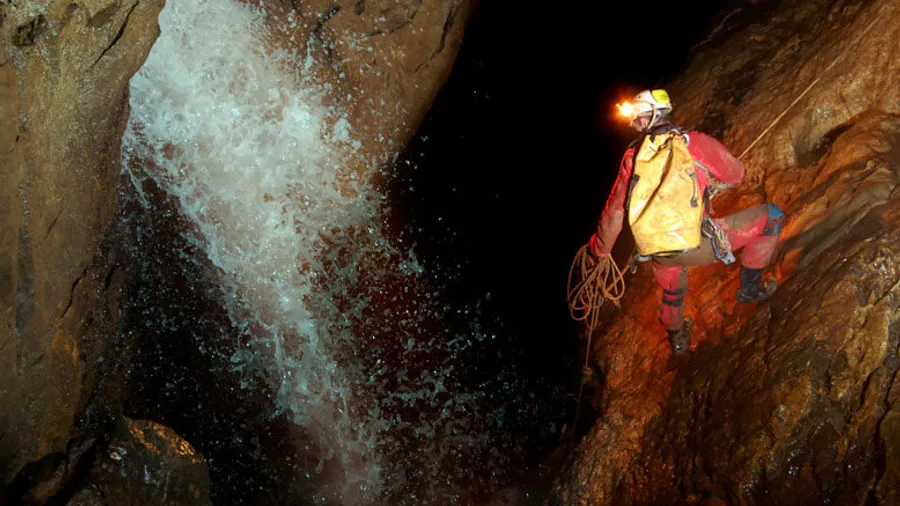
  • • Gujuli waterfall: 45 m free drop over mossy limestone in a narrow gorge
  • • Over 120 km of waymarked routes for all levels through mature Atlantic beech forest
  • • Iberian wolf, otter and peregrine falcon: representative Atlantic forest wildlife
  • • Arnauri River Park: 5 km of pedunculate oak forest with old-growth structure

Description

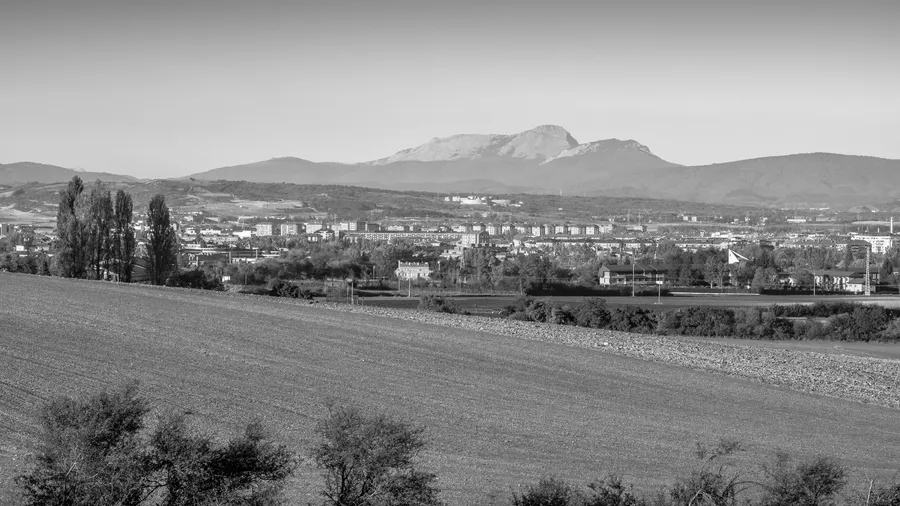
Parque Natural de Gorbeia extends across the border between Álava and Biscay, on the western end of the Gorbea range, and concentrates within its 20,016 hectares the greatest variety of beech forest ecosystems in the Basque Country. The massif reaches 1,481 metres at Pico Gorbea, crowned by the Cruz de Gorbea, one of northern Spain's most recognisable mountain landmarks. The terrain combines open summits with deep, humid valleys where water is everywhere: in the Altube, Arnauri and Arrati rivers, in streams descending from karst formations, and in the Gujuli waterfall, which drops 45 metres from a moss-covered limestone lip into a narrow gorge with vertical walls.

Beech forest is the dominant woodland above 400 metres. The most mature stands on north-facing slopes towards the Arrankudiaga valley hold beeches with trunks 80-100 cm across and heights exceeding 25 metres, with an understorey of ferns (Dryopteris affinis, Athyrium filix-femina) that forms a lime-green carpet under the bare branch canopy in spring. Pedunculate oak (Quercus robur) woodland occupies valley floors and warmer-facing slopes, while the park's limestone areas to the north support cliff-face plant communities and isolated holm oak stands on the driest sites. The scattered presence of yew (Taxus baccata) is significant from a biogeographical perspective.

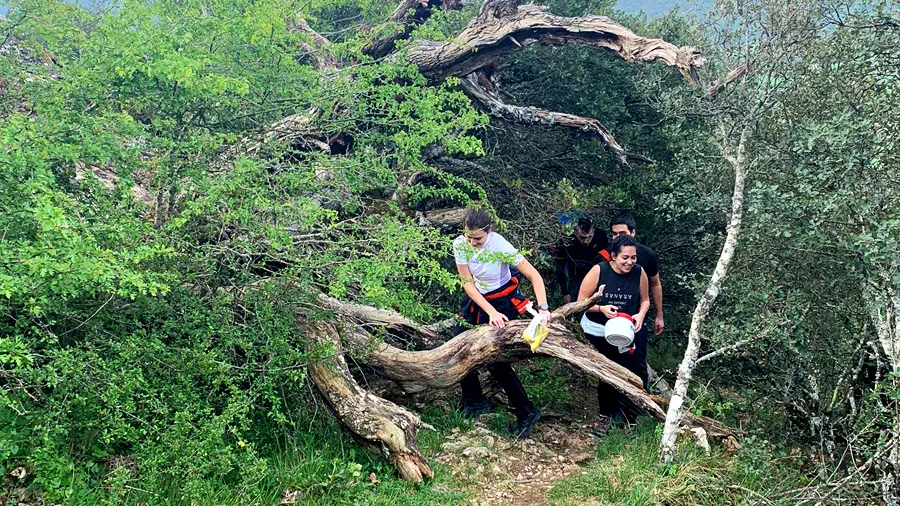
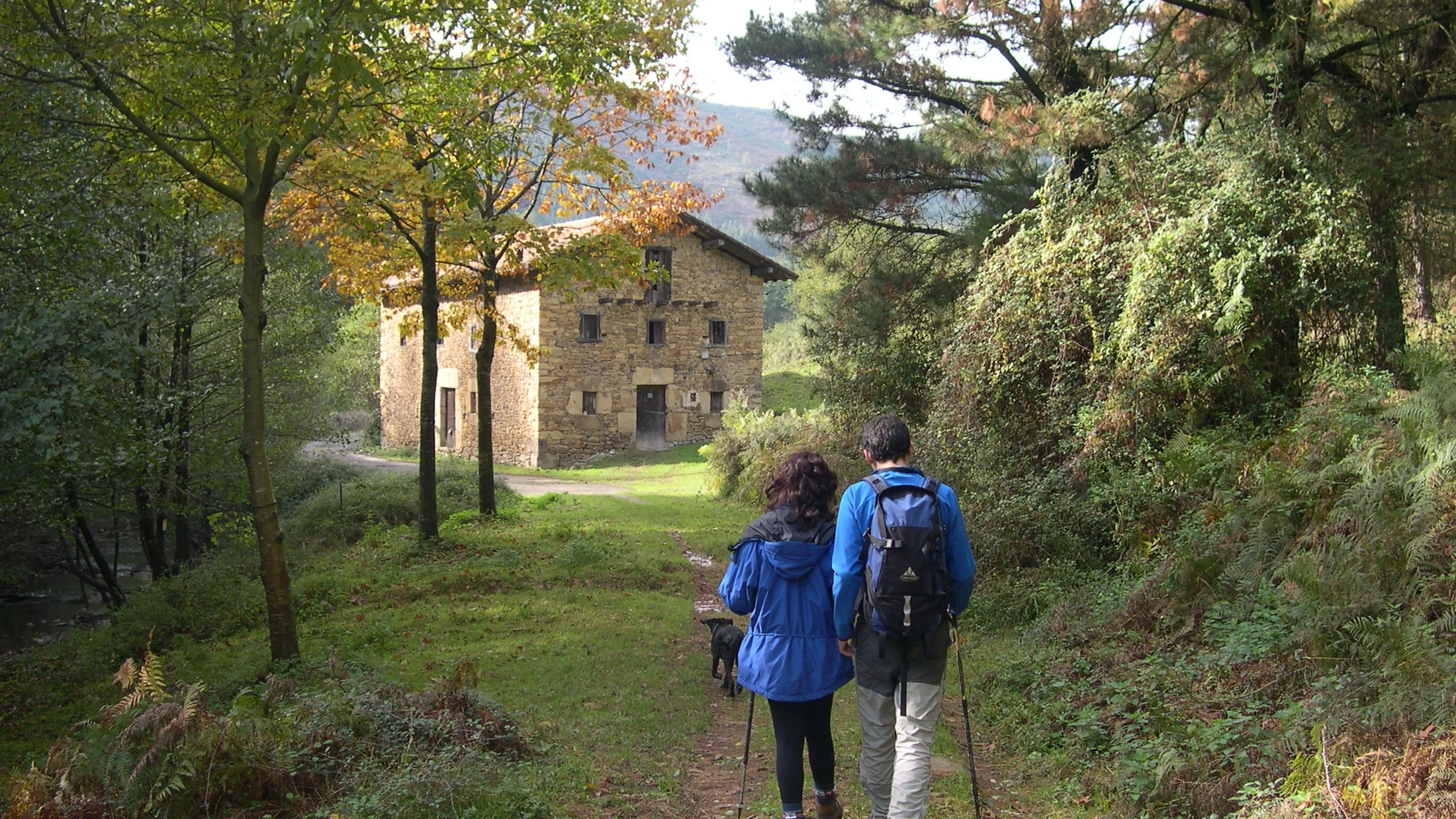
The park has more than 120 kilometres of waymarked routes organised by difficulty level. The ascent of Pico Gorbea (1,481 m) from the Altube col is the most frequented route, covering about 14 km return with 700 metres of elevation gain, fully signposted throughout. The Gujuli waterfall is accessible via a three-kilometre path from the Pozo Negro car park with virtually no technical difficulty. The Arnauri River Park route follows five kilometres of riverside through pedunculate oak forest with old-growth structure between Barazar and Murua. In winter, the Aratz sector and the high passes at Barazar and Urquiola offer snowshoeing conditions between December and March.

The park's wildlife includes the Iberian wolf, whose presence has been documented on the massif through camera trap records; abundant roe deer in the beech forest; stone marten (Martes foina) and badger (Meles meles) at forest edges; and peregrine falcon (Falco peregrinus) on the northern limestone walls. The park's rivers support populations of brown trout (Salmo trutta) and otter (Lutra lutra), indicators of good water quality. The popular myth of the Basajaun — the lord of the forest in Basque mythology, protector of flocks and beech woodland — is closely associated with the Gorbea, something worth knowing before setting off into the most solitary forest sections at dawn.
Practical information

Everything you need to know for your visit to Gorbeia Natural Park

How to get there
From Vitoria-Gasteiz, 28 km along the A-68 to Murguía then local tracks to the Altube col. From Bilbao, 38 km via the A-68. Álava Bus line to Murguía from Vitoria. Free car parks at Altube and Pozo Negro.
Area Information
The municipalities of Zuia and Zigoitia (Álava) and Orozko (Biscay) are the main access points. Murguía offers basic services: supermarket, pharmacy and several restaurants. Vitoria-Gasteiz, 28 km away, has full city facilities.
Geography
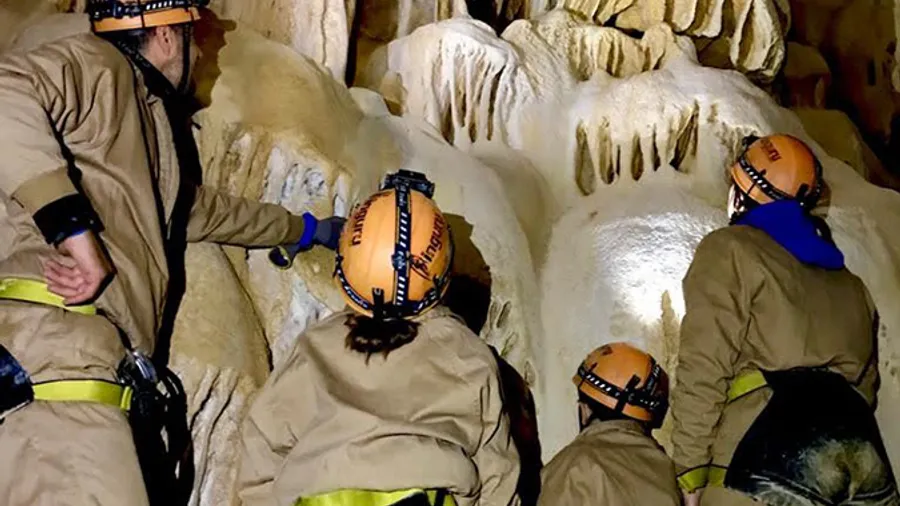
Mountain massif on the Álava-Biscay border, at the western end of the Basque System. Elevations from 300 to 1,481 m (Pico Gorbea). Karstic relief in the north with gorges and caves. Altube, Arnauri and Arrati rivers. Area: 20,016 ha.
Flora & Fauna
Beech (Fagus sylvatica), pedunculate oak, yew, ferns (Dryopteris affinis). Wildlife: Iberian wolf, roe deer, stone marten, badger, peregrine falcon, otter, brown trout. Beech-forest lepidoptera including purple emperor (Apatura iris).

Things to do

Find the best plans and things to do in Gorbeia Natural Park

20

Accommodations

Best accommodation options in Gorbeia Natural Park

Loading accommodation options...

Frequently Asked Questions

Get answers about Gorbeia Natural Park

The ascent from the Altube col car park to the summit of Pico Gorbea (1,481 m) covers about 7 km with 700 m of elevation gain. At a relaxed pace, the climb takes 2 to 2.5 hours and the descent slightly under 2 hours. The route is waymarked throughout and presents no technical difficulty in summer. In winter, above 1,000 metres there may be compacted snow requiring poles and, on some sections, microspikes.
The Gujuli waterfall is accessed from the Pozo Negro car park on the BI-3524 road between Orozko and Barazar. From the car park, a well-marked three-kilometre path (45 minutes) leads to the base of the falls with minimal elevation change. The path crosses Atlantic oak woodland and follows the Arnauri river before reaching the 45-metre drop. The visit is pleasant at any time of year, though the waterfall carries more water in autumn and winter.
Iberian wolf (Canis lupus signatus) presence has been documented in the Gorbea massif, though direct sightings are extremely rare. The species is crepuscular and nocturnal and actively avoids human presence. Its existence in the park is known mainly through camera trap records and tracks. There is no circuit or activity that guarantees a sighting; the best way to contribute to its conservation is to respect restricted-access zones and leave no waste on the mountain.
Yes. The park has several low-difficulty routes suitable for families with children. The Gujuli waterfall route (3 km from Pozo Negro) and the Arnauri River Park (5 km between Barazar and Murua) are the most recommended options for their flat terrain, lack of technical difficulty and strong visual appeal. The Gorbea summit is not advisable for children under 8-10 without previous mountain experience, especially in snow or fog.
The Aratz sector, on the park's south-eastern flank, and the area around the Barazar pass have the best snow cover and are the most used for snowshoeing. The zone between Barazar pass and the Aratz offers itineraries of 8 to 15 km with moderate elevation gain. Before setting out it is essential to check snow conditions with the Interpretation Centre or the Basque Government, as snowpack depth varies considerably from year to year.