Introduction
Planning a send-off that everyone will remember starts with choosing the right energy. Bachelor party water activities deliver teamwork, adrenaline, and a shared laugh that binds a group for years. In this guide, you’ll find how rafting, kayaking, paddle boarding, and canyoning work in Spain, with when to go, where to base yourselves, sample itineraries, safety basics, and clear next steps. Picture sunlight glinting off a river while your crew whoops together through a rapid. You’ll leave with practical options you can book confidently at your own pace.
If you’re organizing an adventure stag do in Spain for mixed abilities, you’ll value activities that scale intensity. A rafting stag do suits thrill-seekers, while a paddle board bachelor party is perfect for social, photogenic moments. Kayak stag party plans adapt from calm lakes to coastal caves, and a canyoning bachelor party adds rappels, slides, and jumps for a wild nature hit. This guide targets groups of 6–20, with options for beginners and sporty friends alike. Expect clear tips on locations near major airports and transport hubs, budget ranges by activity, and how to balance effort with downtime so everyone feels included.
We wrote this for best men, maids of honor, and organizers who want a solid plan without fuss. You’ll get quick-read tables, checklists, and itineraries by half-day, full day, and weekend. Close your eyes and hear paddles tapping calm water as laughter bounces between cliffs. By the end, you’ll know which activity fits your group, how to time the season, and what to ask providers before reserving.
Why water adventures amplify a celebration
You want something that gets the group moving together without leaving anyone behind. Bachelor party water activities blend teamwork, excitement, and all-weather options across Spain’s rivers, reservoirs, coastline, and canyons. Imagine cool spray on your face and the raft lifting as your team hits a playful wave. That shared moment becomes the story retold at dinner.
- Teamwork: rafting requires coordinated paddling and quick commands; SUP relays build fun competition.
- Scalable intensity: choose family-friendly rafting sections (Class II–III) or step up to punchy runs (Class III–IV); pick calm bays for SUP or breezy coastlines for a gentle challenge.
- Memorable visuals: kayaking sea caves or sliding canyon waterfalls produces standout photos.
- Inclusivity: SUP and recreational kayaks suit beginners; canyoning and whitewater suit adventurous crews.
Integrate options naturally: a rafting stag do for the action core, SUP for the social set, or a kayak stag party that splits routes by ability. A canyoning bachelor party suits groups ready for scrambling, swims, rappels, and precise guide support. Everyone gets a win, and the couple gets a signature memory.
How to use this guide and make it yours
You’ll find locations, best seasons, how to get there, and where to stay—then deep dives on rafting, kayak, SUP, and canyoning. Feel the warmth of late-afternoon sun as boards glide over glassy water. Skim the “Locations” and “Activities” sections first to match your group’s vibe; then jump to “Itineraries” to shape a half-day, full-day, or weekend plan.
- Short on time? Read “Half-day plans,” then “Safety” and “Transport.”
- Mixed abilities? Focus on SUP and recreational kayak, plus “Age and fitness.”
- Adrenaline hunters? Dive into rafting and canyoning, then check “Best time to go.”
- Budget-first? Use “Reservations and pricing” and “Budget and savings.”
Wrap with the FAQs to cover last-minute doubts and use the final checklist prompts when you contact providers.
Picuco te puede ayudar
Does something here catch your eye?
Tell us.
Write to us on WhatsApp or email: we answer questions, find the best options and help you sort out the booking.
Where To Go, When To Go, and How To Set Up Your Base
Spain offers whitewater in the Pyrenees, mellow paddling in reservoirs, sea kayaking along dramatic coasts, and canyons carved by centuries of flow. Picture mist lifting from a river at dawn as mountains sharpen into view. Your choice should balance intensity, travel time, and budget so you spend more time on water and less in transit.
Top spots by activity type
Pick places that match your crew’s energy and travel logistics. Hear gulls over a sheltered bay while boards nose forward in a quiet line.
- Rafting (Pyrenees, Cantabrian ranges, northern rivers):
- Aragonese and Catalan Pyrenees: spring snowmelt brings reliable rapids (Class II–IV) for 1.5–3-hour sections; great for a rafting stag do.
- Noguera Pallaresa, Ésera, Ara: well-known stretches with guide services and nearby villages with group lodging.
- Alternatives: upper Ebro tributaries, Navarre’s mountain streams in season.
- Kayak (coast, reservoirs, gentle rivers):
- Mediterranean coast (Costa Brava, Valencia, Costa Blanca): sea caves, coves, and sunrise/sunset tours; ideal for a kayak stag party with mixed levels.
- Atlantic and Cantabrian coasts (Asturias, Cantabria): cliffs and beaches; choose calm days or bays sheltered from swell.
- Inland reservoirs (Extremadura, Andalusia, Castile-La Mancha): stable water, easy logistics, picnic-friendly.
- Paddle surf / SUP (bays, reservoirs, calm rivers):
- Bays around Cádiz, Mallorca, Costa del Sol; reservoirs near Madrid or Seville; slow stretches of Tagus or Guadiana.
- SUP mega-boards fit 6–8 people—perfect for friendly chaos and photos in a paddle board bachelor party.
- Canyoning (Pyrenees, Sierra de Guara, Sierra de Gredos, Sierra Nevada, Canary Islands):
- Sierra de Guara (Huesca): classic limestone canyons with aqua-blue pools; varied levels.
- Sierra de Gredos and Sierra Nevada: granitic and alpine-style ravines; spring/early summer prime for aquatic routes.
- Canary Islands (Tenerife/Gran Canaria): volcanic ravines; some routes are seasonal and require guide assessment.
Choose backup areas within 60–90 minutes if weather or flow narrows options.
Best seasons and water level tips
Seasons shape both safety and fun. Feel the crisp bite of spring air as snowmelt quickens the river’s pulse.
- Rafting: peak in spring/early summer (April–June) with snowmelt; late summer depends on dam releases; autumn can be variable.
- Canyoning: aquatic canyons thrive late spring to early summer; dry (non-aquatic) canyons extend summer–autumn; avoid flash-flood risk after heavy rain.
- Kayak/SUP: late spring to early autumn for warm water and stable weather; mornings offer calmer wind and better visibility.
- General advice:
- Ask providers about current flow (Class rating can shift weekly).
- Book 3–8 weeks in advance for May–September weekends.
- Avoid midday heat in July–August; choose early or late sessions.
Getting there and where groups sleep best
Save time by basing yourselves near the put-in. Smell pine resin as you step from your van to a riverside trail.
- Access:
- Airports: Barcelona and Zaragoza for Pyrenees; Málaga and Granada for Andalusia; Bilbao/Oviedo/Santander for the north; Madrid for central reservoirs; Palma/Tenerife for islands.
- Trains: AVE to Lleida/Zaragoza + vans to mountain valleys; Cercanías/Media Distancia to coastal towns then short transfers.
- Roads: highways link major cities to coastal/island ports and mountain foothills.
- Group lodging:
- Rural houses (8–20 pax), hostels with bunk rooms, or small hotels with a common lounge.
- Advantages near the start: easy timing, safer post-activity logistics, and simpler meal plans.
- Smart booking:
- Ask for group rates and late checkout on activity day.
- Confirm parking for vans and space to store wet gear.
- Request breakfast times aligned with early departures.
The Big Four: Rafting, Kayak, Sup, and Canyoning
Choosing the right mix keeps spirits high. Hear the thud of paddles on a raft followed by cheers as the boat clears a wave. Use the profiles below to match activities to your crew’s size, budget, and appetite for adrenaline.
1.Rafting: fast-moving teamwork
Rafting puts everyone in the same boat—literally—so it’s ideal for a high-energy start. Feel cold spray on your cheeks as the raft drops a small ledge. Typical stag do runs last 1.5–3 hours on the water, with 6–8 paddlers plus a guide per raft. Rivers are graded Class I–V; for groups, Class II–III is fun and forgiving, while Class III–IV adds punchy waves and tighter maneuvers.
- Who loves it: medium to large groups (8–24), mixed fitness, big laugh seekers.
- Variants:
- Family-friendly stretches for first-timers.
- Sporty sections with optional surfing moves and swimming eddies.
- Requirements:
- Basic swimming comfort; no major heart, back, or recent surgery issues.
- Listen to commands; short safety talk covers paddle positions, falling out, and rescue.
- Gear and planning:
- Provided: raft, paddles, helmet, buoyancy aid, often wetsuit and booties.
- Bring: swimsuit, towel, dry clothes, sunscreen for exposed sections.
- For a bachelor party water activities plan, lock in groups of similar size per raft and request photo/video options.
A rafting despedida (rafting stag do) works beautifully when you want guaranteed group bonding in a single frame—everyone finishes laughing, wet, and proud.
2.Kayak: options that fit every crew
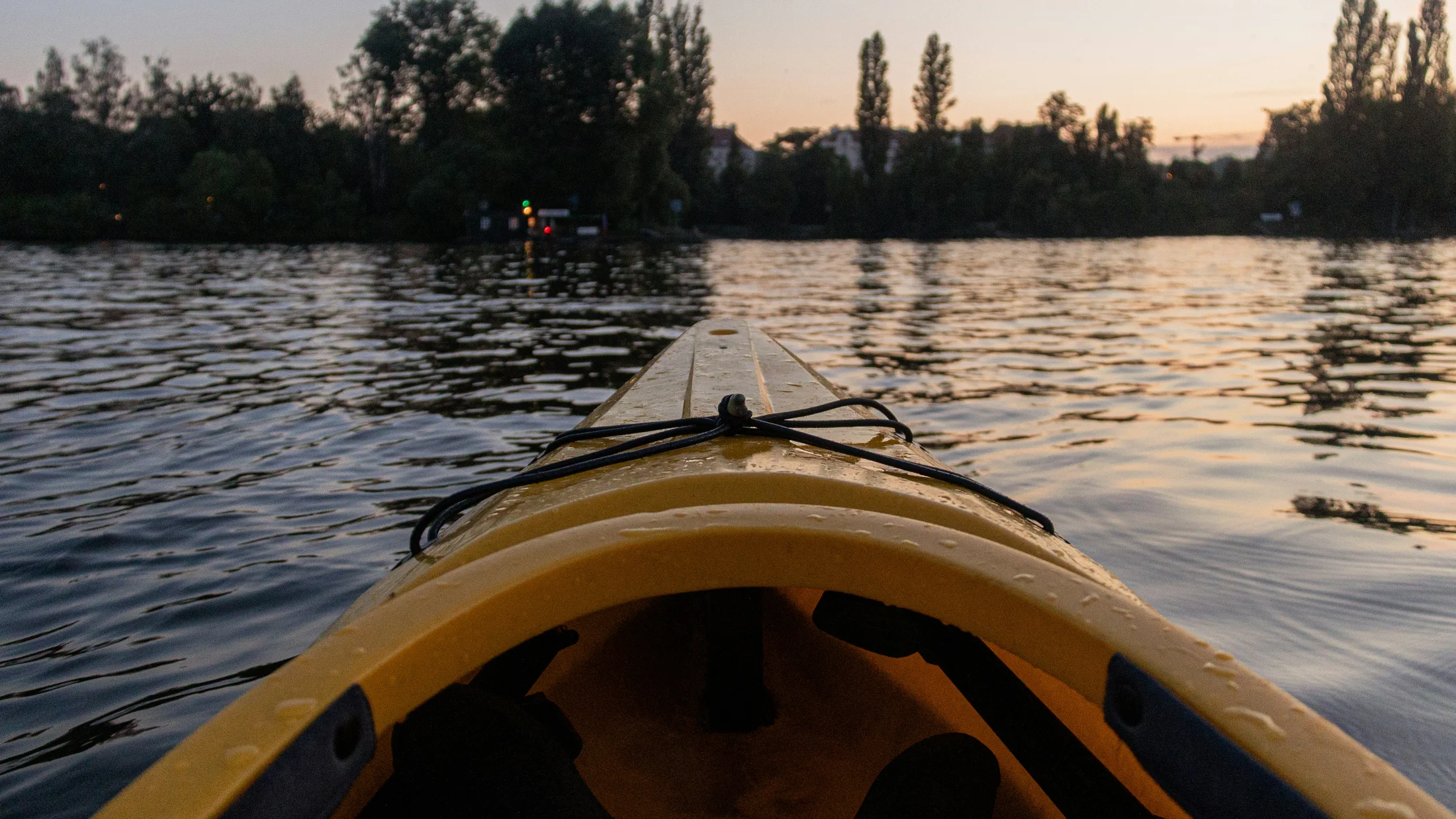
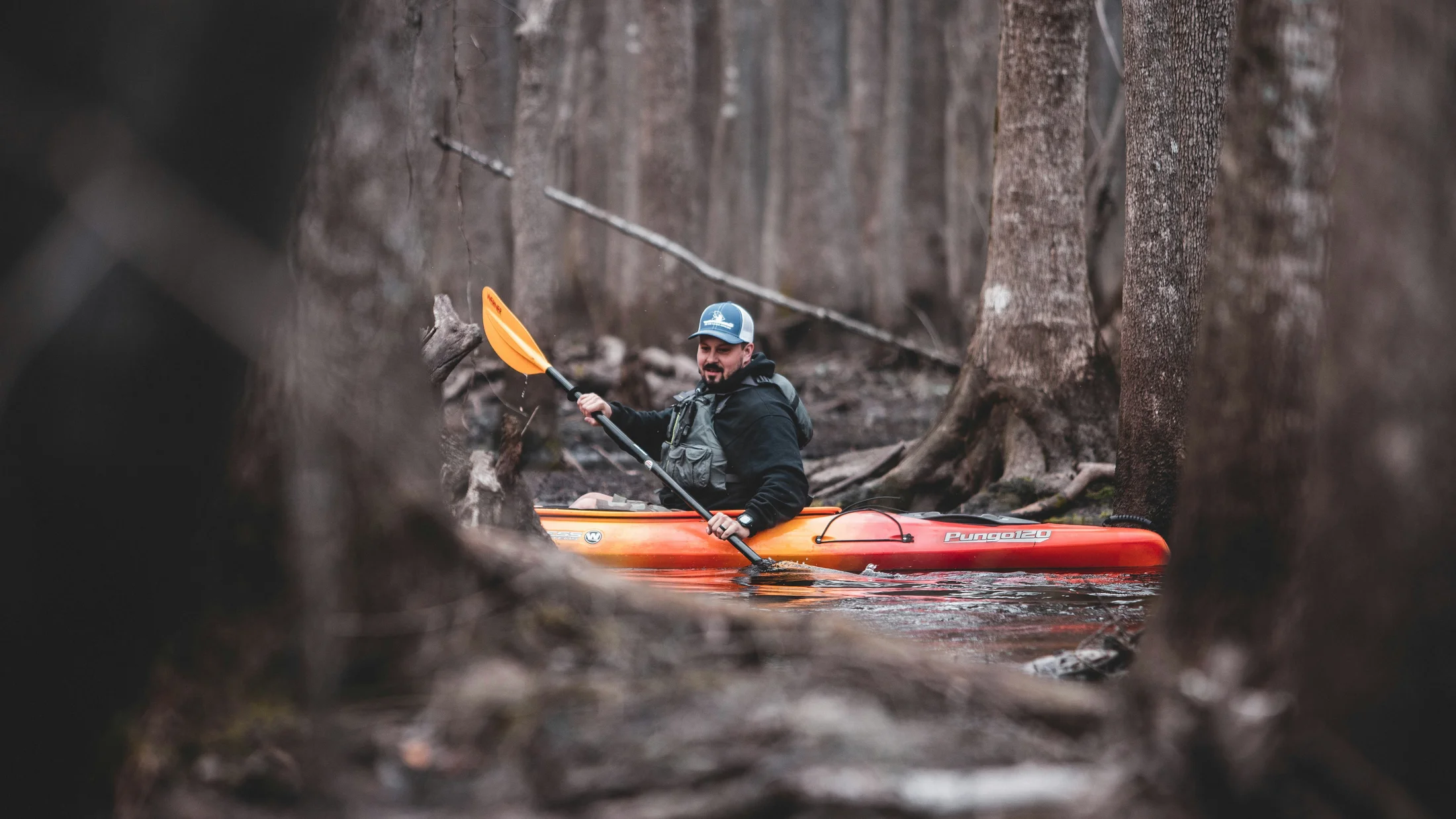
Kayaking spans calm reservoirs, gentle rivers, and open coasts with coves and caves. Picture paddles dipping in rhythm as sunlight flickers under the hull. For a kayak stag party, pick from:
-
Recreational sit-on-top kayaks (stable, beginner-friendly).
-
River touring (gentle current, no significant rapids).
-
Sea kayaking (bays, cliffs, and cave tours on calm days).
-
Duration: 1.5–3 hours standard; half-day tours possible with snack breaks.
-
Group flow:
- Large groups split into waves, departing 10–20 minutes apart.
- Pair weaker paddlers in doubles to even the pace.
-
Difficulty:
- Recreational/reservoir routes suit all; sea routes depend on swell/wind.
- River routes need basic steering but avoid technical whitewater for mixed groups.
-
Combinations:
- Morning kayak + afternoon tapas market visit.
- Short coastal paddle + sunset cliff viewpoint.
For bachelor party water activities that include chat and scenery, kayaking balances movement and conversation, with lots of places to pause for photos and swims.
3.Paddle board (sup): social, playful, highly photogenic
SUP shines when you want low barrier to entry and high smiles-per-minute. Feel warm board texture under bare feet as you glide across glassy water. Most stag groups master the basics in 15–30 minutes, then play with challenges—relay races, balance games, even SUP yoga snapshots.
- Ideal conditions: calm bays, reservoirs, and light-morning winds.
- Duration: 1.5–2.5 hours, including intro and free-play section.
- Group options:
- Individual boards for all; instructors circulate with tips.
- Mega-SUPs for 6–8 people—chaotic, hilarious, perfect for team games.
- Why it works:
- Beginners succeed quickly; falls are part of the fun.
- Photos and reels look great in clear water and golden-hour light.
- Add-ons:
- Mini-olympics (sprints, rescue challenges, tug-of-paddle).
- Floating picnic stop near a sheltered cove.
A paddle surf despedida (paddle board bachelor party) is unbeatable for mixed-ability groups seeking playful, social time on the water with low logistics and high laughs.
4.Canyoning: technique, waterfalls, and wild places
Canyoning blends hiking, scrambling, swimming, jumps, slides, and rappels. Hear the steady rush of a waterfall as rope slides smoothly through your hands. Routes range from dry canyons (little or no water) to full aquatic descents with pools and slides. For a canyoning bachelor party, guide selection and route choice are crucial to match fitness and comfort with heights.
- Levels:
- Intro: short rappels, optional small jumps, minimal commitments.
- Intermediate: longer swims, taller rappels (10–20 m), slippery sections.
- Advanced: technical rope work, siphons, or jump commitments—best for experienced groups.
- Requirements:
- Comfort in cold water, basic swimming, moderate fitness.
- Follow guide instructions precisely—especially at anchors and jumps.
- Gear:
- Provided: helmet, wetsuit, harness, descender, sometimes canyon boots.
- Bring: swimsuit, moisture-wicking layer, energy snack, dry change.
- Why it’s memorable:
- Natural slides, emerald pools, and waterfall abseils are cinematic moments.
- Small-team trust forms quickly, ideal for adventurous crews.
Choose canyoning when your group craves immersion in wild terrain and a clear sense of accomplishment guided by certified pros.
Quick comparison to help you choose
| Activity | Intensity (typical group) | Time on water | Group size flow | Min age (typical) | Best for |
|---|---|---|---|---|---|
| Rafting | Medium to high (Class II–IV) | 1.5–3 h | 6–8 per raft | 12–14+ (varies) | Big laughs, teamwork |
| Kayak | Low to medium | 1.5–3 h | 8–24 in waves | 10–12+ (varies) | Scenery, chat, swims |
| SUP | Low to medium | 1.5–2.5 h | 8–20+ easy | 8–10+ (varies) | Social games, photos |
| Canyoning | Medium to high (technical varies) | 2–5 h | 6–10 per guide | 12–16+ (varies) | Adventure, nature hits |
Confirm ages and conditions with your chosen provider; requirements shift by route and region.
Ready-made Plans You Can Copy and Adapt
Use these itineraries to plug in dates, group size, and budget. Feel the quiet pause before a countdown turns into a splash and laughter. Each plan includes realistic timing and options to scale intensity.
1.Half-day: a sharp, simple hit of water fun
When time is tight, choose a compact session with minimal transfers. Hear van doors thud shut as the group huddles for a quick briefing.
- Timeline (3–4 hours total):
- Arrival and coffee near the base (20–30 min).
- Check-in, gear-up, and safety talk (25–40 min).
- Activity on water (90–120 min).
- Group photo, change, and snack (20–30 min).
- Ideal activities:
- SUP session with games in a reservoir or sheltered bay.
- Kayak loop along a scenic coast or calm river section.
- Family-friendly rafting stretch (Class II–III) for a first taste.
- Practical tips for bachelor party water activities:
- For a kayak despedida, split into doubles for steady pace and easier steering.
- Choose a meeting point with easy parking and shade.
- Pre-order sandwiches/wraps to eat during debrief; keep the schedule tight.
- Budget check:
- SUP/kayak: often 30–55 € p.p. for 1.5–2 h.
- Rafting intro: commonly 45–70 € p.p. depending on season and river.
- Confirm inclusions (wetsuit, photos, transfers to put-in) with your provider.
2.Weekend: build momentum, then celebrate
Stretch the fun across two days to balance action and social time. Smell grilled peppers wafting across a courtyard while stories fly around the table.
- Day 1 (arrival + light activity):
- Afternoon SUP in a calm bay or reservoir, then check in to a rural house.
- Evening: local dinner—ask for seasonal dishes and a shared menu to control costs.
- Day 2 (main adventure + recovery):
- Morning rafting (Class II–III for all, or add a bolder raft for the keenest).
- Late lunch and siesta; optional sunset walk or short paddle for photos.
- Logistics:
- Book the heavy lift (rafting or canyoning) for the morning when energy is highest.
- Keep transfers under 60 minutes total; your time is precious.
- Coordinate playlists and snacks for vans; assign a timekeeper.
- Variations:
- Canyoning morning + relaxed kayak at golden hour.
- Mixed group: those who want adrenaline do rafting; others paddle SUP nearby and regroup for dinner.
- Budgeting:
- Expect 120–250 € p.p. for two activities plus shared lodging, depending on region and season.
- Ask for group discounts at 10+ participants and late checkout on day two.
3.Multi-activity: a complete adventure arc
Design a sequence that escalates and then softens, so everyone ends on a high. Picture canyon water trickling from wetsuits while the sun warms your shoulders.
- Sample pack (2–3 activities):
- Morning rafting (Class II–III) to spark team spirit.
- Lunch break with local cheese/charcuterie; 90-minute rest window.
- Late-afternoon SUP games and mega-board relays for laughter and photos.
- Optional day two: intro canyoning for the adventurous half; scenic kayak for the chill half.
- How to scale intensity:
- Start social (SUP/kayak), peak with adrenaline (rafting/canyoning), end social (SUP).
- Offer opt-in challenges (e.g., optional jumps in canyoning) without pressuring anyone.
- Group management:
- For activities acuáticas para grupos across abilities, split into A/B tracks and reconvene for shared meals.
- Use color-coded chats for each track; set firm meeting points and times.
- Timing and recovery:
- Leave at least 90 minutes between sessions for food, water, and changing.
- Have dry bags and towels staged in vans for quick turnarounds.
- Pricing guide:
- Two-activity day: often 80–150 € p.p. depending on region and season.
- Add-ons (BBQ, photo packages, transfers) vary—confirm totals upfront.
Safety, Requirements, and the Gear That Matters
Good planning makes the day smoother, safer, and more fun. Feel neoprene hug your skin as you step into cool water with quiet confidence. This section covers ages, fitness, insurance, and what equipment to expect so you can brief the group clearly.
Age and fitness: who can join and how to include everyone
Match routes to the group’s real abilities. Hear steady breathing settle as nerves fade during the warmup.
- Typical minimum ages:
- SUP/kayak: often 8–12+, with parental consent for minors.
- Rafting: commonly 12–14+ for Class II–III; higher ages for stronger sections.
- Canyoning: usually 12–16+ depending on route seriousness and rappels.
- Health considerations:
- Not recommended for late-term pregnancy, recent surgeries, severe back or heart issues, or non-swimmers in moving water.
- For asthma, diabetes, or allergies, ask participants to bring medication and alert the organizer discreetly.
- Inclusion strategies:
- Offer social options (SUP/kayak on calm water) for those unsure.
- Allow sit-outs with a photographer role; everyone still contributes.
- Use doubles kayaks to pair stronger and less confident paddlers.
- Privacy-respecting check:
- Send a pre-trip form asking for “anything we should know for your comfort/safety,” emphasizing confidentiality and opt-in disclosure.
Insurance, permits, and what a good provider covers
The right paperwork backs up a safe day on the water. Imagine the calm assurance of a professional briefing in a tidy gear room.
- Insurance:
- Public liability (covers third parties) and personal accident insurance are standard; confirm coverage scope and limits.
- Ask how medical expenses and rescue logistics are handled.
- Permits:
- Many rivers, canyons, and protected coasts require route-specific permits and daily quotas; operators usually handle these.
- Check any seasonal closures or flow restrictions.
- Key documents to request:
- Confirmation of insurance, guide certifications, and emergency action plan.
- Ratio of guides to participants (e.g., 1 for rafting, 1–8 for canyoning).
- Inclusions list (gear, transfers, photos, snacks).
- Questions that show professionalism:
- “How do you decide if conditions are safe on the day?”
- “What is your cancellation/postponement policy if weather or flow changes?”
- “How do you adapt routes for mixed abilities?”
Equipment and a group-ready checklist
Solid gear and a clean kit room are strong safety signals. Feel helmet straps click snug under your fingers as you look at the river.
- Usually provided:
- Helmets, buoyancy aids, paddles.
- Wetsuits and neoprene booties for rafting/canyoning and cool-water paddling.
- Technical kit for canyoning (harness, descender, ropes managed by guides).
- Bring from home:
- Swimsuit, towel, dry clothes, secure footwear if booties not provided.
- Sunscreen, water bottle, light snack.
- Retainers for prescription glasses; leave valuables at base.
- Group checklist:
- Shared dry bag with first aid kit, spare sunscreen, and phone in a waterproof case.
- Labeled bin bags for wet kit; spare towels.
- Printed participant list with emergency contacts (kept private with the lead).
- On-day briefing:
- Signals, falling out, eddy positions for rafting; guidance for rappels and jumps in canyoning.
- Buddy system and “speak up” culture for cold, fatigue, or discomfort.
Practical Tips For Organizers: Logistics, Transport, Booking, and Budget
A tight plan keeps the focus on fun. Hear van engines hum as the convoy rolls out five minutes ahead of schedule. Use these systems to reduce stress and avoid common pitfalls.
Logistics and splitting responsibilities
Divide the work early and keep communication simple. Feel the satisfying buzz of phones as confirmations land in the group chat.
- Roles that work:
- Lead organizer: decisions and final approvals.
- Logistics captain: transport, meeting points, timekeeping.
- Money master: budgets, deposits, per-person tracking.
- Comms lead: provider contact, weather updates, last-minute changes.
- Welfare buddy: checks health notes and encourages opt-outs without pressure.
- Timeline:
- T–8 weeks: vote on destination and activities acuáticas para grupos.
- T–6 weeks: reserve activities and lodging; arrange transport quotes.
- T–4 weeks: collect deposits; share packing list and provisional schedule.
- T–2 weeks: confirm final numbers; assign rooms and van seats.
- T–3 days: weather check and reconfirm meeting points.
- Message templates:
- “Hi team—final headcount by Friday 18:00; payment link below.”
- “Van A departs 07:15 sharp from Calle X; bring water and towel.”
Transport and getting around on the day
Smooth transfers prevent schedule slippage. Smell fresh coffee as a tray passes around during the final headcount.
- Options:
- Rental vans (9-seaters) or a private minibus with driver.
- Car shares with fuel split evenly.
- Local transfers booked via activity base for put-in/take-out shuttles.
- Planning tips:
- Calculate door-to-meeting-point + gear up time (add 30–40 minutes buffer).
- Prefer free parking near bases; confirm loading zones for quick drop-offs.
- Store dry clothes at the base; avoid carrying valuables to the river or beach.
- Cost-sharing:
- Use shared spreadsheets or apps to track fuel, tolls, and parking.
- Assign a fuel officer for receipts and end-of-day settlement.
- Safety add-ons:
- Designate a sober driver or book return transfers for nights out.
- Keep a copy of provider contact and pin location offline.
Reservations, payments, and getting fair prices
Clear paperwork keeps surprises away. Hear the calm click of a deposit paid and the relief that follows.
- Booking timeline:
- Weekends in May–September book fast; secure slots 4–8 weeks ahead.
- Off-season flexibility grows—ask for last-minute rates.
- Deposits and policies:
- Expect 20–40% deposit; balance due 3–7 days before.
- Read cancellation windows; ask about weather/flow postponements.
- How to ask for value:
- “We’re 12–16 people; is there a group rate or free guide ratio upgrade?”
- “Can we bundle two activities with one transfer to reduce costs?”
- “Any off-peak discounts for early morning or late afternoon slots?”
- What packages to request:
- Activities + transfers + photo pack.
- Activities + rural house + BBQ space.
- Two activities over two days with late checkout and kit storage.
Budget, extras, and how to save without losing quality
Spend on what matters—safety, guides, and timing—and trim elsewhere. Feel crisp banknotes pass hands less often because the app did the math for you.
- Typical ranges (check current rates with providers):
- SUP/kayak sessions: 30–55 € p.p. (1.5–2.5 h).
- Rafting: 45–90 € p.p. (run and season dependent).
- Canyoning: 55–100 € p.p. (duration/technicality).
- Lodging: 25–60 € p.p./night (hostel/rural house), 60–120 € (small hotel).
- Where to save:
- Share vans; choose self-catered breakfasts and one group dinner in-house.
- Pick early/late slots and shoulder-season weekends.
- Combine two activities with one transfer window.
- Where not to cut:
- Certified guides, insurance, and proper gear fit.
- Safe weather windows and realistic timelines.
- Splitting costs:
- Use a shared kitty for groceries and fuel; track per-person totals weekly.
- Set a contingency (5–10%) for last-minute changes or upgrades.
Pro tip
Ask for a simple per-person all-in price (activities + transfers + photos) to prevent “extras creep” and make money collection easy.
Frequently Asked Questions
What skill level is needed for each activity?
Start where confidence builds quickly, then scale up. SUP and recreational kayaking are beginner-friendly; most people stand or paddle comfortably within minutes. Rafting for stag groups typically runs Class II–III, where basic swimming ability and listening to commands are enough. Canyoning ranges widely: choose intro routes with short rappels and optional jumps for mixed groups. For bachelor party water activities, tell providers your real fitness and comfort with heights and water; they’ll match routes to your crew.
How much does a water-based bachelor party cost?
Expect 30–55 € p.p. for SUP/kayak sessions (1.5–2.5 h), 45–90 € p.p. for rafting, and 55–100 € p.p. for canyoning depending on season, route, and region. Packages with two activities and lodging often land between 120–250 € p.p. Always check what’s included: guide ratio, gear, transfers, photos, and insurance. Compare value by time on water, group capacity, and safety credentials, not just the headline price.
What happens if it rains or the river level changes?
Professional operators monitor forecasts and river gauges daily. Light rain often doesn’t stop sessions, but strong wind, swell, or high/low flows can prompt route changes or postponements. Many offer free date changes or vouchers within a stated window; clarify this policy before booking. Have a Plan B—move to a reservoir or sheltered bay, swap rafting for SUP, or switch days. Share updates in one group chat to avoid confusion.
How do I choose between rafting, kayak, Sup, and canyoning?
Decide by group size, fitness, budget, and vibe. For a rafting despedida, choose Class II–III if you want big laughs and teamwork in one boat. A kayak despedida suits social crews who love scenery and swims. SUP is best for mixed abilities and photos. Canyoning delivers adrenaline and wild settings for adventurous teams. If torn, go SUP or kayak day one, then step up to rafting or intro canyoning on day two.
What should I ask a provider before booking?
Confirm safety and clarity. Ask about guide certifications, insurance coverage, max group size per guide, minimum ages, and exact inclusions (wetsuits, booties, photos, transfers). Request the emergency plan and weather/flow decision process. Good signs: prompt, specific answers; alternative route options; clear cancellation/postponement terms; and transparent pricing with no hidden extras.
Book your experience — discover active tourism activities in Spain with providers verified by Picuco.
Conclusion
Water turns a celebration into a story you can feel—cold spray, warm sun, and that shared whoop in the middle of a rapid. You’ve seen how to match activities to abilities, when and where to go in Spain, and how to structure half-days, full days, and weekends. To finish your plan, choose the activity that fits your group, confirm dates 4–8 weeks ahead, check safety credentials, and align logistics—transport, meals, and photo packs. Keep things inclusive with opt-in challenges and clear rest windows. If you need a curated start, explore options by region and activity on Picuco, compare group-friendly routes, and request a tailored quote. Next step: agree on a date, lock your slots, and get ready to toast a send-off everyone will remember.