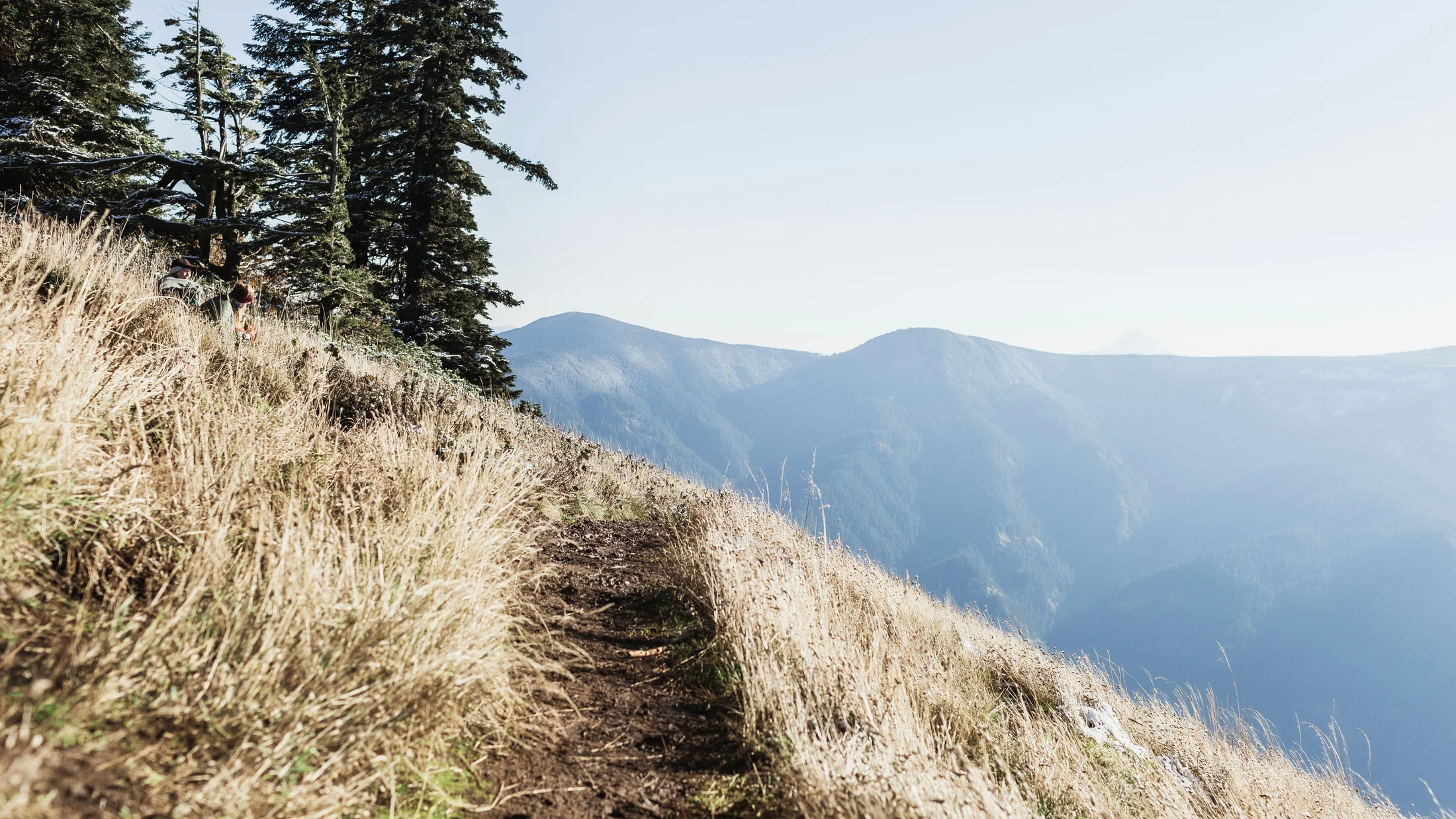
Why Choose Active Experiences in Mallorca?
Mallorca rewards movement, and active tourism Mallorca puts the island’s mountains, caves, and sea at your fingertips. You can hike UNESCO‑listed peaks in the Serra de Tramuntana, explore hidden chambers underground, and glide along turquoise coves by kayak. Think salt on your skin at dusk, when cliffs blush pink and the wind drops to a whisper. You’ll find a curated selection of Mallorca adventure activities with clear effort levels, costs, seasons, and safety notes.
We selected seven standout experiences using practical criteria: safety standards, accessibility, scenic value, sustainability, and availability of both guided and independent options. Each includes location specifics, an indicative price range (always confirm with the operator), best time to go, and who it suits best. Use this article three ways: skim the Top 7 for inspiration, scan the quick-reference activity cards to compare, and read the sea and cave safety sections before booking. If you want to drill deeper, check local regulations and weather, then decide whether to go self-guided or with certified instructors.
What active tourism means on this island
Active tourism here means moving through Mallorca’s defining landscapes: Tramuntana hiking on dry‑stone trails, cycling passes above olive terraces, guided Mallorca cave tours beneath ancient limestone, and sea kayaking Mallorca along protected coves. It’s about health, nature, and lower‑impact travel when done respectfully. You set your pace across mountains that hold snow some winters and valleys perfumed with citrus in spring. A single sunrise over terraced hills can smell of rosemary and damp stone. You’ll make choices that balance challenge, time, budget, and conservation.
How we chose these experiences
We focused on real‑world filters that matter on the ground. We considered fitness level (beginner, moderate, experienced), typical duration (2–3 hours to multi‑day), price ranges, and seasonality (heat, daylight, sea state). We weighed environmental footprint, route resilience, and ease of booking guided support. We also looked for strong public transport links or short drive access. In each entry you’ll see: precise area, effort level, price guidance, best months, ideal audience, and essential kit or safety reminders. One look lets you plan without guesswork.
Picuco te puede ayudar
Does something here catch your eye?
Tell us.
Write to us on WhatsApp or email: we answer questions, find the best options and help you sort out the booking.
Top 7 Active Experiences Across Mountains, Caves, and Sea
1) Gr 221 ‘dry‑stone Route’: Multi‑day trekking in the Tramuntana
The GR 221 threads 130 km of cobbled mule tracks from Port d’Andratx to Pollença, linking refuges through the Serra de Tramuntana. Expect 6–8 days end‑to‑end or choose marquee stages like Deià–Sóller, Sóller–Tossals Verds, and Lluc–Pollença for 1–3 days. At daybreak, terrace walls exhale cool night air scented with pine and lemon. This is classic Serra de Tramuntana hiking and a cornerstone of active tourism Mallorca.
- Why it stands out: UNESCO landscapes, stable waymarking, refuge network, flexible staging.
- Location: Southwestern to northwestern spine of Mallorca; hubs include Andratx, Estellencs, Valldemossa, Deià, Sóller, Lluc, Pollença.
- Effort: Moderate to strenuous; daily 12–22 km with 600–1,200 m ascent.
- Price: Refuges typically 15–60 € p.p. (bed to half board); self‑guided day transfers vary; guided stages 60–120 € p.p. Confirm current prices with operators.
- Best time: March–June, September–November; avoid peak heat, check hunting days and high wind alerts.
- Ideal for: Fit walkers, multi‑day trekkers, or confident day‑stagers.
- Key kit/safety: Trail shoes/boots, 2–3 L water, layers, sun protection, GPX tracks, headlamp. Book refuges early through official channels.
Practical tip
Pick a two‑night mini‑traverse: Valldemossa–Deià–Sóller packs cobbled heritage, coastal views, and easy transport at both ends.
2) Sa Calobra and the Torrent de Pareis: Gorge hiking and a legendary descent
Sa Calobra is a road and a destination: the curling MA-2141 drops from Coll dels Reis to a pebble cove where the Torrent de Pareis meets the sea. The full gorge hike (Escorca–Sa Calobra) takes 4–6 hours over boulders with short scrambles and narrow squeezes. The gorge holds a hush broken only by dripping water and boot scuffs on limestone. It’s breathtaking, technical in sections, and best for experienced hikers.
- Why it stands out: Iconic road plus cathedral‑like canyon; a proper mini‑expedition without ropes in dry conditions.
- Location: Northern Tramuntana; start near
39.843°N, 2.868°E(Escorca) and finish at Sa Calobra cove. - Effort: Strenuous; off‑trail boulders, down‑climbs, variable water levels.
- Price: Self‑guided is free (transport extra). Guides 50–90 € p.p.; shuttle/boat options from Port de Sóller add 20–40 €. Confirm with operators.
- Best time: Late spring to early autumn in low water; never enter after heavy rain or storms.
- Ideal for: Adventurers and experienced hikers with good mobility and route sense.
- Key kit/safety: Sticky‑soled shoes, helmet optional, 2–3 L water, drybag, headlamp for short tunnels, no flip‑flops. Check water levels locally and weather with AEMET.
Safety note
Flash floods are a real risk; turn back if water rises or thunderstorms are forecast.
3) Coll de Sóller and classic cycling routes across the Tramuntana
For cycling routes Mallorca is famous for, start with Coll de Sóller via the old MA-11A: around 7 km at ~6% from Bunyola, hairpins stacked like steps to a balcony. Extend into loops through Orient, Puig Major (tunnel restrictions apply), or a full Tramuntana Traverse from Andratx to Pollença. Freewheeling past orange groves, your jersey fills with the scent of blossom and warm tarmac. Road and gravel riders both find quiet lanes and farm tracks threading the valleys.
- Why it stands out: Historic pass, smooth surfaces, predictable gradients, big‑loop possibilities.
- Location: Central‑northwest; Bunyola–Sóller corridor, with links to Deià, Valldemossa, Lluc, Pollença.
- Effort: Moderate to very hard; 60–130 km loops with 1,200–3,000 m ascent.
- Price: Road/gravel rental 25–70 € day; guided rides 60–120 € p.p.; delivery/fit services extra. Confirm locally.
- Best time: February–May and September–November; start early in summer heat.
- Ideal for: Road cyclists building base miles, gravel explorers, strong club riders.
- Key kit/safety: Day lights for tunnels, repair kit, 2 bottles, snacks, wind vest. Respect local traffic and livestock crossings; watch crosswinds on ridges.
4) Cuevas del Drach and guided caving: From show caves to technical exploration
Mallorca cave tours split into two families: show caves like Cuevas del Drach (Porto Cristo) with paths, lighting, and music on Lake Martel, and technical caving with helmets, headlamps, and sometimes neoprene in wild caverns. The air underground feels cool and chalk‑dry as droplets ping from stalactites. Choose the right level for your party and consider conservation at every step.
- Why it stands out: World‑class formations, easy access for families, and adventurous options with certified guides.
- Location: East and northeast: Drach, Artà, Campanet (show caves); wild options include Cova de Coloms (sea cave) and other guided venues.
- Effort: Show caves easy (1 hour, steps); technical caving moderate–strenuous with squeezes, crawls, or swims.
- Price: Show caves ~15–25 € adult; guided speleo 60–120 € p.p. including gear. Confirm with the operator.
- Best time: Year‑round; avoid heavy rain for wild caves; sea caves best in calm seas.
- Ideal for: Families (show caves), adventurous adults/teens (guided caving).
- Key kit/safety: Helmets, headlamps, gloves; neoprene and floatation for sea caves. Follow leave‑no‑trace rules; some systems require permits or operator authorization.
5) Sea kayaking around Cala Mondragó and Cala Santanyí
Sea kayaking Mallorca shines on the island’s southeast, where low cliffs, sea caves, and Posidonia meadows shape glassy mornings. Typical outings cover 6–12 km in 2–3 hours, with swim stops in pocket coves. Paddles dip like metronomes while cormorants arrow past rock windows. Go with an instructor for skills, or rent on calm days with a PFD and forecast in hand.
- Why it stands out: Accessible coastline, short shuttles, and clear water great for spotting fish and seagrass beds.
- Location: Southeast coast around Parc Natural de Mondragó, Cala Figuera, Cala Santanyí.
- Effort: Introductory to moderate; wind and swell can raise difficulty quickly.
- Price: Rentals ~15–25 € hour or 35–60 € half‑day; guided tours 45–75 € p.p. Confirm locally.
- Best time: May–October; mornings with Beaufort ≤ 3 and low swell.
- Ideal for: Families (tandems), beginners with a guide, fit paddlers seeking longer coastal runs.
- Key kit/safety: PFD mandatory, sun hat, water, towline, phone in drybag. Check forecasts with AEMET and avoid cave entries in swell.
6) Snorkeling and boat trips to Cabrera National Park
The Cabrera archipelago is a protected marine and terrestrial park with capped daily visitation, excellent snorkeling, and boat routes that may include the Blue Cave (Cova Blava) swim. Over sand and seagrass, silver bream flicker like quicksilver in shifting light. This is one of the most regulated activities náuticas Mallorca offers, rewarding those who plan ahead.
- Why it stands out: Exceptional water clarity, strict conservation, and quiet coves free from overuse.
- Location: Departures usually from Colònia de Sant Jordi to the Cabrera islands.
- Effort: Easy onboard, easy‑moderate in water depending on currents and temperature.
- Price: Boat trips ~50–90 € adult; snorkeling gear rental ~10–20 €. Diving requires authorization and fees. Confirm with authorized operators.
- Best time: May–October; shoulder months are calmer and cooler.
- Ideal for: Families, photographers, wildlife lovers, first‑time snorkelers.
- Key kit/safety: Mask, snorkel, fins; rashguard or shorty in spring; reef‑safe sunscreen. Book only with authorized park operators; follow no‑touch, no‑feed rules.
7) Rock climbing in the Tramuntana: Sectors for every level
The Tramuntana offers pocketed limestone perfect for sport climbing, with sectors like Sa Gubia, Alaró, and Valldemossa crags serving grades from 4s to 8s. On shaded walls, chalk blooms faintly as swallows stitch the air at your shoulder. Deep‑water soloing tempts on the coast in summer, while inland crags peak in cooler months.
- Why it stands out: Dense sector network, quick approaches, year‑round options by aspect.
- Location: Central‑northwest hills (Sa Gubia by Bunyola, Alaró castle area, Valldemossa), plus coastal venues for summer DWS.
- Effort: Beginner to expert; single‑pitch sport dominates; some trad and multi‑pitch.
- Price: Guided courses 60–120 € p.p. per half‑day; gear rental 15–30 €. Confirm locally.
- Best time: October–April for friction; summer mornings/evenings or coastal DWS.
- Ideal for: New climbers (courses), experienced sport leaders, adventure seekers.
- Key kit/safety: Helmet, harness, sport rack (60–70 m rope, 12–16 quickdraws), stick clip; water and shade. Heed access notes and closures; use official topos and respect private land.
Quick Picks by Activity: Locations, Costs, Best Time, and What to Do
Serra de Tramuntana (hiking and cycling)
The Tramuntana’s backbone strings together Andratx, Estellencs, Valldemossa, Deià, Sóller, Lluc, and Pollença, with GR 221 footpaths and classic passes like Coll de Sóller. Dawn smells of wet thyme, and boots crunch on dry‑stone steps. This is your hub for Serra de Tramuntana hiking and big cycling days.
- Where: Western and northern spine; best stage bases are Valldemossa, Deià/Sóller, Lluc, Pollença.
- Budget: Refuges 15–60 € p.p.; hotels vary widely; guides 60–120 € p.p. per day.
- Best time: Mar–Jun, Sep–Nov; winter storms possible; summer heat management required.
- Level/ideal for: Moderate fitness up; families on short signed loops; advanced on multi‑day or big‑climb routes.
- Gear: Trail shoes, layers, water filters, GPX; cyclists bring lights and repair kit.
- What to do:
- Plan stages (12–22 km hiking; 60–120 km riding).
- Reserve refuges or hotels ahead.
- Check AEMET forecast and wind.
- Carry cash/cards for remote cafés.
- Share route and return time with a contact.
Cycling routes Mallorca
From Coll de Sóller to Orient and Lluc, road circuits deliver steady gradients and low‑traffic segments; gravel detours lace between fincas. Hot tarmac releases a sweet, resinous scent at noon. Beginners can do short climbs; strong riders can string three passes.
- Where: Bunyola–Sóller, Orient loop, Andratx–Pollença traverse.
- Budget: Road/gravel rental 25–70 € day; guides 60–120 € p.p.; luggage transfers optional.
- Best time: Feb–May, Sep–Nov; avoid midday heat in July–Aug.
- Level/ideal for: Road (endurance to race‑fit); gravel (intermediate+ handling).
- Gear: 2 bottles, multi‑tool, spare tube, pump/CO2, lights, wind vest.
- What to do:
- Pick distance/climb totals that match fitness.
- Preload routes; note tunnels and water stops.
- Book bikes in advance for peak months.
- Hydrate every 15–20 minutes.
- Save a recovery spin for day two.
Caves and speleology
Mallorca cave tours include lit, paved routes (Drach, Artà, Campanet) and guide‑led speleo in wild caves, some requiring swims. Air turns cool and mineral‑scented as lights fade to headlamp beams. Families can start with show caves; adventurers can book technical outings.
- Where: East and northeast show caves; guided wild caves vary (including sea caves).
- Budget: Show caves 15–25 € adult; guided speleo 60–120 € p.p. with gear.
- Best time: Year‑round; avoid heavy rain; sea caves in calm conditions.
- Level/ideal for: Show caves for all ages; speleo for fit teens/adults comfortable in tight spaces.
- Gear: Helmets, headlamps, gloves; neoprene and flotation for sea‑in caves; drybag.
- What to do:
- Decide show cave vs. active speleo.
- Confirm conservation rules and permits.
- Book certified guides for wild caves.
- Wear layers and sturdy footwear.
- Avoid touching formations; pack out waste.
Kayak and sea activities
Sea kayaking Mallorca works best at dawn on the southeast coast and other sheltered sectors; SUP and coastal boat trips round out options. The sea glitters like hammered silver before the breeze fills in. Good decisions start with the marine forecast.
- Where: Cala Mondragó, Cala Santanyí, Cala Figuera; other calm coves island‑wide.
- Budget: Kayak rental 15–25 € hour; tours 45–75 € p.p.; SUP similar.
- Best time: May–Oct; mornings; Beaufort ≤ 3 and low swell.
- Level/ideal for: Beginners with guides; families in tandems; intermediates for 10–15 km.
- Gear: PFD, hat, water, towline, phone/VHF (skippers), reef‑safe sunscreen.
- What to do:
- Check wind/swell on AEMET.
- Choose routes with escape beaches.
- Avoid cave entries in swell.
- Keep 50 m from swimmers; respect swim lanes.
- Rinse salt gear, rehydrate, and refuel.
Snorkel, diving, and boat trips
Cabrera National Park is the crown jewel, with quotas and strict no‑take rules; coastal snorkel spots shine across the island. The hiss of your breath through a snorkel punctuates the hush of seagrass meadows. Authorized operators help you experience more, with less impact.
- Where: Boat departures to Cabrera from Colònia de Sant Jordi; coastal snorkel at sheltered coves (north and southeast).
- Budget: Cabrera trips 50–90 € adult; snorkel rental 10–20 €; diving by permit with fees.
- Best time: May–Oct; shoulder seasons quieter.
- Level/ideal for: Families and first‑timers; certified divers book authorized sites.
- Gear: Mask, snorkel, fins; shorty in spring; drybag; seasickness preparation as needed.
- What to do:
- Choose authorized operators.
- Book early in high season.
- Follow no‑touch, no‑feed rules.
- Use reef‑safe sunscreen and UV clothing.
- Pack water; avoid single‑use plastics.
Caves and Sea Caves: Experiences, Safety, and Permissions
Mallorca’s caves fall into two categories: show caves with constructed paths and lighting, and wild systems where you travel with a helmet and headlamp, often sliding, crawling, or swimming. Show caves like Drach, Artà, and Campanet deliver easy access, fixed schedules, and guided circuits; they’re ideal for families and anyone curious about geology without technical demands. In that cool, echoing half‑light, your footsteps tap like soft metronomes on calcite floors. Wild caves are a different world—low ceilings, fragile formations, and in sea caves like Cova de Coloms, brackish water passages that require swimming competence.
Common risks include disorientation, rockfall, hypothermia in wet sections, and air quality issues in poorly ventilated chambers. Technical speleology requires helmets, headlamps (plus a backup), gloves, knee pads, and sometimes neoprene with flotation for sea‑in entrances; guides provide group equipment like ropes where needed. Always choose certified instructors who brief conservation protocols and emergency procedures. Prices usually range 60–120 € per person depending on duration and gear.
Regulations matter. Several caves lie within protected areas or on private land; some are closed to protect bat colonies or delicate speleothems. Consult environmental rules from the Balearic authorities and follow guide instructions on access, group size, and seasons; never remove or mark anything underground. A good decision tree is simple: if you want paved paths and lighting, choose a show cave; if you want hands‑on exploration and are fit in confined spaces, book a guided speleo trip in a permitted system. The right match respects your comfort and the cave’s longevity.
Sea and Coast: Kayaking, Snorkeling, and Boat Excursions
Mallorca’s coastline invites you onto the water, but it rewards preparation. Sea kayaking along the southeast coves, SUP in sheltered bays, and boat excursions to Cabrera offer very different commitments. Morning glass often gives way to afternoon wind; a light offshore breeze can quickly turn into whitecaps. You’ll remember the cool lift of a swell under your hull as the cliffs glow honey‑gold. Choose activities that pair your skills with the day’s marine forecast.
For kayakers and SUP paddlers, pick routes with easy landings every 1–2 km, wear a PFD, carry a towline, and keep a phone in a waterproof pouch; skippers should add a VHF and know local channels. Check AEMET for wind and swell and avoid caves in any surge. Rentals typically run 15–25 € per hour, guided trips 45–75 € per person. Snorkelers should select sheltered coves with sandy entries and stay well outside boat lanes; a rashguard or shorty helps in spring.
Cabrera National Park requires authorized operators, and numbers are limited—book ahead in peak months. Expect 50–90 € per adult for boat trips, with optional snorkeling stops and, weather permitting, a visit to the Blue Cave. The park enforces strict conservation: no taking, no feeding, no anchoring on seagrass. Insurance is wise across water activities; check whether your operator includes liability cover and whether you need personal accident insurance. Keep it low‑impact: use reef‑safe sunscreen or UV clothing, pack reusable water bottles, and give wildlife the space to behave naturally.
Where Everything Is: Map and Layers You Can Use
Use an interactive map to visualize the seven experiences and add layers by activity: hiking, cycling, caves, kayak/SUP, and snorkel/boat. Each marker should include exact coordinates, a short description, the recommended season, typical effort level, and equipment notes. Picture icons help you scan fast: a boot for GR 221, a switchback for Coll de Sóller, a stalactite for caves, and a paddle for Cala Mondragó. You can export GPX/KML files for hiking and cycling, and save a printable PDF with safety contacts, bus stops, and parking areas. Include “Book/Check availability” text on markers to remind you to confirm dates and prices with operators.
How to Choose and Prepare for the Right Experience
Start with your profile: fitness, appetite for exposure, time, and budget. If you want scenery with predictable effort, the GR 221 day stages and Coll de Sóller rides are reliable; if you want a dash of adrenaline, the Torrent de Pareis or a guided speleo route deliver. Sea lovers can split days—kayak at dawn, snorkel at midday, siesta when the wind rises. The tang of sea salt on your lips can be your cue to call it a day.
Build a simple checklist:
- Safety first:
- Confirm forecast on AEMET (wind, heat, storms).
- Share your route and return time.
- Carry water, calories, and a basic first‑aid kit.
- Logistics:
- Pre‑book refuges and authorized boat operators in high season.
- Arrange bike rentals and fit in advance.
- Check TIB bus routes for trailheads or plan a one‑way car shuttle.
- Equipment:
- Hiking: footwear with grip, layers, headlamp, GPX.
- Cycling: lights, repair kit, vest, spare tube.
- Caves: helmet, headlamp, gloves; neoprene for sea caves (if guided).
- Sea: PFD, towline, drybag, reef‑safe sunscreen.
- Budget:
- Guided day 45–120 € p.p. is common; refuges 15–60 € p.p.; boat trips 50–90 € adult.
For trustworthy information, consult the Consell de Mallorca refuge pages, AEMET forecasts, and official park rules for Cabrera. To compare dates and formats across activities in one place, explore curated listings on Picuco and choose providers with certified guides and clear cancellation policies.
Frequently Asked Questions
Do I need permits for hiking in the Tramuntana?
Most signed trails, including GR 221, need no permits, but some estates and side paths have restricted access. Always follow posted signs and respect closures or hunting notices.
Is the Torrent de Pareis suitable for children?
Only for experienced teens with a guide in low water. The route involves boulder hopping, squeezes, and potential down‑climbs; families should choose the coastal promenade at Sa Calobra instead.
What’s the minimum age for cave tours?
Show caves welcome all ages with adults; guided speleology typically requires 12–14+ with minimum height/fitness. Confirm age limits and swim requirements for sea caves.
When is the best time for cycling routes Mallorca?
Spring and autumn for cooler temperatures and lighter winds. In summer, ride at dawn and carry extra fluids; winter brings storms and short days.
Are Mallorca cave tours safe?
Show caves are highly controlled. Guided speleo is safe when run by certified instructors with proper equipment and small groups. Avoid unguided wild caves.
Can weather cancel kayak or boat trips?
Yes. Operators monitor wind and swell; they may reschedule or refund per policy. Always read cancellation terms and have a plan B on land.
How accessible are these activities by public transport?
Key hubs like Sóller, Valldemossa, and Pollença have TIB bus links; boat trips to Cabrera depart from Colònia de Sant Jordi, also bus‑served. Early starts may require taxis or rentals.
What gear is mandatory for sea kayaking Mallorca?
A PFD for each paddler, a communication device in a drybag, sun protection, and enough water. Helmets are recommended near cliffs or caves.
How do I minimize environmental impact?
Stay on marked trails, pack out all waste, use reef‑safe sunscreen, never touch or feed wildlife, and avoid anchoring on seagrass.
Can I book last minute in peak season?
Sometimes, but the best refuges, bike sizes, and boat slots sell out. Book weeks ahead for July–September and holiday periods.
Book your experience — discover vetted active tourism across Spain with providers verified by Picuco.
Conclusion
Mallorca’s mountains, caves, and sea offer a rare trio: world‑class trails, limestone cathedrals below ground, and clear coves made for paddling and snorkeling. Move with the weather, respect the terrain, and you’ll unlock landscapes that locals have tended for centuries—olive terraces, dry‑stone paths, and marine meadows that hold the coast in place. As evening air cools and cicadas fall quiet, the island feels earned, not just seen. Compare options by season, budget, and effort, then reserve with responsible, authorized operators who put safety and conservation first. For curated choices and dates in one place, explore Picuco’s activity listings, check availability, and secure your spot before demand peaks.