Why Cantabria Fits Your Next Outdoor Escape
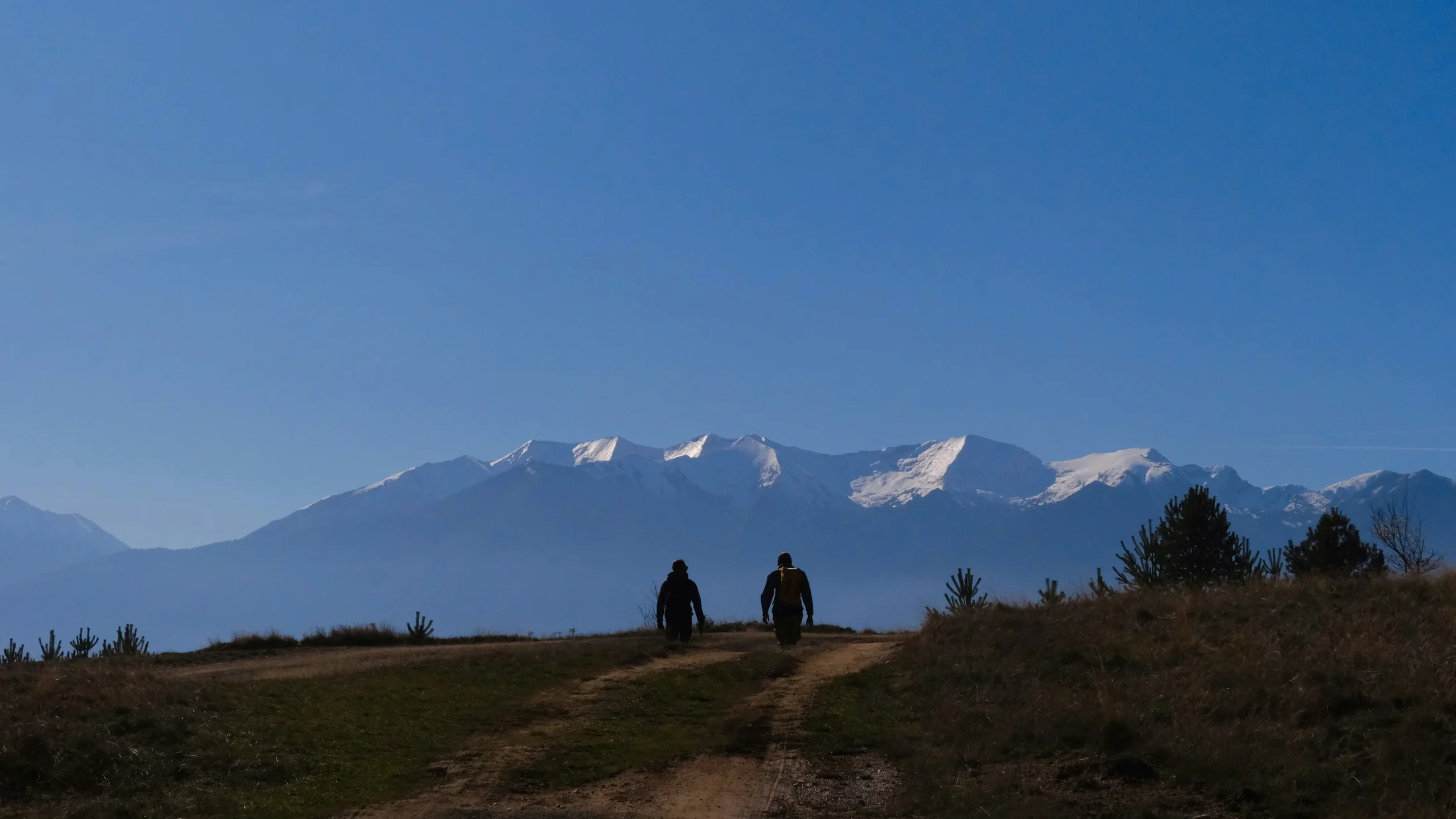
Cantabria packs ocean, limestone peaks, and ancient forests into a compact corner of northern Spain, which makes active tourism Cantabria a smart choice for all levels. You can surf before lunch and hike among 2,000‑metre summits by afternoon with only a short drive between. Salt breeze rises from the Bay of Biscay while, inland, beech and oak valleys stay cool even on summer days. If you are planning a weekend dash, a family week, or a full‑on adventure break, this guide shows you exactly what to do and when to go.
Geography explains the region’s punch. The Costa Cantábrica runs for roughly 220 km with sandy arcs like Somo–Loredo, wild bays like Berria, and estuaries such as Santoña or Oyambre. Thirty kilometres inland, the Cantabrian Mountains lift abruptly, culminating in the Picos de Europa’s Central and Eastern massifs inside Cantabria’s Liébana area. The elevation range (sea level to >2,600 m in the Picos, with Cantabria’s sector peaking near Peña Vieja at 2,617 m) creates microclimates that spread opportunity across seasons. On clear days, the cliffs at Liencres glow honey‑gold against a cobalt sea.
Access is straightforward. Santander airport sits minutes from beaches and an hour to Potes by the N‑621 through the Desfiladero de la Hermida. FEVE narrow‑gauge trains and regional buses serve coastal towns, and the Teleférico de Fuente Dé (approx. 43.144°N, -4.813°W) lifts you to 1,823 m in under four minutes. That means you can match sea and mountain activities Cantabria style without losing time to logistics.
What will you find here? A clear view of the best Cantabria outdoor activities across water and rock—surfing, SUP, sea kayaking, sailing, hiking, canyoning, via ferrata, cycling, climbing, caving, horseback riding, angling, paragliding, and birdwatching—each explained with difficulty, age guidelines, typical durations, and seasons. We also include safety basics, permits, and where to base yourself. Think of this as a field manual with heart: practical, specific, and aware of the communities who keep trails open and boats seaworthy. In the early evening, a scent of heather and seaweed often drifts together over the estuaries.
As you read, pick one coast base (Somo, Suances, Laredo) and one mountain base (Potes/Bárago, Vega de Pas) and plan from there. Families will find gentle estuary paddles and short valley hikes; couples can add sunset sails; groups can stack canyoning with via ferrata and finish with seafood in a fishing port. If you need ready‑made, bookable options, you can explore experiences curated by Picuco by activity and region.
Picuco te puede ayudar
Does something here catch your eye?
Tell us.
Write to us on WhatsApp or email: we answer questions, find the best options and help you sort out the booking.
When To Go And How The Weather Shapes Your Plans
Cantabria’s Atlantic climate brings mild summers, wet winters, and frequent change—great for green valleys, less so for fixed itineraries. On the coast, average summer highs hover around 22–24°C (AEMET climate normals 1991–2020), with sea temperatures near 19–22°C July–September. Inland valleys run slightly warmer by day and cooler at night; high mountain zones are 6–10°C colder and wind‑exposed. After a squall, the cliffs fume with spray and the beechwoods smell like clean earth.
- Surf and water sports: Autumn and winter deliver consistent swells (stronger waves, cooler water), suited to intermediate/advanced surfers. Spring and summer offer friendlier surf for beginners and families, with calmer mornings and sea breezes by afternoon. SUP and kayak shine on estuaries at slack tide from late May to September.
- Hiking and high mountain: April–June and September–October are prime for hiking in Picos de Europa and Saja‑Besaya Natural Park. Snow and ice can linger on north faces into late spring; summer thunderstorms build on hot days. Coastal walks are four‑season if you carry a windproof.
- Canyoning Cantabria: Late spring to early summer is ideal as meltwater subsides yet flows remain engaging; mid‑summer offers warmer air, and operators select shaded ravines. Autumn can be excellent after stable weeks; heavy rain raises levels—always heed guides.
To avoid crowds, target:
- Weekdays in July, early mornings for beaches, and late afternoons for coastal paths.
- Late September for warm seas with quieter sands.
- May–June and late September–October in Liébana for crisp hiking and wide‑open trails.
Safety and comfort key points:
- Check AEMET forecasts and mountain bulletins the evening before and morning of your activity; coastal wind shifts and mountain convective storms are common.
- On the coast, plan around tides; estuaries can develop strong currents near turn. In caves and canyons, rainfall 24–48 hours prior matters more than race‑day sunshine.
- Carry layers year‑round: a breathable waterproof, sun protection, and warm change‑over clothes for water days. When fog rolls in from the sea, even summer air can bite.
For high season (mid‑July to late August), reserve boats, surf lessons, canyoning slots, and mountain refuges 2–4 weeks ahead. In shoulder seasons, 7–10 days often suffice, but ferries, cable cars, and small refuges can still book out on sunny weekends.
Smart Bases And Stays For An Active Trip
Choose accommodation by the activities you value most, then cross‑link a second base if time allows. For surf Cantabria, stay near Somo–Loredo, Suances, or Laredo/Santoña to cut gear shuttles and catch glassy morning sessions. For high mountain hiking, base in Potes, Espinama, or near Fuente Dé; for sheltered family paddles, look to Oyambre or the Santoña marsh towns. At sunrise, dew beads on tent flys while gulls cry above quiet marinas.
What to look for in an active‑friendly stay:
- Secure gear storage: surfboards, bikes, climbing racks
- Drying zones: for neoprene, shells, and boots
- Early/late breakfast options; picnic prep on request
- On‑site or partner rentals: SUPs, kayaks, e‑bikes
- Transport info: bus stops, taxi numbers, ferry schedules
Typical options and what they suit:
| Stay type | Typical price range (per night) | Best for | Useful features |
|---|---|---|---|
| Camping & bungalows | Pitches 20–40 € (2 pax), bungalows 60–120 € | Budget, families near beaches or rivers | Gear wash, drying lines, kid areas |
| Hostels & albergues | 18–35 € per bed | Solo travelers, groups | Lockers, communal kitchens |
| Rural houses (casas rurales) | 90–180 € entire home | Families, small groups | Parking, washer, yard for gear |
| Mid‑range hotels | 70–140 € room | Couples, short stays | Breakfast early, storage room |
| Apartments near beaches | 70–160 € | Surfers, SUP/kayak | Space for boards, easy beach walk |
| Mountain refuges | 20–60 € bed + meals | Trekkers, early starts | Half‑board, route info |
Note: Prices vary by season and location; confirm current rates and services directly, or compare options curated on Picuco.
Location logic:
- Coast first timer: Somo/Loredo for surf schools and mellow sandbars; Suances for mix of beaches and sea‑kayak; Laredo/Santoña for wind sports and marsh birding.
- Mountain focus: Potes/Espinama for Teleférico access and Picos classics; Cabuérniga or Bárcena Mayor for Saja‑Besaya forests.
- Flexible twin base: 3–4 nights coast + 2–3 nights mountain. Santander to Potes is roughly 105 km (about 1 h 40 min by car); Somo to Liencres cliffs is 35–45 min depending on traffic.
Booking timing:
- July–August and Easter: book 3–6 weeks in advance, especially apartments by beaches and refuges.
- Shoulder seasons: 1–3 weeks often fine; weekends fill first.
- Winter: good availability on the coast; in mountains, some lodging reduces services—confirm heating and breakfast hours.
Ask hosts about local access etiquette—parking in small valleys, quiet hours, and water use—so your stay supports village life as well as your adventure.
15 Ways To Experience Sea And Mountain In Cantabria
Surf: Sandbars, Reefs, And Reliable Schools (somo, Loredo, Oyambre)
Long sandbars and forgiving peaks make surf Cantabria ideal for progression, with Somo–Loredo the region’s classic learner‑to‑intermediate zone. Autumn brings stronger, longer‑period swells; spring and summer offer manageable waves and warmer water. The dawn soundtrack of gulls and low, even sets is pure calm before your first paddle.
- Best spots: Somo–Loredo (consistent sandbanks), Oyambre (scenic bay), Berria (Santoña), and Langre (for intermediates). Conditions vary with banks and tides; locals often favor mid‑tide at Somo.
- Levels: From first lesson to advanced; winter reefs and larger beach days suit experienced surfers.
- Ages & duration: Kids lessons often from 6–8 years; typical group class 2 hours; multi‑day courses common in summer.
- Season: Year‑round; warmest May–October. Winter demands thicker wetsuits and experience.
- Equipment: 3/2 mm wetsuit late spring–early autumn; 4/3 mm + boots in shoulder seasons; 5/4 mm + boots/gloves in winter.
- Safety: Respect flags and lifeguards; learn rips and channel entries; reef days are for those with strong skills.
- Practical: Group lessons commonly 30–50 € p.p.; board + wetsuit rental 15–30 € per half‑day—confirm current rates or browse options on Picuco.
Stand‑up Paddle (sup): Estuaries And Sunset Drifts
Sheltered rías provide calm water and wildlife, making SUP a top entry for activities for families Cantabria. Even breeze ruffles the surface like silk as herons lift from the marsh edges.
- Easy routes: Ría de Cubas (Pedreña–Somo), Ría de la Rabia (Oyambre), and the sheltered corners of Santoña marsh on slack tide.
- Levels: Beginners to intermediates; choose wide, stable boards if new.
- Ages & duration: Tandem/seat setups allow kids 5–7 with an adult; independent paddling often from 8–10. Sessions 1.5–2 hours.
- Season: May–September is best; shoulder seasons workable in calm weather with wetsuit.
- Safety: Life jacket mandatory; check tides/wind; avoid offshore winds; carry whistle and waterproof phone case.
- Practical: Rentals and guided sunset tours are common in summer; expect 20–40 € p.p. for a guided outing; confirm on Picuco for family‑adapted boards.
Sea Kayak: Coves, Cliffs, And Natural Arches
Kayaks let you nose under cliffs and into calm grottos when swell is low, especially along Costa Quebrada and the bays around Oriñón and Suances. The echo of your paddle drip inside a sea cave feels like a metronome for the tide.
- Departure points: Suances, Oriñón, and Somo/La Magdalena (protected days). Estuaries offer fallback in breeze.
- Levels: Beginner to intermediate; basic stroke and capsize awareness advised.
- Ages & duration: Doubles with kids from 6–8 years; typical tours 2–3 hours; half‑day coastal traverses for fit paddlers.
- Season: Late spring through early autumn; mornings usually calmer.
- Safety: Helmets recommended near cliffs; always assess swell/tide; keep distance from cave roofs; wear PFD.
- Practical: Guided trips 25–45 € p.p., with gear and brief; select operators that cancel or reroute in unsafe swell and provide VHF/phone safety protocols.
Sailing And Seabird Watching: Bays, Capes, And Cetacean Hopes
Sail the Santander or Laredo bays and slip along capes where gannets spear the water and common dolphins may ride your bow. Canvas snaps, the keel hums, and the coast rolls by like a green relief map.
- Bases: Marinas in Santander, Laredo, Castro Urdiales, and San Vicente de la Barquera.
- What to expect: 2–4 hour bay circuits, half‑day coastal legs, or wildlife‑focused outings led by naturalists.
- Season: April–October for regular departures; peak seabird migrations late Aug–Nov (gannets, shearwaters), spring for some whale transits.
- Safety: Skippers should be certified; boats carry PFDs and VHF; motion sickness tabs help in swell.
- Practical: Shared trips commonly 35–65 € p.p.; private charters vary by group size and duration. Look for interpretive trips with species checklists.
Windsurf And Kitesurf: Wind Windows And Wide Beaches
Wide bays and thermal breezes make summer sessions likely, while frontal winds spike in spring/autumn. Onshore air smells of salt and kelp as lines arc against a bright horizon.
- Spots: Somo–Loredo and Laredo/Santoña for room to rig; Noja–Trengandín and Oyambre for mixed wind days. Respect swimming zones in summer.
- Levels: Beginners (lessons in lighter thermal breeze) to advanced (stronger fronts, wave spots).
- Ages & duration: Teenagers often start around 12–14 for kites; windsurfing can begin younger with kid rigs; sessions 2–3 hours.
- Season: May–September for thermals; shoulder seasons for stronger winds and experienced riders.
- Safety: Helmets/impact vests; know self‑rescue; avoid offshore winds without rescue cover.
- Practical: Lessons 60–120 € p.p. depending on format; rentals require demonstrated skills. Ask about local wind patterns (seabreeze in afternoons, front passages).
Hiking: Picos Classics And Coastline Rambles
From balcony trails in Picos de Europa to wave‑carved headlands, hiking Cantabria ranges from easy to alpine. Larks trill over limestone meadows while surf booms faintly from far below.
- Emblematic routes: Fuente Dé–Áliva loop (moderate, 3–6 hours); Liébana valley paths near Mogrovejo (easy); Saja‑Besaya beech circuits (easy/moderate, shade); Costa Quebrada clifftop path near Liencres (easy, dramatic).
- Levels: Family walks (3–6 km, minimal ascent) to full‑day mountain traverses; alpine skills needed if snow persists.
- Season: April–June and Sept–Oct best for mountains; coast is year‑round.
- Safety: Map/GPS and headlamp; weather shifts fast; in fog, stick to marked trails.
- Practical: Cable car uplifts save ascent; refuges offer meals/bed—reserve in high season. Carry 1–2 L water and sun/wind protection even on cool days.
Canyoning: Ravines Of Nansa And Asón Valleys
Canyoning Cantabria mixes slides, rappels, and swims through sculpted limestone where cold, clear water polishes rock. The rush of a waterfall on your helmet sounds like poured glass.
- Areas: Upper Nansa tributaries and the Valle del Asón (Soba) host routes from beginner to advanced.
- What it is: Progress down a river gorge using safe techniques—walking, jumping (optional), sliding, and abseiling with rope.
- Levels: Intro itineraries for families; technical descents with multi‑pitch rappels for the experienced.
- Ages & duration: Family canyons often from 8–10 years; outings 3–5 hours.
- Season: Late spring to early autumn; flows dictate choice—guides adjust to conditions.
- Safety: Go with certified guides (AEGM/TD2‑TD3); wear full wetsuit, helmet, canyon harness; avoid after heavy rain.
- Practical: Guided trips typically 45–75 € p.p. including gear; confirm jump optionality and water temperature.
Via Ferrata: Laddered Limestone With Valley Views
Steel cables and rungs open cliff faces to non‑climbers in scenic locations such as the La Hermida area. Fingers cool on iron holds while swifts stitch the air around you.
- Where: Via ferrata itineraries near the Desfiladero de la Hermida and other limestone valleys, with graded routes and some kid‑friendly variants.
- Levels: From easy (A/B) to sustained (C/D) sections; guides choose lines for your group.
- Ages & duration: Frequently from 10–12 years depending on height; routes 2–4 hours.
- Season: Spring–autumn; avoid storms and wet rock.
- Safety: Certified gear (EN/UIAA): helmet, harness, Y‑lanyard with energy absorber; learn proper clipping and spacing.
- Practical: Guided outings 40–70 € p.p. with kit included; small ratios (1–1). Ask about exposure tolerance and escape options.
Road Cycling And Mountain Biking: Passes And Forest Loops
Coastal rollers, green valleys, and sharp passes make Cantabria a cyclist’s playground. Morning mist lifts off meadows as cowbells count your cadence.
- Road highlights: Puerto de Alisas (c. 675 m) for sweeping views; coastal stage from Santander to San Vicente; Liébana circuits around Potes with steady climbs.
- MTB/BTT zones: Saja‑Besaya forest tracks, Monte Corona near Comillas, and valley singletracks in Valles Pasiegos; e‑MTB broadens options for mixed groups.
- Levels: Family greenways to high‑performance climbs; choose distances 20–100+ km as fitness allows.
- Logistics: Many trains accept bikes off‑peak; check restrictions. Vans/taxis can shuttle to passes.
- Safety: Lights in tunnels, visible clothing, and caution on damp leaf‑litter in forests.
- Practical: Rentals 20–50 € per day; guided days 40–90 € p.p. depending on group and support vehicle.
Rock Climbing: Limestone Pockets And Shaded Walls
Cantabria’s limestone offers well‑bolted sport routes and classic multi‑pitch on clean, solid walls. The rock warms in sun then cools fast when clouds drift inland from the sea.
- Areas: Ramales de la Victoria and nearby valleys for sport sectors; high‑mountain routes in the Picos sector for experienced parties.
- Levels: From 4/5 grades for newcomers to 7s/8s for experts.
- Season: Spring and autumn are prime; summer shade or altitude; avoid wet streaks after rain.
- Safety: Helmets at crags; good belay practice; for multi‑pitch, carry twin ropes, small rack, and know retreat options.
- Practical: Half‑day instruction 40–70 € p.p.; personal kit rental available. Confirm insurance that covers rock climbing.
Caving (espeleología): Caverns Of Karst Valleys
From vast gallery‑style caverns to stream caves, guided caving reveals underground Cantabria. Cold air smells of stone and distant water while headlamps bloom on stalactites.
- Types: Dry horizontal systems for beginners; active stream caves and vertical sections for advanced groups.
- Areas: Asón and Ramales karst zones are renowned; show caves offer easier visits, while adventure trips go beyond tourist paths.
- Levels: Family‑friendly strolls to technical descents; operators match route to ability.
- Ages & duration: Easy trips from 6–8 years; 2–4 hours typical.
- Season: Year‑round; stable temperatures underground; avoid after heavy rain in active systems.
- Safety: Helmets with lights, gloves, coveralls, and guides with cave rescue knowledge. Protect fragile formations—no touching.
- Practical: Guided outings 30–60 € p.p. including gear; small groups recommended for safety and conservation.
Horseback Riding: Beaches, Dunes, And Valley Tracks
Equestrian centers offer beach frontage rides at low tide and gentle valley loops under native oaks. Leather creaks softly while hooves drum a steady, sandy rhythm.
- Where: Coastal stables near Oyambre and Liencres; inland in Valles Pasiegos and Cabuérniga.
- Levels: Beginner to experienced; short intros for first‑timers; longer hacks for riders.
- Ages & duration: Pony experiences from 4–6 years; guided rides 1–3 hours.
- Season: Spring–autumn; winter rides possible on calm days—dress warm and windproof.
- Safety: Certified helmets; matched horses; clear briefing; beach rides only at safe tides.
- Practical: 25–45 € p.p. for 1–2 hour rides; private family slots often available—ask about weight/height limits and accessibility.
Recreational Fishing And Seafaring Skills
Try shoreline casting at dawn or join a small boat for coastal trolling while learning knots and species. The tang of salt and bait mixes with diesel and coffee on the quay.
- Types: Shore fishing (spinning, bait) and boat trips (trolling, bottom fishing). Freshwater options for trout in Pas, Miera, and Asón rivers.
- Season: Marine species vary year‑round; trout typically spring–summer—check current regulations.
- Permits: Freshwater requires a Cantabria fishing license; sea angling from shore often permit‑free for residents/visitors but may have local rules—confirm with the regional authority.
- Safety: PFDs on boats; sun/wind protection; non‑slip footwear on rocks.
- Practical: Shared boat trips 40–90 € p.p.; shore workshops for families available. Keep to size/limit rules and respect protected areas.
Paragliding: Tandem Flights Over Sea Or Sierra
Tandem paragliding lifts you above dunes or valleys for smooth glides on light thermals. Air smells sweet and grassy as the wing settles into silent forward flight.
- Takeoffs: Coastal hills near Liencres and inland ridges around Liébana are used when conditions align.
- Levels: No experience required for tandem; pilots handle launch/landing.
- Ages & duration: Minimum age/weight varies (commonly 12–16 years or ~40–100 kg); flights 15–30 minutes depending on lift.
- Season: Spring–autumn, with winter windows on stable days.
- Safety: Choose schools with certified tandem pilots; helmets and reserve parachutes mandatory; fly only in suitable wind.
- Practical: 70–120 € p.p. for tandem; photos/video extra. Plan flexibility—weather calls are last‑minute.
Birdwatching And Nature Walks: Marshes, Cliffs, And Pastures
The estuaries and wetlands of Cantabria are migration crossroads, with hides, boardwalks, and expert guides. At low tide, mudflats gleam like mirrors stitched with wader tracks.
- Hotspots: Santoña, Victoria y Joyel Natural Park (major wintering site); Oyambre Natural Park; Ribamontán estuary; coastal cliffs for raptors and seabirds.
- Species and seasons: Winter hosts thousands of ducks, geese, and waders; spring/fall migrations bring variety; summer for breeding terns and shorebirds.
- Levels: All ages and abilities; accessible paths and hides widely available.
- Practical: Bring binoculars (8x–10x), field guide, and layer up for wind; guided walks 15–35 € p.p., family discounts common.
- Respect: Keep distance, stay on paths, and support local conservation centers that maintain hides and trails.
Family‑friendly Choices: Ages, Adaptations, And Easy Wins
Traveling with kids in Cantabria is straightforward if you match activity to age and energy. Mornings tend to be calmer on the coast and cooler inland, which makes earlier slots your ally. The smell of hot chocolate from a village bar after a short hike often seals the day’s success.
What usually works well by age group (always confirm with operators):
- 4–6 years:
- Pony rides or short horse sessions near stables
- Nature walks in Saja‑Besaya (1–3 km), coastal boardwalks, and beachcombing
- Easy SUP as a passenger on a large board in an estuary at slack tide
- 7–10 years:
- Beginner surf lesson on small summer waves (softboards, waist‑deep)
- Tandem sea‑kayak on calm mornings (2 hours)
- Intro caving in dry, horizontal caverns (no ropes)
- 11–14 years:
- Family canyoning on gentle, warm routes (optional jumps)
- Via ferrata kid‑friendly circuits (height‑dependent)
- Half‑day hiking loops from Fuente Dé gondola
- 15+ years:
- Longer hikes (10–15 km) with altitude gain
- Tandem paragliding (age and weight permitting)
- Cycling day trips using e‑bikes to smooth hills
Practical family tips:
- Book early morning water sessions for lighter winds; pack a thermos and snacks for post‑activity warmth.
- Choose accommodations with kitchenettes and laundry; dry wetsuits/boots overnight.
- Bring spare layers, sun hats, and a small first‑aid kit (plasters, blister care, antihistamines).
- Build rest windows: beach play, village plazas, and short museum stops (e.g., nature centers at parks) between big outings.
Two example itineraries:
- Half‑day coastal sampler (ages 7–12):
- 9:30–11:30 SUP in the Ría de la Rabia at slack tide.
- Picnic at Oyambre dunes (stay on marked paths).
- 16:30–18:00 easy birdwatching at a Santoña hide.
- Full‑day mountain light (ages 10–15):
- 10:00 Teleférico up to Fuente Dé; short balcony walk (3–5 km).
- 13:30 valley lunch in Potes; siesta hour.
- 17:00 beginner via ferrata circuit or village cycling loop.
Many operators offer kid‑sized gear—smaller wetsuits, light helmets, and XS harnesses—and ratio adjustments for families. In small villages, ask about local customs (quiet hours, parking) to keep experiences smooth for everyone who shares these places.
Gear, Permits, Safety, Trusted Operators, And Your Questions
A bit of prep multiplies your options, especially when the weather shifts. The hiss of a stove for morning coffee in a quiet campsite can set a calm tone for whatever the day brings.
Essential gear by activity type:
- Sea days: 3/2–5/4 mm wetsuit (season‑dependent), booties for rocky entries, PFD for SUP/kayak, drybag, zinc/sunscreen, windproof shell, warm change and towel.
- Mountain days: Breathable layers, waterproof jacket, 1–2 L water, snacks, hat and gloves shoulder seasons, headlamp, map/GPS, small first‑aid kit.
- Technical activities (with guides): Helmet, harness, via ferrata lanyard, canyoning suit/harness—these are usually provided; confirm fit and standards (EN/UIAA) beforehand.
Permits and rules:
- Natural parks: Respect signposted access in Picos de Europa, Oyambre, and Santoña marshes; some zones restrict dogs or require leashes.
- Fishing: Freshwater requires a regional license from the Government of Cantabria; seasons and daily limits change annually—verify current rules.
- Drones: Restrictions often apply near parks and coasts; check Spanish aviation authority guidance before flying.
- Boats and guides: Commercial operators should hold appropriate registrations, safety gear, and insurance.
Insurance and first aid:
- Carry travel insurance that covers adventure sports, including canyoning/climbing as needed.
- For self‑guided hiking, know basic first aid: treat blisters early, manage mild hypothermia with dry layers, and hydrate.
- Save emergency numbers; in Spain, call 112 for rescue.
How to choose operators and guides without overthinking it:
- Qualifications: Look for AEGM/UIAGM mountain guides, certified canyoning/rock instructors, and trained skippers.
- Ratios: Smaller group sizes improve safety and learning.
- Reviews and transparency: Clear cancellation/weather policies, equipment lists, and minimum age/fitness notes.
- Local knowledge: Operators who tailor routes to tides, wind, and recent rainfall.
Are activities possible without a car?
Yes for many coastal options. Base in Santander, Somo, Suances, or Laredo and use buses/ferries for beaches, SUP, kayak, and coastal hikes. For Picos de Europa, shuttles/taxis from Potes make key trailheads reachable.
What fitness level do I need?
Most options scale. If you can walk 8–10 km on rolling paths, you’ll enjoy coastal hikes and easy valley loops. Water entries and short climbs require basic mobility; guides adapt pace and route.
How do cancellations work with weather?
Reputable operators set go/no‑go windows on the day. If wind, swell, or storms breach safety criteria, they rebook, reroute (e.g., estuary instead of open coast), or refund per their policy—confirm this before paying.
What should I pack for mixed sea–mountain days?
Year‑round: breathable waterproof, insulating mid‑layer, quick‑dry tee, cap/beanie, sunglasses, 30–50 SPF sunscreen, 1–2 L water, snacks, and a compact towel with spare warm clothes for water sessions.
Are there age minimums for technical activities?
Often yes, but they vary. Surf and SUP can start from 6–8 years; canyoning and via ferrata typically 8–12 depending on route; tandem paragliding depends on weight and maturity. Always ask the specific operator.
Book your experience — explore verified active‑travel activities across Spain with Picuco‑approved providers.
Conclusion
Cantabria rewards curiosity with close‑packed variety: ride a mellow wave at Somo, paddle among marsh reeds, then walk balcony trails above Liébana before dinner. Clean Atlantic air, dramatic limestone, and living rural culture create a rare blend for both first‑timers and experts. With the right base, a weather‑wise plan, and trusted local guides, sea and mountain activities Cantabria style become simple, safe, and memorable. Pick your season, choose two or three core activities, and let the coast‑to‑summit rhythm shape your days.