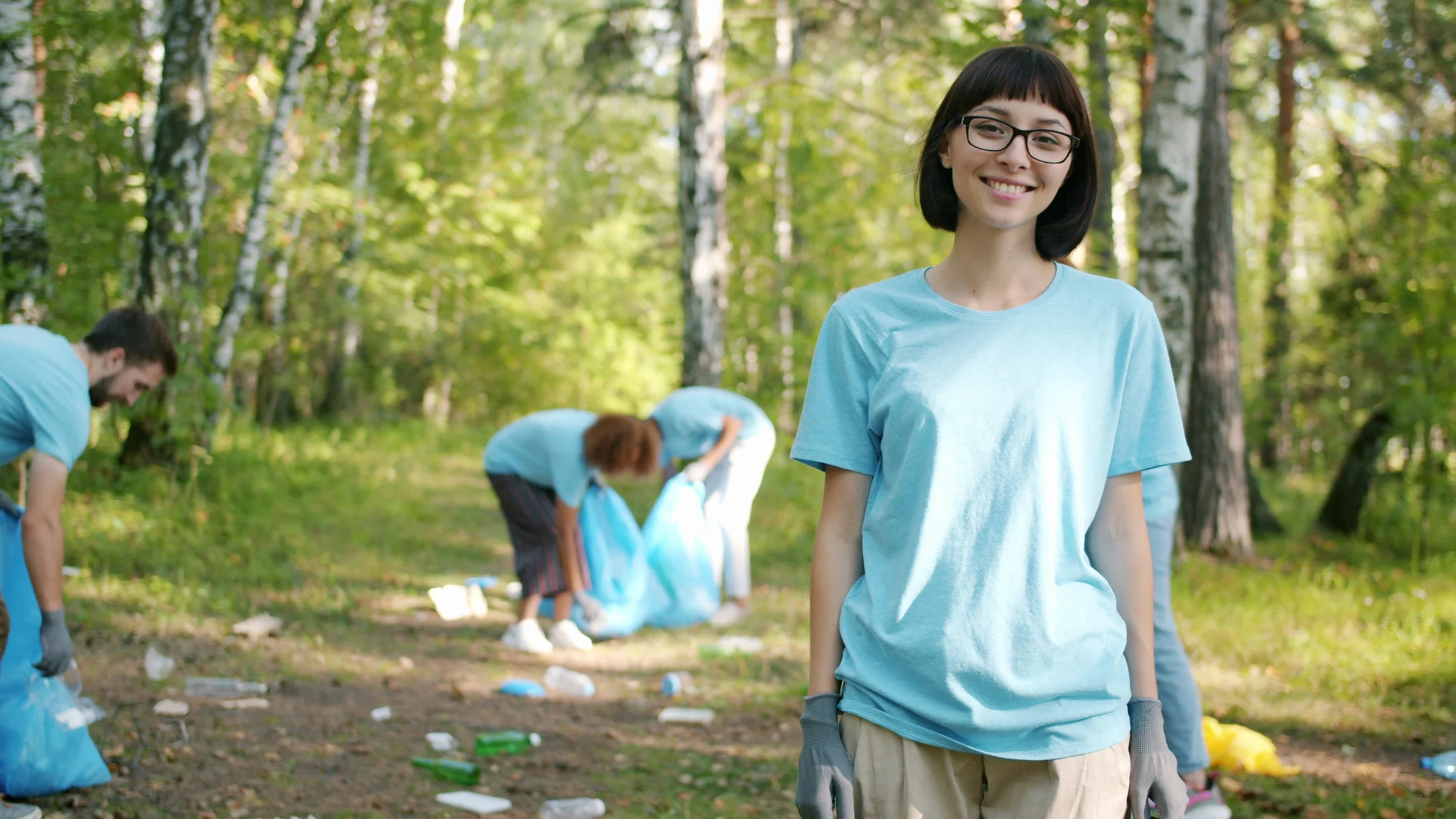
Why Environmental Volunteering in Spain Matters Now
Start here if you want your trip to leave a living trace. Spain’s mix of Atlantic coasts, Mediterranean coves, high sierras, wetlands, and quiet rural valleys makes environmental volunteering Spain both impactful and wildly varied. Picture sea breeze on your face at sunrise as you lift a tangled fishing net from a Galician beach.
You might come for skill-building, community, or purpose between jobs, but you stay for change you can measure—m² of dunes restored, saplings planted, birds counted. Spain protects over 27% of its land through the EU Natura 2000 network and hosts more than 50 UNESCO Biosphere Reserves, creating fertile ground for action (European Environment Agency; UNESCO MAB). A coastline of over 7,800 km allows marine projects to thrive alongside mountain restoration in the Pyrenees and Sierra Nevada. Locals—fishers, farmers, park rangers—anchor these efforts, and your hands join theirs. To sharpen your search, you’ll also see the Spanish phrase voluntariado ambiental España used by many organizers.
The current picture of environmental action
Grassroots associations increasingly collaborate with park authorities and universities, blending local knowledge with scientific monitoring. You’ll find projects conservación España ranging from seabird counts and dune stabilization to trail care and agroecology on terraced hillsides. Feel the grit of sand as you anchor a jute mat that will catch seeds on a windy dune.
Seasonal rhythms shape demand: spring and autumn concentrate bird migration monitoring; winter favors tree-planting and trail repairs; summer energizes beach cleanups and public outreach. Many initiatives now publish impact reports and data dashboards, reflecting a trend toward measurable outcomes and transparent governance. For rural areas, volunteering supports livelihoods by restoring irrigation channels, preventing soil erosion, and sustaining cultural landscapes vital for small producers and low-impact tourism.
What you’ll find here and how to use it
This guide gives you the essentials to choose well: when to go, how long to stay, what fitness or language level is needed, and how to check a program’s credibility. We then present eight representative projects—marine conservation Spain, forest restoration, permaculture, rural support, and wetlands—so you can compare and shortlist. Imagine pen on paper as you circle two or three options that match your goals.
You’ll also get tips on accommodation and transport, a skills breakdown, a step-by-step selection method, and FAQs. Students, responsible travelers, families with teens, and professionals seeking career pivots will all find pathways. We repeat the search term voluntariado ambiental España where relevant so you can spot it on Spanish pages, and we keep the tone practical so you can act after reading.
Picuco te puede ayudar
Does something here catch your eye?
Tell us.
Write to us on WhatsApp or email: we answer questions, find the best options and help you sort out the booking.
Essential Information: Locations, Seasons, and Requirements
Spain’s opportunities cluster in five geographic bands: coast (Atlantic and Mediterranean), islands (Balearic and Canary), wetlands and river corridors, mountain ranges, and interior rural mosaics. If you close your eyes, you might hear distant breakers or the soft click of field crickets near a stone terrace at dusk.
- Coasts and islands: Beach cleanups, seabird monitoring, sea grass (Posidonia) mapping, dune restoration, turtle patrols, and public outreach.
- Wetlands and rivers: Invasive plant removal, reedbed management, water quality sampling, and bird censuses.
- Mountains: Reforestation, erosion control, habitat restoration, and trail maintenance.
- Rural interiors: Dry-stone wall repairs, irrigation channels, regenerative agriculture, and eco-villages Spain initiatives.
Peak seasons and durations:
- Spring (March–May): Bird migration monitoring, nursery work, first plantings; typical stays 1–3 weeks.
- Summer (June–September): Beach and reef surveys, education stands, campsite-based actions; stays 1–2 weeks due to heat and tourism.
- Autumn (September–November): Second migration wave, major reforestation push; weekend to 4-week cycles.
- Winter (December–February): Tree planting at lower elevations, trail and infrastructure maintenance; weekend brigades common.
Typical program lengths range from weekend actions and 5–7 day intensives to 2–12 week immersions for research or farm-based learning. You’ll often commit 20–35 hours per week, with early starts to avoid heat and midday siestas for rest.
Core requirements:
- Age: Most programs require 18+; some accept 16–17 with written guardian consent and supervision.
- Language: Spanish at A2–B1 helps in field briefings; English may suffice in research teams or international groups.
- Fitness: Expect to walk 5–12 km/day on uneven terrain, lift 10–20 kg occasionally, and work outdoors in sun, wind, or rain.
- Permits and training: Basic first aid and a tetanus booster (within 10 years) are commonly recommended; snorkel or scuba certifications are essential for underwater tasks.
- Documents: ID/passport, European Health Insurance Card (EU citizens), emergency contacts, and signed liability/consent forms.
Local projects vs international NGO coordination:
- Local/park-led: Free or low-cost, with direct impact and simple logistics; training provided on site; Spanish often preferred.
- Internationally coordinated: Structured intakes, documentation support, sometimes fees covering training, insurance, and materials; more English usage.
Verifying credibility (proyectos conservación España):
- Look for park-authority partnerships, municipal support, or university collaboration cited on their materials.
- Request impact evidence: number of native species planted, survival rates after one season, km of trail restored, litter weight removed (kg), or peer-reviewed outputs.
- Check public registries of associations, annual reports, and independent reviews from past volunteers.
- Ask for risk assessments, safeguarding policies (for minors), and insurance details in writing.
Sign-up and admin flow:
- Pre-register online or by email; you’ll get a role description and dates.
- Provide basic documents (ID, health info, consent) and confirm availability.
- Attend a safety and methods briefing (in person or remote) and complete any e-learning.
- Receive packing list, meeting point, and accommodation info.
Budget signals:
- Park/municipal programs: Usually free participation; you cover travel/food unless lodging is offered.
- Marine or research projects: May ask a contribution for boat fuel or training materials; clarify what is included.
- Farm/permaculture stays: Often room and board in exchange for 20–25 hours/week; confirm house rules and food provisions.
Picture a clipboard clicking shut at the end of induction—clear responsibilities, contacts, and a schedule in your hands.
Where You’ll Stay and How to Get There
Your base shapes the experience as much as the work itself. On a calm night away from cities, you might smell rosemary and pine drifting through an open window.
Typical accommodation and house rules
Expect one of these setups:
- Volunteer houses or environmental centers: Dorms or twin rooms, shared kitchens, common rooms, Wi‑Fi in communal areas.
- Rural homes or farm stays: Simple, comfortable rooms; sometimes compost toilets and solar showers.
- Camping or bungalows: Used in coastal parks or islands; gear may be provided or rented locally.
- Host families: Cultural immersion with home-cooked meals and local rhythms.
In voluntariado con alojamiento or “volunteering with accommodation Spain,” programs may include:
- Free lodging (basic) or low-cost packages covering bed and some meals.
- Shared chores: cleaning rotas, kitchen duty, and tool checks.
- Quiet hours, alcohol/smoking rules, and safety briefings, especially for marine tools or power equipment.
Before you go, confirm:
- What meals are included (breakfast only, half board, full board) and any dietary support.
- Laundry frequency, bedding/towel policy, and heating/cooling.
- Curfews, visitors, and off-day use of vehicles or bikes.
A single kettle whistle at dawn often cues the day’s first briefing and a quick gear check.
Getting there: transport tips for rural and coastal sites
Most projects are reachable from major hubs like Madrid, Barcelona, Seville, Valencia, Bilbao, Santiago, or Palma. The soft rumble of a regional train through sunflower fields often marks the easiest leg.
- Rail and coach: Use long-distance trains and intercity buses to the nearest town, then a short taxi or local bus to the meeting point.
- Shared cars: Coordinators may connect volunteers to rideshares for last-mile access; agree on fuel splits beforehand.
- Island logistics: Fly or ferry to island capitals (e.g., Mahón for Menorca), then bus to park gateways; boat transfers may be scheduled for field days.
- Responsible choices: Prioritize trains over short flights when feasible, bundle errands, and travel with a refillable bottle and lunch box.
Trip tools:
- National rail and regional bus planners for timetables.
- Car-share platforms and local taxi cooperatives for remote trailheads.
- Offline maps and a pinned meeting point shared with the coordinator.
On arrival, dust rises underfoot as you step from bus to gravel, greeted by a coordinator with a laminated checklist and an easy smile.
Environmental Volunteering in Spain: 8 Projects to Join
Below you’ll find eight representative tracks to match different interests—voluntariado conservación marina, wetlands work, permaculture volunteer Spain, rural support, and reforestation. The briny tang of sea air or the loamy scent of fresh mulch will become familiar companions wherever you land.
1.Atlantic Islands (galicia): Coastal Marine Conservation and Beach Cleanups
- Location and who runs it: Atlantic Islands of Galicia National Park (Cíes, Ons, Sálvora, Cortegada), coordinated by park staff with local conservation groups.
- Objectives: Protect seabird colonies, restore dunes, reduce marine debris, and monitor shoreline biodiversity.
- Activities: Beach cleanups with litter sorting and weighing (kg), dune stabilization with sand fencing and planting, nocturnal shearwater listening points, and basic citizen-science transects.
- Requirements: Comfortable walking on sand and carrying 10–15 kg; Spanish helpful; safety briefings on tides and protected zones.
- Duration and season: 5–7 day intensives and weekend brigades, mainly May–September with spring and autumn monitoring dates.
- Accommodation and costs: Simple shelters or authorized camping areas may be available to volunteers; otherwise stay in Vigo, Bueu, or on-island lodging with permits. Participation is typically free; confirm boat transport and park fees coverage.
- How to sign up: Watch for park volunteer calls and local association notices under the term voluntariado conservación marina; request an activity sheet with meeting points and required gear.
As gulls wheel overhead and kelp crackles underfoot, the Atlantic’s breath feels close and salt-sweet.
2.Doñana (andalusia): Habitat Recovery and Bird Monitoring
- Location and who runs it: Doñana’s protected areas (Huelva–Seville–Cádiz), with park services, research stations, and NGOs cooperating.
- Objectives: Restore dunes and marsh edges, control invasive species, and support long-term avian monitoring.
- Activities: Dune reshaping, native planting, invasive pulls, bird-banding assists, and dawn/dusk point counts with standardized protocols.
- Requirements: Early starts, sun exposure, and careful species handling; prior bird ID or ringing training may be requested for technical tasks.
- Duration and season: 1–3 week placements in spring and autumn; weekend restoration drives in winter.
- Accommodation and costs: Occasional slots of voluntariado con alojamiento in field stations or shared houses; otherwise stay in Almonte, El Rocío, or coastal towns. Programs are often free; bring field meals and water.
- How to sign up: Apply through park volunteer bulletins and regional conservation calendars; ask about pre-training for bird work and insurance coverage.
At sunrise, the marsh smells faintly of brine and peat as silhouettes of flamingos lift into a pale sky.
3.Cabo de Gata (andalusia): Coastal Conservation With Lodging Options
- Location and who runs it: Cabo de Gata–Níjar Natural Park (Almería), coordinated with environmental centers and municipal services.
- Objectives: Protect dunes and coastal scrub, reduce litter, and engage visitors in Leave No Trace practices.
- Activities: Dune planting, sand fencing, microplastic surveys, cove-by-cove cleanups, and beachside education kiosks.
- Requirements: Heat management, sturdy footwear, and good hydration habits; Spanish or English for outreach.
- Duration and season: 7–10 day cycles spring and autumn; shorter summer actions at dawn.
- Accommodation and costs: Several programs advertise voluntariado con alojamiento in shared rural houses or eco-centers near San José or Las Negras; contributions may cover utilities and meals. Confirm what’s included.
- How to sign up: Monitor park social channels and local calls titled voluntariado conservación marina or coastal restoration; request a kit list for sun, wind, and sand exposure.
The wind carries a sagey scent from esparto grass as waves slap gently against volcanic rock.
4.Menorca (biosphere Reserve): Posidonia Meadows and Marine Biodiversity
- Location and who runs it: Menorca island, within the UNESCO Biosphere framework, with marine stations and local associations.
- Objectives: Map and protect Posidonia oceanica meadows, survey anchor damage, and raise awareness among boaters and beachgoers.
- Activities: Snorkel transects, photo quadrats, beach briefings, and occasional boat-based monitoring; basic data entry.
- Requirements: Confident swimming; snorkel experience required; scuba tasks need Open Water certification and recent logged dives.
- Duration and season: 1–2 week campaigns, mainly June–September when visibility peaks.
- Accommodation and costs: Volunteers often base in Mahón or Ciutadella hostels or apartments; some teams coordinate shared flats. Boat fuel or equipment fees may apply; clarify insurance for water activities.
- How to sign up: Look for island-wide calls under voluntariado conservación marina and contact coordinators early; island flights and ferries fill fast.
Sunlight strobes over seagrass blades as damselfish flash like quicksilver between your fingers.
5.La Garrotxa (catalonia): Permaculture and Regenerative Agriculture
- Location and who runs it: Small farms and eco-learning sites in volcanic foothills near Olot.
- Objectives: Build soil health, diversify crops, capture water, and model low-impact rural livelihoods.
- Activities: Bed preparation, mulching, composting, seed saving, agroforestry planting, greywater systems, and seasonal harvests.
- Requirements: Steady physical work with hand tools; interest in design principles; rain-or-shine attitude.
- Duration and season: 2–8 week stays common; shoulder seasons (spring/autumn) are ideal for planting and learning.
- Accommodation and costs: Room-and-board exchanges in volunteer houses or tiny homes; expect shared chores and simple, nourishing meals. Some offer weekend permaculture intensives.
- How to sign up: Search for permacultura voluntariado or permaculture volunteer Spain across farm networks; ask for a learning plan and daily schedule before committing.
Fresh earth smells sweet after a light rain as your hands press seedlings into dark, springy soil.
6.Sierra de Guadarrama (central Spain): Forest Restoration and Trail Care
- Location and who runs it: Guadarrama National Park and regional reserves near Madrid and Segovia, led by park crews and mountain clubs.
- Objectives: Replant native species, stabilize eroding slopes, improve visitor safety, and reduce off-trail impact.
- Activities: Planting with shelters and stakes, check-dam building, drainage clearing, signage maintenance, and trail brushing.
- Requirements: Moderate fitness, altitude acclimation (1,500–2,000 m), and care with tools; weather can shift fast.
- Duration and season: Autumn–spring reforestation weekends; summer mornings for light trail work.
- Accommodation and costs: Day trips from Madrid/Segovia are common; occasional shared refuges for multi-day crews in winter. Programs are usually free; bring layered clothing and lunch.
- How to sign up: Watch park volunteer portals and mountaineering federations; ask about transport pooling and tool safety briefings.
Pine resin’s sharp scent lingers as boots crunch over frost and a jay scolds from the canopy.
7.La Alpujarra (andalusia): Rural Volunteering and Support for Local Farms
- Location and who runs it: Villages on Sierra Nevada’s southern slopes, in partnership with town halls, irrigation communities, and rural collectives.
- Objectives: Maintain historic terraces and acequias (irrigation channels), reduce erosion, and bolster small-scale agriculture.
- Activities: Clearing and lining acequias, dry-stone wall repairs, orchard pruning, and waymarking footpaths for low-impact tourism.
- Requirements: Good balance on uneven terraces, sun protection, and hydration discipline.
- Duration and season: Spring snowmelt makes acequia work urgent; autumn post-harvest repairs; stays from weekends to a month.
- Accommodation and costs: Voluntariado rural España often includes rooms in village houses or farm cottages; contributions may cover communal meals. Confirm weekend vs weekday rhythms.
- How to sign up: Search town bulletin boards and regional rural networks; request a task list, safety notes, and local contacts.
Water chuckles softly along a newly cleared channel as swallows skim low over terraces.
8.Basque Country: Reforestation and Community Forest Stewardship
- Location and who runs it: Valleys across Álava, Bizkaia, and Gipuzkoa with municipalities, forest cooperatives, and schools.
- Objectives: Replant native oak, beech, and birch; phase out invasive or high-risk stands; and teach community forestry.
- Activities: Tree planting and guarding, selective clearing, nursery care, and citizen talks in community centers.
- Requirements: All-weather resilience; muddy terrain; gloves and eye protection for brambles; Spanish or Basque welcome but not mandatory.
- Duration and season: Peak planting November–March; day brigades and winter weekends.
- Accommodation and costs: Day trips from Bilbao/Vitoria/San Sebastián; occasional rural guesthouses for longer actions.
- How to sign up: Follow municipal environmental notices and regional networks labelled proyectos conservación España; ask about survival-rate follow-ups and community maintenance days.
The earthy smell of leaf litter rises as rain beads on new saplings and drips from mossy stone walls.
What You’ll Do and the Skills You’ll Learn
Most programs blend hands-on restoration, monitoring, and outreach. A light breeze across your neck at a trailhead often signals a varied day ahead.
Core activity types and skills:
- Ecological restoration: Planting natives, dune fencing, erosion control, and invasive removal teach tool handling (spades, mattocks), soil basics, mulching, and microhabitat design.
- Wildlife monitoring: Point counts, transects, camera traps, and ringing support species ID, data sheets, GPS use, and ethical handling protocols.
- Data and reporting: You’ll practice standardized forms, simple statistics, and photo documentation; these build evidence for funding and policy.
- Environmental education: Beach or trail stands hone public speaking, facilitation, and concise messaging for visitors of all ages.
- Agroecology/permaculture: Bed design, composting, water capture, and tree guilds provide design thinking, systems literacy, and seasonal planning.
- Cleanups and audits: Litter categorization (e.g., UNE or NOAA typologies) trains pattern recognition and source-reduction problem solving.
- Infrastructure care: Waymarking, drainage, and steps nurture teamwork, risk assessment, and maintenance planning.
Example weekly rhythm (7–10 day program):
- Day 1: Induction, safety, site tour, and light task.
- Days 2–3: Core fieldwork blocks (6–7 h/day) with rotating crews.
- Day 4: Monitoring/data entry, community talk, or rest half-day.
- Days 5–6: Restoration push; afternoon swim or short hike.
- Day 7: Debrief, impact tally (e.g., 120 seedlings planted, 18 kg litter sorted), and shared meal.
Physical intensity ranges from gentle outreach shifts to moderate labor with 300–600 kcal/hour expenditure; coordinators can adapt tasks. On your CV, translate field skills into transferable competencies: project logistics, data quality control, teamwork under variable conditions, and community engagement. For students, ask about letters of participation or ECTS recognition via university agreements; for professionals, note alignment with ESG, circular economy, or nature-based solutions.
How to Choose the Right Project in Spain
Good choices start with honest questions. The snap of a closing notebook after jotting your answers feels like commitment taking shape.
Step-by-step approach:
- Clarify your goal: conservation outcomes, learning, career exploration, or community ties.
- Time and timing: weekends vs 2–8 weeks; match tasks to season (e.g., tree planting in winter).
- Physical fit: heat, hills, and hours; any medical limits or allergies?
- Budget: travel, food, lodging contributions, and gear; include contingencies (10–15%).
- Skills to gain: species ID, GIS basics, planting techniques, public speaking, or permaculture design.
- Support needs: Do you require voluntariado con alojamiento, airport transfers, or equipment loans?
- Credibility check: partners, impact metrics, risk policies, and past volunteer references.
Quick checklist (print this):
- Organization and partners named, with park/municipal links
- Clear activity list and daily/weekly schedule provided
- Training and safety protocols documented
- Insurance and safeguarding (minors) spelled out
- Costs and inclusions itemized (meals, lodging, transport)
- Impact reporting (numbers and follow-up maintenance) shared publicly
- Contact person, emergency phone, and meeting point confirmed
Questions to ask coordinators:
- How will my work be measured (e.g., survival rates after 6–12 months)?
- What training do I receive before handling species or tools?
- What is the volunteer-to-staff ratio in the field?
- Are there roles for non-Spanish speakers?
- Can I get a participation certificate or service-hours letter?
Revisit the primary term environmental volunteering Spain and, if scanning Spanish pages, search voluntariado ambiental España to find equivalent listings. A clear conversation with the coordinator is your best predictor of a safe, useful placement.
Practical Tips: Logistics, Insurance, and Preparation
A little prep smooths everything from gear to group life. Zip open your pack and breathe in the clean smell of canvas and pine tar.
Essentials to pack:
- Footwear and clothing: Broken-in hiking shoes, quick-dry layers, brimmed hat, gloves, and a warm layer for mountains.
- Field kit: 1–2 L water bottle, lunch box, headlamp, sunglasses, sunscreen, insect repellent, and reusable bags.
- Health: Personal meds, blister kit, antiseptic wipes, tape, and updated tetanus coverage; share allergies with staff.
- Marine add-ons: Rash guard, reef-safe sunscreen, snorkel set if required, and ear drops; drybag for data sheets.
Insurance and safety:
- Travel/medical insurance that covers outdoor volunteer work and remote transport.
- Liability coverage for tool use or citizen-science tasks; some programs include group policies—get it in writing.
- Biosecurity: Clean boots and tools between sites; never move plants/soil; follow decontamination for aquatic gear to avoid invasive spread.
Cultural and group life:
- House rules: Rotas, quiet hours, and shared shopping lists reduce friction.
- Communication: Short daily stand-ups align tasks; use simple Spanish phrases if needed.
- Food: Expect local staples—legumes, seasonal veg, olive oil, bread; disclose dietary needs in advance.
Low-impact travel and budgeting:
- Prefer trains and buses, rideshare the last mile, and pack waste-free lunches.
- Hidden costs: Last-mile taxis, laundromats, gear replacements, and ferry surcharges; set a buffer.
- Funding: Ask about student discounts, community grants, or small bursaries tied to research/outreach deliverables.
International vs local volunteering:
- Local: Lower cost, easier logistics, repeat weekends; strong community ties.
- International within Spain: Rich immersion; plan for language, healthcare access, and longer stays to offset travel footprint.
A shared pot of chickpea stew steaming in the kitchen signals the day’s slow unwinding and tomorrow’s early start.
Frequently Asked Questions
Do I need prior experience to volunteer?
No, most projects train you on site for restoration, cleanups, and basic monitoring. Specialized tasks—bird ringing, scuba surveys, chainsaw work—require training or certification; ask about pre-briefs and shadowing days. A curious mindset and reliability matter most.
What is the minimum age?
Typically 18+, though some programs accept 16–17 with parental consent and supervision. Family-friendly activities exist for younger teens in public cleanups and tree-planting days; always check safeguarding policies.
How much does it cost?
Many park-led or municipal projects are free to join; you pay travel and food. Programs with boats, dive gear, or structured training may ask a contribution; farm stays often exchange 20–25 hours/week for room and board. Confirm inclusions and any refundable deposits for tools.
Can I get a certificate or recognized practice?
Yes, organizations can issue a participation letter noting dates, hours, and tasks. University students may align projects with coursework or internships if supervisors approve; request documentation templates in advance.
How is volunteer time recorded?
Programs typically use daily sign-in sheets and task logs. Keep your own record noting dates, hours, activities, and outcomes (e.g., “planted 40 Quercus ilex with shelters”), which helps both certification and your CV.
Will language be a barrier?
Basic Spanish (A2–B1) helps for safety briefings and teamwork. Some research or international crews operate in English; ask coordinators which roles suit your level and whether bilingual buddies are assigned.
Book your experience — discover active nature activities in Spain with providers verified by Picuco.
Conclusion
Spain’s protected coasts, mountains, wetlands, and villages offer real ways to help while you learn and connect. Shortlist two or three programs that match your timing, fitness, and learning goals, then email coordinators with your questions and availability. The calm satisfaction of stacked tools and logged data at day’s end is a reward you can feel.
Revisit environmental volunteering Spain and its Spanish twin voluntariado ambiental España on official calls, confirm logistics in writing, and pack with purpose. When you are ready, choose dates, prepare your documents, and step into the field; nature and community are waiting.