Málaga

What to do in Málaga

Plans, activities and things to see in Málaga

Discover Málaga

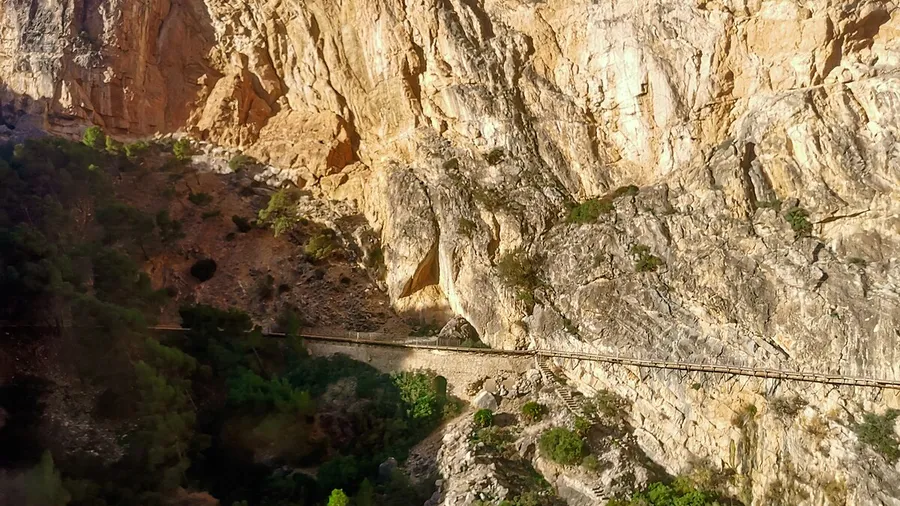
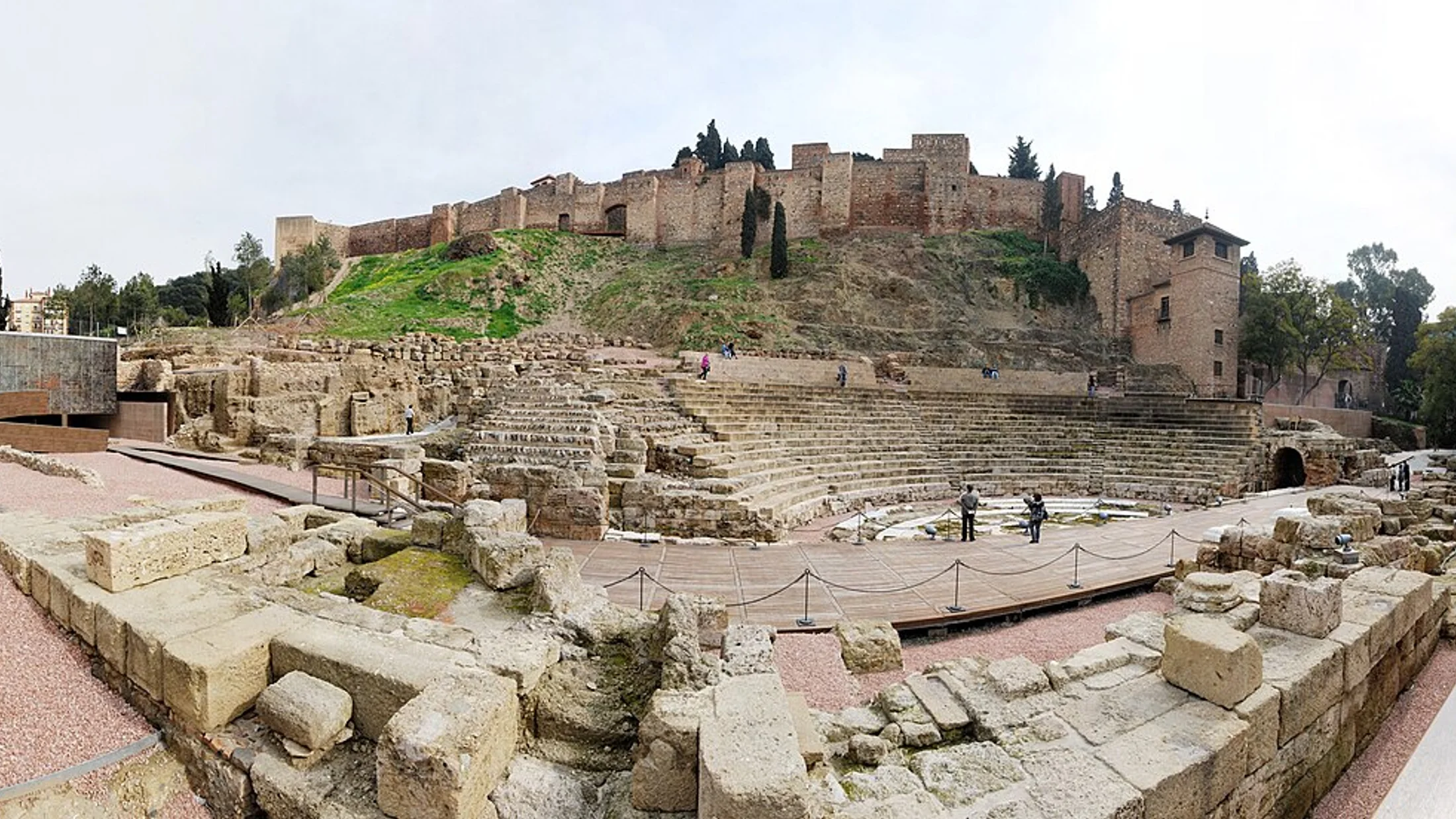
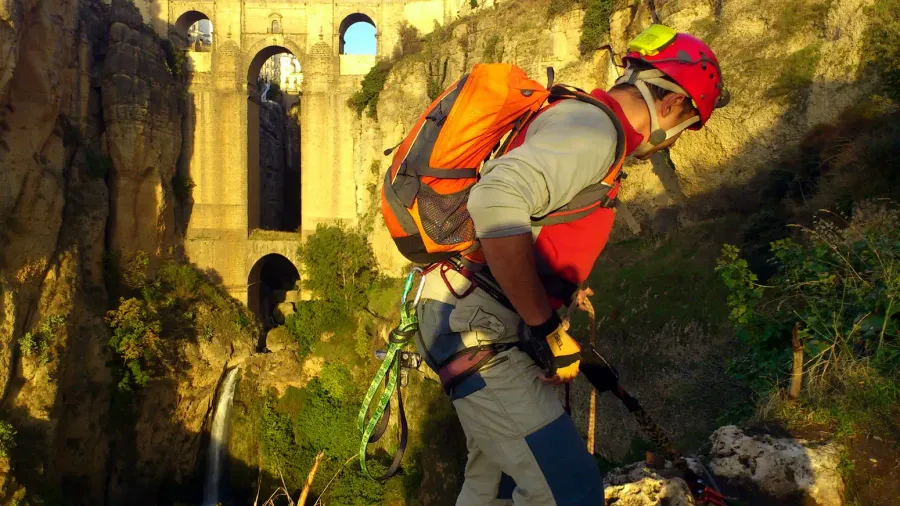
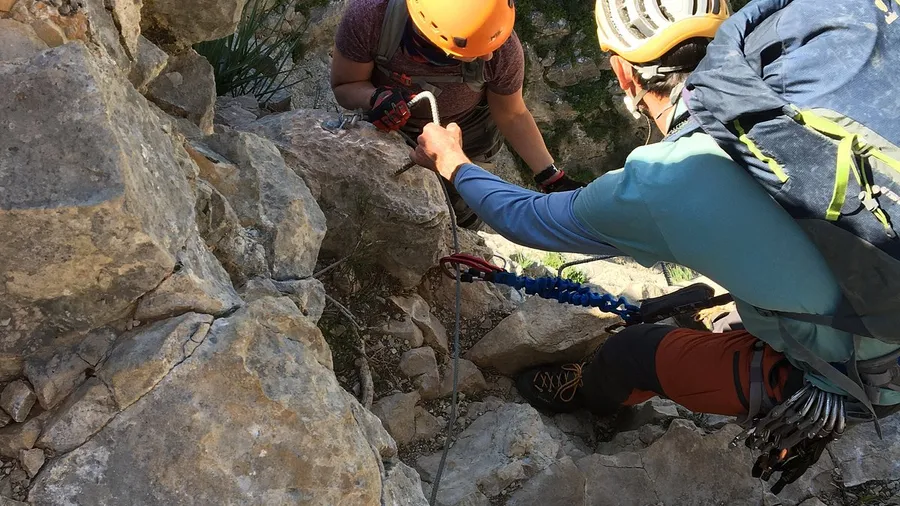
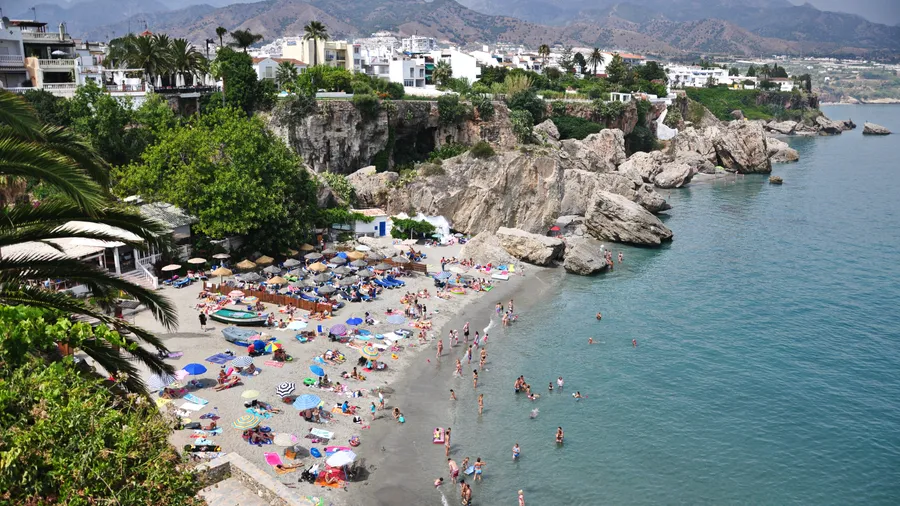
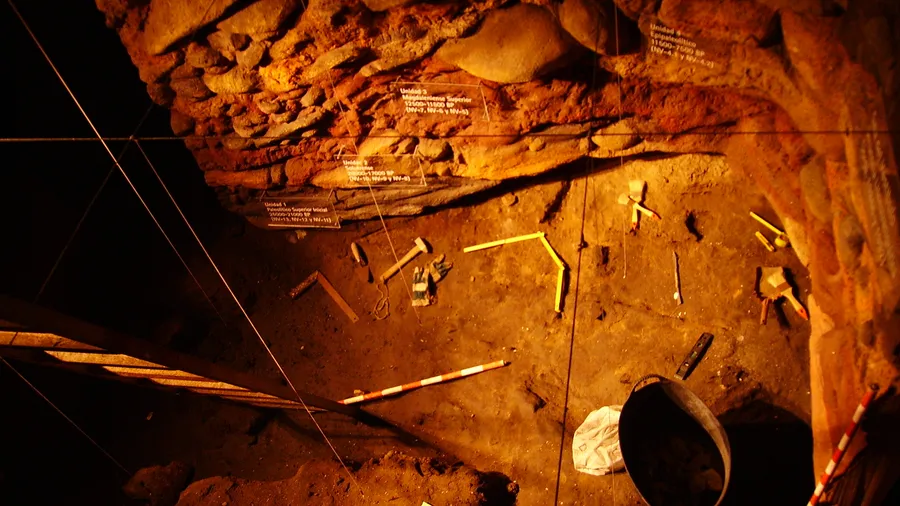
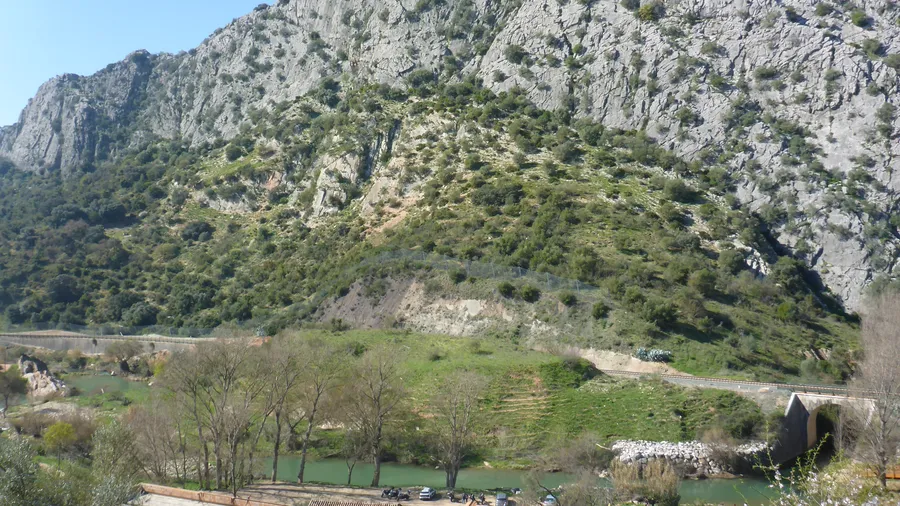
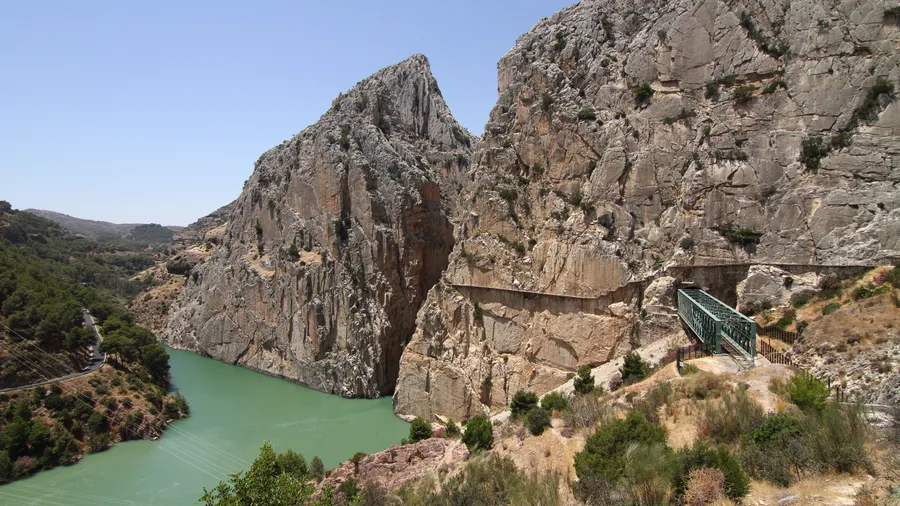
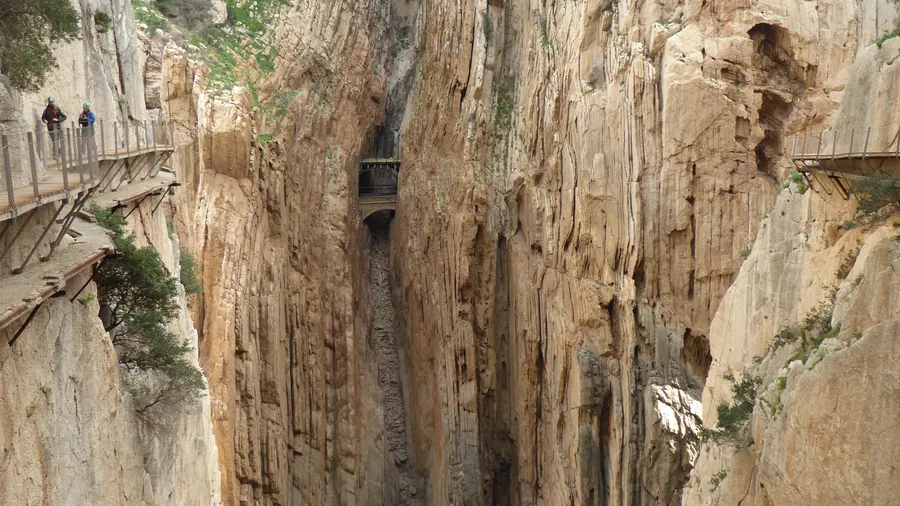
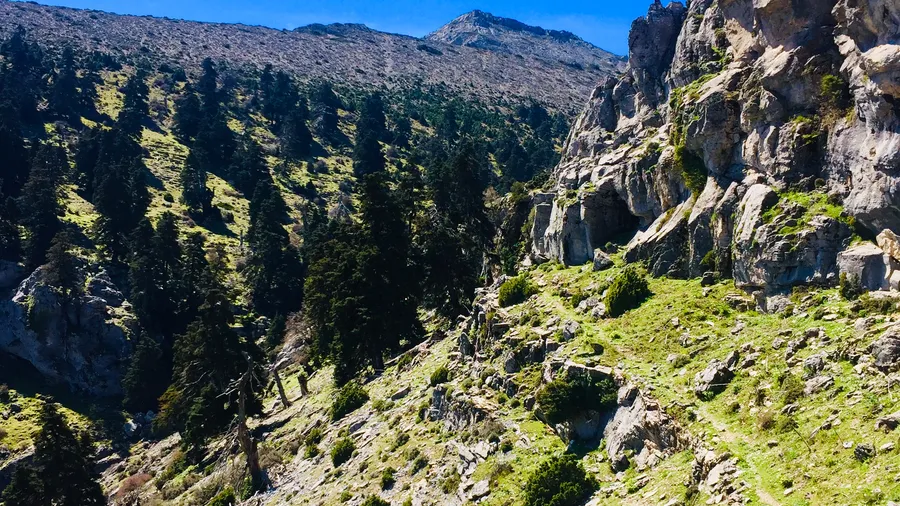
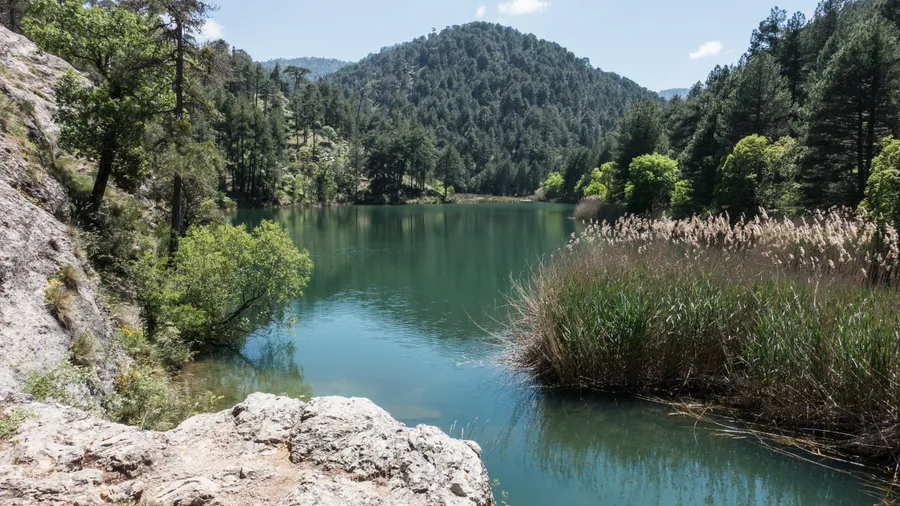
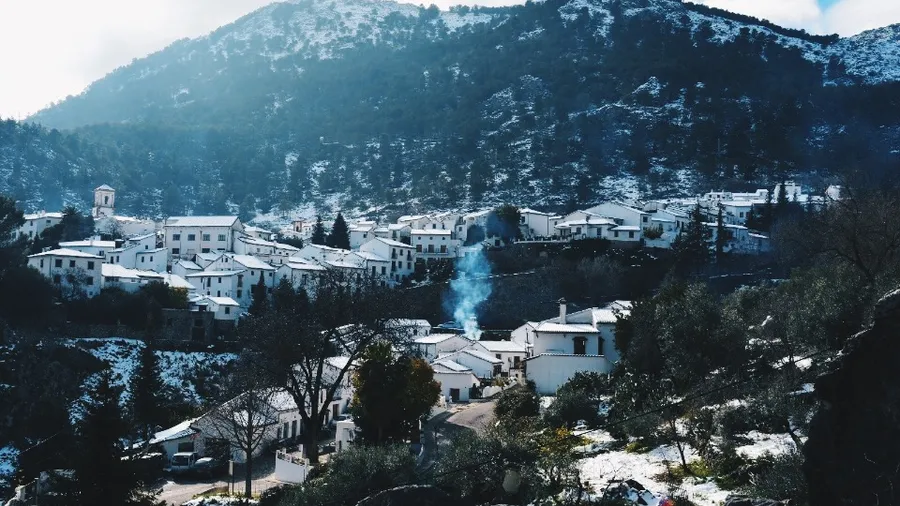
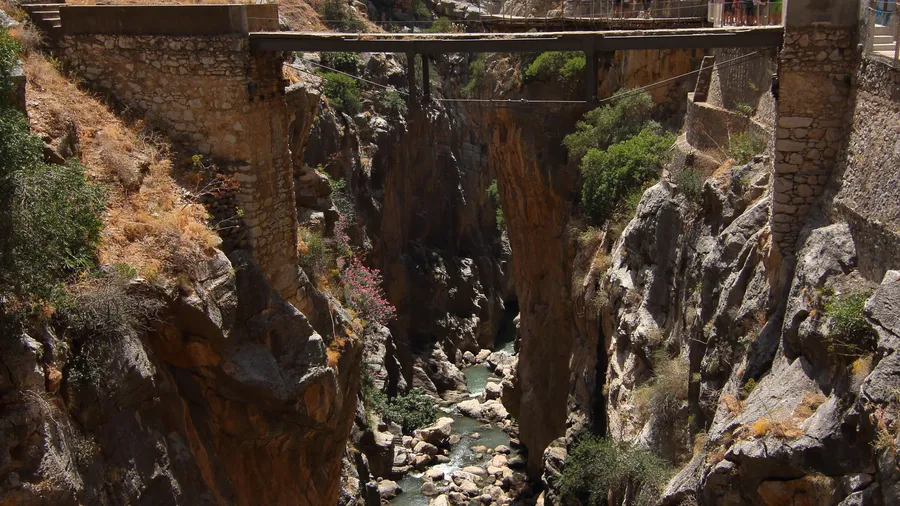
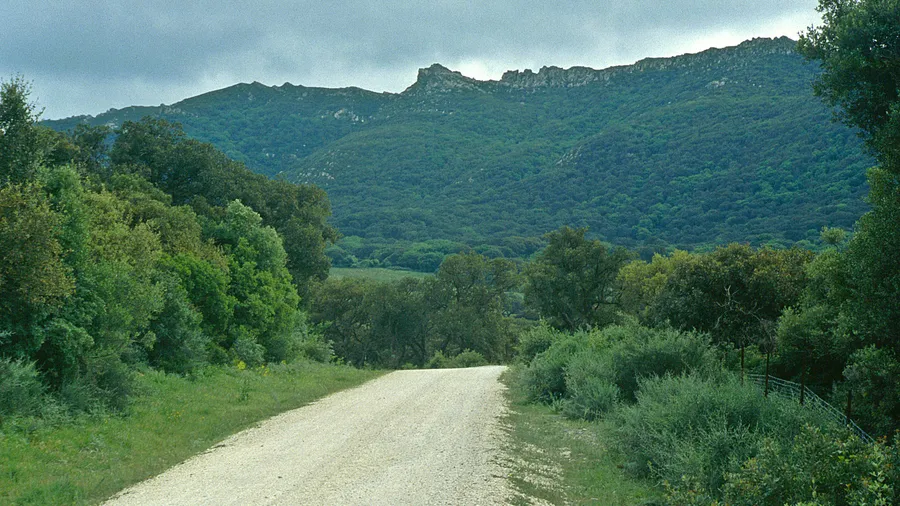
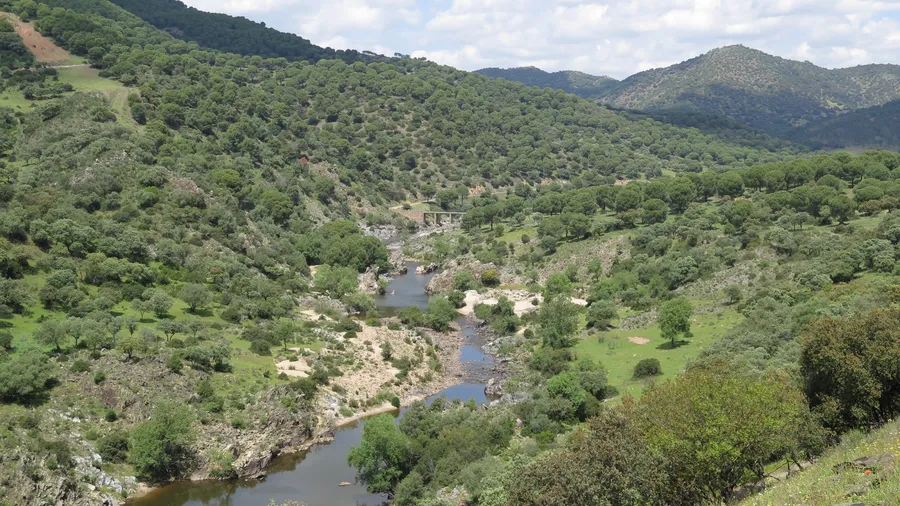
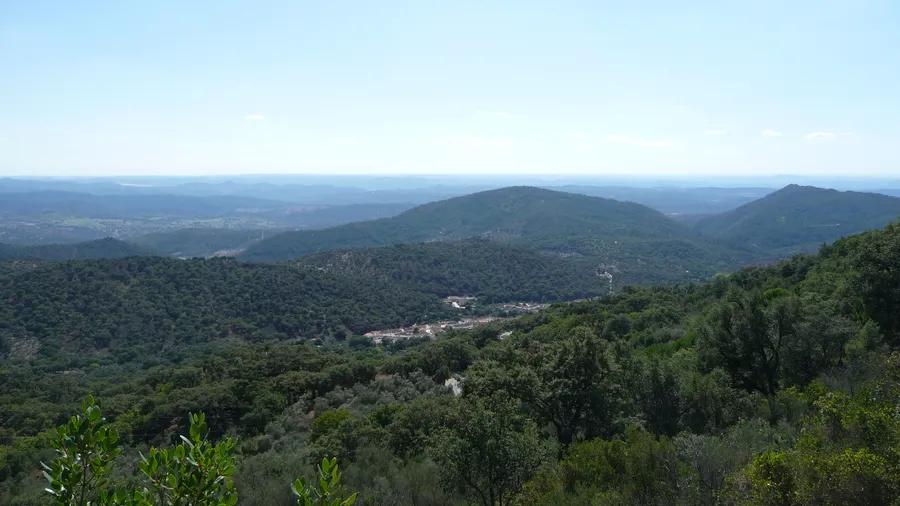
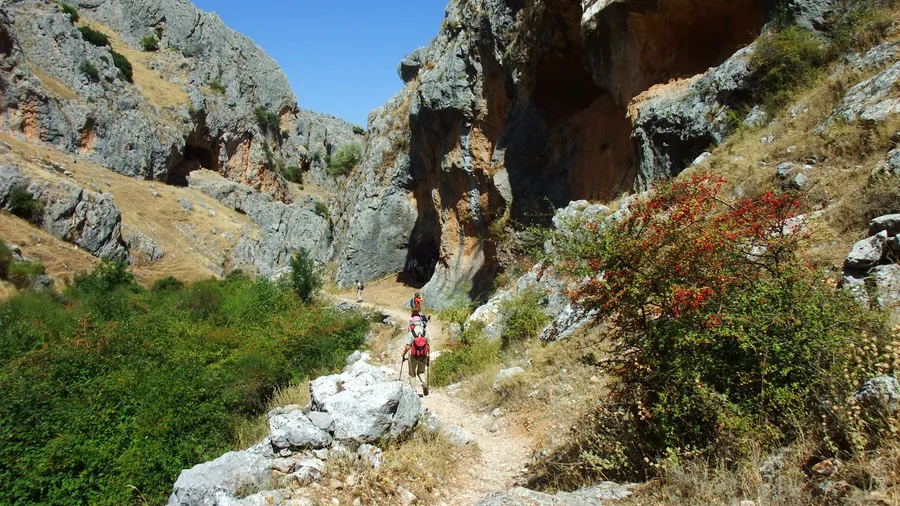
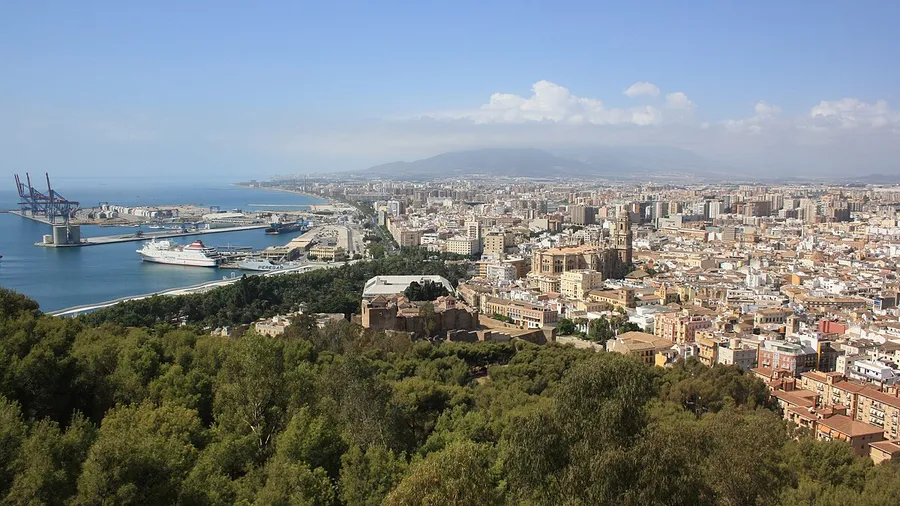
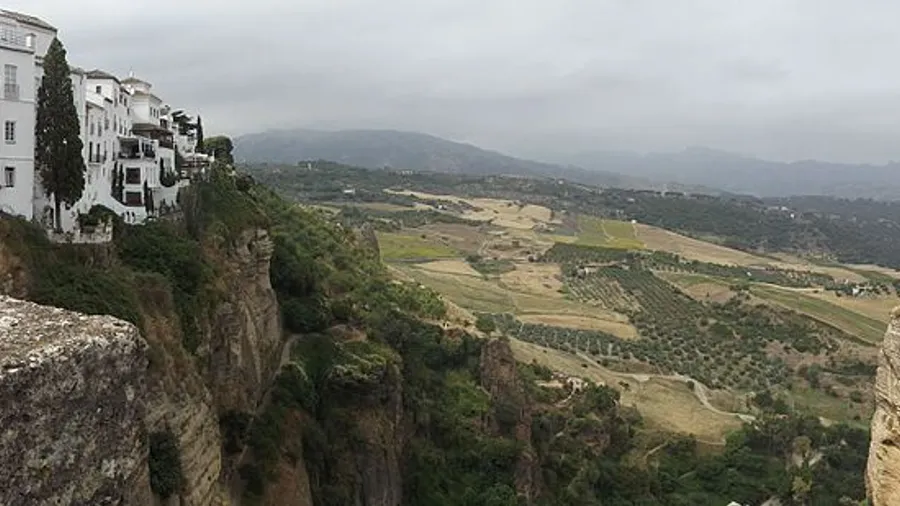
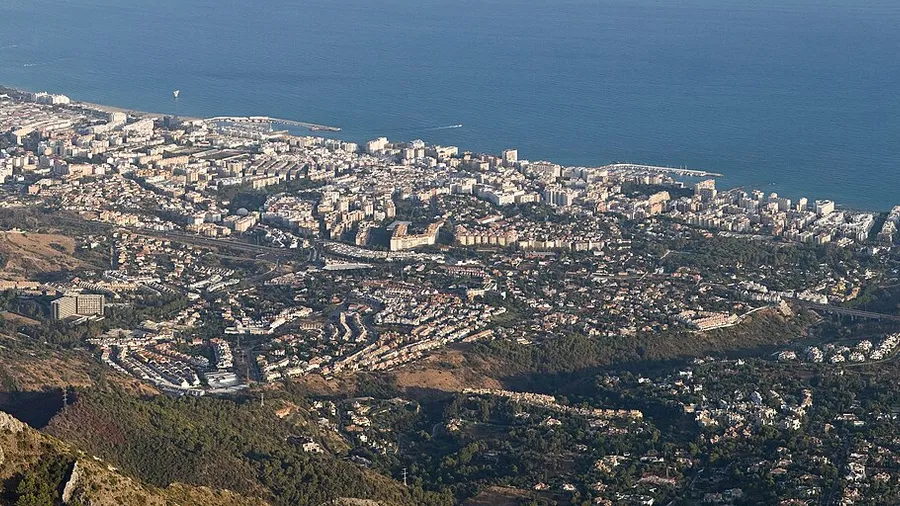
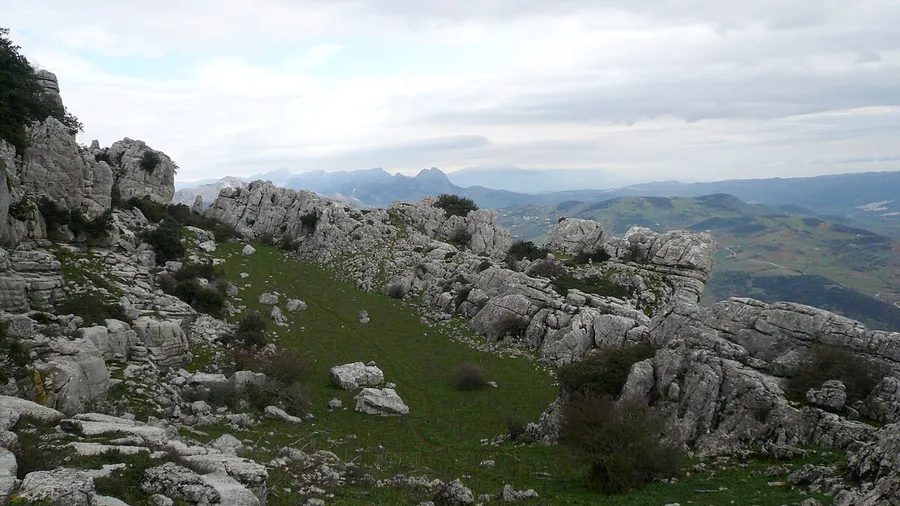
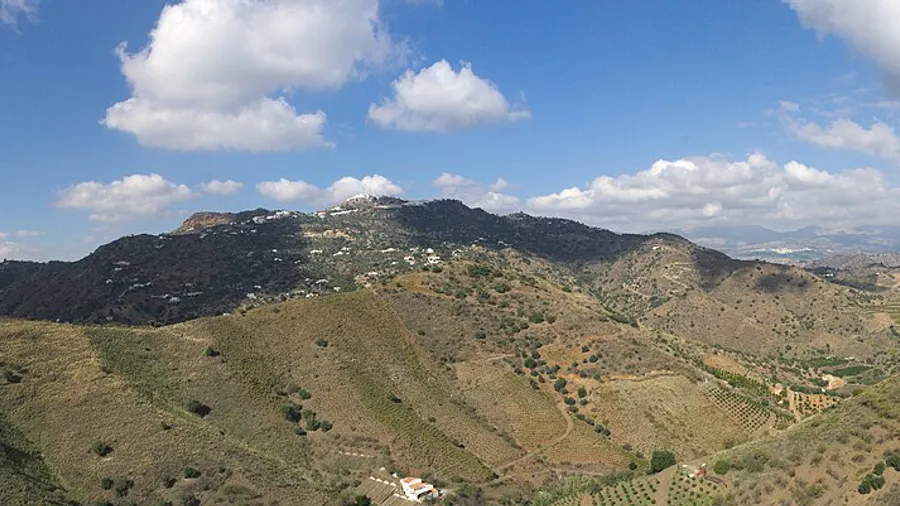
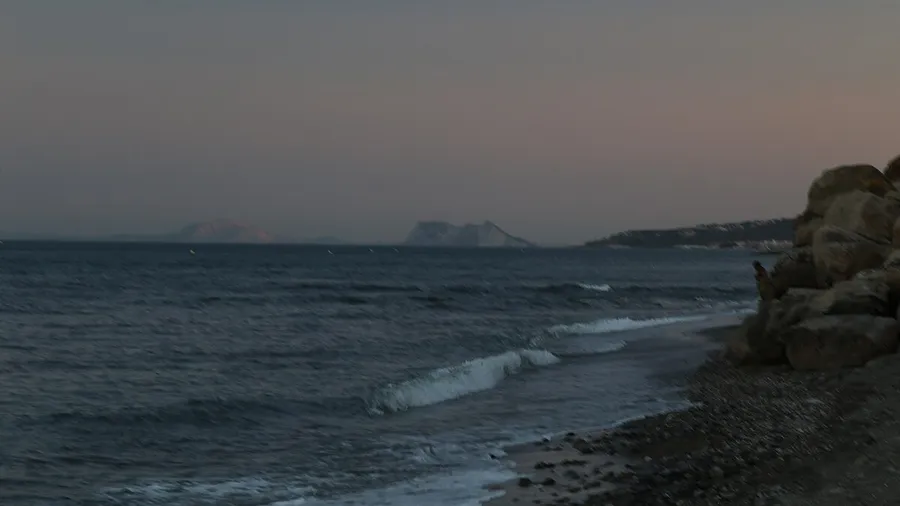
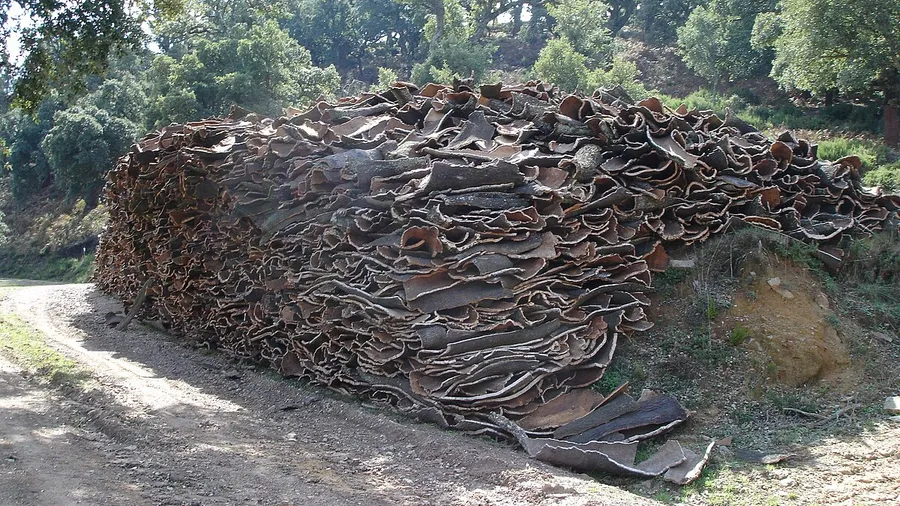
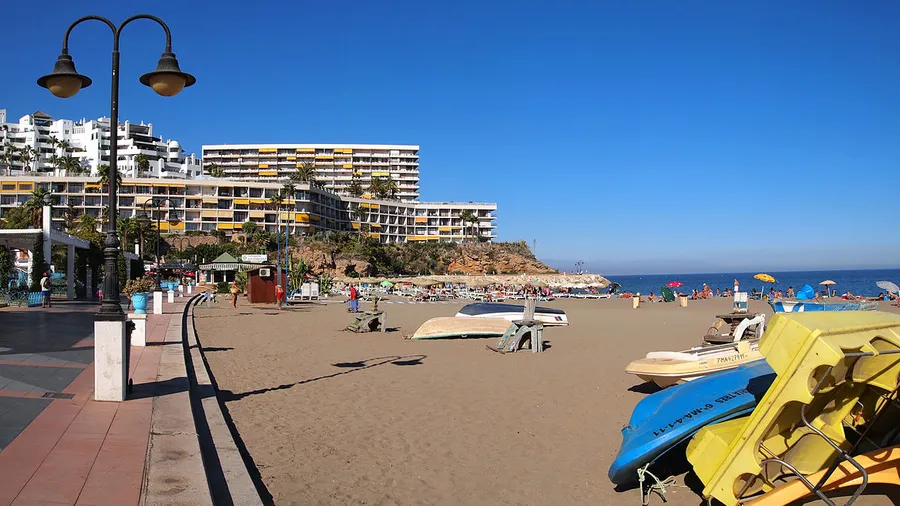
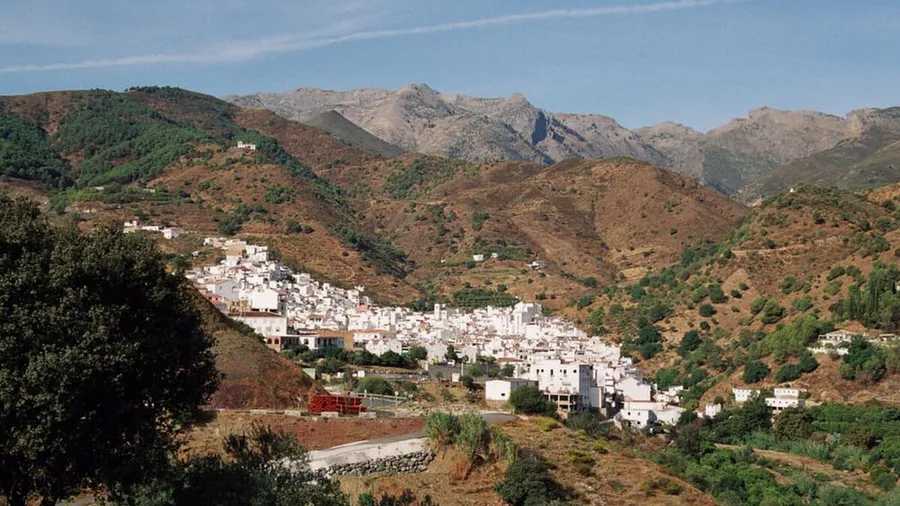
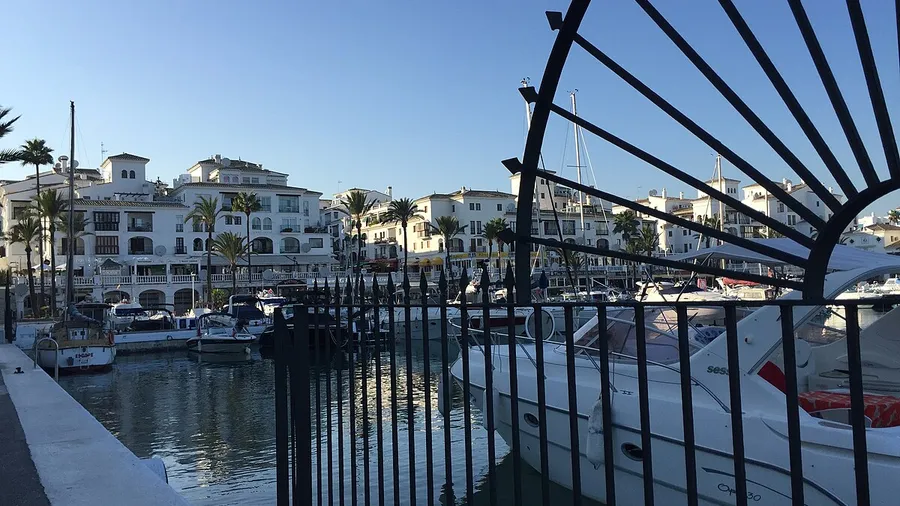
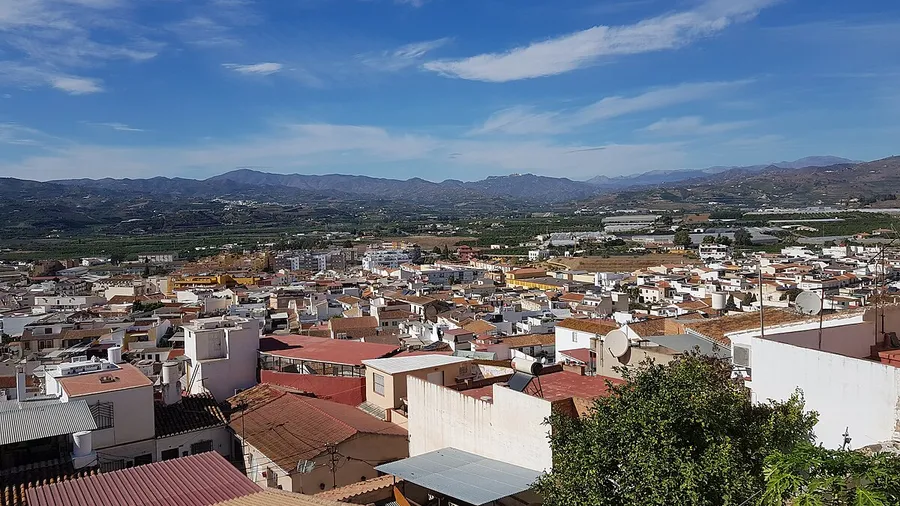
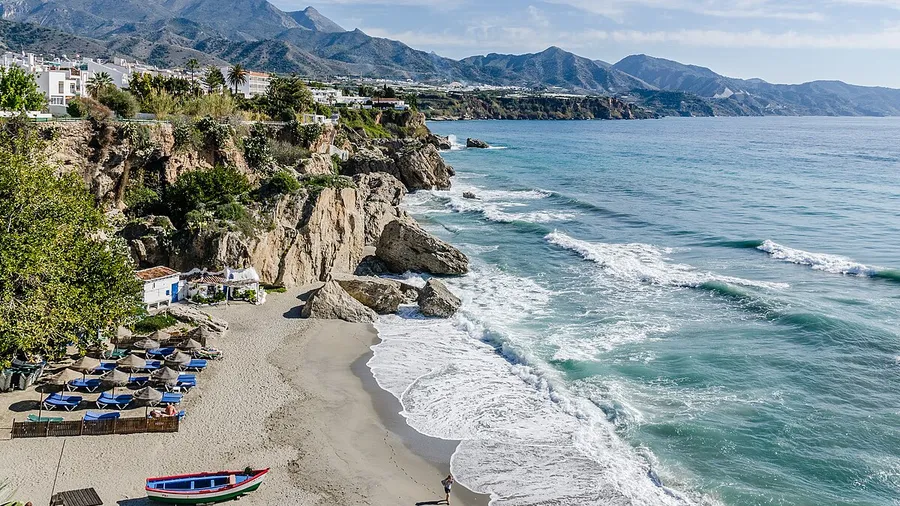
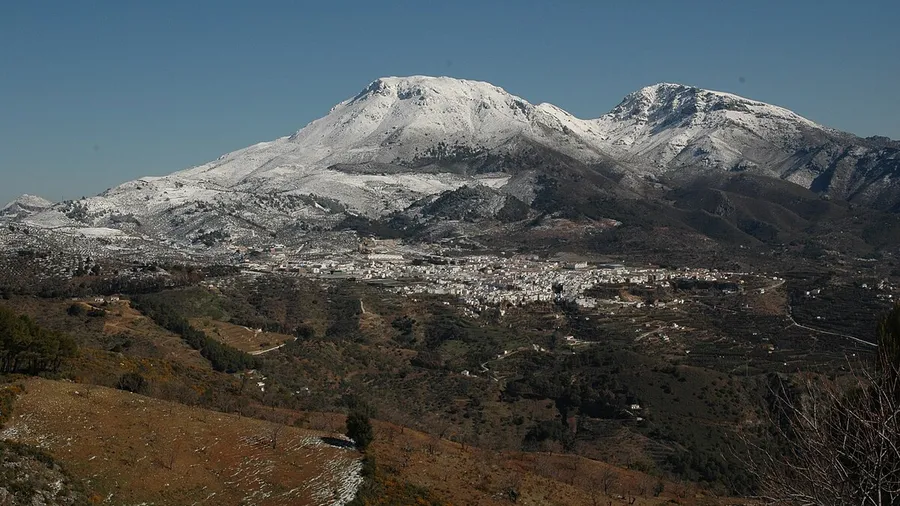
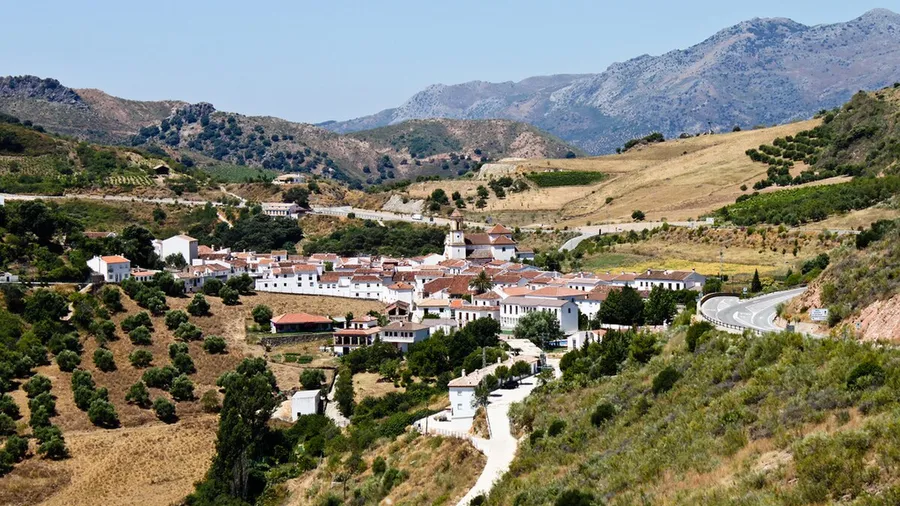
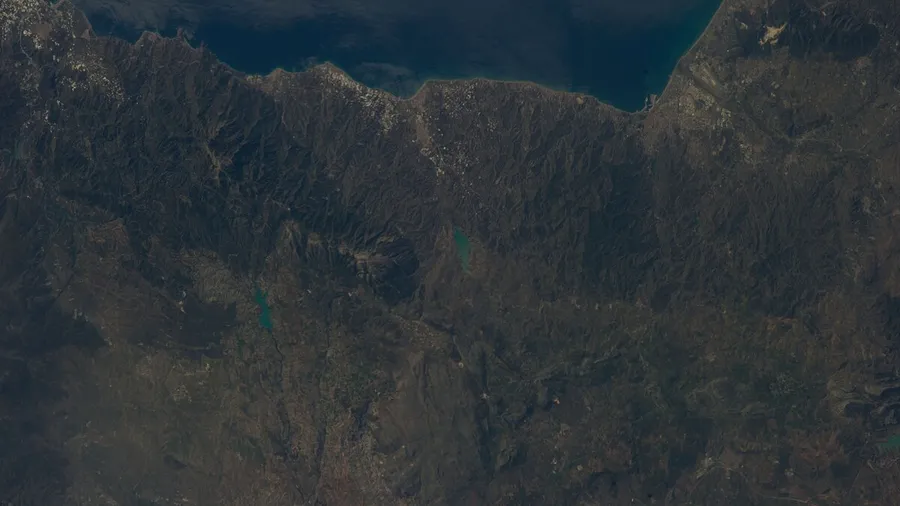
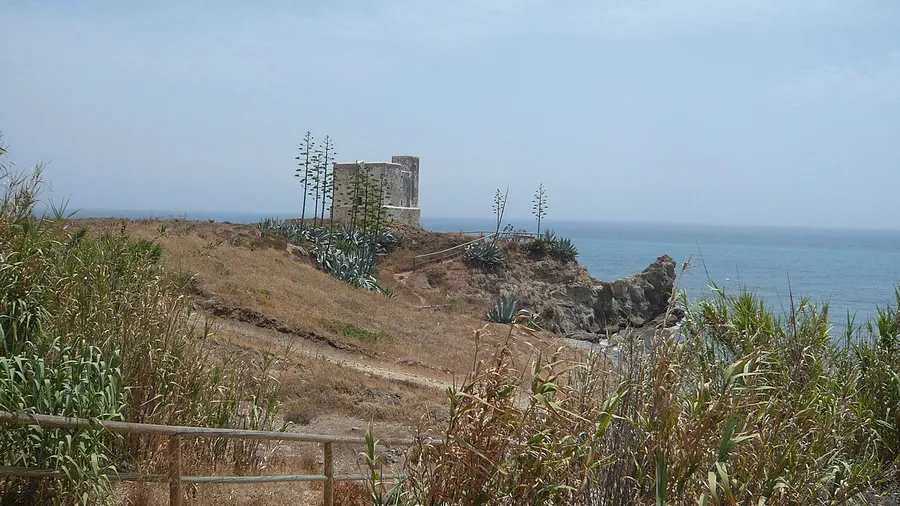
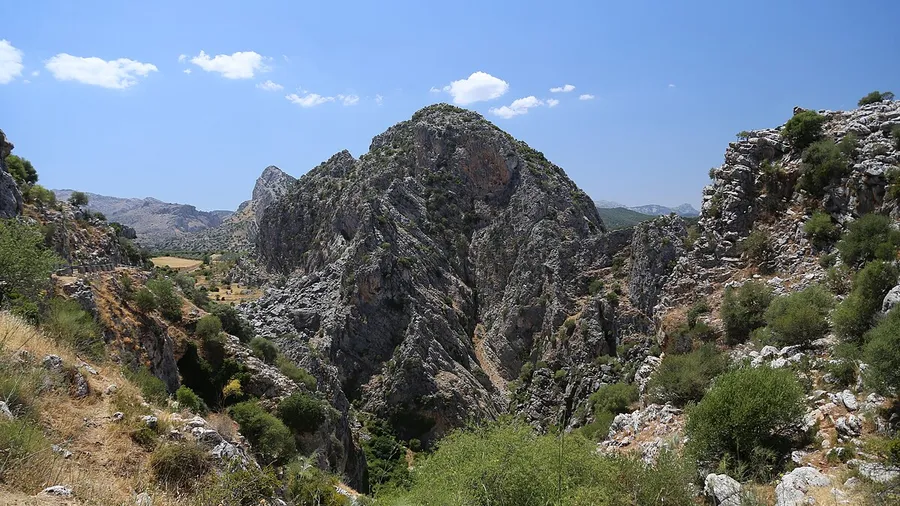
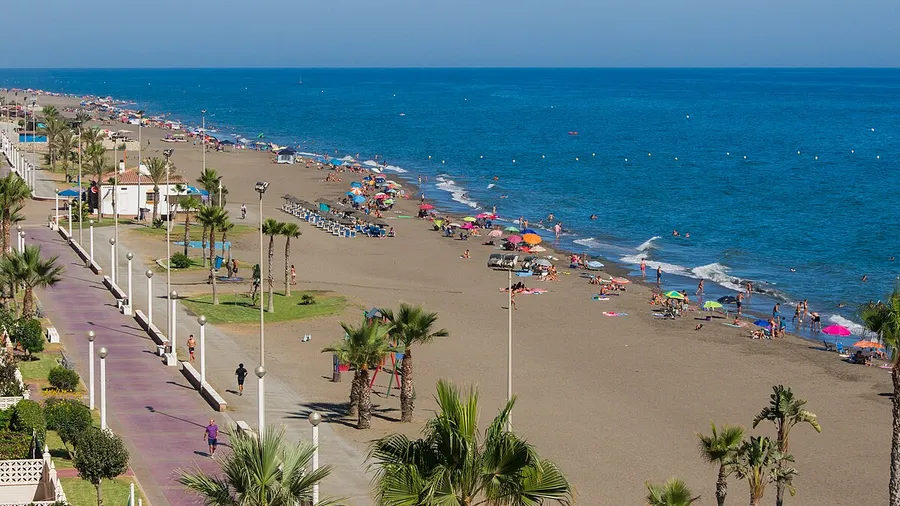
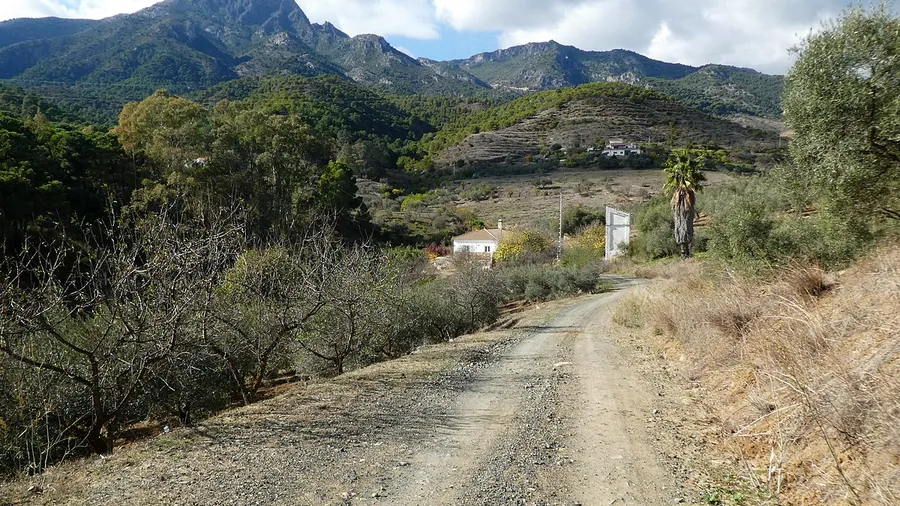
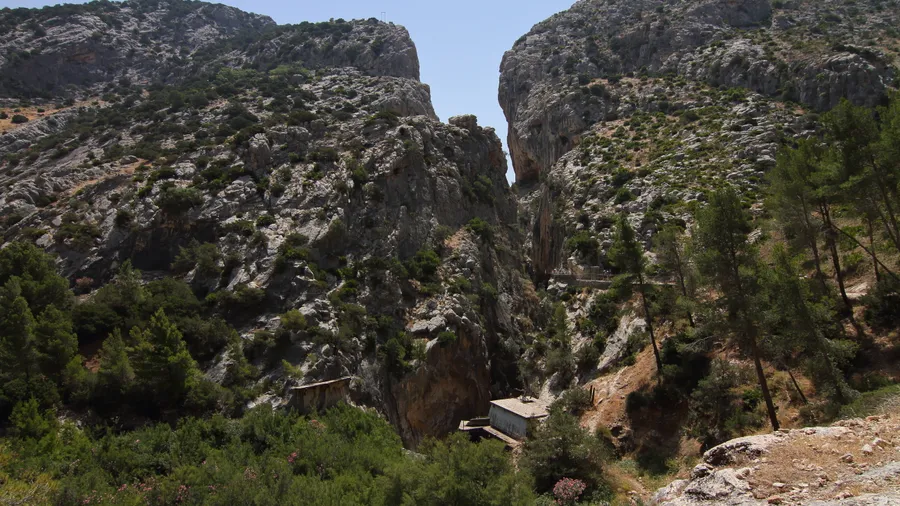
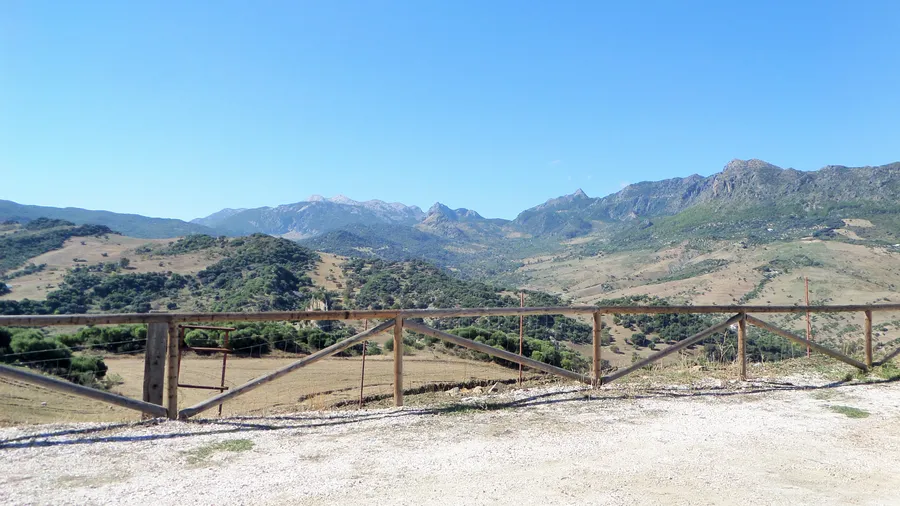
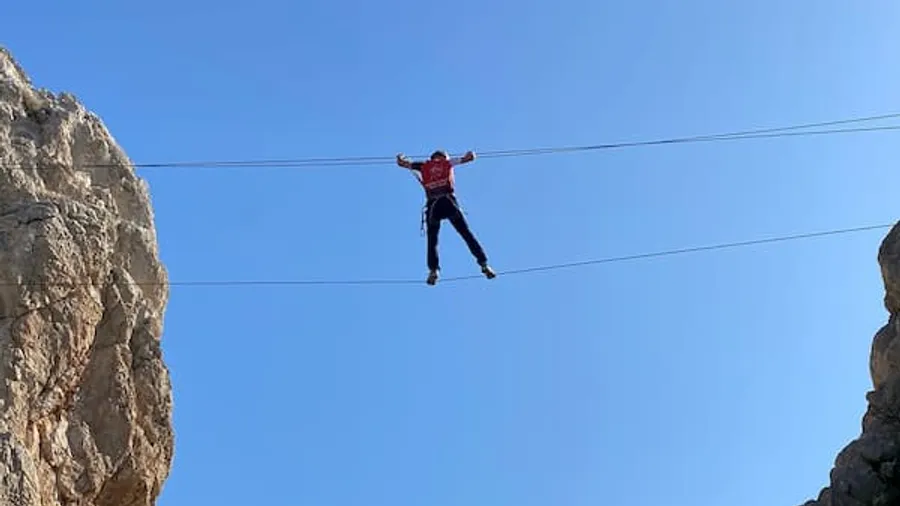
Málaga province combines two radically different environments that can be visited on the same day: the Mediterranean coastline and the mountain interior. The Caminito del Rey, restored in 2015, covers 7.7 kilometres of suspended walkways above the El Chorro gorges at heights of up to 100 metres; the narrowest section is 90 centimetres wide over the void. This trail has become one of Spain's most-visited technical hiking routes, with access controlled by section and advance booking required. At the southern end of the province, the Marbella and Estepona coastline holds several dive centres with access to rocky and sandy bottoms between 5 and 30 metres. The Málaga coast also hosts water activities such as stand-up paddle, kayak and sailing from the marinas along the Costa del Sol. Further inland, the Sierra de las Nieves—a National Park since 2021—offers hiking through Spanish firs (Abies pinsapo) up to 25 metres tall, a Tertiary relict species that grows only on these slopes and in small stands in northern Africa. The Alcornocales Natural Park, which extends into Cádiz, has in its Málaga section some of the most accessible gorges for beginner canyoning: descents with natural water slides, green pools and sandstone walls that contrast with the cork-oak forest. The Nerja Caves, inhabited over 5,000 years ago, add an archaeological dimension to the inland activity offer. This diversity of settings—beach, mid-mountain, high sierra and prehistoric sites—explains the concentration of over 270 active activities in the province.

Highlights

  • • Caminito del Rey: 7.7 km of walkways suspended up to 100 m above the gorge
  • • Hiking in Sierra de las Nieves National Park among century-old pinsapo firs
  • • Diving in Marbella and Estepona on rocky and sandy floors between 5–30 m
  • • Canyoning in Alcornocales gorges with natural pools and water slides
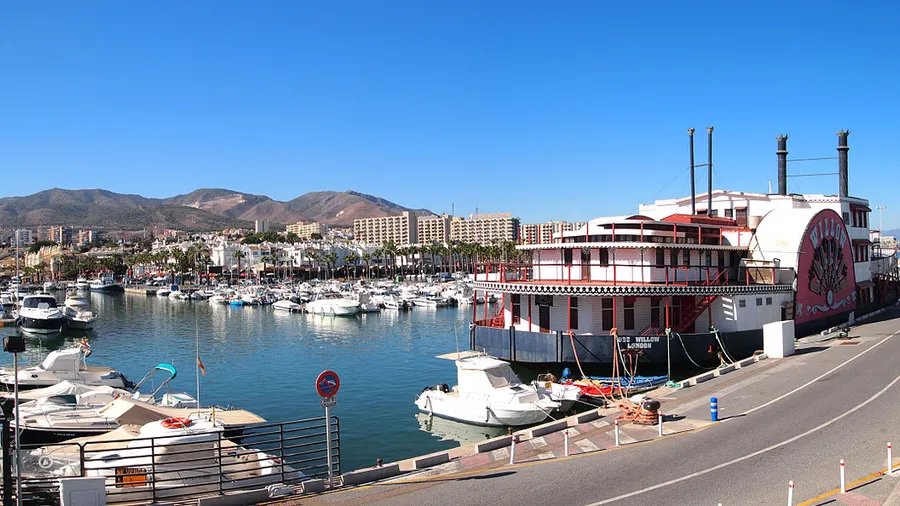
  • • Kayak and stand-up paddle from Costa del Sol marinas
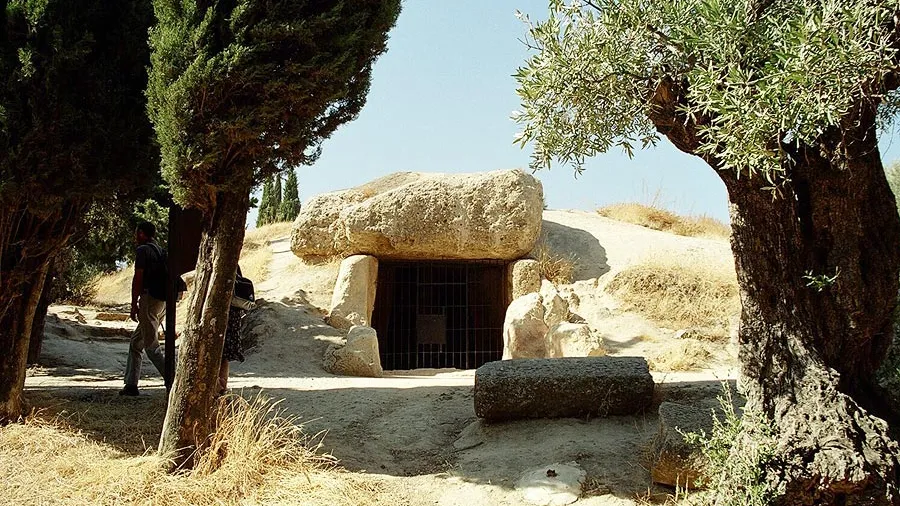
  • • Visiting Nerja Caves, inhabited over 5,000 years ago

Best time to visit

March to May and October for the Caminito del Rey and mountain hiking, with cool temperatures and fewer crowds. Summer for diving and water activities on the coast. Avoid the interior in August: gorges can exceed 38°C.

Practical tips

The Caminito del Rey has limited capacity; book weeks ahead in peak season. For Alcornocales canyoning, most operators depart from Cortes de la Frontera or Ronda — confirm the meeting point before leaving. In the Sierra de las Nieves, mobile signal disappears above the Collado de los Pilones; download maps offline before starting.

Plans and activities en Málaga

Las mejores experiencias y planes disponibles en Málaga

60

What to see en Málaga

Rincones, lugares y puntos de interés que no te puedes perder

Destinations & areas

Zonas y destinos turísticos en Málaga

Localidades de Málaga

Descubre qué hacer en cada localidad de Málaga
Frequently asked questions sobre Málaga
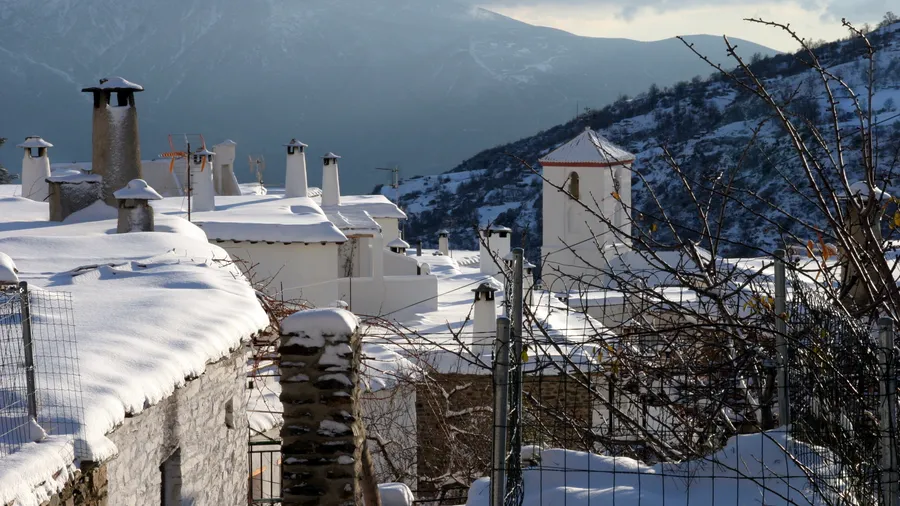
Access is booked on the official Caminito del Rey website (caminitodelrey.info). There are two entry points (Ardales and El Chorro) and advance booking is required at least 48 hours ahead. In peak season (April-June and September-October), book several weeks in advance.
From June to October water temperature ranges from 20 to 26°C and visibility can exceed 15 metres. In winter the water drops to 14-16°C; visibility is sometimes better due to less boat traffic, but a 7mm wetsuit or dry suit is needed.
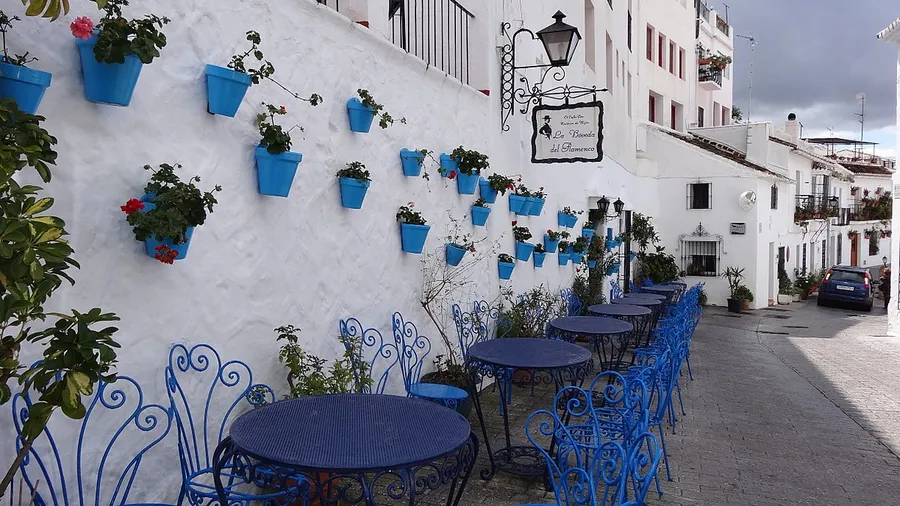
No. The gorges around Cortes de la Frontera and Jimena de la Frontera have beginner-level guided descents suitable for ages 12 and over. Local operators provide wetsuit, helmet and harness. For more technical canyons like Hoz de Buitreras, prior experience or a specialist guide is recommended.
The Los Pinsapos circular trail (10.4 km, 600 m elevation gain) can be completed in 4-5 hours. The Torrecilla summit (1,919 m) requires a full day from Yunquera. From December, the peaks may have snow cover.

Related articles sobre Málaga