Highlights

  • • Over 1,000 rock paintings on its walls
  • • Art attributed to Neanderthals dating back 65,000 years
  • • Depictions of animals and abstract symbols
  • • Guided tours to learn about the art and its context
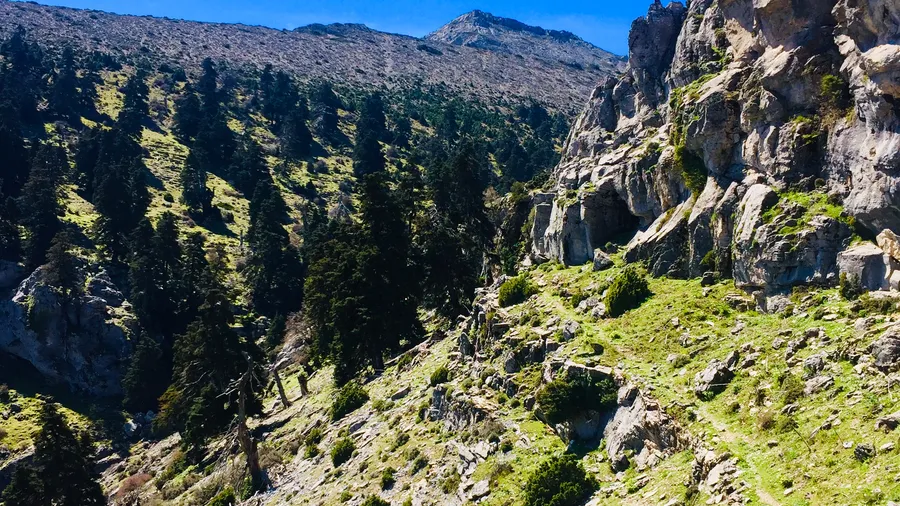
  • • Natural surroundings with Mediterranean mountainous landscape
  • • Regulated access to preserve original paintings

Description

The Cueva de Ardales is an archaeological site located in the municipality of Ardales, in Málaga province, Andalusia. This natural cave houses one of the most extensive collections of rock art in the region, featuring over 1,000 pictorial representations and engravings. These artistic manifestations date from various prehistoric periods, some attributed to Neanderthals with an estimated age of more than 65,000 years. Inside the cave, the atmosphere is cool and humid, with dim light that highlights the shapes and colors of the paintings on the rocky walls.

When visiting the Cueva de Ardales, you can observe a variety of figures including animals, abstract symbols, and geometric shapes. Notable are the depictions of horses, deer, and other animals important to prehistoric communities. Additionally, the cave offers guided tours that explain the meaning and context of these works, as well as the techniques used to create them. The natural surroundings feature a typical mountainous Mediterranean landscape with panoramic views of the valley.

The rock art of Ardales is a valuable testament to human presence on the Iberian Peninsula during the Paleolithic and Neolithic periods. The attribution of some paintings to Neanderthals has generated significant scientific interest, expanding knowledge about the symbolic and cultural capacities of this species. Studying these paintings helps us understand the evolution of art and communication among ancient human groups in Europe.

It is recommended to book in advance to visit the Cueva de Ardales due to limited capacity aimed at preserving the paintings. The guided visit lasts approximately 1-2 hours and is accessible to people with reduced mobility in certain areas. Pets are not allowed. Access is regulated to protect the heritage and ensure a safe, educational experience. Visitors should wear comfortable shoes and suitable clothing for the cave's cool interior.

Key Information

Visit Duration

1-2 hours

Recommended Seasons

Spring, Autumn

Accessibility

Medium

Kid-Friendly Pet-Friendly Booking Required

Related Destinations

Guide

Essential information for visiting Ardales Cave

Location

In this area

Practical Information
Visit Duration
1-2 hours
Features & Services
  • Accessibility:Medium
  • Kid-Friendly:Yes
  • Pet-Friendly:No
  • Booking:Booking Required
Planning Information

Recommended Seasons

Spring · Autumn

Best Time to Visit

The best time to visit the Cueva de Ardales is in spring and autumn, when the weather is mild and the natural surroundings are at their most beautiful.

Visitor Tips

To make the most of your visit, book in advance and wear comfortable shoes. The cave interior is cool, so bring a light jacket. Follow all guidelines to avoid damaging the paintings and stay with the guide to better understand the rock art and its historical context.

Historical Facts

The Cueva de Ardales contains rock paintings dating from the Paleolithic to the Neolithic periods. Some are attributed to Neanderthals, indicating this species had symbolic and artistic abilities over 65,000 years ago, broadening our understanding of human cultural evolution in Europe.

Frequently Asked Questions

Get answers about Ardales Cave

Yes, advance booking is recommended due to limited capacity to protect the paintings.
Yes, the cave is suitable for children, though supervision during the visit is advised.
No, pets are not permitted to preserve the site.
The guided tour lasts approximately 1 to 2 hours.
The cave has medium accessibility, with some areas adapted for visitors with reduced mobility.