Highlights

  • • Paleolithic rock art featuring marine fauna
  • • Located in Rincón de la Victoria, Málaga
  • • Original paintings made with natural pigments
  • • Important for Upper Paleolithic studies
  • • Coastal and rocky natural environment
  • • Upcoming opening for guided tours

Description

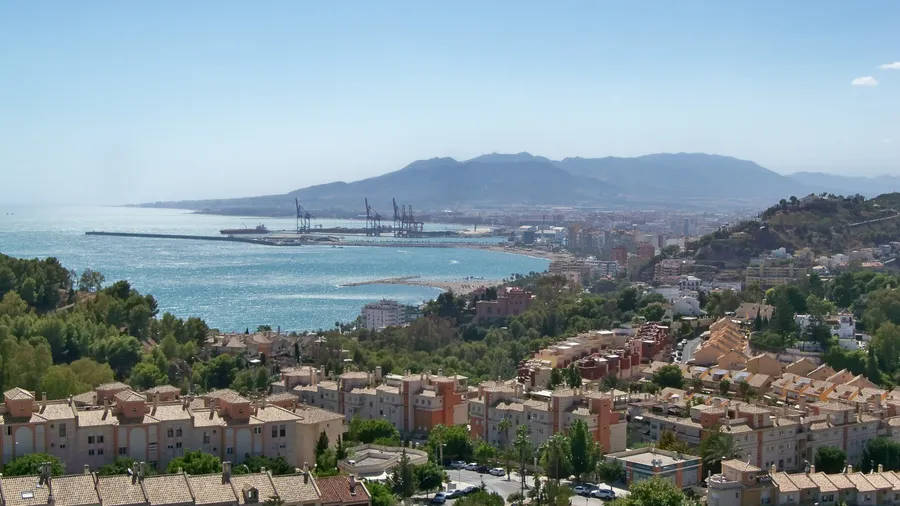
The Cueva de la Victoria is an archaeological site located in Rincón de la Victoria, Málaga province. This natural cavity houses Paleolithic rock art, mainly marine fauna depictions, making it a significant example of prehistoric art on Spain's Mediterranean coast.

Visitors can observe paintings reflecting marine life of the era, featuring fish and other sea creatures created with natural pigments. These images offer a glimpse into the past, showcasing the relationship between early inhabitants and their marine environment.

Historically, the Cueva de la Victoria is part of the Upper Paleolithic rock art caves in Andalusia. Its discovery and study have provided valuable insights into the artistic techniques and symbolism of prehistoric communities in the region. The cave is set in a natural environment combining coastal landscapes with rocky formations, reflecting the geography that influenced its ancient dwellers.

Currently, the Cueva de la Victoria is in the process of opening to the public, with plans to facilitate access and guided tours while preserving the art and surroundings. It is recommended to check with local authorities for updated visiting conditions. The cave is suitable for those interested in archaeology, history, and nature, though access may require caution due to terrain features.

Key Information

Visit Duration

1-2 hours

Recommended Seasons

Spring, Autumn

Pricing

Free

Accessibility

Low

Kid-Friendly Pet-Friendly Booking Required

Related Destinations

Guide

Essential information for visiting Victoria Cave

Location
Practical Information
Pricing
Free
Visit Duration
1-2 hours
Features & Services
  • Accessibility:Low
  • Kid-Friendly:Yes
  • Pet-Friendly:No
  • Booking:Booking Required
Planning Information

Recommended Seasons

Spring · Autumn

Best Time to Visit

The best time to visit is during spring and autumn when temperatures are mild and the weather is pleasant for walking in the natural surroundings.

Visitor Tips

Check ahead to confirm visiting hours and conditions. Wear comfortable footwear suitable for rocky terrain. Follow all guidelines to preserve the rock art and avoid touching the paintings. Bring water and sun protection if visiting in summer, as the area is open and exposed.

Historical Facts

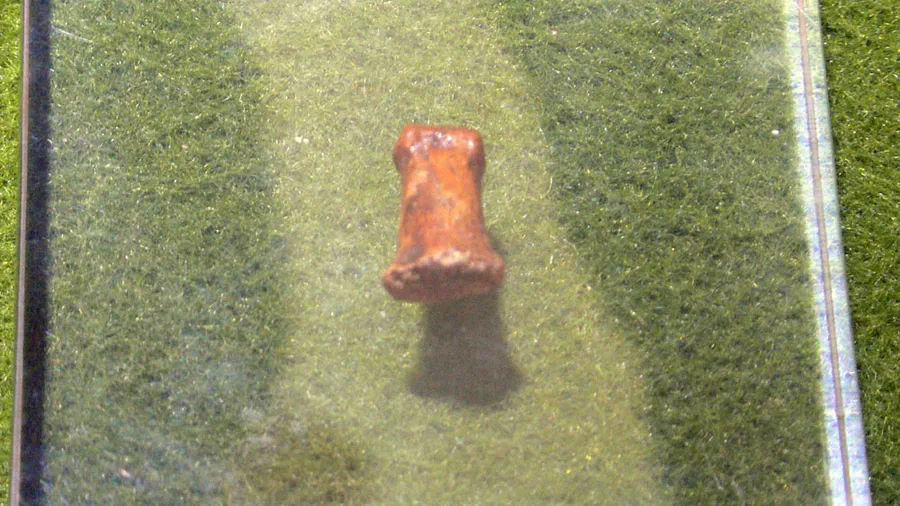
The Cueva de la Victoria contains Upper Paleolithic rock art dating back around 15,000 years. Its marine fauna depictions are rare in Iberian prehistoric art, providing valuable insights into the life and beliefs of coastal communities of that era.

Frequently Asked Questions

Get answers about Victoria Cave

It is currently in the process of opening; it is recommended to check with the local town hall for the latest information.
At present, guided tours are recommended to help preserve the art and the cave.
Yes, though supervision is advised due to terrain conditions and the fragility of the artwork.
No, pets are not permitted inside to protect the archaeological heritage.
Access is limited due to the natural terrain; currently, it is not wheelchair accessible.