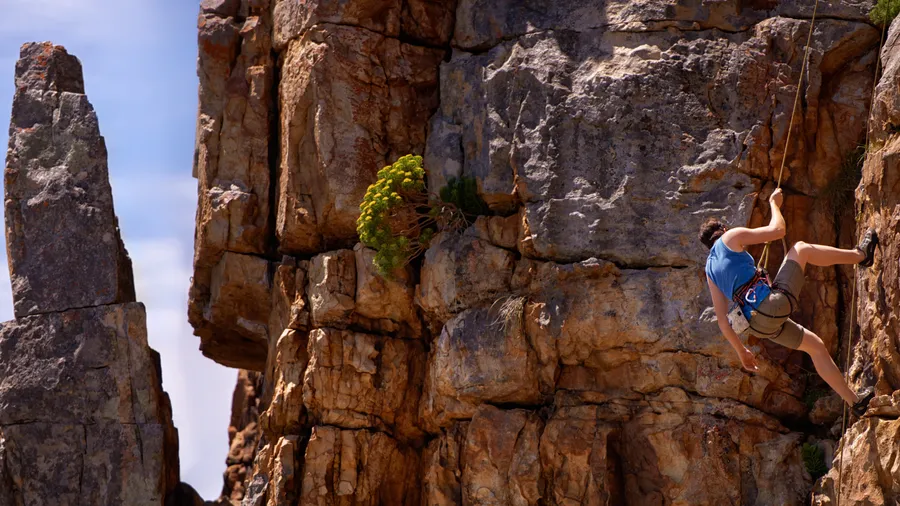
Aragon shares with the Pyrenees the highest concentration of high mountain terrain in the Iberian Peninsula. Aneto, at 3,404 metres, is the highest peak in the Pyrenees, and the approach from Besurta in the Maladeta massif combines a residual glacier, moraines and bare rock in a twelve-hour round trip for mountaineers experienced with crampons. Ordesa and Monte Perdido National Park has four valleys with distinct character: Ordesa concentrates technical hiking beneath 500-metre cliffs, Añisclo i...
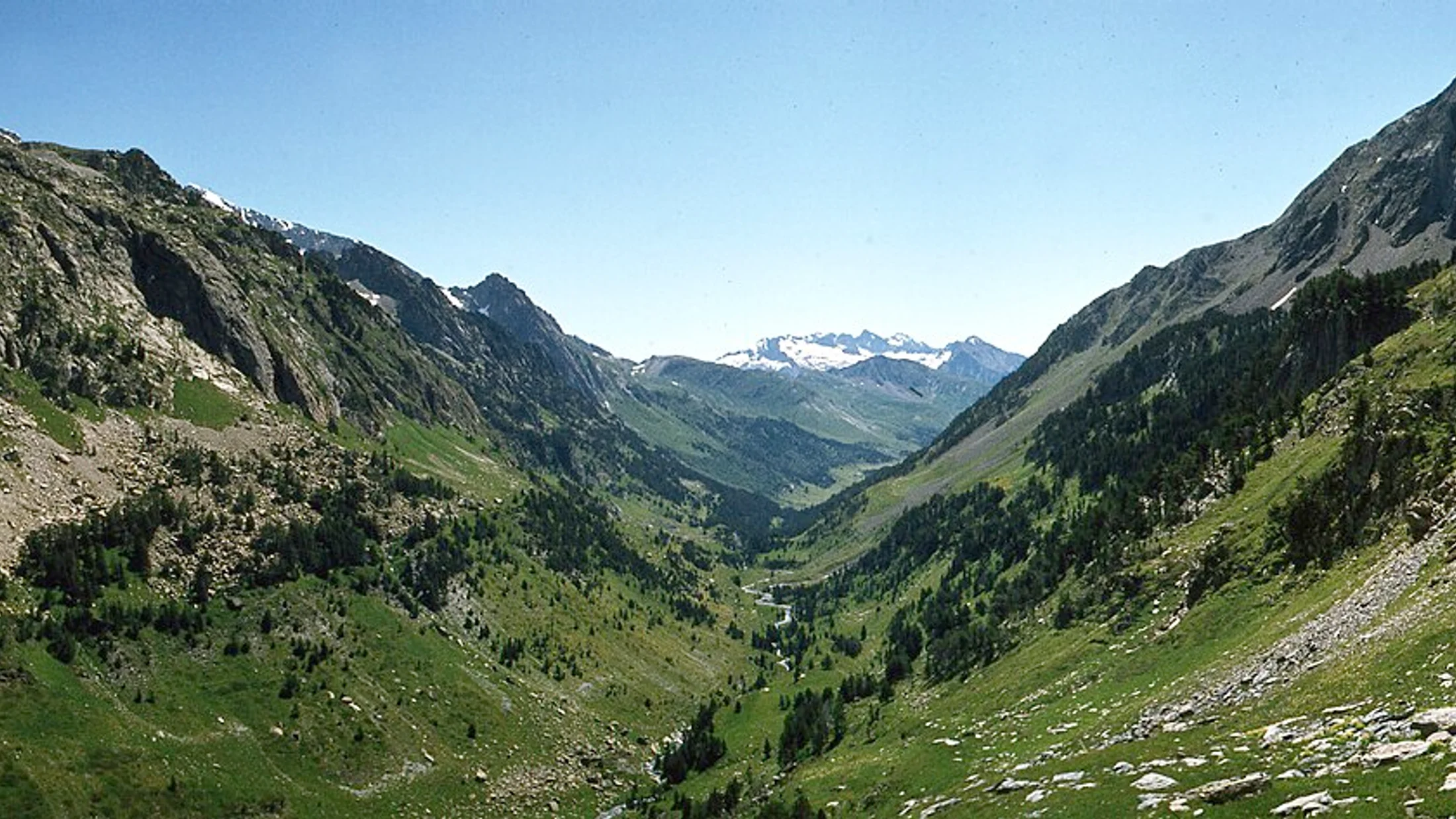
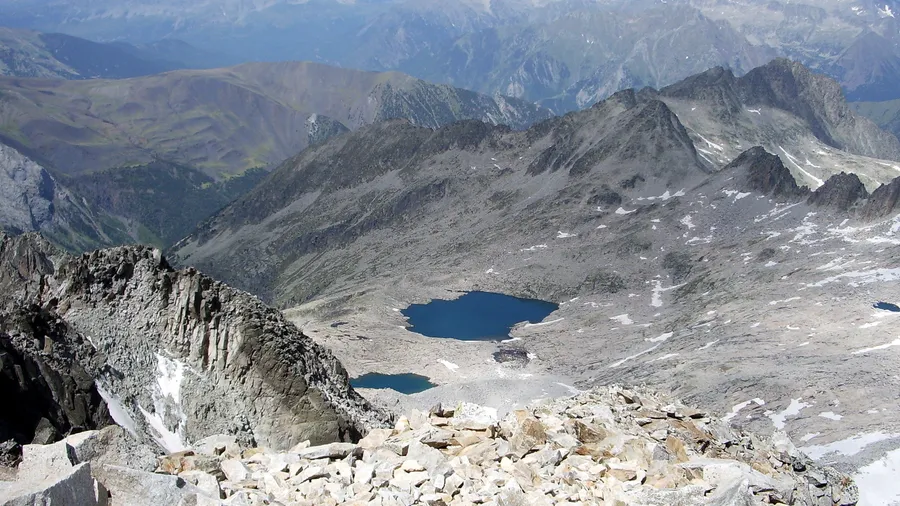
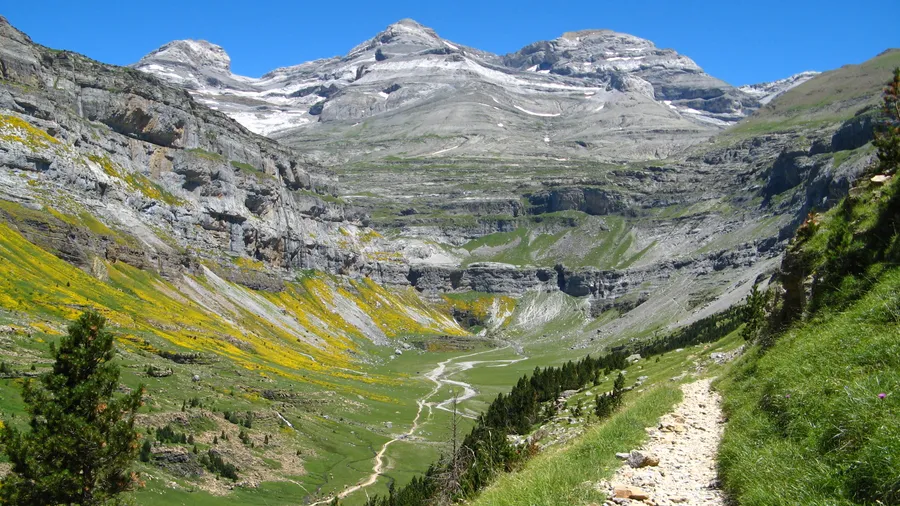
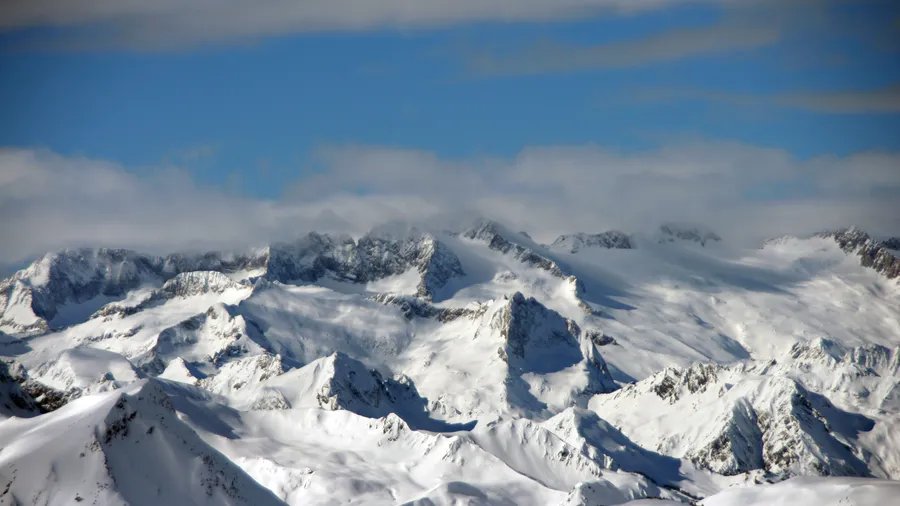
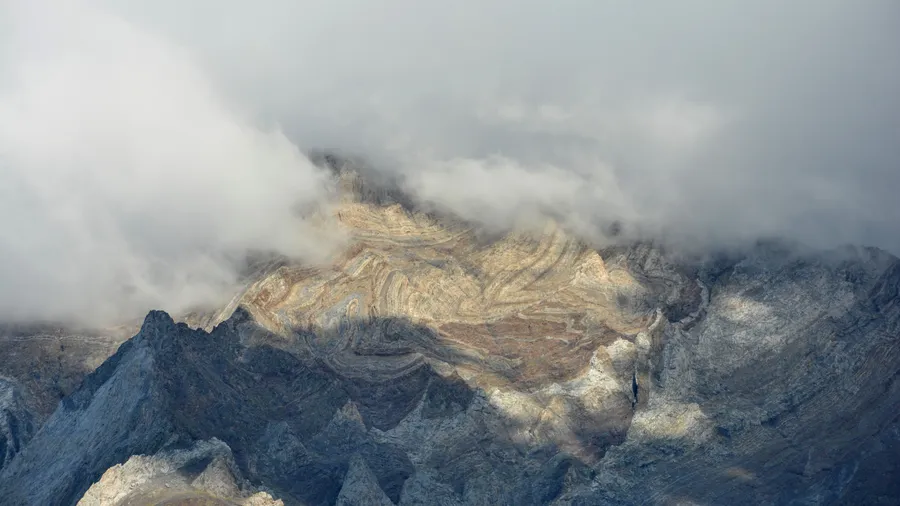
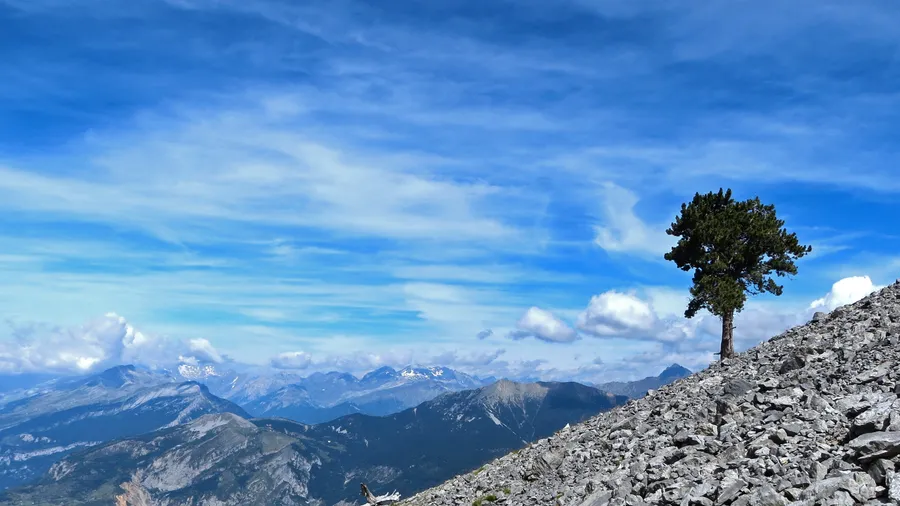
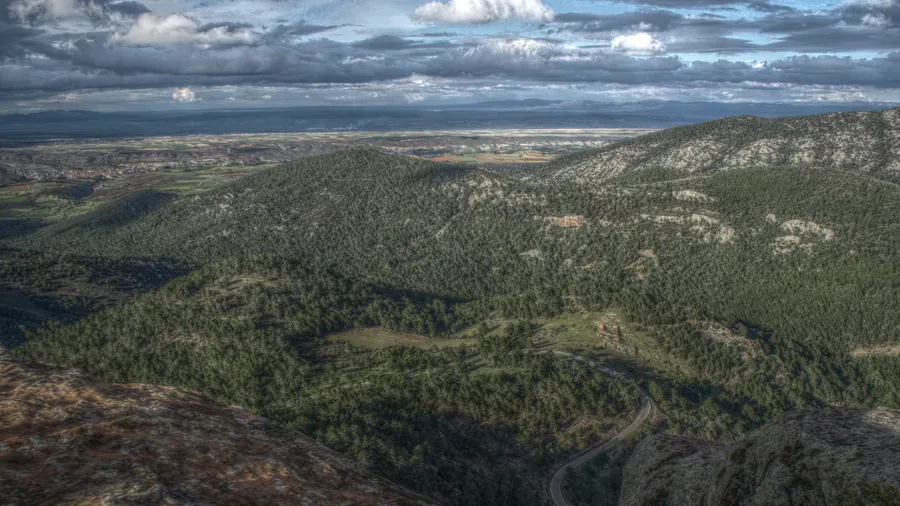
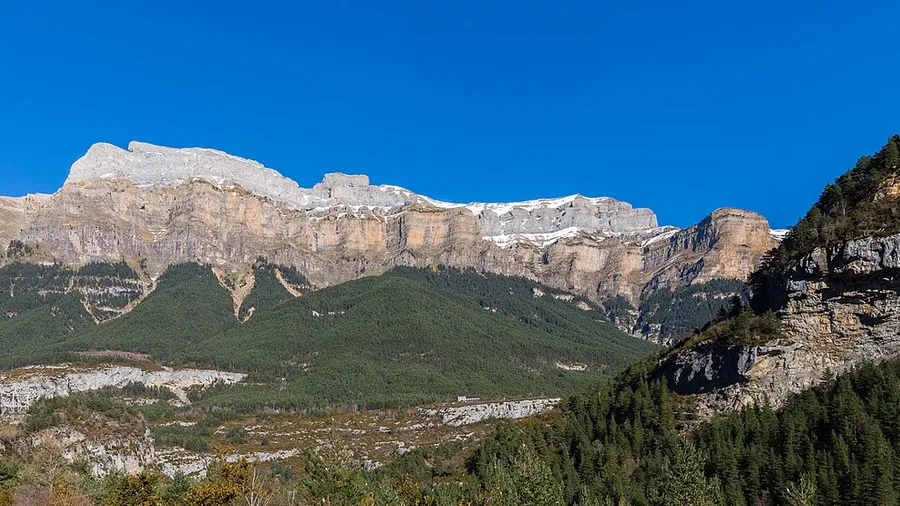
Aragon shares with the Pyrenees the highest concentration of high mountain terrain in the Iberian Peninsula. Aneto, at 3,404 metres, is the highest peak in the Pyrenees, and the approach from Besurta in the Maladeta massif combines a residual glacier, moraines and bare rock in a twelve-hour round trip for mountaineers experienced with crampons. Ordesa and Monte Perdido National Park has four valleys with distinct character: Ordesa concentrates technical hiking beneath 500-metre cliffs, Añisclo is a limestone gorge where the Bellós river carves transparent pools, and Pineta offers the longest, most solitary approach to the Monte Perdido massif.
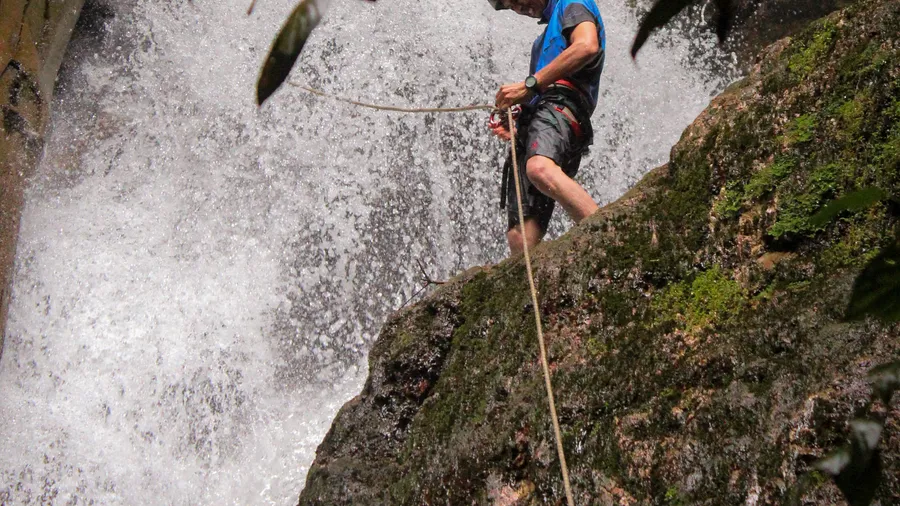
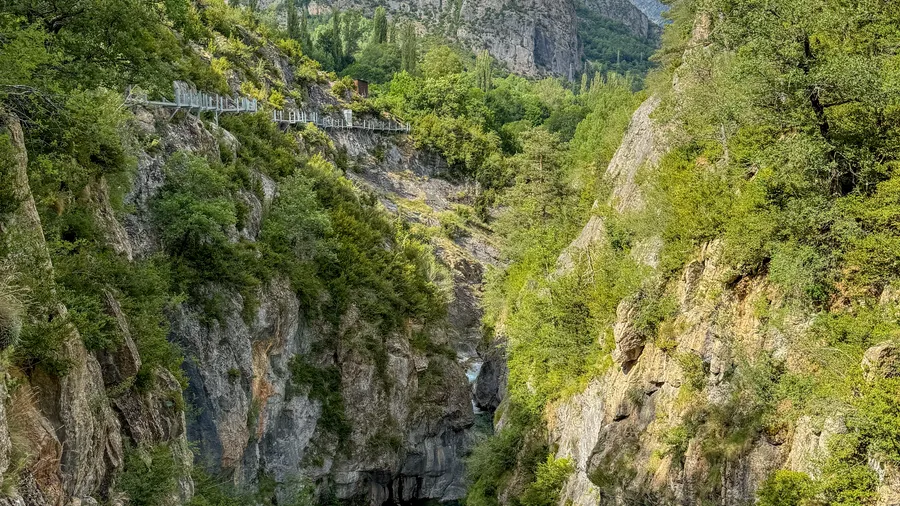
The Sierra de Guara, south of the Pyrenees, is the densest canyoning territory in Europe. Over 50 documented descents, ranging from the beginner-friendly Alquézar canyon to multi-day traverses through the Peonera and Mascún gorges. The Vero river carves limestone into waterfalls and natural slides that draw crowds in summer and empty in spring and autumn, when conditions are technically more demanding.
The Aragonese Pyrenean valleys sustain a dense network of mountain huts that allows high-mountain traverses without carrying a tent. The GR11, which crosses the Pyrenees along the Spanish side, passes Aneto, the Maladeta, the Ojo del Diablo at Astún and the Infierno de Panticosa. In winter, snow loads these valleys from December to April, with ski resorts like Formigal and Candanchú as access points and cross-country skiing trails in the Benasque Valley and Llanos del Hospital.
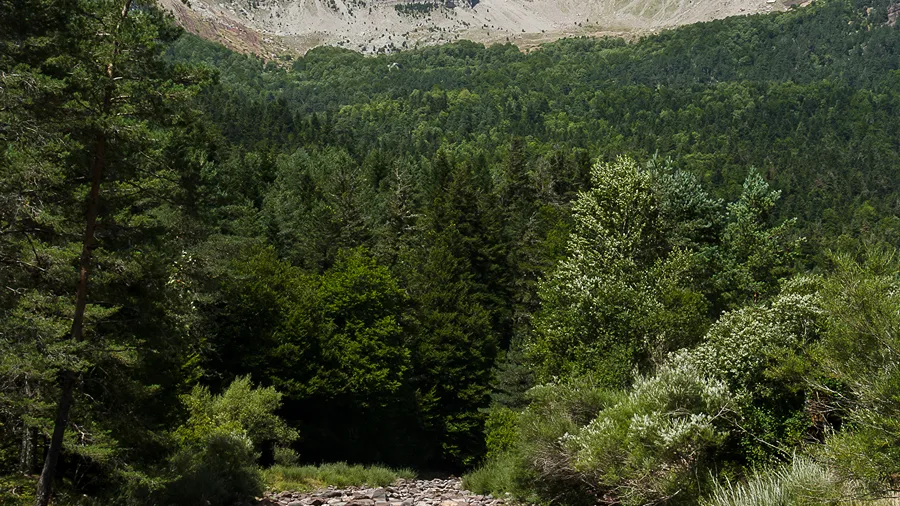
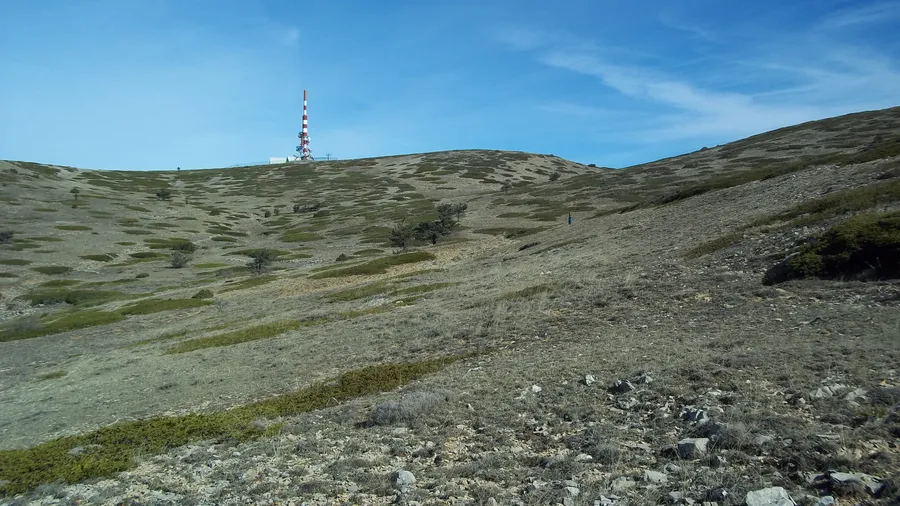
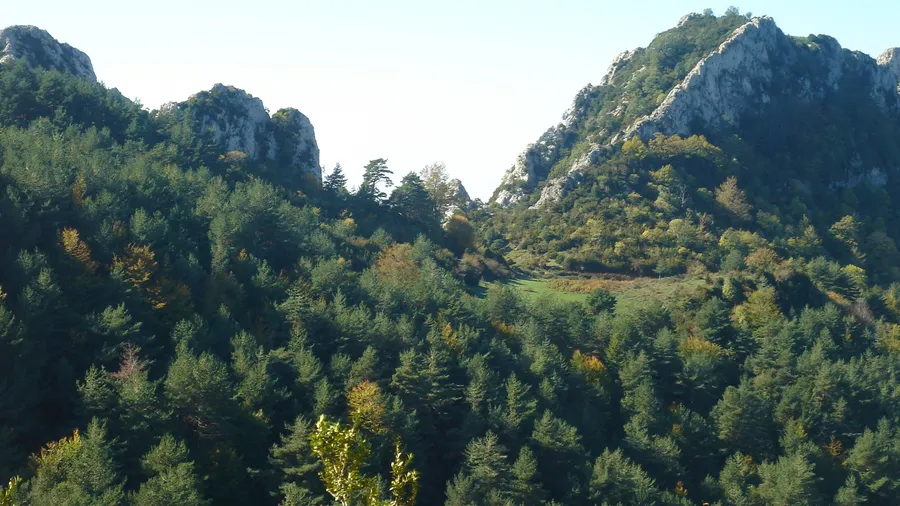
Moncayo, at the southern edge of the region, reaches 2,316 metres and acts as a climatic buffer between the humid Iberian range and the dry Ebro Valley. Its beech and oak slopes offer accessible hiking year-round, with the Moncayo Sanctuary as a historical landmark and the Natural Park as a protected zone.
Highlights
• Climbing Aneto (3,404 m), the Pyrenees' highest peak, crossing a glacier
• Canyoning in Sierra de Guara with over 50 documented descents
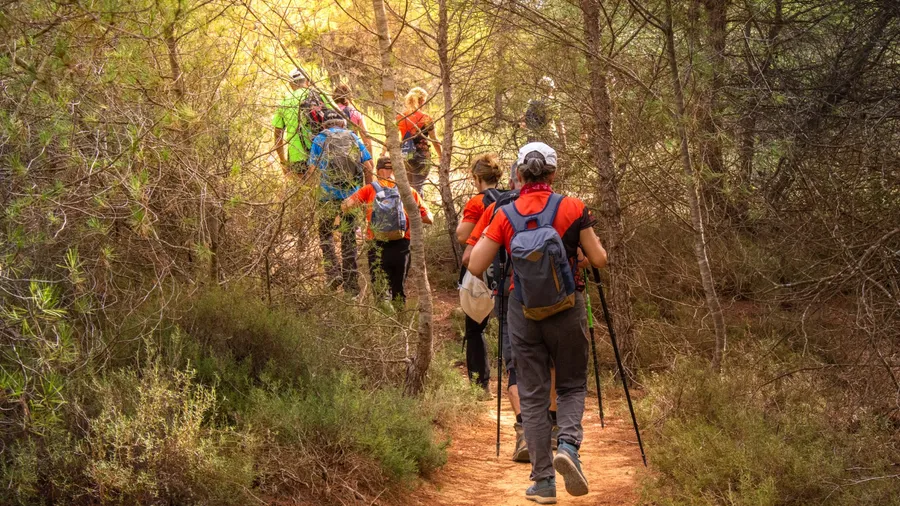
• Hiking in Ordesa and Monte Perdido beneath 500-metre cliff walls
• Ski touring and cross-country skiing in the Benasque Valley
• Alquézar canyon: accessible canyoning over limestone and Vero river pools
• GR11 Pyrenean traverse through high-mountain valleys and refuges
Best time to visit
High mountain: July-September for Aneto and Ordesa. Canyoning: June and September (normal water levels, fewer crowds). Skiing: December-April in Formigal and Candanchú. Mid-mountain hiking: April-November in Moncayo and the pre-Pyrenees.
Practical tips
In summer, the Besurta car park (Aneto) fills before dawn — leave Benasque before 6am or use the bus service. For canyoning in Guara, check river flow on the CHE (Ebro Hydrographic Confederation) website before entering any gorge. Book high-mountain refuge accommodation months in advance during peak season.
The standard ascent requires crampons and ice axe to cross the Maladeta glacier, route-finding on rock, and fitness for 12-14 hours of walking. It is not technical climbing but does require basic alpinism. A guide is recommended for anyone crossing a glacier for the first time.
What is the best time for canyoning in the Sierra de Guara?
June and September are the best months: water levels are normal, temperatures are comfortable and crowds are lower than in July-August. In spring, snowmelt can raise water flow unpredictably. Some canyons only open with a guide during those dates.
Are there beginner canyoning options in Aragon?
Yes. The Alquézar canyon is the most accessible: short sections, clear pools and warmer water temperatures. Formio and Bastarás are also suitable for first-timers. Local companies in Alquézar provide full equipment and include a guide.
When does the ski season open in Formigal?
Normally between December and April, depending on snowfall. Formigal has 136 km of runs and is oriented toward intermediate-advanced skiers. Astún and Candanchú, closer to the Somport Pass, offer a more family-friendly atmosphere and easy access from Jaca.
Does Ordesa National Park have access restrictions?
In summer (June-September), private vehicle access to the Ordesa Valley is restricted — you must use the shuttle buses from Torla-Ordesa or arrive very early. Añisclo and Pineta have no such restriction. Walking access is free year-round.