Huesca

What to do in Huesca

Plans, activities and things to see in Huesca

Discover Huesca

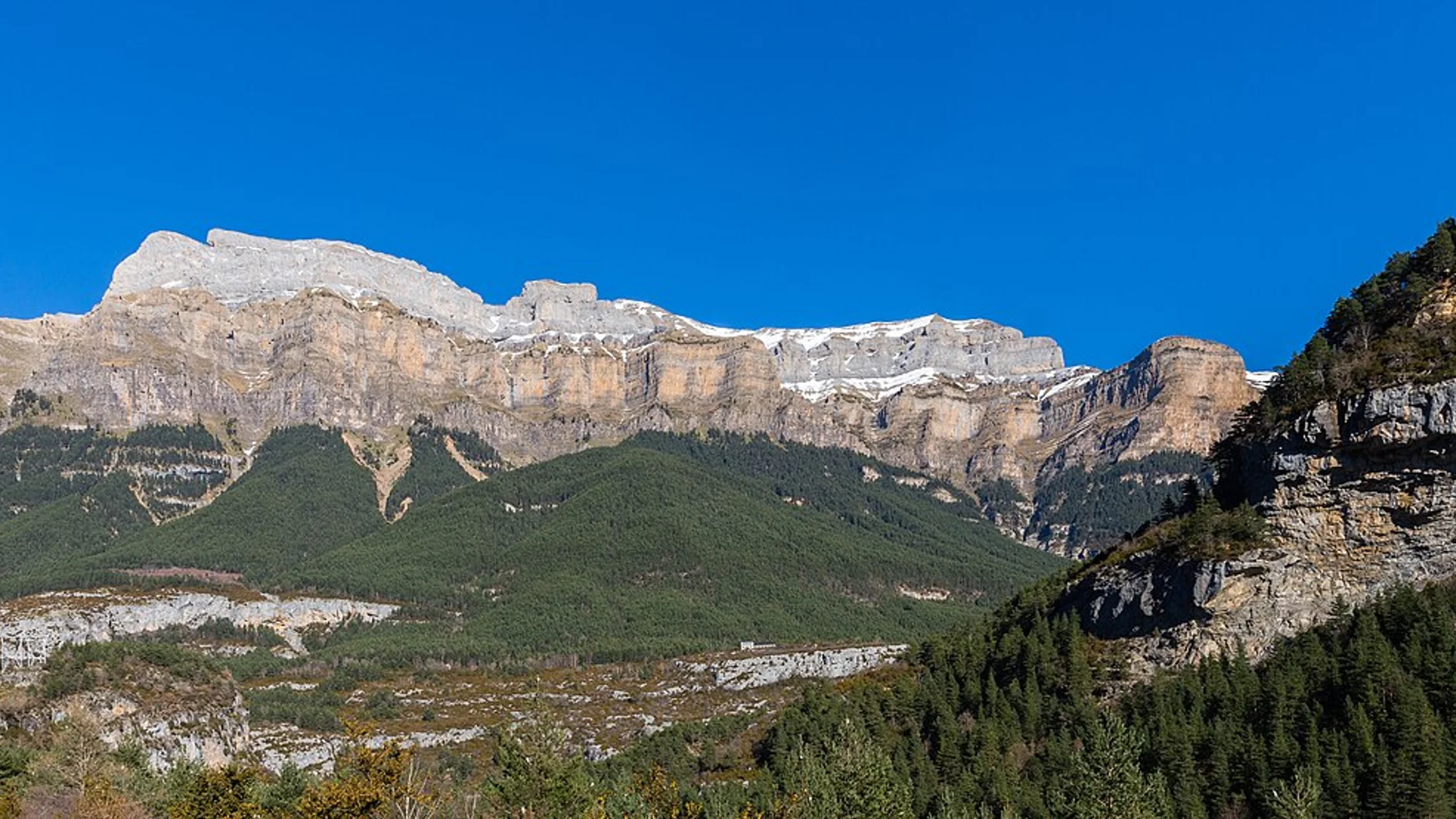
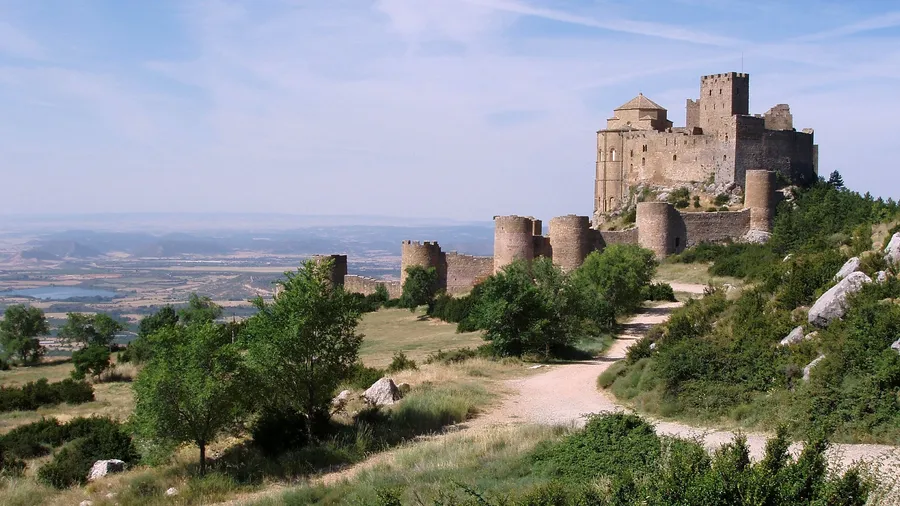
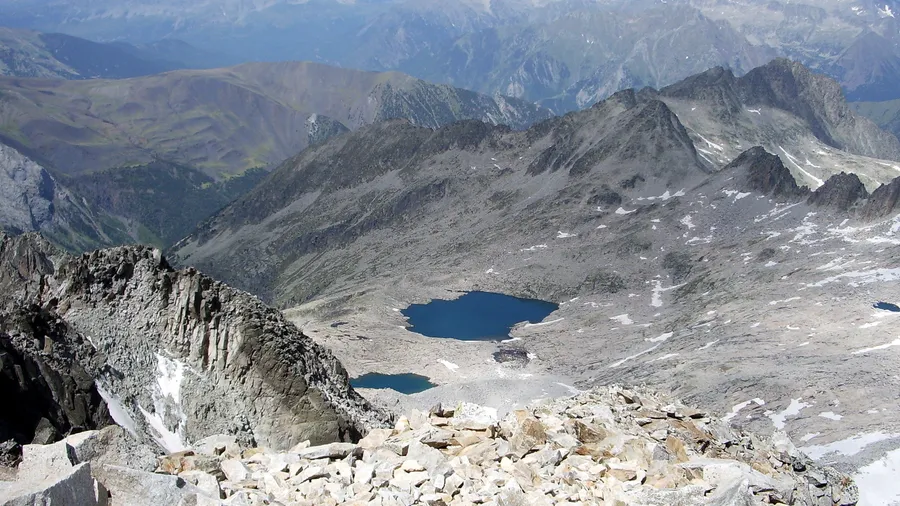
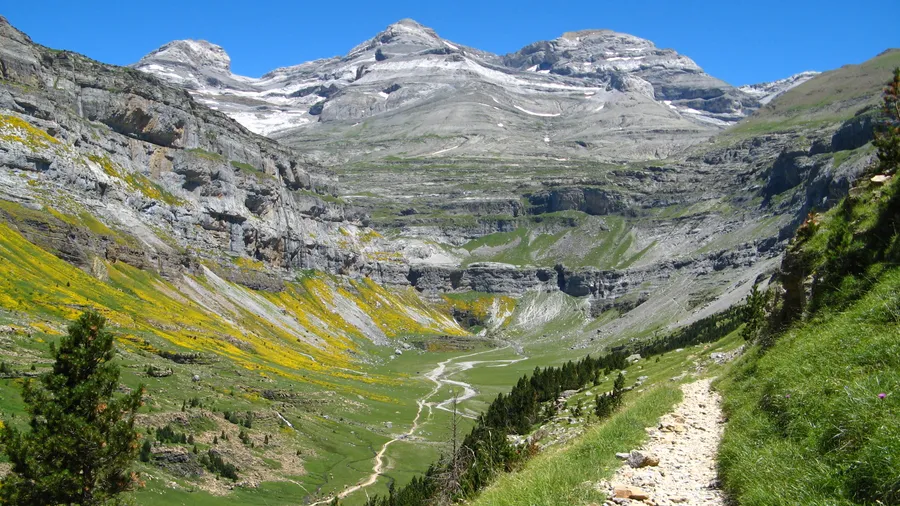
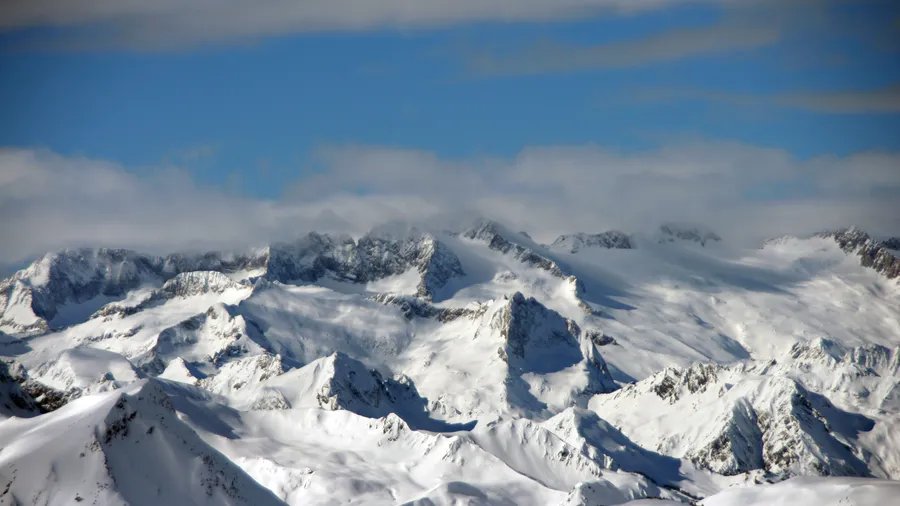
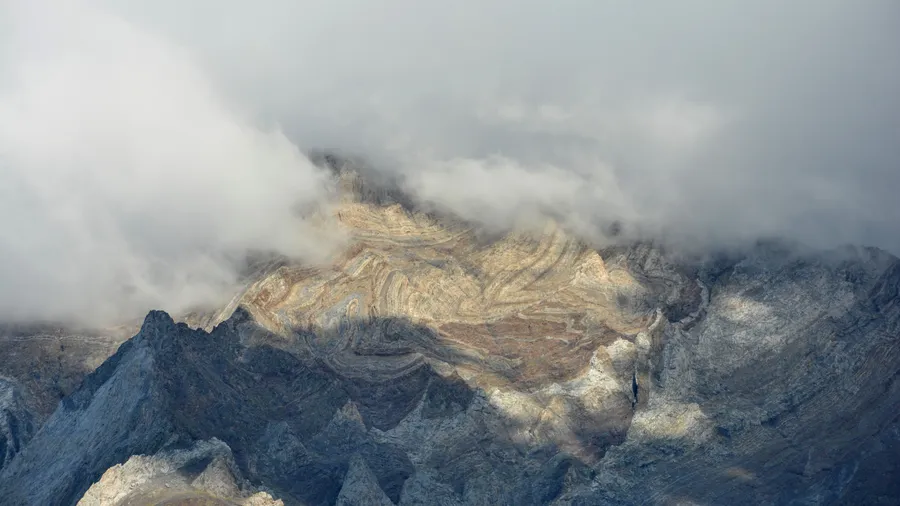
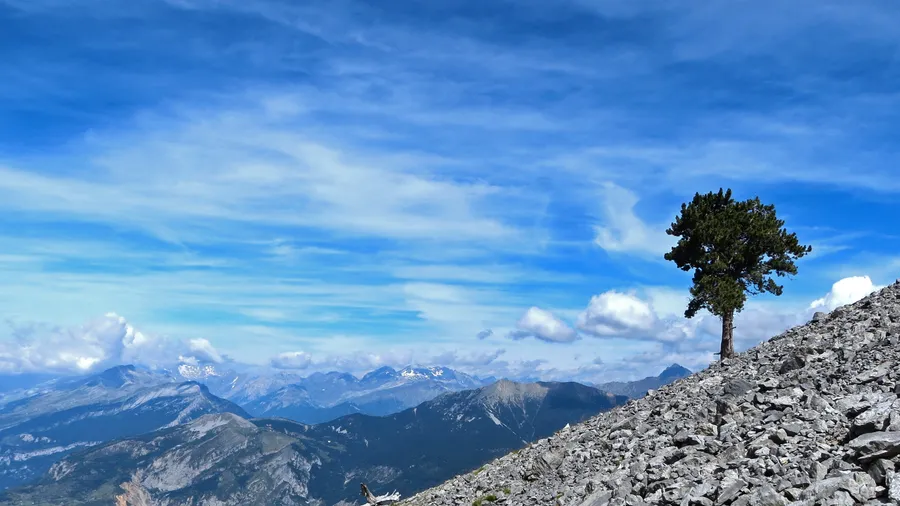
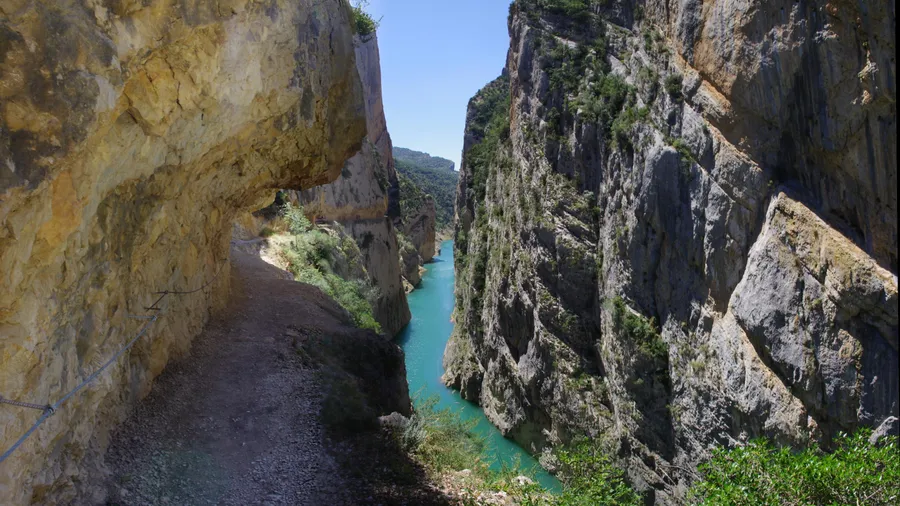
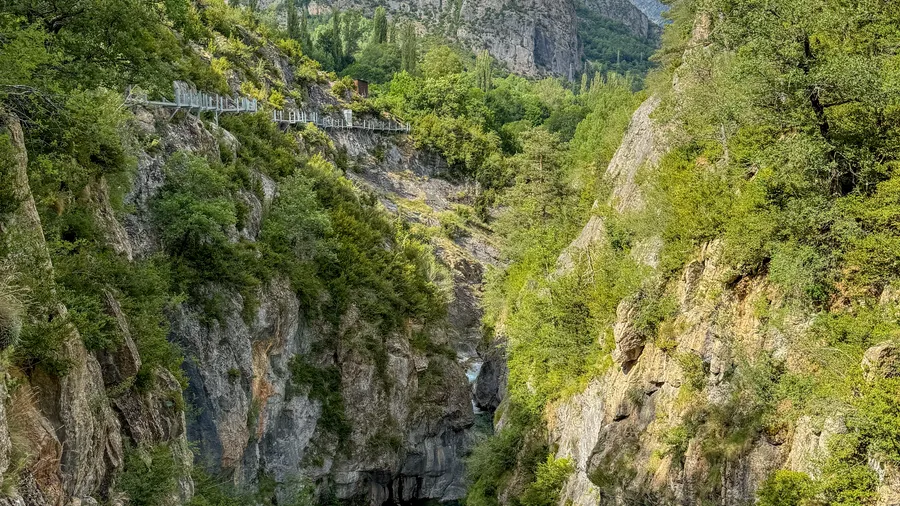
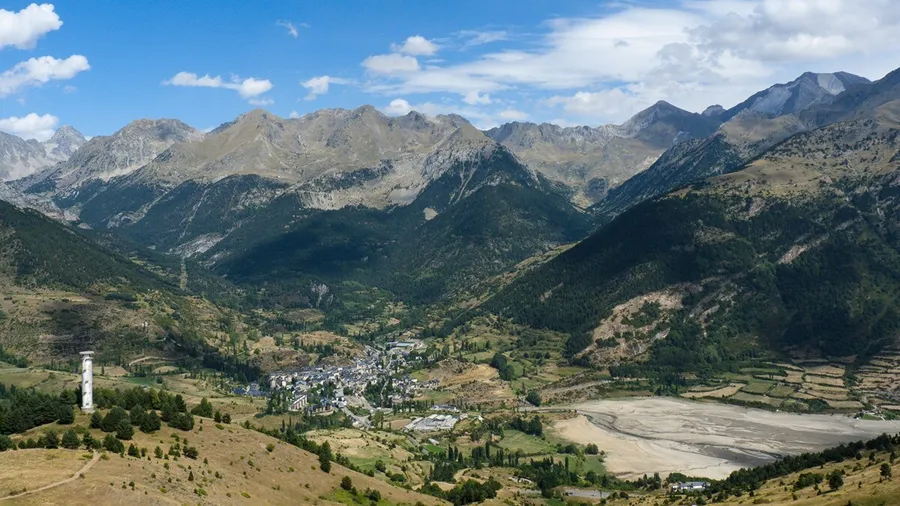
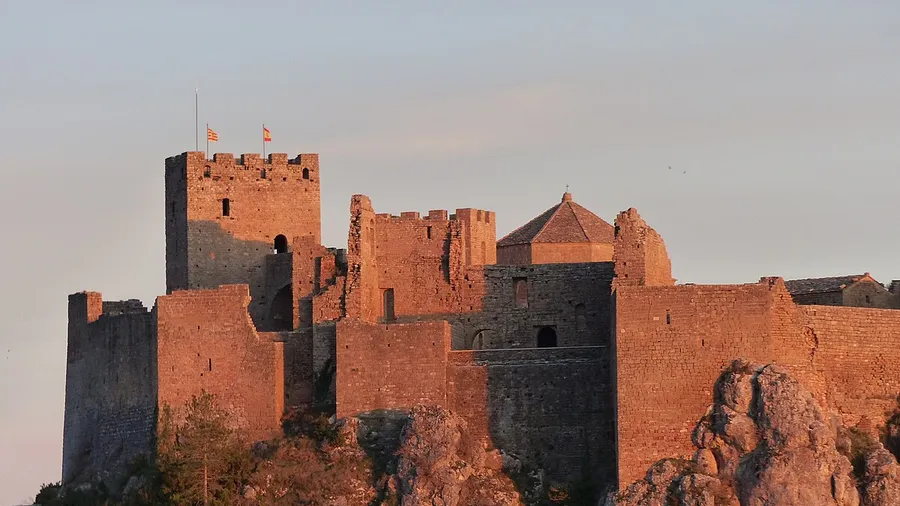
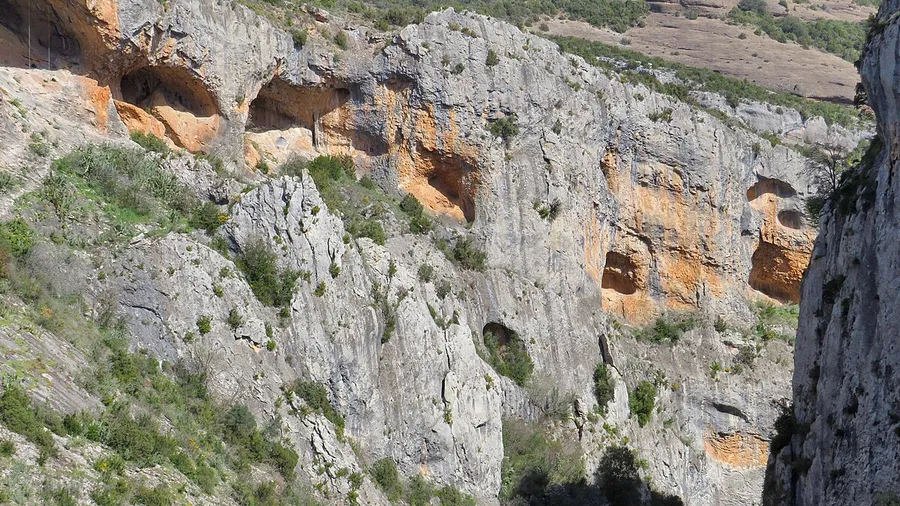
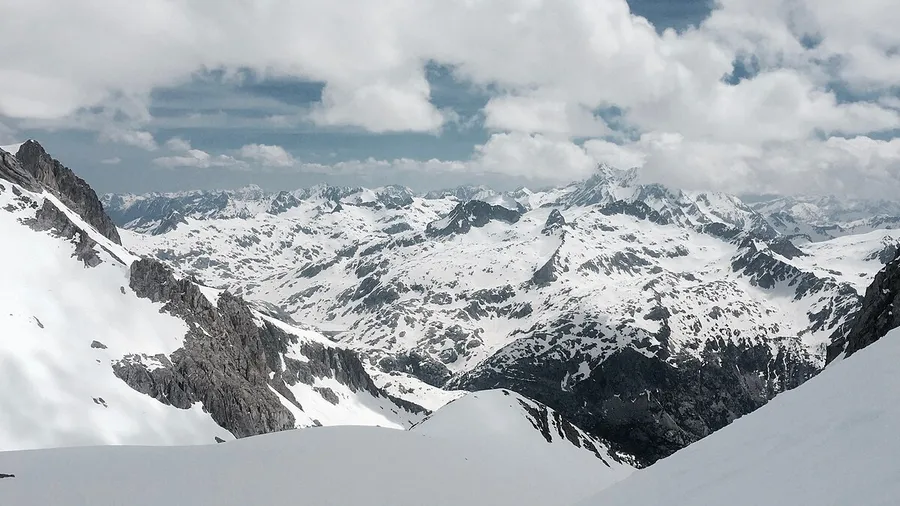
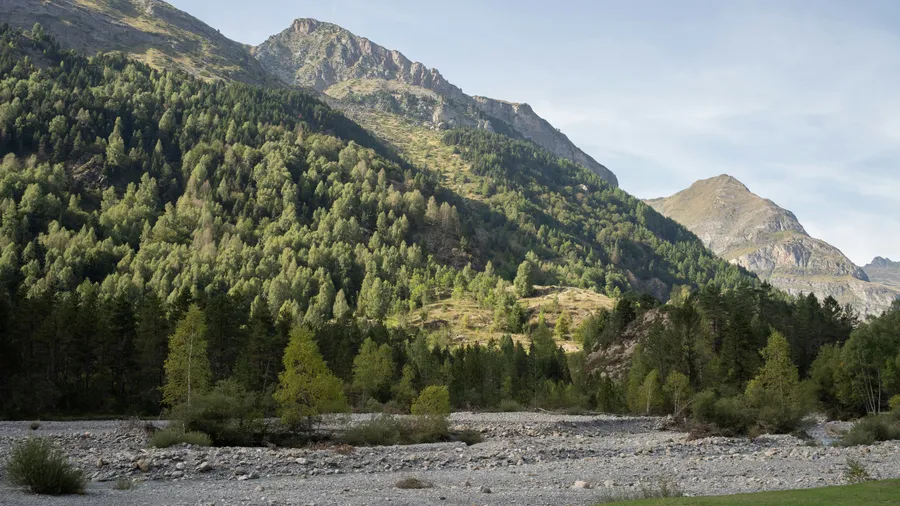
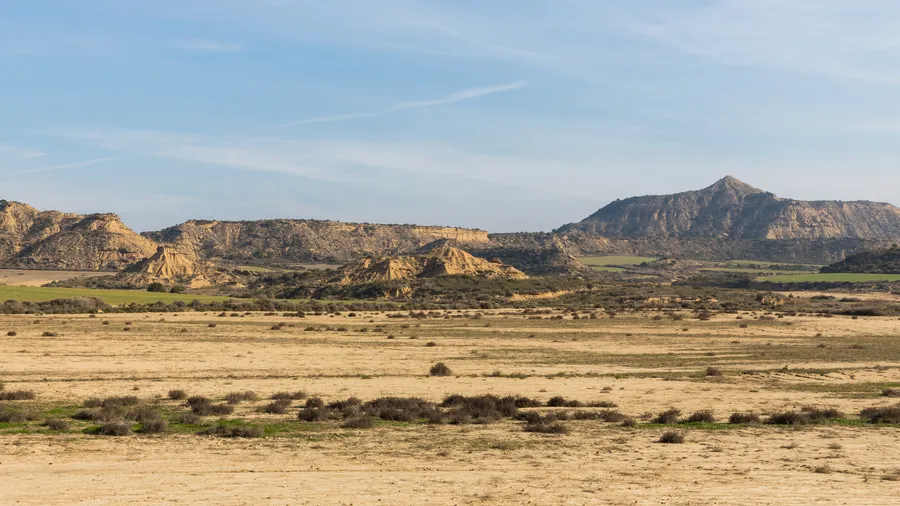
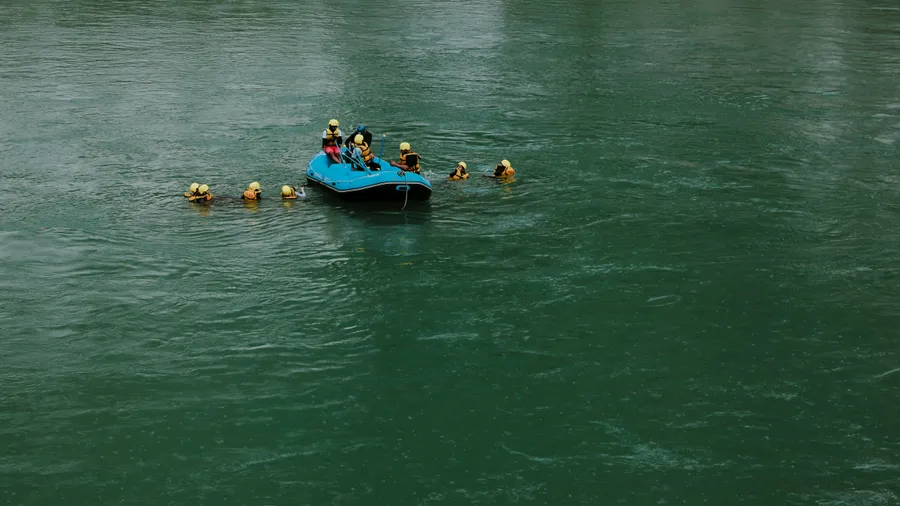
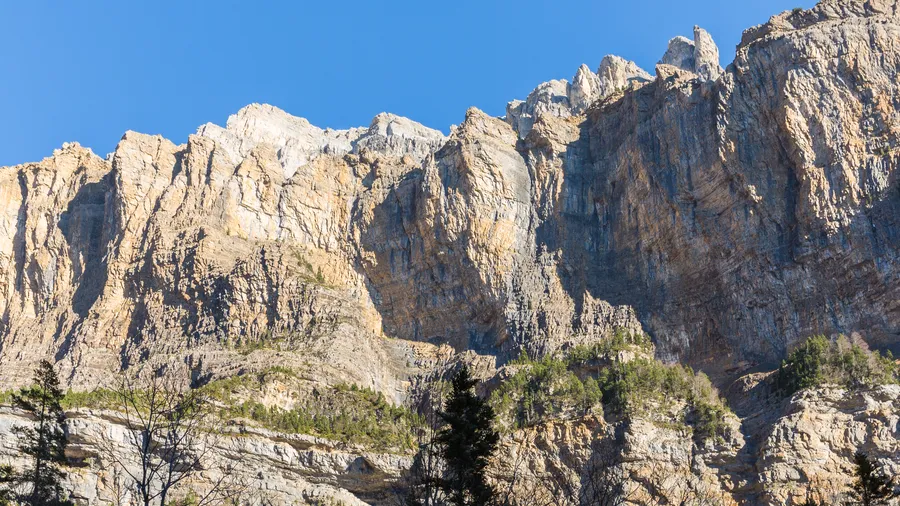
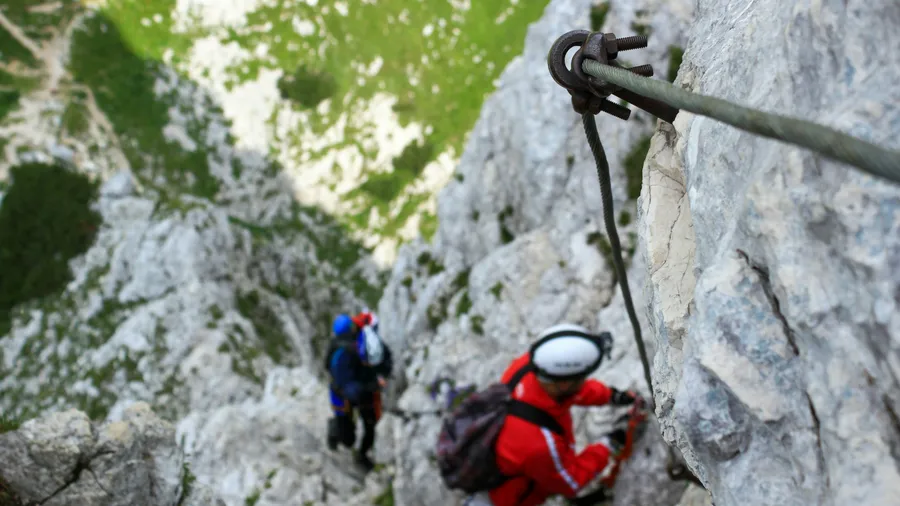
The province of Huesca concentrates in its northern half some of the most demanding natural spaces of the Pyrenees: the Ordesa and Monte Perdido National Park, a UNESCO World Heritage site, organises its activity around Monte Perdido (3,355 m) and the Ordesa canyon, where the Faja de Pelay is a horizontal mid-difficulty via ferrata running along the cliff face several hundred metres above the Arazas river. The ascent of Aneto (3,404 m), the roof of the Pyrenees, starts from La Renclusa and requires crossing the largest glacier in the mountain range: an 8–9 hour itinerary that demands crampons and ice axe. The Sierra de Guara, in the Huesca pre-Pyrenees, holds over 50 inventoried canyons that have made it the world capital of canyoning. The gorges of the Vero, Mascún and Formiga are the best known: the Mascún features underground climbing passages and abseils of up to 60 m in a limestone erosion landscape without equal. The active season runs from May to October, though dry canyons like the Gorgas Negras are passable even in winter. Further west, Loarre castle (11th century) frames hiking routes through the pre-Pyrenean Sierras Exteriores, and the valleys of Hecho and Ansó connect with the Pyrenean GR-11, one of Europe's great long-distance routes. Cycle touring in the Hecho, Ansó and Tena valleys covers near-empty roads through forests of beech and birch that turn colour dramatically in October.

Highlights

  • • Aneto ascent (3,404 m): crossing the highest Pyrenean glacier on foot
  • • Canyoning in Sierra de Guara: 50+ canyons including the Mascún with 60 m abseils
  • • Faja de Pelay in Ordesa: horizontal via ferrata above the UNESCO World Heritage canyon
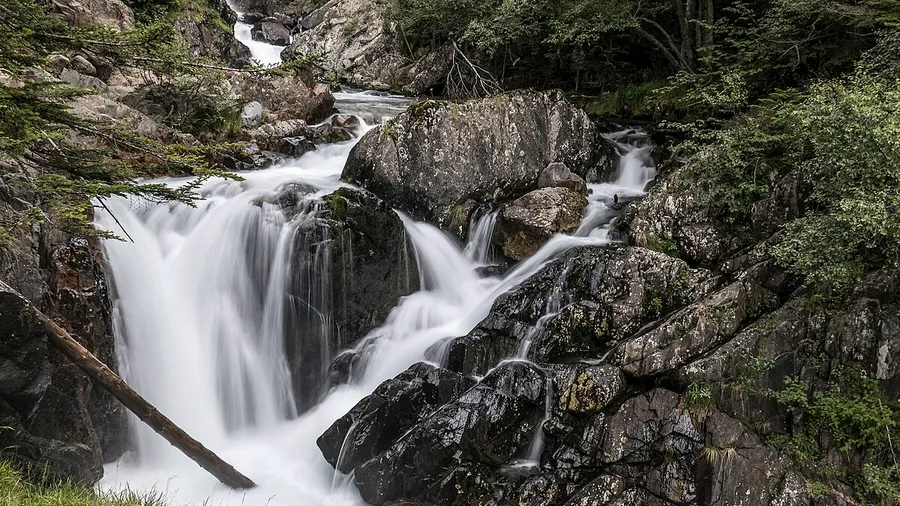
  • • Hiking in Ordesa and Monte Perdido (UNESCO): waterfalls and 1,000 m walls
  • • Vero and Formiga descents: limestone canyons in the Sierra de Guara
  • • GR-11 through the Hecho and Ansó valleys: long-distance high Pyrenean route

Best time to visit

Summer (Jun–Sep) for Sierra de Guara canyoning and Pyrenean high mountain. July–August for Aneto with stable glacier. Winter for alpine skiing at Astún and Candanchú. Autumn for cycle touring and valley hiking with foliage colour.

Practical tips

For Aneto, hire a certified mountain guide if you lack glacier experience: the Paso de Mahoma crossing is technical in poor weather. For canyoning in Guara, bring a wetsuit even if the surface temperature is warm: canyon water stays around 12–15 °C even in August. The most popular canyons (Vero, Mascún) fill up in July and August; book ahead.

Plans and activities en Huesca

Las mejores experiencias y planes disponibles en Huesca

60

What to see en Huesca

Rincones, lugares y puntos de interés que no te puedes perder

Destinations & areas

Zonas y destinos turísticos en Huesca

Localidades de Huesca

Descubre qué hacer en cada localidad de Huesca
Frequently asked questions sobre Huesca
July to early September offers the most stable glacier conditions and the safest route. Outside this period, ice may require greater crampon experience. The departure from La Renclusa is typically before 5 am to reach the summit before noon and avoid afternoon storms.
It depends on the canyon. The Vero (beginner level) has short abseils and water sections suitable for first-timers. The Mascún requires intermediate level: there are dark passages, 40–60 m abseils and climbing sections. A guide is recommended for the first visit to any canyon.
The Faja de Pelay requires no climbing gear, but mountain boots are essential, a helmet is recommended and a good head for heights is a must. There are exposed sections above a drop with canyon floor views over 400 m below. The full loop from the Goriz refuge takes 6–7 hours.
The Forcos and lower Gorgas Negras canyons are frequented by families with children from age 8–10. Operators in Rodellar and Bierge offer beginner programmes adapted for minors with certified safety equipment.
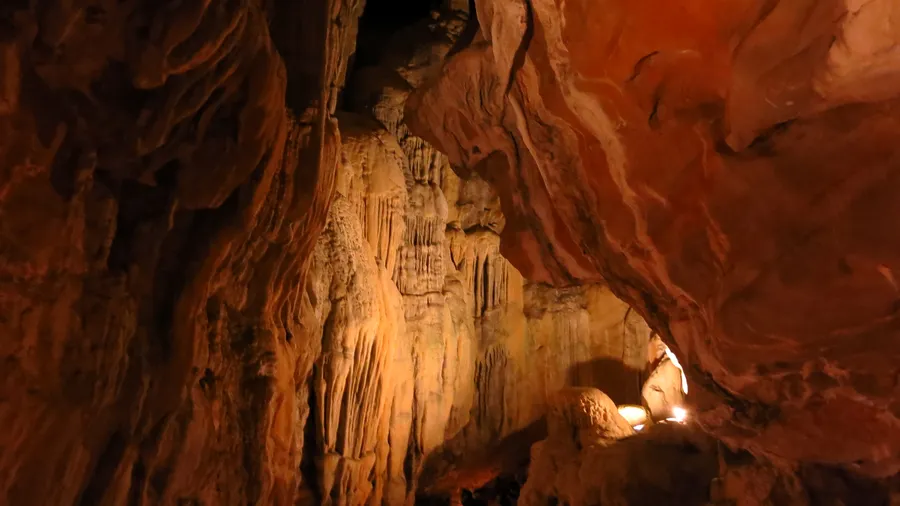
The Vero suits beginners: short abseils, water sections and minimal climbing technique. The Mascún is longer (5–7 h), has abseils up to 60 m, a natural 20 m slide and underground sections requiring headlamps. They offer very different experiences despite being just a few kilometres apart.

Related articles sobre Huesca