Highlights

  • • Original hydraulic waterwheel by the Ebro River
  • • Gothic cloister with pointed arches and decorated capitals
  • • Church with basilica plan and ribbed vaults
  • • Monastic rooms including refectory and chapter house
  • • Strategic location on the Ebro riverbank
  • • Example of Cistercian architecture in Aragón

Description

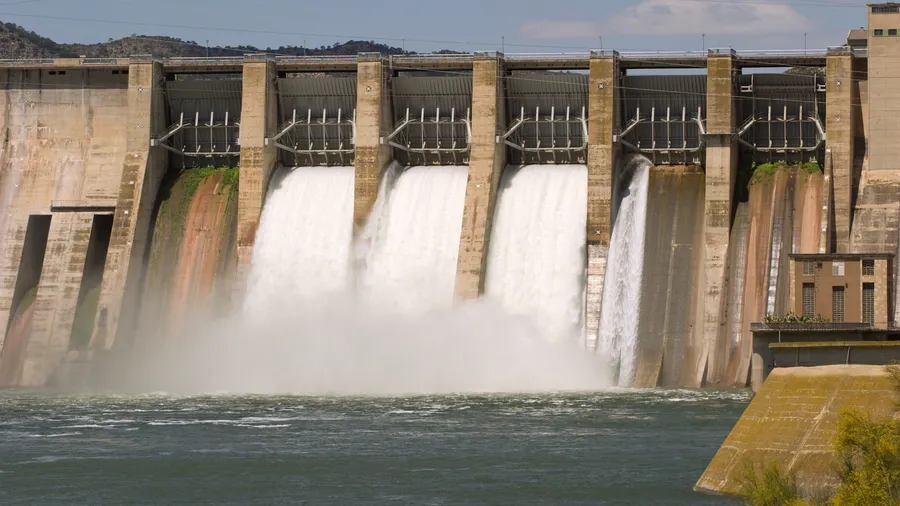
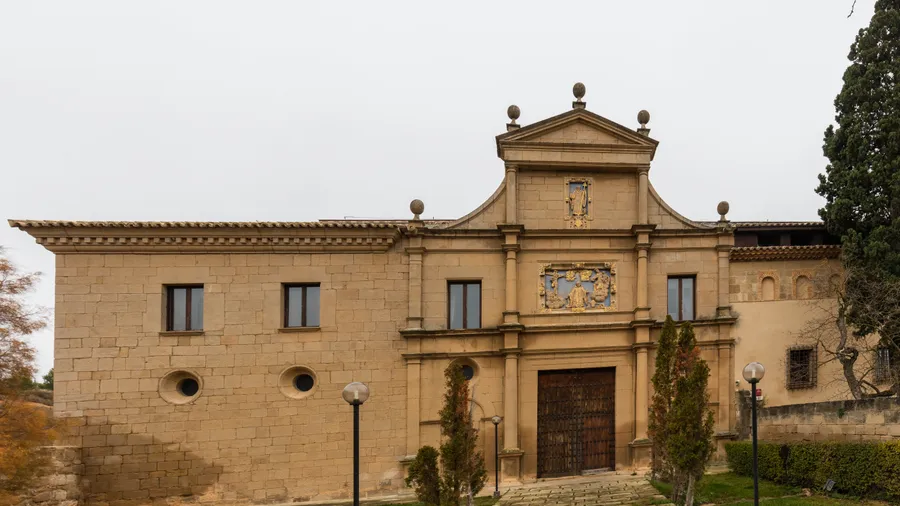
The Monasterio de Rueda is a Cistercian monastic complex founded in the 13th century, located on the banks of the Ebro River in Zaragoza province. Its name comes from the large hydraulic waterwheel used to supply water to the monastery—an ingenious construction harnessing the river's force. This monastery is a representative example of Cistercian architecture in Aragón, combining functionality with austere aesthetics.

Visitors can explore its Gothic cloister, characterized by pointed arches and capitals decorated with vegetal and geometric motifs. Highlights include the church, featuring a basilica plan and ribbed vaults, and monastic rooms such as the refectory and chapter house. The waterwheel by the river is a unique element illustrating the monastery's relationship with its natural surroundings.

Built during the medieval expansion of the Cistercian order in the Iberian Peninsula, the monastery aimed to promote agriculture and communal life under the Rule of Saint Benedict. Its location by the Ebro facilitated irrigation and farming, as well as serving as a strategic regional point.

Plan to spend 1 to 2 hours touring the complex. Admission is free and no advance booking is required. The site is accessible to people with reduced mobility, though some areas may have limitations. Children and pets are welcome. The best time to visit is in spring and autumn, when the weather is mild and the riverside landscape is at its most beautiful.

Key Information

Visit Duration

1-2 hours

Recommended Seasons

Spring, Autumn

Pricing

Free

Accessibility

Medium

Kid-Friendly Pet-Friendly No Booking Required

Related Destinations

Guide

Essential information for visiting Rueda Monastery

Location

In this area

Practical Information
Pricing
Free
Visit Duration
1-2 hours
Features & Services
  • Accessibility:Medium
  • Kid-Friendly:Yes
  • Pet-Friendly:Yes
  • Booking:No Booking Required
Planning Information

Recommended Seasons

Spring · Autumn

Best Time to Visit

The best time to visit Monasterio de Rueda is in spring and autumn, when the weather is mild and the natural landscape is at its peak beauty.

Visitor Tips

Wear comfortable shoes to explore the monastic complex and the natural surroundings by the Ebro River. Spring and autumn offer pleasant weather for walking and enjoying the riverside scenery. Although entry is free, please respect the site's rules to preserve its heritage. If visiting with children, take the opportunity to explain the waterwheel's function and the importance of water in medieval monastic life.

Historical Facts

Founded in the 13th century, Monasterio de Rueda was a Cistercian center that promoted agriculture and water management along the Ebro River. Its hydraulic waterwheel exemplifies medieval technology for irrigation and supply, reflecting the monastic order's connection to its natural environment.

Frequently Asked Questions

Get answers about Rueda Monastery

Yes, the interior is open to the public to explore the cloister, church, and other rooms.
The monastery has medium accessibility; some areas may be challenging, but the main entrance is adapted.
No booking is needed; entry is free and visits are open.
Yes, pets are allowed as long as they are under control.
Currently, there are no official guided tours, but informational brochures are available at the entrance.