The essentials of Western Valleys Natural Park

  • • Glacial cirques of Acherito (2,369 m) and Taxeras with crystal-clear mountain tarns
  • • Beech and silver fir forests of Selva de Oza over a limestone karst base
  • • Lammergeier and Pyrenean chamois in the western Pyrenees heartland
  • • Mesa de los Tres Reyes summit (2,444 m), highest point in Aragón
  • • Hecho and Ansó rivers with otter, dipper and native brown trout

Description

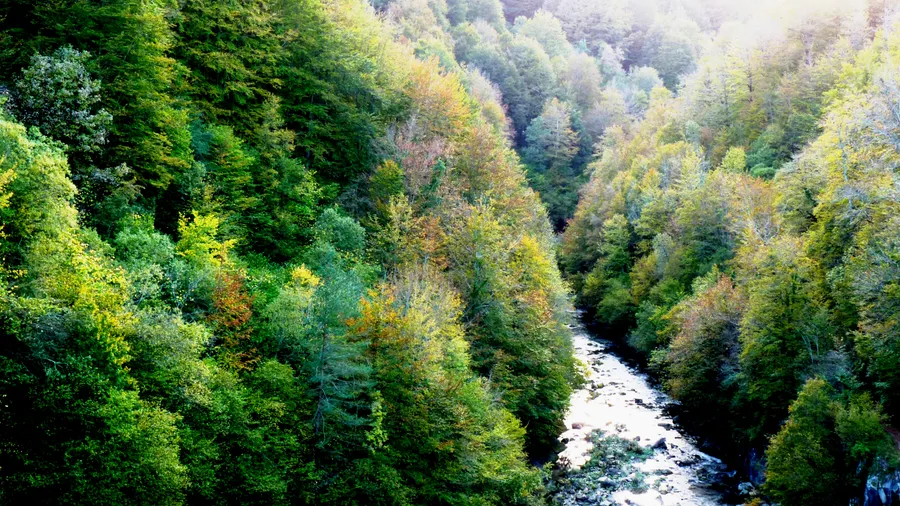
The Parque Natural de los Valles Occidentales spans the northwestern corner of the Aragonese Pyrenees in the Jacetania comarca, covering the valleys of Hecho, Ansó and Aragón Subordán. Its 34,184 hectares rise from 800 metres in the valley floors to 2,444 metres at Mesa de los Tres Reyes, the highest point in the Aragón region. Early morning light raking low across the beeches of the Canal de Izas turns the leaves a fluorescent green that has no equivalent elsewhere in the central Pyrenees.

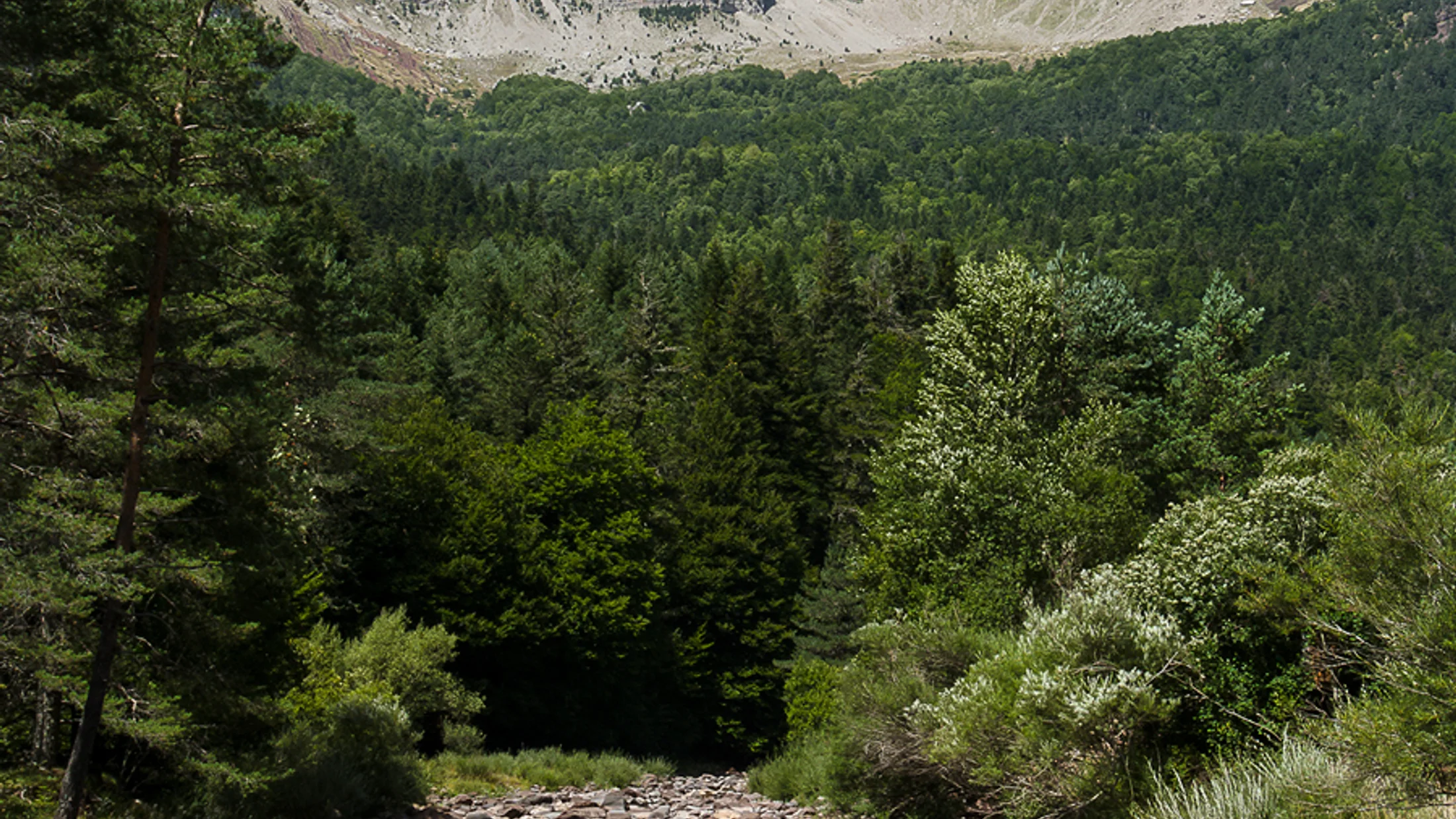
The park's geology combines Upper Cretaceous limestones on the summits with Palaeozoic slate outcrops on the lower valley walls. This lithological variety creates a landscape of contrasts: glacial cirques such as Acherito (2,369 m) and Taxeras, with their small tarns of cold translucent water, sit above the deeply carved river gorges of the Hecho and Ansó, whose crystal-clear waters run over a bed of white calcareous gravel. The karst of the Selva de Oza is one of the most unusual geological features: lapies, dolines and swallow-holes appear between beech and fir trees that disorient the walker and heighten the sense of isolation.

Vegetation moves clearly between the subalpine and montane belts in a compressed vertical sequence that is hard to find in such a small area. In the montane belt (800–1,600 m), beech forest (Fagus sylvatica) dominates the shaded slopes, often mixed with silver fir (Abies alba) on the wettest north-facing aspects. Ash and black poplar line the rivers. Above 1,600 metres, mountain pine (Pinus uncinata) forms open stands to the treeline near 1,900 metres, where alpine meadows of fescue and nardus give way to rock ridges and permanent snow. Prostrate juniper (Juniperus communis subsp. alpina) and alpenrose (Rhododendron ferrugineum) cover the screes below the crests with intense patches of red and green in summer.

The fauna includes some of the most iconic Pyrenean species. Lammergeier (Gypaetus barbatus) breeds regularly on the cliffs of the Anie massif and the Hecho gorge, visible soaring over the valleys year-round in search of bones. Brown bear (Ursus arctos), sparsely present on the Spanish side of the western Pyrenees, occasionally uses the park as a movement corridor. Pyrenean chamois (Rupicapra pyrenaica pyrenaica) inhabits the alpine meadows above 1,700 metres; its winter tracks in the snow are among the few signs of life during the coldest months. Rivers and torrents support otter (Lutra lutra) and white-throated dipper (Cinclus cinclus), which literally walks along the bottom of the Aragón Subordán searching for caddisfly larvae. Native brown trout (Salmo trutta fario) populations persist in the upper reaches of the Hecho and Ansó rivers.
Practical information

Everything you need to know for your visit to Western Valleys Natural Park

How to get there
From Jaca, take the A-176 to Hecho (49 km, 50 min) or the A-1603 to Ansó (56 km, 60 min). No regular public transport serves the valleys. In winter, mountain passes may close; check road conditions with the Diputación General de Aragón before departure.
Area Information
Main villages: Hecho and Ansó (main tourist infrastructure). Interpretation centre in Hecho. Selva de Oza recreational area with campsite and parking. Acherito mountain refuge (unmanned in winter). Several GR and PR waymarked trails.
Geography
Western Aragonese Pyrenees (Jacetania comarca): 34,184 ha from 800 m (valley floors) to 2,444 m (Mesa de los Tres Reyes). Glacial cirques, tarns, river gorges, Selva de Oza karst and the border ridge with France.
Flora & Fauna
Pure and mixed beech forest with silver fir; mountain pine to the treeline at 1,900 m. Alpenrose and prostrate juniper on ridges. Wildlife: lammergeier, Pyrenean chamois, brown bear, otter, white-throated dipper, native brown trout.

Things to do

Find the best plans and things to do in Western Valleys Natural Park

20

Accommodations

Best accommodation options in Western Valleys Natural Park

Loading accommodation options...

Frequently Asked Questions

Get answers about Western Valleys Natural Park

The classic route starts at the Boca del Infierno car park in the Hecho valley and follows the Acherito ravine to the tarn at 2,170 m: 8 km return with 700 m of elevation gain. The path is waymarked and accessible to any fit hiker from June to October. In May there may be snow on the final 200 m of ascent; check current conditions at the Hecho interpretation centre before setting out.
Lammergeier is visible year-round, but the most spectacular behaviour occurs between January and March during courtship and incubation, when adults are highly active around the cliffs of the Anie massif and the Hecho gorge. In summer, juveniles of the year begin exploring the valleys from July; watching from open areas such as the Selva de Oza meadows or the Venta de Juan Pito viewpoint maximises sighting opportunities.
The Selva de Oza valley floor trail (PR-HU-106) is the best option for families: a 6-km circular route on flat terrain along the Aragón Subordán river, with constant shade from beech and fir and several rest spots by the water. No special equipment needed; there are picnic tables with benches. For children aged 8 and over, the Castillo de Acher viewpoint trail (10 km, 600 m gain) is manageable with breaks.
The Selva de Oza campsite normally opens from mid-June to early October depending on access conditions. It offers tent and caravan pitches, basic facilities and running water. Booking is strongly recommended in July and August when demand peaks. Outside that period the car park remains available for day visits but facilities are not guaranteed to be open.
Yes. The most common route starts from the Arlas col, reachable from the Selva de Oza or from the French side via the Arète d'Arlas. The 2,444-m summit requires 5–6 hours return from the col, with rocky sections that demand some mountain experience and proper footwear. In June there may be snow on the north-facing upper slopes; verify conditions before departing.