The essentials of Serra del Montsant

  • • Over 2,500 equipped climbing routes in sectors including La Morera, Margalef and Siurana
  • • DOQ Priorat vineyards at the foot of the range: internationally acclaimed Grenache and Carignan
  • • Griffon vulture colony with more than 50 breeding pairs on the cliffs
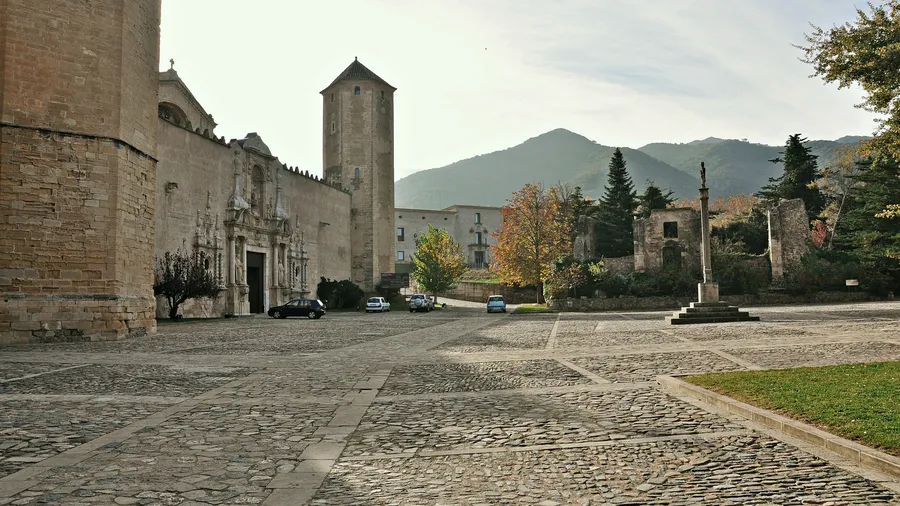
  • • Scala Dei Charterhouse ruins (1194), origin of the Priorat name
  • • Roca Corbatera (1,163 m): 360° panorama from the Pyrenees to the Mediterranean

Description

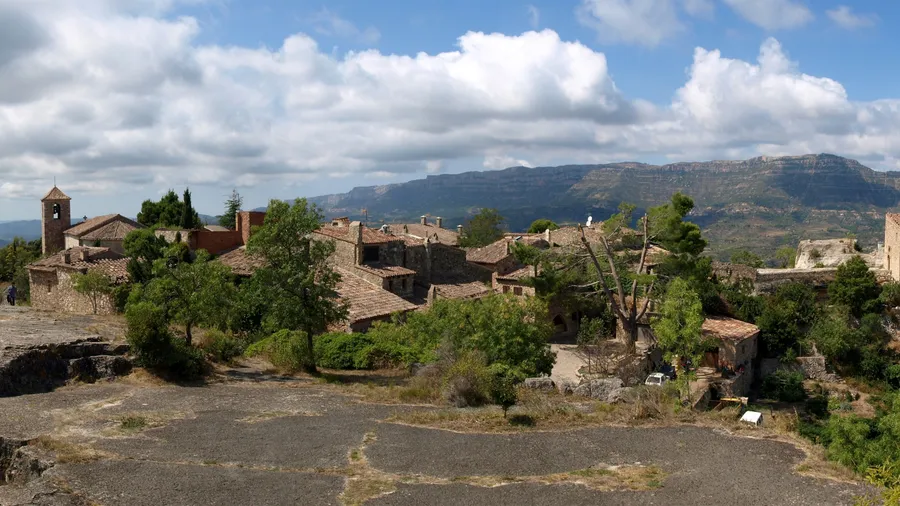
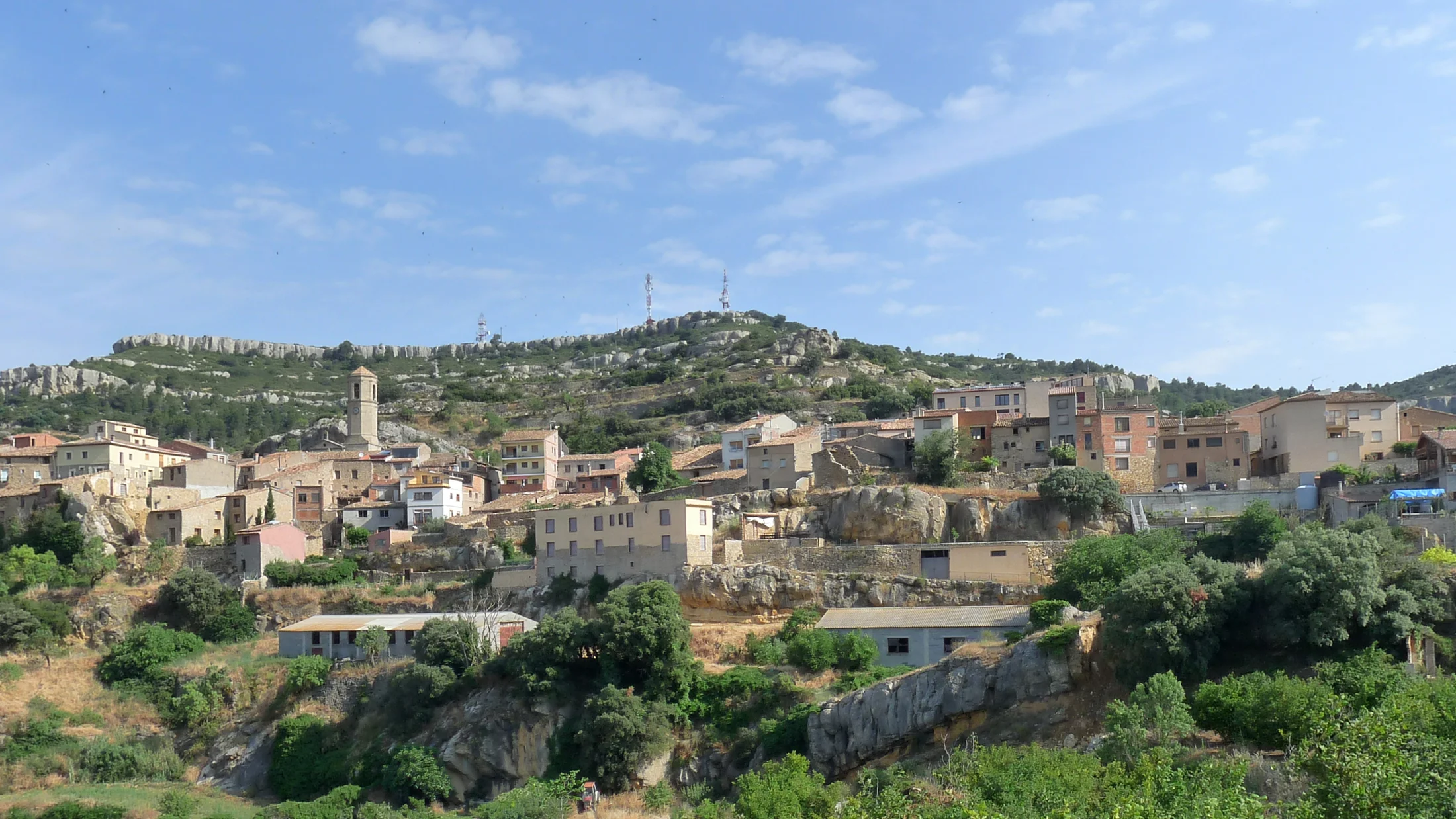
The Serra del Montsant stretches roughly 15 km through the heart of the Priorat district in southern Tarragona province, forming a wall of conglomerates and sandstones that reaches 1,163 m at Roca Corbatera. The terrain is abrupt: cliffs exceeding 100 metres of vertical face, deep ravines such as the Vall Major, and rock platforms that drop sheer over the vineyards of DOQ Priorat — one of Spain's most exacting wine appellations. The rock, an Oligocene conglomerate of rounded pebbles cemented in a reddish sandy matrix, gives the range its unmistakable look and a rough texture that climbers value for its grip. When late-afternoon light strikes the cliff faces at an angle, the stone turns a deep copper that contrasts sharply with the dark green of the holm-oak woodland clothing the lower slopes.

Vegetation shifts rapidly with aspect and altitude. On south-facing slopes below 600 m, Mediterranean scrub of rosemary, kermes oak and heather predominates alongside scattered holm oaks; much of this ground was vineyard terracing until the phylloxera outbreaks of the late nineteenth century, and the dry-stone margins survive to this day. On shaded north-facing ravines grow sizeable holm oaks, small-leaved oaks (Quercus faginea), Montpellier maples and relict yews clinging to the wettest cliff fissures. On the wind-battered summit platforms, vegetation thins to low grassland with hedgehog broom, lavender and mountain thyme. In spring, wild orchids and mountain peonies flower in clearings between the box hedges.

Wildlife includes a breeding colony of griffon vulture with over 50 recorded pairs, Bonelli's eagle, peregrine falcon and eagle owl nesting on cliff cornices. On the ground, Iberian ibex reintroduced in 2002 have built a stable population of roughly 200 individuals that move between the cingles (rock ledges) of the Montsant and the Priorat slopes. Wildcat, stone marten and badger are the most common carnivores, though their nocturnal habits make them hard to observe. In seasonal streams, barbel and eel persist in reaches with year-round flow.

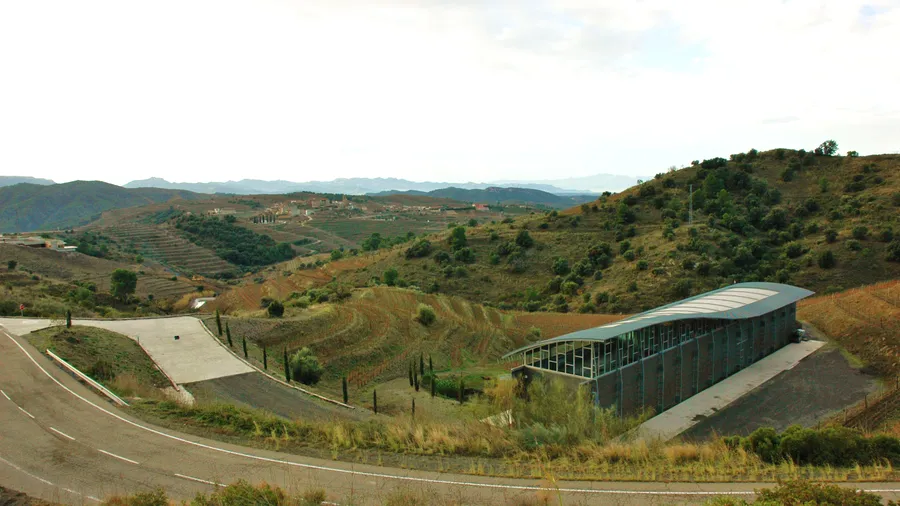
The Montsant's human history is inseparable from eremitic life. The remains of the Scala Dei Charterhouse — founded in 1194 and active until its confiscation in 1835 — stand at the foot of the range and gave the district its name (Priorat = priory). Along the trails, cave-hermitages such as the Cova Santa survive where monks sought solitude on the cliff faces. The villages ringing the range — Cornudella de Montsant, La Morera de Montsant, Ulldemolins, Cabassers — total barely 3,000 inhabitants and depend on wine, olive oil and a still-niche mountain tourism. Priorat wineries, many carved into the slate-and-conglomerate bedrock, produce internationally renowned red wines from Grenache and Carignan grapes.

Sport climbing is the range's best-known activity: the Montsant area concentrates over 2,500 equipped routes in sectors like La Morera, Margalef (on the Montsant's periphery) and Siurana, grading from 5a to 9a+ on high-friction rock that draws climbers from across Europe. Hikers have the GR-174, which circuits the range in four stages, and shorter options such as the hermitage trail or the ascent of Roca Corbatera, which rewards with a 360° panorama from the Pyrenees to the Mediterranean on clear days.
Practical information

Everything you need to know for your visit to Serra del Montsant

How to get there
From Tarragona, take the N-240 then the C-242 to Cornudella de Montsant (75 km, 1 h 10 min). From Barcelona, the AP-2 to Montblanc then C-242 (150 km, 1 h 45 min). From Lleida, the C-12 via Flix (100 km, 1 h 20 min). Cornudella and La Morera are the main access points.
Area Information
Cornudella de Montsant is the main service town, with accommodation, restaurants, climbing shops and a tourist office. La Morera de Montsant and Ulldemolins offer guesthouses and open wineries. Priorat cellars (Porrera, Gratallops, Torroja) are 15-30 min by car.
Geography
An Oligocene conglomerate range 15 km long, from 300 to 1,163 m (Roca Corbatera). Cliffs exceeding 100 m vertical, deep ravines and summit platforms. Underlying slate-and-conglomerate geology that also shapes the Priorat vineyard soils.
Flora & Fauna
Holm oak, small-leaved oak, Montpellier maple, relict yew and rosemary-heather scrub. Wild orchids and peonies in spring. Griffon vulture (50+ pairs), Bonelli's eagle, peregrine falcon, Iberian ibex (200 reintroduced), wildcat and stone marten.

Things to do

Find the best plans and things to do in Serra del Montsant

20

Accommodations

Best accommodation options in Serra del Montsant

Loading accommodation options...

Frequently Asked Questions

Get answers about Serra del Montsant

No, the range has plenty beyond climbing. The GR-174 and local trails (such as the hermitage route or the Roca Corbatera ascent) require no technical gear or prior experience, just good footwear and water. Sport climbing does need your own equipment and technique; there are routes from 5a for accompanied beginners, but most sectors grade between 6a and 7c. Several climbing schools in Cornudella offer introductory courses.
Yes, the Scala Dei ruins are open year-round (paid entry, about €4). The site shows the cloister, individual monk cells and the church, with information panels on Carthusian life and the district's wine history. Guided tours run at weekends in Catalan and Spanish. The surroundings make a good starting point for short walks towards the base of the Montsant cliffs.
The Serra del Montsant lends its name to the DO Montsant appellation, which entirely surrounds the DOQ Priorat. The licorella (decomposed slate) and conglomerate soils on the range's lower slopes are the same that make Priorat wines famous: low-yield Grenache and Carignan with mineral concentration. Many wineries are a 15-30-minute drive from Cornudella, and some offer tastings with direct views of the cliffs.
Cornudella de Montsant has several options: a couple of small hotels, guesthouses and a campsite with bungalows. La Morera de Montsant and Ulldemolins offer quieter rural lodgings. For the Margalef sector, the village of the same name has hostels and apartments geared towards climbers, with gear-drying areas and early breakfasts. In peak climbing season (autumn and spring) booking ahead is advisable.
The GR-174 covers roughly 60 km in four stages of 12 to 18 km each, with 600-900 m cumulative ascent per stage. A two-day weekend is not enough to complete it comfortably; three or four days is ideal. However, individual stages work well as day hikes: the Cornudella to La Morera leg (15 km) is the most popular and takes 5-6 hours at a moderate pace.