The essentials of Parque Natural de los Montes de Málaga

  • • Just 5 km from Málaga city centre, the most urban natural park in Andalusia
  • • Over 100 km of forest tracks open for hiking and mountain biking
  • • Restored Torrijos lagar with traditional Montes winemaking demonstration on site
  • • 93 bird species and common chameleons inhabiting the park's lower zones
  • • Former vineyard land reforested in the 1920s with Aleppo pine after phylloxera

Description

The Montes de Málaga stretch across 4,996 hectares just five kilometres from the city centre, making this natural park the closest green lung to a major city in all of Andalusia. Its history explains the landscape: until the 19th century, these hillsides were blanketed with vineyards producing the celebrated Málaga wine, exported to tables in London, Amsterdam, and Hamburg. Phylloxera ravaged the vines at the end of that century, and in the 1920s a large-scale reforestation with Aleppo pines was undertaken to stop the flooding that repeatedly struck the capital. Today, among the planted pinewoods, pockets of original Mediterranean forest survive with holm oaks, cork oaks, and Portuguese oaks that hint at the pre-vineyard landscape.

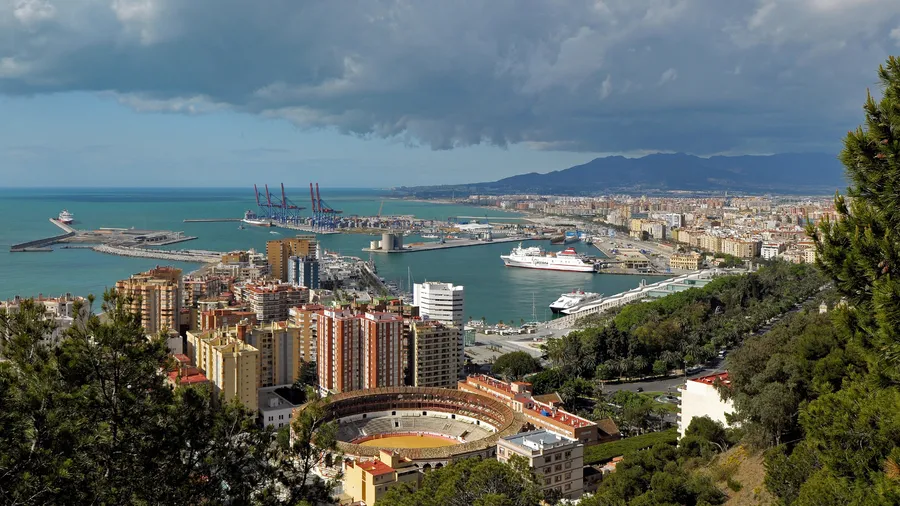
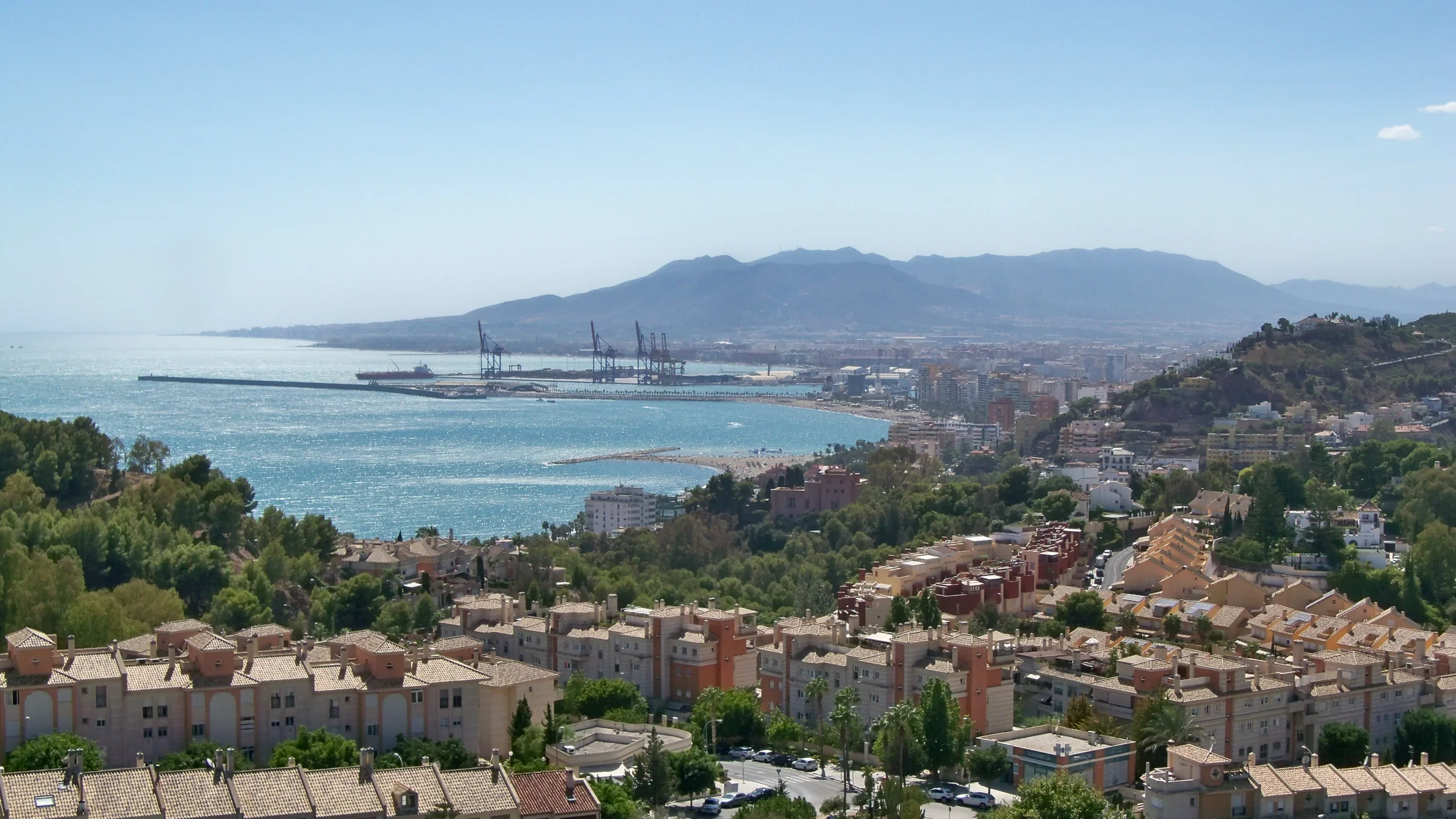
The terrain is organised into hills and ravines forming the left bank of the Guadalmedina river basin, with elevations from 80 metres at the lowest access points up to 1,031 metres at the highest peaks. This altitude range creates microclimates that shape both vegetation and the walking experience: shaded north-facing slopes stay cool even in summer, with ferns and mosses carpeting the rocks beneath a closed canopy, while sun-drenched slopes smell of rosemary and sun-warmed pine resin. On clear winter mornings, the Mediterranean Sea is visible to the south and the first foothills rise to the north, with Málaga city spreading to the coast below.

Four signposted trails — El Cerrado, Pocopán, Torrijos, and Umbría de Contadoras — cover the main routes, ranging from 2 to 8 km with low to moderate difficulty. But the real wealth lies in over 100 kilometres of forest tracks and lanes, closed to motor vehicles but open to walkers and cyclists, allowing custom-length itineraries across the entire park. The Torrijos route leads to a restored lagar where the traditional winemaking process of the Montes is demonstrated, connecting nature with the area's agricultural past. The faunal inventory records 93 bird species, 25 mammals, 19 reptiles, and 9 amphibians, with the common chameleon living in the lower zones near the peri-urban agricultural fringe — one of the few places in Europe where this species can be seen in the wild.

Access from Málaga city is quick via the A-7000 road, which winds uphill through the pines for about 15-20 minutes. The Lagar de Torrijos serves as an interpretation centre and starting point for several routes. The proximity to the city and moderate elevation gain make the Montes de Málaga a half-day or full-day destination that locals visit on weekends to walk, cycle, or sit down for a mountain lunch at one of the roadside ventas: migas with chorizo, oven-roasted kid, and local wine. It also functions as an ecological corridor connecting the coast with the inland sierras, a role biologists value as much as its recreational use.
Practical information

Everything you need to know for your visit to Parque Natural de los Montes de Málaga

How to get there
From Málaga city, take the A-7000 road (Carretera de los Montes) climbing from the El Palo district or ring road. In 15-20 minutes you reach the heart of the park. Lagar de Torrijos is the main access point. No direct bus line; private vehicle or taxi from Málaga.
Area Information
The park covers territory in Málaga city and Casabermeja, on the northern slope of the Penibética range. The winemaking tradition lives on in restored lagares. Roadside ventas on the Montes road serve traditional mountain cuisine.
Geography
Hills and ravines of the Guadalmedina river's left bank basin, from 80 to 1,031 m elevation. Slate and sandstone soils with north-facing (cool shade) and south-facing (dry sun) aspects. Just 5 km from the Mediterranean.
Flora & Fauna
Dominant Aleppo pine forest, with holm oaks, cork oaks, and Portuguese oaks in original woodland pockets. Rosemary, rockrose, and mastic scrub. Fauna: 93 bird species (short-toed and booted eagles), common chameleon, wild boar, fox, genet. 9 amphibian and 19 reptile species.

Things to do

Find the best plans and things to do in Parque Natural de los Montes de Málaga

20

Accommodations

Best accommodation options in Parque Natural de los Montes de Málaga

Loading accommodation options...

Frequently Asked Questions

Get answers about Parque Natural de los Montes de Málaga

There is no city bus line running directly to the park. The most practical option without a car is a taxi from Málaga city centre, about 20 minutes to Lagar de Torrijos. Some cyclists ride up the A-7000 road, which has a shoulder for most of its length. Organised excursions with transport from the city are also available.
The common chameleon lives in the park's lower zones, near the city-side access points. It is easier to spot in spring and autumn when more active. Look in bushes and hedgerows in transition areas between the park and farmland. Patience and a sharp eye are needed, as its camouflage is remarkable. Do not touch or remove it from its habitat, as it is a protected species.
Lagar de Torrijos is a restored wine press that shows how Montes wine was made before phylloxera destroyed the vineyards in the late 19th century. It serves as the park's interpretation centre, with exhibitions on the winemaking history and the 1920s reforestation. It is also the starting point for several signposted trails.
Yes, all four signposted trails are rated low to moderate difficulty and are suitable for families. The El Cerrado trail is the shortest and most accessible, appropriate for children aged five and above. Flat forest tracks are another comfortable option for walking with young children. There are picnic areas with tables and shade for rest stops.
Yes, the park has over 100 kilometres of forest tracks and lanes open to cyclists. They are closed to motor vehicles but freely accessible by bicycle. The moderate elevation gain and variety of aspects allow routes for different skill levels. The climb from Málaga on the A-7000 road is also a classic road cycling route, with about 15 km of steady ascent.