Spain is a mosaic of extraordinary landscapes, from the rugged peaks of the Pyrenees to the infinite marshes of Andalusia and the pristine coasts of the Atlantic. Beyond its cities, there exists a universe of natural parks, biosphere reserves and secret corners that invite you to disconnect, seek adventure and rediscover. If you feel the call of the wild or simply need a respite from the daily rhythm, this definitive guide to nature escapes in Spain is your ideal starting point.
This guide brings together 10 nature destinations, each with its own personality.
For each destination, you will find the best time to visit, how long it is worth staying and the difficulty of its most emblematic routes. There are also mini-itineraries and tips depending on the type of traveller: romantic escape, family adventure or trip with a pet.
With Picuco's tools, you can organise and book your trip and simplify your planning.
1. Picos de Europa: Alpine Adventure in the Green Heart of Spain
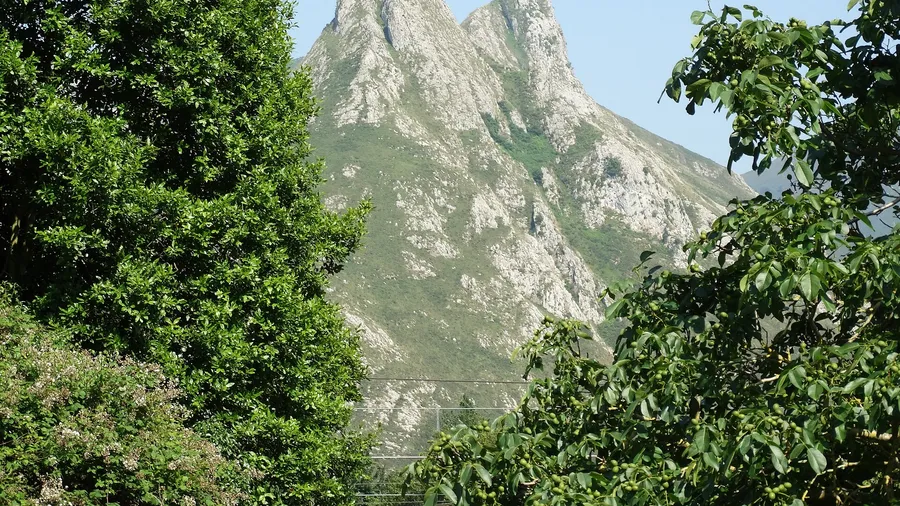
The Picos de Europa are a limestone massif spread across Asturias, Cantabria and Castilla y León. It was the country's first national park, declared in 1918.

Its landscapes combine sharp peaks exceeding 2,500 metres, gorges carved by rivers and alpine meadows. There are routes for beginner hikers and challenges for experienced climbers, so the massif works for different levels.
In its fauna, the Pyrenean chamois, the golden eagle and, occasionally, the brown bear stand out. If you like observing animals, bring binoculars and walk slowly through the meadow areas at sunrise or sunset.
Essential Activities and Practical Tips
The Fuente Dé Cable Car climbs 753 metres in a few minutes and leaves you on a natural balcony at 1,823 metres altitude, a starting point for high mountain routes.
Picuco Tip: The weather in the Picos de Europa is notoriously changeable. Even in summer, a sunny morning can transform into an afternoon of fog and rain. Always equip your backpack with layers of clothing, a waterproof jacket and suitable footwear.
The best time is late spring (May-June) or early autumn (September-October), to avoid the summer crowds and enjoy more stable weather. If you are looking for more technical routes, consider hiring a local guide who guarantees safety and will show you the less known corners of the park.
Before heading out, check what to pack in the complete guide on the essential autumn backpack.
Picuco can help you
Does something here catch your eye?
Tell us.
Write to us on WhatsApp or email: we answer questions, find the best options and help you sort out the booking.
Write to us
We guide you based on the type of plan you have in mind and reply by WhatsApp or email.
2. Doñana Natural Park: A Sanctuary of Biodiversity in the South
It is one of the most important wetlands in Europe and a key stop on any nature escape through Andalusia.
The park is recognised as a UNESCO Biosphere Reserve and World Heritage Site. Additionally, it is a refuge for thousands of migratory birds and endangered species such as the Iberian lynx, making it ideal for birdwatching.
The landscape changes with the seasons, and that is why every visit shows different scenarios throughout the year. It is advisable to choose the season according to what you want to see and to book your visit in advance.
Essential Activities and Practical Tips
4x4 guided routes are the best way to enter the interior of the park. The tours pass through the different ecosystems, from the marshes to the reserves, and increase the chances of spotting wildlife. If you want to expand the list, check out the best bird observatories in Spain.
El Rocío, with its sandy streets and its hermitage, is the gateway to the park. The pristine beaches that border Doñana, such as Matalascañas, also deserve a visit.
Spring and autumn are the best times: the marsh is full of water and life and the temperatures are mild. Book tours in advance, especially during high season, and bring binoculars, insect repellent and discreetly coloured clothing so as not to disturb the wildlife. For a complete experience, combine a guided tour of the interior with walking tours along the free-access paths that surround the protected area.
3. Aigüestortes i Estany de Sant Maurici National Park: A Mirage of Water in the Pyrenees
The park brings together those lakes, the estanys, and the meanders of white water that give it its name, the "aigüestortes". The marked paths connect waterfalls, lakes and mountain refuges, with routes for all levels. It is a great destination for hiking and landscape photography.
During excursions you can see chamois, bearded vultures and western capercaillies. Bring mountain footwear and book in advance if you want to sleep in a refuge.
Essential Activities and Practical Tips
The Sant Maurici Lake Route goes around the park's most emblematic lake.
Picuco Tip: Access by private vehicle is restricted in much of the park. Use the authorised 4x4 taxi services from the villages of Espot and Boí. They will drop you off at strategic points such as Estany de Sant Maurici or Planell de Aigüestortes, saving you time and effort so you can enjoy high-altitude routes.
The most adventurous have the Carros de Foc: a trek that connects the nine guarded refuges of the park.
If you plan to sleep in a refuge, book weeks or even months in advance, especially in summer. To prepare for a long trek, you have this complete guide for a 3-day circular route in the Pyrenees.
4. Sierra de Gredos: The Granitic Giant of the Sistema Central
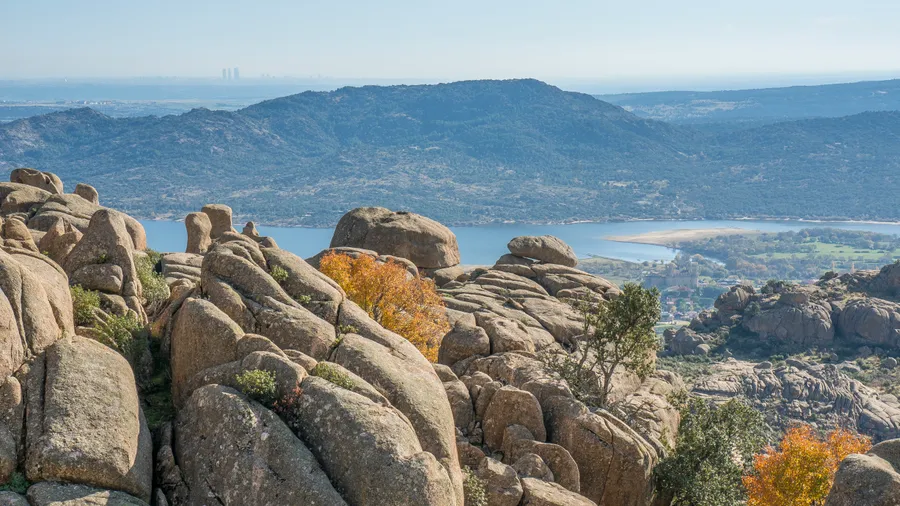
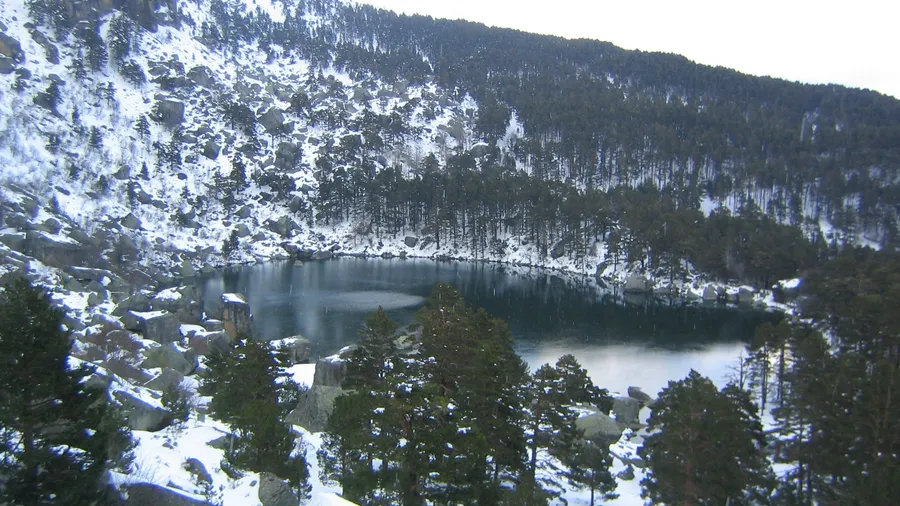
It stretches across Ávila, Cáceres and Toledo and combines peaks that approach 2,600 metres, glacial lagoons, deep gorges and Scots pine forests.
The Spanish ibex lives here, and it is easy to see it on the high slopes. Choose a plan according to your energy: glacial cirques and ridges for the most adventurous, or valleys and natural pools for more relaxed days.
Its skies have the Starlight Tourist Destination certification, so book a clear night to look at the stars. Plan for at least one weekend: the sierra is large and access from Madrid requires a car.
Essential Activities and Practical Tips
Pico Almanzor, at 2,592 metres, is the highest altitude in the Sierra de Gredos. Its ascent is high mountain climbing: it requires experience, good physical fitness and, in winter, technical equipment. If you are looking for something more tranquil, the Five Lagoons route takes you through five glacial lagoons in the Sierra de Gredos.
The climate is extreme and very variable, with frequent afternoon storms even in summer. Start at sunrise, check the forecast and carry several layers, sun protection and a windbreaker in any season. June, with the whinberries in bloom dyeing the sierra yellow, and September, with milder temperatures, are the best times.
For the most popular routes, book mountain refuges in advance. If you want to complete your getaway, take a look at these rural getaways near Madrid.
5. Cíes Islands: The Galician Caribbean in the Atlánticas Islands National Park

It has white sand beaches, turquoise waters, pine forests and cliffs.
This makes for a peaceful visit, for disconnecting, ideal for a day trip with family or as a couple.
The Cíes function as a sanctuary for seabirds, such as the yellow-legged gull, and its seabed hosts great biodiversity. If you go in summer, book the boat and the visiting permit in advance: capacity is limited and sells out.
Essential Activities and Practical Tips
Rodas Beach is a strip of fine sand that joins the Monteagudo and Faro islands. The Guardian once considered it "the best beach in the world". Its crystal-clear waters, although cold, allow for a revitalising swim.
From the approach ferry and on the islands themselves, you can see dolphins and abundant birdlife.
June and September are the best time: pleasant weather and fewer visitors than in July and August.
There are no bins on the island: take all your rubbish back with you.
6. Bardenas Reales: The Lunar Desert of Navarra
The Bardenas Reales of Navarra is a semi-desert landscape declared a UNESCO Biosphere Reserve. It is one of the most unique nature getaways in Spain.
Water and wind have eroded its soils of clays, gypsum and sandstones. This has created ravines, flat plateaus and incredible rock formations called cabezos. Its almost extraterrestrial appearance has even brought filming locations like the series "Game of Thrones" there.
It is a unique ecosystem in Europe and a suitable place for hiking, mountain biking and landscape photography. The open horizon and the silence accompany the entire route.
Carry water and sun protection: there is little shade and the heat is intense in summer.
Essential Activities and Practical Tips
Castildetierra is the first stop for almost everyone: a simple circular walk leads to this rock formation, a symbol of the Bardenas and an example of the power of erosion. It serves as a first contact with the territory before going further.
The Aguilares viewpoint offers a panorama of the Bardenas Reales; the first and last hours of the day, with golden light, are the best time to photograph the landscape.
The weather rules. In summer, avoid the middle hours of the day, when temperatures can be extreme. Always carry plenty of water (minimum 1.5 litres per person), high sun protection, a cap and sunglasses. Check the condition of the tracks before setting off, as rain can make them impassable.
Spring and autumn are the best times to visit: milder weather and more intense landscape colours.
7. Cares Route: The Divine Gorge of the Picos de Europa
It is about 12 kilometres of path that they call the "Divine Gorge".
The path connects Poncebos (Asturias) and Caín de Valdeón (León). During the route, you pass through tunnels, bridges and natural balconies suspended over the abyss.
Today it is an accessible itinerary, but demanding due to its layout carved into the rock wall.
Essential Activities and Practical Tips
The Poncebos-Caín section is the most famous. This second option is recommended to avoid an excessively long day.
The route goes from grey rock to green vegetation and the turquoise blue of the Cares river, with photographic opportunities at every step.
In high season, the route is very crowded. Waking up early and starting to walk between 6:00 and 7:00 in the morning allows you to walk through the narrowest sections in peace and find parking easily in Poncebos. The best time to do it is spring and autumn, with milder temperatures and the landscape in its full splendour.
8. Sierra de Cazorla, Segura y Las Villas Natural Park: The Green Giant of Andalusia
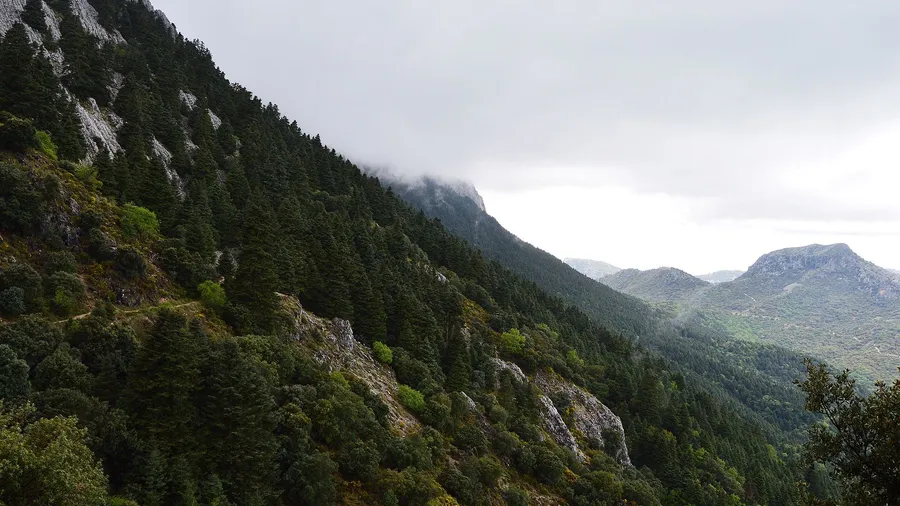
More than 200,000 hectares of mountains, valleys and pine forests form the largest protected area in Spain. The Sierra de Cazorla, Segura y Las Villas Natural Park occupies a large part of the province of Jaén and is one of the most complete nature escapes in the country.
The landscape combines mountains, deep valleys, crystal-clear rivers, dense pine forests, rocky peaks and waterfalls. Within its boundaries, the Guadalquivir and Segura rivers are born, and water defines the character of the park and its corners.
Cazorla, Segura and Las Villas is a reference destination for ecotourism and wildlife watching: red deer, wild boar, Spanish ibex, golden eagle and griffon vulture. To make the most of your visit, book your accommodation in the mountain villages in advance and dedicate at least two days to exploring the viewpoints and the paths of the park.
Essential Activities and Practical Tips
Picuco Tip: For a more authentic experience and to avoid crowds, especially during long weekends and summer, explore the less travelled paths. Consider visiting during the week or in the low season (autumn or spring) and hire a local guide for wildlife watching routes; they know the best places and times to spot animals.
Before setting off, stop by the Torre del Vinagre Visitor Centre, in the Sierra de Cazorla, Segura y Las Villas Natural Park, which has a hunting museum and exhibitions to help you plan your visit. The distances within the park are long, so choose your accommodation according to the areas you want to visit.
Bring binoculars to observe birds. If you like fishing, find out about the permits for brown trout in its fishing reserves.
9. Lagos de Covadonga: Glacial Mirrors in the Heart of Asturias
At an altitude of more than 1,100 metres, in the western massif of the Picos de Europa, are the Enol, Ercina and Bricial lakes. The Lagos de Covadonga are one of the most well-known sights of nature getaways in Spain.
The group is formed by Enol, Ercina and the small Bricial, which only appears during the thaw season. They are set in a natural amphitheatre of green meadows, turquoise blue water and rocky peaks.

The surroundings are accessible for families with children and for hikers: its main routes allow you to see an alpine landscape without great physical preparation. It is common to find cows grazing freely around the area, so walk calmly and close any gates you find.
Essential Activities and Practical Tips
The Circular Route of the Lakes connects Enol and Ercina via a well-signposted path of low difficulty. Walk as a family between viewpoints over the landscape on a circular route of about 5.5 kilometres.
Picuco Tip: Access by private vehicle to the Lakes is restricted during the high season (summer, Holy Week and long weekends). The best option is to use the shuttle buses that depart from Cangas de Onís and other designated points. Plan your visit for early in the morning to avoid crowds and enjoy the best light.
The Entrelagos Viewpoint is situated on the glacial moraine that separates the Enol and Ercina lakes, with views of both lakes and the Peña Santa de Enol. It is a mandatory stop for photography.
Before heading up to the lakes, visit the Sanctuary of Covadonga, the most visited monumental complex in Asturias. This historical and spiritual complex serves as a cultural gateway to the natural surroundings.
10. Columbretes Islands: A Volcanic Sanctuary in the Mediterranean
Off the coast of Castellón, there is an archipelago of volcanic origin: the Columbretes Islands, Natural Reserve and Marine Reserve. Its crystal-clear waters and steep cliffs bring together biodiversity on land and under the sea.
Volcanic geology meets Mediterranean marine life here, in an almost pristine landscape.
Access to the islands is very limited due to their strict protection, and that is what guarantees the conservation of the ecosystem.
Essential Activities and Practical Tips
Picuco Tip: Places to visit the Columbretes Islands are extremely limited (a very reduced daily quota). Book your excursion several weeks, or even months, in advance, especially if you plan to go on a weekend or during the summer.
Illa Grossa is the only visitable island. A park ranger will guide you along a path to the lighthouse and explain the volcanic and biological history of the archipelago, including its endemic lizards.
Go between May and October, when sea conditions are usually more favourable for sailing. Bring sun protection, a cap, sunglasses and enough water: there are no services on the island.
Comparison: 10 nature getaways in Spain
| Getaway | What you need to know | For whom |
|---|---|---|
| Picos de Europa | Well-signposted paths, some technical routes and cable cars available. Book accommodation in summer and bring basic mountain equipment or a guide for technical routes. | Varied hiking, climbing and landscape photography. |
| Doñana Natural Park | Restricted access in sensitive areas and many guided tours. Book the tours and bring binoculars and insect protection. | Birdwatching and wetland ecosystems, with less crowding. |
| Aigüestortes i Estany de Sant Maurici | Limited road access, with shuttles and high mountain hikes. Book mountain refuges and allow time for acclimatisation. | Glacial lakes and a sense of solitude; multi-day trekking and backpacking. |
| Sierra de Gredos | Good access from Madrid and routes ranging from simple to technical. There are refuges and it is advisable to book during high season. | Authentic mountains with endemic fauna, less touristy than other massifs. |
| Cíes Islands (Vigo estuary) | Access only by boat with daily quotas and weather that dictates departures. Book the ferry in advance and bring provisions: there are no vehicles or extensive services. | White sand beaches and crystal clear waters with coastal paths. |
| Bardenas Reales | Easy road access, open and exposed terrain. Bring plenty of water and sun protection; a 4x4 is useful on secondary routes. | Badlands landscape with high photographic value, suitable for mountain biking and vehicle routes. |
| Cares Route | Well-maintained path carved into the cliff with exposure to altitude. | A very scenic day trip through the gorge, suitable for hikers with a tolerance for heights. |
| Sierra de Cazorla, Segura y Las Villas | Extensive park with multiple access points and some tracks that require a 4x4. Wide range of accommodation and guides. | Great diversity of habitats for hiking, fishing, wildlife watching and rural tourism. |
Your Next Adventure Awaits: Plan with Picuco
From the summits of Picos de Europa to the marshes of Doñana, passing through the lunar landscape of Bardenas Reales and the alpine serenity of Aigüestortes.
From Inspiration to Action: Keys to your Perfect Getaway
Planning a nature getaway is simplified when you align the destination with what you expect from those days. Define your purpose before looking for accommodation: a demanding route like the Cares if you are looking for physical effort, or contemplation and birdwatching in the Covadonga Lakes if you prefer a tranquil pace.
Sustainability also works in your favour. Staying in local accommodation, respecting the fauna and flora, and following national park regulations preserves the environment and improves your own experience.
Ready to turn your dream into reality? Use the Picuco smart planner to find rural accommodation and activities tailored to you in these and other destinations. Let our technology help you organise your nature getaways in Spain in a simple and personalised way at Picuco.