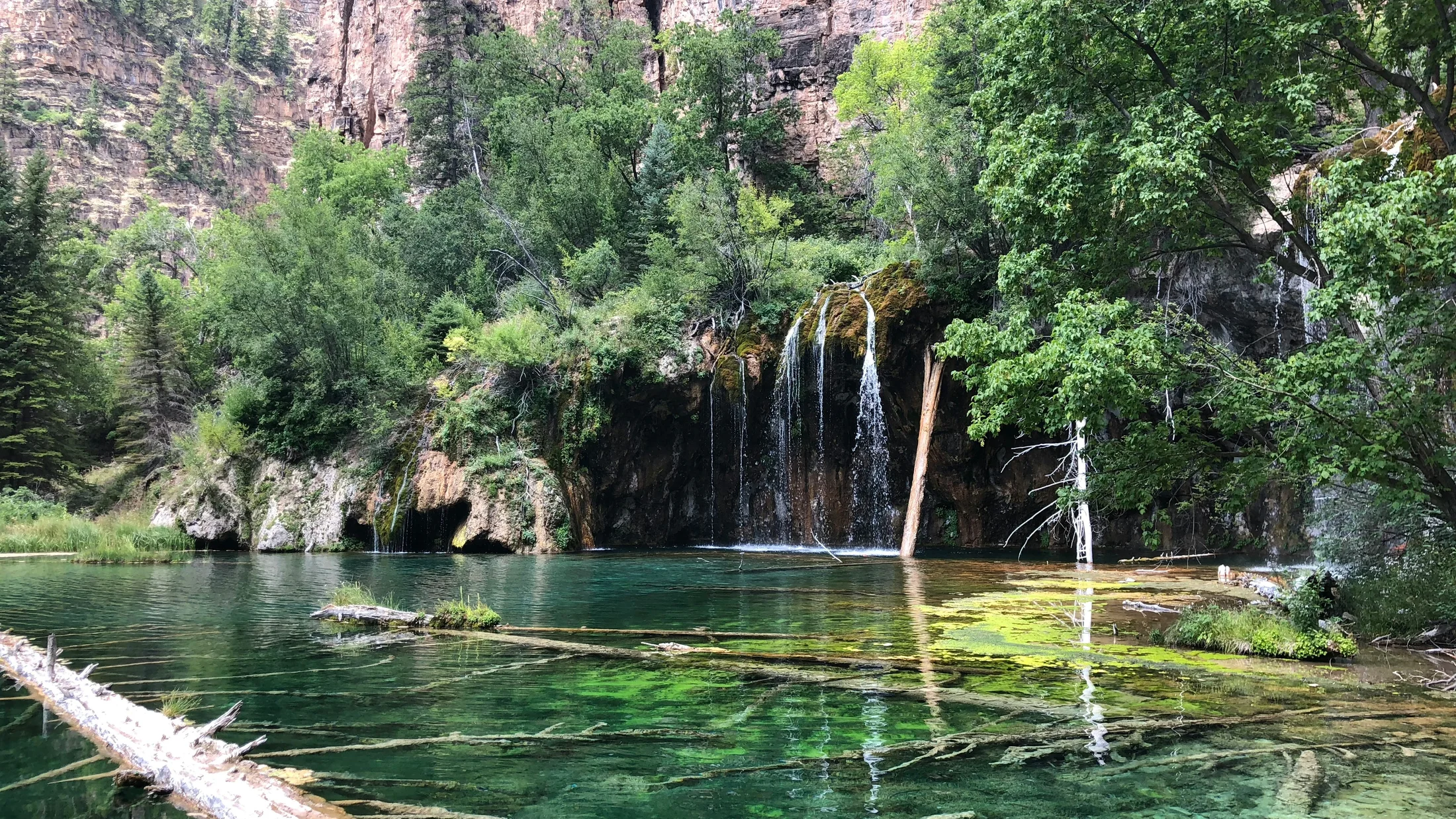
Why These Waterfalls Are The Perfect Escape From Madrid
Madrid runs fast, but water slows time to a quiet, steady beat. If you crave a day out where you can swap asphalt for spray and pines, these waterfalls near Madrid offer exactly that: easy access by car or public transport, variety of landscapes, short trails you can do before lunch, and sometimes a bracing dip. Under two hours from the capital, you can choose between alpine cascades, shaded ravines, and granite pools, often combining a simple hike with a picnic or a sunset viewpoint. A fine mist on your face at a lookout is a gentle reminder to breathe.
This guide brings you eight standout Madrid waterfalls and nearby provinces that you can reach in less than two hours, with practical details to plan safely: how to get there, when to go for the best flow, what to expect on the trail, and where an afternoon swim is feasible. You will also find advice on parking, seasonality, family‑friendly options, and how to respect protected areas. The crunch of pine needles underfoot feels like a soft carpet.
Day trips that actually fit your week
You can visit most cascades as a half‑day plan, then be back in Madrid for dinner, or turn them into a relaxed weekend with one or two hikes, a local meal, and a rural stay. These cascadas cerca de Madrid sit mainly in the Sierra de Guadarrama and Sierra del Rincón, plus nearby Segovia, Ávila, and Guadalajara—close enough to be spontaneous, diverse enough to feel far away. Think of them as stress valves: short drives, clear paths, and the choice to stay by a pool or continue up to a viewpoint. The cool splash of a stream across your wrist sharpens the senses.
For city dwellers choosing quick nature, waterfalls near Madrid work because they balance payoff and effort: 30–120 minutes of hiking brings you spray, shade, and a clear target for kids or groups. In warmer months, some pools allow careful bathing; in spring and autumn the flow and colors are at their best. Layer lightly, pack water, and use marked trails: your future self will thank you.
What you will find here
Use this guide as a compact plan‑builder. Inside you will get:
- Essential info: locations, best seasons, parking rules, and safety basics
- How to arrive: roads, public transport hints, and GPX/map tips
- Where to stay: rural houses, paradores, and campgrounds near natural swimming spots near Madrid
- The 8 featured waterfalls: key facts, difficulty, and local advice
- Activities: bathing where allowed, hiking near Madrid, wildlife, and photography
- Routes by duration: family‑friendly short walks, half‑day loops, and demanding hikes
- FAQs: permits, parking, equipment, and public transport
The aim is simple: help you plan, go, and, if it suits you, book your stay smoothly. The scent of damp moss lingers after the first cascade.
Picuco te puede ayudar
Does something here catch your eye?
Tell us.
Write to us on WhatsApp or email: we answer questions, find the best options and help you sort out the booking.
Essential Info and How to Get There
Madrid’s nearby waterfalls cluster along the northern ranges and adjacent provinces. Go prepared with a route plan, a sense of seasonality, and respect for protected rules. A cool downdraft in a shaded gorge brings instant relief.
Location and a simple map logic
- Main areas:
- Sierra de Guadarrama (Rascafría, Canencia, Cercedilla, San Agustín del Guadalix)
- Sierra del Rincón and Somosierra (Montejo de la Sierra, San Mamés, Somosierra)
- Nearby provinces under two hours: Segovia (Navafría), Guadalajara (Roblelacasa, Valverde de los Arroyos), Ávila (El Tiemblo/Santa María del Tiétar)
- Distances from central Madrid (approximate, by car in normal traffic):
- Rascafría: 90–95 km, 1 h 30–1 h 45 via
A-1+M-604 - San Agustín del Guadalix: 35–45 min via
A-1 - Navafría (Segovia): 1 h 30–1 h 45 via
A-1+SG-612 - Montejo/Somosierra: 1 h 15–1 h 30 via
A-1 - Roblelacasa (Guadalajara): 1 h 45–2 h via
A-1+ local roads - Puerto de Canencia: 1 h 20–1 h 40 via
M-607/M-629
- Rascafría: 90–95 km, 1 h 30–1 h 45 via
For cascadas Madrid you can follow waymarked footpaths or trustworthy GPX tracks. Read terrain lines on maps: narrow V‑shaped gullies signal ravines; blue dashes indicate streams that may dry in late summer. If you use GPX on your phone, download offline tiles and carry a paper backup. The sparkle of water glimpsed through trunks can keep feet moving.
Best season and water flow
- Spring (March–May): Snowmelt boosts flow in Guadarrama and Somosierra; trails can be muddy, and water temperatures are low. This is peak time for dramatic plumes.
- Early summer (June): Good compromise—still decent flow, longer days, safer footing. Pools warm slightly but remain cold.
- Late summer (July–August): Some falls reduce to trickles, and bathing pressure increases; arrive early and pick shaded routes.
- Autumn (October–November): Rains revive streams; leaf color in beech and oak valleys is superb.
- Winter (December–February): Ice and snow may block sections; microspikes and caution required on shaded slabs.
Aim to visit after rainfall or during melt, but avoid storms and swollen streams; fast water and slippery rock raise risk. A faint roar upstream is your early cue to slow down.
Hours, permits, and simple rules
- Parking and access control:
- Rascafría (Cascada del Purgatorio): Summer/peak weekends may have controlled parking near Las Presillas/El Paular; arrive before 10:00.
- Navafría (El Chorro area): Seasonal opening with paid parking/entry to the recreation area; hours vary.
- San Agustín del Guadalix (Hervidero): Limited street parking; respect no‑parking signs and private tracks.
- Protected status and closures:
- Sierra de Guadarrama National Park enforces stay‑on‑trail rules; temporary closures may occur for conservation or fire risk.
- Sierra del Rincón is a UNESCO Biosphere Reserve (since 2005); fragile habitats require low impact.
- How to verify:
- Check Ayuntamiento pages, Comunidad de Madrid environment notices, provincial tourism sites (Segovia, Guadalajara, Ávila), and the National Park.
- Call local visitor centers for current parking and trail advisories.
If a gate is closed, do not bypass it; fines and environmental harm are real. A quiet forest holds more if we tread lightly.
Where to Stay and Practical Tips for Your Trip
Turning a single cascade into a weekend lets you slow down, sample village cooking, and sleep near trailheads. The glow of a woodstove after a cool hike soothes tired legs.
Staying overnight: rural houses, paradores, and campgrounds
Each style fits a different traveler and season. Base yourself in villages closest to your chosen falls—Rascafría, Lozoya, San Agustín del Guadalix, Navafría, Montejo de la Sierra, Roblelacasa, or El Berrueco—so you can start early and avoid parking stress. If you want piscin as naturales near Madrid, look for stays near rivers with regulated bathing zones (e.g., Lozoya Valley or El Chorro in Navafría, when open).
| Lodging type | Ideal for | Typical locations | Pros | Considerations |
|---|---|---|---|---|
| Rural houses (casas rurales) | Couples, families | Rascafría, Lozoya, Montejo, Roblelacasa | Kitchen, privacy, local hosts | Book early for spring/autumn; ask about heating |
| Paradores/inns | Couples, short stays | Segovia area, Sierra foothills | On‑site dining, comfort | Higher price; check parking rules in season |
| Campgrounds/bungalows | Families, groups | Lozoya Valley, near reservoirs | Budget, nature vibe, pools/play areas | Seasonal opening; quiet hours and fire rules |
- How to book:
- High season (May–June, Oct–Nov foliage, long weekends): reserve 2–4 weeks ahead.
- Check cancellation policies and whether parking is included.
- If you plan to swim, confirm whether bathing is permitted nearby and in what months.
A mug of hot tea on a terrace with a view of pines tastes better at sunrise.
Overnight logistics you will be glad you knew
- Arrival/Departure: Get to the village the evening before; start the hike at dawn to secure parking and cooler temperatures.
- Parking: Use signed municipal lots; avoid verges or private tracks. Never leave valuables in sight.
- Multi‑day plan: Pick a central base (e.g., Lozoya/Montejo for Litueros, San Mamés, and Purgatorio) and link two short hikes or one half‑day loop plus a village walk.
- Food and water: Carry at least 1.5–2 L per person in warm months; small shops may close midday. A slice of local cheese at a picnic spot rewards the climb.
Gear and planning for a night out
- Essentials: grippy hiking shoes, layered clothing, rain shell, hat, sunscreen, 1.5–2 L water, snacks, and a small first‑aid kit.
- For campers: headlamp, warm sleep layers, packable towel, and trash bags to pack out all waste.
- Navigation: offline maps, charged phone, and a basic compass.
- Leave No Trace: stay on marked paths, keep noise low, never light fires, and respect seasonal acampada rules (wild camping is often restricted). The rustle of leaves is company enough.
The 8 Waterfalls Within Two Hours of Madrid (why Choose Each One)
These eight options balance scenery, access, and variety, from family‑friendly walkways to bigger hikes with panoramic views. The distant hiss of water draws you along the last bend.
1.Cascada del Purgatorio: the Rascafría classic
- Where: Rascafría, Sierra de Guadarrama, along the Arroyo del Aguilón near the Monasterio de El Paular.
- Why go: Signature Guadarrama scenery—granite gorge, shaded pines, and a double‑tiered waterfall—plus the chance to add Las Presillas pools or El Paular for a full day.
- Route and time: 9–12 km out‑and‑back depending on start (El Paular or Puente del Perdón), 2.5–4 hours, moderate. Final meters require care on wet rock.
- When: Spring melt to early summer for best flow; autumn for color. Winter can bring ice.
- Access tips: Summer weekends may bring parking controls near Las Presillas; arrive early. Stick to the main marked path on the left bank of the stream; side paths erode quickly.
- Safety: Slabs near the lower fall get slick; keep kids back from the edge and avoid scrambling in high water.
The thunder of the upper fall echoes softly through the gorge like distant surf.
2.Chorrera de los Litueros: wild corner near Montejo
- Where: Between Somosierra Pass and Montejo de la Sierra (Sierra del Rincón), at the headwaters of the Duratón.
- Why go: One of the highest natural cascades in the Community of Madrid area, with a raw, open setting and sweeping ridges.
- Route and time: Short hike from near
N-1old road or Somosierra area; 2–4 km round trip, 45–90 minutes, moderate for slope and uneven terrain. - When: Late spring after snowmelt and after autumn rains. Summer reduces flow but the setting remains photogenic.
- Access tips: Park only in signed areas; verges along the old road are patrolled. Avoid wet meadows and respect gates.
- Safety: Slippery slabs and steep approaches around the chorrera; keep distance in high flow and do not climb the wet rock.
Spray drifts across broom and heather, speckling boots with cool dots.
3.Cascada del Hervidero: pools and a great viewpoint
- Where: San Agustín del Guadalix, at the confluence of the Guadalix River with the Sacedón stream.
- Why go: Easy access close to the city, sculpted granite pools, and a multi‑tiered cascade that photographs well from above.
- Route and time: 4–5 km round trip from San Agustín outskirts, 1.5–2 hours, easy‑moderate with short rocky steps.
- When: Spring to early summer; autumn after rains. Summer weekends are busy—go early or late.
- Access tips: Park in legal municipal areas; do not block farm tracks. Follow the river path; a side spur reaches the upper viewpoint.
- Bathing: Some pools are used for quick dips; depth varies and rocks are slick. Respect any signs restricting bathing.
Sunlight flashes on the river like scattered coins under the falls.
4.Chorreras de Navafría: accessible, family‑friendly falls
- Where: Navafría (Segovia province), in the El Chorro recreation area.
- Why go: Short, well‑kept path to a fine cascade with railings and picnic areas; great for families and first‑timers.
- Route and time: 10–30 minutes from the recreation area to viewpoints; extend on forest tracks for an hour’s loop.
- When: Open season varies; spring and early summer offer best flow, autumn brings golden pines.
- Access tips: Seasonal entry/parking fee; check hours. Arrive early on hot weekends.
- Safety: Do not climb barriers or cross wet timbers; keep children within hand’s reach near edges.
The steady rush of water mixes with laughter from the picnic meadow.
5.Cascada near El Berrueco: viewpoints and seasonal pools
- Where: El Berrueco, above the El Atazar Reservoir, in granite gullies fed by local arroyos.
- Why go: An easy ramble with big reservoir views and small, seasonal cascades after rains; good for landscape photography at sunrise or sunset.
- Route and time: 3–6 km on farm tracks and paths from the village, 1–2 hours, easy. Use official trails to reach miradores over the water.
- When: Best after spring rains or autumn storms; summer flow is often low.
- Access tips: Park in municipal lots in El Berrueco and start on signed local PR paths; ask the tourist office for current waymarked options and conditions.
- Note: These are modest seasonal falls rather than a single large cascade; treat them as a scenic bonus to the views.
A breeze off the reservoir carries the scent of sun‑warmed rock.
6.Cascadas del Aljibe: wild pools for careful bathing
- Where: Roblelacasa (Campillo de Ranas, Guadalajara), in the Sierra Norte’s “Black Villages.”
- Why go: Two stacked waterfalls with dark, photogenic pools in a schist gorge; a classic for careful summer dips.
- Route and time: 8–12 km round trip from Roblelacasa, 2.5–4 hours, moderate for rocky footing and short steeps.
- When: Spring to early summer for strong flow; summer for warmer water (still cold); autumn for color.
- Access tips: Limited parking in the village; be respectful and quiet through the hamlet. Follow the signed path down the ravine.
- Bathing: No diving—depth changes and submerged rock; enter slowly, and avoid peak flow days.
Cold, tea‑colored water swirls like glass in the shaded pool.
7.Chorrera de San Mamés: panoramic serrano hike
- Where: San Mamés (Navarredonda y San Mamés), on the north side of the Lozoya Valley.
- Why go: A fine, fan‑shaped cascade backed by big views over the valley and carpeted broom hillsides.
- Route and time: 7–9 km round trip, 350–450 m total ascent, 2.5–3.5 hours, moderate.
- When: Spring melt is best; autumn after rains is good. Summer can be dry on the upper slab.
- Access tips: Park at the signed lot above the village; follow waymarks through pastures and up the ravine, respecting livestock.
- Safety: Wind can be strong; keep distance from wet edges and avoid icy days without proper traction.
Larks trill above while water sheets quietly over the rock fan.
8.Cascada de Mojonavalle: quiet shade in Canencia
- Where: Puerto de Canencia area, between Miraflores and Canencia, in a cool mixed forest.
- Why go: A calmer alternative with beech, birch, and pine, plus a pretty waterfall and stream crossings on a short loop.
- Route and time: 4–6 km loop from forest tracks near the pass, 1.5–2 hours, easy‑moderate; child‑friendly with supervision.
- When: Spring and autumn shine; winter may bring ice.
- Access tips: Park in designated lay‑bys near the pass; follow signed trails; avoid blocking forestry access.
- Extras: Combine with the nearby Mirador de los Poetas or the Abedular de Canencia.
Damp leaf litter releases a sweet, earthy smell beside the cascade.
Activities Around the Falls: Swimming, Hiking, Wildlife, and Photography
Waterfalls concentrate many simple pleasures: the reward of a short climb, a picnic in shade, a quick plunge, or the satisfaction of a clean composition in your camera. One cool gust off the spray is a tiny reset for the body.
- Bathing where allowed:
- Choose pools with easy entry and calm water; never dive.
- Early or late hours avoid crowds and sunburn; a light towel and river shoes help on slick rock.
- Respect prohibitions in protected zones (e.g., signed no‑swim areas in parks or water catchments); fines aside, these protect fragile banks and water quality.
- Hiking near Madrid:
- Join cascades with short ridge spurs or miradores for a half‑day: Purgatorio + Las Presillas; San Mamés + Lozoya viewpoint; Mojonavalle + Mirador de los Poetas.
- Use conservative time estimates, especially with kids; snack and shade breaks prevent meltdowns.
- Wildlife and botany:
- Look for white‑throated dippers on boulders, black redstarts near cliffs, and griffon vultures on thermals above Somosierra.
- Forest floors host ferns and mosses; in autumn, fungi appear—admire, don’t harvest in protected zones.
- Photography:
- Pack a small tripod and a circular polarizer to cut glare and saturate greens.
- For silky water without heavy gear, shoot at dawn/dusk and use
1/4–1/2 swith image stabilization; brace against a tree if needed. - Compose with foreground rock or a leaning trunk; step back rather than stepping onto wet slabs.
Finally, make space for a village stop: a cold drink on a plaza, a loaf from a local bakery, a chat with a shopkeeper—these places stay alive through shared rhythms. The clink of glasses on a small terrace sounds like a friendly bell.
Routes, Durations, and Difficulty: Pick the Right Plan
Match your group’s energy to the right outing and everything flows better. The first crunch on a shaded path often sets the day’s pace.
Short and family‑friendly walks
- Profile:
- 30–90 minutes total, <150 m ascent, wide paths or boardwalks where available.
- Suited to young kids and mixed‑ability groups; some stroller‑friendly sections near recreation areas.
- Good fits:
- Chorreras de Navafría: 10–30 minutes to viewpoints; picnic zones nearby.
- Cascada del Hervidero: 1.5–2 hours total with rests; turn around at first viewpoint if needed.
- Mojonavalle short loop: 4 km with stream stops for leaf and bark “nature bingo.”
- Practical tips:
- Park in official lots; arrive before 10:00 weekends.
- Keep kids off wet edges; hold hands on steps.
- Bring snacks, sun hats, and a change of socks—stream play is magnetic.
A small hand in yours steadies on a damp wooden rail.
Medium routes and half‑day outings
- Profile:
- 2–4 hours, 200–500 m ascent, mix of tracks and singletrack; solid shoes required.
- Good fits:
- Cascada del Purgatorio from El Paular: 2.5–4 hours out‑and‑back.
- Chorrera de San Mamés: 2.5–3.5 hours with a viewpoint stop.
- Cascadas del Aljibe: 3–4 hours with pool time.
- Combos in one day:
- Morning at Hervidero, picnic, afternoon viewpoint above the Guadalix valley.
- Short Mojonavalle loop + nearby beech grove stroll.
- Pacing tips:
- Use 20–30 minute segments with 5–10 minute rests.
- Eat small salty snacks to keep legs fresh; refill water only where safe.
Pine resin’s faint sweetness drifts in warm air between strides.
Long routes for experienced hikers
- Profile:
- 4–7 hours, 600–900 m ascent, rocky sections, possible snow/ice in shoulder seasons.
- Examples:
- Extended Purgatorio loop linking upper viewpoints.
- Roblelacasa Aljibe variant via ridge detour.
- What to carry:
- Grippy boots, poles, extra layers, headlamp, 2–3 L water, and downloaded maps or a
GPStrack.
- Grippy boots, poles, extra layers, headlamp, 2–3 L water, and downloaded maps or a
- Planning:
- Share your plan with someone, start early, and check weather and fire risk the day before; consider personal accident insurance for mountain outings.
The dry click of poles on granite is a steady metronome up the slope.
Faqs and Conclusion: Plan Smart, Travel Kindly
Can I swim in these waterfalls and Natural pools?
Sometimes, yes—always check local rules, flow, and conditions first. Pools at places like Cascadas del Aljibe and sections of the Guadalix are commonly used for brief dips, but protected areas and water catchments may prohibit bathing. Read signs at trailheads and recreation areas; regulations change by season and flow. Enter slowly, test footing, and avoid diving—depths vary and rocks lurk. Cold‑shock is real even in summer; keep swims short, warm up after, and never wade near powerful falls or in spate. If an area is crowded or banks are fragile, skip the swim. A quick rinse of hands and face can be enough on a cool day.
Do I need a permit or must I pay to access these areas?
In several spots you may encounter controlled parking, seasonal entry, or quotas. Examples include summer parking management in Rascafría (near Las Presillas/El Paular) and a seasonal fee at the El Chorro recreation area in Navafría. Beyond that, general access is free on public trails, but local by‑laws and protected area rules apply. Verify via municipal websites, provincial tourism offices (Segovia, Guadalajara, Ávila), and the Sierra de Guadarrama National Park channels. If a lot is signed as full or a gate is closed, do not enter; fines are possible and closures protect habitats and wildfire safety. Carry small cash or a card for parking meters and bring ID when areas require registration.
Where can I park, and is there public transport nearby?
- Parking:
- Use official village lots and recreation areas; arrive early on weekends and holidays.
- Never park on meadows, track verges, or private drives; tow‑aways and fines happen.
- Public transport:
- Some trailheads connect to buses from Madrid (e.g., lines to Rascafría or Miraflores/Canencia), but schedules are limited; check the Consorcio Regional de Transportes de Madrid.
- A car‑free plan can combine bus + a 20–40 minute approach walk; build in time buffers.
- Smart timing:
- Start hikes before 9:00 in warm months and target sunset light for photos when lots empty out. If lots are full, choose a different trail that day.
The quiet of an almost‑empty car park at dawn is its own reward.
What gear and precautions should I take for the visit?
- Footwear: grippy hiking shoes or boots; avoid smooth soles on wet rock.
- Clothing: layers, light rain shell, hat, and a warm item even in summer at altitude.
- Essentials: 1.5–2 L water per person, salty snacks, sunscreen, small first‑aid kit, headlamp.
- Navigation: offline maps and a charged phone; a simple compass is a good backup.
- Conduct: stay on signed trails, keep noise low, pack out all trash, never light fires, and keep dogs leashed near livestock.
- Extra ideas: a small towel, trekking poles for steeper ravines, and microspikes in winter.
Before you go, check the latest conditions, confirm parking, and consider reserving a stay close to your chosen trailhead to start early. The last thing you hear before sleep in the hills is often a faint stream.
Book your experience — explore active nature experiences in Spain with providers verified by Picuco.
Conclusion
Waterfalls near Madrid blend quick access with real immersion: cool air, green shade, and the simple reward of reaching moving water. Choose the fall that fits your group, time your visit for flow and calm, and treat each path as a shared place worth caring for. Check conditions, secure your parking or lodging in advance if needed, and pass this guide to a friend who needs fresh air soon. The memory you bring back—a sparkle of spray in sunlight—lasts longer than the drive.