Why Thermal Waters Belong on Your Catalonia Escape
Warm water, stone, and time slow the world to a gentle hush. Catalonia’s thermal tradition runs deep, from Roman bathhouses to mountain springs that still steam on cold mornings. If you seek balance, thermal waters Catalonia deliver a rare mix of wellness, landscape, and living history that you can feel in your bones. Picture your shoulders sinking into mineral-rich water while wind combs a line of poplars along a river bend.
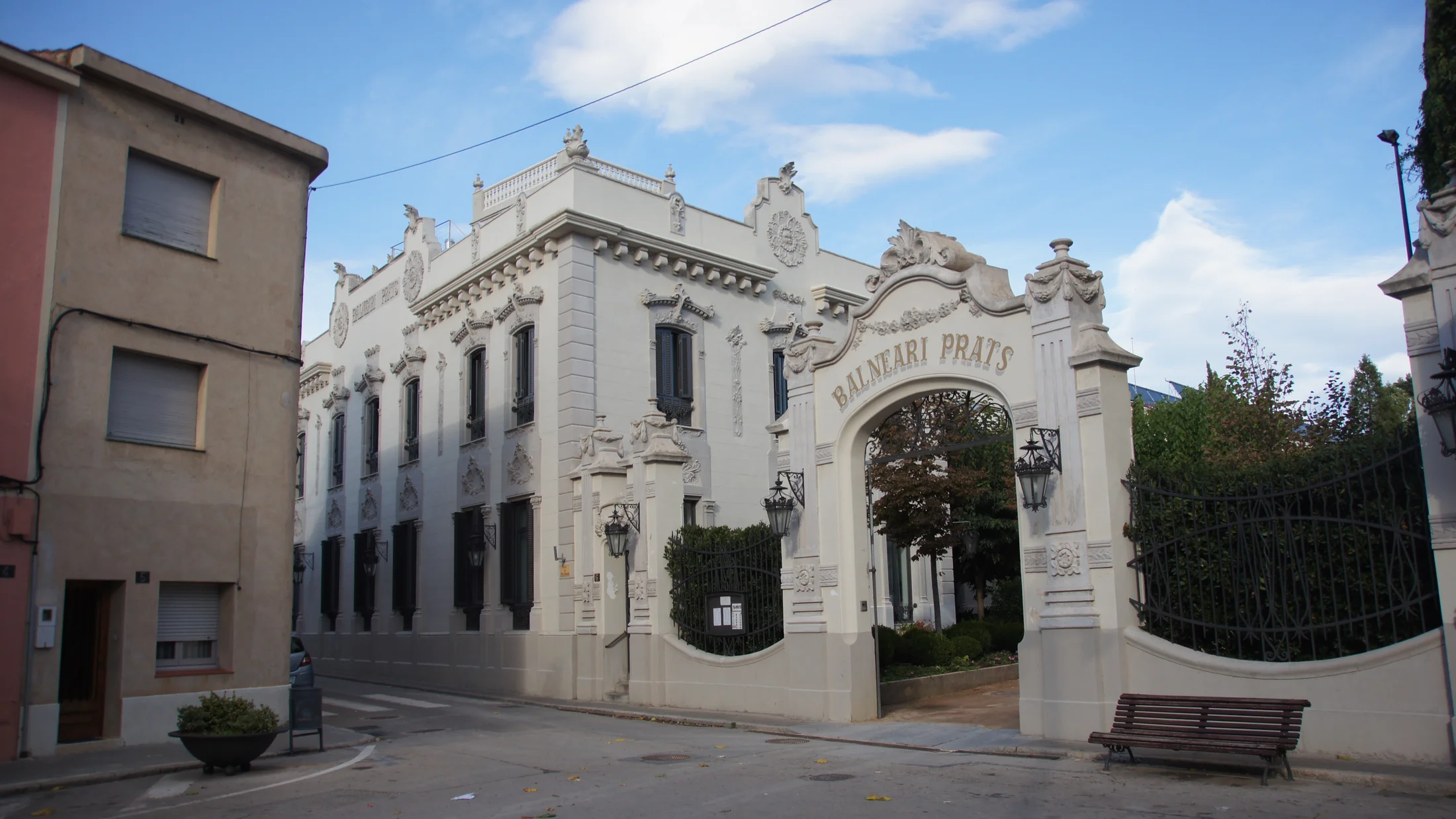
Beyond comfort, there is science and story. Springs bubble up along fault lines and ancient fractures, carrying dissolved minerals that locals have valued for centuries. Balnearios—spa resorts that channel spring water—offer structured circuits and treatments, while a handful of natural hot spring pools sit in gorges and riverbanks shaped by time. You can go rustic with open-air soaks or choose curated thermal baths Catalonia with saunas and quiet rooms, each route giving you a different pace.
In this guide, you’ll find eight proven places—some wild, some refined—plus when to go, how to get there without stress, and where to stay. As you read, imagine the water’s warmth rising like mist over cool stone.
A land warmed from within
Catalonia’s geology gifts travelers a scatter of springs where groundwater, heated at depth, rises through fractures and collects in basins or is piped into historic bathhouses. You don’t need a geology degree to enjoy this; just know springs differ by mineral content and temperature, which shapes the feel of your bath. On crisp mornings, steam hangs over river eddies like a veil.
Examples ground it: Caldes de Montbui’s fountain runs near 74°C at the surface, while La Fontcalda hot springs in Terra Alta linger around 28°C in the river gorge of the Canaletes. In Girona’s La Selva, Caldes de Malavella bottles its history in mineromedicinal waters used at the Vichy Catalan complex. This tradition sustained local communities, from cooperatives that maintained fonts to family-run balnearios. If you hear “sulphurous,” it simply means the water carries a gentle smell of minerals, not a warning.
What you will learn here
You’ll walk away ready to plan, with:
- How to choose between natural hot springs Catalonia and spa circuits
- When to go for outdoor hot spring pools versus indoor thermal circuits
- Short, doable itineraries for 1–3 days
- Transport options by car and public transport, including short walks from stations
- Ways to soak responsibly, support local providers, and leave no trace
Bring a small towel and open mind; the rest is choosing your rhythm.
Picuco te puede ayudar
Does something here catch your eye?
Tell us.
Write to us on WhatsApp or email: we answer questions, find the best options and help you sort out the booking.
Essential Info: Where, When, How, and Where to Stay
Quiet mornings, warm water, and a clear plan make the perfect trio. Most thermal areas sit within two hours of Barcelona or Girona, which turns even a day trip into a restorative pause. Close your eyes and hear the muted tap of droplets on pool edges.
Key regions and how far they are
Thermal hubs cluster along three broad axes: the Tarragona interior (Terra Alta, Baix Camp, Conca de Barberà), the Girona plain (La Selva), and the Barcelona hinterland (Vallès Oriental). Distance shapes your decisions: shorter drives mean longer soaks.
- Barcelona to:
- Caldes de Montbui (Vallès Oriental): ~35 km, 45–60 min by car;
R3train + bus options. - La Garriga (Vallès Oriental): ~40 km;
R3Rodalies direct. - Montbrió del Camp (Baix Camp): ~120 km; 1 h 20 min via AP-7/A-7.
- Coma-ruga (Baix Penedès): ~70 km; 55–75 min via C-32/AP-7.
- Caldes de Montbui (Vallès Oriental): ~35 km, 45–60 min by car;
- Girona to:
- Caldes de Malavella (La Selva): ~20 km; 20–30 min by
R11or regional trains.
- Caldes de Malavella (La Selva): ~20 km; 20–30 min by
- Lleida to:
- Vallfogona de Riucorb (Conca de Barberà): ~90 km; 1 h 20–40 min via C-14/C-241d.
- Terra Alta (La Fontcalda near Gandesa/Horta de Sant Joan): Barcelona ~200 km; ~2 h 30 min by AP-7/N-420.
If you want pozas—open-air pools—look south and inland; for spa circuits, the Barcelona and Girona belts give the highest density close to rail.
Best time to go and what changes with the seasons
Water soothes year-round, but the air matters. In winter, steam curls above outdoor pools while frost glitters on reeds; in summer, river gorges invite shaded swims.
- Outdoor soaks (La Fontcalda, Coma-ruga):
- Best: late spring to early autumn (May–October) when air is warm and flows are stable.
- Watch for: early-spring chill, post-storm turbidity, and summer crowds on weekends.
- Indoor circuits (Caldes de Malavella, La Garriga, Montbrió, Vallfogona):
- Best: autumn to early spring (October–April) for cozy contrasts.
- Watch for: holiday surges; some facilities run maintenance closures in low season—always check dates.
Shoulder months (April/May, September/October) often deliver the sweet spot: mild air, lower crowds, and longer golden hours for quiet photos.
Getting there: car, public transport, and short walks
Follow simple lines on a map and the rest unfolds. Car travel gives you reach: AP-7/A-7 for Montbrió and La Selva; C-33/C-59 for Caldes de Montbui; C-17 for La Garriga; AP-7/C-32 for Coma-ruga. Most spa towns signpost parking in the center; natural sites have small lots at trailheads, so arrive early on weekends. Gravel crunching under tires is your cue to slow down.
Public transport works surprisingly well:
R3Rodalies stops at La Garriga; walk 10–15 minutes to spa streets.R11and regional trains stop at Caldes de Malavella; local taxis cover the last 2–4 km.R2Sud + bus reach Caldes de Montbui; verify timetables with Rodalies de Catalunya and local bus consortia.- For La Fontcalda, the
Via Verda de la Terra Altagreenway (ZP-1) lets cyclists and walkers access the enclave from Horta de Sant Joan or Bot; from the sanctuary car park, it’s a short descent to the gorge.
Practical tools: download offline maps, save GPS pins for trailheads, and check real-time info on Meteocat (weather), the Servei Català de Trànsit (roads), and Rodalies (trains).
Where to stay: spa hotels, country houses, and campsites
Sleep where you soak to stretch the mood. Balneario hotels include on-site circuits and robes-at-breakfast ease; rural hotels and casas rurales give you quiet nights near trails; campsites suit summer gorges and families. The soft whisper of a bathrobe brushing a corridor sets the tone.
- Choose by experience:
- Maximum relax: stay inside a spa hotel; book a late check-out and a morning circuit.
- Budget-friendly: rural B&Bs or apartments in spa towns; buy day passes to circuits.
- Adventure-first: campsites or casas rurales near river valleys; plan dawn or dusk soaks.
- Booking tips:
- Reserve spa slots with your room—weekends and holidays fill early.
- Compare weekday vs weekend prices; midweek is calmer and cheaper.
- Ask about family hours, quiet zones, and medical screenings for treatments.
If flexibility is your ally, hold one night and adjust based on weather and how you feel after the first soak.
What You’ll Experience: From Wild Pools to Classic Balnearios
Each type of bath sets a different pace for your escape. Some days belong to rock, sky, and river; others to vaulted halls and the hush of a thermal lounge. Imagine warm bubbles ticking against your skin like distant rain.
Natural pools and open-air bathing
Outdoor hot spring pools invite unhurried time in nature. Access can include short scrambles on rock or riverbank paths, and water temperatures fluctuate with season and flow. Expect river-polished stone, variable depth, and occasional algae slicks that require careful footing. Sun warms your shoulders as the river mumbles past.
Etiquette matters:
- Keep voices and music low; these are shared spaces.
- Wear swim shoes for grip and to protect your feet.
- Rotate time in popular pools so others can enjoy.
- Never use soap or shampoo—the river is a living system.
Safety and comfort:
- Test temperature with your hand first; hot pockets and cool currents mix.
- Sit rather than stand in mossy sections to avoid slips.
- In spring, snowmelt can cool rivers and quicken currents—enter slowly, stay near edges.
For families, pick gentle pools with easy exits; for solitude, aim for shoulder hours (early morning, late afternoon).
Balnearios and thermal centers (circuits and treatments)
Balnearios in Catalonia blend historic architecture with contemporary wellness. A typical circuit includes warm pools at 34–38°C, contrast showers, saunas, steam rooms, and relaxation areas, often in 90–120 minute slots. Therapists offer massages and targeted treatments that use mineral-rich water or muds; “hydrotherapy” simply means using water pressure and temperature to relax muscles. The low thrum of water jets and soft lantern light invite you to slow your breathing.
What to consider:
- Day circuits commonly range from 25–60 € per adult; packages with massages cost more—always confirm on the venue’s website.
- Pre-booking is essential on weekends and school holidays.
- Ask about medical screenings for conditions like hypertension or pregnancy; facilities usually advise shorter times and lower temperatures.
When to add treatments:
- Book a massage after your circuit, not before—warm muscles respond better.
- Choose targeted options (neck/shoulders, legs) if you’ll hike or cycle the same day.
- If you have sensitive skin, let staff know; mineral content can vary, and showers are provided.
Blended escapes: nature, wellness, and local food
Your soak can anchor a half-day or stretch across a long weekend. Hike a greenway, soak, then dine on a menú de temporada that honors local producers. Think of steam dissolving into the scent of rosemary-grilled lamb.
Simple combinations:
- Half-day: easy
GR-92coastal stage in Baix Penedès + Coma-ruga soak + seafood lunch. - Full-day: morning walk on the
Via Verda de la Terra Alta+ La Fontcalda soak + Terra Alta wine tasting and olive oil mill visit. - Weekend: Saturday indoor circuit at Caldes de Malavella + market stroll + Sunday countryside loop and long lunch.
Ask in town markets about cheeses, olive oils, and seasonal plates like calçots (winter-spring) or escudella (hearty Catalan stew) to complete the ritual.
Eight Thermal Spots in Catalonia Where You Can Truly Switch Off
Steam, stone, and stories come together at these eight places. You’ll find exact locations, ways in, and the best times to go. Sunlight pools on tiles and river rock with equal generosity.
1.La Fontcalda: river pools in Terra Alta (tarragona)
A gorge on the River Canaletes shelters La Fontcalda hot springs, where 28°C water from the Font dels Xorros swirls into river hollows. The sanctuary of La Fontcalda sits above the narrows, and the green-brown cliffs hold heat into dusk. Warm water rises like a faint mist when cool air slips through the ravine.
- Type: natural pools, open-air bathing
- Where: between Gandesa and Horta de Sant Joan, Terra Alta (Tarragona)
- Getting there:
- By car: from Gandesa, follow
TV-3531to the sanctuary car park; expect a short downhill walk to the gorge. - On foot/bike: the
Via Verda de la Terra Alta(ZP-1) crosses near the site; access from old stations at Prat de Comte or Bot.
- By car: from Gandesa, follow
- When to go: May–October for relaxed river conditions; early mornings on summer weekends for quieter pools.
- On-site notes:
- Surfaces can be polished and slippery—wear swim shoes.
- Depth varies with flow; keep children close near narrows.
- No soaps or shampoos; carry all waste out.
- Community and care: This is a beloved local spot—keep noise down near the sanctuary and thank the Terra Alta towns by buying lunch in Bot, Gandesa, or Horta de Sant Joan.
In high flow after storms, currents quicken; if in doubt, sit in shallower eddies or skip the soak and return another day.
2.Termes Montbrió: thermal circuit in Montbrió del Camp (tarragona)
Near the citrus groves of Baix Camp, Termes Montbrió spa channels spring water into a landscaped circuit of indoor-outdoor pools, jets, and quiet rooms. Expect 34–38°C pools, hydromassage seats, saunas, steam, and a relaxation area where time wrinkles softly. Lanterns glow on water like small suns.
- Type: balneario and full thermal circuit; hotel on site
- Where: Montbrió del Camp, Baix Camp (Tarragona), ~120 km SW of Barcelona
- Getting there:
- By car: AP-7/A-7 to exits for Cambrils/Montbrió; 1 h 20 min from Barcelona in normal traffic.
- By train/bus: trains to Reus or Cambrils, then taxi or local bus (check seasonal schedules).
- Why choose it:
- Comfort-first experience with on-site accommodation, making it ideal for couples or families wanting structure and ease.
- Wide menu of treatments—from classic massages to hydrotherapy—bookable in time slots.
- Practical info:
- Day circuits typically cost 30–60 € p.p. depending on duration and inclusions; confirm current rates.
- Book in advance for weekends/holidays; specify if you prefer quieter adult-only times.
- Families should ask about child policies and time windows.
If you want a single base for seaside walks, vineyard visits, and daily soaks, this is one of the best hot springs Catalonia can offer without logistical fuss.
3.Vichy Catalan (caldes de Malavella): an emblem in Girona
Caldes de Malavella’s springs have drawn visitors since Roman times; today the Vichy Catalan complex anchors that heritage with a 19th‑century building, bottling plant, and spa circuit. The water, rich in bicarbonates, underpins both wellness and a culinary culture that prizes mineral waters at the table. Sunlight winks off tiled domes like a quick smile.
- Type: balneario with day spa, hotel options in town
- Where: Caldes de Malavella, La Selva (Girona), ~20 km from Girona
- Getting there:
- By train:
R11or regional services to Caldes de Malavella; 10–25 minutes from Girona. - By car: AP-7 exits for Sils/Caldes; 25–35 min from Girona, ~1 h 15 from Barcelona.
- By train:
- What to expect:
- Thermal circuits with warm pools, sauna/steam, and contrast features.
- Short visits (2–3 hours) or full stays combining treatments and gastronomy.
- Nearby restaurants pair local produce with mineral waters—ask for seasonal menus.
- Practical tips:
- Day access often ranges 25–50 € p.p.; verify inclusions like robe/towel.
- Reserve ahead if you plan to tour the historic spaces or combine with a treatment.
- Consider a Girona city add‑on: morning in the Old Town walls, afternoon soak, evening train back.
It’s a strong choice for travelers who want a sense of place woven with wellness in a compact, rail‑friendly format.
4.Caldes de Montbui: historic baths near Barcelona
Caldes de Montbui holds one of the hottest springs in the Iberian Peninsula, with the iconic Font del Lleó gushing around 74°C in the town center. Roman and medieval remnants frame contemporary spa venues, creating a rare bridge between eras just 35 km from Barcelona. Steam lingers in the arcades like an old story retold.
- Type: spa town with multiple balnearios and a thermal heritage route
- Where: Vallès Oriental (Barcelona province), ~45–60 min from Barcelona
- Getting there:
- By car: C-33/C-59 via Mollet/Palau-solità i Plegamans.
- By public transport:
R2orR3trains to nearby towns plus bus; check weekday vs weekend frequencies.
- What to do:
- Book a half‑day circuit at one of the historic balnearios.
- Walk the thermal heritage route and visit the bath museum if open.
- Pair with a slow lunch in the old quarter or a nearby farm‑to‑table spot.
- Practical tips:
- Weekends draw Barcelonins; midweek is peaceful.
- Facilities often offer package deals—circuits plus lunch or massage—check seasonal offers.
- Handle the Font del Lleó water with care; it is scalding at source.
This is the smart pick for a one‑day escape from Barcelona when you want depth without long drives.
5.La Garriga: modernisme and spa streets in Vallès Oriental
La Garriga combines turn‑of‑the‑century modernista villas with a living spa tradition, all on the R3 rail line from Barcelona. Balnearios sit along Carrer dels Banys, and you can stroll from train to robe in minutes. Afternoon light washes pastel facades like water over stone.
- Type: urban‑rural spa town; multiple spa centers
- Where: Vallès Oriental (Barcelona province), ~35–45 min by
R3from Barcelona - Getting there:
- By train:
R3to La Garriga; 10–15 min walk to the spa area. - By car: C‑17 north; parking in town is straightforward.
- By train:
- Why go:
- Easy access without a car, ideal for a quick, low‑stress recharge.
- Architecture walk + thermal circuit = full day without rushing.
- Practical notes:
- Book spa slots in advance; ask about quiet hours.
- Combine with a short countryside walk on signed local trails or the
GR-5spurs. - Look for cafés and bakeries showcasing local products—your spend supports the community.
For couples who want culture wrapped around their soak, La Garriga hits the mark.
6.Balneari de Vallfogona de Riucorb: timeless calm in the interior
Tucked into rolling fields between Conca de Barberà and Urgell, Vallfogona de Riucorb’s balneario delivers an old‑world rhythm with up‑to‑date facilities. Expect thermal pools, jets, sauna/steam, and a slow cadence that fits reading, napping, and unhurried walks. The scent of cut hay sometimes drifts in when doors slide open.
- Type: traditional balneario with hotel; day access options
- Where: Vallfogona de Riucorb (Conca de Barberà), ~1 h 30–45 min from Barcelona, ~1 h 30 from Lleida
- Getting there:
- By car: C‑14 to Tàrrega then local roads; signage to the balneario is clear.
- By public transport: limited; train to Tàrrega/Cervera + taxi is the workable combo—confirm availability.
- Who it suits:
- Travelers wanting quiet interiors, extended stays, and an unhurried pace.
- Guests who enjoy short rural walks before or after circuits.
- Practical info:
- Reserve rooms and spa times ahead—capacity is controlled for serenity.
- Ask about seasonal packages (half‑board + circuits).
- For day visits, common windows are 90–150 minutes; confirm prices and inclusions.
Add a detour to medieval Montblanc or the Cistercian Route (GR-175) if you like cloisters with your calm.
7.Mountain thermal heritage in Berguedà and Ripollès: for hikers first
Berguedà and Ripollès are highland realms of forests, ridges, and cold rivers; while they brim with mineral springs and historic “font picant” sites, there are few official, safe open‑air hot spring pools for soaking. Here, hikes and heritage come first, with wellness anchored later in a spa. Pine scent sharpens in the cool air like a clean chord.
- What you’ll find:
- Heritage sulphur springs and fonts with interpretive signs—better for tasting than bathing.
- Excellent hiking on the
GR-4,GR-150(Cadí-Moixeró loop), andGR-11spurs toward Vall de Núria. - River pools suitable for summer swims—but not thermally warm.
- How to plan:
- Hike a morning loop (2–4 hours), then return to a spa town on your route (La Garriga or Caldes de Montbui to the south) for an afternoon circuit.
- Alternatively, base in Ripoll or Berga for mountain days; add a thermal day in Vallès on your way back to Barcelona.
- Responsible note:
- Avoid derelict historic bath sites (e.g., fenced “puda” structures)—they’re unsafe.
- Don’t alter riverbeds to create pools; stick to signed areas.
If you want mountains plus thermal culture within one trip, this combo keeps you safe and satisfied.
8.Coastal and city‑adjacent spas: beach and baths in one go
You can swim the Mediterranean in the morning and sink into warm water by afternoon in a handful of coastal or near‑coastal towns. The Baix Penedès and Maresme lines make this especially easy for short breaks. Sea breeze threads through open doors like a cool ribbon.
Recommended bases:
- Coma‑ruga (El Vendrell, Baix Penedès):
- Natural karst spring feeds the Riuet and Estany; waters are mineral‑rich and gently warm relative to sea temperature.
- Combine a beach morning (
GR-92seaside walking) with a calm soak; families love the shallow channels. - Trains from Barcelona (Rodalies to Sant Vicenç de Calders) are frequent; short walks from the station.
- Caldes d’Estrac (Maresme):
- A classic spa town a few minutes’ walk from the beach; spa centers offer circuits ideal after a coastal promenade.
- From Barcelona:
R1line to Caldes d’Estrac; cafés and sea views complete the day.
- Tarragona/Reus base + Montbrió:
- Sleep near the coast, day‑trip inland to Termes Montbrió spa; late afternoon seafood in Cambrils.
These locations shine for travelers with tight schedules who still want the double refresh of salt and spring.
Activities to Pair with Your Soak: Trails, Photos, Wellness, and Food
Thermal time settles the body; the surrounding landscape fills the day. Build an arc: move, soak, eat, and rest. After a morning walk, the first step into warm water feels like turning down the world’s volume.
-
Hiking ideas near each area:
- La Fontcalda (Terra Alta): ride or walk a section of the
Via Verda de la Terra Altabetween Horta de Sant Joan and Bot (easy, mostly flat; 1.5–3 hours one way), then soak and dine in a village bar. - Montbrió del Camp: short vineyard loops around Riudoms and Vinyols; or coastal paths near Cambrils and Salou (segments of
GR-92). - Caldes de Malavella: countryside lanes dotted with cork oaks; link village circuits with a spa slot and Girona Old Town later.
- Caldes de Montbui/La Garriga: gentle foothill routes on
GR-5connectors, or signposted local circuits through orchards and stream corridors (1–3 hours). - Vallfogona de Riucorb: farm‑track wanders between fields and oak copses; tack on a monastery visit on the
GR-175Cistercian Route. - Coastal zones (Coma‑ruga/Caldes d’Estrac): sunrise seaside walks and boardwalks, swims when the sea is calm, then a midday circuit.
- La Fontcalda (Terra Alta): ride or walk a section of the
-
Photography moments:
- Early light over steam at La Fontcalda’s river bends.
- Tilework and wrought iron in La Garriga and Caldes de Malavella.
- Golden hour in vineyards near Montbrió; silhouettes of olive trees.
- Blue‑and‑gold contrasts at coastal towns around sunset.
- Always ask permission before photographing people in pools; respect quiet zones.
-
Wellness extras:
- Bring a travel mat for gentle stretching before or after a soak; a 10‑minute sequence can extend the benefits.
- Breathing practices (box breathing, 4‑7‑8) in relaxation rooms amplify the wind‑down.
- Many towns host yoga or meditation classes; ask at tourism offices.
-
Local gastronomy to seek out:
- Terra Alta wines and arbequina olive oils; rustic coca breads.
- Seafood rice dishes along the Costa Daurada and Maresme.
- Calçots with romesco (winter‑spring), escudella on cold days, and farmhouse cheeses inland.
- In La Selva/Girona, look for seasonal menus that foreground local mushrooms in autumn.
Pace yourself: aim for one main activity beyond the soak, then let conversation, a view, and an unhurried meal do the rest.
One‑, Two‑, and Three‑day Itineraries You Can Actually Do
Short on time or ready for a long weekend? Pick the rhythm that fits your week. The right plan means less fiddling and more floating. Quiet steps in the morning lead to a longer, warmer exhale by afternoon.
1 day: a quick escape near big cities
- Barcelona option (no car):
- Morning train (
R3) to La Garriga; coffee and a 45‑minute modernista stroll. - Late‑morning spa circuit (90–120 min); light lunch nearby.
- Optional countryside loop (1–2 hours) on signed local paths; return by
R3.
- Morning train (
- Barcelona option (with car):
- Drive to Caldes de Montbui (45–60 min); short heritage walk.
- Midday thermal circuit; menú del día in the old quarter.
- Stop at a farm shop for olive oil or seasonal produce before heading back.
- Girona option:
- Train to Caldes de Malavella (
R11); walk to the spa area or short taxi ride. - Thermal circuit + café stop; optional Girona Old Town visit before or after by train.
- Train to Caldes de Malavella (
For outdoor hot spring pools, aim summer/early autumn: Coma‑ruga is ideal—R2/regional trains to Sant Vicenç de Calders, beach walk, soak, late lunch, home by dusk.
2 days: a relaxing weekend
- Base: Montbrió del Camp (hotel‑spa) or Caldes de Malavella (spa town)
- Day 1:
- Check in by midday; afternoon circuit (90–120 min).
- Sunset walk in vineyards or old town streets; dinner on local seasonal dishes.
- Day 2:
- Morning outing:
GR-92coastal section (if near Cambrils) or countryside loop in La Selva. - Post‑walk soak (60–90 min) focused on warm pools rather than hot saunas.
- Late lunch and unhurried return.
- Morning outing:
Alternative: Caldes de Montbui + La Garriga combo. Split nights or stay in one and train between them; both are rail‑friendly, minimizing transfers. Reserve spa slots with your accommodation to secure the times you want.
3 days: a blended mini‑break (nature + wellness)
- Days 1–2 (Terra Alta + Tarragona):
- Day 1: Drive to Terra Alta; ride/walk a section of the
Via Verda de la Terra Alta, soak at La Fontcalda (conditions permitting), dinner in Horta de Sant Joan or Bot. - Day 2: Morning visit to Gandesa or a Terra Alta winery/olive mill; drive to Montbrió del Camp; afternoon thermal circuit; seaside stroll near Cambrils at sunset.
- Day 1: Drive to Terra Alta; ride/walk a section of the
- Day 3 (Girona or Vallès):
- Option A (Girona): Drive/train to Caldes de Malavella; mid‑morning circuit, lunch, Girona Old Town walk, return.
- Option B (Vallès): Caldes de Montbui or La Garriga for a final soak; short foothill walk; slow lunch and drive/train back.
Weather variants: if a cool front rolls in, lean into indoor circuits and heritage visits; if heat ramps up, pivot to coastal walks and shaded soaks like Coma‑ruga.
Practical Tips and Sustainability: Safety, Rules, Respect, and Gear
Warm water invites you in; safety and care keep these places alive. A little prep avoids most mishaps. The soft slap of water on pool edges is best enjoyed with a clear head.
Safety and health in thermal bathing
Thermal comfort can mask risk. Hot water dilates blood vessels, which can lower blood pressure and cause light‑headedness if you stay too long.
- Common risks: slips on algae, surprise currents in river narrows, dehydration, and over‑heating.
- Who should take extra care:
- Children: stay in shallow areas; limit time and supervise closely.
- Pregnant travelers: avoid very hot pools and long sauna/steam exposure; ask your clinician.
- Cardio or skin conditions: consult a clinician; choose moderate temperatures and shorter sessions.
- Simple rules:
- Enter slowly; test water with your hand and foot.
- Limit soaks to 10–20 minutes at a time; cool off and hydrate.
- Skip alcohol before bathing; it compounds dehydration and dizziness.
- If you feel faint or your heart races, exit, sit, and hydrate.
In rivers after storms or snowmelt, currents can be deceptive—when in doubt, don’t enter.
Permits, regulations, and protected areas
Natural pools often sit in sensitive habitats or near heritage structures. Rules are local and can change.
- When permits or checks apply:
- In natural parks and reserves, parking and access may be restricted in peak season.
- Some heritage sites close access for safety or restoration—respect barriers.
- How to verify:
- Municipal websites and local tourism offices post current rules and closures.
- Park authorities (e.g., Parc Natural de els Ports, Cadí‑Moixeró) publish seasonal advisories.
- Road and weather updates: Servei Català de Trànsit and Meteocat.
- Coexistence:
- Keep noise down near sanctuaries and village centers.
- Use designated paths; avoid shortcutting or trampling riverbank vegetation.
If an area feels crowded, choose another spot or a different time; pressure relief protects both nature and your experience.
Respect for place: low‑impact soaking
You share these waters with wildlife and people downstream. Leave them cleaner than you found them.
- Do not use soap, shampoo, or oils in natural pools.
- Pack in/pack out everything, including organics like orange peels.
- No fires on riverbanks; use stoves only where permitted and far from dry vegetation.
- Stay on established paths; riverbanks are fragile.
- Keep dogs under control; follow posted rules—many spa facilities do not allow pets.
- Support the community:
- Park where signed, pay small fees without grumbling—they fund maintenance.
- Buy local: bread, cheese, olive oil, and café stops keep these towns thriving.
A pocket trash bag and a quiet voice are your two best tools.
Essential kit and prep
A small, smart kit keeps you comfortable and safe. The soft scrape of a towel on skin is easier when you’re warm and dry.
- Footwear: grippy water shoes for natural pools; sturdy trainers for access paths.
- Clothing: swimsuit, quick‑dry towel, light layers; a dry bag to stash wet items.
- Hydration and snacks: water bottle and simple food; avoid glass.
- Sun and cold protection: hat, sunscreen, and a warm layer for post‑soak chills.
- First aid: plasters, antiseptic wipes, basic meds; personal prescriptions.
- Navigation and comms: offline maps, charged phone, power bank; saved
GPSpins for parking and trailheads. - Extras: small mat for stretching, a book for relaxation areas, cash/ID for small fees.
Tell someone your plan if you’re heading to natural sites; it’s a simple habit that pays off if plans change.
Frequently Asked Questions About Catalonia’s Thermal Waters
Are all thermal baths in Catalonia naturally hot?
No. Some are natural hot springs feeding outdoor pools (e.g., La Fontcalda), while many spa circuits heat spring or mains water to therapeutic ranges (34–38°C). Towns like Caldes de Montbui and Caldes de Malavella have naturally hot sources that supply local balnearios.
Do I need to book in advance?
For spa resorts and day circuits, yes—especially on weekends and holidays. For natural pools, no booking exists, but parking is limited and access can be restricted in peak season; arrive early and check municipal advisories.
What temperatures should I expect?
Indoor thermal circuits usually run 34–38°C for warm pools, with cooler plunge options. Natural sites vary: La Fontcalda is around 28°C at the source but mixes with the river; Coma‑ruga’s spring is temperate relative to the sea.
How much do spa circuits cost?
Day access typically ranges from 25–60 € per adult depending on duration and inclusions, with treatments extra. Always confirm on the venue’s website or by phone, and look for weekday offers.
Can I take my dog?
Dogs are often prohibited inside spa facilities and may have restrictions at natural sites; rules vary by municipality and park. Keep dogs leashed where allowed and away from pools to protect water quality.
Is it safe for children and during pregnancy?
It can be, with care. Choose moderate temperatures, limit time (5–10 minutes per soak for kids), and avoid very hot saunas/steam rooms. Pregnant travelers should seek medical advice and stick to milder pools; most balnearios provide guidance.
Book your experience — discover nature and wellness activities in Spain with Picuco‑verified providers.
Conclusion: Plan, Soak, and Travel Kindly
Thermal waters here are more than a bath; they’re a dialogue between geology, community, and your own need to slow down. From La Fontcalda’s river hollows to the structured calm of Termes Montbrió spa, Catalonia offers choices for every rhythm. Warm water loosens shoulders, but it also opens space for better conversations and longer breaths.
Keep it simple. Choose one or two places, match the season to your style—outdoor pools in warm months, indoor circuits when days turn crisp—and sort the basics: transport, reserved time slots, and a small kit. Check municipal and park updates, arrive early, and thank local hosts with your custom. If you travel with care, these springs and towns remain generous for the next visitor and the next generation.
Now sketch your route, verify access and timetables, and reserve your balneario slot if it fits your plan; your warm, unhurried day is closer than it seems.