Riaño Reservoir

Getaways and things to do in Riaño Reservoir and Eastern Leonese Mountains

A turquoise reservoir in León surrounded by mountains, famous for water sports and the history of its submerged villages.

The essentials of Riaño Reservoir and Eastern Leonese Mountains

  • • Turquoise 660 ha reservoir reflecting 2,000m Cantabrian peaks
  • • Unique history of nine Leonese villages flooded in 1987
  • • Water sports including kayaking, paddle surfing, and boat trips
  • • Viral swing and panoramic views of snowy mountains
  • • Gateway to Sajambre Valley and Picos de Europa National Park

Description

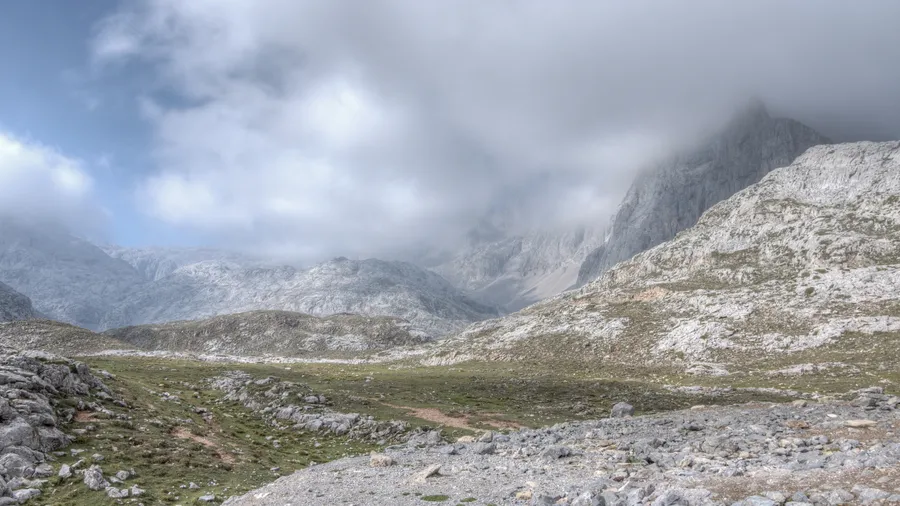
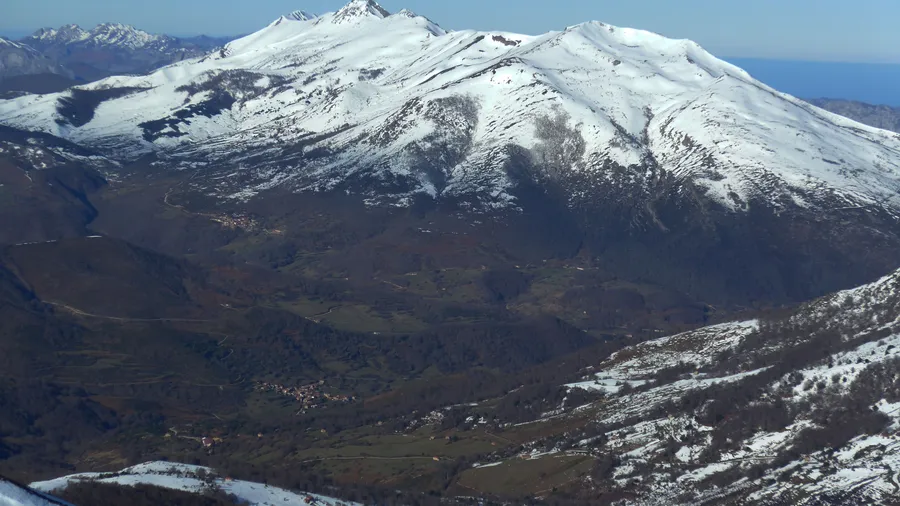
In 1987, the waters of the Esla River swallowed nine villages in the Leonese valley of Valdeburón —Riaño, Anciles, Burón, Escaro, Garande, La Puerta, Pedrosa del Rey, Salio and Vegacerneja— to create the most unique reservoir in Castilla y León. What was one of the most controversial hydraulic projects in 20th-century Spain left behind a turquoise mirror of water spanning over 660 hectares, surrounded by peaks exceeding 2,000 meters. Today, it has become one of the most photographed landscapes in the Spanish interior.

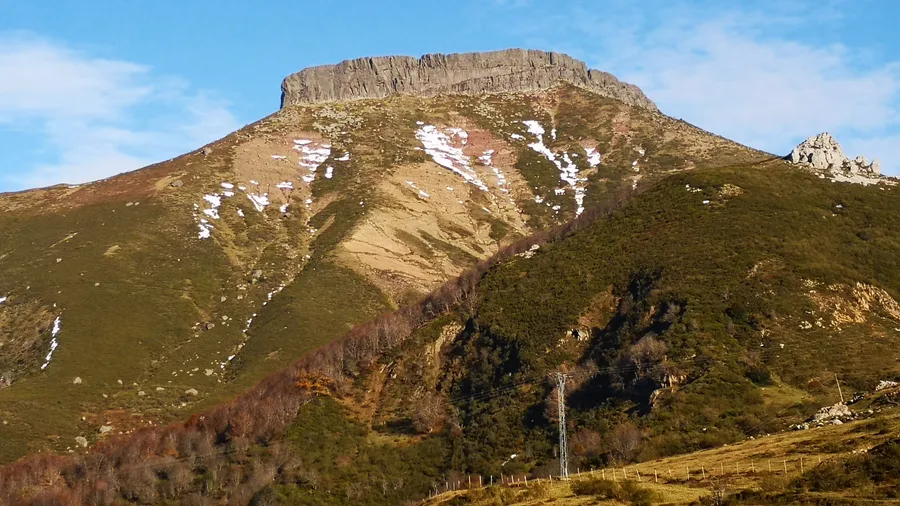
The Eastern Leonese Mountains represent a transition zone between the ruggedness of the Castilian plateau and the lush greenery of the north. Atlantic influence brings cloud cover that envelops the valleys in morning mist and bursts of color in autumn, while the dry interior brings harsh winters and summers with intensely blue skies. The result is extraordinary biodiversity: bearded vultures, griffon vultures, and chamois hunt along the ridges, while the reservoir hosts one of the best populations of pike and trout in northern Spain.

The new Riaño, built in the eighties to accommodate the displaced residents of the flooded villages, has transformed into an active hub for water sports. From its shores, kayaks, paddle boards, and excursion boats depart to navigate the arms of the reservoir, venturing into valleys where herds once grazed and chapel bells once echoed. During low water periods—late summer and autumn—the level drops enough to reveal the foundations and walls of the old houses, making every visit an exercise in collective memory.

The region borders the Picos de Europa National Park to the north, and the trails starting from Riaño intertwine with those of Valdeón and Sajambre in a mountain labyrinth that fascinates hikers of all levels. The Puerto de San Glorio, at 1,609 meters, is the gateway from Cantabria: from its pass, one can simultaneously view the Cantabrian massif and the Leonese plateau in a panorama that justifies the detour alone. Further west, the Puerto del Pontón connects with the Sajambre Valley, the 'secret valley' of the Picos de Europa on the Leonese side, sparsely visited and possessing an almost virginal beauty.

For photography enthusiasts, the area holds some of the most sought-after frames in the Spanish interior: the swing suspended over the reservoir, the bench with panoramic views of the snowy peaks, and the sunrise reflections on the still water. The Ethnological Museum of Riaño preserves the memory of the lost villages: farming tools, photographs of the flooded houses, and oral testimonies from the displaced residents. Visiting the museum before heading onto the reservoir transforms the experience into something much deeper than a simple panorama.

Practical information for Riaño Reservoir and Eastern Leonese Mountains

Everything you need to know for your visit to Riaño Reservoir and Eastern Leonese Mountains

How to get there
From León: N-621 towards Riaño, 90 km (1h 30min). From Cantabria: N-621 south via Puerto de San Glorio (1,609 m). From Asturias: LE-244 via Puerto del Pontón. No train service; the ALSA Madrid–Riaño bus line stops in Cistierna and Sabero.
Area Information
Riaño reservoir is in the heart of the Eastern Leonese Mountains, 90 km from León. The new town of Riaño provides essential services: gas station, supermarket, restaurants, and rural lodging. It provides easy access to the Sajambre Valley, Puerto de San Isidro (ski resort), and the eastern entrance to Picos de Europa via Posada de Valdeón.
Geography
The Riaño reservoir occupies the bottom of the Esla valley in the Valdeburón region, northeast of León. Covering over 660 hectares with a capacity of 656 hm³, its arms branch into the valleys of the Yuso, Esla, Cea, and Dueñas rivers. It borders the eastern massif of Picos de Europa to the north, the Fuentes Carrionas Natural Park to the east, and the Leonese plateau to the south.
Flora & Fauna
The mountains surrounding the reservoir are part of the Ancares-Babia Hunting Reserve and the Eastern Leonese Mountain natural space. Wildlife is abundant, including the Iberian wolf, brown bear, chamois, and roe deer. Birds of prey like griffon vultures and golden eagles are frequent. Vegetation includes beech forests, oak groves, and spring wildflowers like wild daffodils.

Things to do in Riaño Reservoir and Eastern Leonese Mountains

Find the best plans and things to do in Riaño Reservoir and Eastern Leonese Mountains

17

What to see in Riaño Reservoir and Eastern Leonese Mountains

Discover the must-see sights in Riaño Reservoir and Eastern Leonese Mountains

Accommodations in Riaño Reservoir and Eastern Leonese Mountains

Best accommodation options in Riaño Reservoir and Eastern Leonese Mountains

Map of nearby accommodation

Frequently asked questions about Riaño Reservoir and Eastern Leonese Mountains

Get answers about Riaño Reservoir and Eastern Leonese Mountains

During low water periods, especially in September and October, the reservoir level drops, allowing you to see remains of buildings such as stone walls, street layouts, and structures from the former villages.
You can enjoy kayaking, paddle surfing (SUP), motorized boat tours, and fishing. Several local companies rent equipment and organize guided routes through the different arms of the reservoir.
Visit in spring (May-June) for high water levels and intense greenery; autumn (September-October) for fall colors and seeing submerged ruins; or summer for water sports and sunshine.
Yes, it is a free-access installation available year-round. The best photos are taken at sunrise or sunset when the golden light reflects on the water.
Drive via the N-621 heading north, approximately 90 km (1 hour 30 minutes). It is also accessible from Cantabria via Puerto de San Glorio and from Asturias via Puerto del Pontón.