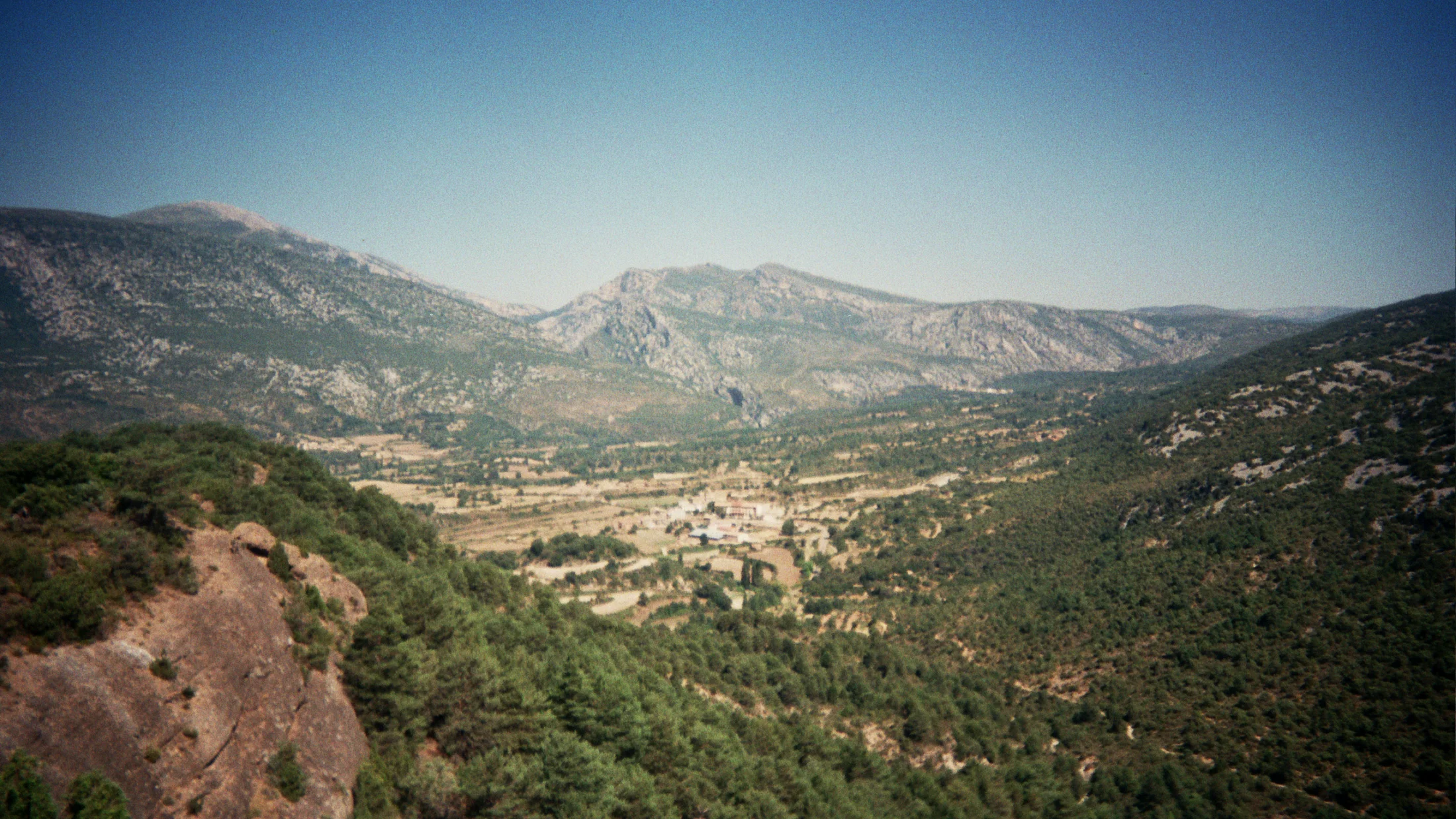
The Sierra y Cañones de Guara Natural Park covers 47,450 hectares in the Aragonese Pre-Pyrenees, in the province of Huesca, and is the reference territory for canyoning in Spain. The Sierra de Guara, with peaks between 1,000 and 2,077 metres — the summit of Fragineto reaches 2,077 m — is crossed by a network of gorges and canyons carved into Eocene limestone that constitutes one of the most extensive and varied karst canyon systems in Europe. Gorges such as the Vero, Mascún, Gorgas Negras, Barranco de Formiga and Salto de Bierge attract tens of thousands of visitors each year for canyoning in its various forms.
Canyoning in the Sierra de Guara combines swimming in cold pools with descents through natural rock slides, abseiling down waterfalls — the Cueva del Moro waterfall is 42 metres — and technical progression through narrow gorges where the rock has been sculpted and polished over millennia. Canyons are classified by difficulty: from the lower Vero or Salto de Bierge — accessible for beginners and families — to Mascún Norte or Gorgas Negras, which require technical experience and proper equipment. The optimal season runs from June to September, when flow is sufficient for pools but not excessive for safety. Outside this period, several canyons can be done dry-footed with hiking gear.
Beyond canyoning, the park holds exceptional rock art heritage. The paintings in the Barranco de Villacantal and the Fuente del Trucho cave — with negative hand stencils, horses and bison dated to the Upper Palaeolithic and Mesolithic — are listed as UNESCO World Heritage as part of the Rock Art of the Mediterranean Basin of the Iberian Peninsula. Access to some shelters requires a guide and prior booking; others are open to independent visitors. The concentration of rock art within the gorges means the historical dimension overlaps directly with the natural landscape.
The park's wildlife is led by its breeding griffon vulture colonies, which total over 500 pairs in the Sierra de Guara. The bearded vulture — the heaviest flying bird on the Peninsula, with a wingspan of up to 2.8 metres — has one of its few European populations here. The park also holds Egyptian vultures, golden eagles, eagle owls and peregrine falcons. In the high sierra and on the Pre-Pyrenean cliffs, the sarrio — Pyrenean chamois — is the emblematic mammal species.
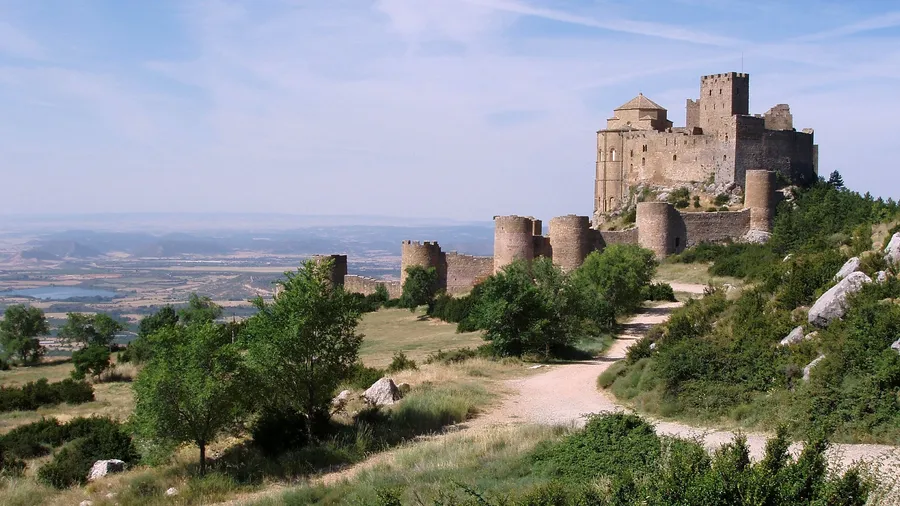
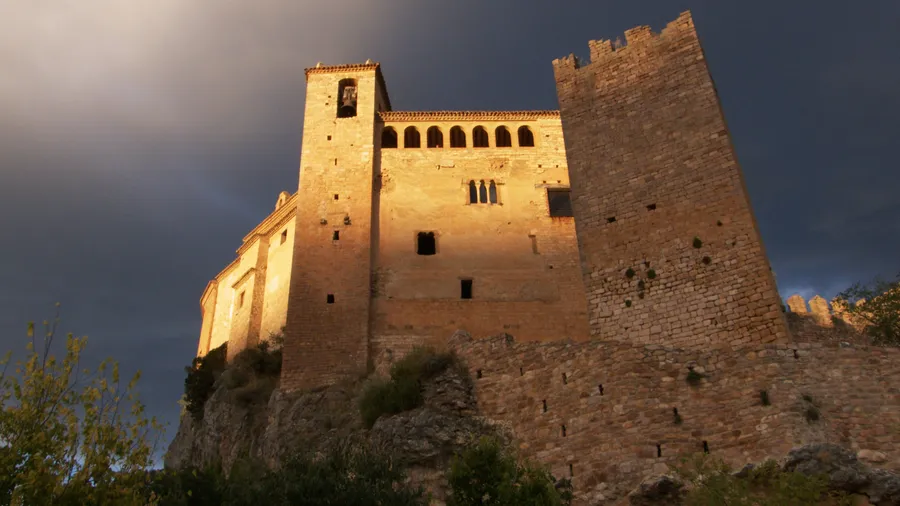
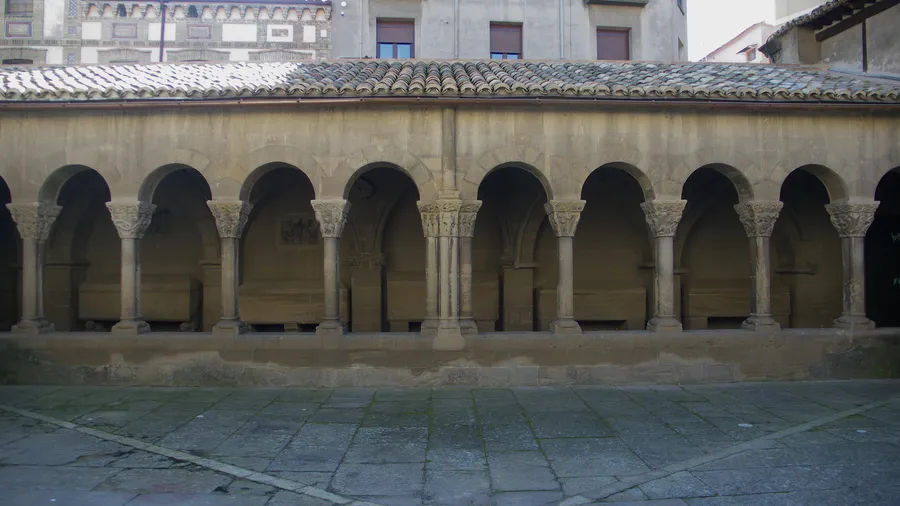
The main access is from Huesca city (50-60 km) or along the Somontano axis, with Boltaña and Alquézar as the main service hubs. Alquézar, a declared historic-artistic ensemble, is the area's most-visited destination: the Romanesque collegiate church, the converted Arab citadel, the stone lanes and the position above the Vero gorge make it the standard base for most activities in the park. The combination of canyoning, rock art, medieval architecture and cliff-nesting raptor watching makes the Sierra de Guara one of the most content-dense adventure destinations on the Peninsula.