The essentials of Cantabrian Coast

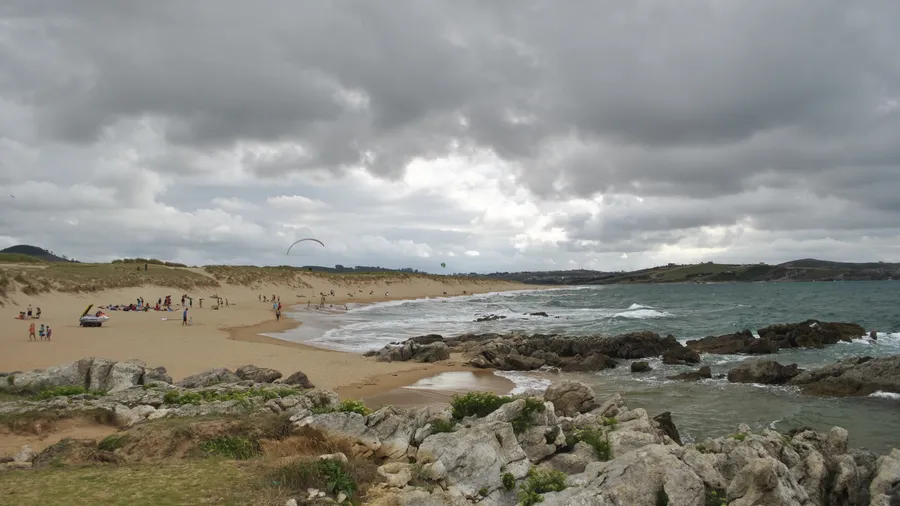
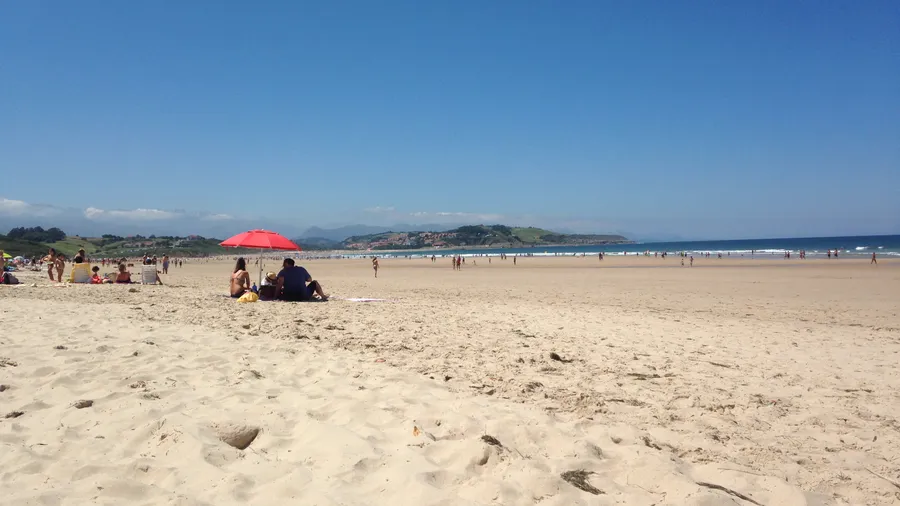
  • • World-class surfing in Somo, Loredo, Liencres and Berria: steady Atlantic swell year-round
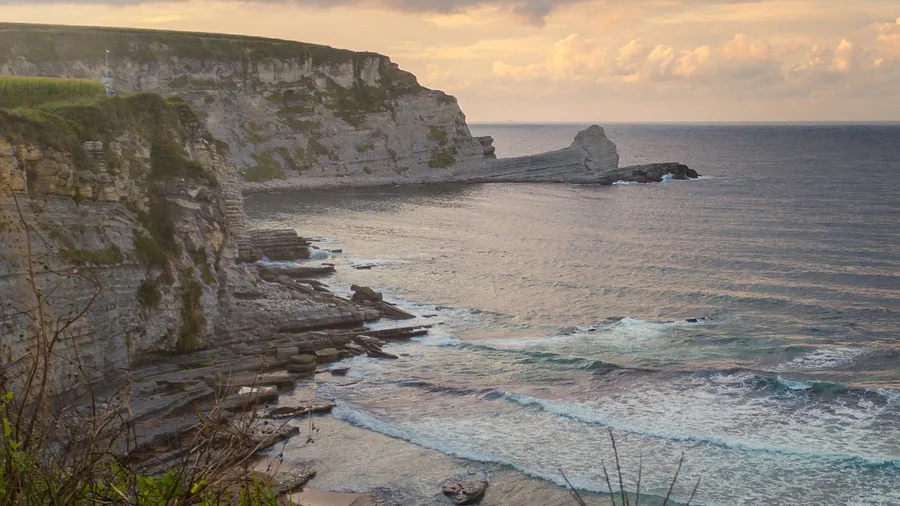
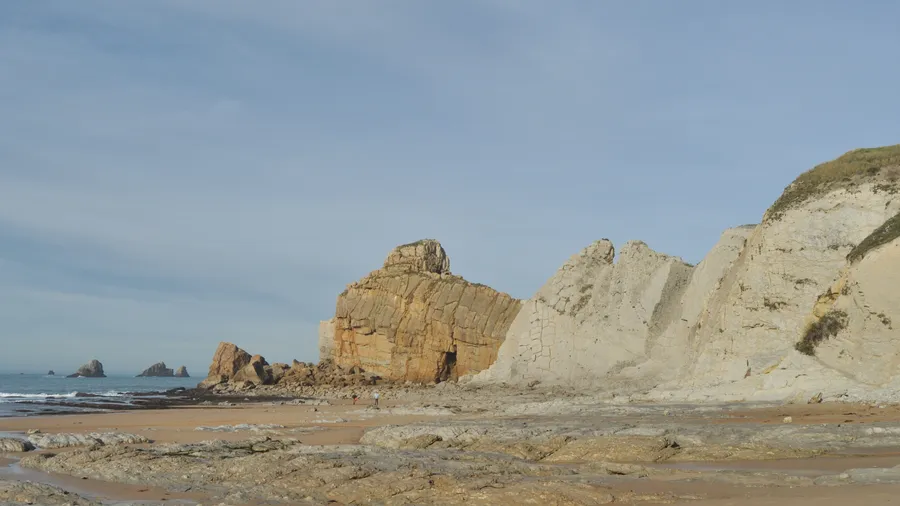
  • • Costa Quebrada (Geosite): sea stacks, rock arches and the Liencres-Valdearenas dune system
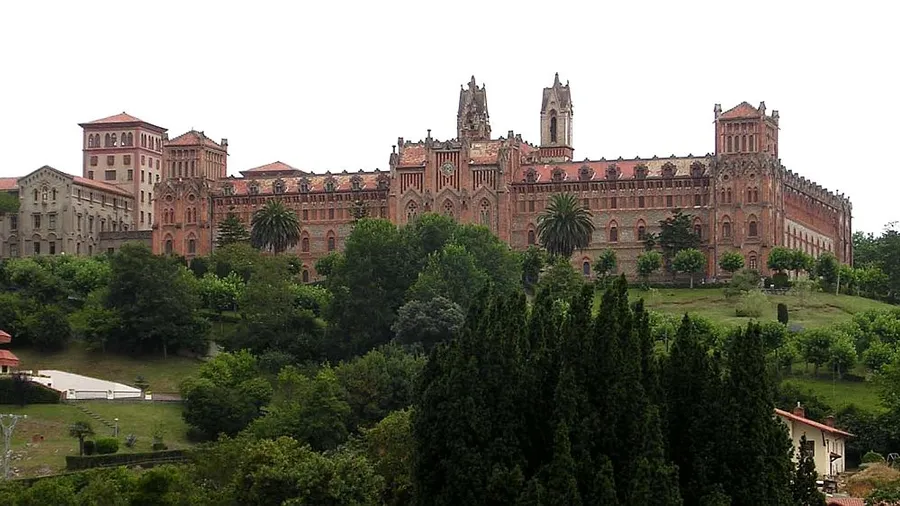
  • • Gaudí's Capricho and the modernist ensemble of Comillas (Pontifical University, Sobrellano palace)
  • • Cuevas de Altamira with the polychrome ceiling replica, a UNESCO World Heritage Site
  • • Marshes of Santoña, Victoria and Joyel: key wetland for Atlantic migratory birds
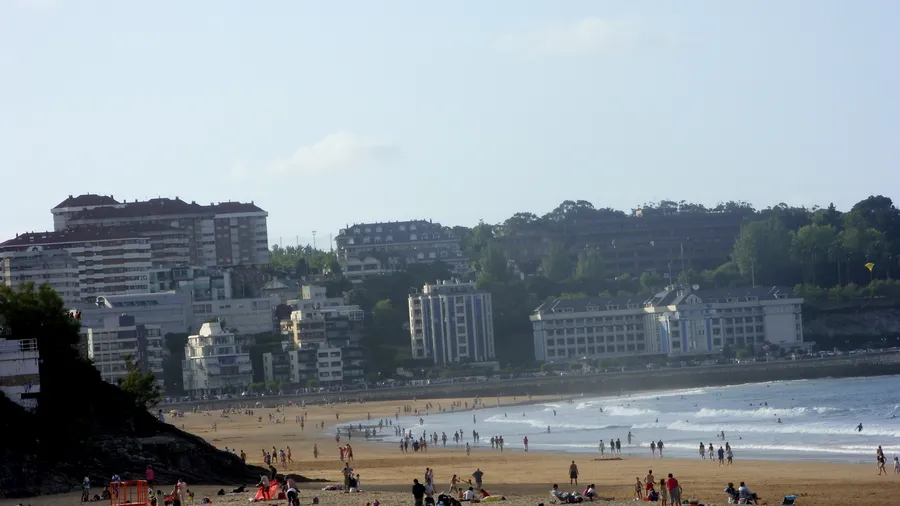
  • • Urban Santander: the Magdalena peninsula, Sardinero beaches and Centro Botín
  • • Northern Way of St James: the coastal stage between San Vicente de la Barquera and Castro Urdiales
  • • Seafaring gastronomy: Santoña anchovies, rabas, bonito sorropotún, sobaos and quesucos

Description

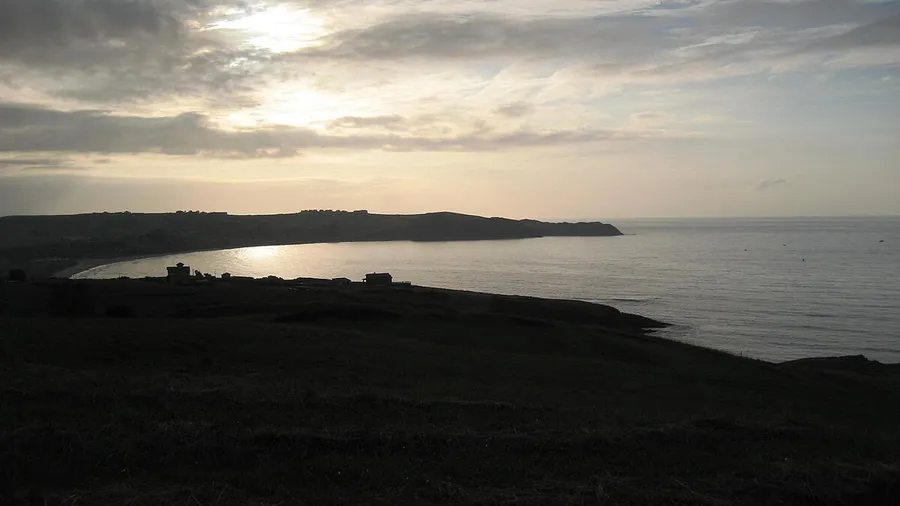
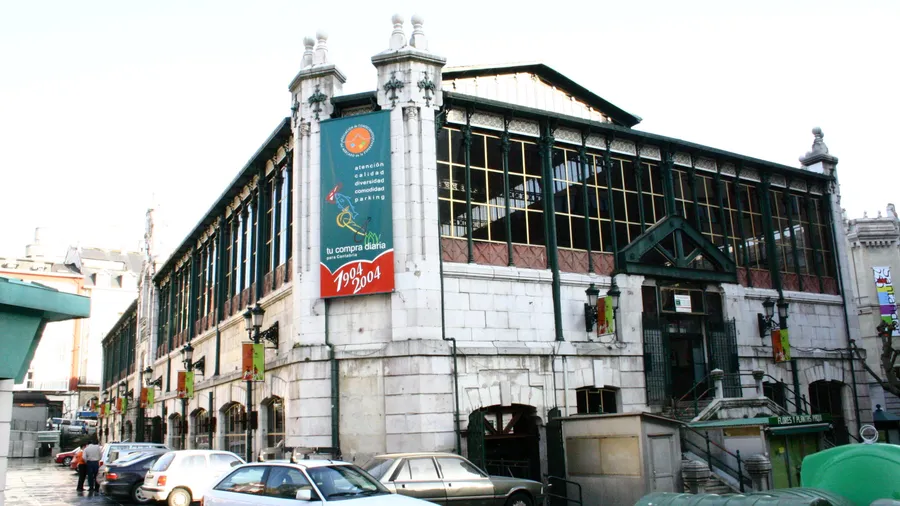
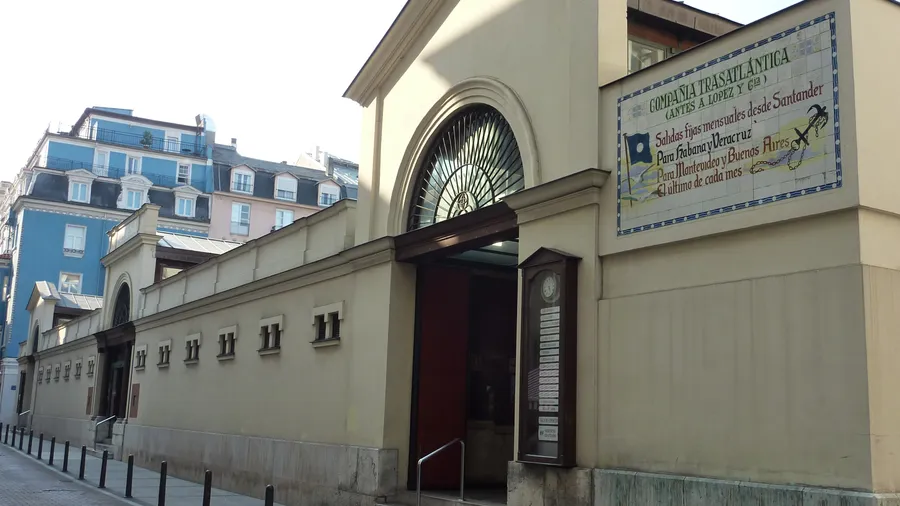
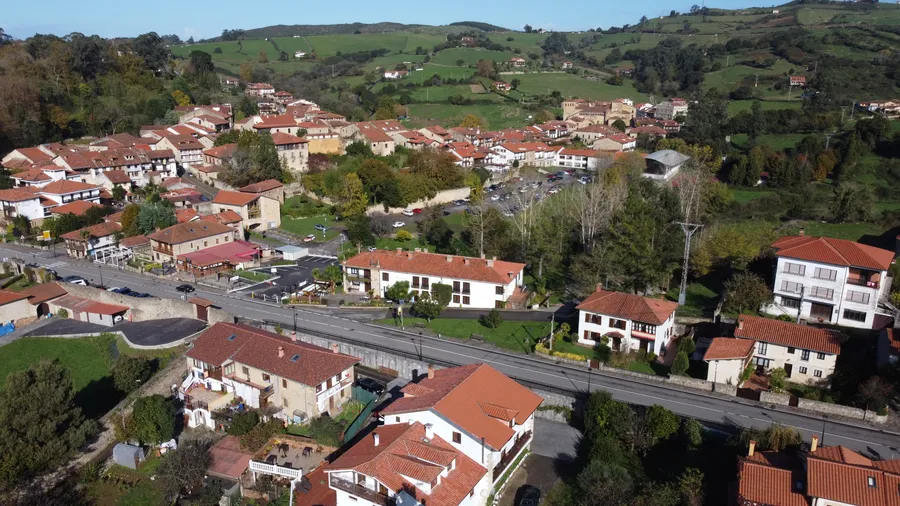
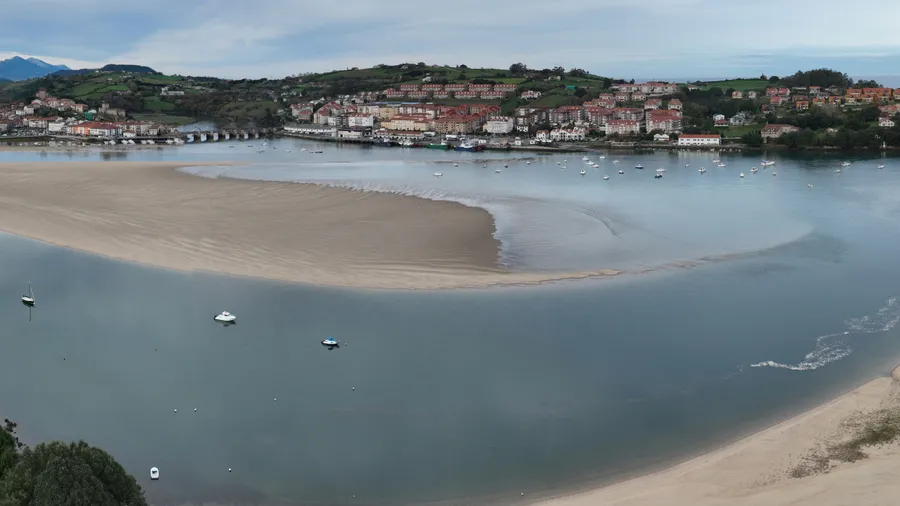
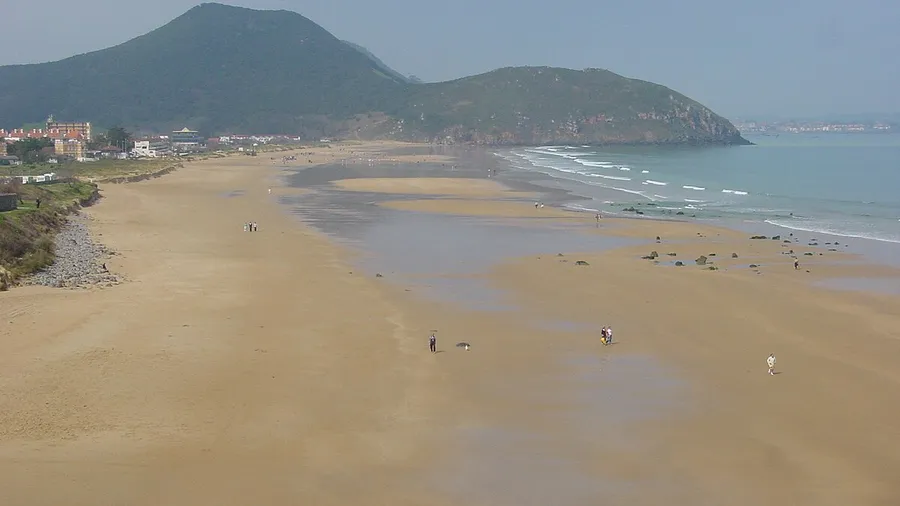
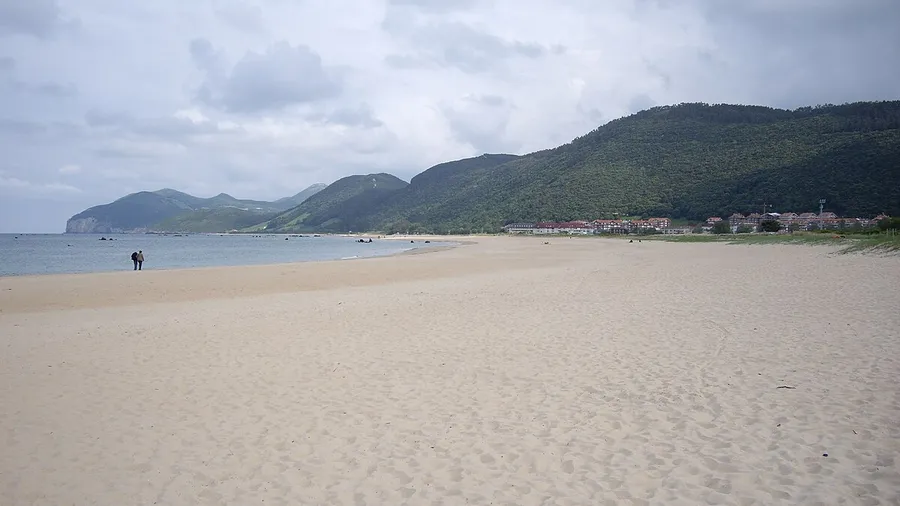
The Cantabrian Coast stretches 220 kilometres of Atlantic shoreline between the Tina Mayor estuary, the natural border with Asturias, and Castro Urdiales, bordering Bizkaia. Its profile is gentler than the Breton cliffs yet wilder than the Mediterranean: deep estuaries, urban and kilometre-long beaches, protected dunes, hidden coves and a coastline sculpted by Cantabrian swell that turns the Costa Quebrada into one of the most singular geosites on the Iberian Peninsula.

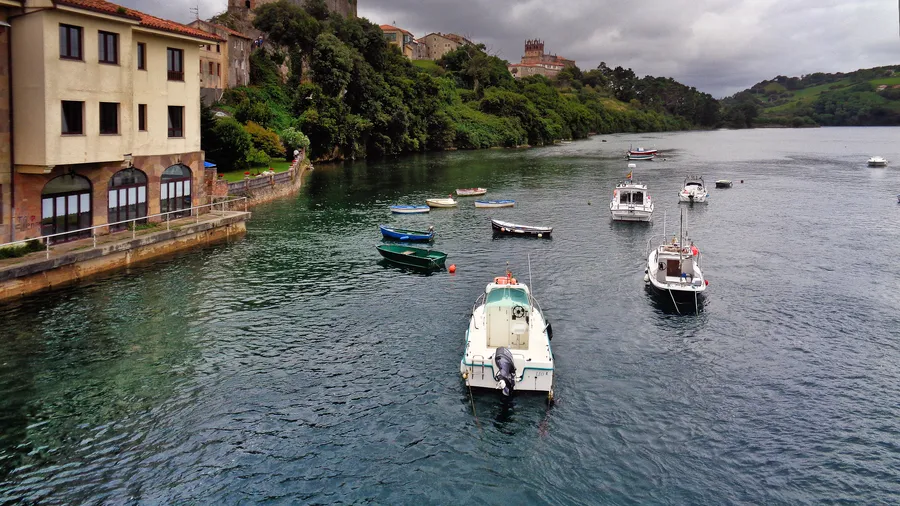
The western stretch, from San Vicente de la Barquera to Suances, blends fishing villages, the Oyambre Natural Park and the Indiano heritage of Comillas, where Gaudí designed El Capricho and the Marquises built the Pontifical University and the Sobrellano palace. A few kilometres away, Santillana del Mar preserves its intact medieval layout and guards, beside its Collegiate Church, the Cuevas de Altamira and their visitable replica — the polychrome ceiling is a UNESCO World Heritage Site.

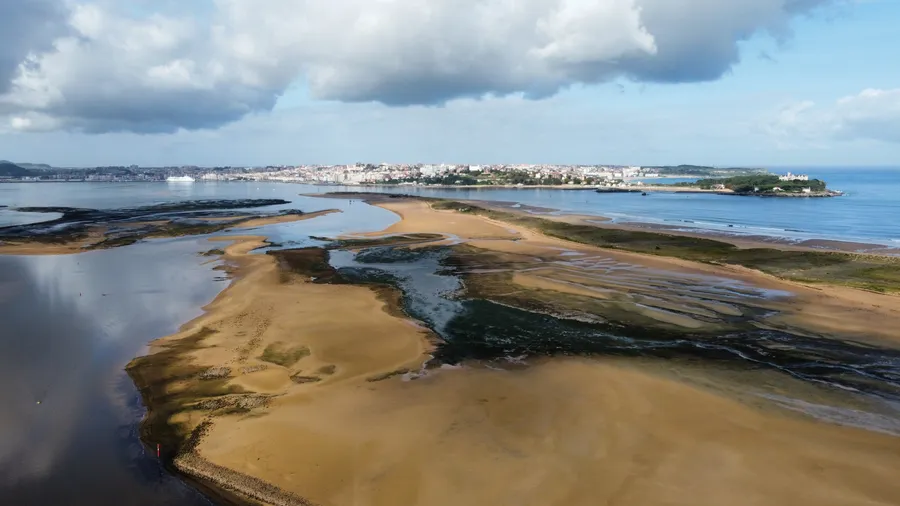
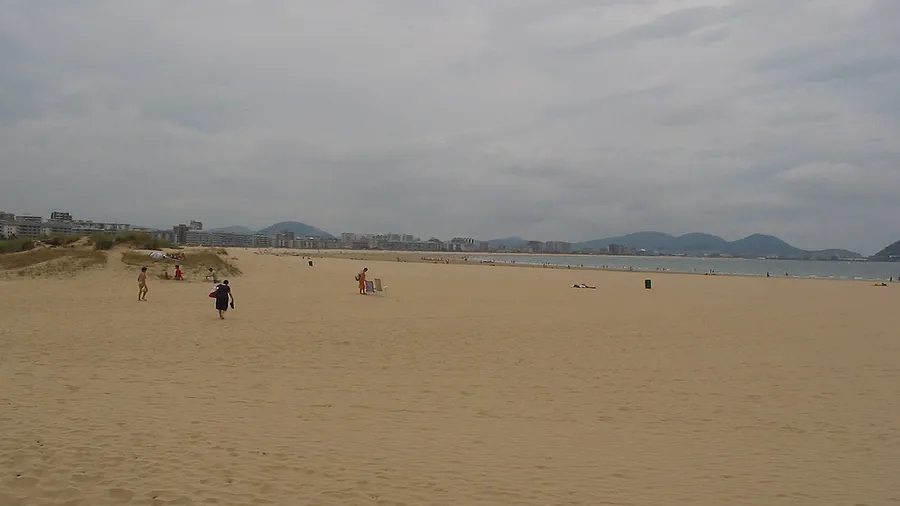
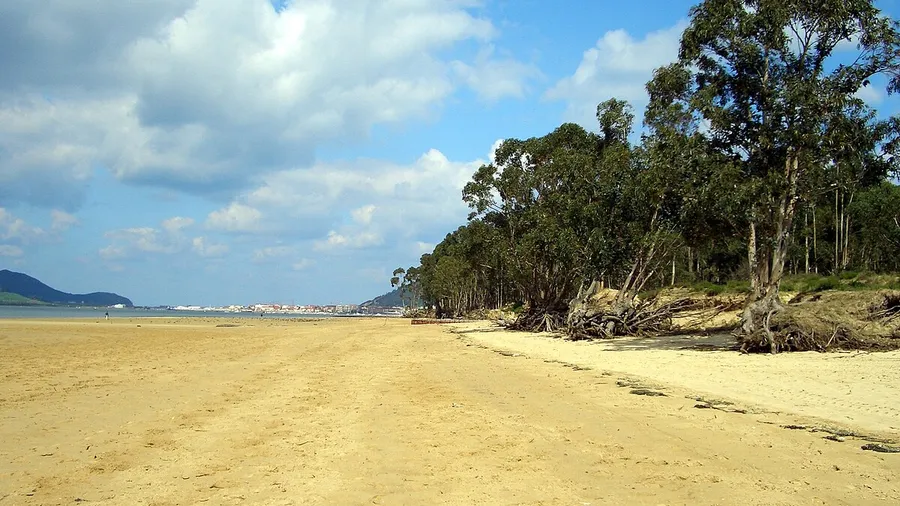
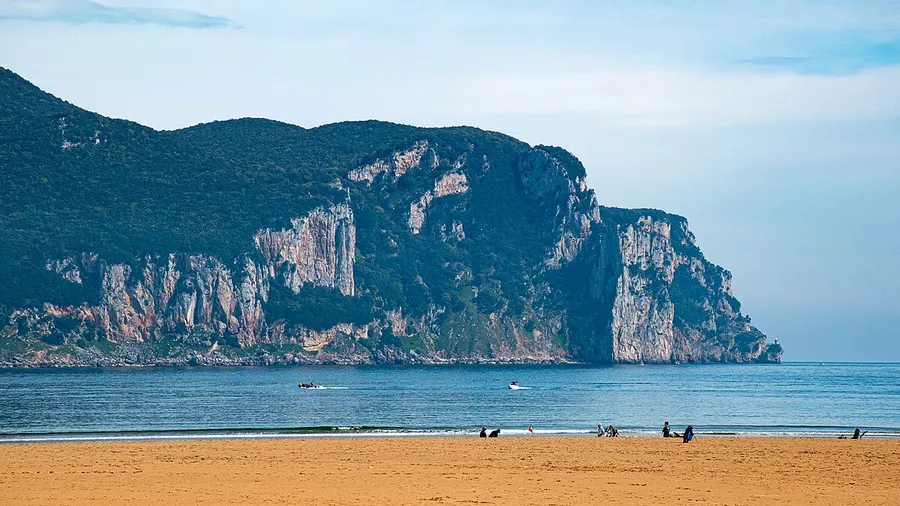
The central stretch concentrates the scenic and sporting heart. The Costa Quebrada, between Liencres and Cabo Mayor, lines up sea stacks, rock arches, urros and the vast Valdearenas beach, backed by the largest dune system in northern Spain. Opposite, across the bay of Santander, Somo and Loredo host the country's best surf school scene: steady waves, sandy bottom, beginner-friendly breaks and demanding peaks in autumn. Santander, the capital, unfolds the Magdalena peninsula, the Sardinero, Renzo Piano's Centro Botín and an old town that recovered its identity after the 1941 fire.

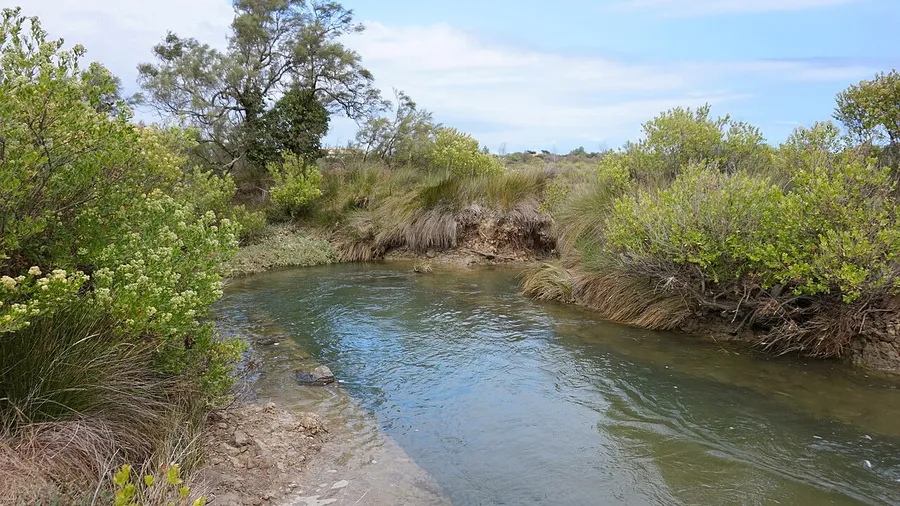
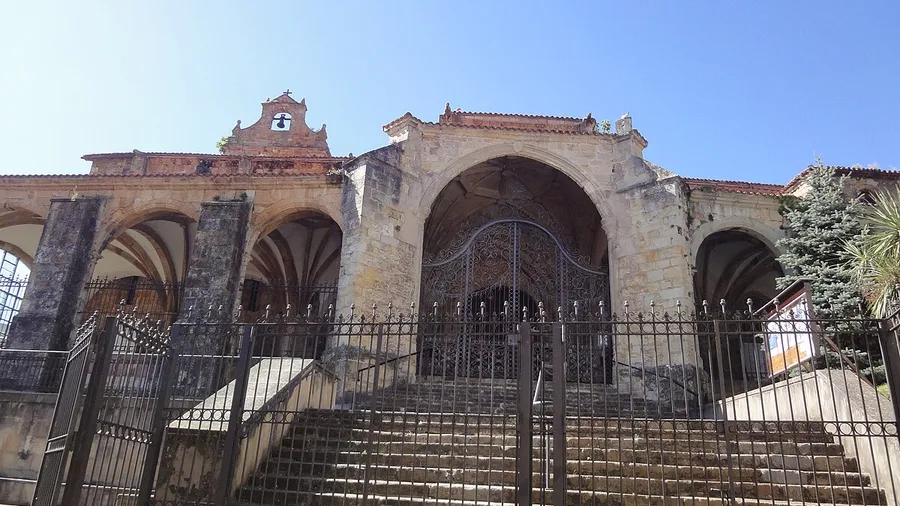
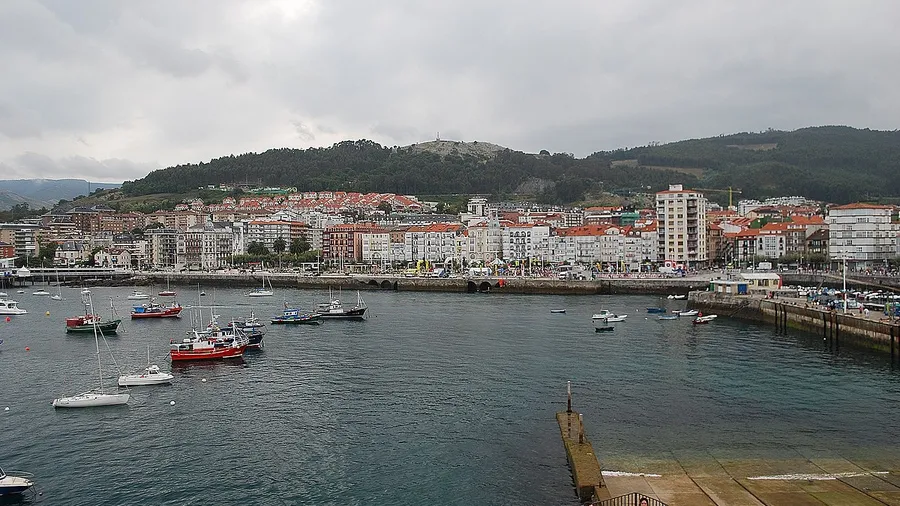
The eastern stretch opens onto the marshes. The Marismas de Santoña, Victoria y Joyel Natural Park is one of the most important wetlands on the Cantabrian cornice for migratory birds. Santoña, beyond its Napoleonic fortress, is the world capital of salted anchovies. Noja, Laredo — with its five-kilometre Salvé beach — and Castro Urdiales, with its Santa María church above the harbour, close the route before entering Bizkaia.
Practical information for Cantabrian Coast

Everything you need to know for your visit to Cantabrian Coast

How to get there
The Cantabrian Motorway (A-8) runs along the Cantabrian coastline, connecting Asturias to the west and Bilbao to the east. From Madrid, A-1/A-67 to Santander in 4 h 30 min. Seve Ballesteros-Santander Airport with national and European low-cost flights. The FEVE narrow-gauge train links Bilbao and Oviedo along the coast, with stops in Santander, Torrelavega, Cabezón de la Sal and Unquera. Renfe mainline to Santander from Madrid in 4 h 30 min.
Area Information
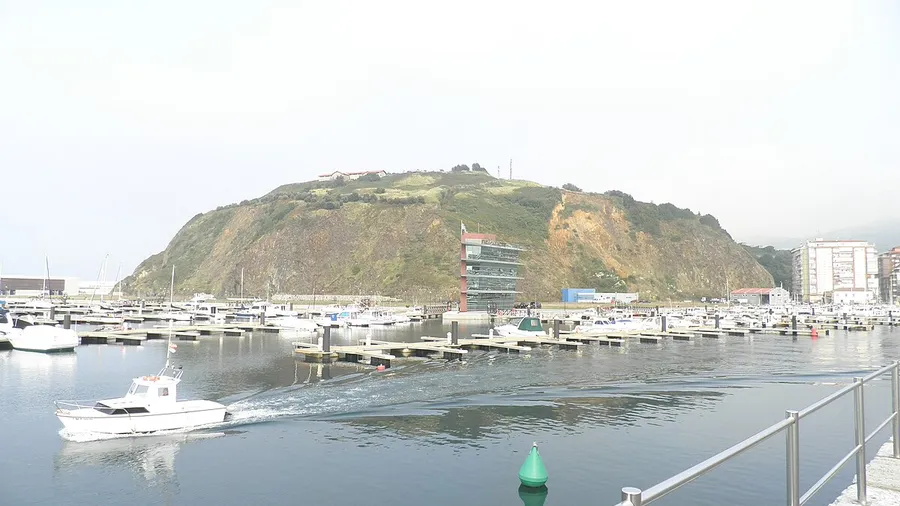
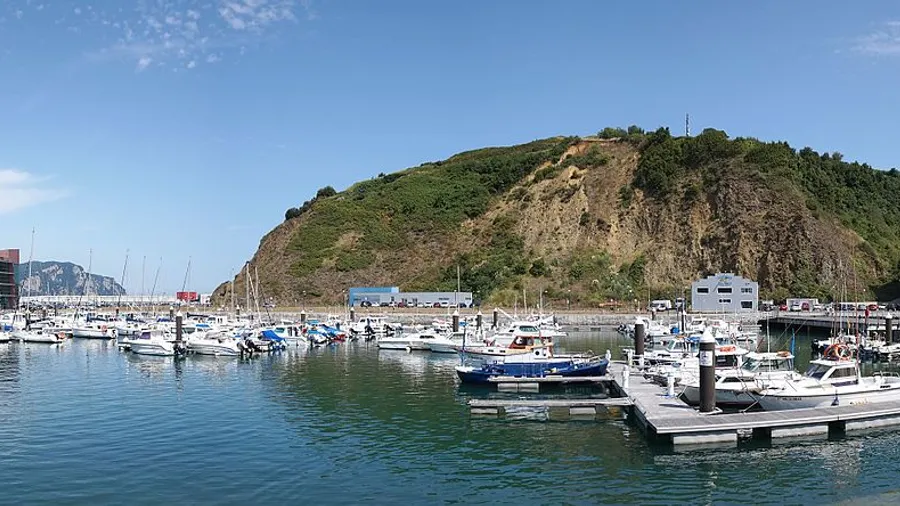
Surf schools concentrated in Somo, Loredo and Liencres. Diving centres in Santander and Castro Urdiales with dives at Cabo Mayor and Cabo Quintres. Kayak rental in the estuaries of San Vicente, Suances and Santoña. Marinas in Santander, Suances, Laredo and Castro Urdiales. Tourist offices in every main town. Marshes of Santoña Interpretation Centre and Costa Quebrada centre in Liencres.
Geography
220 km of north-facing Atlantic shoreline, between the Tina Mayor estuary (border with Asturias) and Castro Urdiales (border with Bizkaia). Sandstone and limestone cliffs alternate with beaches, dunes, estuaries and marshes. The Cantabrian Mountains close the coastal corridor to the south with ranges of 1,000-1,800 m less than 30 km from the sea. The bay of Santander, one of the largest in Atlantic Europe, articulates the central stretch.
Flora & Fauna
Seagrass meadows, Cantabrian holm oaks and riparian forests at the river mouths. The Santoña marshes host over 130 species of migratory birds (spoonbill, little egret, pintail). The Costa Quebrada is a nesting site for European shag, peregrine falcon and yellow-legged gull. Offshore, sea bass, sea bream and bocartes (Cantabrian anchovy). Maritime pine forests in the Liencres dune system.

Things to do in Cantabrian Coast

Find the best plans and things to do in Cantabrian Coast

60

What to see in Cantabrian Coast

Discover the must-see sights in Cantabrian Coast

Accommodations in Cantabrian Coast

Best accommodation options in Cantabrian Coast

Frequently asked questions about Cantabrian Coast

Get answers about Cantabrian Coast

Yes. The Cantabrian Sea generates constant swell all twelve months of the year. In summer (June-August) waves are smaller and softer, ideal for beginners; the schools in Somo and Loredo concentrate their activity in these months. In autumn and winter (September-March) the most powerful Atlantic swells arrive with the best-quality waves for intermediate and advanced surfers, with top conditions in Liencres, Berria and the outer peaks of Somo. Water ranges from 14 °C in March to 20 °C in August-September, so a 4/3 mm wetsuit is needed in autumn-winter and 3/2 mm in summer.
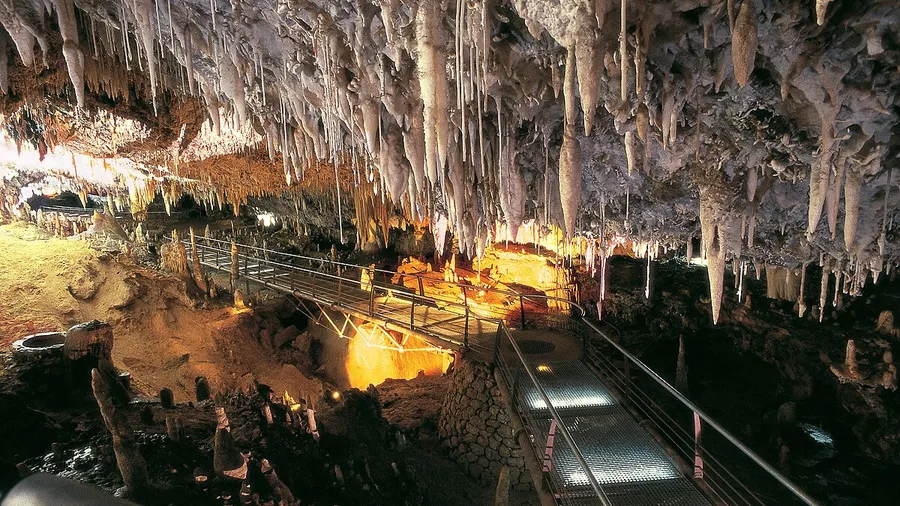
The original cave only admits five visitors selected by lottery every Friday. Everyone else accesses the Neocave, an exact replica of the polychrome ceiling and bison hall with the same topography, pigments and techniques. The Neocave is part of the National Museum and Research Centre of Altamira in Santillana del Mar. Online booking is recommended (weekends and holidays sell out). The full museum includes an exhibition on the Cantabrian Palaeolithic and takes about two hours.
For calm bathing, the best are La Concha de Suances (soft swell, promenade, services), Comillas (central, lifeguarded), the Sardinero in Santander (urban, divided into two beaches), Laredo (five km of fine sand, gentle water) and Berria in Santoña. To combine beginner surf with family bathing, Somo and Loredo have schools with classes for children from 6 years old. The wilder beaches (Liencres, Valdearenas, Oyambre) require attention with minors due to currents.
Four stages stand out for scenic value. (1) From Unquera to San Vicente de la Barquera along the Tina Mayor estuary. (2) From Comillas to Santillana del Mar, with views over Oyambre. (3) From Boo de Piélagos to Liencres and Cabo Mayor, skirting the Costa Quebrada. (4) From Güemes to Somo via the Tornos pass, descending into the bay of Santander. All are signposted with the Jacobean shell and accessible for hikers without technical gear.
Santoña has over twenty artisan canneries that work the bocarte caught in the spring-summer season and cure it in salt for six to twelve months. The most renowned historic houses are Conservas Codesa, La Bermeana, Don Bocarte and Catalina. Almost all offer guided tours of their workshops with a final tasting. In town, harbour bars serve anchovies in oil with bread and butter as a classic tapa. Annual Anchovy Festival at the end of April.