The province of Tarragona gathers within a relatively compact space very different ecosystems: the Ebro Delta to the south, the limestone ranges of the Ports de Tortosa-Beseit to the west, and the Costa Daurada to the north with its seabed and diving areas. The Ebro Delta, a UNESCO Biosphere Reserve, is one of the main wetlands of the western Mediterranean: its 320 km² of marshes, lagoons and rice fields host over 300 bird species and can be explored by kayak along secondary channels, where flam...
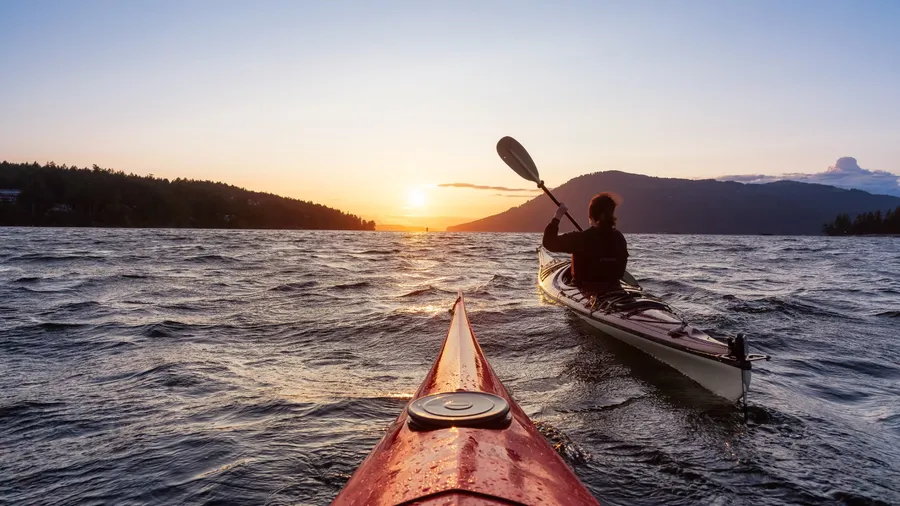
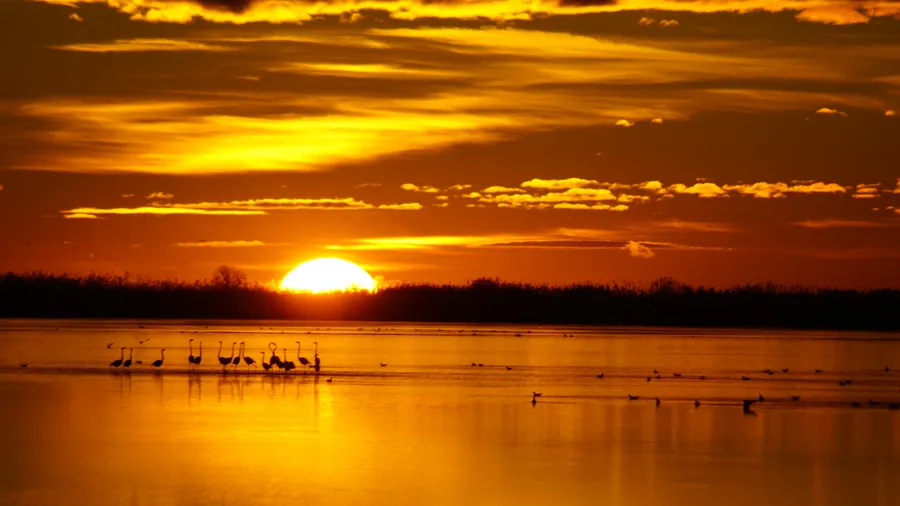
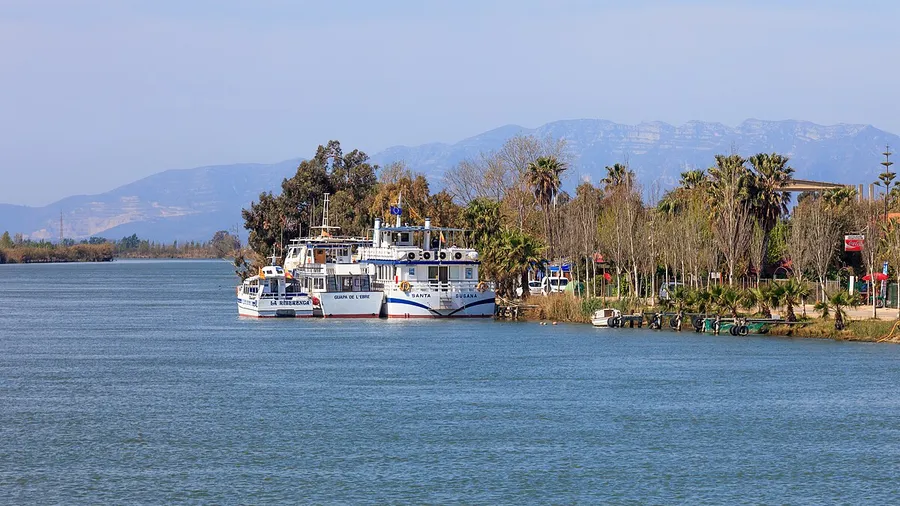
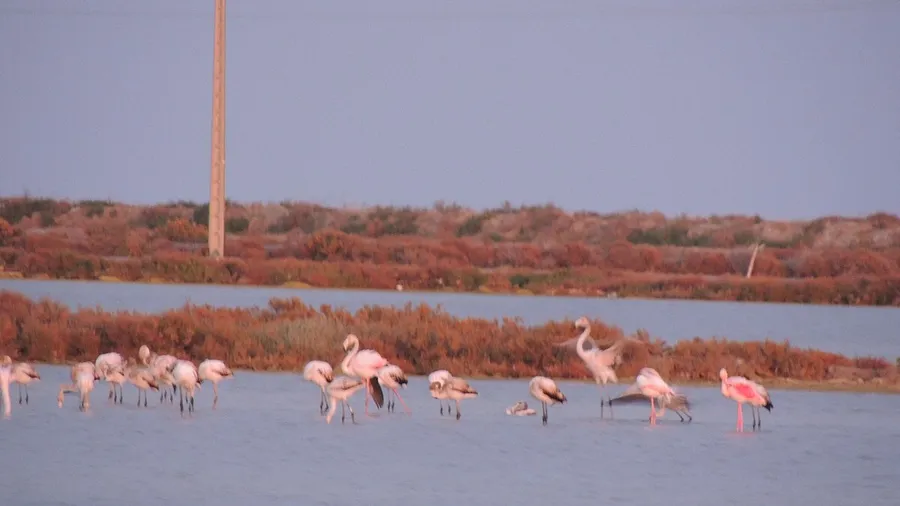
The province of Tarragona gathers within a relatively compact space very different ecosystems: the Ebro Delta to the south, the limestone ranges of the Ports de Tortosa-Beseit to the west, and the Costa Daurada to the north with its seabed and diving areas. The Ebro Delta, a UNESCO Biosphere Reserve, is one of the main wetlands of the western Mediterranean: its 320 km² of marshes, lagoons and rice fields host over 300 bird species and can be explored by kayak along secondary channels, where flamingos, Audouin's gulls and marsh harriers are a regular presence for much of the year.
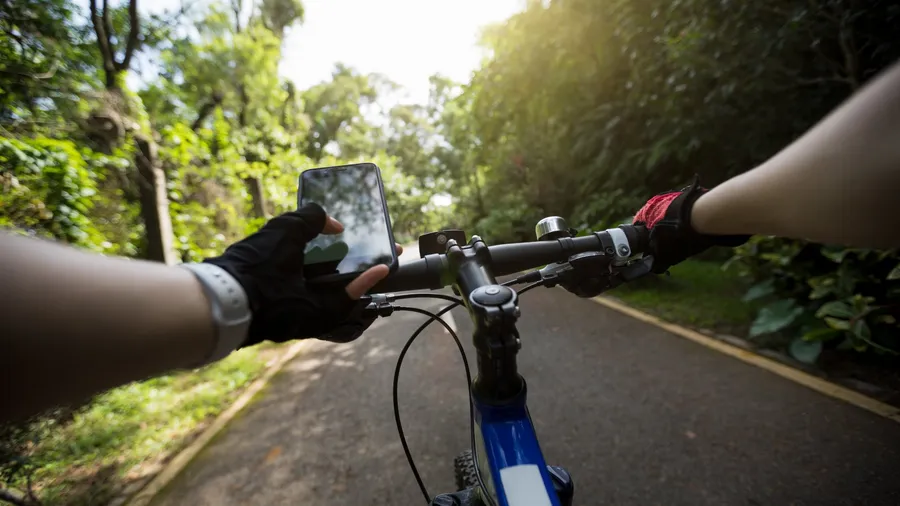
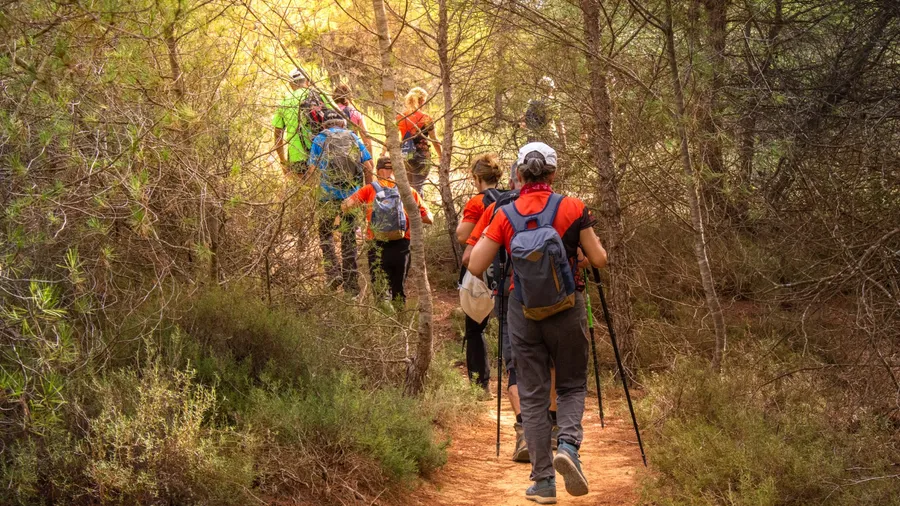
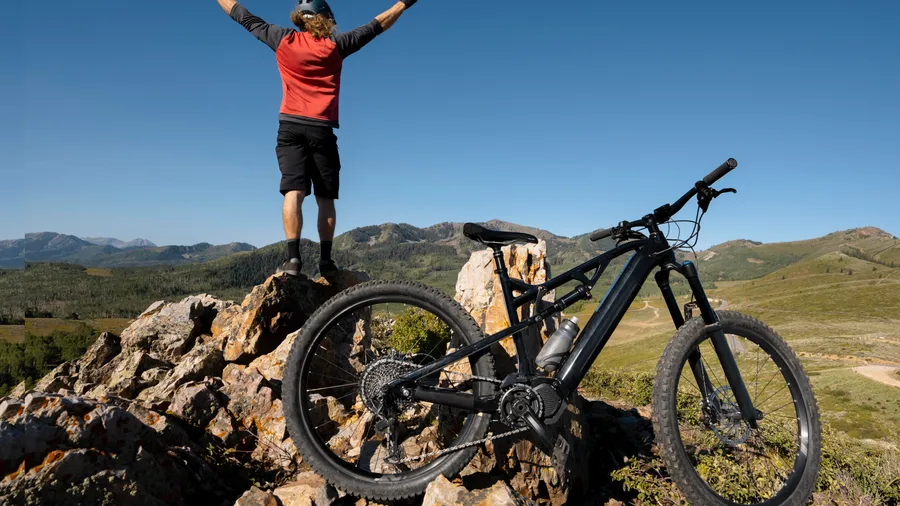
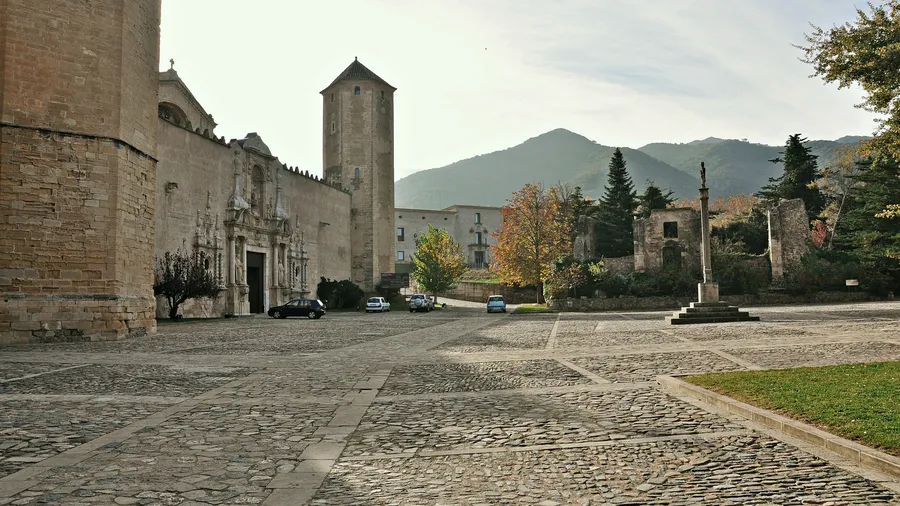
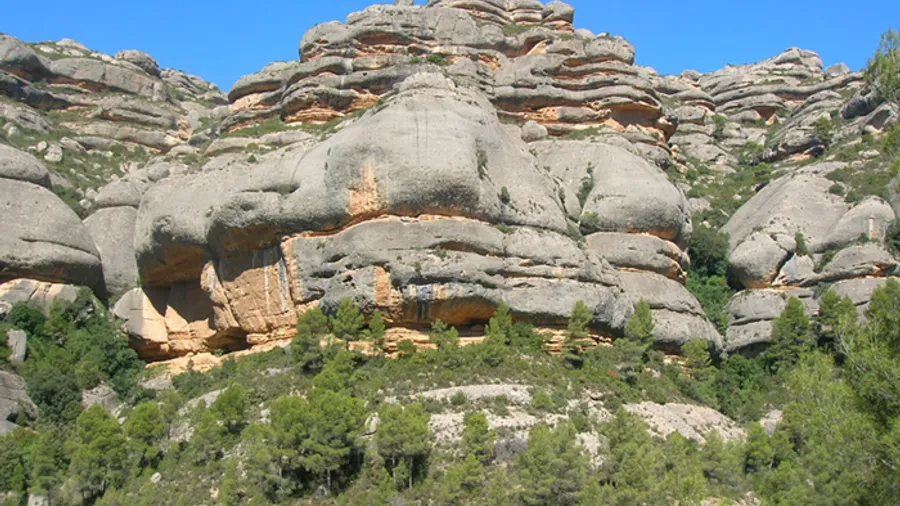
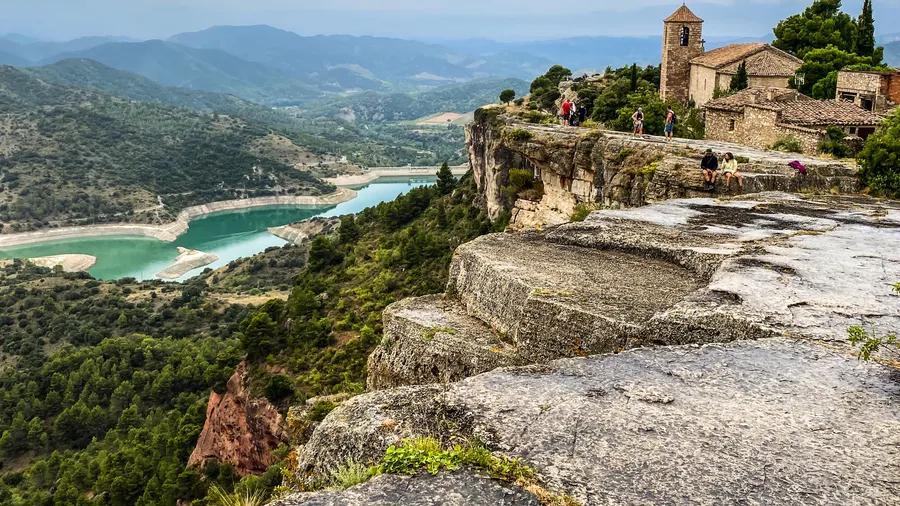
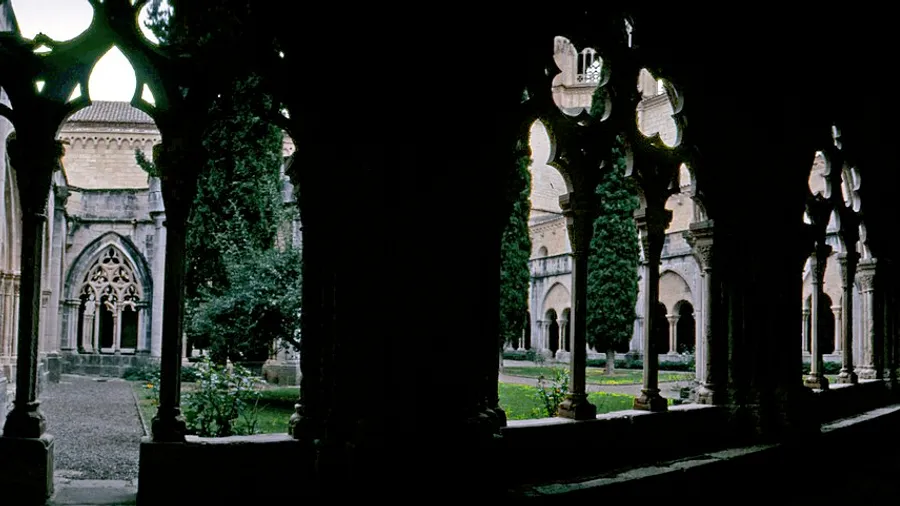
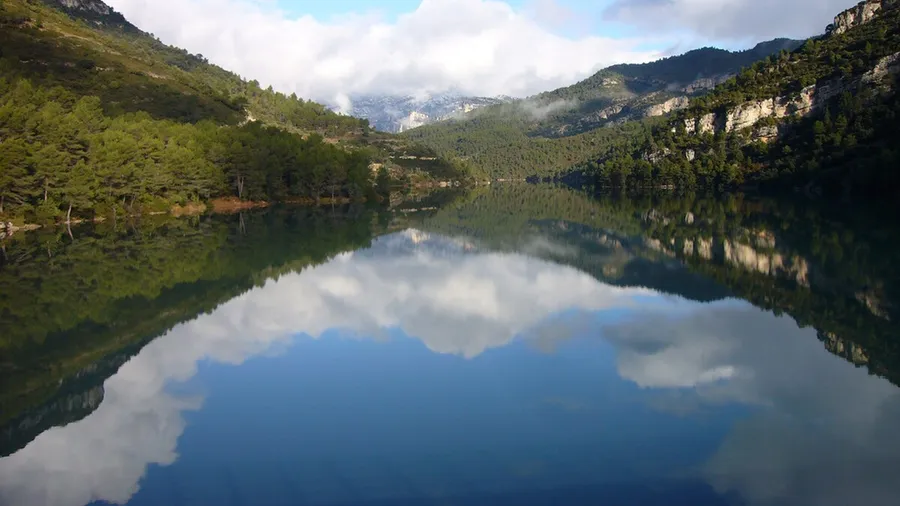
The Ports de Tortosa-Beseit ranges concentrate over 500 climbing routes on limestone in sectors such as Benifallet, Algars and the Congost de Mont-rebei, whose 700 m north face is the longest and most demanding route in the area. The Siurana sector, in the interior, is a world reference for high-grade sport climbing: routes of 8a and above on a small massif above the reservoir of the same name. The Ruta del Cister connects the monasteries of Poblet, Santes Creus and Vallbona de les Monges on a cycling and walking route through the Tarragona interior.
The Ebro Delta and the southern Costa Daurada coastline are also the setting for kitesurfing and windsurfing when the mistral and levante combine in the Gulf of Sant Jordi. The coves of the Costa Daurada and the seabed of the Delta Natural Park allow diving with visibility up to 20 m and well-preserved Mediterranean fauna. The Llena Rotja canyon in the Ports massif is the province's most technical gorge, with chained abseils and aquatic sections.
Highlights
• Kayaking on the Ebro Delta: 300+ bird species across 320 km² of UNESCO wetland
• Climbing at Siurana: world reference for high-grade sport climbing
• 500+ climbing routes in the Ports de Tortosa-Beseit on limestone
• Diving along the Costa Daurada and Ebro Delta with 20 m visibility
• Ruta del Cister: cycling between the monasteries of Poblet, Santes Creus and Vallbona
• Canyoning at Llena Rotja: chained abseils in the Ports de Tortosa massif
Best time to visit
Spring (Mar–May) and autumn (Sep–Nov) for climbing and hiking in the Ports. Winter for delta birdwatching. Summer for diving along the Costa Daurada and kayaking the delta with warm water.
Practical tips
For delta kayaking, book with operators offering routes through interior channels: the main canal has fishing boat traffic. For Siurana climbing, arrive early: the main sector has few anchors on the most popular routes and fills at weekends. In the Ports, bring offline maps: mobile coverage is patchy in the most remote sectors.
When is the best time to visit the Ebro Delta for birdwatching?
The delta has bird activity year-round. Winter (Nov–Feb) concentrates the largest flocks of waterbirds (ducks, geese, flamingos). Spring is the breeding season. Summer brings tourists but reduces the presence of some demanding species.
What climbing level is needed for the Ports de Tortosa-Beseit sectors?
The range is very wide: there are beginner sectors (5a–6a) in Benifallet and high-grade routes up to 8b+ in more remote areas. Congost de Mont-rebei has intermediate-to-high level routes on a limestone face with no road access.
Is Siurana suitable for beginner climbers?
Not particularly. Siurana is known for hard routes (7c–9b), though there are beginner zones in the 6a–6c range. For starting out on rock, the Costa Daurada or Benifallet sectors are more appropriate.
Can delta kayaking and coastal diving be combined in a single day?
Yes, although the two areas are about 60 km apart. Delta kayaking is usually done in the first half of the day. Dive centres in Cambrils and Salou offer afternoon trips. With your own vehicle it is a feasible plan.
Can the Ruta del Cister be cycled on a road bike?
Partly yes. Some sections between monasteries use quiet paved roads. The dirt sections between Poblet and Santes Creus are more comfortable on a mountain or gravel bike. The full route is about 110 km by bicycle.




 0
0  0
0 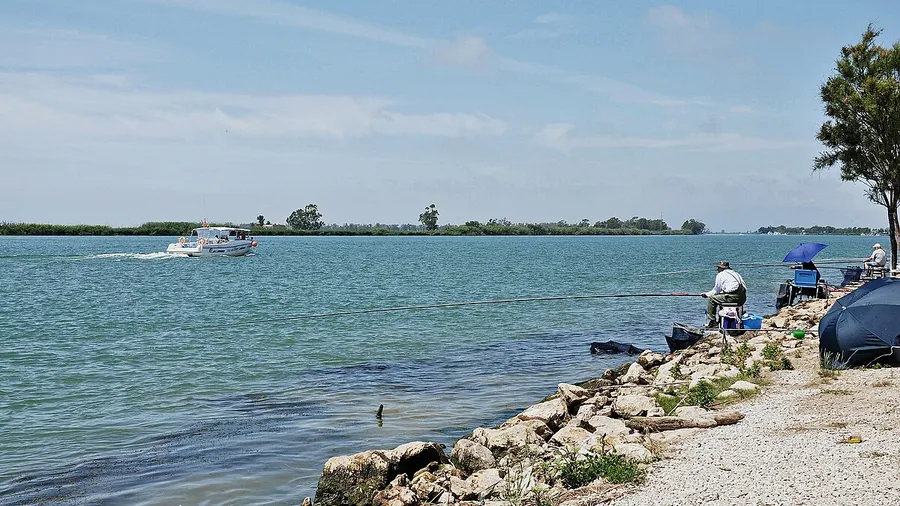 0
0  0
0  0
0