Canyoning in the Aragonese Pyrenees

Canyoning in the Aragonese Pyrenees

Several days stringing together aquatic descents in the Sierra de Guara and Sobrarbe, the area with the most canyons in Europe, with a certified guide and all equipment included.

From 165 € /person

1-5 nights
Huesca

No commitment · We design it with you

§02 · The place

Water rules; you just learn to read it.

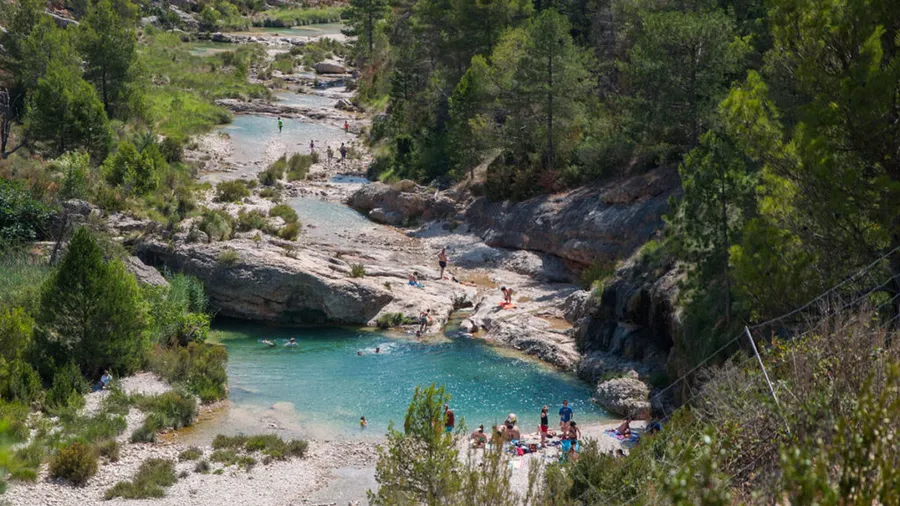
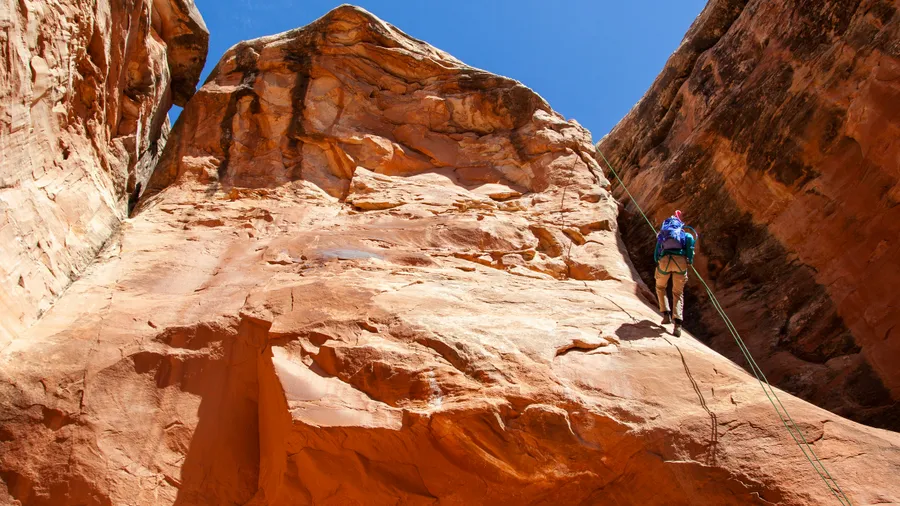
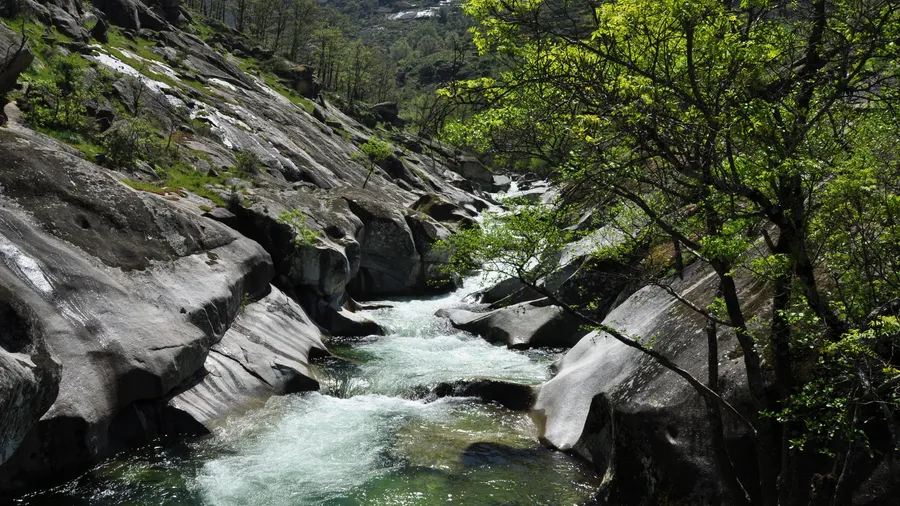
There’s a moment, just before the first jump, when your body hesitates and your mind goes quiet. Then you enter the water, the current pushes you down the slide, and you understand why this corner of the Aragonese Pyrenees is called the birthplace of canyoning in Europe. Here you string together rappels under waterfalls, emerald-colored pools and narrow gorges where only the river fits. You don’t need to be anyone special: you just need to really want to get wet.
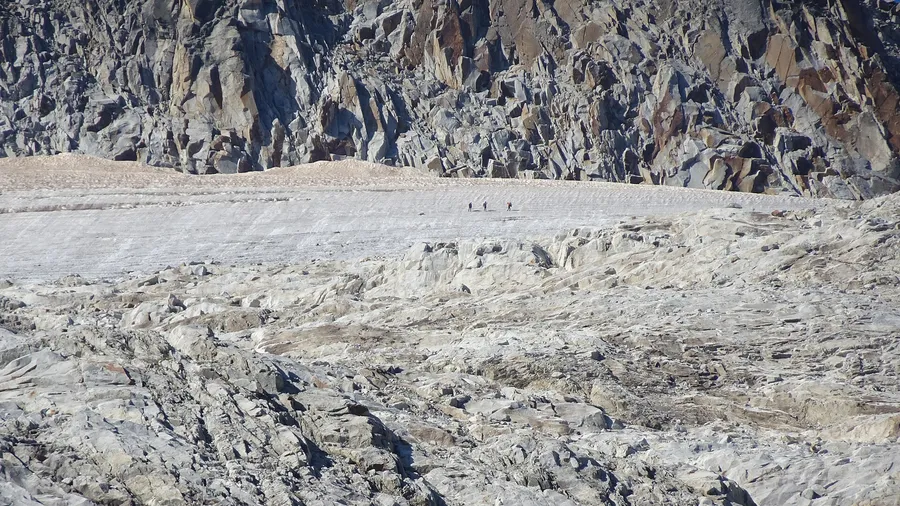
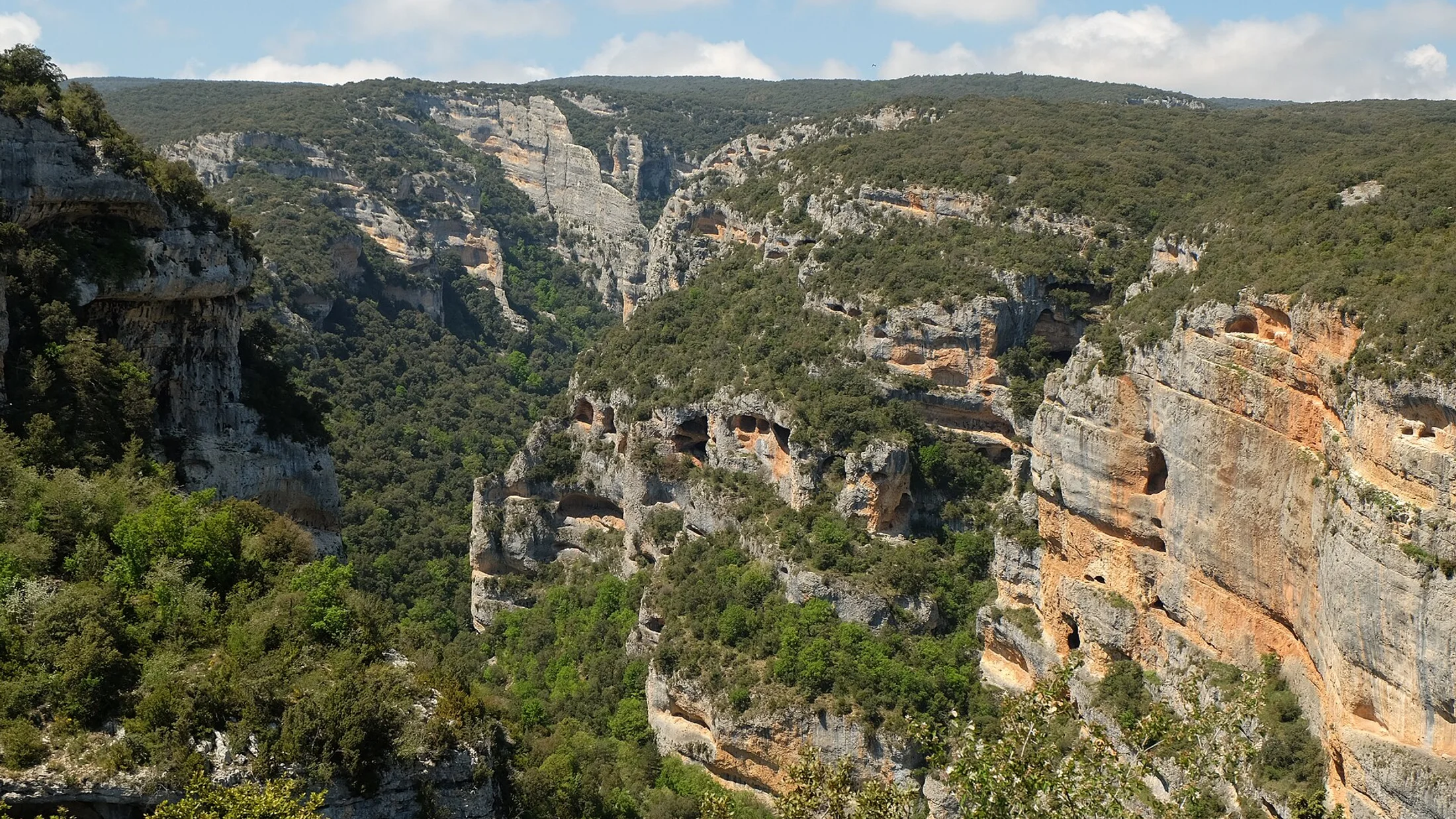
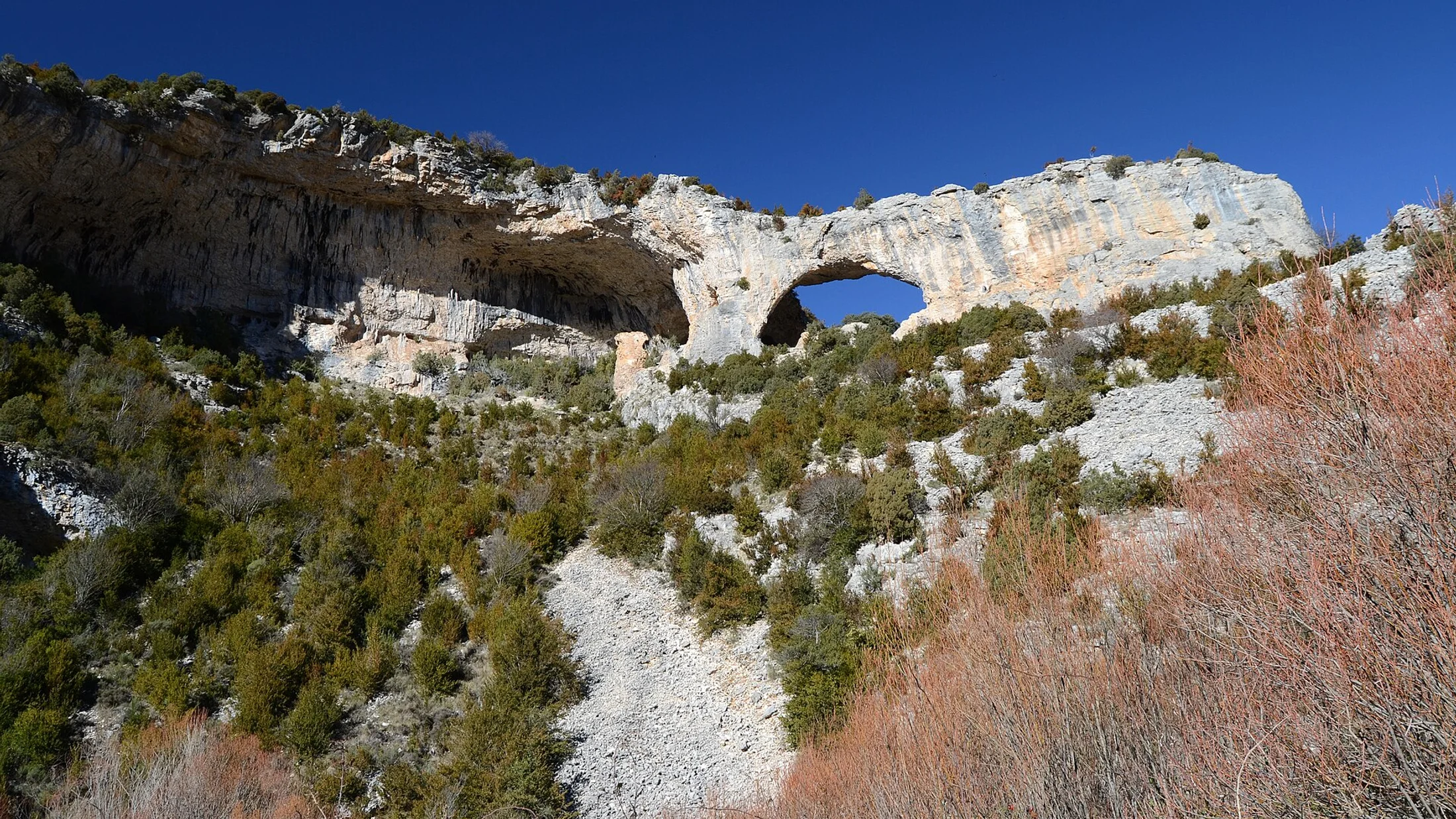
Mascún Canyon, right in the heart of the Sierra de Guara.
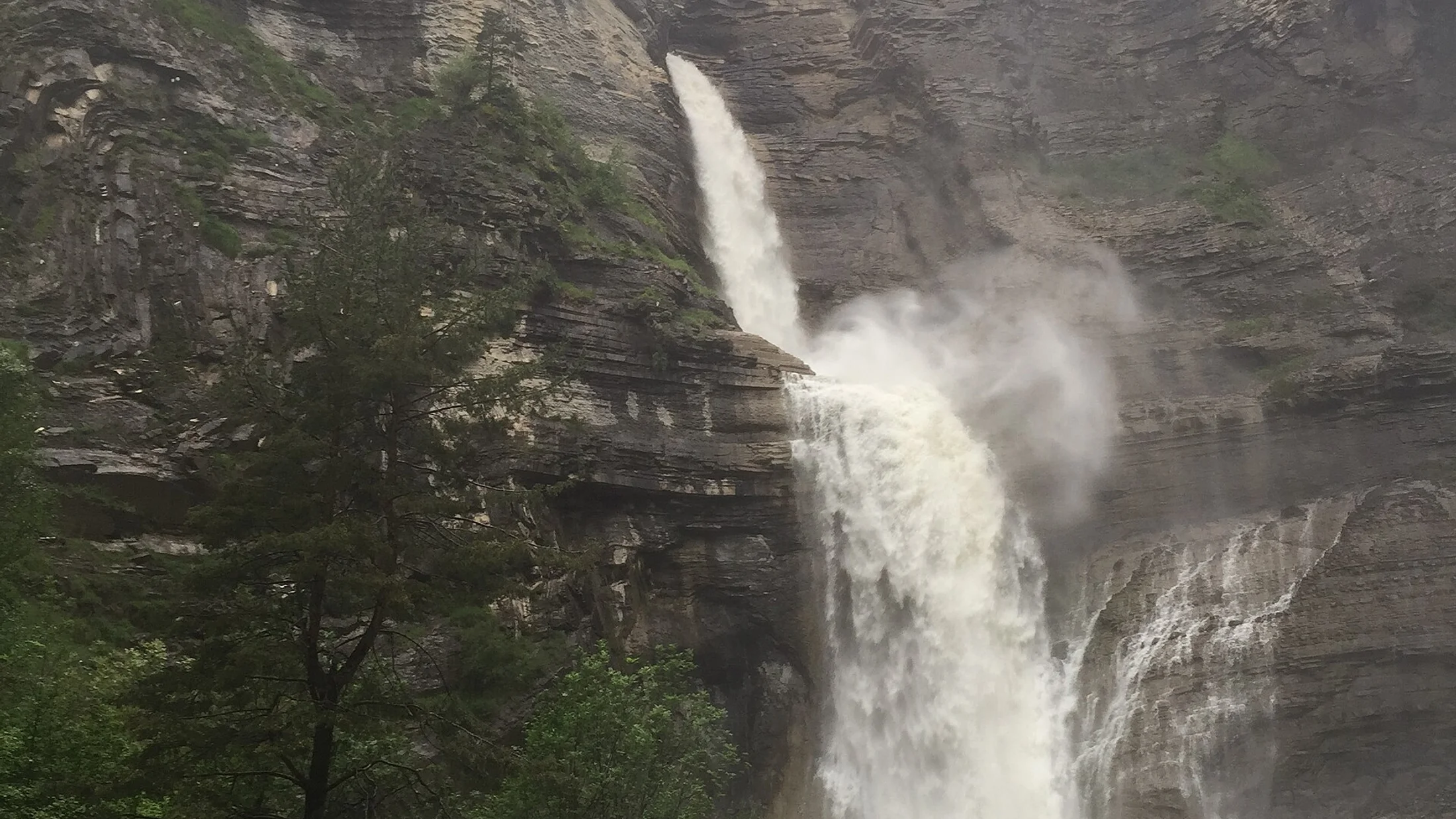
The waterfalls of the Sorrosal ravine, in Broto.
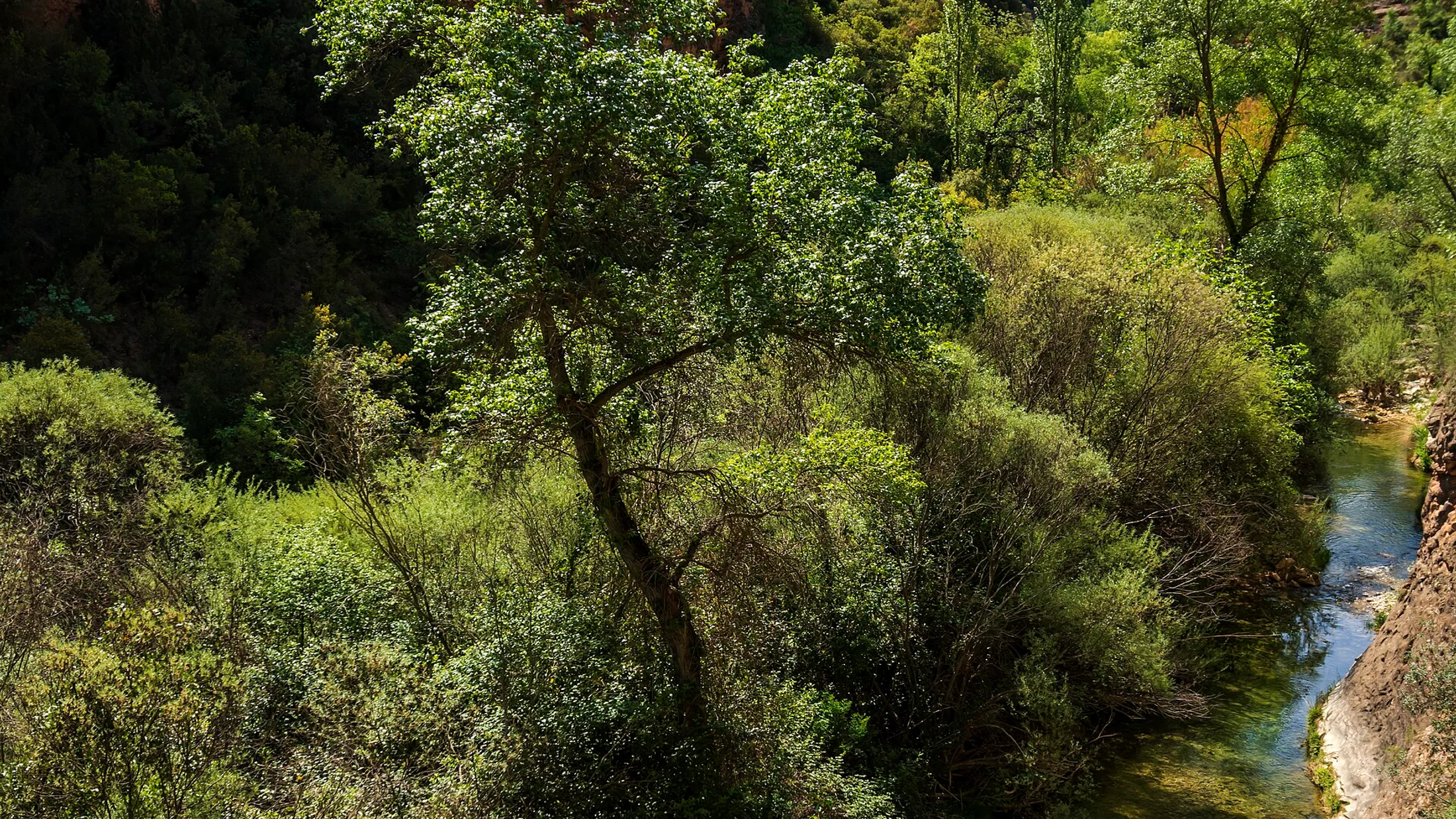
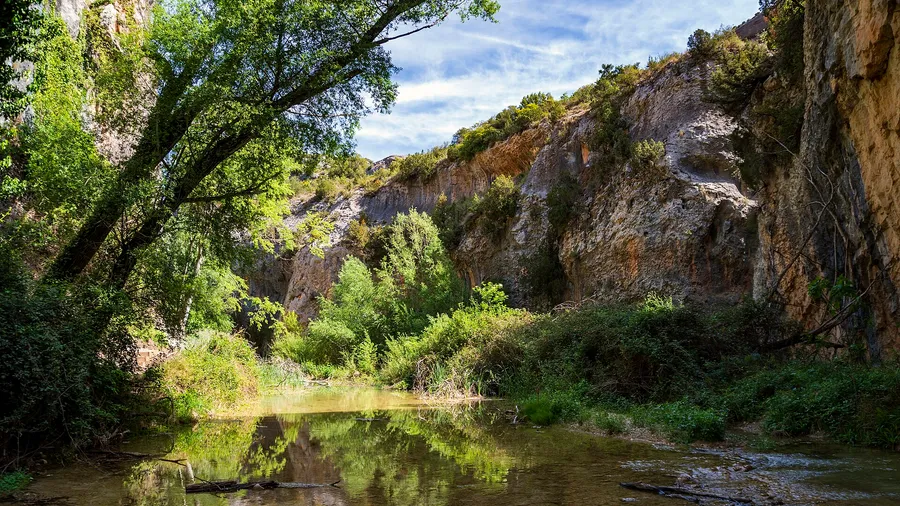
The canyons of the Vero river, crossing the Sierra de Guara.
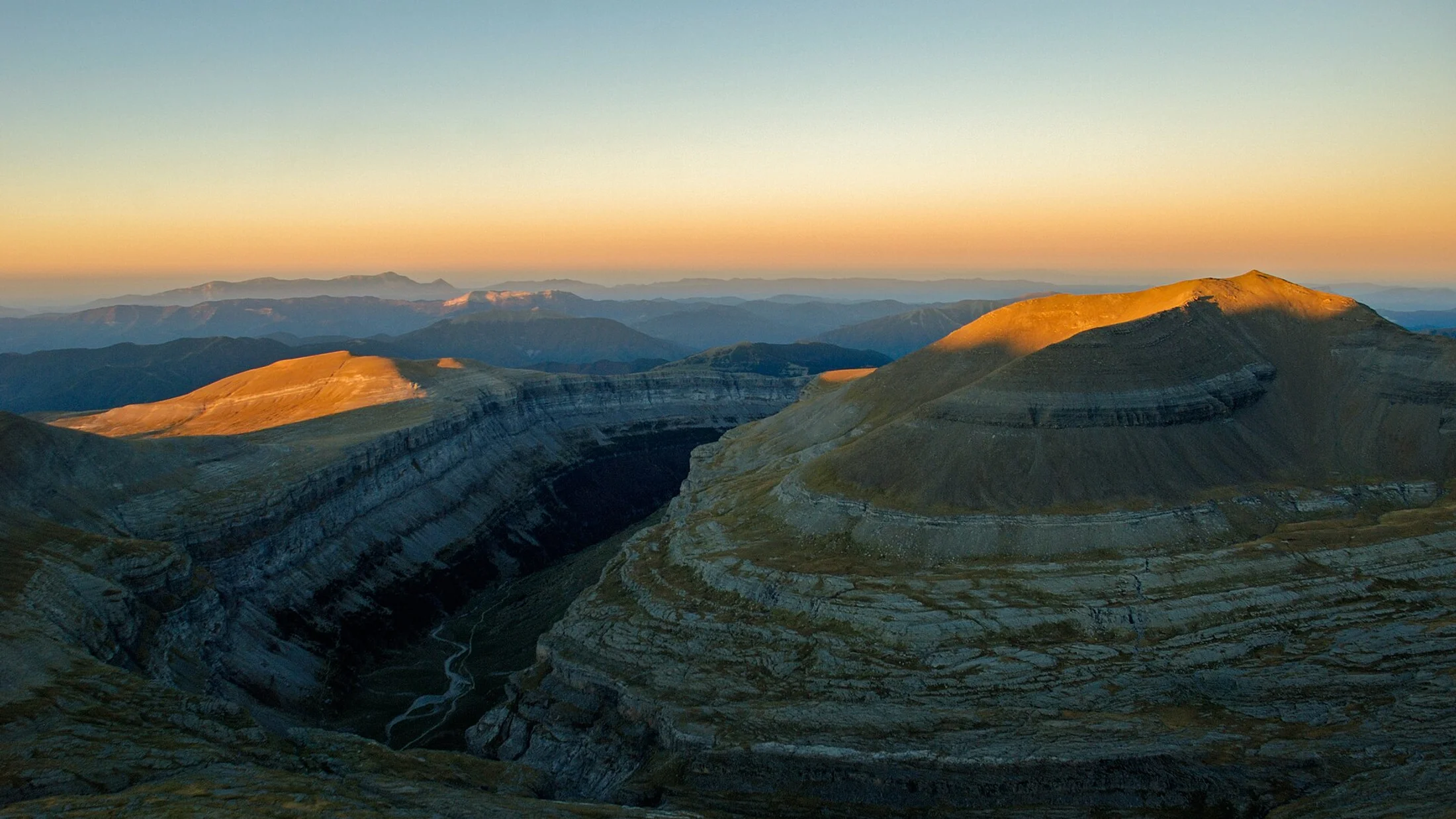
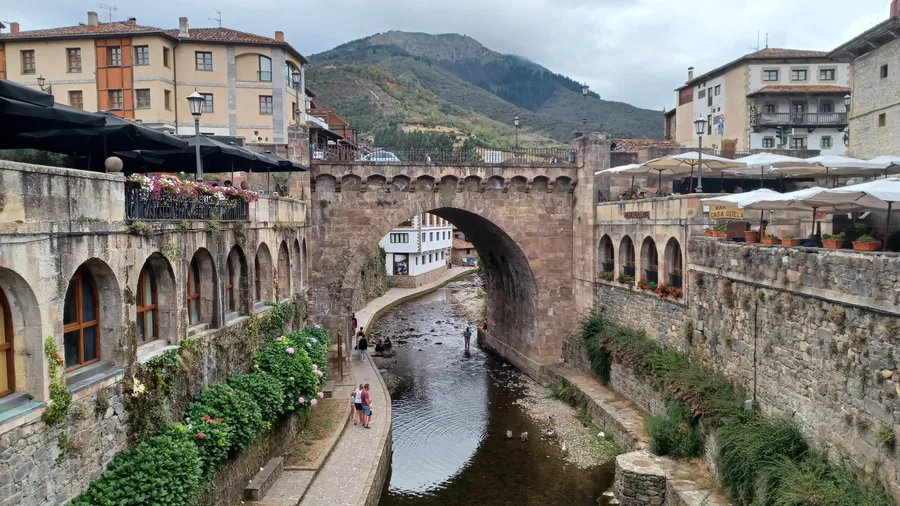
The Ordesa Canyon, backdrop to the Sobrarbe descents
§03 · Why it stands out

Why it stands out

  1. 01

    Europe’s highest concentration of ravines

    Between the Sierra de Guara and Sobrarbe you’ll find over a hundred canyons of all levels. Few places on the continent let you string together so many different descents in such a short distance.

  2. 02

    Real water, not a walk-through.

    Here canyoning is aquatic: natural slides, jumps into pools and rappels alongside the waterfall. The feeling of moving with the river, not against it, is what captivates you.

  3. 03

    Progress at your own pace

    A camp allows you to start with an introductory canyon and raise the bar day by day. The guide adapts the level to your physical condition and the weather, not the other way around.

  4. 04

    Stone Pyrenees and heritage

    Beyond the wetsuit, you are in Sobrarbe: medieval towns, the Ordesa canyon nearby and the rock art of the Vero river, a UNESCO World Heritage site.

§04 · Who it fits

Who it fits

With friends Adventure Ecotourism Disconnection
It's a good fit if you really want to get wet and aren’t afraid of jumping, rappelling or fully immersing yourself in the water. You need to know how to swim and be physically fit for several hours of aquatic activity per day: approach hikes, scrambling and swimming in cold water. It’s NOT a good fit if you're uncomfortable with water, tight spaces or the height of the rappels and jumps, nor if you’re looking for a relaxing nature plan without physical exertion.
No commitment · We design it with you
§05 · What you can live

What the camp includes

An editorial showcase of what the destination offers. Nothing to book here - we shape it when you write to us.

hub.slots.adventure-initiation

hub.slotIntro.adventure-initiation

Featured

Beginner's canyoning route

Your first water descent: gentle slides, optional jumps and a short rappel to gain confidence. The ideal way to understand what this is all about before raising the bar.
hub.slots.adventure-sorrosal

hub.slotIntro.adventure-sorrosal

Featured

Sorrosal Ravine (Broto)

One of the great canyons in the Aragonese Pyrenees, alongside Ordesa: large drops, long slides and rappels under a waterfall. Pure aquatic adrenaline in Sobrarbe.

hub.slots.adventure-technical-guara

hub.slotIntro.adventure-technical-guara

Featured

Technical canyons of the Sierra de Guara

More challenging canyons in the European mecca of canyoning: longer rappels, narrow passages and a river with personality. For those who already have some experience under their belt.

hub.slots.adventure-vero

hub.slotIntro.adventure-vero

Featured

Descent of the Vero River Canyon

The quintessential canyon of the Sierra de Guara: kilometers of sculpted gorge, deep pools and walls with rock art. One of the most beautiful descents in Spain.

hub.slots.adventure-weekend

hub.slotIntro.adventure-weekend

Featured

Weekend: 4 Canyons in 2 Days

The star format of the camp: from Friday night to Sunday, two descents each day with a certified guide and all equipment included. Designed for progression without prior experience, choosing the canyons according to your level and the weather.

hub.slots.culture-sobrarbe-villages

hub.slotIntro.culture-sobrarbe-villages

Featured

Stone villages of the Sobrarbe region

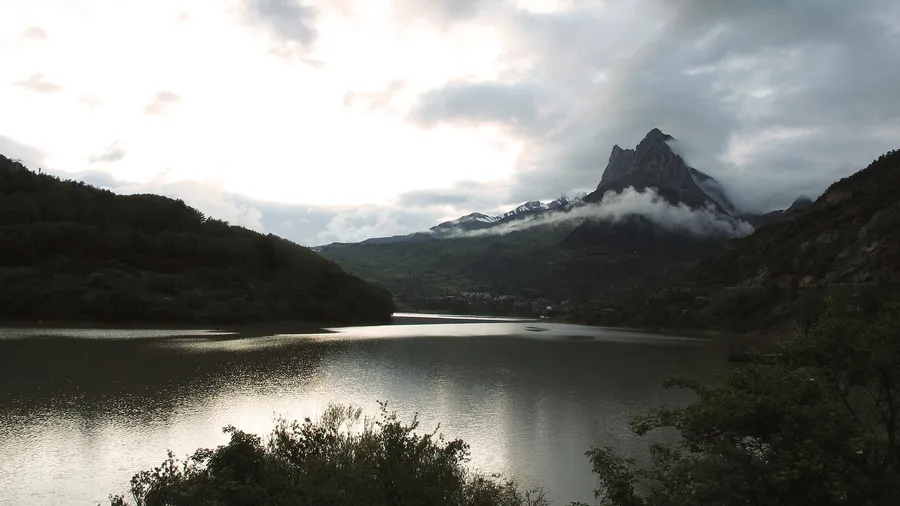
Aínsa, Boltaña, Broto: medieval stone villages with Peña Montañesa and Ordesa as a backdrop. The perfect plan for the afternoons, when the wetsuit is already drying.

hub.slots.culture-vero-rupestre

hub.slotIntro.culture-vero-rupestre

Featured

Rock art of the Vero River (UNESCO)

The Vero canyon holds more than sixty rock shelters with prehistoric paintings, a UNESCO World Heritage site. An open-air prehistory museum beside the water.

hub.slots.gastronomy-altoaragon

hub.slotIntro.gastronomy-altoaragon

Featured

High Aragonese mountain cuisine

Replenish your strength with the cuisine of Alto Aragón: mountain stews, lamb, Pyrenean cheeses and local sweets. Recharging after a day on the water tastes different.

hub.slots.lodging-coordinate

hub.slotIntro.lodging-coordinate

Featured

Where to stay (to be coordinated)

Camping, canyoning hostel or rural house in Sobrarbe or at the gates of Guara. Accommodation is not included in the camps: you coordinate it and we help with recommendations according to your plan (camper, tent or bed).

hub.slots.nature-guara-park

hub.slotIntro.nature-guara-park

Featured

Sierra and Canyons of Guara Natural Park

One of the largest protected areas in Aragon, crossed by over a hundred canyons. Between descents, it's worth getting lost among its viewpoints and trails.

hub.slots.nature-vultures

hub.slotIntro.nature-vultures

Featured

Vultures and Raptors of the Vero Canyon

The canyon landscape makes Guara a balcony to watch griffon vultures, golden eagles and even bearded vultures soaring over the cliffs.
§06 · The practical side

Camp practicalities

Typical length
1-5 nights
More practical details

Physical level & requirements

Moderate physical fitness: each day combines approach hiking, rappelling descents, jumps, slides and swimming in cold water for several hours. Knowing how to swim and being comfortable in the water is essential. No prior technical experience is required, but a physical condition that allows you to string the activity together for several consecutive days is necessary.

How to get there

Best time to go: from June to September, when the snow has melted, the flow rate stabilizes and the water is warmer. Outside of this window many canyons carry too much water or are too cold to descend safely.

Equipment: the wetsuit, harness, helmet and all technical equipment are provided by the guide. You only need a swimsuit, sports shoes that can get wet (preferably with a good sole), towel and change of clothes.

Water level: the flow rate and weather conditions are key; the guide chooses the specific canyon each day based on the conditions.

Recommendations

Reserve the most technical descents for when you’ve already broken in your gear. Bring waterproof sunscreen, some fruit or energy bars to replenish between canyons, and take advantage of the afternoons to visit the towns of Sobrarbe or the rock art of the Vero river. Stay well hydrated: neoprene can be deceiving and you sweat more than you think.
§07 · Bookable packages

Bookable packages

§08 · Questions

Frequently asked questions

Do I need any prior canyoning experience?

The camps are designed for progression: you start with an introductory descent and gradually increase the level. The only essential requirements are knowing how to swim and having a reasonable physical condition.

When is the best time to come?

From June to September. During those months the flow rate is optimal and the water is warmer. Outside of the season many canyons are closed or have too much water.

What should I bring?

Swimsuit, sports shoes that can get wet, towel and change of clothes. The wetsuit, harness, helmet and the rest of the technical equipment are always provided by the guide.

Is accommodation included?

It depends on the hub. In most combos, you coordinate the accommodation yourself (campervan, camping, rural house or hotel) and we help with recommendations; always check the inclusions of each specific package.

Is it safe?

Canyoning inherently involves risk, which is why you are always accompanied by a qualified guide, certified equipment, and accident and liability insurance. The guide will rule out any canyon if the weather or water level are unsuitable.

More trips in the area

Quick filters

3 camps
Hiking and trekking across the Pyrenees
Huesca Hiking

Hiking and trekking across the Pyrenees

Guided hiking and trekking through the Aragonese and Catalan Pyrenees: lakes, peaks, crossings on the GR-11 trail and Jacetania Romanesque architecture, with guide and logistics arranged.

1-7 noches From 80 €

Trekking in the Posets-Maladeta massif
Huesca Hiking

Trekking in the Posets-Maladeta massif

The massif that brings together the two highest peaks of the Pyrenees, Aneto and Posets. Hut-to-hut treks, ascents and glacial lakes from the Benasque valley, always with a certified guide.

2-7 noches From 560 €

High Route of the Pyrenees (HRP)
Huesca Hiking

High Route of the Pyrenees (HRP)

The Pyrenean ridge from coast to coast: 800 km of high mountains along the Franco-Spanish divide, plus iconic 3,000-metre summit ascents like Aneto. For mountaineers with experience in trekking and snow.

1-55 noches From 250 €

We'll shape it around you

Tell us how you travel - dates, group, pace, budget - and we'll design the trip exactly the way you need it.
Tell us about your trip

Send us your preferences and we'll put together a personalised proposal.

Campos obligatorios

¿Cómo prefieres que te contactemos?

Trip preferences (optional)

¿Cuándo te gustaría viajar?