Nordic walking retreats in the Pyrenees
Camps
Nordic walking

Nordic walking retreats in the Pyrenees

Guided-technique Nordic walking in the glacial valleys of Benasque, in the heart of the Aragonese Pyrenees.

From 420 € /person

2-4 nights
Easy
Benasque

No commitment · We design it with you

§02 — The place

Walk with poles and let the valley do the rest

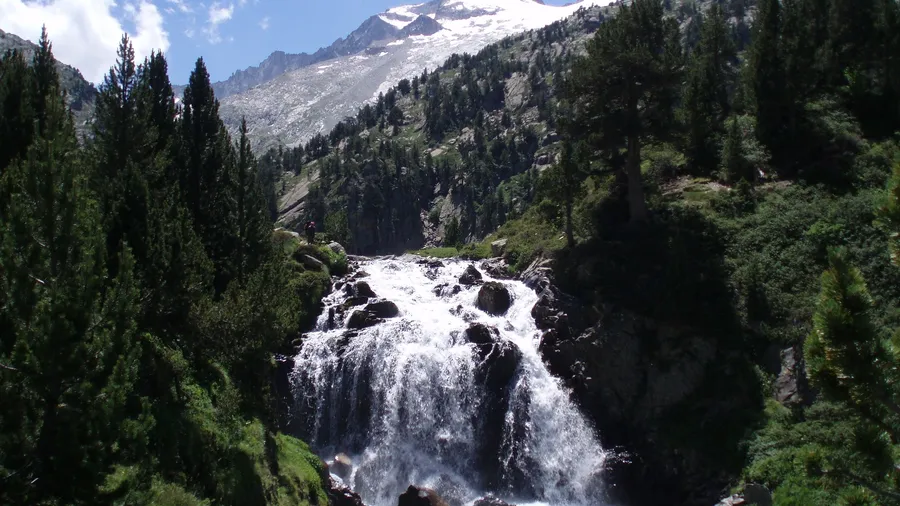
You head out at dawn with two poles, a flat trail along the Ésera river and an instructor correcting your form every hundred metres. No aggressive climbs, no rush: Nordic walking engages the whole body at a sustained pace and the tap of the tips on the soil sets the rhythm. The Maladeta behind, the whole morning ahead. You return to the village with steady legs and an empty head: that's what you came for.
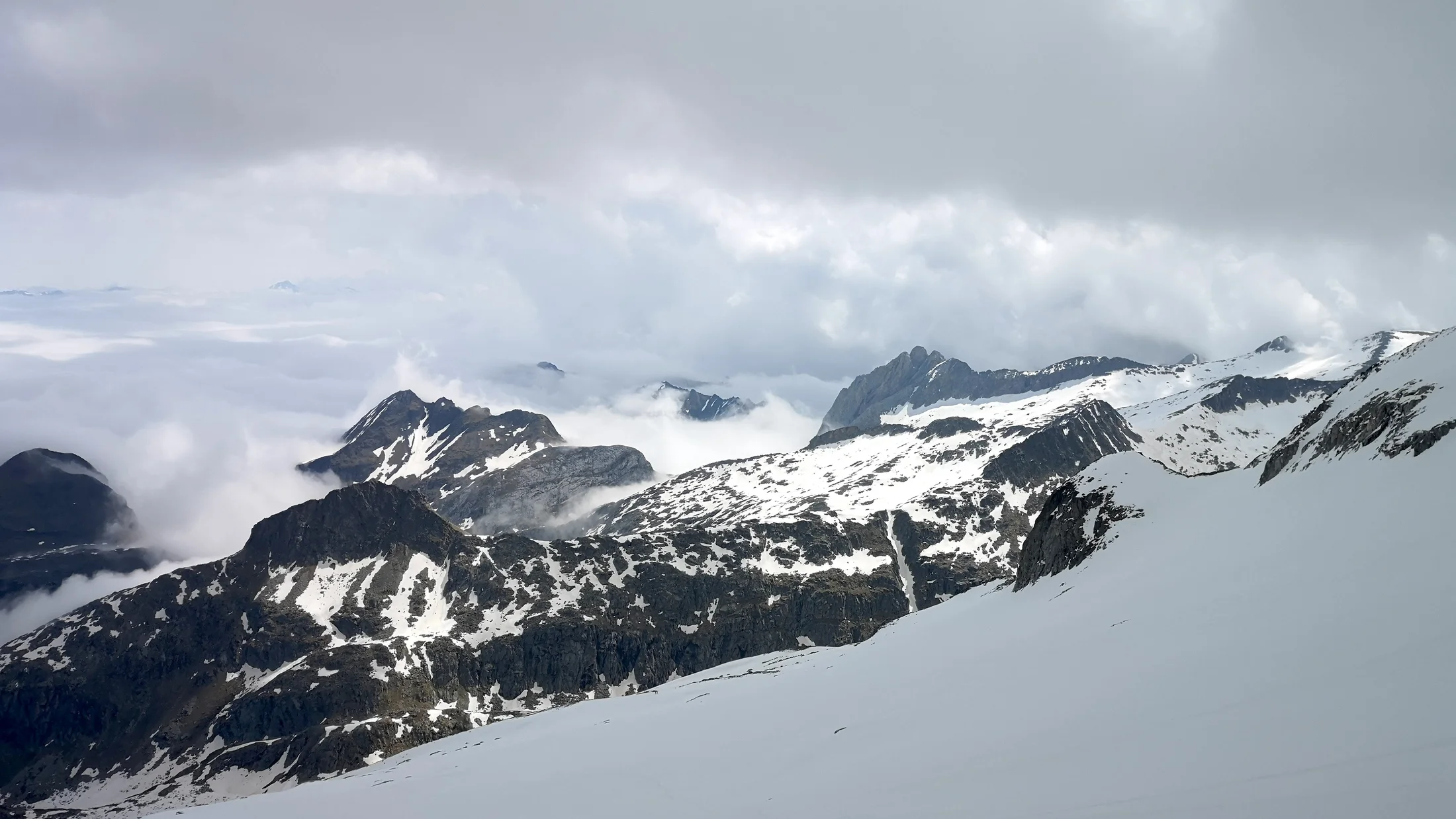
File:Parque natural Posets Maladeta.jpg
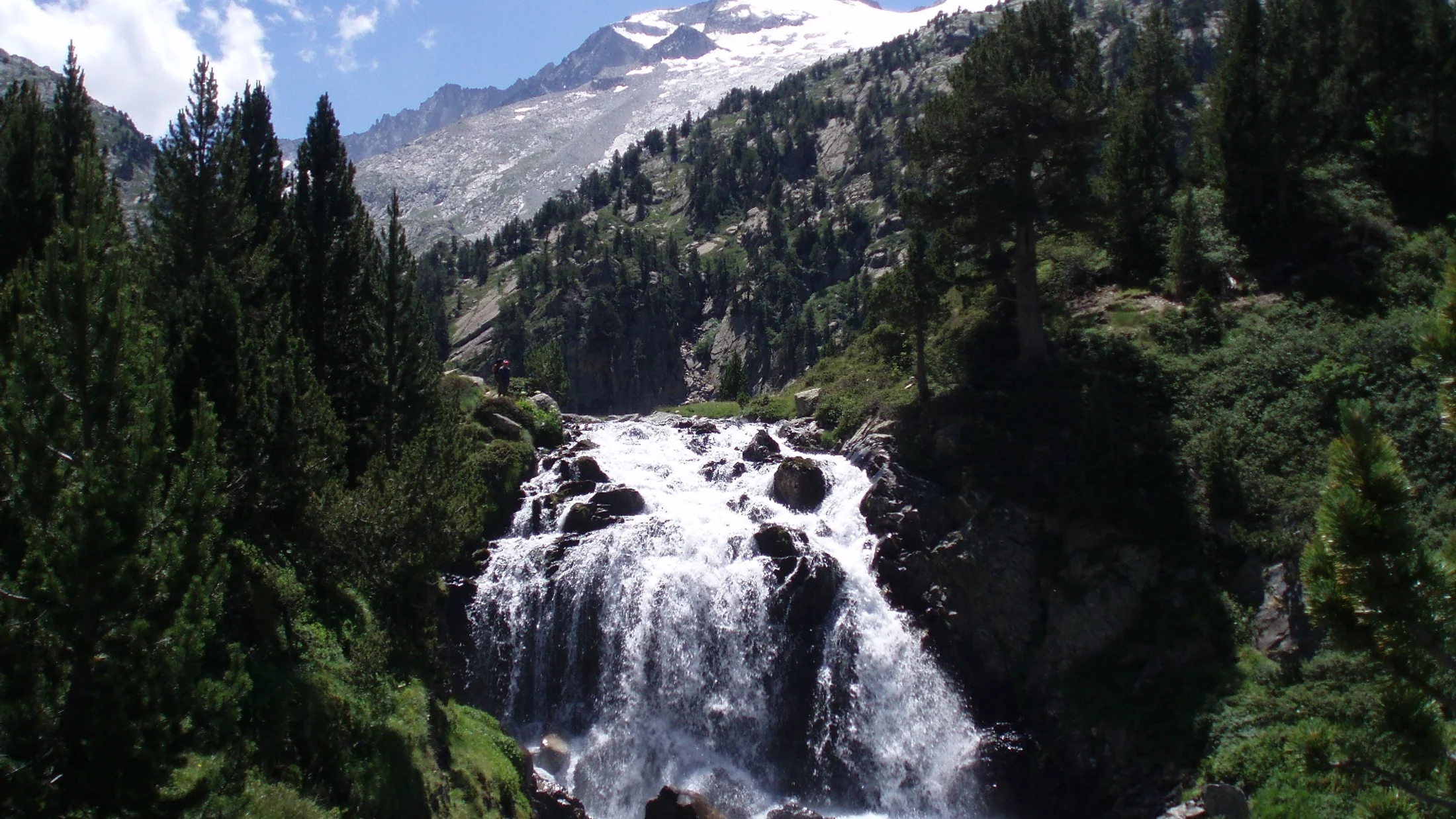
File:Cascada Aigualluts y Aneto.JPG
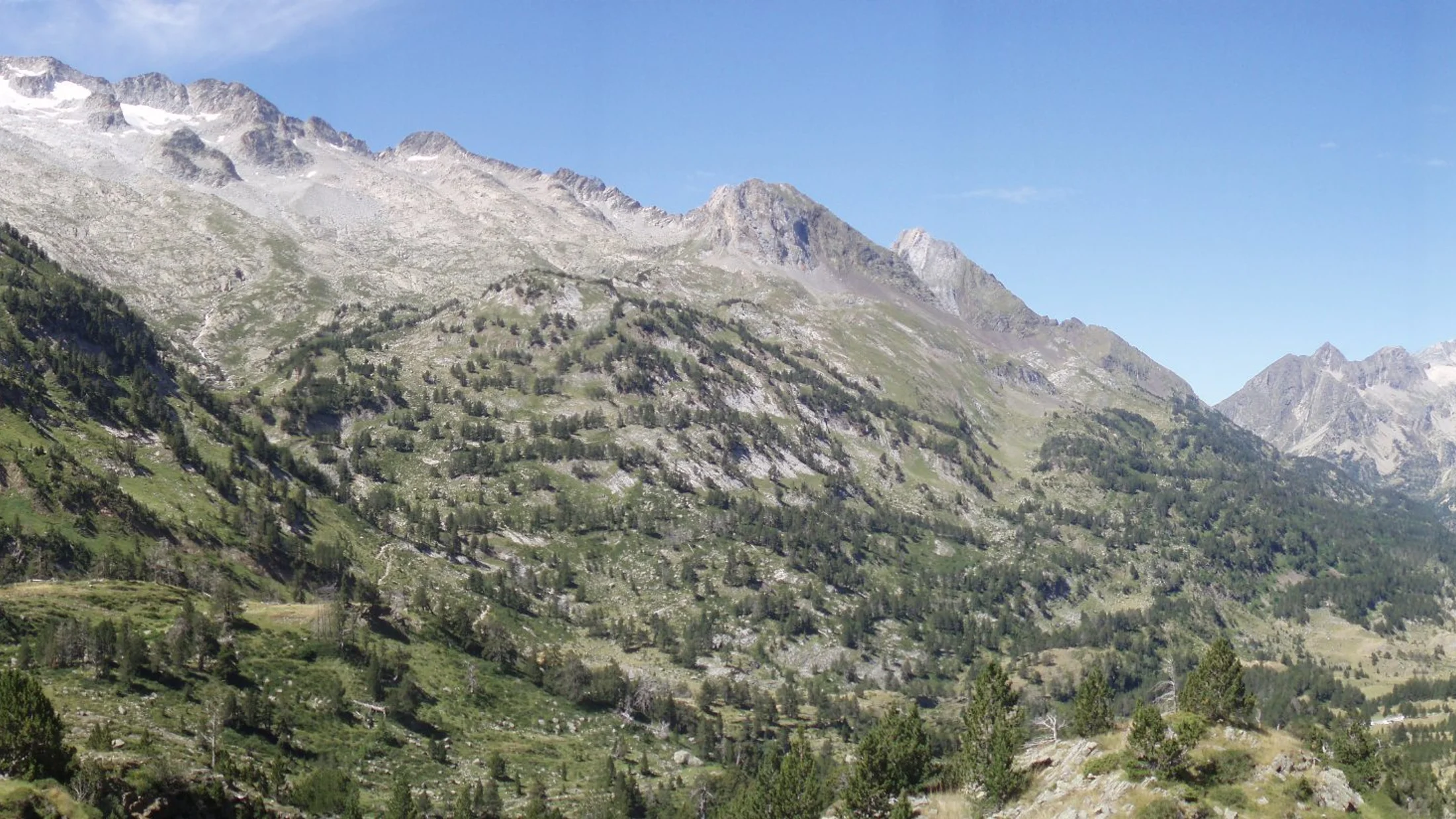
Valle de Benasque
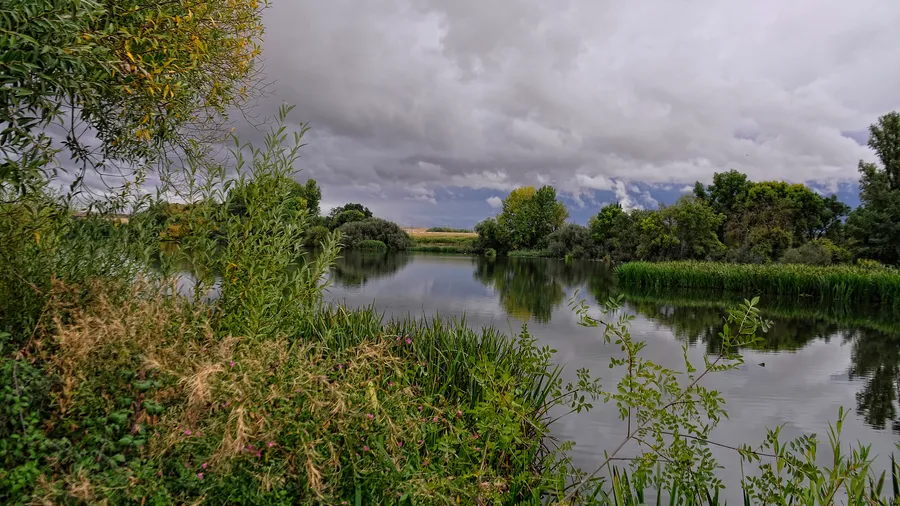
Valle de Benasque
§03 — Why it stands out

Why it stands out

  1. 01

    Niche discipline with real terrain fit

    Nordic walking was born in Finland to train skiers off-season and needs flat or rolling terrain, not high mountain. The Benasque valley offers exactly that: trails along the Ésera, paths around Ampriú, meadows of Cerler. It's not hard mountain in disguise.

  2. 02

    Capital of Pyrenean mountaineering as base

    Benasque has been the Pyrenean logistics hub for decades: mountain shops, rentals, seven-day restaurants and transfer networks to trailheads. This matters when you come for 3-4 days: you never lose a morning sorting logistics.

  3. 03

    Low joint impact, clinical evidence behind

    Published studies (Schwameder 1999 on knee and hip forces, among others) measure around 30 % reduction in lower-limb impact compared with poleless hiking. That's why Nordic walking entered cardiovascular and oncology rehabilitation programmes.

  4. 04

    You learn with an instructor, not videos

    The correct stride is only transmitted with an instructor next to you correcting the strap, pole angle and hip rotation in real time. The retreats include sessions with INWA-certified instructors (International Nordic Walking Federation) or equivalent. The rest stays in the gym.

§04 — Who it fits

Who it fits

With friends Ecotourism Local Life Relaxation Wellness

This fits you if you're 40 to 65, come from hiking and want a technique that protects your joints, you're rebuilding tone after a minor injury, or you're a beginner who prefers shorter sessions (10-15 km a day) over a 25-km march.

It isn't for you if you're after high-mountain effort with steep ascent and exposure (look at the alpinism / trekking Pyrenees hubs), if you want technical adventure with ropes, or if you came for a pure wellness retreat with yoga and spa: here you walk a lot, with method, and that's the plan.

No commitment · We design it with you
§05 — What you can live

What the camp includes

An editorial showcase of what the destination offers. Nothing to book here - we shape it when you write to us.

Adventure

The active side: guided or self-guided activities, no sugar-coating the gradient.

Featured

Four-contact technique session (half day)

Three hours with an INWA-certified instructor on the Cerler forest track to learn or polish the stride: strap, pole angle, hip rotation. Mandatory first session if you arrive without experience.
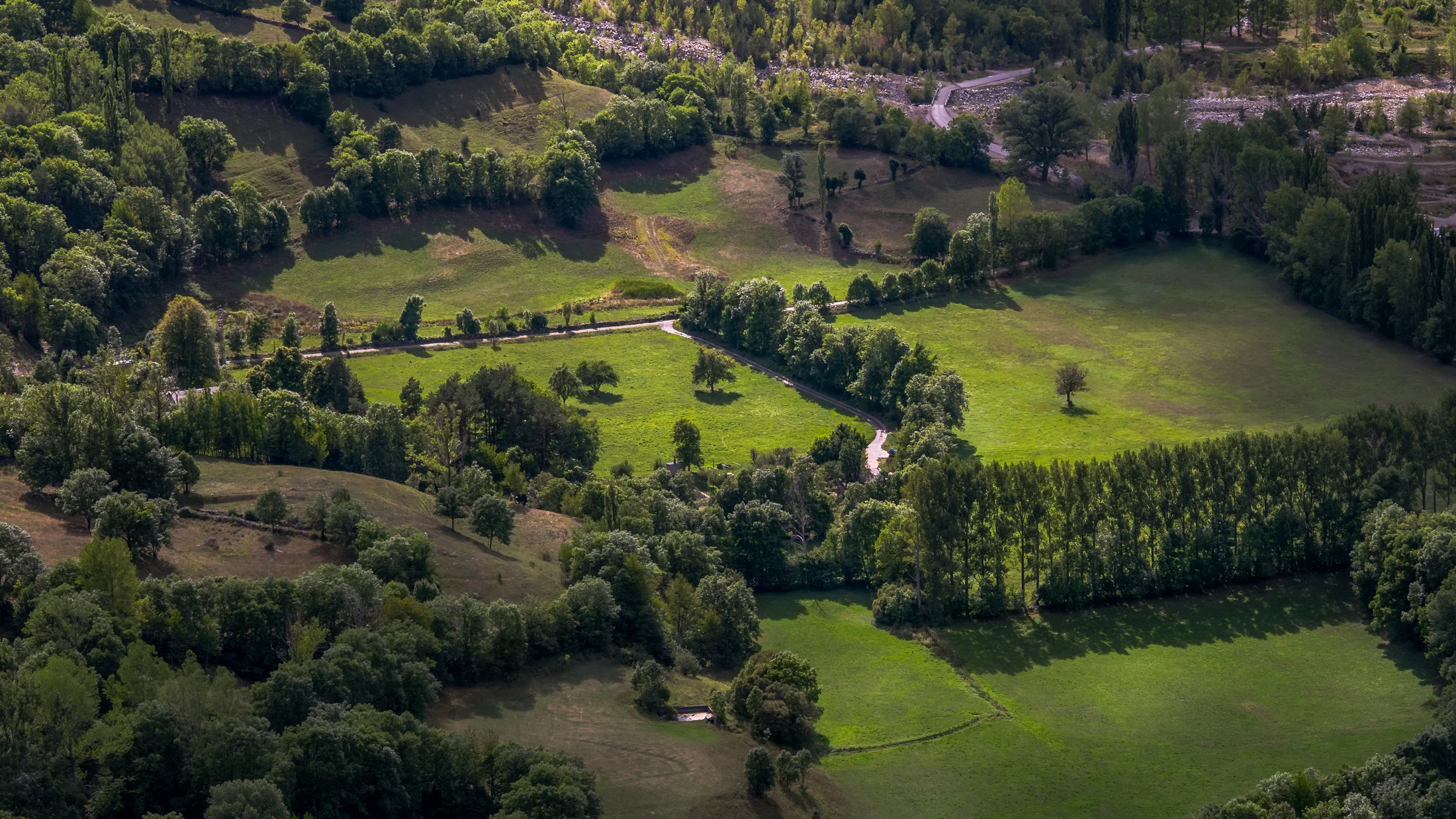
Flat route along the Ésera riverbank (15 km)

Trail along the river from the San Jaime bridge to the Hospital de Benasque and back, with less than 200 m elevation gain. Sustained pace, hydration stops. Ideal terrain to consolidate freshly learned technique.

Upland route through Ampriú (12 km, gentle slope)

Drive or transfer up to the Ampriú plateau (1,900 m) and walk on rolling paths with views over the Maladeta massif. Thin air, mixed pastures-forest terrain. For when you've mastered the technique.

Specific Nordic walking pole rental

If you don't own poles or only have trekking ones (which don't work), rent them here: model with glove strap, height adjusted, interchangeable asphalt/dirt tip. Small cost, saves you flying with them.

Food & drink

Eating well without the manual - local product, village pace.

Featured

Pyrenean cuisine dinner in Benasque

One included evening in a local restaurant with Aragonese lamb, recau (traditional Benasque stew) or Ésera river trout. Short menu, local produce, Somontano wines. Long after-dinner: that's why you walked fifteen kilometres.

On-trail picnic with valley produce

For long sessions: basket with Teruel ham, Benasque cheese (Selva de Oza when available), village bread and seasonal fruit. Set up mid-morning in a clearing by the river or at a viewpoint.

Where to sleep

Where you sleep - inns, rural houses, hotels with character in the valley.

Featured

Family-run hotel in Benasque village

Stay in a small hotel or rural house in the centre of Benasque, on a cobbled street, 200 m from the Ésera river. Local dinner, early breakfast to head out at first light. Double room or single with supplement.

Aparthotel in Cerler (higher altitude, valley view)

Alternative at 1,500 m, 6 km from Benasque: start the day with the Maladeta in front and drive down to the village for dinner. Apartment with kitchen for trail food. Typical family-weekend option.

Nature

Landscape unfiltered: what you see on foot, without the car.

Featured

Visit to the Forau de Aigualluts (tourist pace, no poles)

Technical-rest day: flat route to the sinkhole where the Aneto meltwater disappears, a karst phenomenon unique in the Pyrenees. Camera in the pack, slow pace, eyes-open plan.

Ampriú beech forest in autumn

Only from October to early November: the Ampriú beech forest blazes in reds and golds at 1,800 m altitude. 8-km loop, combinable with technique Nordic walking or a relaxed pace.

Cregüeña lake on a long tourist day

For groups with medium-high fitness: glacial lake at 2,660 m, demanding climb (1,000 m gain) without Nordic walking, normal pace only. A day to bank the view of one of the largest lakes in the Pyrenees.

30-60 min away

Half-hour side trips if you've time left or it rains.

Featured

Thermal baths at the Balneario de Benasque

Afternoon session in the historic spa's 30 °C sulphurous waters, 6 km from the village. Best post-walk investment: fresh legs for the next day's session. Pre-booking required, limited slots.

Cultural stroll through the historic centre

One hour walking without poles through the medieval centre of Benasque: San Marcial church (13th c.), tower-palaces, stone façades with coat-of-arms. The local guide explains why the valley belonged to the County of Ribagorza and the Kingdom of Aragon.
§06 — The practical side

Camp practicalities

Best season
Spring · Summer · Autumn
Fitness level
Easy
Typical length
2-4 nights
More practical details

Physical level & requirements

Required fitness: basic to medium. You need to walk 3-5 hours at a steady pace with moderate ascent (200-400 m per day). No prior mountain experience required, but minimum cardiovascular fitness (climbing four flights without stopping). Nordic walking reduces knee impact by around 30 % compared with classic hiking, which makes it suitable for recovery, but it's not sedentary: symmetric arm-leg work for hours.

How to get there

Best season: May to October. Spring brings flowers and full rivers; summer is stable and cool at 1,000-1,500 m; autumn paints the Ampriú beech forests. Winter only if you're after snowshoeing: classic Nordic walking isn't done on hard snow.

Essential gear: specific Nordic walking poles (NOT trekking poles; the grip and strap differ), low-cut or trail shoes with flexible sole, layered clothing and a small daypack. Poles can usually be rented in Benasque.

Getting there: Benasque is 2h40 by car from Zaragoza, 3h30 from Lleida, 4h from Barcelona. The nearest train station is Lleida-Pirineus, with private transfers or seasonal bus services from there. Closest functional airport: Zaragoza.

Permits: not required for Nordic walking on open trails. The Posets-Maladeta Natural Park applies standard protected-area rules (no wild camping, no fire, pack out your waste).

Recommendations

If you've never done Nordic walking before, devote the first full day to technique before heading out: the four-contact stride only delivers when it becomes automatic. Book an instructor certified by the International Nordic Walking Federation (INWA) or equivalent; Benasque has options.

Combine sessions: a long morning route (15 flat km along the Ésera) and a shorter afternoon focused on demanding technique on a gentle slope. Your body responds better than to two identical days.

Eat early and sleep well: moderate altitude helps rest. On a long weekend, plan a tourist-pace day to the Cregüeña lake or the Forau de Aigualluts without poles: the valley deserves alert eyes.

§07 — Bookable packages

Bookable packages

§08 — Questions

Frequently asked questions

Is it the same as hiking with poles?

No. Nordic walking uses specific poles with glove-style straps and a learned four-contact stride: the pole pushes, not just supports. Classic trekking uses support poles and a free stride. Muscular load and impact differ.

Can I come with no experience?

Yes. The first day is devoted to learning the technique from scratch with a certified instructor. The learning curve is quick: after four hours you walk with correct form on flat terrain.

What if I have knee problems?

Nordic walking reduces lower-limb joint impact by up to 30 % compared with hiking. It's commonly recommended in post-knee-surgery recovery in the ambulatory phase, always with prior medical clearance. It's not a therapy, it's adapted exercise.

When is the best season?

May to October. May-June brings full rivers and flowering meadows; July-August are stable and cool at this altitude; September-October light up the beech forests. Winter only with snowshoes, not classic Nordic walking.

Do I need to bring poles?

If you own specific Nordic walking poles, yes. Otherwise, the retreats include or rent suitable models (important: standard trekking poles don't work).

Is there a weekend-only option?

Yes, typical formats are 2 nights (classic weekend) or 3-4 nights (long weekends and compressed weeks). Technique settles better from 3 days of practice onwards.

Other camps that might fit you

Quick filters

9 camps
Climbing at El Chorro, Málaga
Álora Rock climbing

Climbing at El Chorro, Málaga

Over 1,000 limestone routes above the Desfiladero de los Gaitanes. Spain's historic sport climbing destination.

2-6 noches From 315 €

MTB School in the Sierra de Madrid
Madrid Mountain bike

MTB School in the Sierra de Madrid

A one-week MTB immersion with a fixed base in the Sierra de Guadarrama. Progressive technique, real trails, and terrain where you measure your progress day by day.

4-7 noches From 690 €

Surfcamp in Salinas, Asturias
Castrillón Surf

Surfcamp in Salinas, Asturias

Learn to surf where Spanish surf was born: five days of lessons in Salinas, an open beachbreak and a living community.

4-9 noches From 374 €

Equestrian retreat in Salamanca
Salamanca Horseback Riding / Horse Riding Routes

Equestrian retreat in Salamanca

Two days on horseback between the Tormes river and the dehesa, fixed base in a finca or rural house, Salamanca food at the end of each day.

1-3 noches From 185 €

Canyoning in the Aragonese Pyrenees
Huesca Canyoning

Canyoning in the Aragonese Pyrenees

Several days stringing together aquatic descents in the Sierra de Guara and Sobrarbe, the area with the most canyons in Europe, with a certified guide and all equipment included.

1-5 noches From 165 €

Caving in the Montaña Palentina
Palencia Caving

Caving in the Montaña Palentina

Speleology camps in the Geoparque de Las Loras: real cave training, vertical progression and an underground world known to few.

2-5 noches From 275 €

Wilderness survival in Girona
Girona Orientation / survival in nature

Wilderness survival in Girona

Survival camps on a private estate in Girona: fire, shelter, water, orientation and tracking, with overnight stays surrounded by nature near Garrotxa.

1-5 noches From 320 €

Surf camps in Cantabria
Cantabria Surf

Surf camps in Cantabria

Learn to surf a few days in Cantabria, sleeping near the water. Four beaches, five schools each with their own character, options for all ages — from tent camping in Somo to eco-domes in Suances.

2-7 noches From 550 €

Kitesurfing in the Canary Islands
Canary Islands Kitesurf

Kitesurfing in the Canary Islands

Learn to kitesurf in the Canary Islands, one of the few places in the world with steady trade winds year-round. Two consolidated destinations with guided product: Corralejo (Fuerteventura) for beginners and progressing riders, and Jinámar beach (Gran Canaria) for intermediate level in strong waves.

3-7 noches From 390 €

We'll shape it around you

Tell us how you travel - dates, group, pace, budget - and we'll design the trip exactly the way you need it.
Tell us about your trip

Send us your preferences and we'll put together a personalised proposal.

Campos obligatorios

¿Cómo prefieres que te contactemos?

Trip preferences (optional)

¿Cuándo te gustaría viajar?