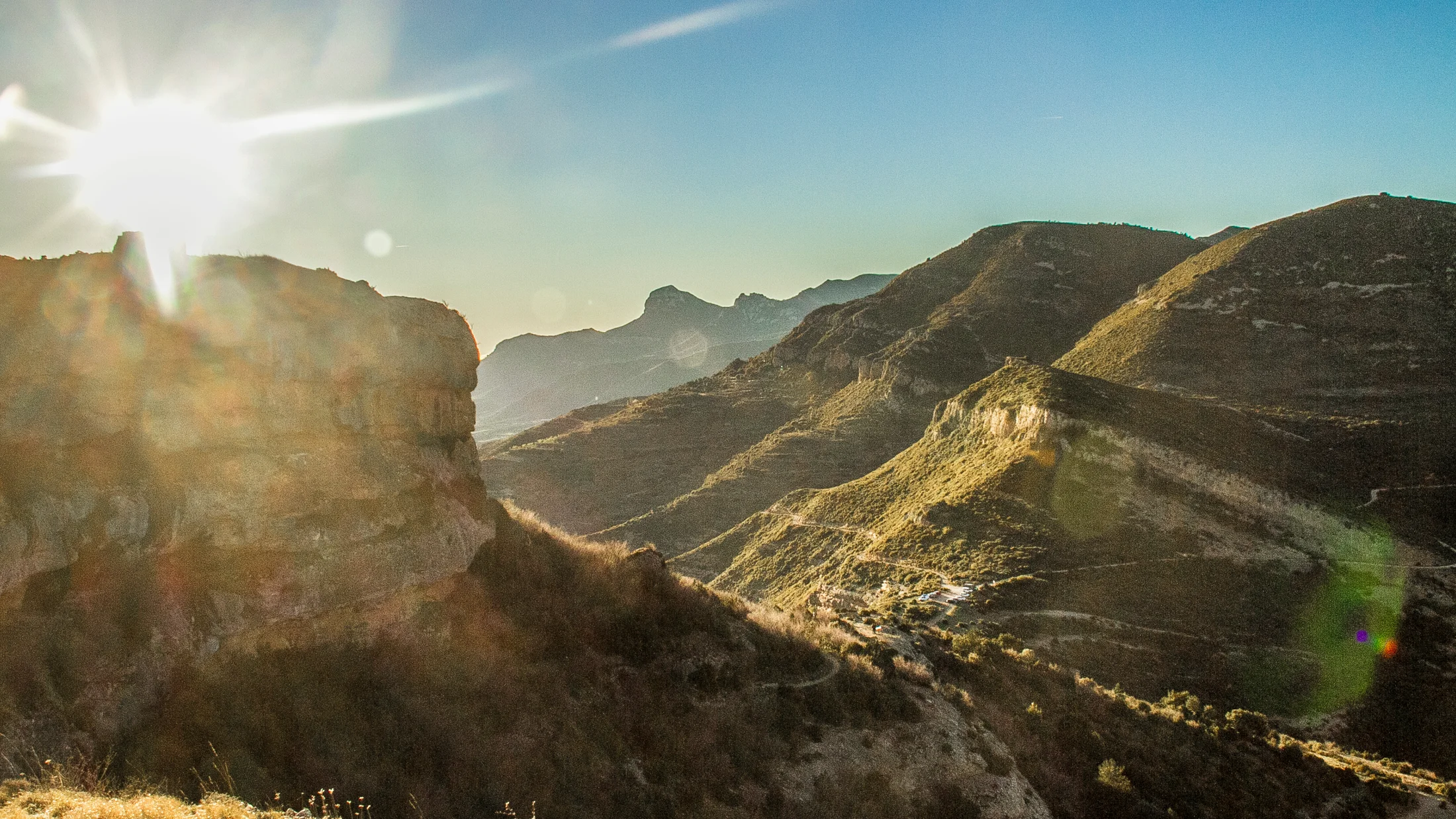
The Sierra de Guara rises in the Pre-Pyrenees of Huesca province in Aragon, between the Ebro depression to the south and the main Pyrenean massif to the north. The park covers 47,453 hectares of relief carved over millions of years by the Vero, Mascún, Formiga, Alcanadre and Guatizalema rivers, which have cut canyons with vertical walls up to 500 metres deep into the limestone. This concentration of deep gorges with permanent water and abseils of up to 60 metres has made Sierra de Guara the canyoning capital of Europe: each season between May and October, thousands of practitioners from across the continent come to the Vero, Aso and Fuenmayor gorges.
The cultural dimension of the territory is as significant as the natural one. The Parque Cultural del Río Vero, declared by the Aragonese government in 1994, includes the most important collection of Levantine rock art in the world: the caves of Fuente del Trucho, Mallata and Lecina hold depictions of animals and human figures dated between 10,000 and 1,500 years ago, recognized by UNESCO as World Heritage in 1998 as part of the Rock Art of the Mediterranean Basin on the Iberian Peninsula. Access to the main sites requires a compulsory guide booked through the park cultural office in Colungo.
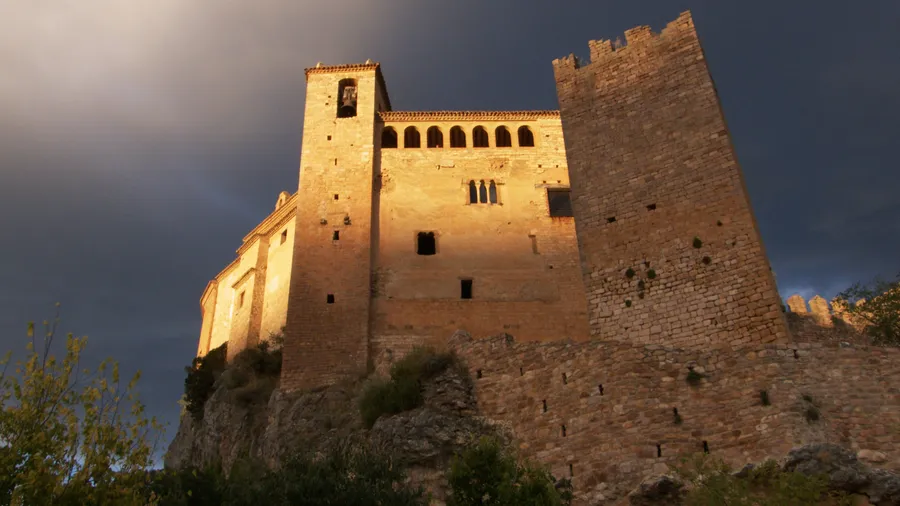
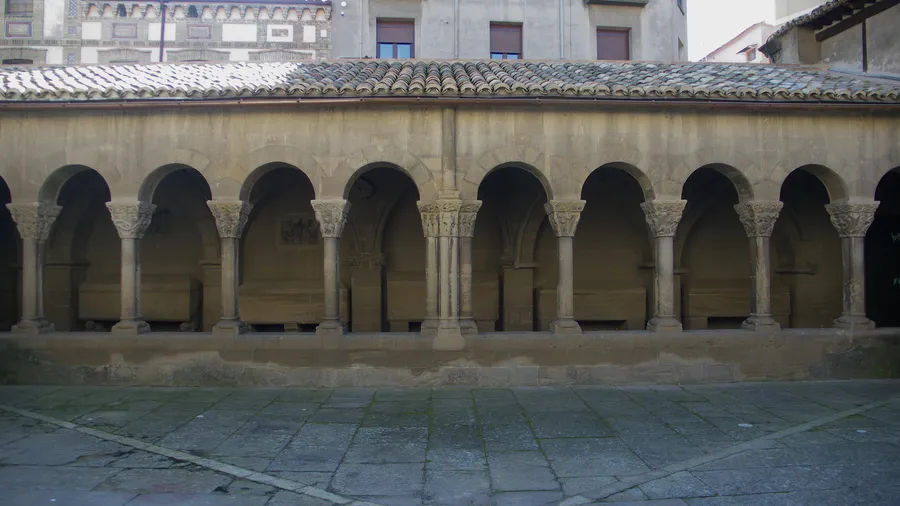
Alquézar, declared a Historic-Artistic Complex, stands on a promontory above the Vero canyon. Its ochre sandstone streets, the Romanesque collegiate church with a 12th-century cloister and the views of the river flowing 150 metres below in an enclosed meander create an image that stays with most visitors. The village is also the starting point for the Mascún Viaduct walk and the descent of the Mascún gorge, widely considered the classic canyoning route in Guara. The Salto de Bierge swimming hole, 12 km from Alquézar, is a natural pool of clear water formed by an Alcanadre waterfall; in summer it operates as a bathing area with controlled capacity.
The park's fauna includes griffon vulture, bearded vulture, golden eagle, Egyptian vulture and peregrine falcon, all of which find ideal nesting conditions on the limestone cliffs. Stone marten and genet are the most common nocturnal mammals in the holm oak and downy oak forests covering the mid-slopes. Vegetation changes sharply between north-facing slopes, with black pine and isolated beech trees in cooler corners, and south-facing slopes where kermes oak and rosemary resist the summer drought. The gorges maintain dense riparian vegetation of ash, poplar and bramble that contrasts with the aridity of the plateaus between canyons.