The essentials of Sierra de Bernia

  • • 11-km circular trail with 500 m elevation gain and sea views from the ridge
  • • Forat de Bernia: 20-metre natural tunnel through the limestone to cross the sierra
  • • Panorama from Calpe to Benidorm and as far as Ibiza on clear days
  • • Breeding Bonelli's eagle pairs on the north-face cliffs
  • • Remains of Philip II's 16th-century fort integrated into the hiking route

Description

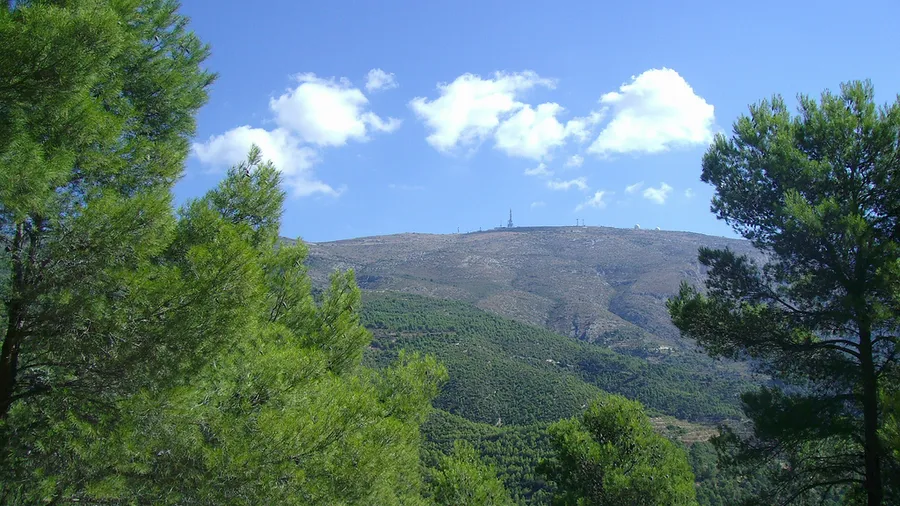
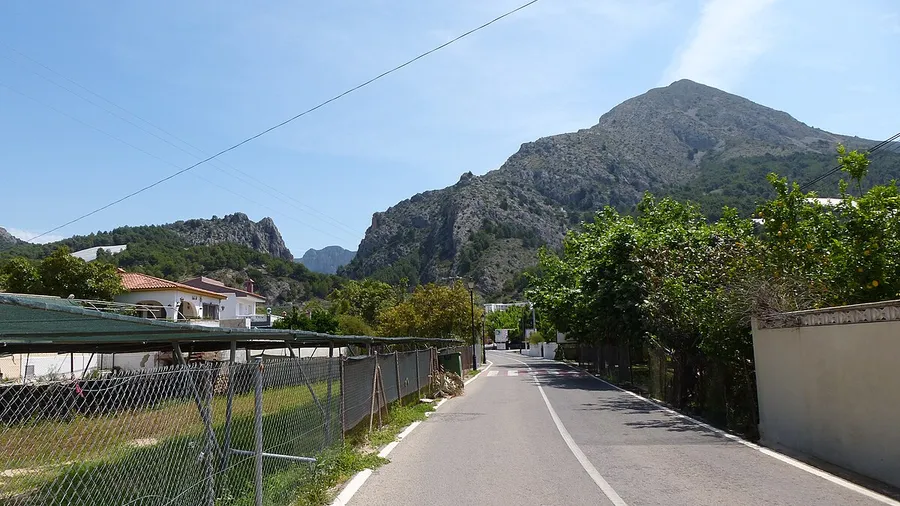
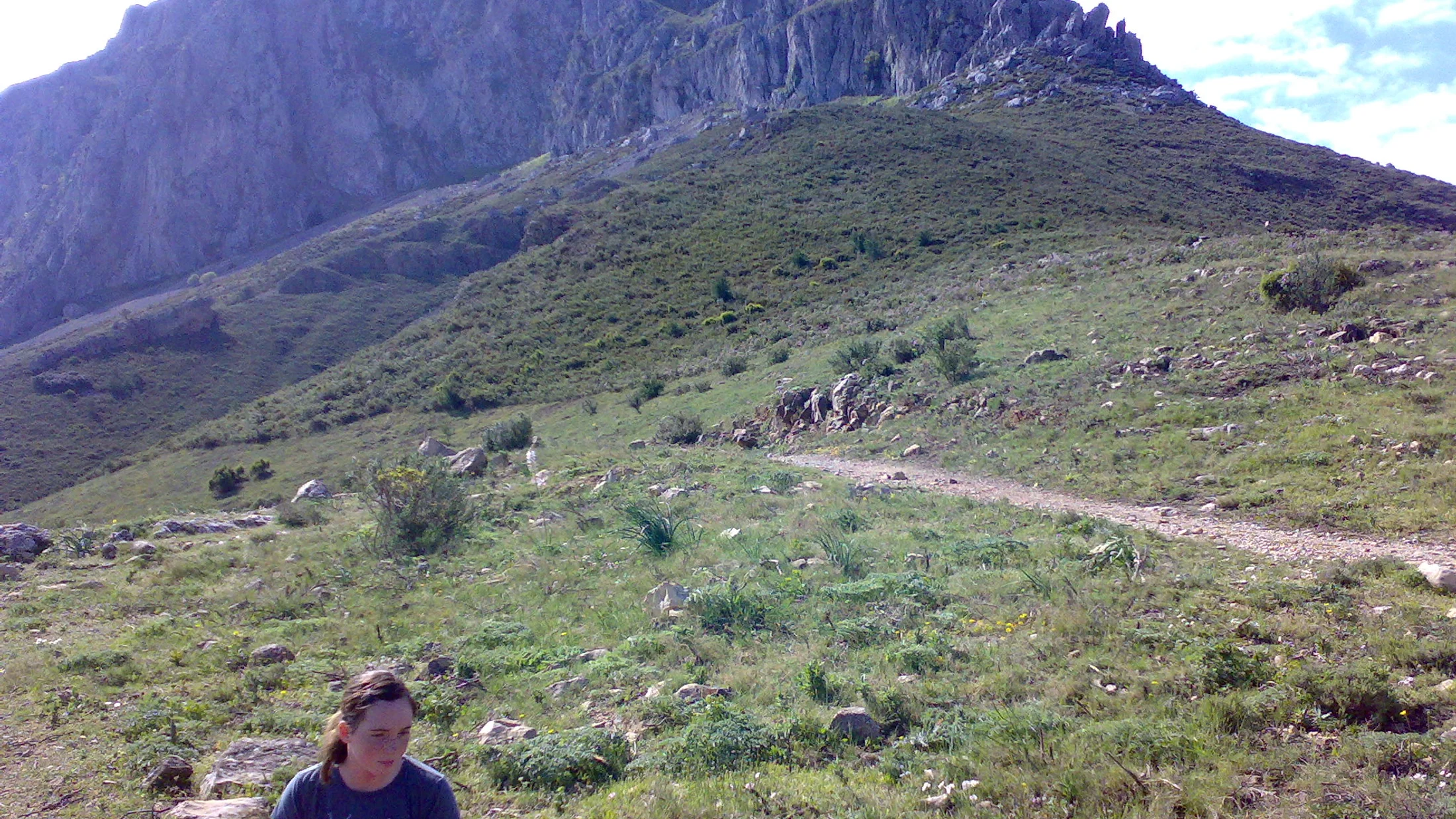
The Sierra de Bernia stretches for 11 kilometres between the municipalities of Benissa, Jalón, Alcalalí, Tàrbena and Altea in Alicante's Marina Alta district. Its limestone ridge reaches 1,129 metres at the Peñón de Bernia, commanding a panorama that takes in the coast from Calpe to Benidorm, the island of Ibiza on clear days and, inland, the peaks of Puig Campana and Sierra de Aitana. The mountain acts as a natural barrier between the shoreline and the interior valleys, creating a microclimate where shaded Mediterranean vegetation coexists with heat-loving scrub on the south face, where warm sea air rises and dries the bare limestone.

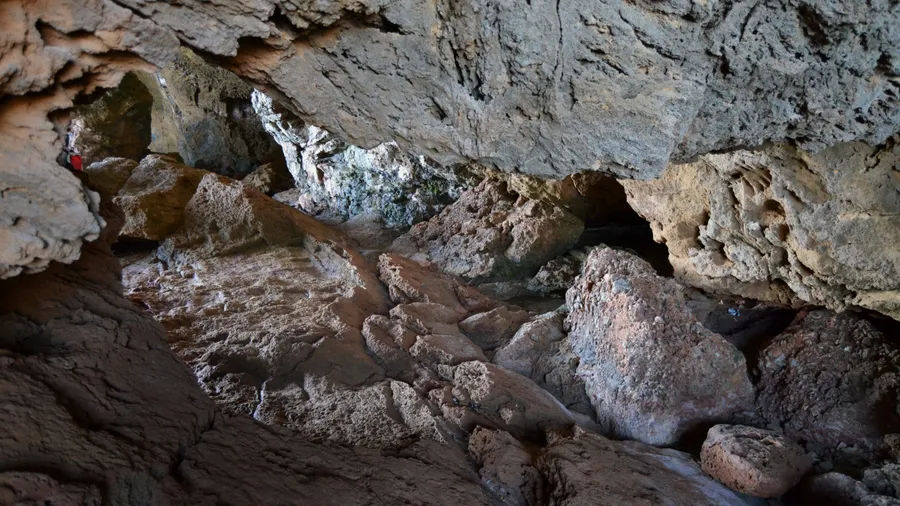
The Bernia circular trail is the area's best-known route. The full loop covers about 11 kilometres with 500 metres of cumulative elevation gain and takes between 4 and 5 hours. The usual starting point is the Font de Bernia recreation area, reached by a track from the Callosa–Tàrbena road. The route passes through the Forat de Bernia, a natural tunnel roughly 20 metres long carved through the rock that connects the north and south faces. Crossing it requires crouching and some use of hands: it is not technical, but can be awkward for those prone to claustrophobia or carrying large packs. From the ridge, the Mediterranean appears as a flat blue sheet stretching to the horizon.

The north face of Bernia retains a forest of Aleppo pine mixed with holm oak, strawberry tree and dwarf fan palm. Moist ravines shelter ivy, fern and rupestral plants clinging to cracks in the limestone. The drier, more exposed south face is dominated by rosemary, thyme and gorse, and the stony ground reflects the sun's heat even in winter. Wildlife includes Bonelli's eagle — one of Europe's most threatened raptors, with confirmed breeding pairs on Bernia's cliffs — eagle owl, genet and wild boar. Long-tailed lizards are visible on virtually every section of the trail.

On the south slope stand the remains of the Fort of Bernia, a 16th-century fortification built by Philip II to guard against Barbary Coast landings. Stretches of wall, a cistern and the bases of several towers survive. The visit is open access and fits naturally into the circular route. Lower down, the terraced almond and cherry orchards still worked by farmers from Tàrbena and Alcalalí are a reminder that this sierra is more than mountain scenery: the local economy blends tourism with traditional agriculture producing honey, olive oil and the Pop Valley cherry.

The most convenient base is Benissa or Altea, both less than 20 minutes by car from the trailhead. Benissa has an old quarter with restaurants, supermarkets and varied accommodation. Altea, on the coast, offers more hospitality options and a direct link to the AP-7 motorway. There are no refuges or reliable water sources on the mountain, so carrying enough water is essential, especially in the warmer months.
Practical information

Everything you need to know for your visit to Sierra de Bernia

How to get there
From the AP-7, exit at Benissa or Altea and follow signs to Tàrbena/Callosa d'en Sarrià on the CV-755 or CV-715. The track to Font de Bernia starts at a signposted turning. About 70 minutes from Alicante, 90 minutes from Valencia. No public transport to the trailhead.
Area Information
No visitor centre on the sierra. Benissa tourism office provides route information. Font de Bernia recreation area with parking. No refuges or reliable water sources on the mountain. Mobile coverage reasonable on the ridge.
Geography
East–west limestone ridge spanning 11 km, peaking at 1,129 m (Peñón de Bernia). Natural barrier between the Marina Alta coast and the inland Jalón and Pop valleys. Karst terrain with limestone pavements, shallow caves and the natural Forat tunnel.
Flora & Fauna
North face: Aleppo pine, holm oak, strawberry tree, dwarf fan palm. South face: rosemary, thyme, gorse. Wildlife: Bonelli's eagle (breeding), eagle owl, genet, wild boar. Long-tailed lizards abundant along the trail. Rupestral plants in limestone crevices.

Things to do

Find the best plans and things to do in Sierra de Bernia

20

Accommodations

Best accommodation options in Sierra de Bernia

Loading accommodation options...

Frequently Asked Questions

Get answers about Sierra de Bernia

The full loop is about 11 kilometres with 500 metres of cumulative elevation gain. It rates medium to hard: most of the route follows a well-marked path, but some sections have loose rock, occasional scrambling and the Forat tunnel that requires crouching. No technical climbing gear is needed, but sturdy hiking boots with good grip and some experience on rocky terrain are advisable. Allow 4 to 5 hours.
Yes. You can complete the circular trail by taking a lower path around the ridge instead of crossing the tunnel. Alternatively, you can walk just the north or south half, each taking about 2–3 hours. The Forat is a brief but narrow 20-metre passage; the bypass adds a little extra distance but preserves the views from the ridge.
Yes, on days with good visibility. From the ridge, and especially from the Peñón de Bernia at 1,129 metres, you can make out the silhouette of Ibiza to the southeast, roughly 100 kilometres away in a straight line. The clearest days tend to be in autumn and winter, when the air is clean and dry after a weather front. Summer haze or calima usually hides the island.
They are the remains of the Fort of Bernia, a fortification ordered by Philip II in the 16th century to guard against Barbary Coast raids on the coast. Stretches of stone wall, a water cistern and the bases of several watchtowers survive. Access is free and the site fits naturally into the circular route without any detour.
Benissa is the closest option, less than 20 minutes by car from the trailhead, with an old quarter, restaurants and accommodation ranging from guesthouses to rural homes. Altea, on the coast, offers more hotel choices and a direct link to the AP-7 motorway. Callosa d'en Sarrià and Tàrbena, on the inland side, have quieter rural houses. Booking ahead is wise during bank holidays and long weekends.