The essentials of Sierra de Aitana

  • • Summit at 1,558 m with simultaneous sea and inland mountain views
  • • Golden eagles and griffon vultures nesting on the north-face crags
  • • Thermal inversions and cloud seas visible from the Menejador col
  • • Ancient Spanish junipers sculpted by the northwest wind on the ridge
  • • PR-CV 33 trail on north slopes with dense rockrose and spring lavender

Description

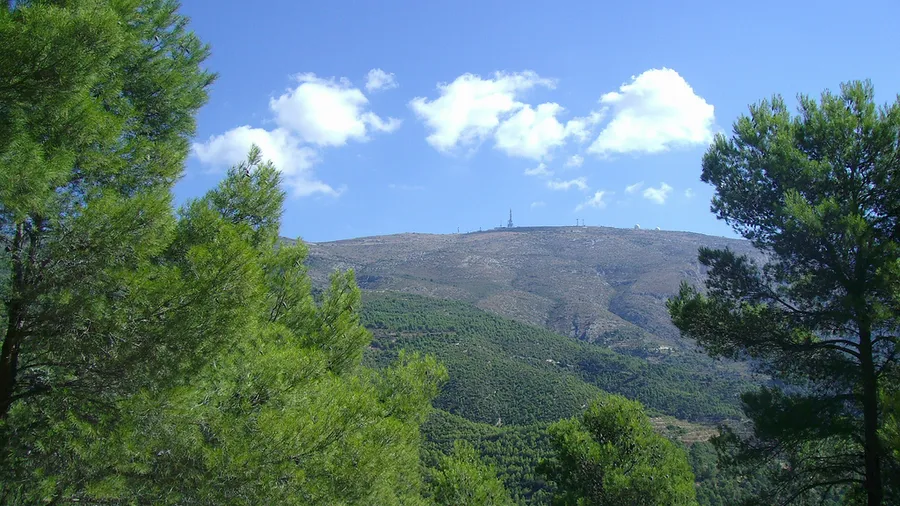
Sierra de Aitana is the highest massif in Alicante province, with the summit reaching 1,558 m above sea level. Its position in the inland Marina Baixa, roughly 35 km from the Mediterranean coast, creates a sharp contrast: from the top you can see simultaneously the Benidorm coastline and the inland ranges around Alcoy, a view that maps the whole of the Valencian Community's geography in a single glance. In winter, when the summit receives occasional snow, the silence in the pinsapo fir stands at the Tudons pass is almost absolute, broken only by wind across the military observatory antennas crowning the ridge.

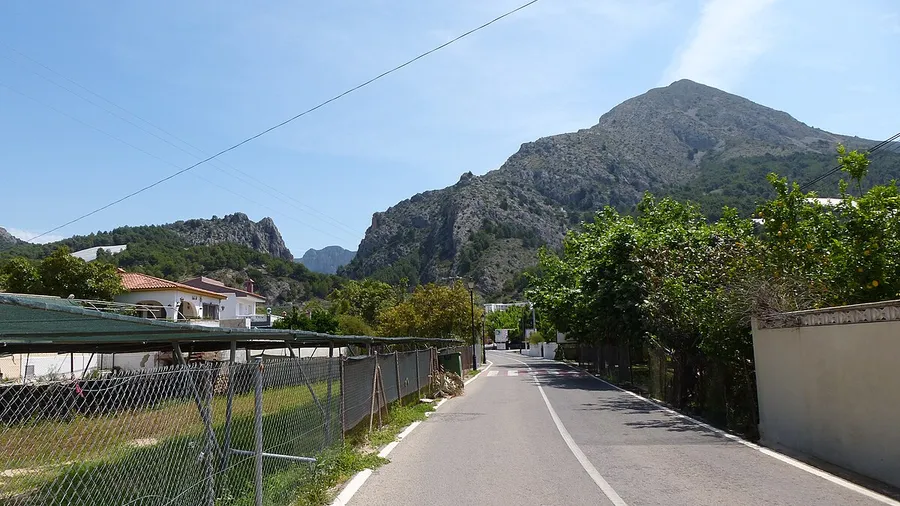
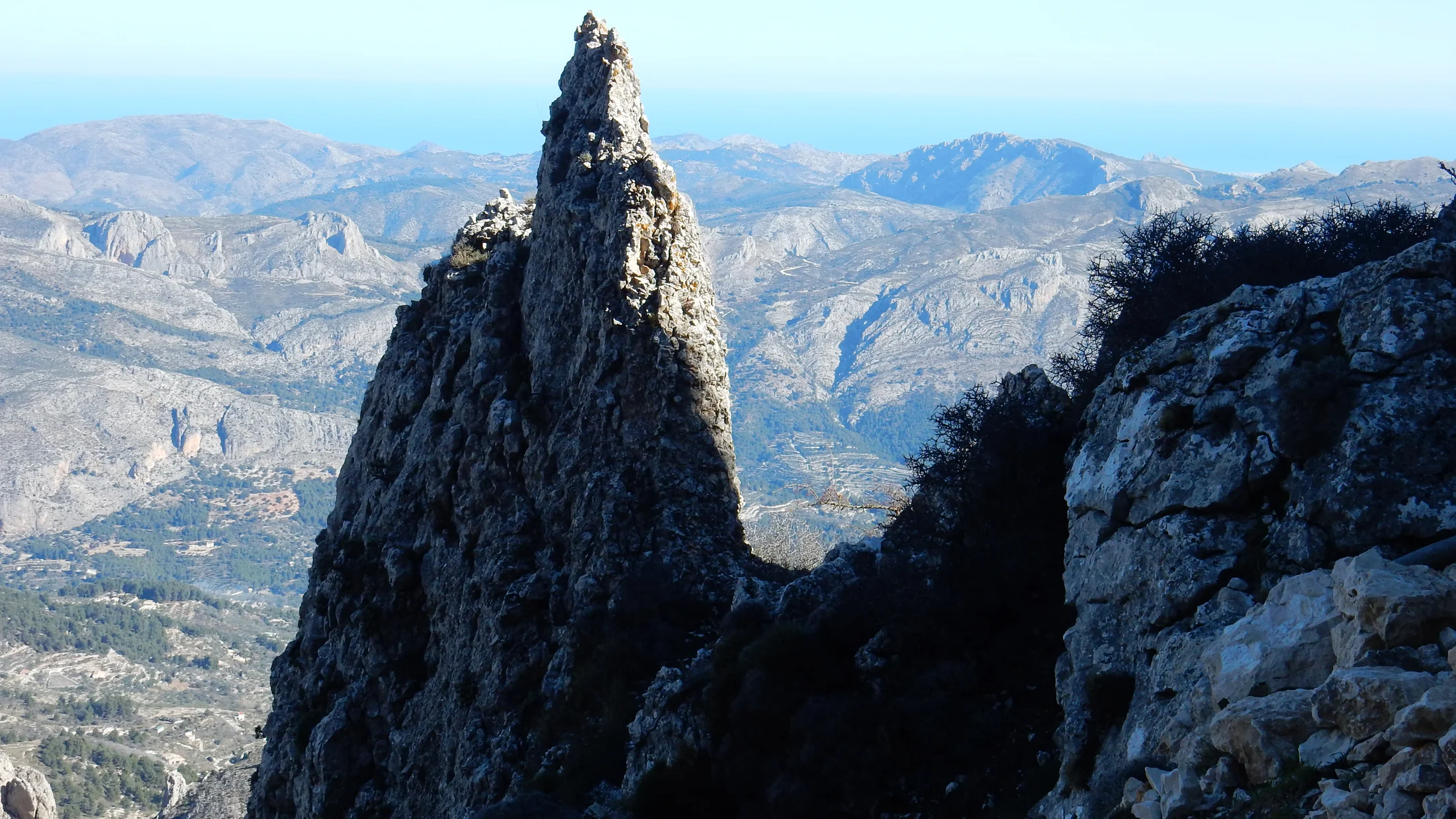
The sierra's hiking network is well marked and varied. The most frequented route climbs from Sella to the summit over 7 km with 900 m of positive elevation gain, following a ridge that alternates between grassy meadows and grey limestone outcrops. At higher elevations, Spanish junipers (Juniperus thurifera) grow isolated in rock fissures, bent by the prevailing northwest wind into the twisted shapes that draw landscape photographers. The PR-CV 33 trail starts from Confrides on north-facing slopes where the understorey is denser: rockrose, rosemary, thyme and lavender that scent the air strongly in spring.

The sierra supports wildlife worth observing beyond the scenery. Golden eagles nest in the limestone crags on the north face, and their wide soaring patterns over the Amadorio gorges are visible on most clear mornings. Griffon vultures circle in groups during the first hour of light once thermals develop over the warm limestone slopes. Harder to spot but reliably present are the Iberian ibex and European badger. In the high pastures, spring brings rufous-tailed rock thrushes and black wheatears, two visually striking birds that use dry-stone walls as observation posts.

Aitana's photographic possibilities are specific and well documented. The massif's orientation produces frequent thermal inversions in autumn and winter: from the summit, a cloud sea fills the valleys and leaves only the crests of the Bernia and Puig Campana ranges visible. The golden-hour light from the Menejador viewpoint at 1,352 m on the col frames the relief without needing post-processing. In winter, fresh snow days are brief: snowfall typically arrives before dawn and the southern slopes are largely clear by midday, making an early start decisive.

The main approach to the summit passes through the Port de Tudons (1,024 m), reachable from Benifato or Confrides. From the pass, the final 500 m of elevation gain to the top takes under two hours at a steady pace. Carry a layer even in summer: the summit runs 8–10 °C colder than the coast and wind increases noticeably on the upper slopes. In summer, heat on the lower trails is intense before 10 am; starting from Guadalest or Benifato at dawn avoids peak sun and delivers the best light for summit photography.
Practical information

Everything you need to know for your visit to Sierra de Aitana

How to get there
From Benidorm, take the CV-70 toward Guadalest and Benifato (35 km). Tarmac track from Benifato reaches the Port de Tudons. Parking at the pass.
Area Information
Marina Baixa comarca, Alicante province. Nearby towns: Benifato, Sella, Confrides, Guadalest. Day-trip base for hikers from the Costa Blanca.
Geography
Limestone massif of the Baetic System. Aitana peak 1,558 m. Amadorio gorges to the north. Marina Baixa valleys to the south. Tudons pass at 1,024 m.
Flora & Fauna
Spanish fir at higher elevations, rockrose, rosemary and lavender on slopes. Wildlife: golden eagle, griffon vulture, Iberian ibex, rufous-tailed rock thrush, black wheatear.

Things to do

Find the best plans and things to do in Sierra de Aitana

20

Accommodations

Best accommodation options in Sierra de Aitana

Loading accommodation options...

Frequently Asked Questions

Get answers about Sierra de Aitana

The route from the Port de Tudons pass is the shortest: from 1,024 m elevation to the summit means only 500 m of positive gain, doable in under two hours. The path is marked with stone cairns and GR blazes. The ascent from Sella is longer (900 m elevation gain) but offers better views over the Marina Baixa valley throughout the climb.
Cloud sea inversions are most frequent between October and February, when the temperature contrast between cold mountain air and the warmer, humid Mediterranean air is greatest. The Menejador viewpoint at 1,352 m is the standard observation spot. Best conditions typically follow cold fronts that leave clear skies at altitude but fog in the valleys below.
Yes, the Iberian ibex (Capra pyrenaica hispanica) is present on the north-face crags and rocky outcrops above the Amadorio gorge. Best sighting opportunities are at dawn and dusk, when groups descend to feed in mid-slope meadows. Move quietly on the upper trails and bring binoculars for a clear view.
Snow falls irregularly between December and March, usually in short 24–48 hour episodes. It is common for the summit to wake under fresh snow while the south-facing slopes are clear by midday. In dry winters there may be no snow at all. Check the AEMET precipitation radar before planning a snow photography day.
In summer, start before 7 am from the base, carry at least two litres of water per person, sun protection and a hat. The summit is 8–10 °C cooler than valley villages, but exposed sections between 10 am and 2 pm can be very demanding. Trekking poles are useful on the descent over loose limestone scree.