The essentials of Pagoeta Natural Park

  • • Iturraran Botanical Garden with over 6,000 species from five continents
  • • 28 km of signed trails, from 1-hour walks to the 697 m summit
  • • Atlantic oak, beech and chestnut forest with a fern-and-moss understorey
  • • 16th-century Basque farmsteads preserved within the natural park
  • • 15 minutes from Zarautz beach and the Ekain cave replica

Description

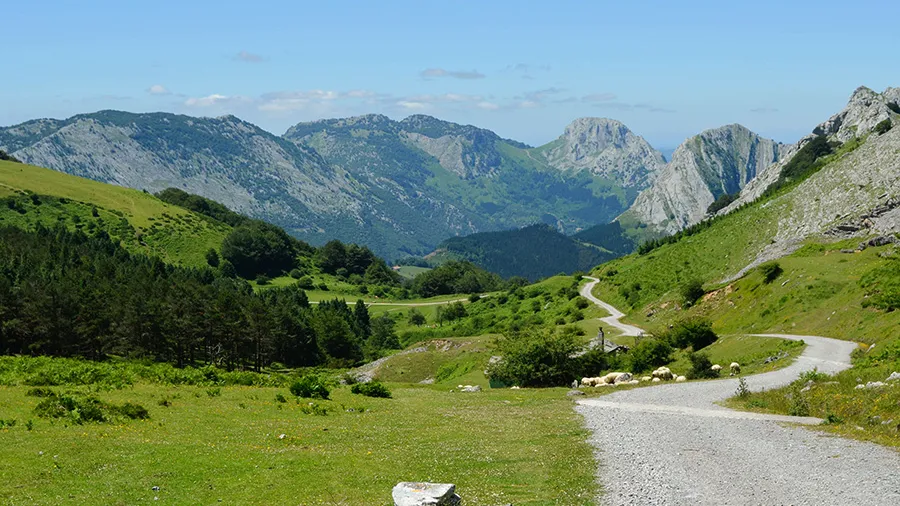
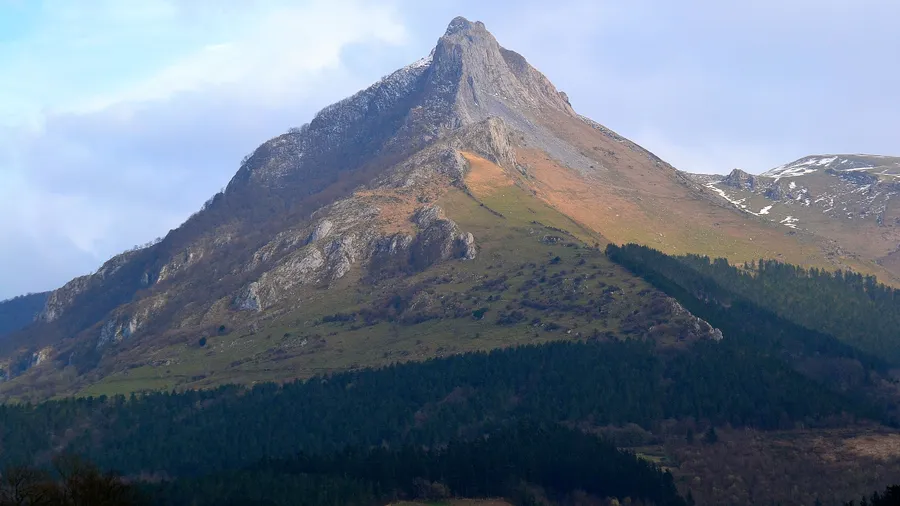
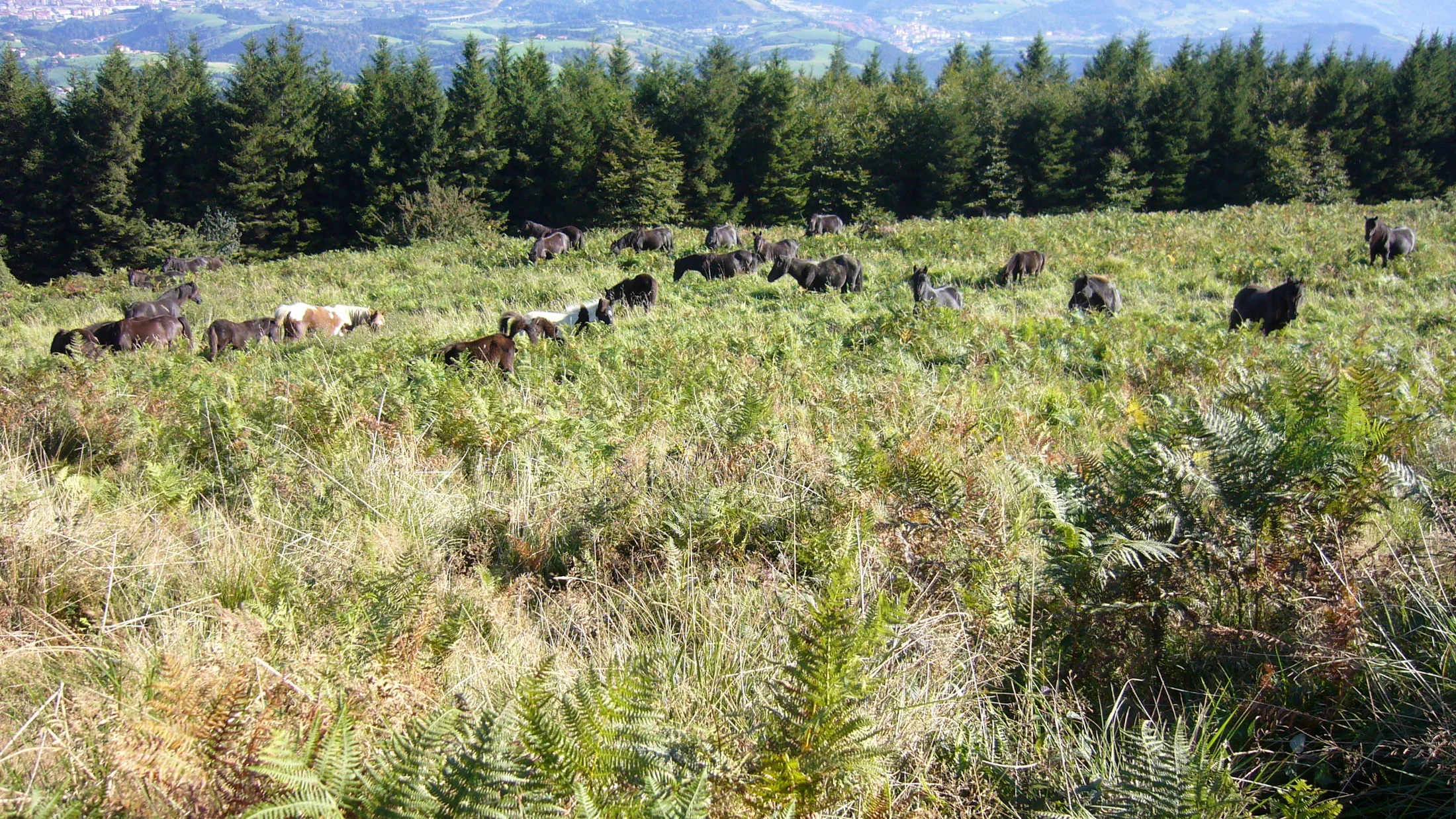
Parque Natural de Pagoeta covers 1,331 hectares in the municipality of Aia, 15 kilometres from the Gipuzkoa coast between the towns of Zarautz and Zestoa. Altitude ranges from 90 metres on the floor of the Agiñaga river valley to 697 metres at the summit of Pagoeta, which gives the park its name. The terrain is typically Cantabrian: gentle slopes clad in forest, damp ravines where streams emerge between ferns, and a mosaic of meadows, scattered farmsteads and forestry plantations that reflect centuries of coexistence between human activity and the natural environment. On autumn mornings, mist pools in the valley bottoms and only the rooftops of the farmsteads poke through the haze, while the forest drips with moisture.

Atlantic woodland is the park's main feature. Pedunculate oaks (Quercus robur), beeches (Fagus sylvatica) and sweet chestnuts (Castanea sativa) form a closed canopy on north-facing slopes where annual rainfall exceeds 1,600 mm. Beneath the trees grow holly, hazel and a thick carpet of ferns, mosses and lichens that give the understorey the feel of primeval temperate forest. The park houses the Iturraran Botanical Garden, a 25-hectare site with over 6,000 plant species from five continents arranged in thematic collections: Pacific conifers, rhododendrons, camellias, bamboos and an oak collection with more than 80 species. The garden was established in 1985 by the Gipuzkoa Provincial Council and serves as a botanical research centre as well as a public park.

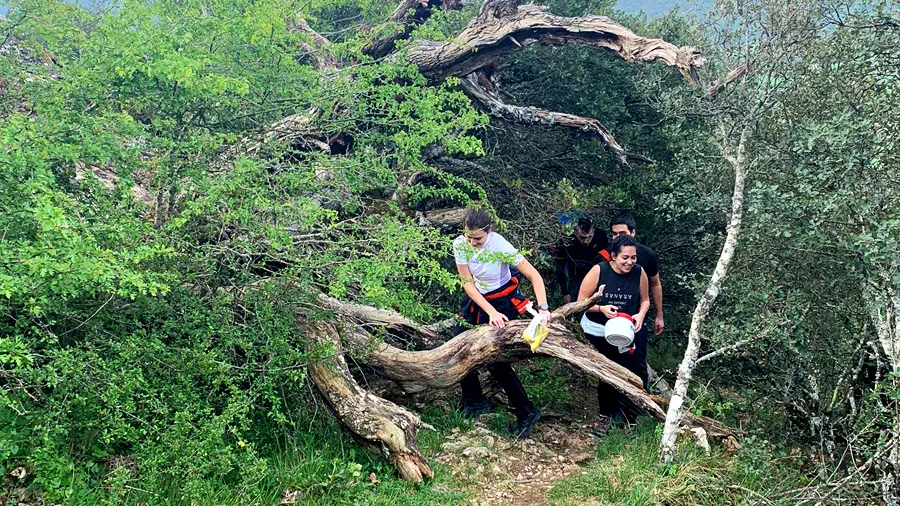
The trail network totals 28 signed kilometres at varying difficulty levels. The most popular route is the Botanical Garden loop (3 km, 1 hour, virtually flat), which passes through the main collections and connects with the Iturraran farmstead, where an interpretation centre explains the area's forestry history. For a greater challenge, the ascent of Pagoeta summit (697 m) from the Iturraran car park involves 7 km return with 400 metres of elevation gain, and from the top you can see the Gipuzkoa coastline, Mount Txindoki and, on clear days, the western Pyrenees. Park fauna includes roe deer, wild boar, genet, pine marten and beech marten. Notable birds are the great spotted woodpecker, Eurasian nuthatch, Eurasian jay and red kite.

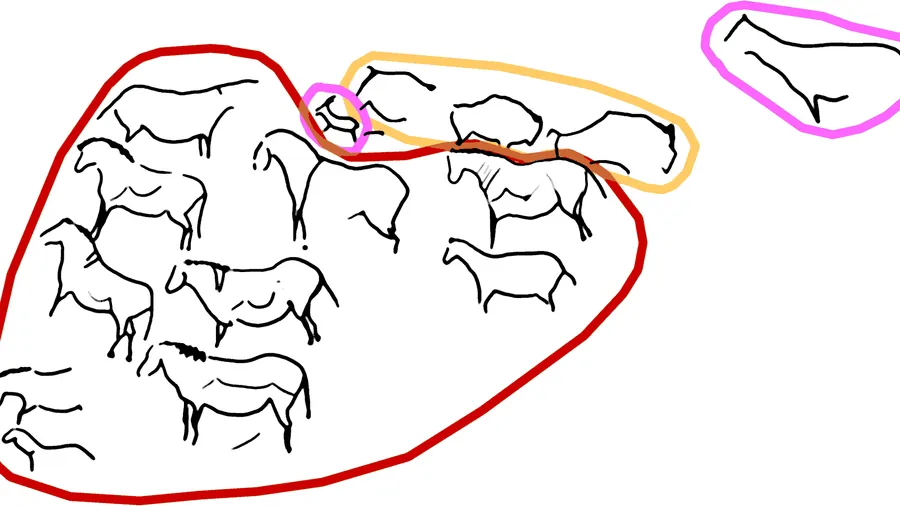
The park's cultural context is shaped by the Basque farmstead (baserri), the basic unit of rural life that combines dwelling, stable and storehouse under one roof. Several 16th- and 17th-century baserris stand within the park and can be seen from the trails. Aia, population 2,000, keeps traditions such as making Idiazábal cheese from Latxa-sheep milk and natural cider. A 15-minute drive reaches Zarautz, with its 2.5 km beach, surf school and pintxos bars in the old quarter. On the other side, Zestoa has a thermal spa and the Ekain cave, which preserves 14,000-year-old paintings of bison and horses (visitable at the Ekainberri replica).
Practical information

Everything you need to know for your visit to Pagoeta Natural Park

How to get there
From San Sebastián (30 km, 30 min), take the AP-8 to Zarautz then the GI-2631 towards Aia. From Bilbao (90 km, 1 h), the AP-8 to the Zestoa exit. Lurraldebus buses connect San Sebastián with Aia. Free parking at Iturraran with 80 spaces. The access road narrows over the last kilometre.
Area Information
Interpretation centre at the Iturraran farmstead. Botanical Garden open to the public with guided tours. Free parking (80 spaces). Public toilets by the car park. Aia (2 km) has shops and restaurants. Zarautz (15 min) offers full services.
Geography
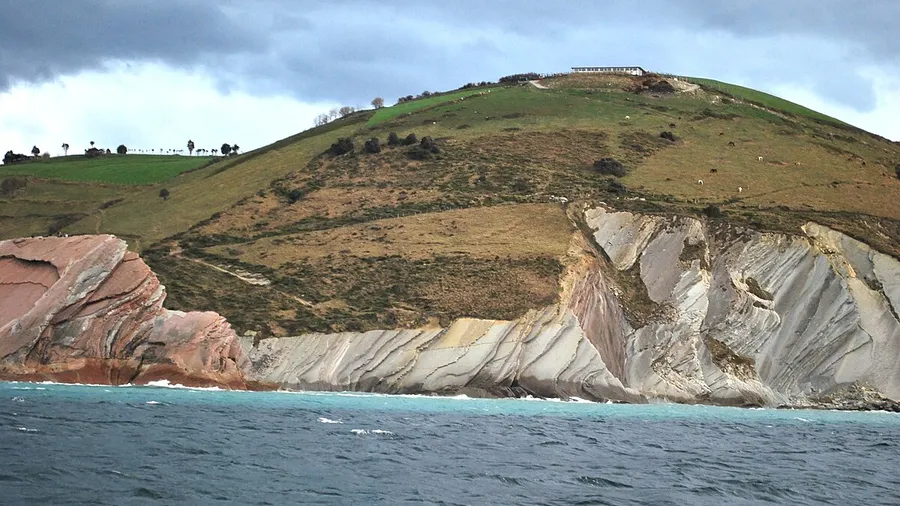
A 1,331 ha park in the municipality of Aia (Gipuzkoa), from 90 to 697 m altitude. Gentle slopes, damp ravines and valleys of the Agiñaga river. Flysch and sandstone substrate. A mosaic of woodland, meadows and scattered farmsteads.
Flora & Fauna
Flora: pedunculate oak, beech, sweet chestnut, holly, hazel, ferns, mosses and lichens. Iturraran Botanical Garden with 6,000+ species. Fauna: roe deer, wild boar, genet, pine marten, beech marten, great spotted woodpecker, nuthatch, jay, red kite.

Things to do

Find the best plans and things to do in Pagoeta Natural Park

20

Accommodations

Best accommodation options in Pagoeta Natural Park

Loading accommodation options...

Frequently Asked Questions

Get answers about Pagoeta Natural Park

No, both the natural park and the Iturraran Botanical Garden are free to enter. The garden has seasonal hours: generally 10:00–18:00 in winter and until 20:00 in summer. Guided visits organised by the Gipuzkoa Provincial Council can be checked on their website. The interpretation centre at the Iturraran farmstead is also free.
The Botanical Garden loop (3 km, about 1 hour) is the most suitable for families. The path is flat, well signed and runs through botanical collections with explanatory panels that keep children engaged. There is no notable elevation change and the ground is firm. For children over 8 who enjoy walking, the farmstead route (6 km) adds more forest and valley views.
Waterproof footwear or hiking boots with good soles are essential, as the forest stays constantly damp and paths can be muddy even in summer. Always carry a lightweight waterproof layer and long sleeves to guard against dew and understorey insects. In winter, add a fleece and a hat. Temperatures under the forest canopy are typically 3–5 degrees lower than outside.
Yes, Zarautz is just 15 minutes away by car and has a 2.5 km beach, a surf school and a pintxos area in the old town. Getaria, 20 minutes away, has the Balenciaga museum and harbourside fish grills. On the other side of the park, Zestoa offers a thermal spa and the Ekainberri centre, a replica of the Ekain cave with 14,000-year-old paintings.
The most common animals are roe deer (visible at dawn in forest clearings), wild boar (mainly nocturnal), genet and pine marten. Among birds, the great spotted woodpecker can be heard drumming on trunks, the Eurasian jay is frequent among the oaks and red kites soar over the open meadows. Streams harbour salamanders and newts. The best seasons for sightings are spring and autumn, when animal activity is highest.