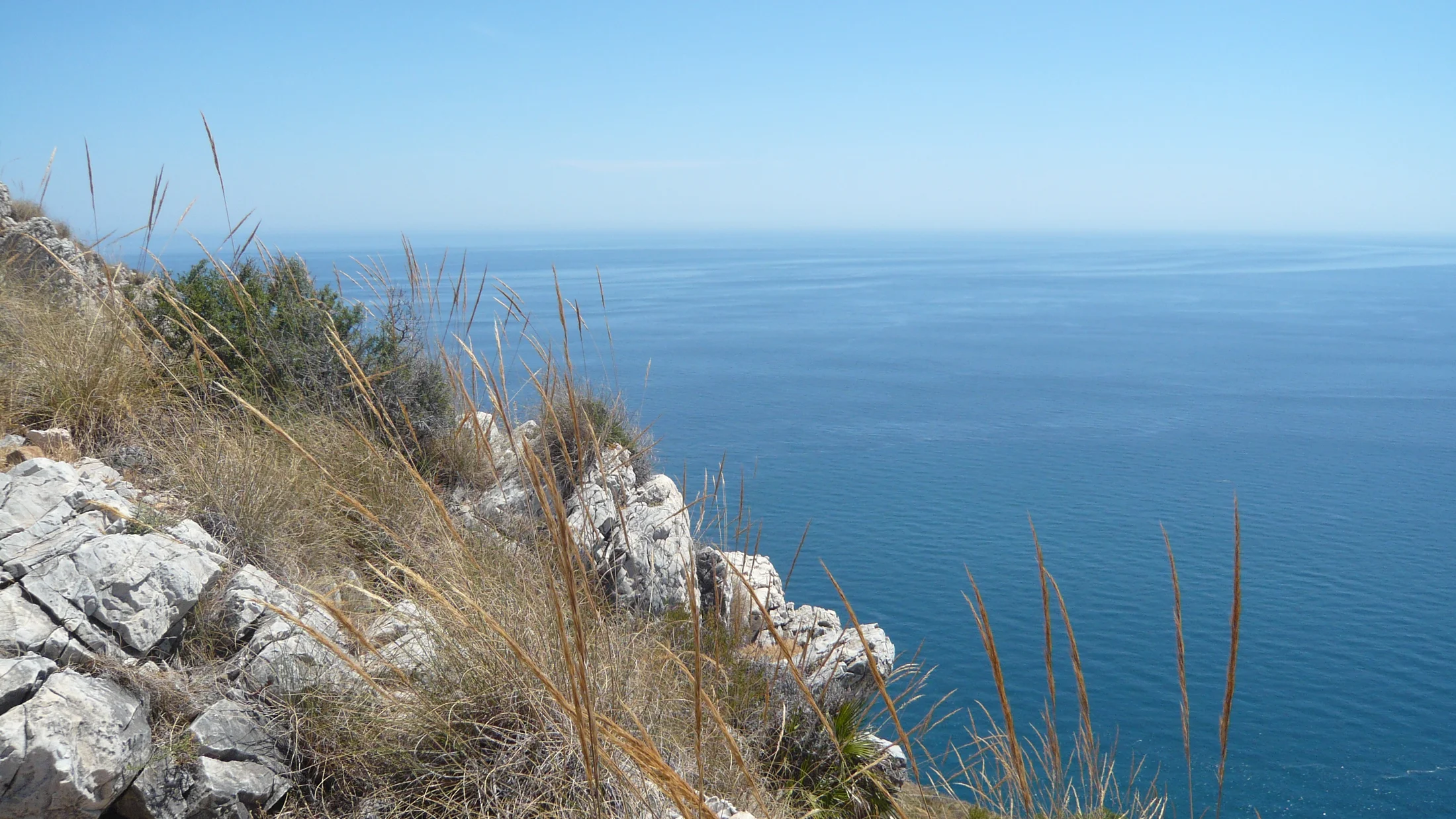
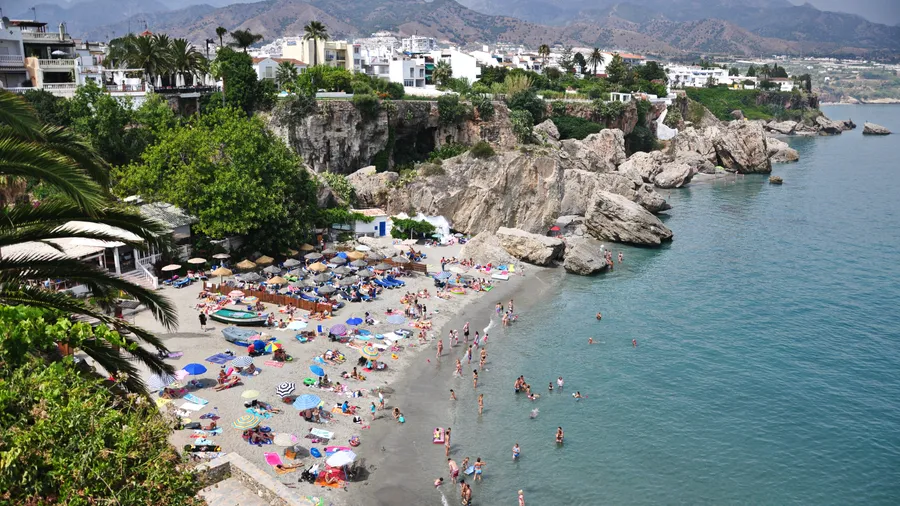
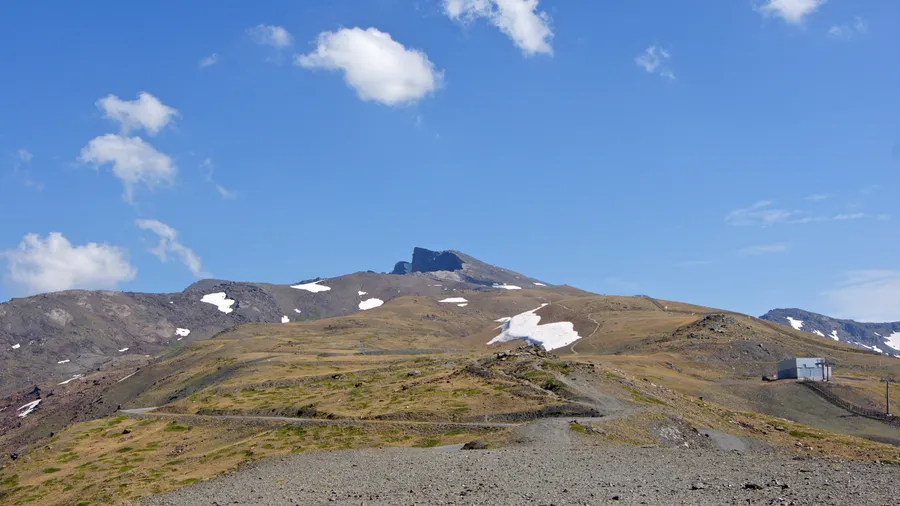
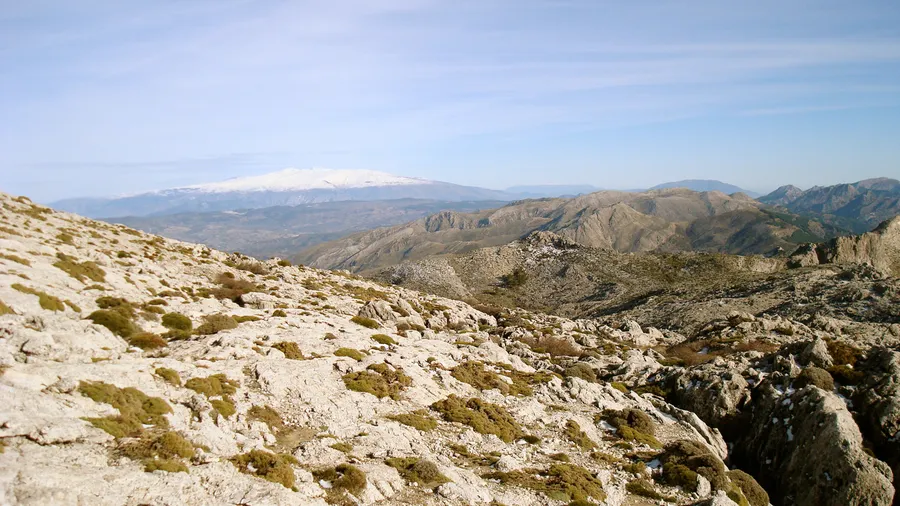
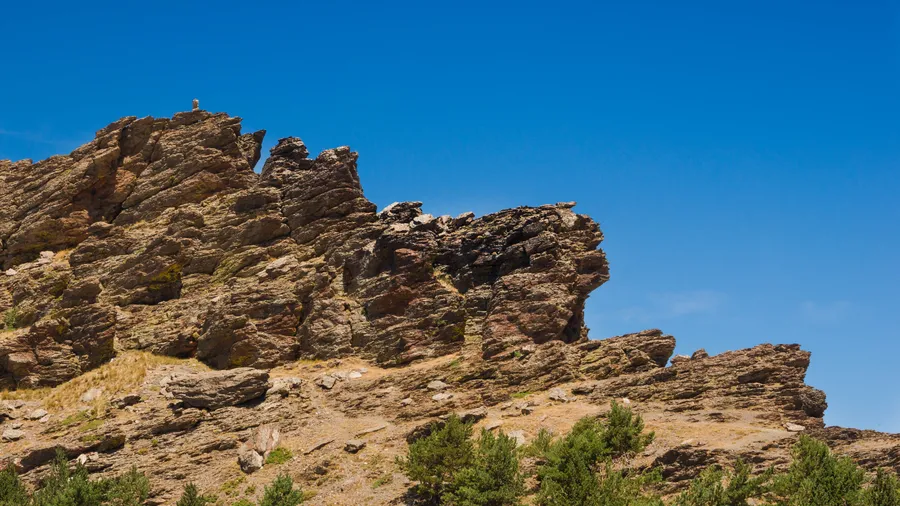
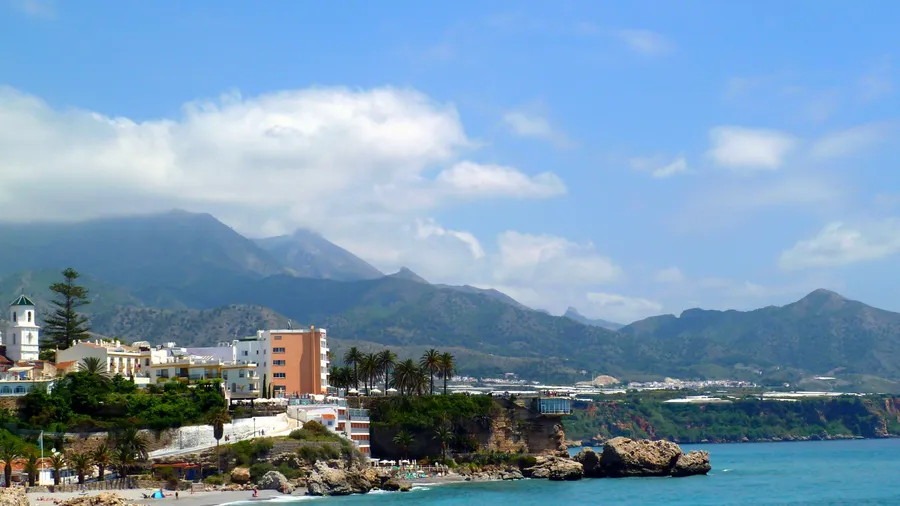
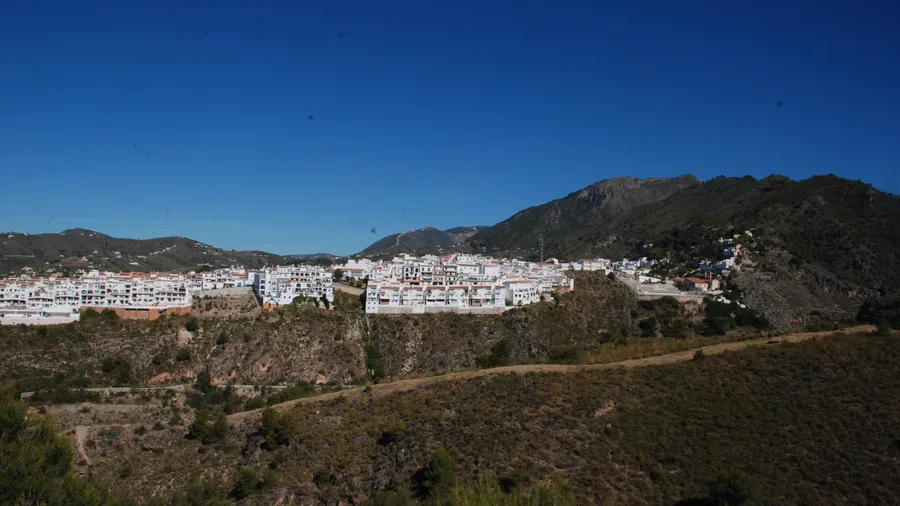
Costa Tropical covers 73 kilometres of Granada's coastline between Almuñécar and La Herradura in the west and Salobreña and Motril in the east. It is the southernmost coastal strip of the Iberian Peninsula where the Mediterranean meets an enduring Arab legacy — and the only zone in Spain where a subtropical climate allows avocados, chirimoyas, mangoes and loquats to grow in open fields. Sandstone and volcanic cliffs drop directly onto pebble coves and small dark-sand beaches; from the water, that rock wall with the Sierra Nevada just 30 kilometres away to the north is one of the most recognisable images on the Andalusian coast.
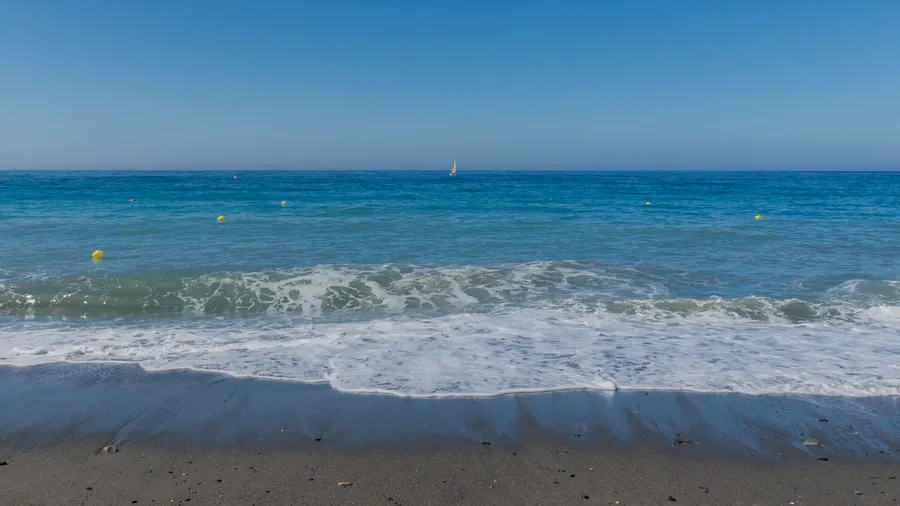
The name 'tropical' is not figurative. The annual mean temperature hovers around 18 °C, frost is unknown at sea level and the coast receives more than 3,000 hours of sunshine per year. That consistency keeps sea temperatures between 16 °C in January and 26 °C in August, extending the swimming season and making water sports viable for most of the year. Kayaking, paddleboarding and diving on posidonia and rock beds colonised by octopuses, moray eels and shoals of white sea bream are accessible from multiple launch points. The Punta de la Mona marine reserve near La Herradura protects one of the best-preserved seabeds in the western Mediterranean.
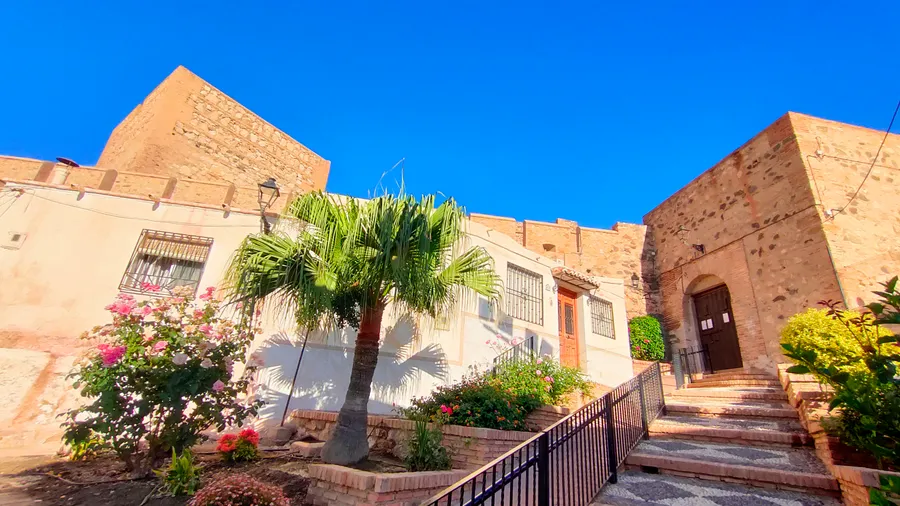
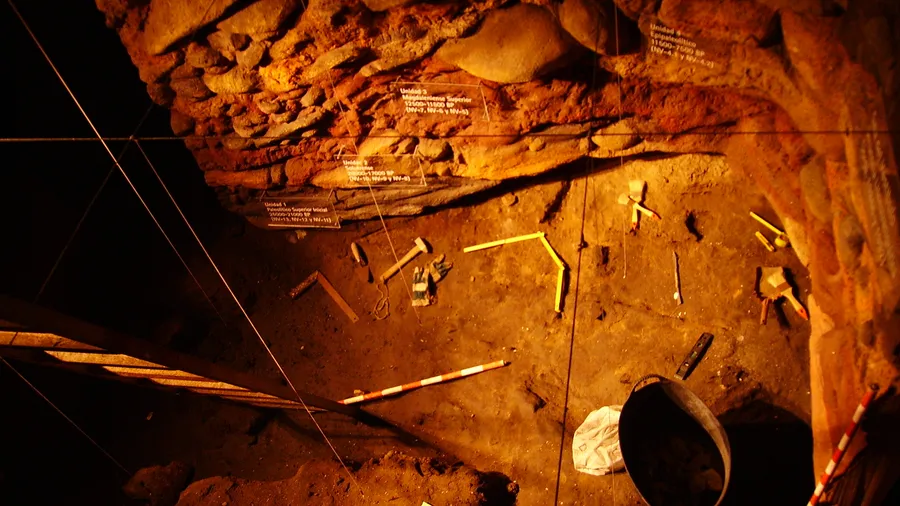
On land, history has left an unusual density of heritage across a compact territory. Almuñécar was Sexi Firmum Iulium, a Phoenician port and Roman colony; its eighteen Roman aqueducts and the Majuelo Archaeological Park — planted with sugarcane in medieval times — still structure the old town. Salobreña preserves its Arab castle atop a rocky outcrop that divides the Mediterranean from the last sugarcane fields in continental Europe. In Motril, the former San Fernando sugar factory now houses the Sugar Museum, documenting the four centuries in which this coast was Europe's leading sugar producer. Moorish memory runs through neighbourhood names, the irregular layout of upper streets and the tradition of terrace cultivation still practised in inland villages such as Jete and Otívar.
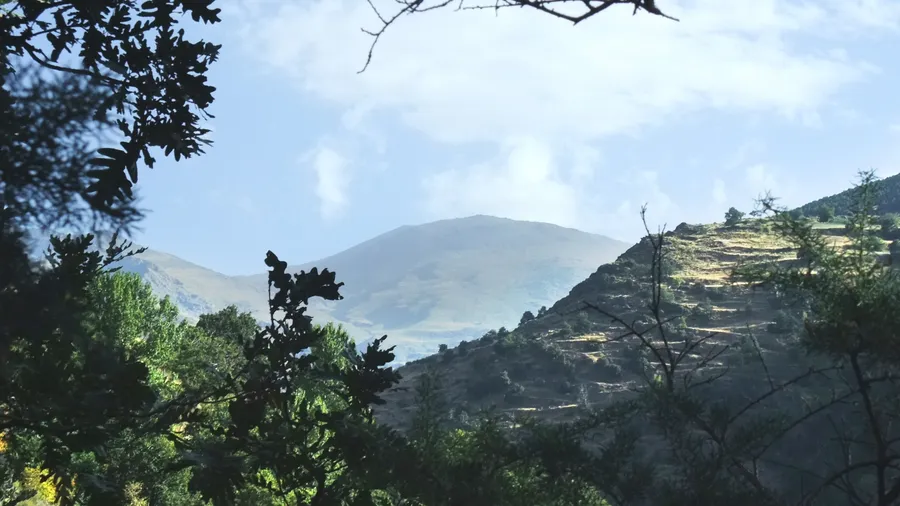
For active visitors, the steep gradient of the Montes Granadinos closing the valley to the north means that breakfast on the beach, morning hiking at 800 metres altitude in the Sierra de Cázulas and lunch back at the harbour are all feasible in one day. Canyoning routes along the Río Verde and Río Jate include rappels down cascades up to 22 metres high and freshwater pools where the native crayfish still survives in some protected stretches. Surfing is less common than on other Andalusian coasts — the southerly orientation and generally calm sea rarely generate large swells — but La Herradura offers consistent conditions for bodyboarding and longboarding during easterly storm days.