Highlights

  • • Mulhacén, highest peak of the Iberian Peninsula
  • • Ski resort with over 100 km of slopes
  • • National Park with rich biodiversity
  • • Varied hiking and climbing routes
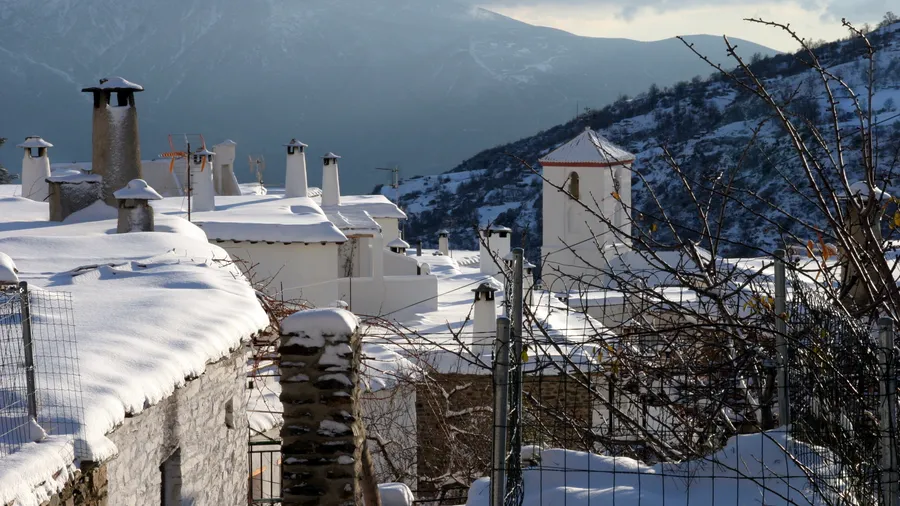
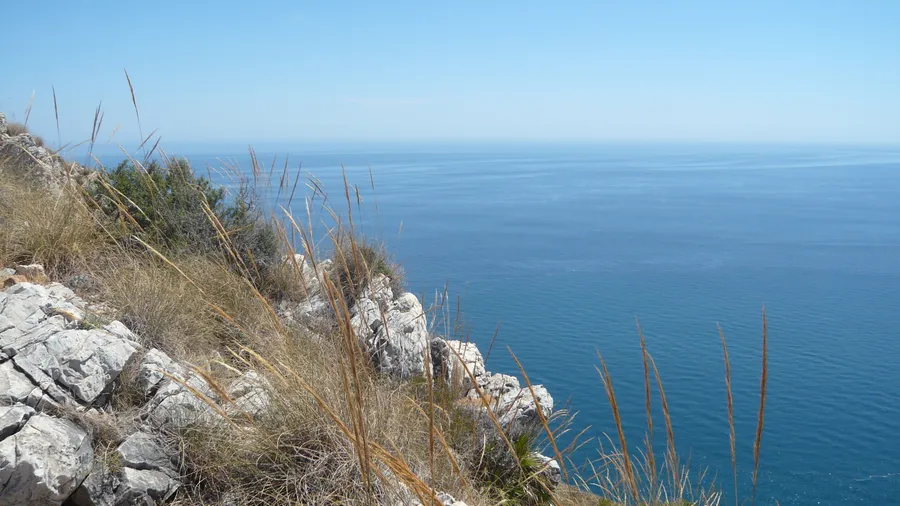
  • • Landscapes combining snow and Mediterranean vegetation

Description

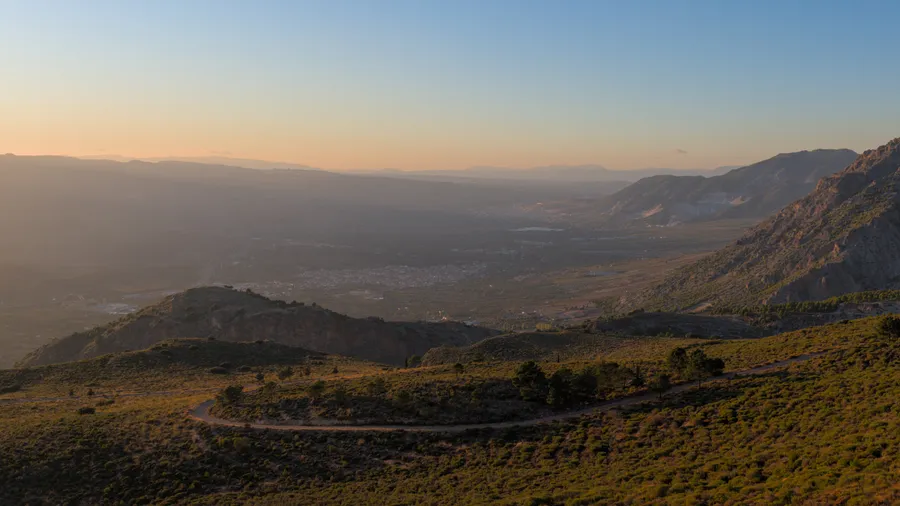
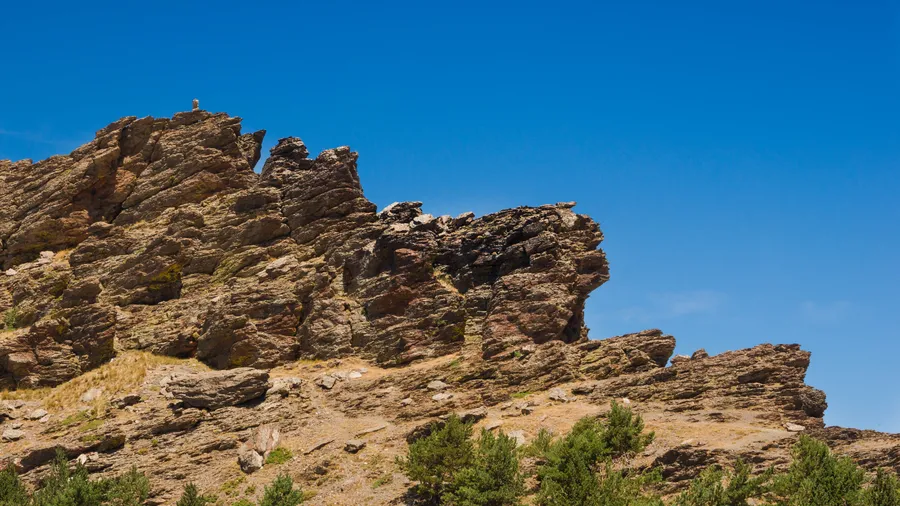
Sierra Nevada is a mountain range located in the province of Granada, Andalucía, home to the highest peaks on the Iberian Peninsula, notably Mulhacén at 3,479 meters. This protected natural area is part of the Sierra Nevada National Park, renowned for its biodiversity and diverse ecosystems, ranging from Mediterranean forests to alpine zones. Stretching over 80 kilometers, it offers a landscape of contrasts where snow and vegetation coexist in a unique environment.

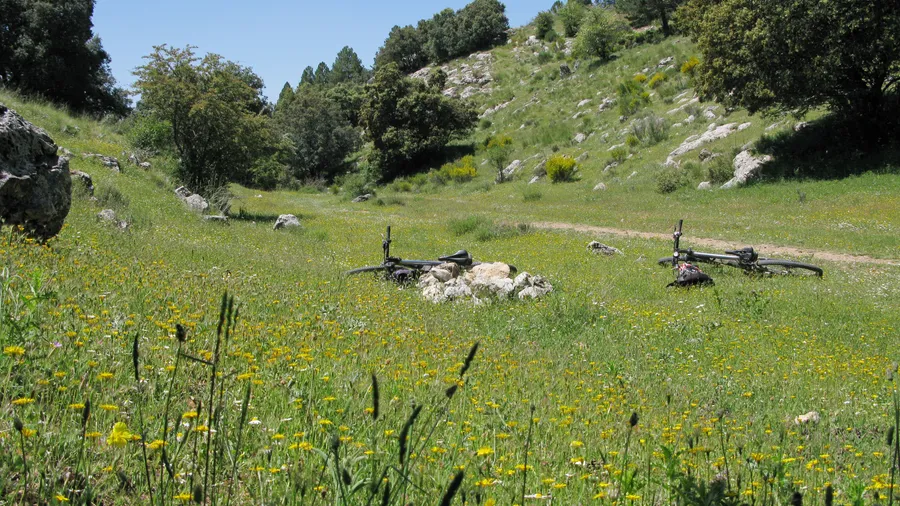
In Sierra Nevada, you can enjoy a wide range of activities and landscapes. During winter, the Sierra Nevada ski resort is the southernmost in Europe, featuring over 100 kilometers of skiable terrain and modern snow sports infrastructure. In summer, the area invites hiking, climbing, and observing native flora and fauna. Popular routes include ascents to Mulhacén and Pico Veleta, offering expansive views and showcasing the park's natural diversity.

Sierra Nevada's history is tied to Andalusian culture and Granada's past. For centuries, these mountains served as a natural border and refuge, with the name deriving from Arabic, meaning "snowy mountain." The national park, established in 1999, reflects a commitment to protecting a natural heritage vital to local communities and the region's ecological balance.

Planning your visit according to the season is advisable. The ski resort operates mainly from December to April, while hiking trails are more accessible in spring and summer. The area offers accommodations, tourist services, and interpretation centers. Access is possible by car and public transport from Granada. No reservation is required to enter the park, although some guided activities may need booking. The visit is suitable for families and people with reduced mobility in certain adapted areas.

Key Information

Visit Duration

2-3 days for varied activities

Recommended Seasons

Winter, Spring, Summer

Pricing

Free

Accessibility

Medium

Kid-Friendly Pet-Friendly Booking Required

Related Destinations

Guide

Essential information for visiting Sierra Nevada

Location

In this area

Practical Information
Pricing
Free
Visit Duration
2-3 days for varied activities
Features & Services
  • Accessibility:Medium
  • Kid-Friendly:Yes
  • Pet-Friendly:Yes
  • Booking:Booking Required
Planning Information

Recommended Seasons

Winter · Spring · Summer

Best Time to Visit

The best time depends on your activity: winter for skiing (December to April) and spring-summer for hiking and nature exploration.

Visitor Tips

To make the most of your Sierra Nevada visit, wear suitable clothing for temperature changes and comfortable mountain footwear. Check weather and snow conditions if skiing. In summer, protect your skin from the sun and carry enough water for hikes. Respect park signs and rules to preserve the natural environment.

Historical Facts

Sierra Nevada has been a natural landmark since the Andalusian era; its name means "snowy mountain" in Arabic. It served as a refuge and historical border, with the national park declared in 1999 to protect its natural and cultural wealth.

Frequently Asked Questions

Get answers about Sierra Nevada

Mulhacén stands at 3,479 meters, making it the highest point on the Iberian Peninsula.
Yes, although the ski resort operates mainly in winter, the park is open year-round for activities like hiking.
Some areas and services are adapted for people with reduced mobility, but many mountain trails require good physical condition.
No reservation is needed to enter the National Park, though some guided activities may require prior booking.