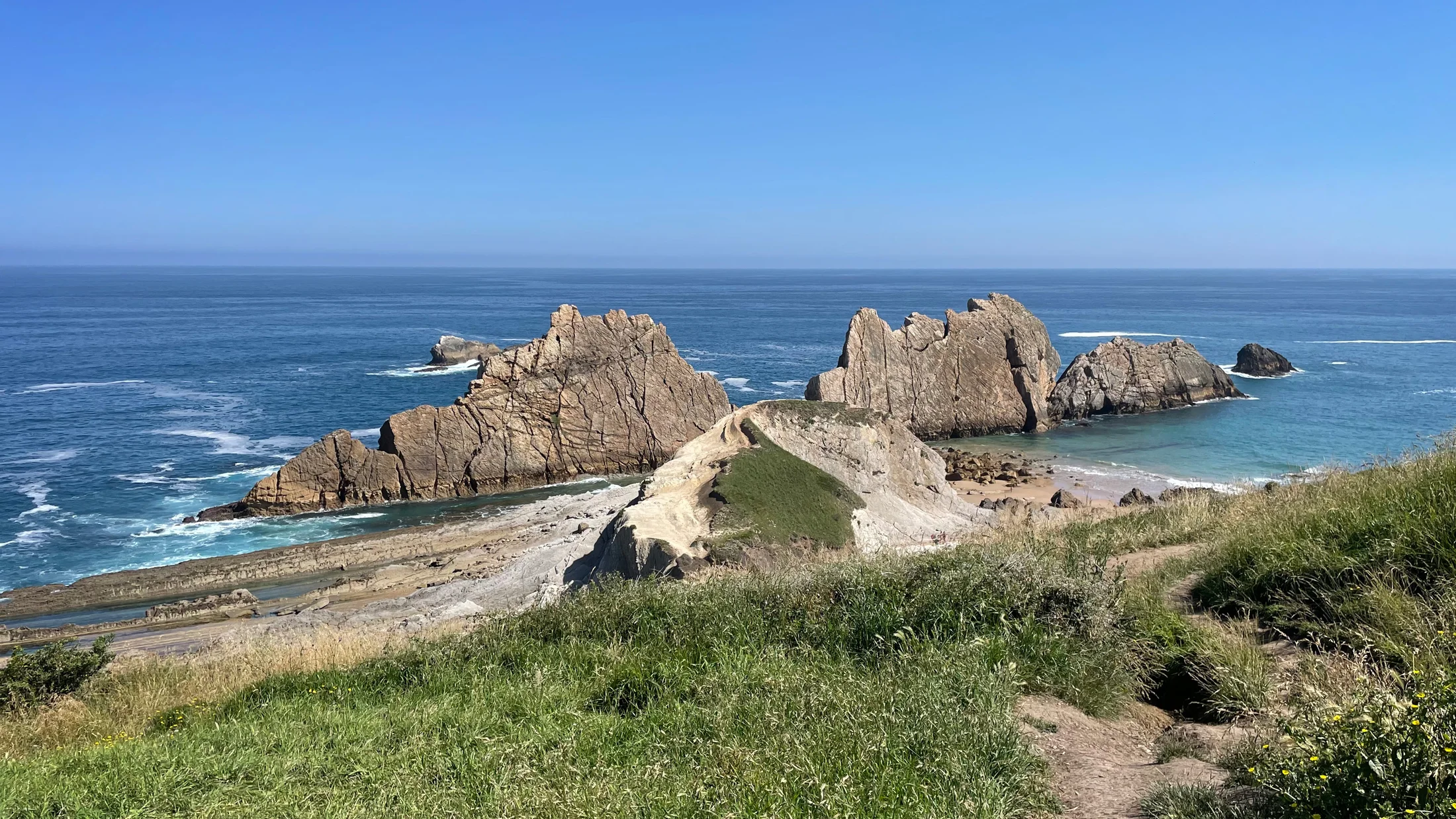
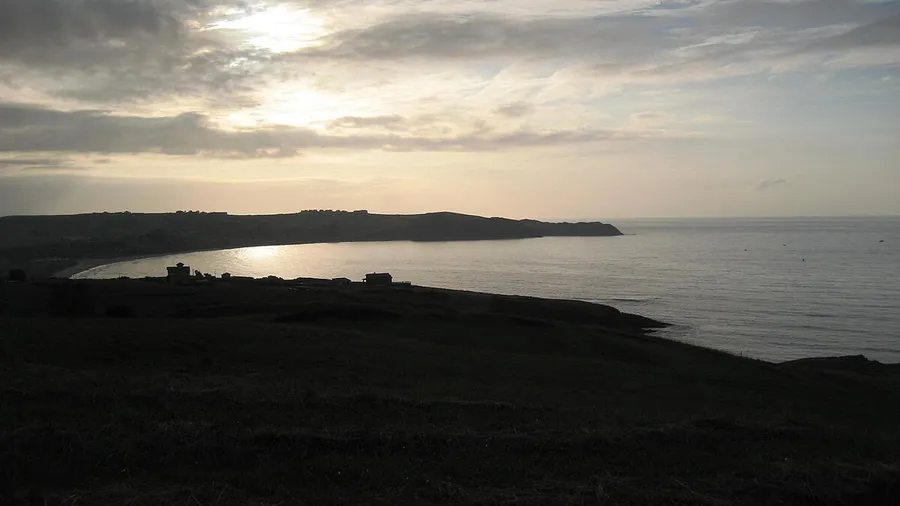
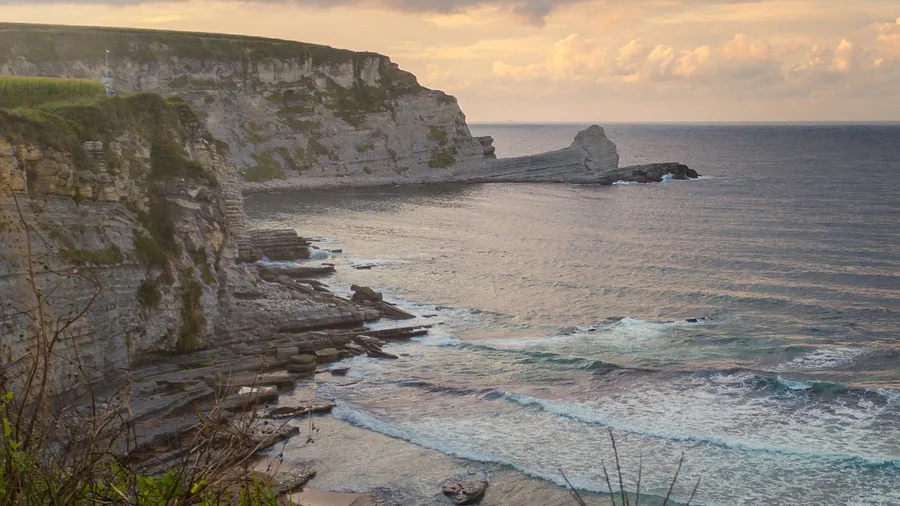
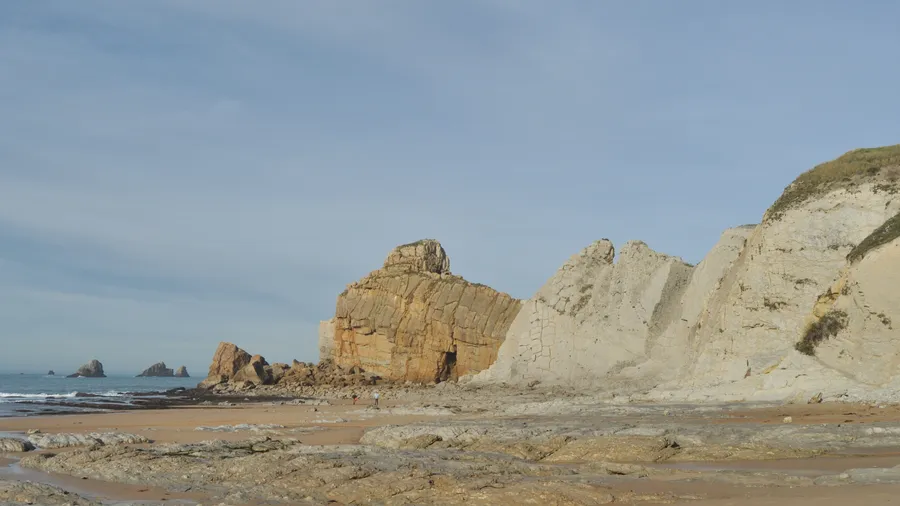
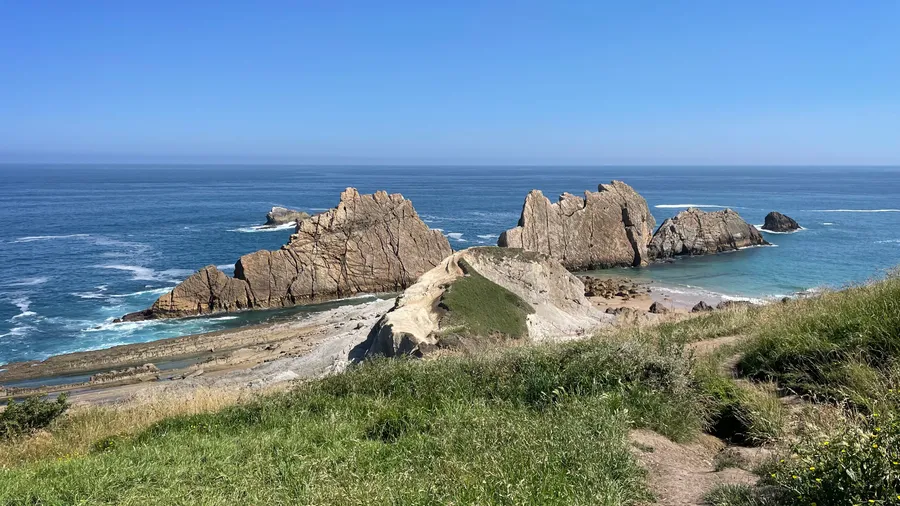
Costa Quebrada is a stretch of Cantabrian coastline approximately 15 kilometres long running between Covachos beach to the east and Liencres to the west, on the western coast of Cantabria. The name is precise: the rock is broken, fractured, tilted. What makes this sector of the Cantabrian coast exceptional is that the Cretaceous Flysch strata of sandstone and clay, deposited horizontally on the seafloor around 90 million years ago, were subsequently folded and tilted by tectonic forces until they stand nearly vertical, perpendicular to the coastline. The sea attacks this structure with northerly swells and over thousands of years has eroded the softer layers while leaving the harder ones standing, producing a system of ridges, sea stacks, islets and arches that is unmatched in frequency and intensity anywhere else on the Spanish Cantabrian coast. The Parque Natural de las Dunas de Liencres y Costa Quebrada has protected the area since 1986.
The best-known and most accessible viewpoint is the area around Somocuevas beach, from which a low-difficulty coastal path allows walking above the cliffs with direct views of the flysch ridges emerging from the sea. La Portilla arch — a natural rock bridge with an approximately eight-metre span, opened by wave action in a sandstone slab — is the most photographed formation on this coastline. When the sea runs strong, water strikes the interior of the arch and rises in columns visible from the path above. The bufas — water jets that shoot through vertical rock fissures during storms — are another phenomenon visitors seek out on rough-sea days between October and March.
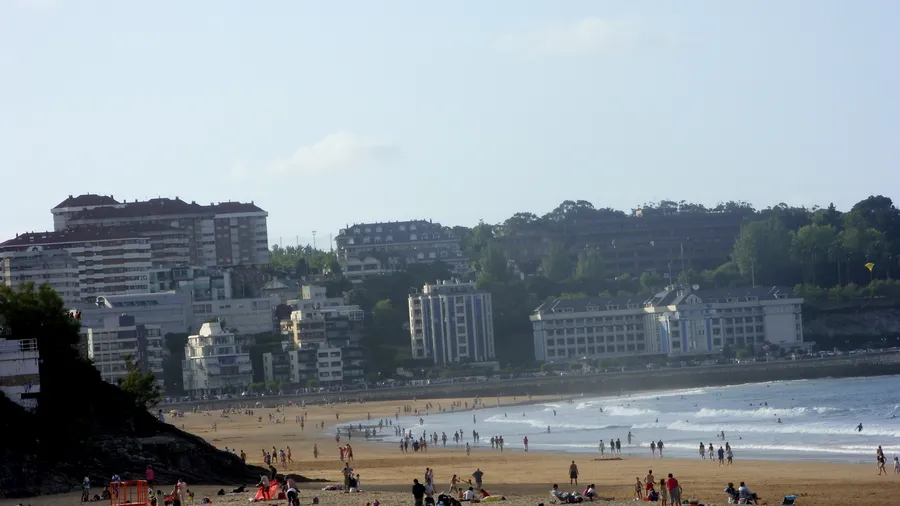
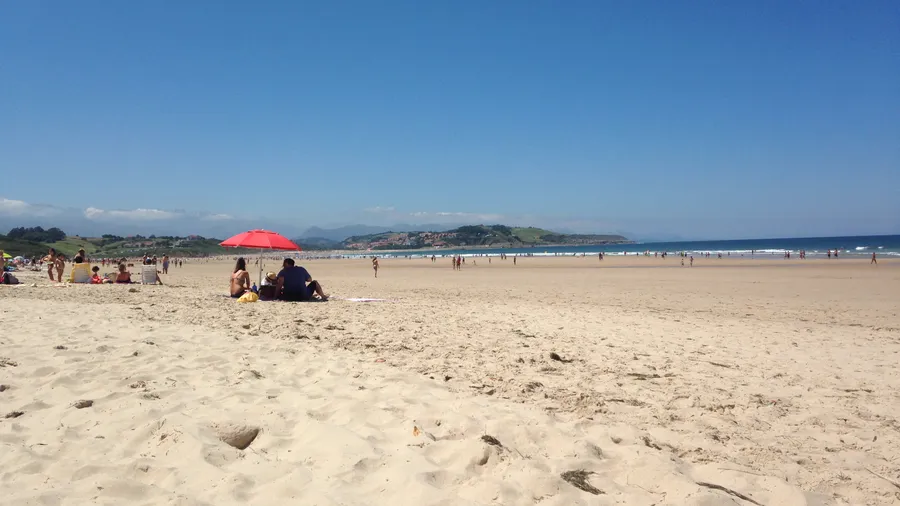
Liencres beach and its associated dune system form the park's other major natural element. The Liencres dunes are the most extensive in Cantabria: around 150 hectares of mobile and semi-fixed sand stabilised by psammophilous vegetation including marram grass and several species of sea thistle. The estuary of the Río Pas, which flows into the Liencres inlet, adds habitat diversity that broadens the park's faunal richness: migratory waders, wintering wildfowl and grey heron as a year-round presence. The saltmarsh at the Pas mouth has been subject to halophyte vegetation restoration work in recent years.
The most-used access to the protected area is from Santander, about 16 kilometres to the east. The Cantabrian capital has good road links to the park and concentrates the accommodation offer for those using Costa Quebrada as a day destination or as a complement to a city stay. The villages of Liencres, Arce and Mortera in the municipality of Piélagos are the nearest support points to the park. The PR-S 3 trail, which follows the coast between Liencres and Covachos with constant views of the flysch, is the most complete route for exploring the entire protected area in a day's walking of low to moderate difficulty.