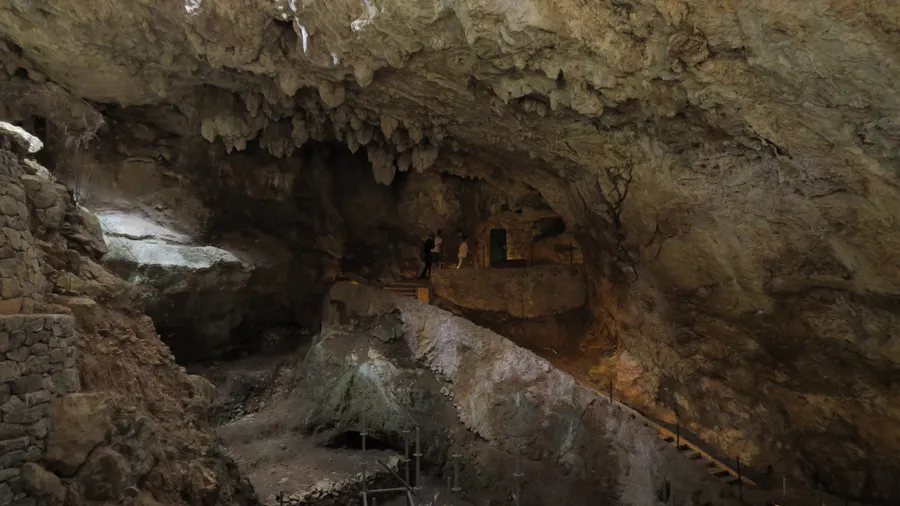
El Castillo Cave
Highlights
- • Rock art over 40,000 years old
- • Negative handprints and animal depictions
- • UNESCO World Heritage Site
- • Located in Puente Viesgo, Cantabria
- • Guided tours to preserve Paleolithic art
- • Regulated access for site conservation
Description
Key Information
Visit Duration
1-2 hours
Recommended Seasons
Spring, Autumn
Pricing
Free
Accessibility
Low
Related Destinations
Guide
Essential information for visiting El Castillo Cave
Location
Practical Information
- Pricing
- Free
- Visit Duration
- 1-2 hours
Features & Services
- Accessibility:Low
- Kid-Friendly:Yes
- Pet-Friendly:No
- Booking:Booking Required
Planning Information
Recommended Seasons
Spring · Autumn
Best Time to Visit
Spring and autumn offer pleasant temperatures to combine the visit with walks in Cantabria's natural surroundings. Avoid summer months if you prefer fewer visitors.
Visitor Tips
Book your visit in advance, especially during peak season, to secure your spot. Wear comfortable shoes and clothing suitable for the cave's cool, humid environment. Follow the guide's instructions and avoid touching the walls to preserve the paintings. Take the opportunity to visit the nearby Rock Art Center for more insights into Paleolithic art.
Historical Facts
Cueva de El Castillo contains some of Europe's oldest cave paintings, dated over 40,000 years old. These Upper Paleolithic artworks demonstrate the evolution of human symbolic thought and are part of the caves declared a UNESCO World Heritage Site in 2008.
Frequently Asked Questions
Get answers about El Castillo Cave