The essentials of Cadí-Moixeró Natural Park

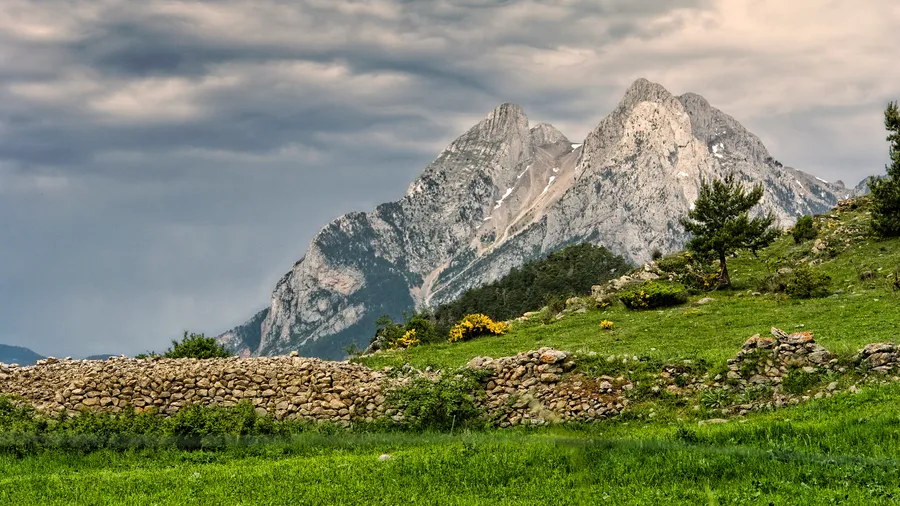
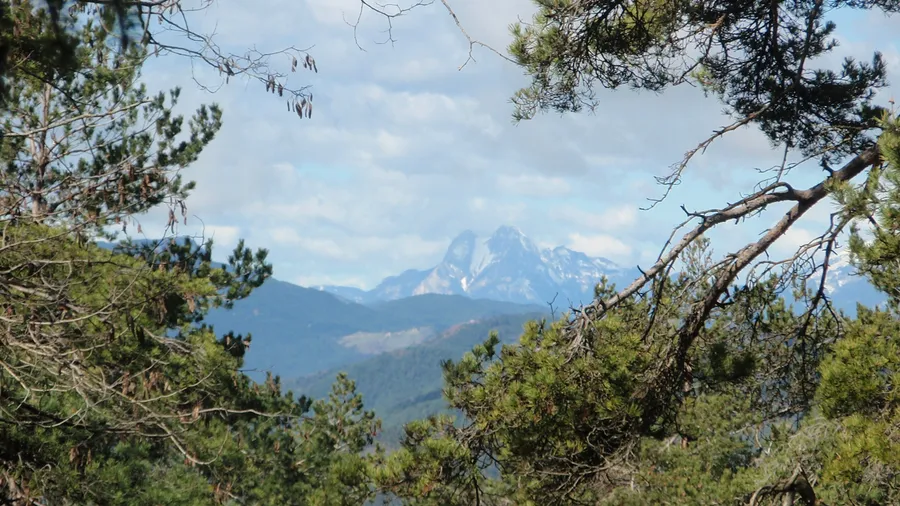
  • • Pedraforca (2,506 m): twin-summit profile with ascent via the Enforcadura notch
  • • GR 150: 94-km traverse along the southern slope of the Cadí massif
  • • Griffon vulture colonies nesting on Cadí ridge and Pedraforca cliffs
  • • Alpine skiing at La Molina and Masella with over 140 km of combined runs
  • • La Patum festival in Berga, UNESCO Intangible Cultural Heritage since 2005

Description

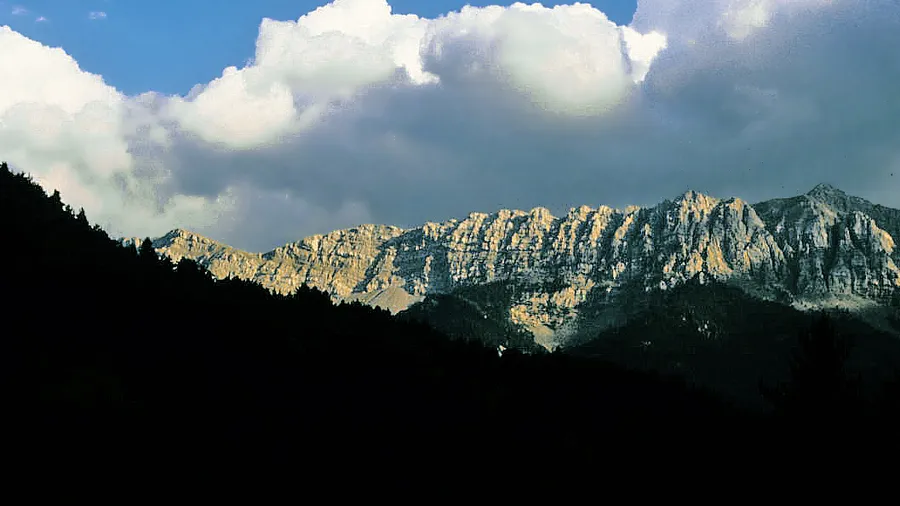
The Cadí-Moixeró Natural Park covers 41,342 hectares in the Catalan Pre-Pyrenees, spread across the provinces of Lleida and Girona. The Cadí ridge runs east to west, acting as a natural barrier between the Cerdanya valley to the north and the Berguedà region to the south, creating distinct microclimates on each side of the crest. The northern slope, cooler and more humid, holds extensive beech and silver fir forests that turn ochre and pale yellow in autumn when the low afternoon light cuts across them sideways. The southern slope, drier and more exposed, alternates Scots pine with Mediterranean scrub. The highest point is Vulturó (2,648 m), but it is Pedraforca (2,506 m) that visually defines the park: its two summits separated by the Enforcadura notch form one of the most recognizable mountain profiles in the Iberian Pre-Pyrenees.

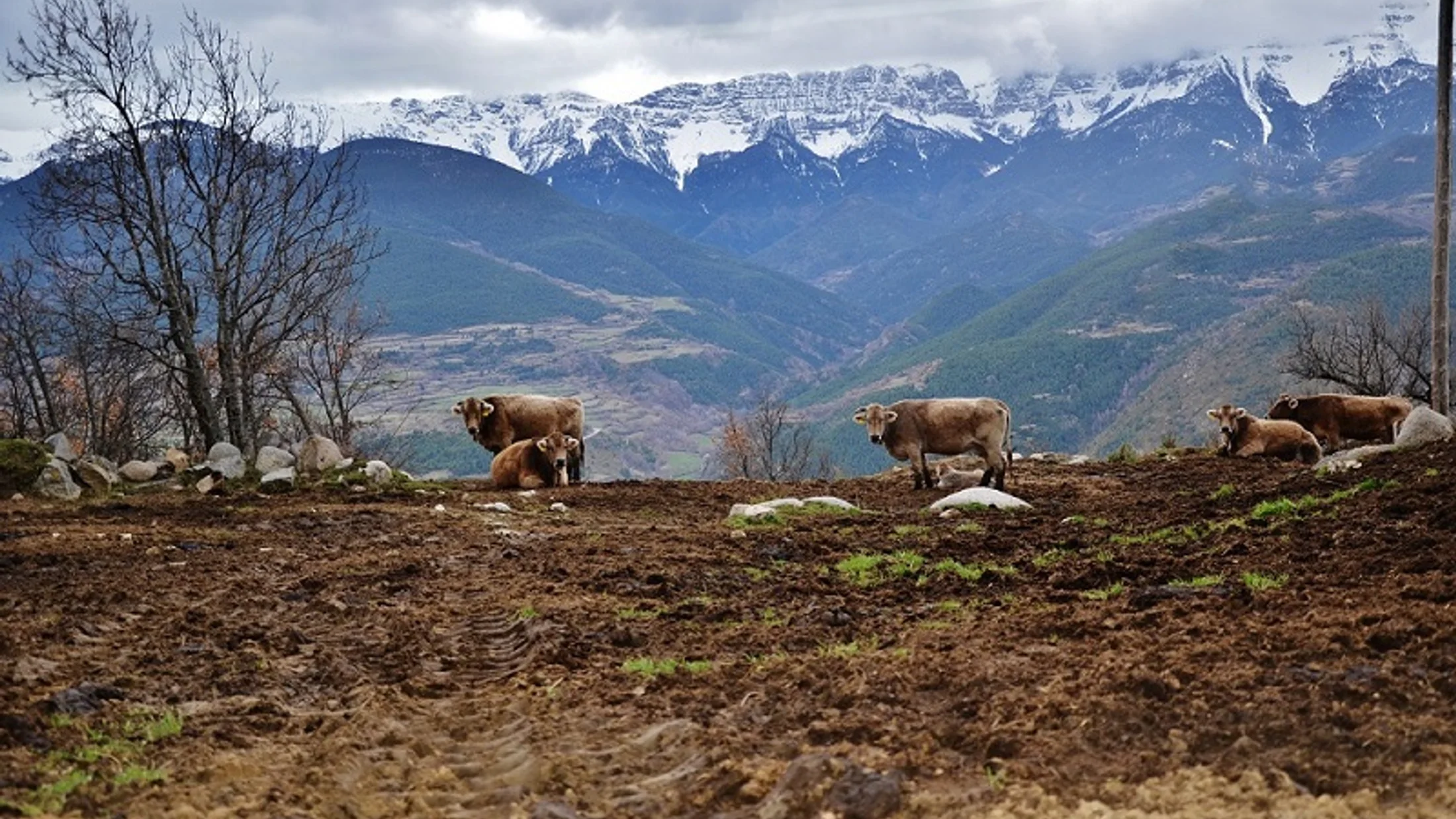
The park holds over 1,000 plant species and a diverse fauna including Iberian ibex, roe deer, wild boar and capercaillie. The griffon vulture colonies nesting on the vertical limestone cliffs of Pedraforca and the Cadí ridge are among the most visible wildlife features: on warm days, dozens of individuals thermal on the rising air currents along the escarpments. The bearded vulture, emblematic of the Pyrenees, occasionally soars above the Llobregat gorges. Flora highlights include local endemics such as Saxifraga aquatica and subalpine meadows where Pyrenean buttercup blooms in June before transhumant cattle occupy the summer pastures. The Llobregat riparian forests, with alders and poplars in the lower reaches, add another layer of diversity to the park's vegetation mosaic.

Several rural villages with distinct character are integrated into the landscape. Saldes, at the foot of Pedraforca at 1,280 m, has built its economy around hiking for decades and is the standard starting point for summit routes. Gósol, at 1,428 m, is known for Pablo Picasso's stay in the summer of 1906, which produced the so-called Gósol period that preceded Cubism; the village retains a compact historic core with the Romanesque hermitage of Sant Pere. Bagà, home to the Park Information Centre, and Guardiola de Berguedà serve as logistical bases for activities on the southern side. On the northern flank, Bellver de Cerdanya connects the park with French Cerdagne through the Segre river corridor. The GR 150 long-distance trail crosses the massif east to west over 94 km, linking these villages along the southern slope in stages of 15 to 25 km.

Winter turns the park into a snow sports destination. La Molina and Masella ski resorts, on the northern slope near Puigllançada (2,411 m), together offer more than 140 km of alpine ski runs at elevations between 1,700 and 2,537 m, making them the two largest resorts in Catalonia and the closest to Barcelona via the C-16 motorway through the Cadí Tunnel. The nearby town of Berga celebrates La Patum during Corpus Christi week, a festival inscribed on UNESCO's Intangible Cultural Heritage list in 2005. Giants, fire figures and the medieval tabal drum parade through the main square in a celebration that blends pagan and religious elements in a way that has remained essentially unchanged for centuries.
Practical information

Everything you need to know for your visit to Cadí-Moixeró Natural Park

How to get there
From Barcelona, take the C-16 motorway toward Berga to Guardiola de Berguedà (120 km, 1h 30 min). For the northern sector, continue through the Cadí Tunnel to Bellver de Cerdanya. No regular public transport reaches the interior villages of the park.
Area Information
The park borders the comarcas of Berguedà, Cerdanya, Alt Urgell and Ripollès. Key access towns are Bagà, Guardiola de Berguedà and Saldes in the south, and Bellver de Cerdanya in the north. The regional capital Berga lies 12 km from the park boundary.
Geography
East-west Pre-Pyrenean ridge with Vulturó (2,648 m) as the highest point and Pedraforca (2,506 m) as its iconic twin-summit landmark. The Llobregat river rises in the eastern sector. Rugged limestone cliffs and glacial valleys define the relief.
Flora & Fauna
Over 1,000 plant species including the endemic Saxifraga aquatica. Fauna includes Iberian ibex, roe deer, wild boar, capercaillie and griffon vulture colonies. The bearded vulture occasionally soars above the Llobregat canyon.

Things to do

Find the best plans and things to do in Cadí-Moixeró Natural Park

20

Accommodations

Best accommodation options in Cadí-Moixeró Natural Park

Loading accommodation options...

Frequently Asked Questions

Get answers about Cadí-Moixeró Natural Park

Yes. The standard route ascends from Font de l'Aiguaneix (Saldes, 1,280 m) via the camí dels Gosolans to the Enforcadura notch and then to both summits. It is a 12-km route with 1,200 m of ascent requiring good fitness, mountain boots and warm layers even in summer. Vehicle access to the car park may be restricted in summer; check the park website before you go.
La Patum takes place in Berga during the Corpus Christi week (May or June depending on the year). It is a public festival held in the main square where giants, fire figures and the tabal drum parade through the streets. The peak days are Corpus Thursday and Sunday. Entry to the public spaces is free, though some specific activities may require an invitation from the colles, the local festive groups who organize the celebration.
The GR 150 covers 94 km split into stages of 15 to 25 km with significant elevation gain. The most demanding stage exceeds 1,500 m of ascent. Prior mountain hiking experience, 1:25,000 scale maps and basic navigation skills are recommended. The central stages do not require advanced alpine experience, but the terrain demands care given the risk of sudden weather changes.
Griffon vulture colonies are visible year-round on the Pedraforca and Cadí cliffs, especially in the middle of the day when thermals are most active. Iberian ibex are best spotted at dawn and dusk in rocky areas. The capercaillie is elusive; its display grounds activate in spring (April-May). The bearded vulture occasionally appears in the Llobregat canyons. Groups of roe deer are frequent in the forest clearings on the southern slope.
La Molina and Masella are located on the northern slope in the Cerdanya comarca, adjacent to but outside the strict park boundary. They are accessible from Alp (Cerdanya) by paved road. Together they offer more than 140 km of certified runs at elevations between 1,700 and 2,537 m, making them the two largest alpine ski resorts in Catalonia.