Inspiring introduction: a personal story in rural Spain
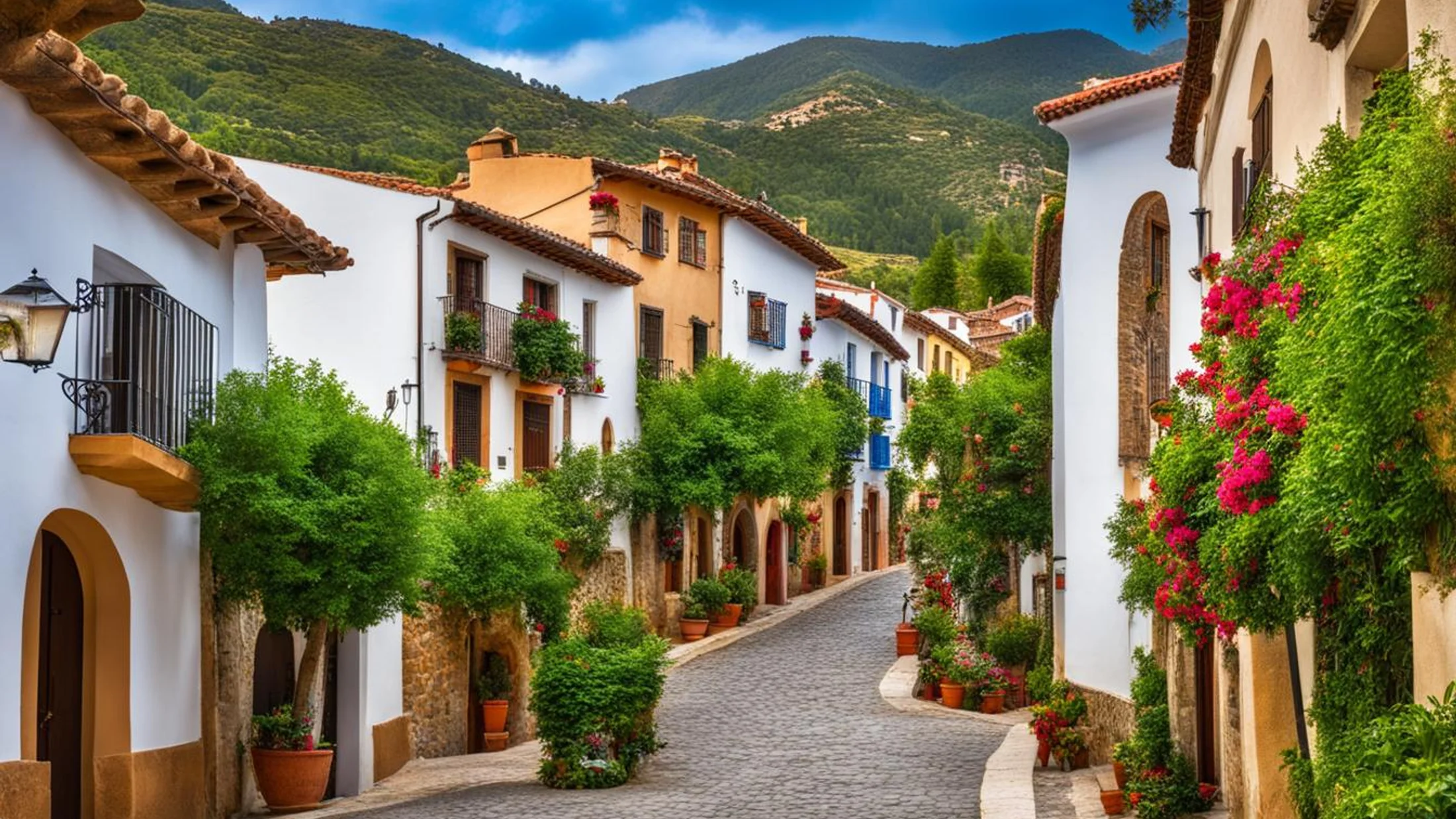
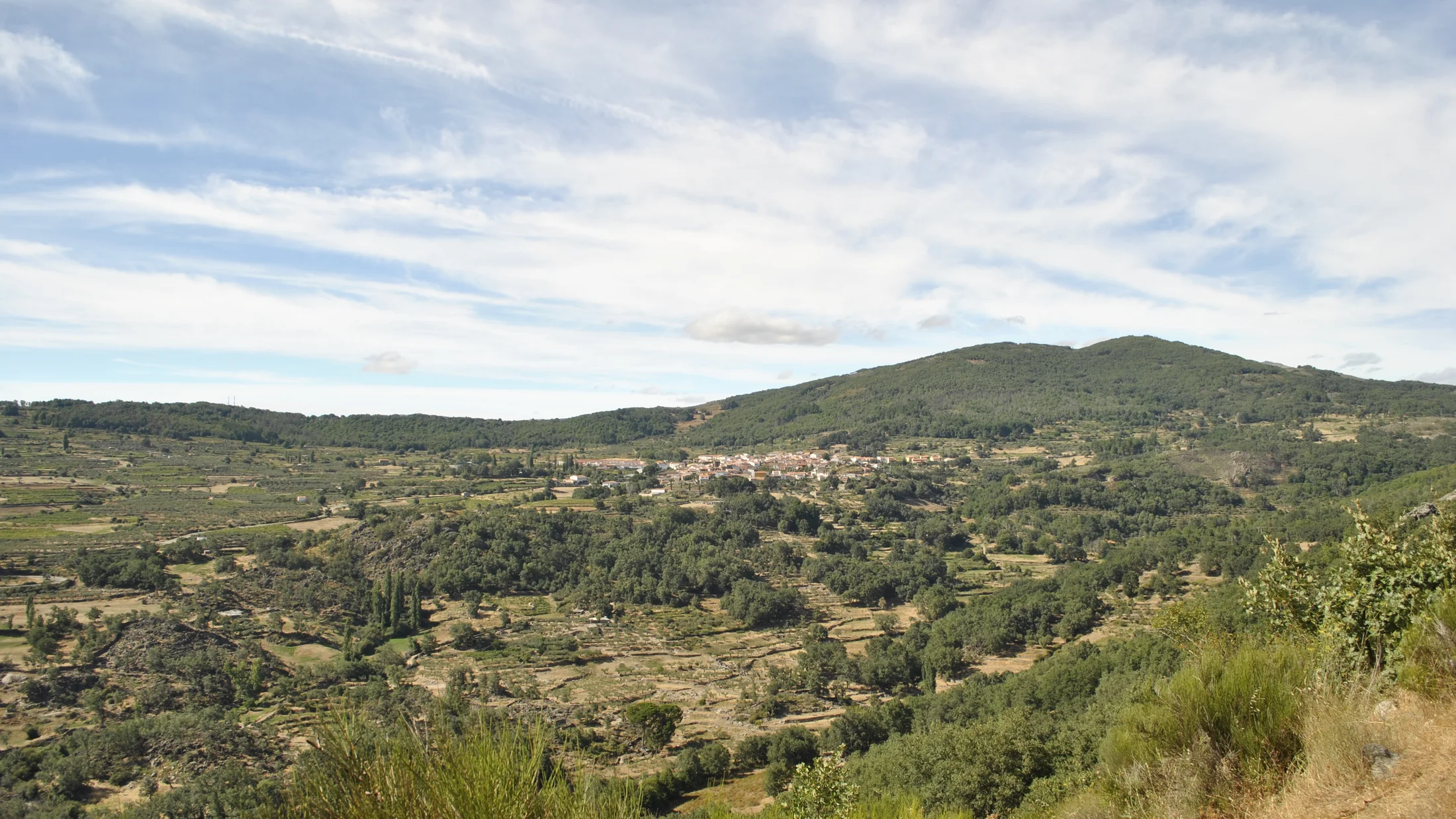
Dawn found me in a farmhouse in the Sierra de Gata, talking to Carmen, the village baker, before she lit her oven. The smell of fresh bread filled the air and the church bells struck 7:00. She offered me a slice and a story: her grandmother kneaded dough the same way, with patience, and the responsibility of feeding an entire community. I had just arrived after a week in the city and, within minutes, I noticed that time followed different rules here.
That day I understood that unique rural tourism experiences are not postcards, but connections. I swapped hurry for conversation and learned to read the landscape like an agricultural calendar. I returned with a certainty: when you participate and show gratitude, a place gives you a sense of belonging. You can feel it too if you travel with intention and listen. It is simple and truly eye-opening.
Picuco te puede ayudar
Does something here catch your eye?
Tell us.
Write to us on WhatsApp or email: we answer questions, find the best options and help you sort out the booking.
In this article, I'll tell you how to spot authenticity, where to stay, and what to ask for. You'll see criteria, examples of agritourism—staying on a farm and taking part in its work—ideas for experiential travel—joining in local life—and tips for sustainable tourism. You'll end with a concrete plan to recreate that calm, step by step. I'll include prices and useful local routes.
What makes a rural tourism experience unique
Connection with the local community
The best conversations happen on the margins: a neighbor's doorway, the kitchen table, the vegetable garden at dusk. The scent of thyme on your hands after weeding with the gardener. To build this connection, introduce yourself, ask about the local calendar, and offer help: grape harvest in September, olives in November, transhumance in June (check permit requirements). Join shared meals: a daily menu at the village bar typically costs 12-15 € and includes conversation. Attend the weekly market —Saturdays from 9:00 to 14:00 in many areas— and buy from artisans. The more time you spend in everyday places, the more doors open and the richer the experience grows. Ask about community workshops and celebrate the common with respect always.
Environment and landscape as main characters
The place shapes the trip: an Extremaduran dehesa is not the same as an Atlantic valley. Watch the natural calendar to time it right: blooms in April, haymaking in June, mushrooms in October; always ask rangers or the town hall about regulations. Integrate slow activities: circular walks of 3-5 km near the village, birdwatching at dawn with binoculars, a short nap in the shade after lunch. Carry a notebook and record what you see; writing helps you notice changes in light and wildlife. Use the local viewpoints marked as PR or GR —Short/Long Distance trails— without turning them into a marathon. If you're unsure, hire a qualified local guide; a 2-3 hour outing runs 15-30 € per person and supports their trade.
Authentic activities versus passive tourism
By participating, you learn and remember; by consuming passively, you forget quickly. Prioritize experiences where you do things with your hands: braiding cheese with a cheesemaker, sponsoring a tree and pruning it with supervision, cooking migas or fabes guided by the person who prepares them weekly. Look for workshops in civic centers, cooperatives, or at your own accommodation; many hosts organize tastings or garden activities. Confirm duration and cost: 1-2 hours for 10-25 € is usually reasonable for small groups. Avoid decontextualized shows and always ask them to explain the why behind each practice; understanding the meaning prevents trivializing a living tradition. If there are animals, ask about their welfare, capacity limits, and rest times, and always avoid invasive interactions.
Fundamentals for replicating the experience: accommodation, activities, and sustainability
Charming accommodation: criteria for choosing
Look for family-run places integrated into the landscape, not isolated spa resorts detached from the village. Choose rural houses with fewer than 12-16 spots — a small capacity encourages personal interaction — and ask about their history: an old hayloft, mill, or farmhouse. Authenticity leaves clues: restored furniture, breakfast with local bread, photos of harvests on the wall. The wood creaks as you climb the stairs, and the square clock chimes every hour. Before booking, ask: who will be attending to you?, what products are locally sourced — "kilómetro cero" —?, what activities do they facilitate?, is there efficient heating and natural ventilation? Check reviews that mention specific names; it reveals close attention. Examples: a complete rural house for 4-6 people, an agroturismo — you stay on a working farm —, or rooms in a village house where you share space with the family. Also ask about accessibility and responsible water use.
Activities that add value: participative experiences
Before you arrive, write to your host and ask for a menu of activities tied to the area. Examples that work: seasonal fruit picking (1-2 hours), bread or cheese making (2-3 hours), a basket-weaving workshop, basic pruning with a technician, an ethnobotanical walk, or a route with oral history from village elders. Explain clearly what you're interested in learning; people respond to concrete goals. Clarify the price and group size: 8-15 € per person for simple activities; 25-45 € if they require materials or technicians. If nothing is offered, you can propose an exchange activity: helping in the vegetable garden in return for a shared dinner. Avoid peak agricultural periods if you might be in the way; ask for the best times. Use the town hall's calendar and networks of regional cooperatives to coordinate local visits.
Sustainability and respect: basic principles
Your presence makes an impact; make sure it's positive. Shop in small stores, pay with cash when possible — commissions add up — and ask about local producers; according to INE 2023, average spending on rural tourism is split between accommodation (40-50%) and meals (30-35%), so prioritize what's nearby. Carry a canteen and a cloth bag; avoid plastics. Ask for permission before photographing people, houses, or work: a gesture and a kind phrase are enough. Respect signs, farm closures, and breeding seasons; if a path says "prohibited," there are agricultural or wildlife reasons. Use heating sparingly and turn off lights. Communicate your values without lecturing: "How would you prefer us to conduct the visit so as not to disturb?" works better than imposing rules. Consider offsetting your CO2 by taking the train when it's viable, or sharing.
Step-by-step guide to planning your rural getaway
Define goals and travel style
Before looking at a map, decide what you need: disconnection, learning, gentle adventure, or shared time. Think of specific scenes you want to live through; the crackle of firewood on a cold night sets priorities. Ask yourself: how many hours do you want to spend on countryside activities? Are you drawn to cooking or shepherding? Do you prefer walking 5-8 km daily or staying in the village? With those answers, filter destinations and dates. Write them in a note and share it with your host to align expectations. Include budget, companions, and personal limits to take care of yourself and enjoy without rushing.
Choose destination and accommodation based on your goal
With your goal clear, choose the region and accommodation. Consider access: less than 2 hours from your home favors weekend rural getaways; check roads and bus schedules. Pick a season that matches desired activities. Use specialized platforms, local association profiles, and the town council’s own networks to cross-check information. Verify authenticity by reading reviews that mention names, trades, and terrain details. Write to the host with three specific questions; their reply reveals treatment and possibilities for scheduling activities. Ask for recent, unfiltered photos of rooms and common areas.
Plan activities and daily logistics
Draw a flexible plan: active mornings of 2-3 hours and quiet afternoons. Coordinate with the host for workshop and walk schedules; book in advance if spots are limited. Prepare a simple checklist: comfortable shoes, layered clothing, canteen, cap, sunscreen, rain jacket, notebook, cash, and travel insurance. If permits are needed (mushrooms, fishing, fires), consult the town council or the forest ranger. Clarify where you’ll eat: own cooking, village bar, or a snack en route. Fewer transfers, more enjoyment. Confirm meeting points and real timings with whoever will guide the planned activity.
Budget, transport, and safety
Calculate a base budget: accommodation 25-45 € per person per night, meals 15-25 € daily, activities 10-40 € per session. A car offers more flexibility; if you use public transport, check combinations and possible local transfers (5-15 km) with the host. Carry a basic first-aid kit and emergency contacts. Notify others of your plans and share your location if you go out alone. For sustainable tourism, prioritize train or shared car, reduce waste, and respect the village’s rhythms: rest, work, and celebrations, and avoid unnecessary noise.
Key Lessons and Common Mistakes to Avoid
Personal Lessons That Transform the Experience
I learned to travel slower: leaving one morning free opened conversations and opportunities a rigid schedule never offers. Midday silence taught me to listen before speaking. I discovered that naming people's work—shepherd, cheesemaker, resin tapper—acknowledges their knowledge and opens doors. I accepted the weather as a main factor: if it rains, I swap the hike for a workshop; if it's windy, I visit the mill. Waking up early was worth its weight in gold: by 7:30 there was bread, soft light, and calm to think. And I learned to show thanks through actions: buy local, share photos with permission, and leave the place better than I found it. This approach changes the trip and changes you too.
Common Mistakes and How to Avoid Them
Overplanning kills connection: leave 2-3 hour gaps with no plans. Ignoring the season causes frustration: check local farming work and festivals; sometimes it's better to postpone. Underestimating travel times delays everything: 20 rural kilometers can take 40-50 minutes. Not asking about prices and conditions creates misunderstandings: always confirm before agreeing. Seeking "the typical" without context oversimplifies: ask for the story behind it. Arriving late to workshops disrupts the group's flow: arrive 10 minutes early. Not carrying cash limits market purchases. The common solution: talk beforehand, confirm in writing, and be ready to adjust or cancel if the weather worsens a lot.
Practical Tips to Maximize Authenticity
- Ask for recommendations with a clear phrase: "What would you do here today?"
- Learn three local words and use them warmly.
- Leave a fair tip and pay on time.
- Take fewer photos, write more: a journal fixes memories.
- Accept short invitations, don't intrude on family time.
- Buy a useful souvenir made in the region.
- Offer an exchange: practical help for a story or recipe.
- Say hello when entering shops and bars.
- If you're unsure, ask before touching someone else's tools.
Final reflection and call to action
Inspiring summary
We return to Carmen's oven and the crispy bread that marked my dawn in the Sierra. That scene sums up what was learned: human connection, a slow rhythm, a landscape that teaches. Rural tourism, when done well, is an honest exchange that gives you a sense of belonging and a future for the territory. You have seen how to find authentic accommodations, meaningful activities, and sustainable tourism practices. You now carry a map of small decisions that, together, create big and memorable trips, at your pace and always with respect.
Concrete call to action
Today, choose a nearby region, contact a family-run accommodation, and ask about a participative activity for next month. Book two nights and schedule a day with no agenda. Write three questions for your hosts and one lesson you'd like to take with you. If you're traveling in a group, share this plan and divide up responsibilities. Start small: authenticity is built step by step. Set a date, watch the budget, and listen.
Resources and next steps
Use rural tourism portals in your region, associations for county agritourism, and the town hall calendars. Consult IGN maps and regional public transport apps. Use this checklist: goals, authentic lodging, 2-3 activities, budget, permits, insurance, and a plan B. Repeat the process in every season too.