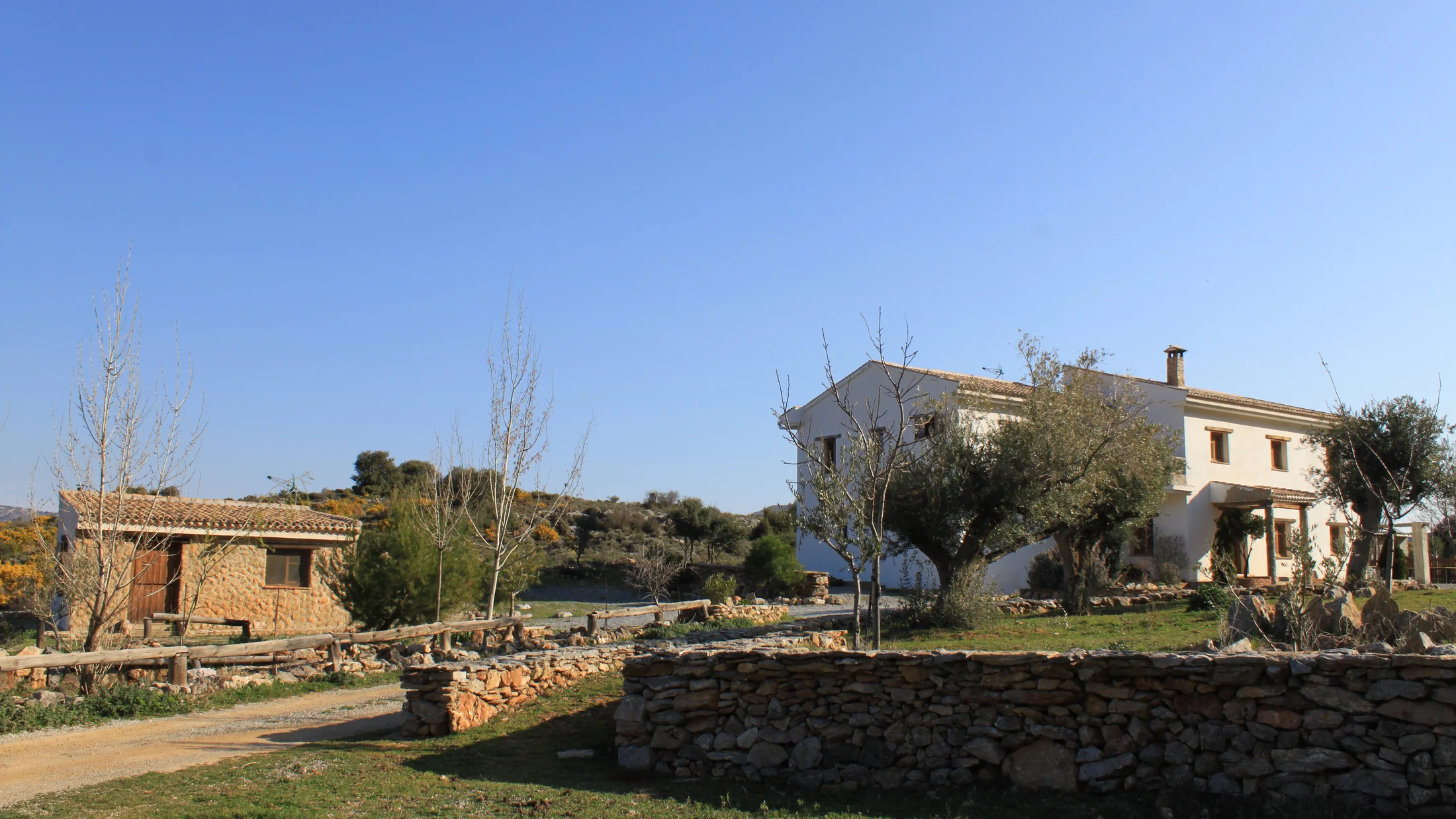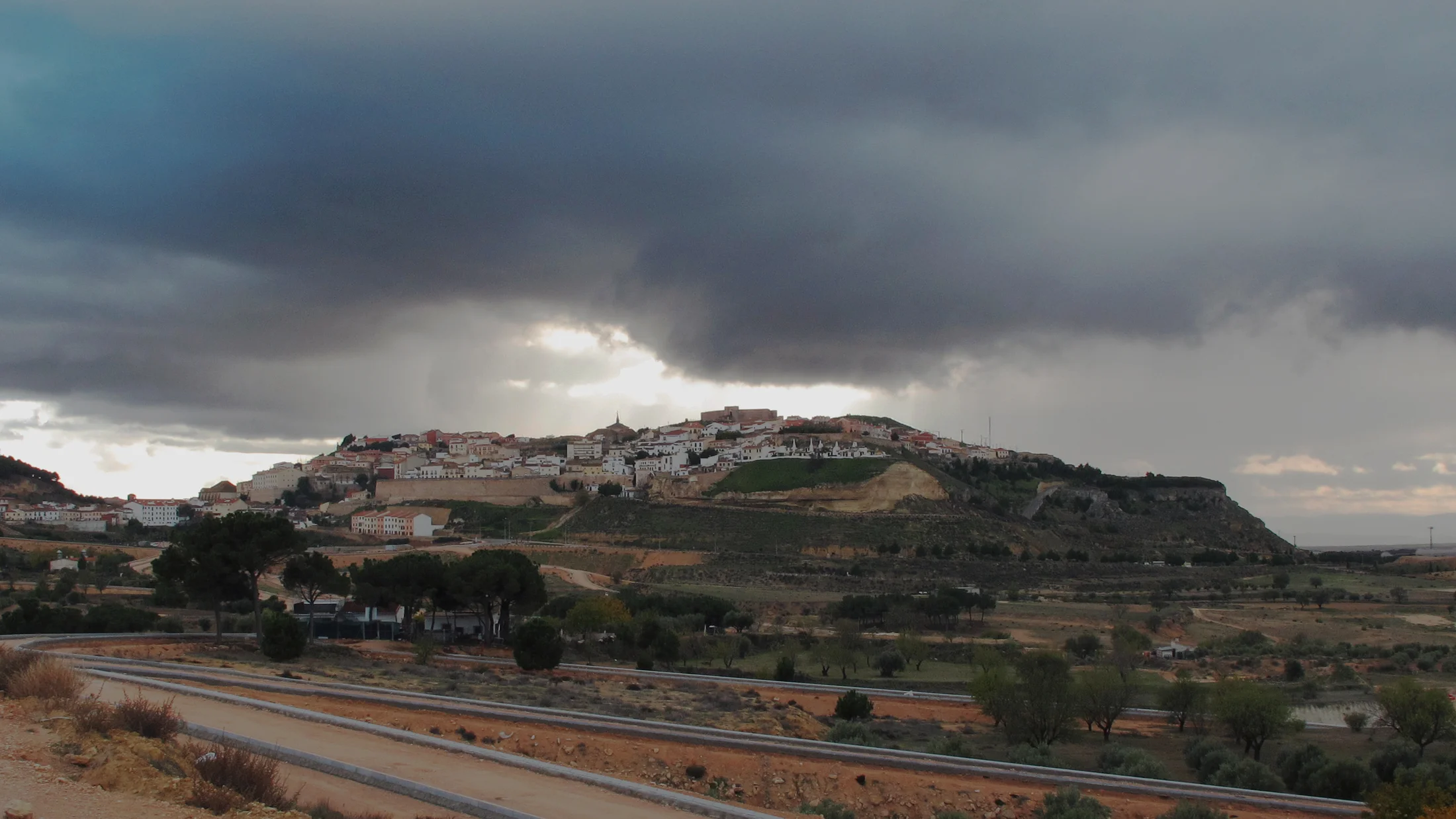
The urban grind disconnects us from what truly matters. But beyond the pavement lies an authentic Spain — breathtaking landscapes, living traditions and a sense of calm that can only be found far from the noise.
This guide brings together 10 rural getaways in Spain that go far beyond pretty villages. From the cliffs of Ronda to the valleys of the Picos de Europa, each destination includes practical tips, accommodation recommendations and the best time to visit. We have prioritised destinations that offer complete experiences: hiking, local gastronomy, historical heritage and, above all, that feeling of genuine disconnection that only the countryside can provide.
1. Ronda (Málaga) — White villages on the edge of the abyss
Ronda hangs suspended above a gorge of over 100 metres carved by the Guadalevín river. The Puente Nuevo, connecting the old town with the modern quarter, is its most iconic landmark. Cobblestone streets, the Plaza de Toros de la Real Maestranza (one of the oldest bullrings in Spain), palaces and Arab baths complete an impressive monumental heritage.
The winemaking tradition of the area is booming: wineries like Descalzos Viejos and F. Schatz offer tastings and guided tours featuring wines from the D.O. Sierras de Málaga.
Where to stay: The Parador de Ronda, next to the Puente Nuevo, offers direct views of the Tajo gorge. For something more intimate, Casa Mónaco is a boutique hotel in the old town.
Practical tips:
- Best time: May or October — pleasant weather and fewer crowds.
- Rise early: Explore the Puente Nuevo first thing in the morning to avoid tour groups and catch the best light.
- Stay overnight: The magic of Ronda reveals itself at nightfall, when the streets empty and the town lights up.
Picuco te puede ayudar
Does something here catch your eye?
Tell us.
Write to us on WhatsApp or email: we answer questions, find the best options and help you sort out the booking.
2. Robledillo de Gata (Cáceres) — A medieval gem of Extremadura
Declared a Site of Cultural Interest, this village in the Sierra de Gata stands out for its architecture of stone, wood and slate, with houses that seem to hang over the Árrago river. Tunnels, passageways and narrow lanes transport you to an almost intact medieval past.
The constant sound of water, the cool shade of its passages and the absence of modern traffic create an atmosphere of absolute peace. Its 16th-century church and the old olive oil mill turned museum complete a heritage that invites you to wander without a plan. Perfect for those seeking a genuine cultural immersion far from the beaten track.
Where to stay: Rural houses built into the traditional architecture such as "Casa Manadero" or "Apartamentos Rurales La Puentecilla", with views over the river.
Practical tips:
- Comfortable footwear: Essential — cobblestone streets that are steep and sometimes slippery.
- Digital detox: Mobile coverage is limited. Embrace it.
- In summer: The Árrago river forms crystal-clear natural pools perfect for cooling off.
3. Besalú (Girona) — Romanesque bridge and volcanoes
A journey into medieval Catalonia. Its 12th-century Romanesque bridge, with seven arches and a fortified tower, leads into a labyrinth of Gothic streets and exceptional Jewish heritage, including its micvé (ritual bath), one of the few preserved in Europe.
Just minutes away lies the Garrotxa Volcanic Zone Natural Park, with trails weaving through dormant volcanoes and the famous Fageda d'en Jordà. Culture, architecture and nature all in one destination.
Where to stay: Cal Priorat offers quality gastronomy and a sophisticated atmosphere. For total immersion, restored stone houses in the centre.
Practical tips:
- Best time: Spring or autumn for comfortable walking.
- Visit on weekdays: Weekends get crowded — from Monday to Friday the experience is far more authentic.
- Gastronomy: Try the esqueixada (salt cod salad) and the cured meats of the Garrotxa.
4. Las Alpujarras (Granada/Almería) — Mountain valleys and bohemian culture
Not a single village but an entire region suspended between Sierra Nevada and the Mediterranean. Whitewashed villages with Berber-style architecture, impossible agricultural terraces and a bohemian atmosphere forged by artists and alternative communities.
Pampaneira, Bubión and Capileira form the iconic Barranco de Poqueira. Órgiva is the main hub for exploring the artisan community. The area is famous for its jarapas (woven rugs), ceramics and artisan chocolate shops.
Discover more about the region in the guide to Las Alpujarras Granadinas and explore activities near Granada.
Where to stay: Restored cortijos and rural houses. Casa Julio is a benchmark for Alpujarran hospitality.
Practical tips:
- Rent a car: Essential for exploring remote villages and valleys.
- Walk between villages: The ancient trails connecting the villages are the best way to appreciate the landscape.
- Take your time: At least 4–5 days to avoid a superficial visit.
5. Monsagro (Salamanca) — Hidden gem of the Sierra de Francia
In the heart of the Las Batuecas-Sierra de Francia Natural Park, Monsagro is an open-air museum: the facades of its houses display marine fossils millions of years old. Granite stone, oak and chestnut forests, and almost untouched nature.
It is the ideal destination for embracing slow travel: forget your watch, chat with the locals and let the tranquillity carry you.
Where to stay: Casa Rural La Fragua, family-run, captures the essence of the mountain architecture. It is common for neighbours to offer home-cooked meals — ask at your accommodation.
Practical tips:
- Best time: Spring and autumn, with spectacular landscapes.
- Book ahead: Availability is very limited.
- Bring supplies: Stock up in La Alberca before arriving — services in Monsagro are scarce.
Plan your rural getaway with Picuco
Looking for nature and wellness activities or food and wine experiences in these destinations? On Picuco you can filter by experience type, region and dates to find exactly what you need. Plus, every booking directly supports local businesses.
6. Frigiliana (Málaga) — The coastal white village
A cascade of whitewashed houses adorned with flowers tumbling down the hillside of the Sierra de Almijara, just a few kilometres from the Mediterranean. Its Barribarto quarter, of Moorish heritage, is a labyrinth of narrow streets with ceramic mosaics that tell its history.
It blends the serenity of the mountains with a sea breeze. Its proximity to beaches and the Sierra de Tejeda, Almijara y Alhama Natural Park makes it an ideal base for exploring the Axarquía.
Where to stay: Hotel Villa Frigiliana in the heart of the village, with views of the sea and the mountains.
Practical tips:
- Off-season: Spring or autumn. In summer, arrive very early.
- Park and walk: Pedestrianised centre. Park at the bottom and prepare for the hills.
- Climb to the Castillo de Lizar: The best panoramic views at sunrise or sunset.
7. Potes (Cantabria) — Gateway to the Picos de Europa
The heart of the Liébana valley and the gateway to the Picos de Europa National Park. Stone bridges, noble mansions and the Torre del Infantado dominate an old town threaded by the Deva and Quiviesa rivers.
An ideal base camp for hikers and mountain lovers. The must-do experience: the Fuente Dé Cable Car lifts you 753 metres in just 4 minutes to an altitude of 1,823 m, opening up a world of viewpoints and high-mountain trails. After the adventure, orujo (local spirit) and cocido lebaniego (hearty mountain stew) to recharge — Cantabrian gastronomy is every bit as mighty as the landscapes.
Explore activities near Oviedo and Bilbao to extend your northern route.
Where to stay: Hotel Valdecoro by the Deva river, or the Parador de Fuente Dé at the foot of the cable car for total mountain immersion.
Practical tips:
- Best time: June to October for high-mountain routes.
- Book months ahead: Demand is extremely high in summer and on bank holiday weekends.
- Be prepared: Weather in the Picos is unpredictable. Always bring warm clothing and proper footwear.
8. Albarracín (Teruel) — A medieval time capsule
Declared a National Monument, it rises atop a rocky crag encircled by a meander of the Guadalaviar river. Its reddish plaster houses seem to defy gravity, leaning over one another along narrow lanes that climb and descend the hillside. Imposing walls embrace the entire town, timber-framed architecture and an exceptional state of preservation make it one of the best-kept medieval ensembles in Europe.
The Plaza Mayor, the Cathedral of El Salvador and the Castillo del Andador are among its treasures. Wandering aimlessly through its streets at sunset, as the light bathes the reddish facades in gold, is an experience that justifies the trip all on its own. A perfect destination for lovers of history, photography and the most authentic rural charm.
Where to stay: Casa de Santiago (historic rural hotel) or Posada del Rodeno (family-friendly atmosphere). Do not leave without trying the ternasco de Aragón (roast lamb) or migas.
Practical tips:
- Best time: Spring and autumn — pleasant temperatures and fewer tourists.
- Book ahead: Limited hotel supply and a very popular destination.
- Climb the walls: At sunrise or sunset, the panoramic views of the town and the river meander are spectacular.
- Allow at least two days: To wander freely and discover every corner.
9. Lastres (Asturias) — Authentic fishing village charm
A natural amphitheatre of colourful houses cascading down the hillside to embrace the Cantabrian Sea. Named an Exemplary Village of Asturias, it keeps its fishing culture alive in every steep lane. From the San Roque viewpoint you can take in the coast, the village and the Picos de Europa on clear days.
The port is the soul of the village: small-scale fishing boats, nets drying in the sun and fish auctions at the rula every afternoon. That freshness translates straight to the plate — do not leave without trying grilled virrey (red bream).
Explore more options in the Ría de Ribadesella area and discover activities near Oviedo.
Where to stay: Restored Asturian casonas with sea views. Must-visit restaurants: El Descanso and Eutimio.
Practical tips:
- Best time: Spring or September — good weather without the August rush.
- Comfortable footwear: The hills are no joke.
- Book a table: The most popular restaurants fill up fast, especially on weekends.
10. Peñíscola (Castellón) — A Templar castle above the sea
A historic fortress that juts into the Mediterranean like a ship of stone. Crowned by the imposing Castle of Papa Luna, this fortified peninsula on the Costa del Azahar combines the grandeur of its walled old town with the vibrant life of a beach destination. Cobblestone streets flanked by white houses with blue accents, and panoramic views from the crag 64 metres above the sea that leave you speechless.
Seafood gastronomy takes centre stage: rice dishes, arròs a banda and fresh-from-the-sea produce at the restaurants along the northern beach.
Where to stay: Hotel Peñíscola Palace for luxury with sea views. Guided tours of the Castle of Papa Luna to uncover its history as a papal seat and Templar fortress.
Practical tips:
- Best time: May or September — excellent weather without the summer crowds.
- Explore early: Access the castle first thing in the morning to avoid crowds and heat.
- Park outside: Pedestrianised centre — park outside the walls and explore on foot.
- Stay overnight: At nightfall, when the day-trippers leave, the illuminated walls create an intimate atmosphere.
Quick comparison
| Village | Type of experience | Best time | Recommended days |
|---|---|---|---|
| Ronda | Culture, wine tourism, photography | May, October | 2–3 |
| Robledillo de Gata | Cultural immersion, disconnection | Spring, autumn | 2 |
| Besalú | Medieval history, hiking | Spring, autumn | 1–2 |
| Las Alpujarras | Hiking, crafts, retreat | Spring, autumn | 4–5 |
| Monsagro | Slow travel, nature | Spring, autumn | 2–3 |
| Frigiliana | White village, beach + mountain | Spring, autumn | 2 |
| Potes | Mountains, hiking, gastronomy | June–October | 3–4 |
| Albarracín | History, photography | Spring, autumn | 2–3 |
| Lastres | Fishing culture, gastronomy | May, September | 2 |
| Peñíscola | Beach + heritage | May, September | 2–3 |
Make your next rural getaway a reality
Together we have journeyed across Spain's geography, from the cliffs of Ronda to the green valleys of Potes, from the medieval Catalonia of Besalú to the authentic fishing village charm of Lastres. Each of these 10 destinations is much more than a dot on the map: it is an invitation to experience something authentic, at a different pace.
Rural Spain is a canvas where you can paint your ideal adventure: a hiking route in the Picos de Europa, a gastronomic immersion in Las Alpujarras or a journey through time along the streets of Albarracín. The key to a memorable rural getaway lies in knowing what you are looking for. Total disconnection or active adventure? A family trip, a couple's retreat or a journey with your pet? Consider three factors:
- Season: Weather and visitor numbers completely transform the experience.
- Type of experience: Food and wine, history, nature or wellness — define your priority to make the best choice.
- Logistics: Transport, accommodation and budget. The details make the difference.
Choosing a rural getaway is also a conscious decision: by picking a family-run guesthouse, buying artisan products or eating at a village restaurant, you contribute to the sustainability of these communities. Every euro spent at a local business is an investment in the authenticity of rural Spain.
The less-travelled Spain awaits. Explore activities near Madrid, Barcelona, Sevilla or Granada to start planning your next adventure on Picuco.