Why Asturias Is The Place To See Wild Cantabrian Bears
Asturias is where brown bear watching Spain becomes a real, responsible possibility. The Cantabrian brown bear population has grown from under 100 individuals in the 1980s to an estimated 300–350 today, according to the Fundación Oso Pardo and the Principality of Asturias. You come here for living, breathing wilderness—and to learn how to do it safely, ethically, and with your feet on firm ground. At dusk, the slopes blush with last light while a shadow moves across a meadow like a held breath.
This guide focuses on three adjoining strongholds—Somiedo, Fuentes del Narcea, and Muniellos—where bear conservation and rural life intertwine. You will find when to go, where to wait, how to keep distance, and how to support the people who care for these mountains. We keep the emphasis on ethics, facts, and practical decisions so your experience is as rewarding as it is respectful.
The conservation story behind the Cantabrian brown bear
The Cantabrian brown bear, a subspecies of the Eurasian brown bear, survived in two nuclei split by roads and human pressure; today those nuclei are reconnecting as numbers rise. Hunting was banned in Spain in 1973, and community-led projects—beekeeping support, anti-poaching patrols, forest recovery—have helped stabilize the species. When you set out to observe Cantabrian bears, you step into a decades-long effort shared by rangers, scientists, and rural families.
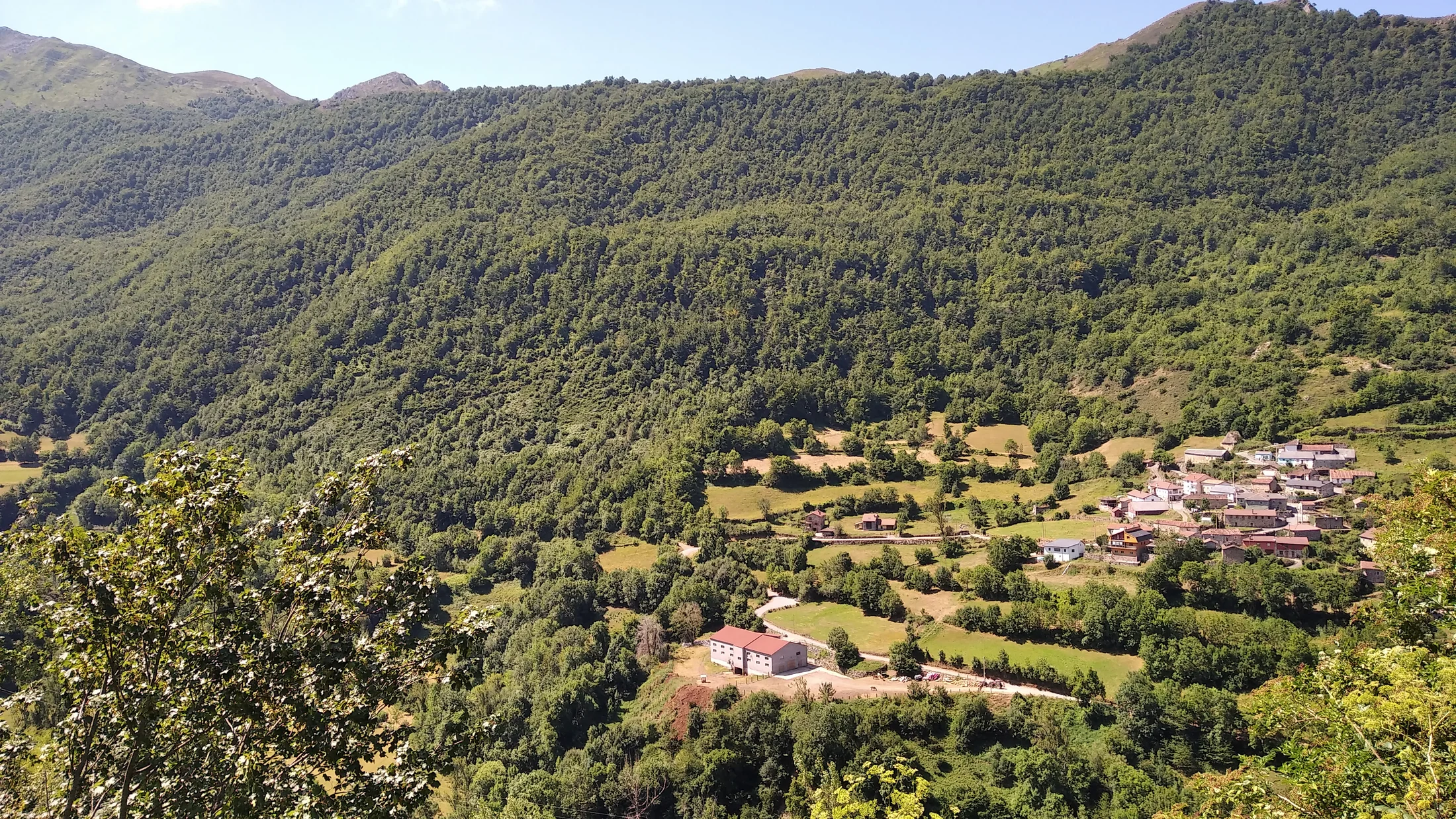
Somiedo’s brañas—high summer hamlets—offer grazing meadows and berry slopes; Fuentes del Narcea’s mixed forests and river bottoms create travel corridors; and Muniellos, with its primeval oak forest, is the region’s quiet heart. Together they form a connected landscape where observing osos cantábricos is possible from respectful distances. Look once at the heather-scented air rippling in a breeze and you’ll understand why these bears choose these hills.
What you will get from this guide and how to use it
Use this article as your planning hub: you will learn the best months and hours, exact types of places with good visibility, how access works in Muniellos, and how to stay safe. We put responsible practice first—think avistamiento osos Somiedo and Muniellos osos done in ways that do not disturb wildlife. You will also find practical advice on optics, clothing, travel times, and a concise FAQ for fast checks. Skim the essentials if you are short on time, then focus on the points and routes that match your fitness and season. As you read, note key tips and keep your map app ready for the valleys and viewpoints that fit your plan.
Picuco te puede ayudar
Does something here catch your eye?
Tell us.
Write to us on WhatsApp or email: we answer questions, find the best options and help you sort out the booking.
Essential Details: Where, When, and How To Access Bear Country
You will plan better—and see more—when you know how the landscape, seasons, and rules align. The hush before sunrise tastes of cold stone and wet grass, and it is often when your patience pays off.
Location and how Somiedo, Fuentes del Narcea, and Muniellos connect
These three protected areas sit in the southwestern quadrant of Asturias, with the range edging into León and Asturias’ neighboring municipalities.
- Somiedo Natural Park: Around 291 km², centered on Pola de Somiedo, about 85–95 km from Oviedo (roughly 1 h 30 min by car via A-63 and AS-227). Limestone massifs, glaciated valleys, and brañas create mosaics of pasture and forest.
- Fuentes del Narcea, Degaña e Ibias Natural Park: Approximately 555–600 km² surrounding Cangas del Narcea; think wide river valleys, mixed beech-oak woods, and clearings. Pola de Somiedo to Cangas del Narcea is about 60–75 km (1.5–2 h on mountain roads).
- Muniellos Integral Nature Reserve: Roughly 57 km² of strictly protected oak forest between the villages of Moal (Mual) and Tablizas, embedded within the Fuentes del Narcea park. Access is highly restricted.
They form a functional mosaic: bears feed at valley edges, use forest cover for movement, and cross saddles between basins. If you are targeting Muniellos osos, remember observation is usually from the reserve’s fringes and surrounding valleys, not deep within the core where entry is limited.
| Area | Size (approx.) | Main hub | Character | Access note |
|---|---|---|---|---|
| Somiedo | 291 km² | Pola de Somiedo | Brañas, glacial valleys, limestone | Free access on park roads/paths; respect signs |
| Fuentes del Narcea | 555–600 km² | Cangas del Narcea | River meadows, mixed forests, clearings | Free access; some tracks seasonal |
| Muniellos | 57 km² | Tablizas/Moal | Primeval oak forest core | Permit required; daily quotas |
Best months, hours, and seasonal behavior
You can ver osos pardos Asturias in three main windows, with crepuscular light your ally.
- Spring (April–June): After denning, bears forage on fresh grasses and insects in meadows; females with cubs use edges for safety. Dawn and dusk are best.
- Summer (July–August): Heat shifts activity earlier and later in the day; bears seek shade and water. Dusk over north-facing slopes can be excellent.
- Early autumn (September–October): Hyperphagia—the feeding peak—drives bears to berries (bilberry, bramble) and later to acorns and chestnuts. Overcast afternoons can stretch activity into early evening.
Winter sightings are rare; many bears in the Cantabrian range enter a shallow hibernation that varies by food availability and sex. Plan around weather too: stable, calm days with gentle wind ease observation across long distances. One cool rule of thumb: if you need a fleece at dusk, the bears may be moving too.
Permits, opening times, and Area restrictions
Most of Somiedo and Fuentes del Narcea allow free public access on marked roads and trails, with standard protections for flora and fauna. Muniellos is different: it is an Integral Nature Reserve with daily quotas and mandatory permits.
- Muniellos permits: Access is limited to a small number of hikers per day. You must book in advance through the Principality of Asturias’ official channels; spots can fill weeks ahead in spring and autumn.
- Entry rules: In Muniellos, you must stay on the signed route, start and finish within designated times, and not collect plants, fungi, or wood. No dogs are allowed within the reserve.
- Park schedules: Visitor centers (Somiedo, Cangas del Narcea, and Tablizas for Muniellos) open hours vary by season; check the Principado de Asturias official website or local tourism offices before driving.
- Drones and vehicles: Drone flights are prohibited without explicit authorization; motor vehicles are restricted to public roads. Off-track driving on forest roads is not allowed.
- Filming or commercial photography: If you intend commercial work, request permits ahead of time from the regional administration.
Keep a note of contact points: the Somiedo and Cangas del Narcea visitor centers provide current trail and wildlife notices, and the Consejería de Medio Rural y Cohesión Territorial publishes regulations and alerts.
Practical considerations: safety, connectivity, and terrain
Mountain roads are winding; travel times stretch beyond what a map’s straight line suggests. At a high pass, wind fingers your jacket and carries the resin scent of pines.
- Connectivity: Mobile coverage is patchy in valleys and behind ridgelines. Download offline maps, pre-save locations, and agree on meeting points if splitting up.
- Weather and clothing: Conditions change fast; carry a waterproof layer year-round, warm clothes for dawn/dusk, and sun protection for midday waits.
- Fuel and services: Top up fuel in Pola de Somiedo or Cangas del Narcea; small villages may not have 24/7 pumps. Carry water and snacks for long waits.
- Roads and tracks: Expect narrow lanes with pull-outs; give way to locals and livestock. Some forest tracks are seasonally closed; respect barriers.
- Time buffers: Add 20–30% to driving estimates and plan to be in position 45–60 minutes before prime hours for avistamiento osos Somiedo or any valley watch.
- Safety basics: Do not walk into dense scrub at dusk; stay on open ground and use established viewpoints. Always keep bear distance and line of retreat in mind.
Where To See Cantabrian Brown Bears: Reliable Areas and Vantage Points
Your odds improve when you choose wide views across meadow edges, berry slopes, and quiet valley rims. The call of a blackbird carries across the valley like a soft metronome while you scan.
Somiedo: valleys, brañas, and accessible viewpoints
Somiedo is a model landscape for observation from afar. A braña is a high-mountain summer hamlet of stone-and-thatch huts where cattle graze; these pastures meet forest at ideal viewing edges.
- Valle del Lago and upper slopes: From the approach to Valle del Lago and the lakes area, look across north-facing slopes and meadow edges at dawn or dusk. Bears use forest bands to traverse and step briefly into clearings to feed.
- Pigüeña valley and brañas: Above the Pigüeña, brañas like La Pornacal sit beneath extensive berry slopes; scan from road pull-outs and village vantage points rather than entering grazing enclosures.
- Saliencia area: The Saliencia valleys provide mixed scrub and open ground; seek wide, safe viewpoints that allow glassing without cutting across livestock paths.
Why these work:
- Pasture-forest edges: Grass, grubs, and early summer shoots draw bears into open sightlines.
- Corridors: Ridges and saddles link feeding areas without exposing animals for long.
Logistics and care:
- Best windows: 30–60 minutes either side of sunrise and 1–2 hours before sunset in spring and early autumn.
- Access: Use the AS-227 to reach villages and signed parking areas; avoid roadside clustering that blocks traffic.
- Ethics: Practice leave-no-trace near brañas, close gates as found, and keep voices down; this is neighbors’ land as much as it is wildlife habitat.
A single cowbell’s ring drifts up the slope between your breaths as the last light fades behind a limestone crest.
Fuentes del Narcea: bright clearings, firebreaks, and forest edges
Fuentes del Narcea stretches across three valleys—Cangas, Degaña, and Ibias—where river meadows and forest skirts create textbook watch zones.
- River meadow clearings: In side-valleys feeding the Narcea, scan long meadows at first light where bears nose for grubs and fresh shoots. Park only at legal pull-outs and watch from distance with binoculars.
- Firebreaks and scrub mosaics: Gently contoured firebreaks on mid-elevation slopes often hold bilberry and bramble; bears may feed on these patches in late summer.
- Degaña forest edges: The transition where mature beech meets grazed pasture is productive, especially on calm evenings.
Why these work:
- Food flow: Spring grasses, summer berries, and autumn nuts create seasonal “food maps” you can read from afar.
- Low disturbance: Bears here often appear briefly; a quiet, stationary observer is more likely to catch the moment.
Access and permissions:
- Roads: Secondary roads off the AS-15 and AS-29 access many valleys; they are narrow and curvy—drive slowly.
- Land use: Measured courtesy goes a long way; if in doubt about access to a track or a field margin, ask in the nearest hamlet.
- Fuentes del Narcea bears: Expect patience to be rewarded; sightings cluster in spring and early autumn when animals feed predictably.
Beneath your boots, crushed bracken releases a tea-like scent as evening birds start calling in the shadows.
Muniellos: reserve edges, high viewpoints, and transition zones
Muniellos’ core is one of Western Europe’s finest oak forests—and among the quietest. Strict protection means your best chances for Muniellos brown bear observation come from the reserve’s edges and surrounding parklands.
- Oballo ridge and viewpoints: Above the Tablizas area, public viewpoints overlook wide forest slopes; settle in with a scope to scan natural clearings at dawn or dusk.
- Moal (Mual) environs: From legal vantage points near the village, look toward forest margins where bears may emerge to feed, especially in berry season.
- Pasture-forest transitions toward Ibias: South-facing edges outside the integral zone can offer long sightlines with minimal disturbance.
Why these work:
- Sensitivity: The core reserve has minimal human presence; bears move near the edges where habitat diversity rises.
- Distance: The terrain demands big optics and patience; accept longer-range views as part of ethical practice.
Access and caution:
- Permits: If you plan to hike within Muniellos, secure a permit well in advance and accept that wildlife watching there is about listening and learning, not chasing sightings.
- Conduct: Stay on signed routes, avoid loud conversations, and never enter fields or private tracks without permission.
- Muniellos osos: Observation here is a privilege; protecting the ecosystem’s quiet is more important than any photo.
In the hush of beech and oak, the damp bark smells like earth after rain and holds its own kind of time.
Activities and Experiences: Routes, Waits, and Guided Options
Mix a little walking with long, quiet waits, and add a day with a local guide to deepen your understanding. A valley breeze lifts the edge of your map, then falls still as the light softens.
Recommended walking routes and on-foot observation points
Choose routes with open vantage and safe egress; the goal is to observe, not to cover distance.
- Somiedo, Valle del Lago approach: 2–4 hours round trip, moderate; good vantage across slopes and meadows. Best at dawn in spring and at dusk in early autumn. These are classic rutas avistamiento osos that favor visibility without entering sensitive ground.
- Fuentes del Narcea side-valley tracks: 1.5–3 hours, easy to moderate; follow legal farm lanes along river meadows with wide views of forest edges. Mornings are productive when mist lifts.
- Around Muniellos (outside the integral core): 2–5 hours, moderate; hill routes above Moal or nearby ridges offer sweeping views for observing osos cantábricos with scopes.
Tips:
- Start early, set up before first light, and remain still; moving less sees more.
- Prioritize loops with high points and clear sightlines back to your car.
- Check seasonal access and livestock presence; close gates as found.
Drizzle beads on your jacket sleeve and turns to glitter when the sun slips through a break in the cloud.
Waiting from hides and fixed observation points
A hide is a simple shelter, often wood, that lets you watch without being seen; it reduces disturbance and scent. Fixed-point waits mean choosing a public viewpoint or natural blind and staying put for hours.
- How hides work: Operators place hides to overlook feeding areas from long range; sessions typically align with dawn or dusk and last 3–5 hours. You bring optics, warm layers, and snacks; the guide manages timing and briefings.
- Fixed-point alternatives: If no hide is available, pick a legal viewpoint with long, safe sightlines; settle well before the active window and maintain silence.
- Ethics and gear: Silence, minimal movement, and no food scents matter; take waste out with you. Low red-light headlamps help when packing up in the dark.
Under the wooden eave, you hear soft rain patter like fingertips while the valley holds still.
Guided tours: how to choose responsible operators
Local guides add area knowledge, recent wildlife patterns, and safe access decisions. When you book bear watching tours Spain, look for:
- Credentials: Environmental certifications, insurance, and first-aid training.
- Conservation practice: Clear distance policies (hundreds of meters), no baiting, small groups, and transparent codes of conduct.
- Local roots: Guides based in Somiedo, Cangas del Narcea, or nearby villages bring community insight and real-time info.
- Pricing: Expect roughly 40–90 € per person for half-day bear-focused outings; confirm inclusions and current prices with the operator.
Advantages:
- Safety: Better site selection and risk assessment.
- Learning: Natural history context—tracks, plants, land use—enriches the watch.
- Community: Your fee supports rural economies that keep landscapes alive.
As the guide whispers wind direction, a warm smell of crushed thyme rises underfoot.
Add-ons: photography, other wildlife, and local culture
You are here for bears—and there is more. Fold in a day of birding, a photography session, or a village visit.
- Wildlife photography: Use long focal lengths (400–600 mm on full frame), a sturdy tripod, and high ISO for low light. Never approach or follow animals for a shot; let distance define your ethics.
- Other fauna: Watch for chamois on crags, deer at dusk, and raptors—griffon and Egyptian vultures circle thermals when the sun warms the slopes.
- Culture and food: Visit brañas museums, sample Cangas del Narcea wines, and eat local cheeses and stews. These are living landscapes shaped by cattle, hay, and hands.
In a stone village lane, the aroma of woodsmoke and fabada drifts past as swallows stitch the evening sky.
Practical Tips, Safety, and Conservation in Bear Country
Preparation makes the difference between a long wait and a good watch—and keeps both people and bears safe. A fallen chestnut shell crunches softly under your boot as you settle the tripod.
Essential gear and how to prepare
Bring what keeps you warm, still, and observant from long distances; ver osos pardos Asturias depends on optics and patience.
- Clothing: Layered system, waterproof shell, warm hat and gloves for dawn; breathable sun layer for midday. Neutral, quiet fabrics reduce noise and glare.
- Footwear: Waterproof boots with good grip; expect wet grass and uneven ground.
- Optics: 8x–10x binoculars for scanning; a 60–80 mm spotting scope on a stable tripod is ideal for long-range, safe viewing.
- Light and nav: Red-light headlamp for pre-dawn setup, map app with offline tiles, paper map as backup.
- Food and water: Hot drink in a flask, high-energy snacks, and at least 1–2 liters of water per person.
- First aid: Compact kit for blisters, cuts, and minor strains.
- Prep: A few training walks carrying your kit helps you stay steady during long waits.
On a cold morning, your breath ghosts the air and your gloves whisper against the scope’s rubber eyecup.
Rules of conduct and what to do if you encounter a bear
Responsible behavior protects bears and visitors—and the hard-won trust of local communities.
- Keep distance: Never approach; observe from hundreds of meters with optics. If a bear notices you, you are too close.
- Stay calm and visible if close: Speak softly, wave your arms slowly, and back away facing sideways—not turning or running.
- Never feed: Food conditioning harms bears and leads to conflict; pack all waste out.
- Avoid cubs and dens: If you see a cub, back away immediately; a protective female may be close. Never enter dense scrub at dawn/dusk where visibility is poor.
- Stay on legal ground: Do not cross fences or enter private tracks without permission; avoid trampling crops or meadows.
- Legal notes: Disturbing wildlife, flying drones without authorization, or entering restricted areas like Muniellos’ core without permits carries fines.
In the hush after a twig snaps, you hear your own heartbeat settle as calm returns to the slope.
Practical conservation: how to lower impact and support local projects
Conservation is practical: choose actions that help bears and the people who live with them.
- Support local initiatives: Donate to or learn from Fundación Oso Pardo and regional conservation groups working on bear corridors and anti-poaching.
- Choose responsible services: Book small-group guides who follow distance rules and share conservation updates; stay in locally owned lodgings.
- Report responsibly: If you observe unusual bear behavior near villages, inform the park visitor center or local authorities rather than posting exact locations online.
- Reduce footprint: Car-share, keep to established pull-outs, and minimize off-road idling noise.
- Learn and share: Visit interpretation centers in Somiedo and Cangas del Narcea to understand human-wildlife coexistence.
A beekeeper’s smoker leaves a faint sweet haze as he checks hives under a net, part of a coexistence story that keeps bears wild.
Frequently Asked Questions
The air cools with evening and carries the resin smell from the pines as common questions rise with the first stars.
What are my real chances of seeing a bear?
With two or three focused dawn/dusk sessions in good season, many visitors glimpse a distant bear, though nothing is guaranteed. Spring and early autumn improve odds. Patience, silence, and optics make the difference.
Do I need a permit to watch bears in Somiedo or Fuentes del Narcea?
No permits are required for general observation from public roads and marked trails. Follow park rules, stay off private land, and avoid sensitive habitats. Muniellos’ integral reserve does require a permit for entry.
When is the single best month to go?
June balances long days, fresh meadows, and post-den activity, while September pairs stable weather with autumn feeding. Aim for weekdays to reduce disturbance and competition at viewpoints.
Are guided tours worth it for first-timers?
Yes. Local guides know current hotspots, safe parking, and wind and light patterns. Many include scopes and teach fieldcraft. Expect around 40–90 € per person for half-day outings; confirm details with the operator.
Is it safe to walk with children in these areas?
Yes if you choose open routes, stick to daylight, and brief kids on silence and distance. Keep to marked paths, carry warm layers, and turn around if visibility worsens. Do not enter dense scrub at dawn or dusk.
Can I use a drone to film wildlife?
No. Drone use is prohibited in these protected areas without explicit authorization. Drones disturb wildlife and can lead to fines; record memories with binoculars, scopes, and still photography from afar instead.
What optics should I bring for long-distance viewing?
8x–10x binoculars are essential for scanning; a spotting scope with 20–60x zoom on a stable tripod lets you observe safely across valleys. Keep spare batteries and lens cloths handy for dew and drizzle.
Where can I check current rules and trail conditions?
Contact the visitor centers in Somiedo and Cangas del Narcea and consult the Principado de Asturias official website. These sources post seasonal closures, fire risk alerts, and access updates.
Book your experience — discover active nature experiences in Spain with Picuco-verified local providers.
Conclusion: Plan Your Responsible Bear-watching Escape
Seeing a wild Cantabrian brown bear is about reading a landscape with care and taking your time at the right hours. Your best windows are spring and early autumn; dawn and dusk are prime. Somiedo’s brañas, Fuentes del Narcea’s clearings, and the quiet edges around Muniellos offer the open sightlines you need—if you arrive early, stay still, and let the mountains slow you down. A faint breeze carries the honeyed scent of chestnut leaves as evening settles on the valley.
Plan logistics first: driving times are longer than they look, mobile coverage fades in folds of terrain, and weather can change fast. Pack layers, carry water and a hot drink, and bring binoculars plus a scope if you have one. Read the rules carefully, especially for Muniellos permits and drone restrictions. Most of all, choose distance over closeness; a clear, distant view through a scope is the ethical hallmark of brown bear watching Spain.
If you prefer not to go alone, consider a local guided outing that follows strict conservation practice and supports the communities that keep these places alive. Confirm dates early in high season, be ready to pivot when wind or light shifts, and accept that wildlife does not run on a schedule. When a bear does step from the treeline—head low, paws soft in the grass—you will be ready, warm, and steady.
Before you travel, call the visitor centers in Somiedo or Cangas del Narcea to confirm current conditions, and choose accommodations and services that invest back into the valleys. Your patience, your silence, and your respect are part of the conservation effort that helped bring the bears back. Go well, go gently, and let the mountains do the rest.