Introduction and selection criteria
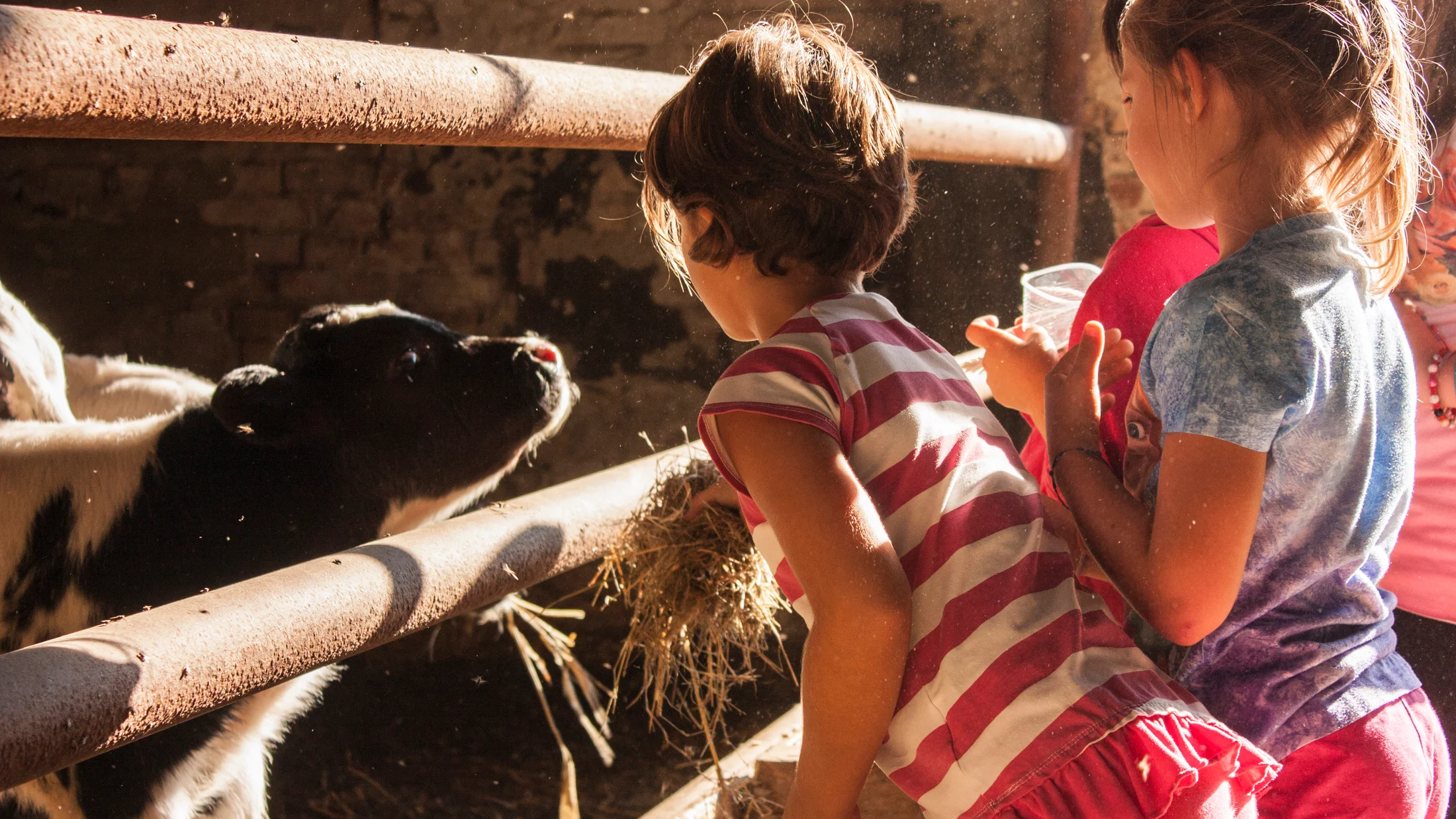
A day on a farm near Madrid combines nature, learning and play: the little ones touch the animals and get their hands dirty in the vegetable garden. Contact with animals teaches them respect and calm at a pace they understand.
Rural tasks explain where everyday foods like milk, bread or eggs come from. It is a half-day or full-day plan, always outdoors.
To choose a farm school, we look at distance (30–60 km), child safety (protocols and supervision), variety (workshops, vegetable garden, animal care), accessibility with prams and wheelchairs, a clear indicative price and recent reviews. When you go, look out for signage, ensure staff are visible and that groups are small.
Each entry summarises location, price, best time, ages and what to do. Prices are indicative, so confirm schedules before going and book in advance at picuco.com. At the end of the guide, you have a comparative summary and a section to book with local providers.
Picuco can help you
Does something here catch your eye?
Tell us.
Write to us on WhatsApp or email: we answer questions, find the best options and help you sort out the booking.
Write to us
We guide you based on the type of plan you have in mind and reply by WhatsApp or email.
Typical entry per farm (What it includes and how to read it)
Each farm on this list has an entry with the same data, so you can compare without getting lost. The location tells you the municipality and the province or region, so you can decide if the north, east or south of Madrid suits you.
The indicative price is per adult and per child, with extras separate, such as pony rides or workshops. Also, check if there is a child rate, if children aged 0–2 or 0–3 enter for free, if there is a large family discount and if it is cheaper to buy online. To budget, add the entrance fee plus one extra per child and account for a picnic or café.
The best time is spring and autumn: the weather is pleasant and the animals are active. In "Ideal for" you will see the age range and the type of family, with prams, with backpacks or mixed groups. In "What to do" the key activities appear: feeding the animals, simulated milking, bread, cheeses, vegetable garden or nature circuit.
The general entrance usually includes the guided tour and the farm, while workshops and rides are paid for separately. Arrive 10–15 minutes before the start of the activity and book in advance: capacity fills up. In the entry, look for notes on ramps, family toilets, changing tables and shaded areas.
Before going, ask about protocols with animals (distances, supervised feeding), age limits for ponies or beehives and the maximum group size. If you are going with a twin pram or wheelchairs, call and confirm nearby parking spaces and covered areas for hot or rainy days.
Top 5 recommended farms near Madrid
All of them require prior booking and work better with children who can already walk.
It usually offers "family Saturdays" with prior booking.
Granja Escuela El Jarama (Talamanca de Jarama, northern Madrid). It is about 50 km away and entry costs 15–20 €, with extras such as the pony. March-June and September are the most comfortable months, and it is ideal for 4–12 year olds.
Centro de Naturaleza Cañada Real (Peralejo, El Escorial). It is about 40 km from Madrid and costs 8–10 € for adults and 6–8 € for children. You can go all year round except in extreme heat, for ages 3 to 12. The wildlife tour lasts 2–3 hours, with workshops related to the environment and local fauna.
Aula Apícola Sierra de Hoyo (Hoyo de Manzanares). The guided visit includes the apiary with suits and is completed with a candle or honey workshop. It costs from 25 €/adult and 15 €/child (4 to 12 years), and is recommended from 5 years old. Spring and autumn are the best times; it requires prior booking and a minimum group of 10 people, and the final stretch of the access is done on foot.
Burrolandia (Tres Cantos/San Sebastián de los Reyes). It is about 25–30 km away and entry is free with a recommended donation; rides depend on availability. It opens on Sundays from 10:00 to 14:30 approx. in 2 shifts, for ages 2 to 12. There, you can brush the rescued donkeys and learn about their care. You must book in advance, only through their website, and Sunday bookings are enabled on Mondays and Fridays at 9:00 h. Arrive early due to limited capacity and bring water and a cap in summer.
Comparative summary
For little ones aged 0–3, Cañada Real and Burrolandia are about 25–40 km away, with free entry at Burrolandia and 6–10 € at Cañada Real.
Quick recommendation
Cañada Real is suitable for a first contact. La Esgaravita or El Jarama are the option if you are looking for guided workshops. Burrolandia fits for a special weekend experience, and the Aula Apícola if you prefer science and nature.
Map: location of the farms and travel times from Madrid
The five farms are spread across the Community of Madrid: Tres Cantos, Talamanca de Jarama, Hoyo de Manzanares, Alcalá de Henares and Peralejo (El Escorial). Use Puerta del Sol as a reference to calculate distances.
Access is direct and most have parking nearby.
During peak hours, it is advisable to leave with a margin.
Before leaving, check the real-time traffic and road conditions on the DGT, and share your location with another adult for safety.
Tips for choosing the ideal farm with children
Your children's age decides almost everything: the route, the duration and even the time it is best to go. With these guidelines, you will choose the right farm and organise the visit without surprises.
From 0 to 3 years old, look for short routes, with shade and toilets nearby. 1–2 hours is enough, and a nap in the pram solves the return journey. For 4 to 7 years old, practical workshops (bread, seeds), docile animals and play areas work well: calculate 2–3 hours with a break for a picnic. From 8 years old onwards, ask for more technical content (honey bees, advanced vegetable garden), small challenges and short routes, and reserve 3–4 hours with times for free exploration.
Book a time slot and arrive 15 minutes early. If you are bringing food, choose farms with a picnic area; if not, have a nearby café or bar at hand. In total, count on 2–4 hours for the visit depending on ages and extras.
Before leaving, call to confirm age limits and if there are spaces with reduced capacity. Ask about activity insurance, hygiene rules (hand washing stations, gel), support staff and the monitor/children ratio. Also check for shade, toilets, changing tables and pram access, and dress the children with closed shoes, a cap and sunscreen.
If you are not going by car, prepare a transport plan B: local trains plus a taxi or a direct bus to the farm.
Frequently asked questions (Safety, accessibility, bookings and regulations)
How are children handled with the animals?
Follow the monitor's instructions, do not put fingers in the fences and offer food only when authorised. In the event of a scare with an animal, move away slowly and inform the staff. Constant adult supervision is key in contact areas.
Is there access for prams and people with reduced mobility?
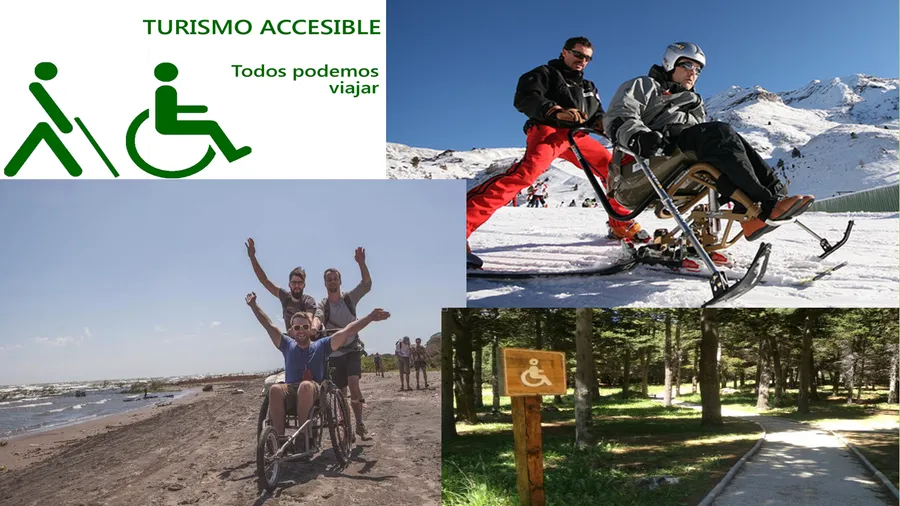
Many farms allow prams and have family toilets and changing tables, but it is worth confirming if you need it. If there are people with reduced mobility, ask about adapted itineraries and reserved parking spaces.
Is it necessary to book?
It is necessary to book in advance at picuco.com. Cancellation usually allows date changes in advance.
What rules should I check before going?
Check the policies regarding pets, drones and food consumption in animal areas. Verify prices and extras the day before.
Conclusion and call to action: book at Picuco
Choose according to the children's age, the time you have and whether you prefer a workshop or a walk.
Have the ages, allergies and whether you are bringing a pram at hand.
The day before, check schedules, the cancellation policy and any extras you want to add. Prepare water, a cap and closed shoes for everyone.