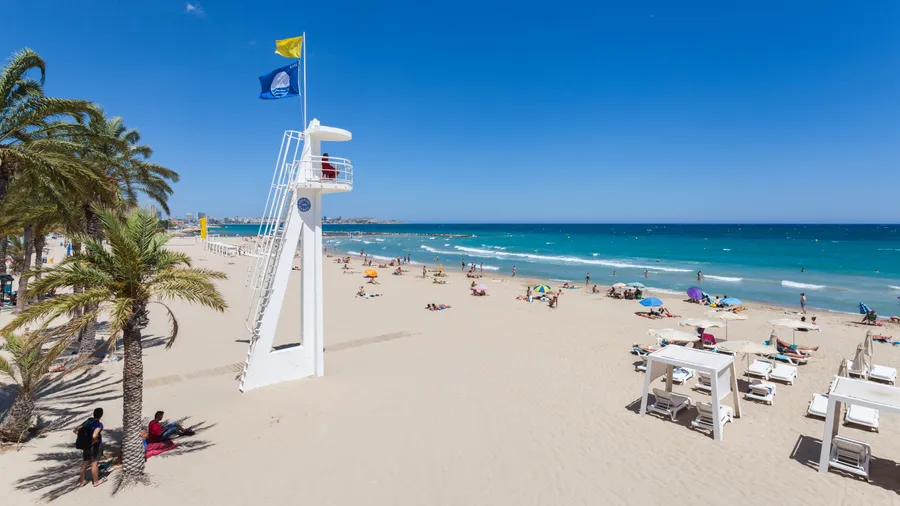
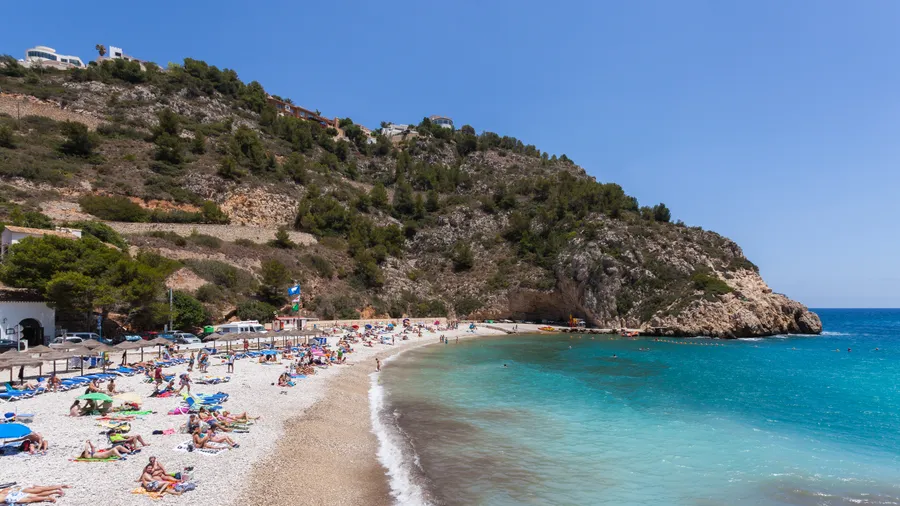
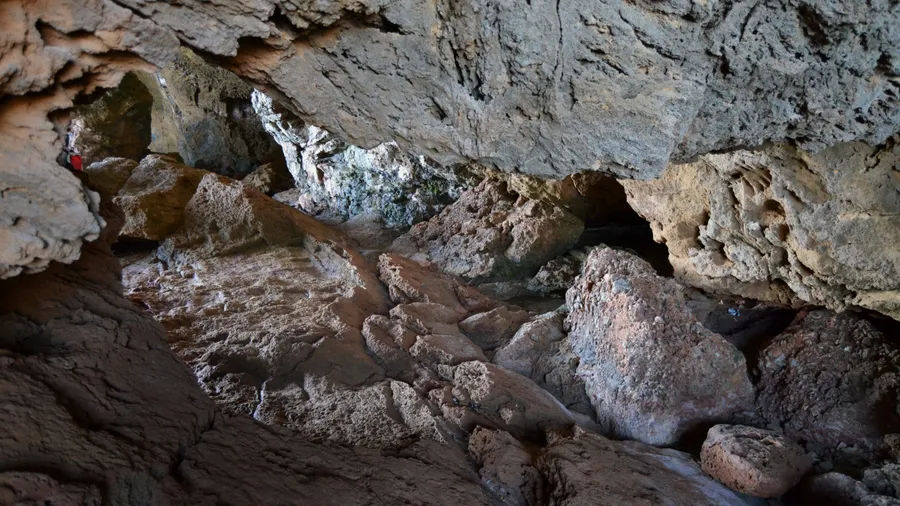
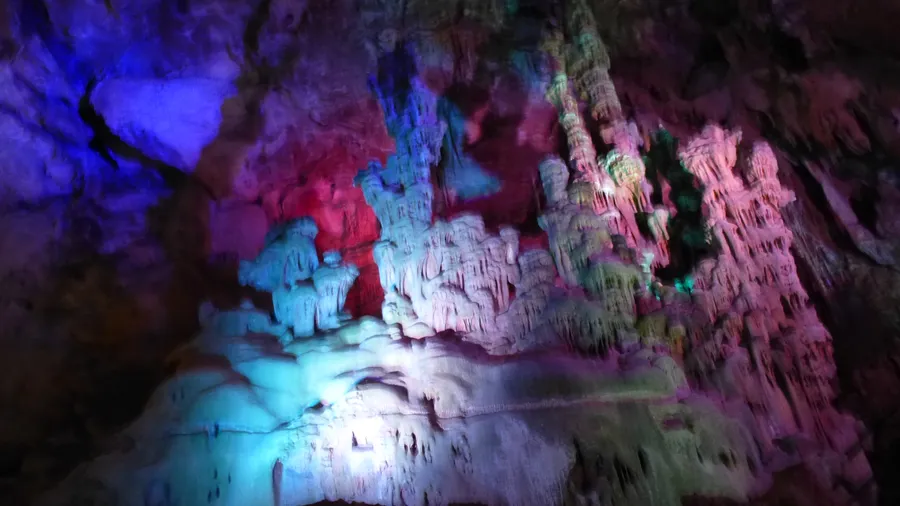
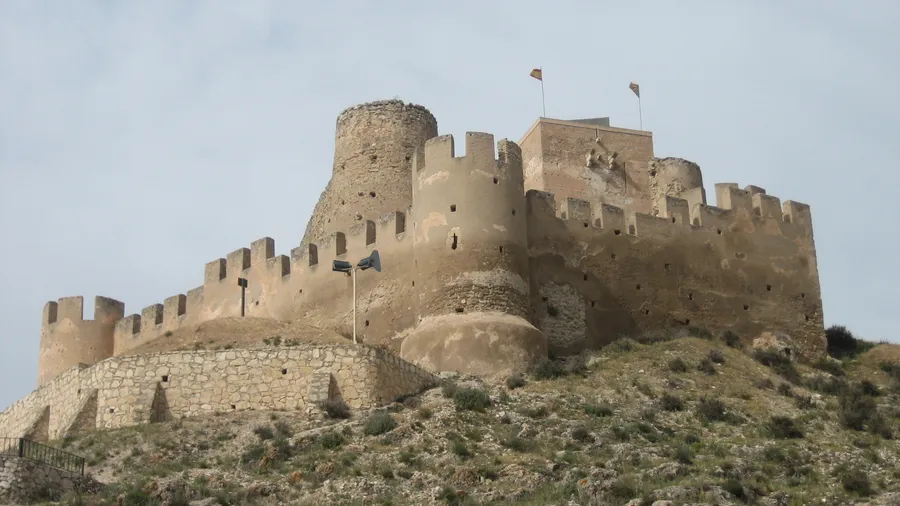
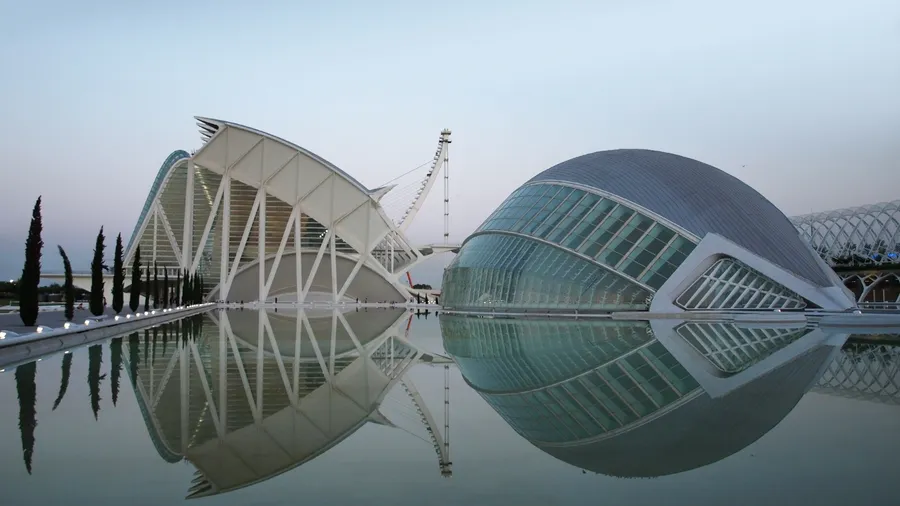
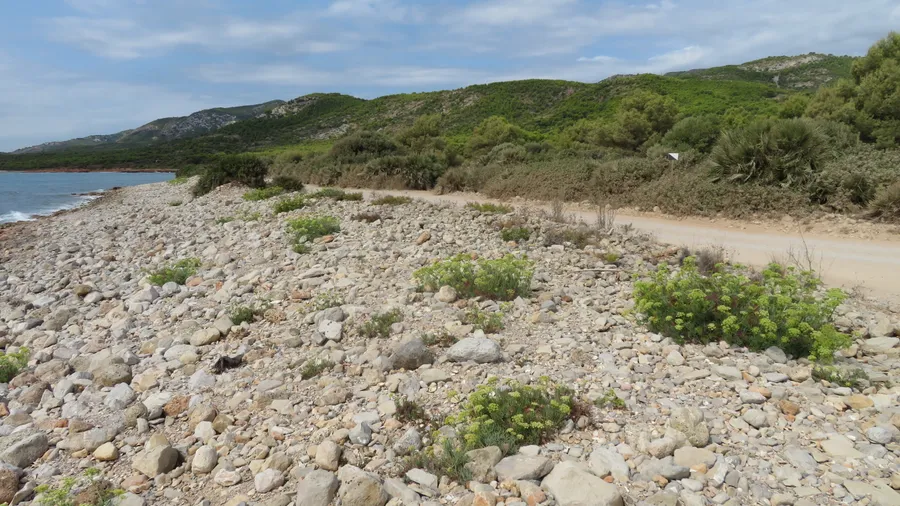
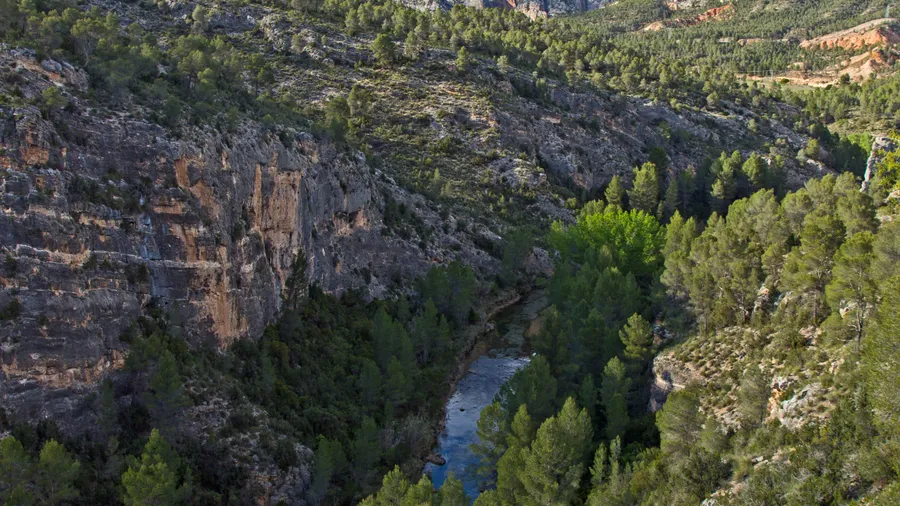
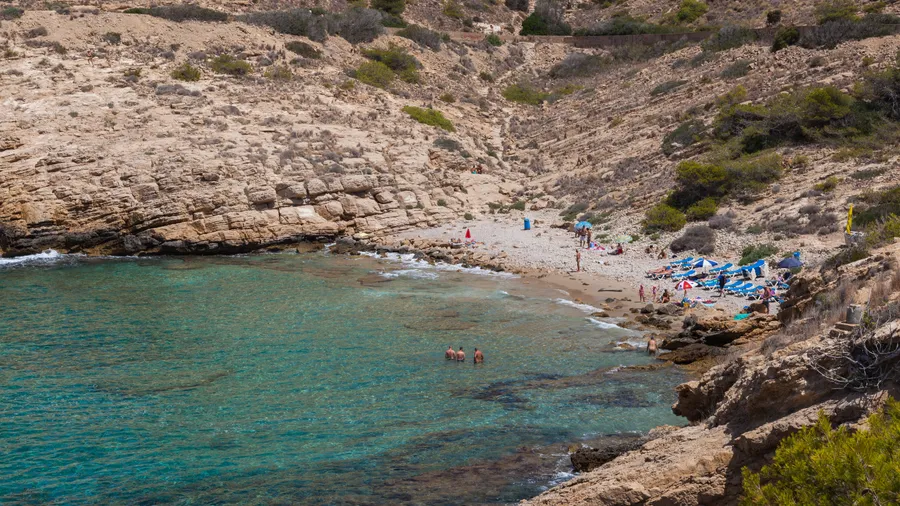
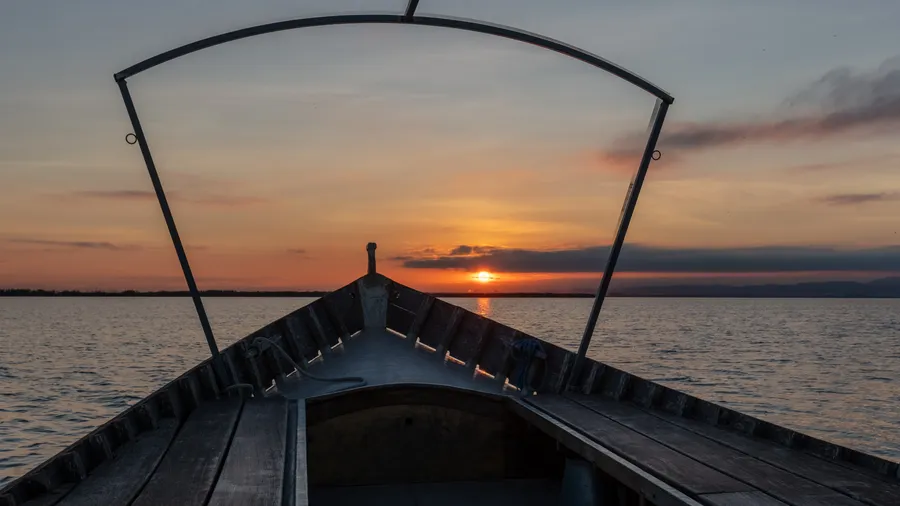
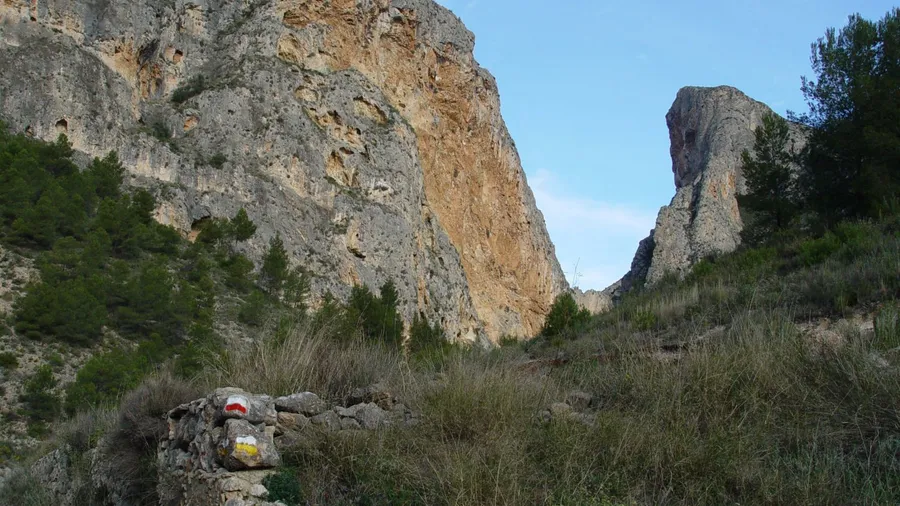
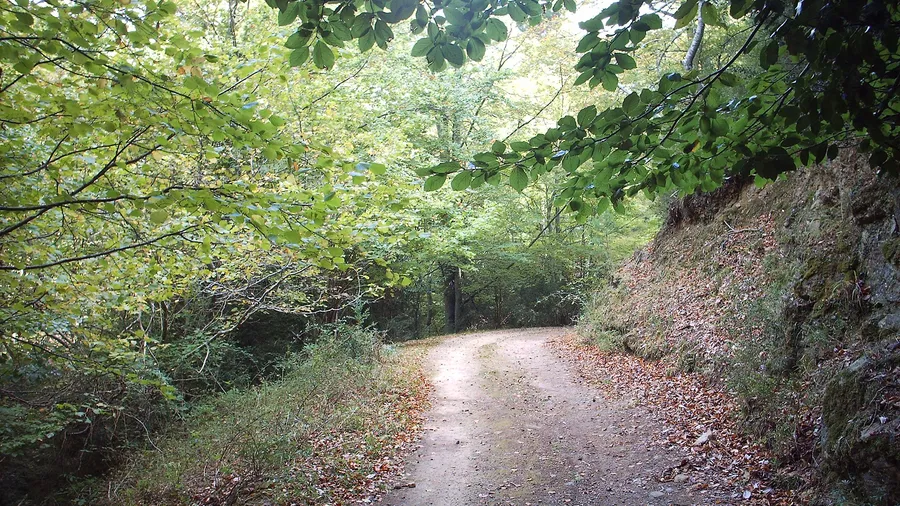
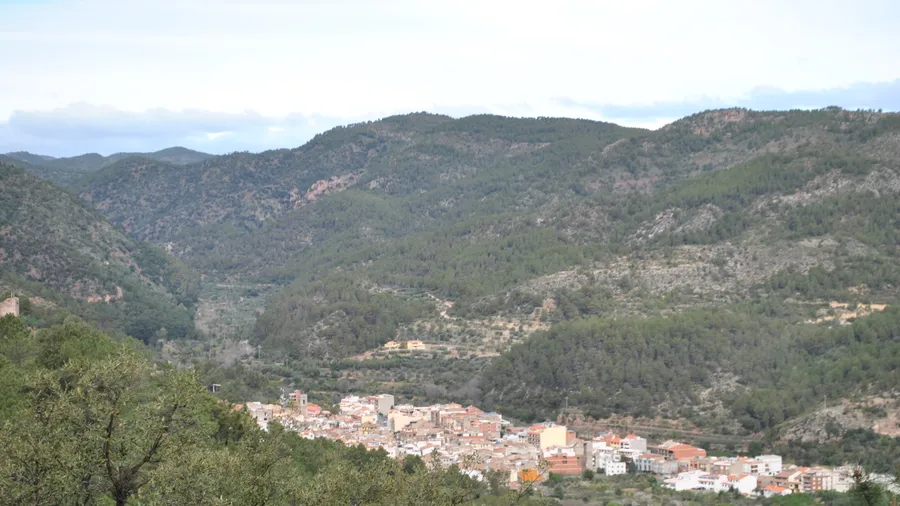
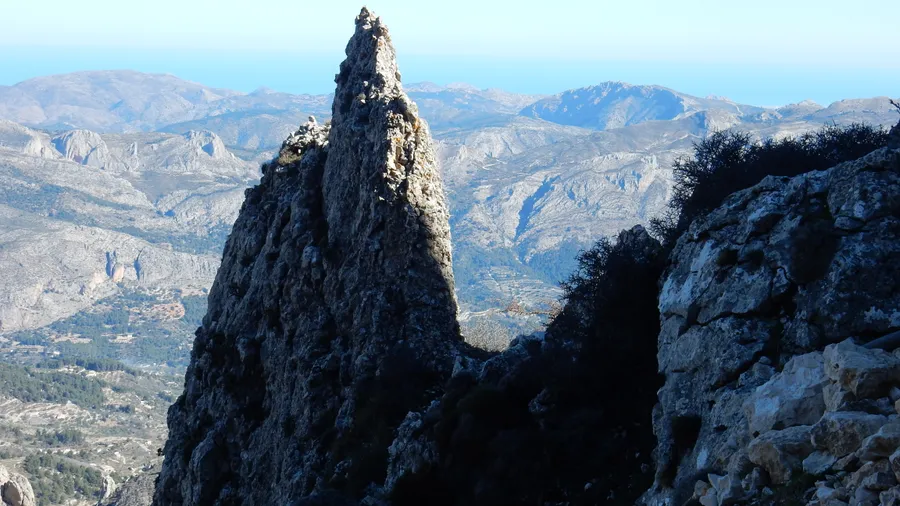
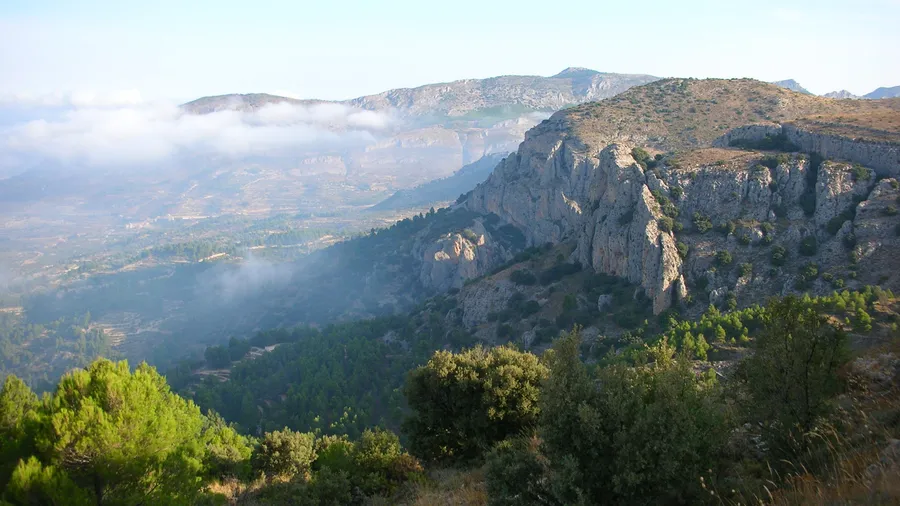
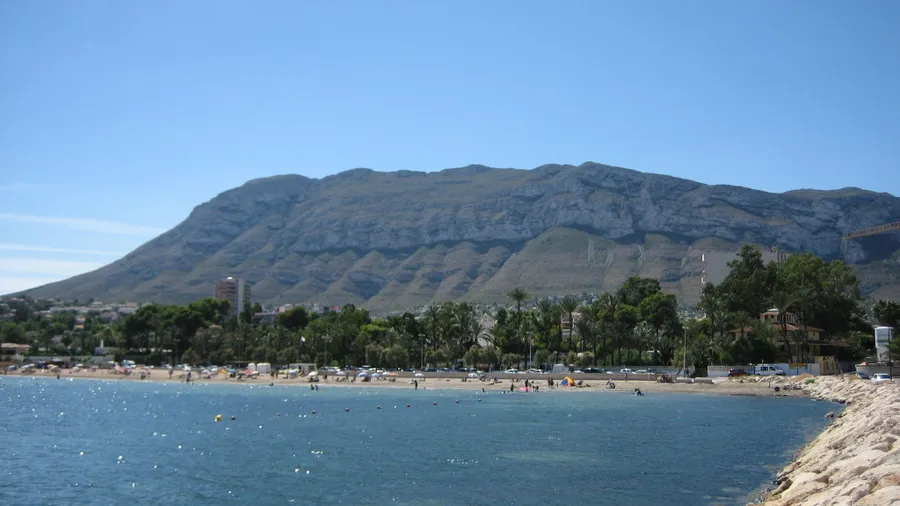
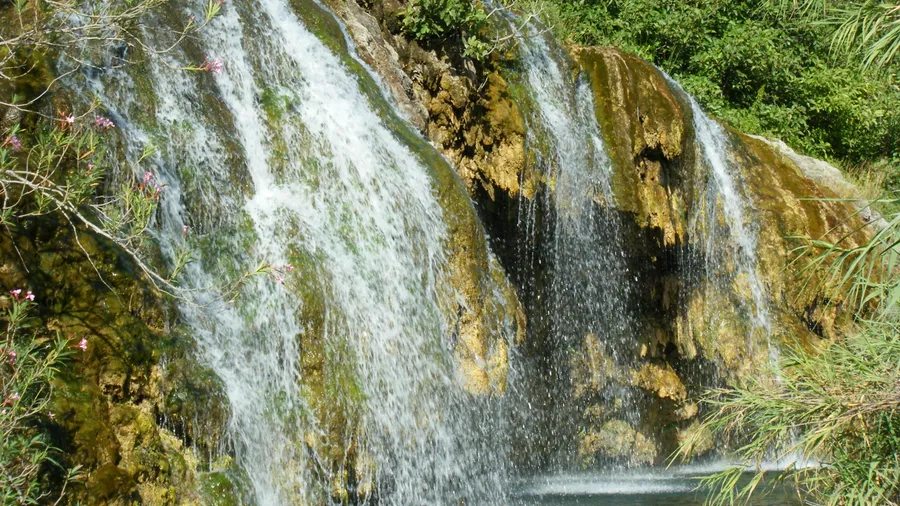
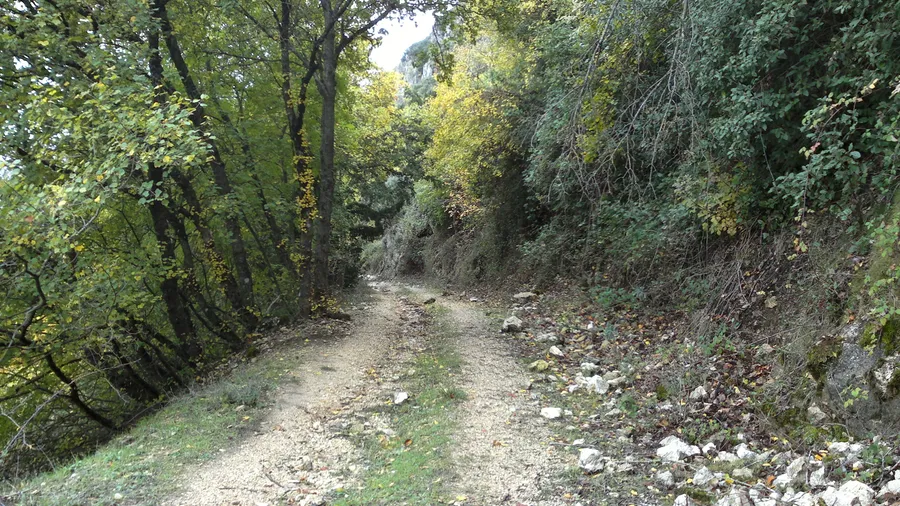
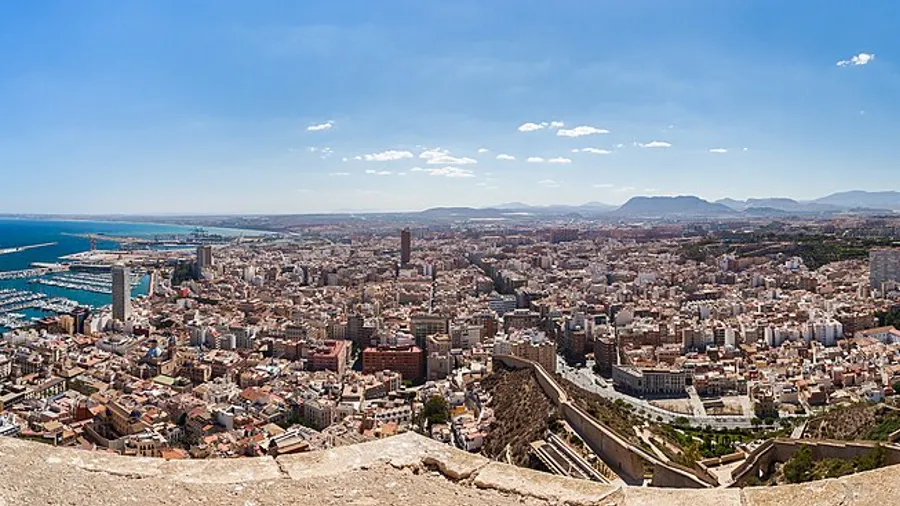
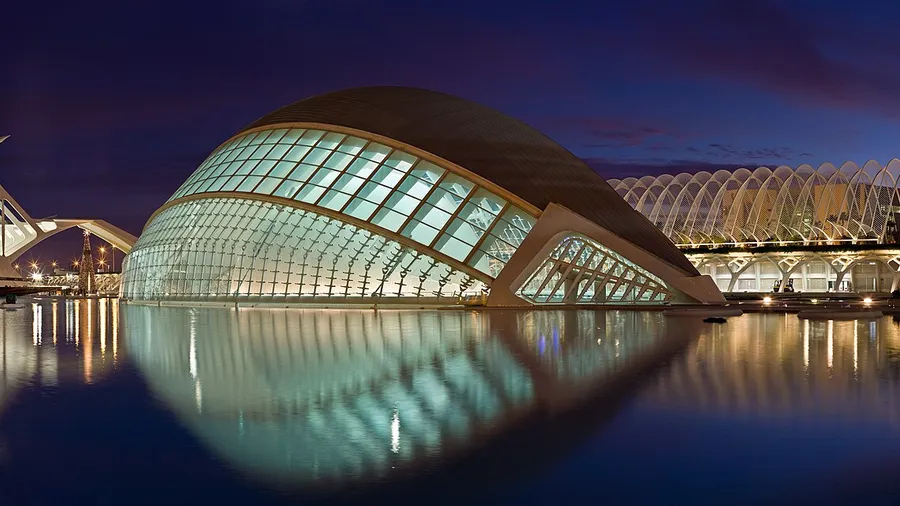
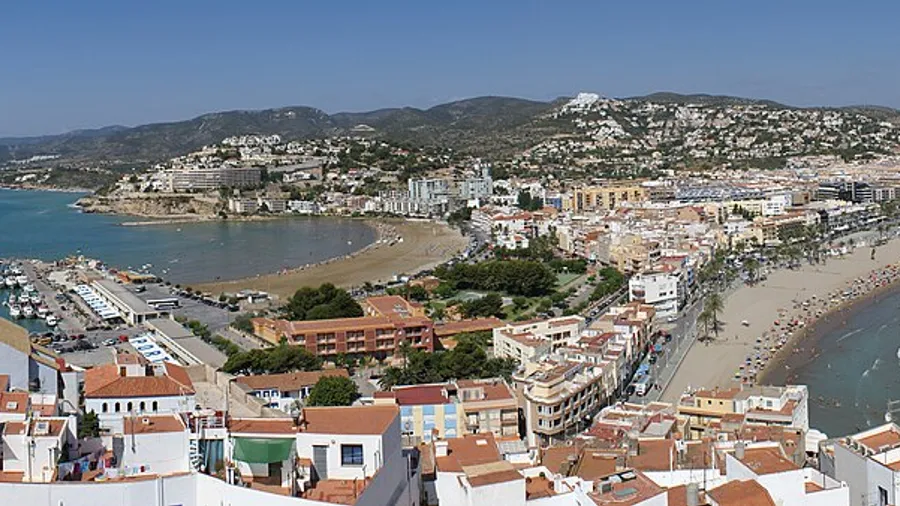
The Valencian Community combines 518 kilometres of Mediterranean coastline with a mountainous interior that few visitors anticipate. The coastal system — beaches, dunes, Albufera wetlands, pine-backed coves — coexists with the Serra d'Espadà, the Castellón Maestrazgo and the Sierra Calderona, where ridgelines exceed 1,800 metres and temperatures drop well below the coastal strip.
Water defines most of the active offer. Kayaking the Albufera — Spain's largest coastal lake, at 2,800 hectares, wit...
The Valencian Community combines 518 kilometres of Mediterranean coastline with a mountainous interior that few visitors anticipate. The coastal system — beaches, dunes, Albufera wetlands, pine-backed coves — coexists with the Serra d'Espadà, the Castellón Maestrazgo and the Sierra Calderona, where ridgelines exceed 1,800 metres and temperatures drop well below the coastal strip.
Water defines most of the active offer. Kayaking the Albufera — Spain's largest coastal lake, at 2,800 hectares, with routes through rice paddies — lets you approach the wetland from the water while eels and grey herons set the pace. On the northern coast, the rocky seabed of the Castellón shoreline offers snorkelling and diving with moray eels, parrotfish and posidonia meadows, visibility exceeding 20 metres on westerly-wind days.
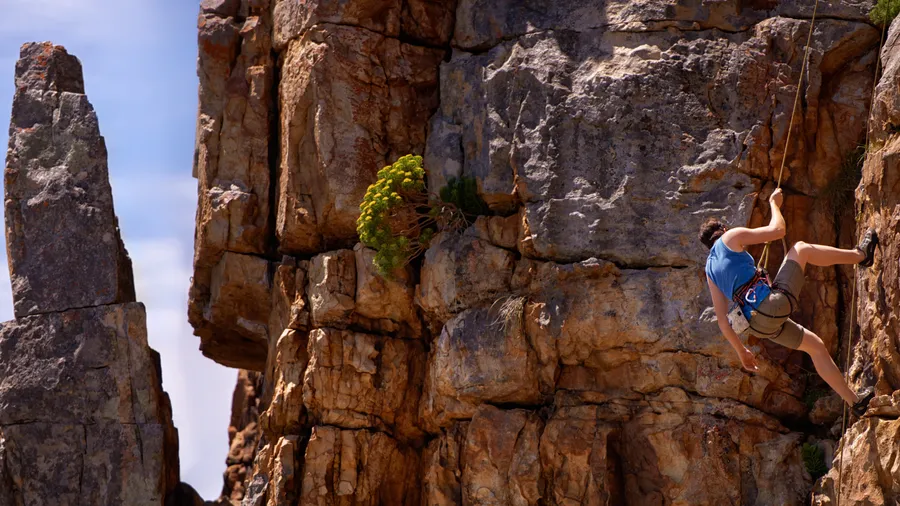
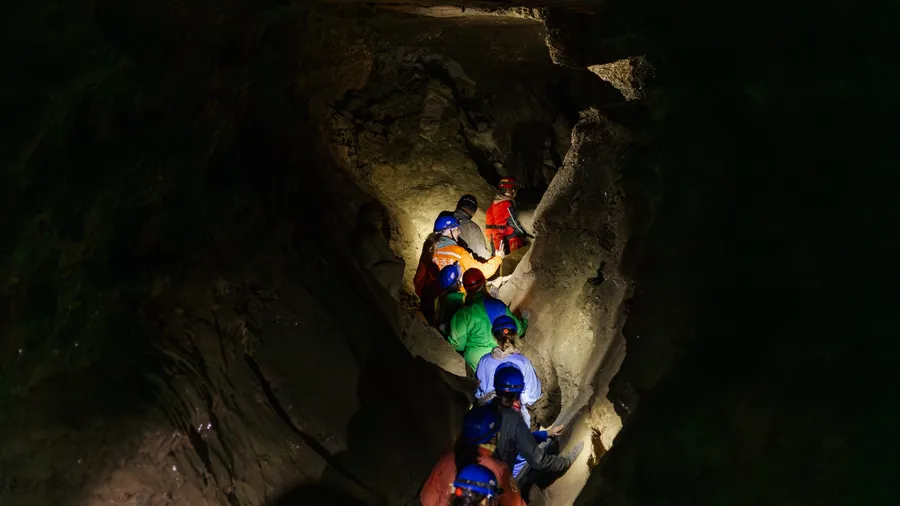
The interior holds the most technically demanding activities. Canyoning in the Serra d'Espadà and the Maestrazgo ravines has sections rated up to Grade IV, with water year-round thanks to Mediterranean rainfall patterns. Rock climbing on the Montaña de Oro cliffs on the Castellón north coast, or on the Penyagolosa escarpments, has sport routes across all grades.
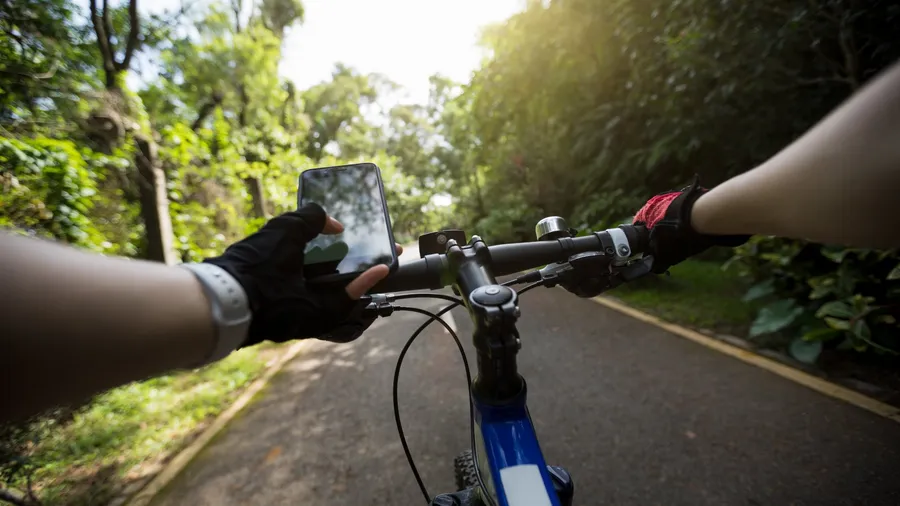
Cycle touring is well developed thanks to the Vías Verdes network reclaiming former railway lines: the Vía Verde del Maigmó links 25 km between Agost and Castalla with minimal gradient, while the Vía Verde del Serpis covers 45 km between Alcoi and Gandia through historic tunnels and viaducts. In November, when the coast empties of tourists, the Valencian Community holds optimal conditions for cycling, hiking and water sports without crowds.
Highlights
• Kayaking the Albufera through rice paddies, Spain's largest coastal lake
• Canyoning in Serra d'Espadà with year-round water flow
• Snorkelling and diving in Castellón seabeds with posidonia and moray eels
• Vía Verde del Serpis: 45 km cycling Alcoi to Gandia through historic viaducts
• Rock climbing on Montaña de Oro cliffs on the Castellón north coast
• Hiking the Maestrazgo, medieval villages and pinus nigra canyons
Best time to visit
Autumn (October-November) and winter (December-February) for cycling and hiking without heat. Spring for canyoning. Summer for water activities on the coast and Albufera, starting early to beat inland heat.
Practical tips
To dive the Columbretes Islands, book the permit weeks ahead in summer: the daily cap is 50 divers. When visiting the Albufera, park at El Palmar or Cañada del Oro and take kayak routes from there: car access inside the park is very limited. For Maestrazgo canyoning, bring a wetsuit even in July; interior canyon water temperatures rarely exceed 16°C.
Frequently asked questions sobre Valencian Community
Do I need prior experience to kayak the Albufera?
No. Guided Albufera routes use double-blade kayaks or canoes on completely flat water. Most operators give a 15-minute briefing and require no prior experience. Sunrise and sunset departures are available to see the birds; the standard route lasts 2 to 3 hours.
What is the best area for diving in the Valencian Community?
The Columbretes Islands, a marine reserve 56 km off Castellón, hold the richest seabed on the Valencian coast: visibility up to 30 metres, barracuda, large moray eels and coralligenous habitat. Access is regulated and requires a permit with a daily cap. On the northern coast (Peñíscola, Oropesa) several dive centres run daily dives without special permits.
What technical level is required for canyoning in the Serra d'Espadà?
The Serra d'Espadà has canyons for all levels. Beginners can do Grade II descents with rappels up to 15 metres in the Palancia river canyons. The Maestrazgo canyons (Penyagolosa, Mijares) reach Grade IV with cold-water sections; a 5 mm wetsuit and prior canyoning experience are required.
Are the Valencian Vías Verdes suitable for road bikes or only mountain bikes?
The Vía Verde del Maigmó and Vía Verde del Serpis are paved or have compacted-surface tracks suitable for road or hybrid bikes. Mountain bikes are not needed. Both routes have bike rental at the start points and suit families with children from age 6-7 with their own bikes.
What activities are there in the Maestrazgo for non-mountaineers?
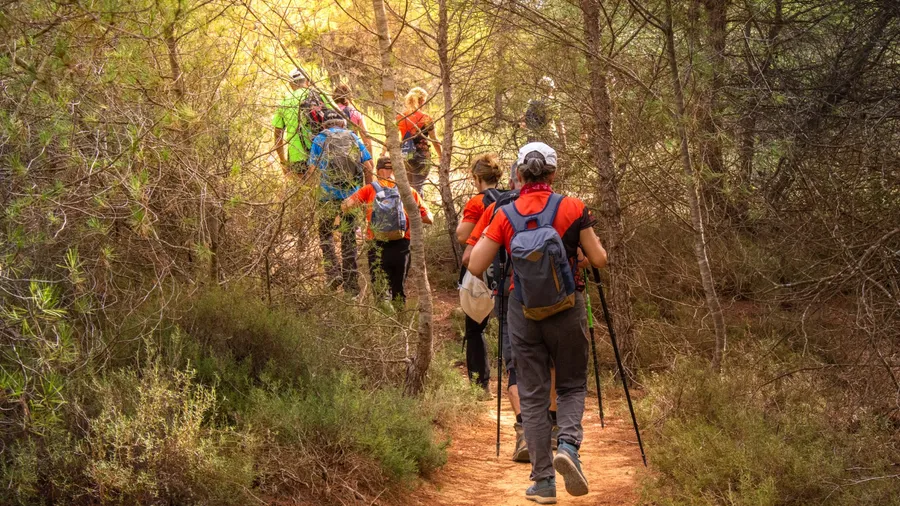
The Maestrazgo does not require technical experience for most of its routes. Low-mountain hiking between Morella, Villafranca del Cid and Ares del Maestre is accessible to any fitness level. Horseback rides along the forest tracks of Puertos de Beceite Natural Park are highly rated. In Morella there is via ferrata climbing for anyone wanting a taste of exposure without a technical learning curve.