Huelva

What to do in Huelva

Plans, activities and things to see in Huelva

Discover Huelva

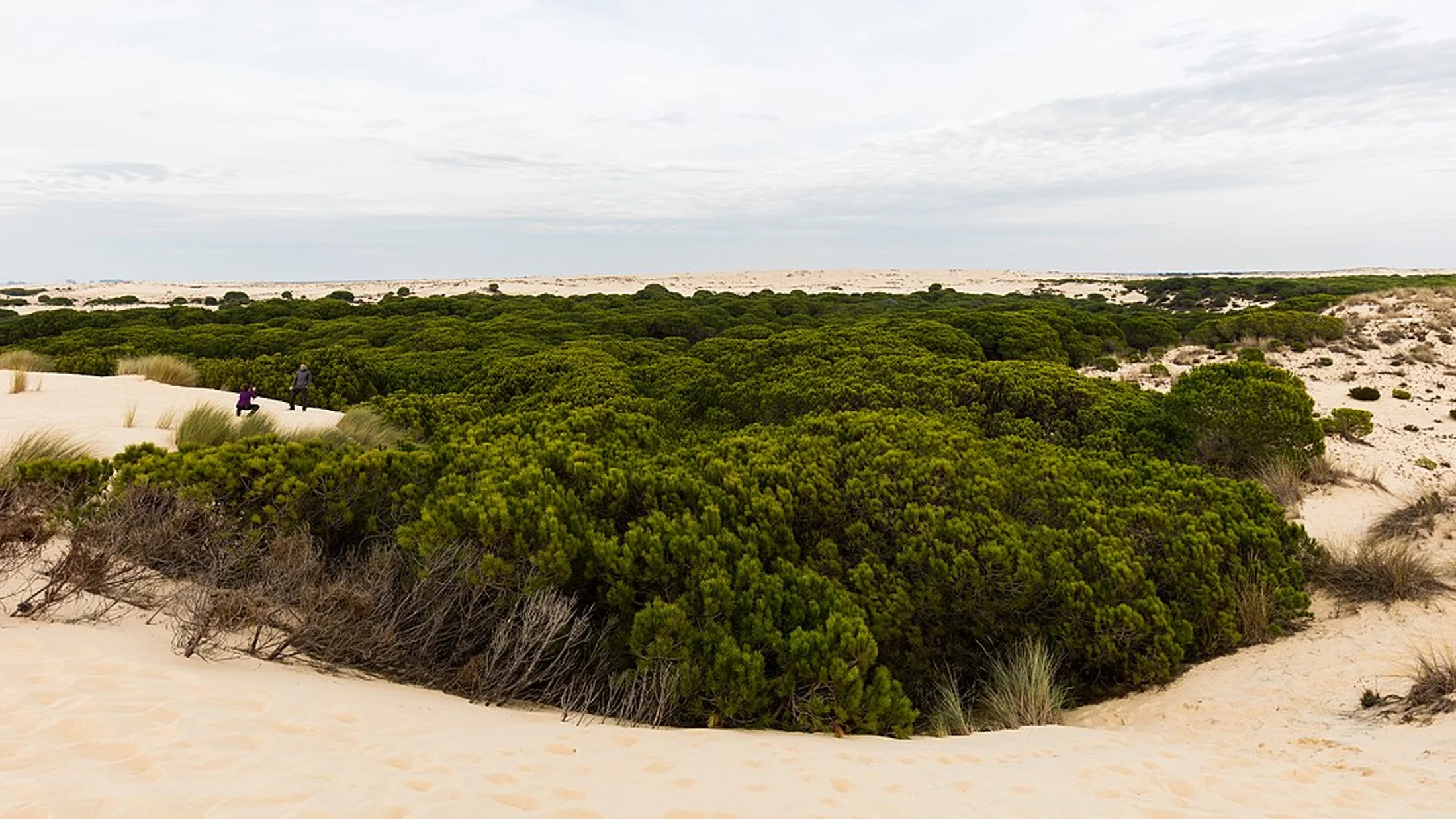
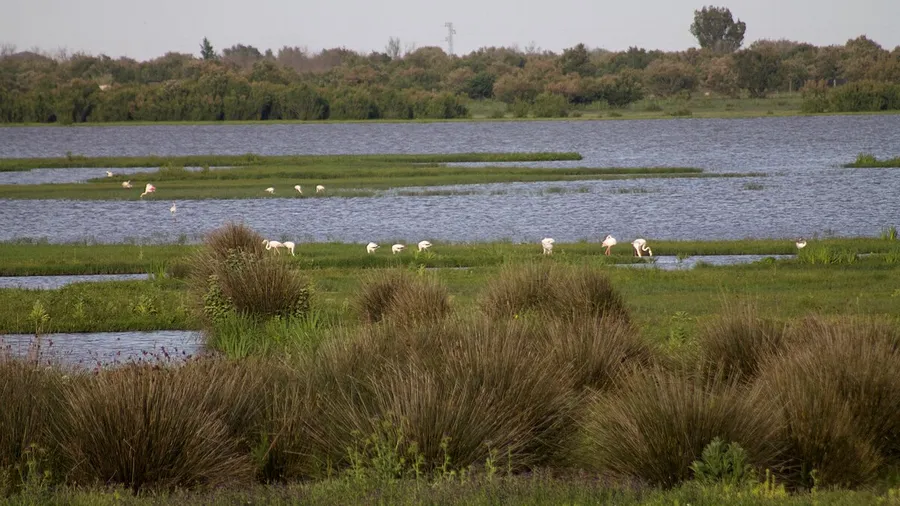
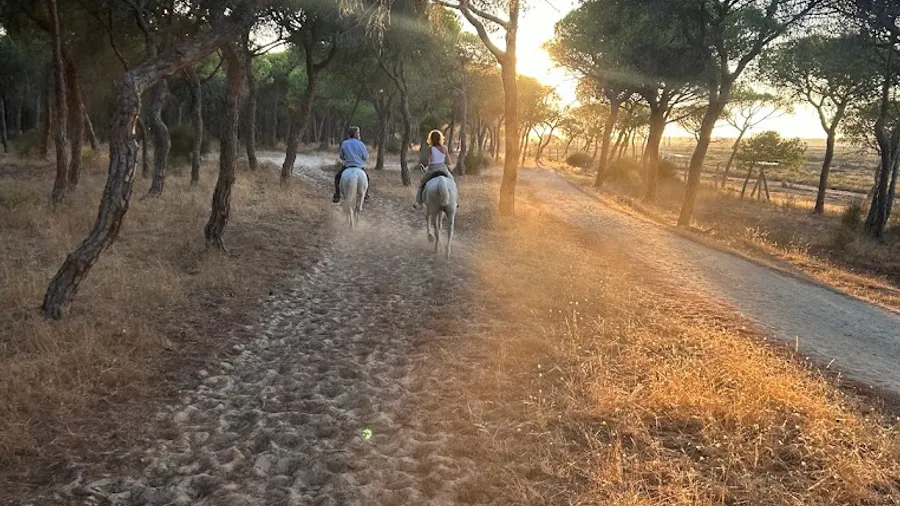
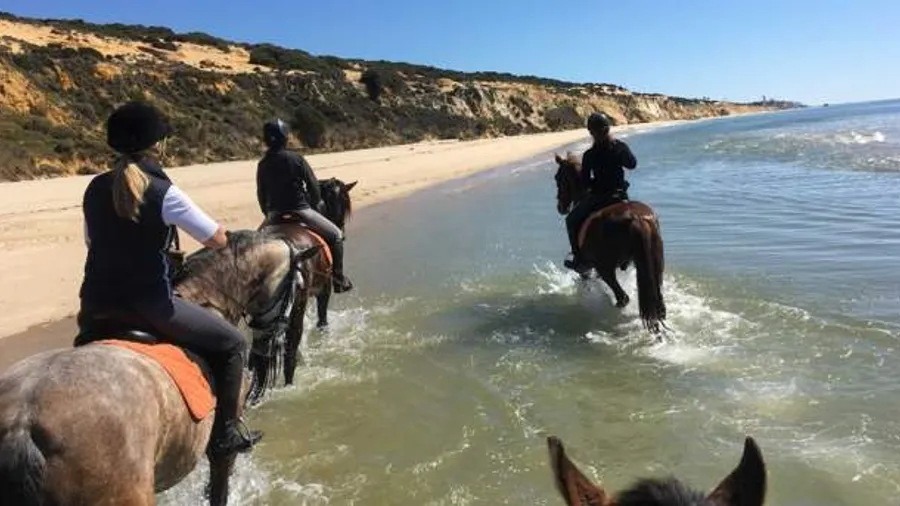
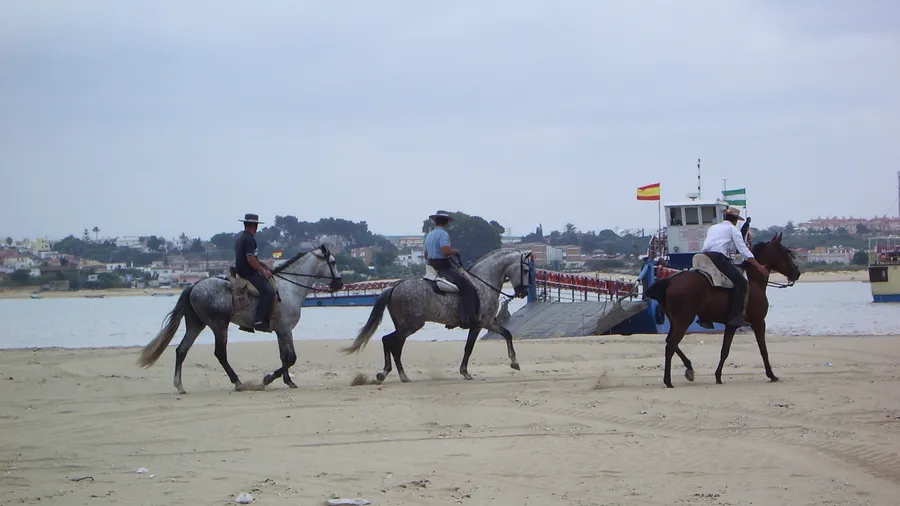
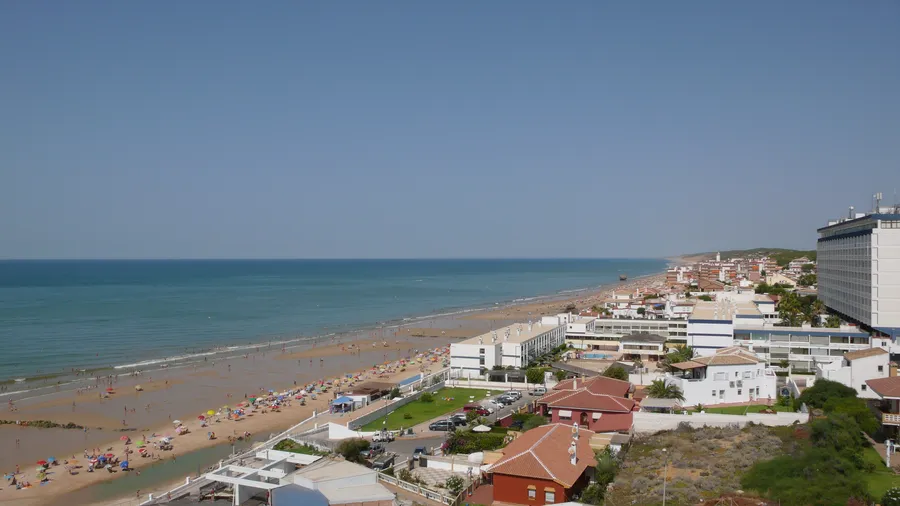
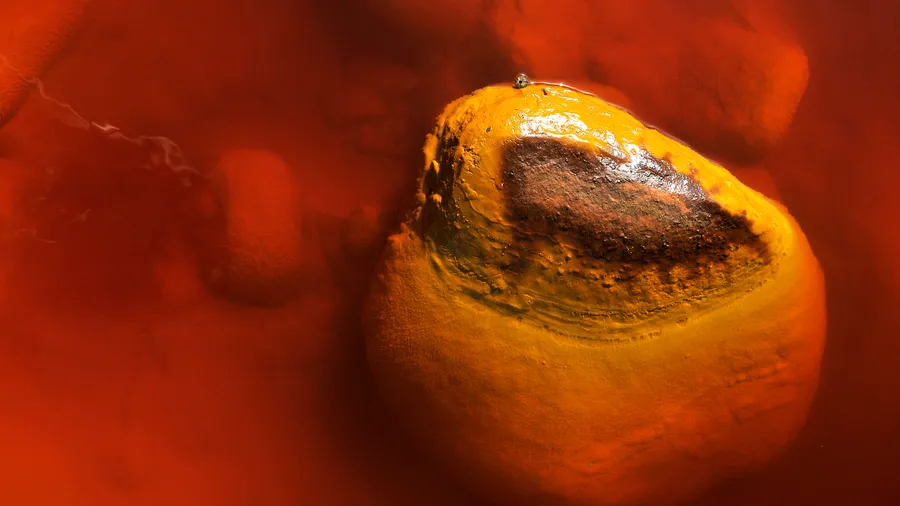
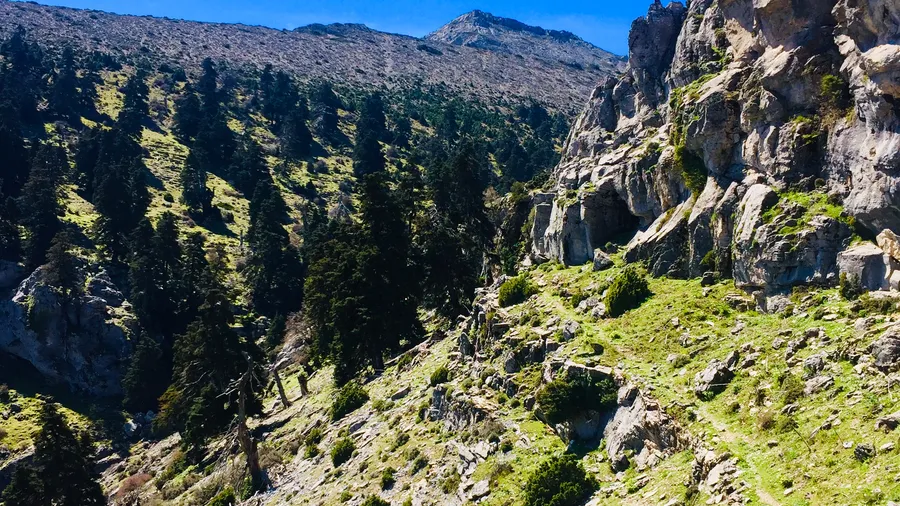
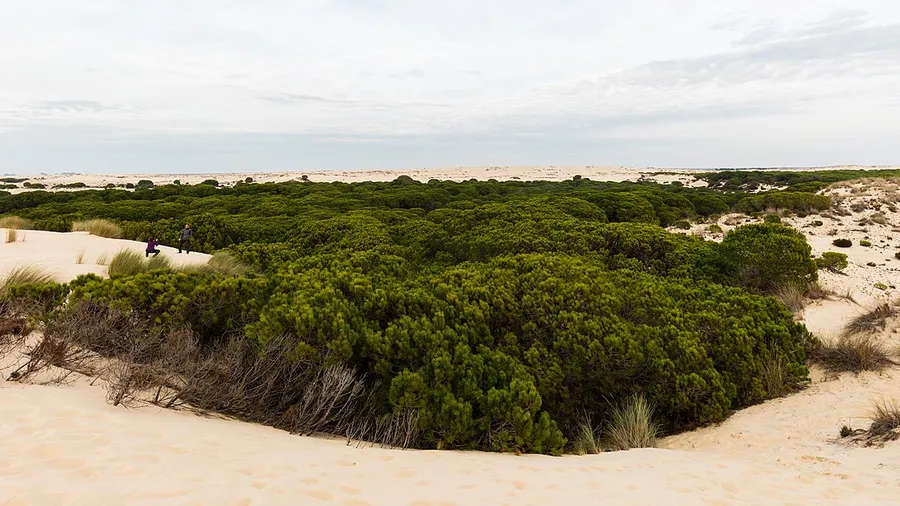
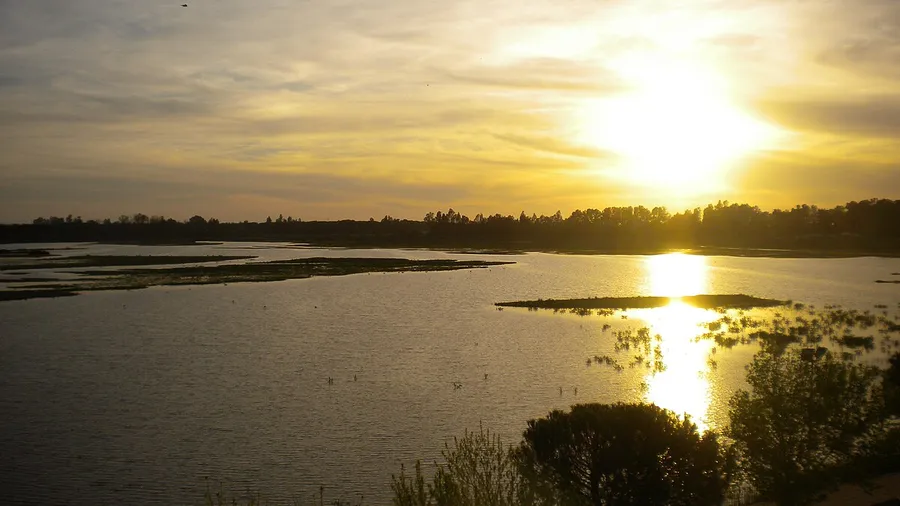
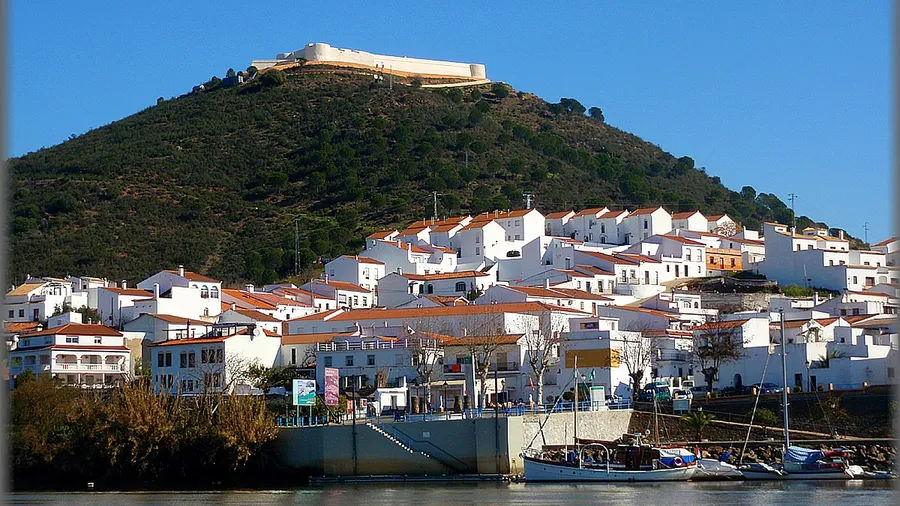
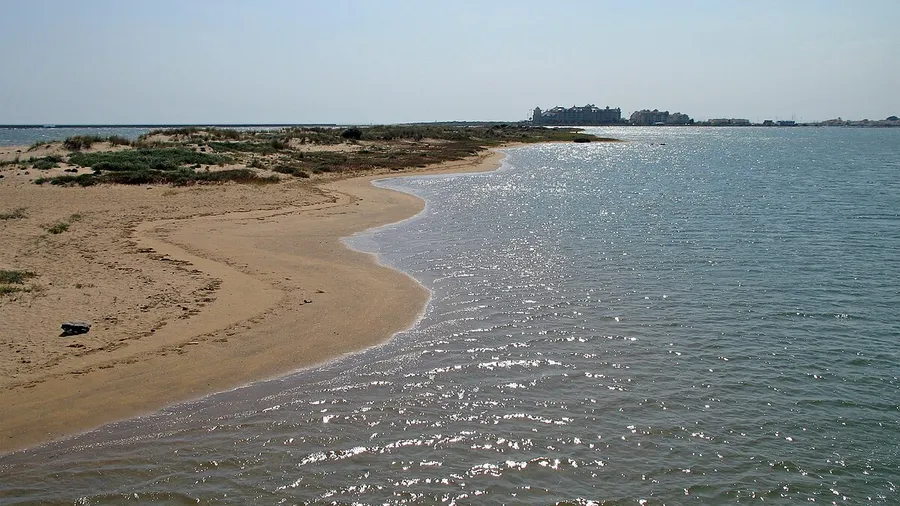
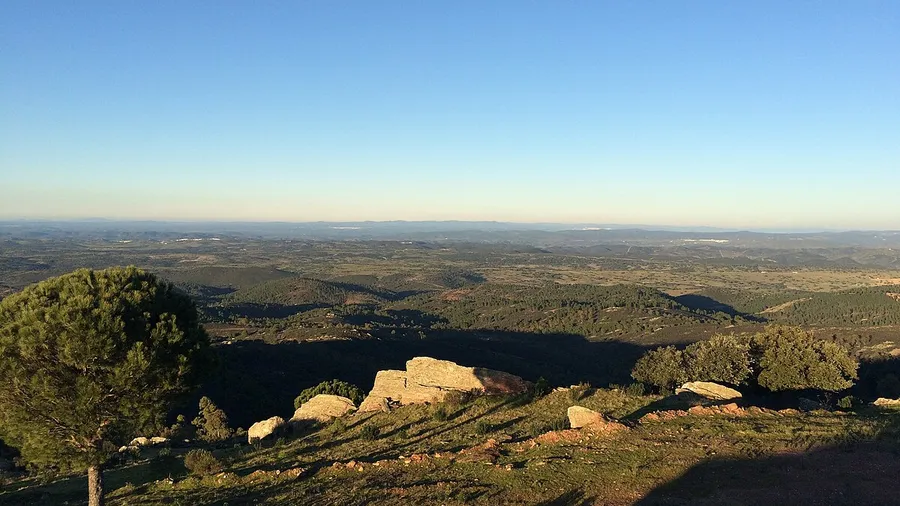
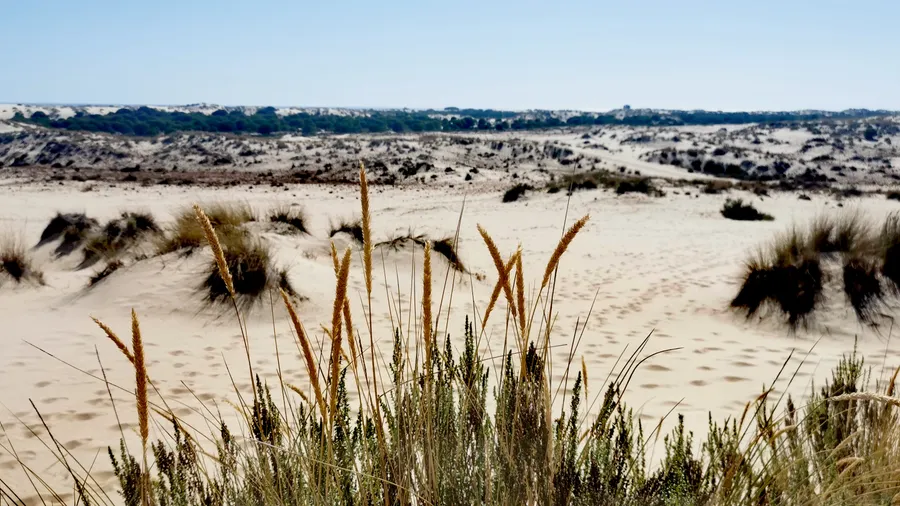
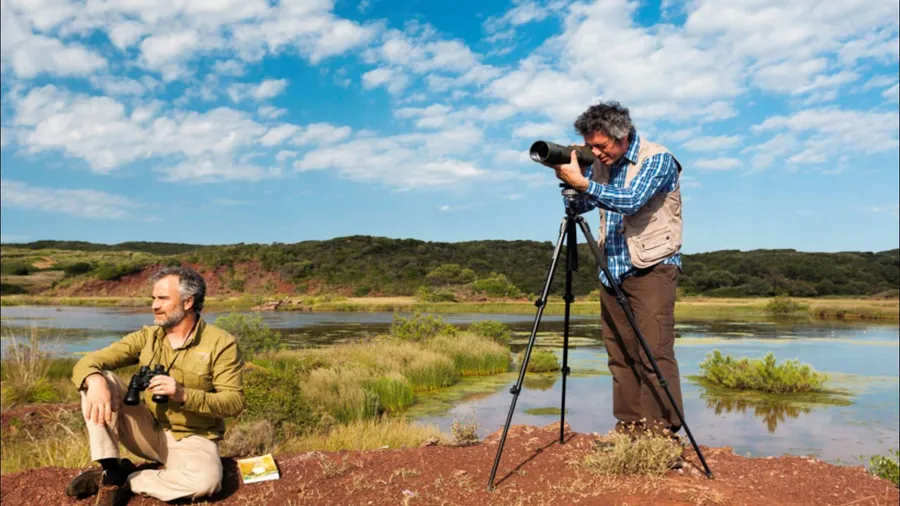
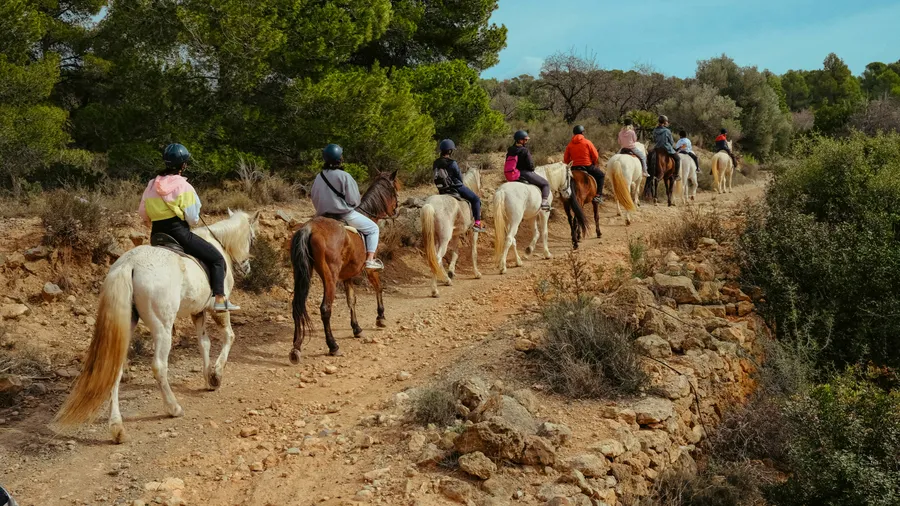
Huelva divides its territory between the Atlantic and the sierra, and the activities follow the same logic. Doñana, the largest national park in western Europe, stretches along the coastal strip between the Guadalquivir and the Atlantic. Horse-riding routes access park areas closed to motor traffic, crossing mobile dunes, marshes with more than 250,000 waterbirds in winter and pine forests where the Iberian lynx roams. The 4x4 safaris run by the Marismas del Rocío cooperative are the most common way into the park's interior. The Riotinto Mines to the north produce a landscape of iron oxides that stain the river a deep red. The area has a mountain bike trail network with technical climbs between the open-cast mining spoil heaps and cuts. The mine lake is navigable by kayak; the water colour shifts between crimson and orange depending on the time of day. For birdwatchers, Doñana is a continental reference: the park is Europe's main wintering ground for ducks and a staging post for millions of migratory birds. The Huelva coastline between Punta Umbría and El Rompido concentrates the best Atlantic winds for surf and windsurf during the spring months. The sandbanks that emerge at low tide in the El Rompido lagoon create flat-water conditions suitable for kitesurfing. The Sierra de Aracena inland has waymarked hiking routes between whitewashed villages through holm oak and Jabugo dehesa.
Highlights

  • • Doñana: horse riding and 4x4 safari in Europe's largest national park
  • • Kayak on Riotinto lake: red water from iron oxide minerals
  • • Birdwatching at Doñana: 250,000 waterbirds in winter
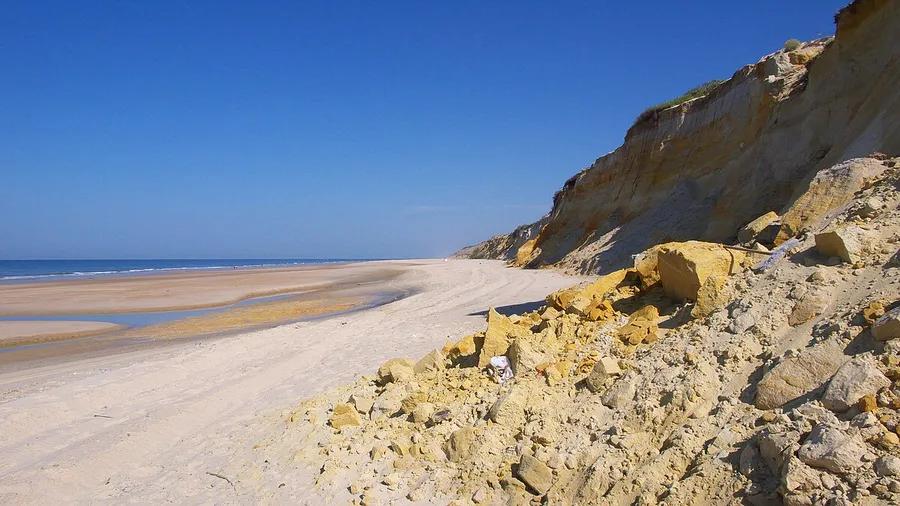
  • • Surf and kitesurf at El Rompido and Punta Umbría: Atlantic spring winds
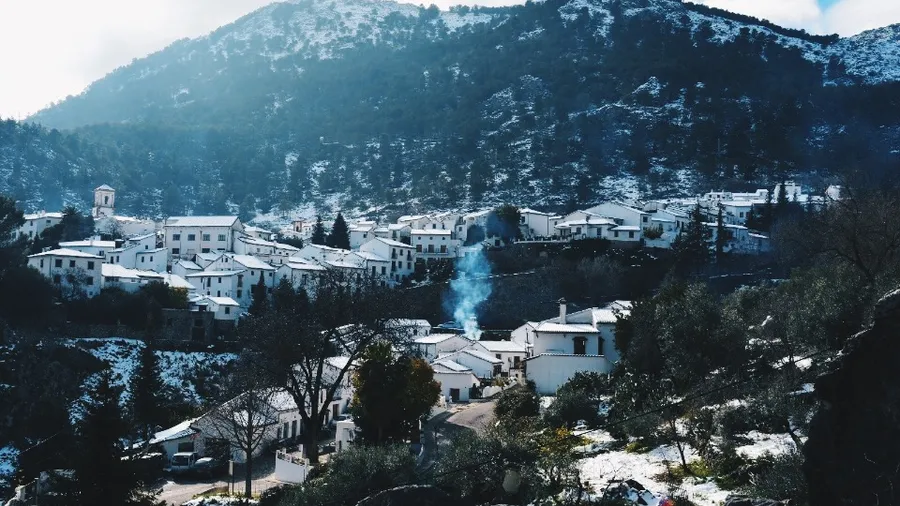
  • • Hiking in Sierra de Aracena: whitewashed villages and Jabugo dehesa

Best time to visit

October to April for birdwatching and Doñana safaris: the marshes are flooded and wildlife is abundant. March and April for surf and kitesurf: consistent levante and poniente winds. Summer is dry and hot (35–40 °C inland); the sierra is cooler but the beaches fill up.

Practical tips

For the Doñana safari, book weeks in advance between November and March as places are very limited. El Rompido lagoon is only accessible by boat from the village of El Rompido; the boat service runs on demand at low cost. For the Sierra de Aracena, Linares de la Sierra is a good starting point for 10–15 km routes with moderate difficulty.

Plans and activities en Huelva
Las mejores experiencias y planes disponibles en Huelva
60

What to see en Huelva

Rincones, lugares y puntos de interés que no te puedes perder

Destinations & areas

Zonas y destinos turísticos en Huelva

Frequently asked questions sobre Huelva

Access is controlled. The most common way is through 4x4 safaris organised by the Marismas del Rocío cooperative departing from El Rocío, with advance booking required. Authorised horse-riding operators access different zones from the 4x4 routes. Private vehicle access is prohibited in the core reserve zone.
November to February for wintering species: ducks, teal, flamingos by tens of thousands. March and April for pre-nuptial migrants. Summer is the breeding season for heron and spoonbill colonies. The park is active year-round, though summer brings the fewest visiting birds.
The lake water has a very low pH due to mining acids, making it unsuitable for swimming. Kayaking is possible with a boat; protective equipment is not technically mandatory but prolonged skin contact is not recommended. Check with local operators who organise the activity, as access may have restrictions.
The Huelva coast typically sees 1-to-2-metre breaking waves, suitable for beginner surf and schools. El Rompido has a more sheltered inner sandbar. On big swell days the waves increase in size and require more experience; surf schools assess conditions before each session.