Highlights

  • • Reddish waters due to iron and sulfate minerals
  • • Ecosystem with extremophile microorganisms
  • • Landscape with soils rich in heavy metals
  • • NASA studies as a Martian analogue
  • • Historical legacy of Roman and modern mining
  • • Hiking routes to explore the surroundings

Description

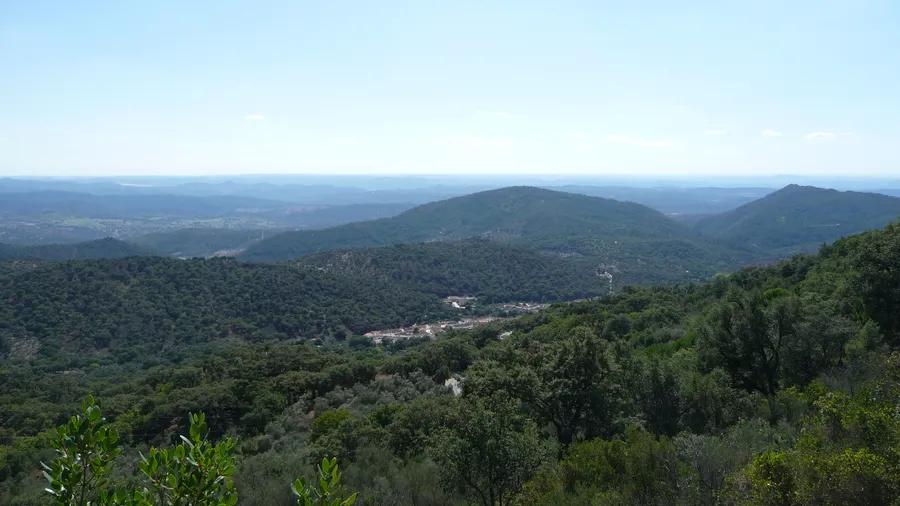
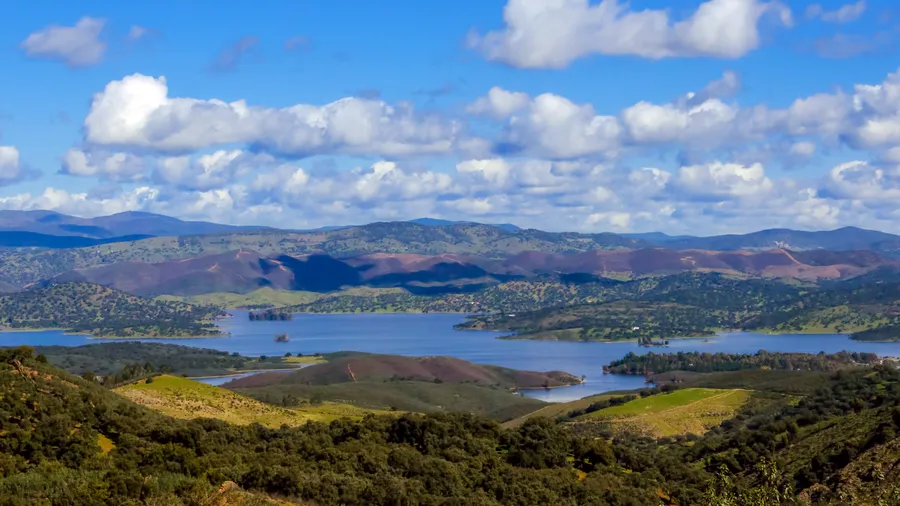
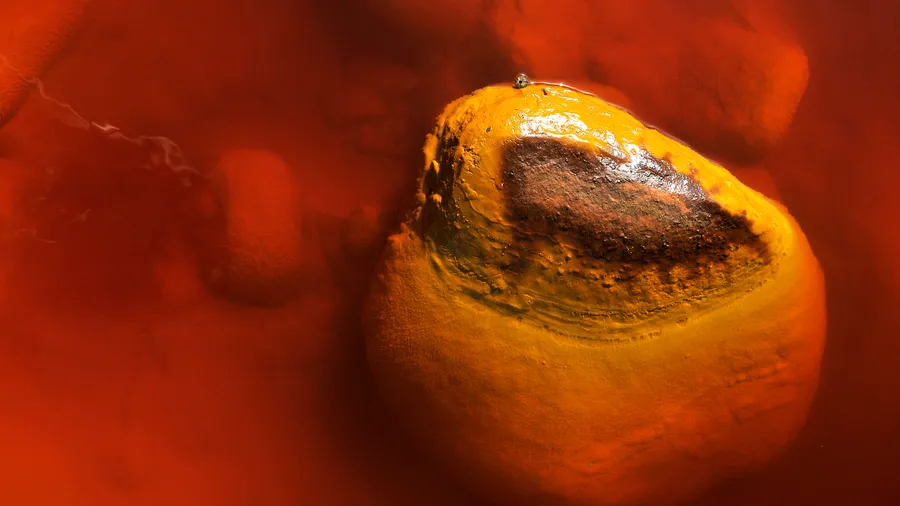
The Río Tinto, located in the province of Huelva, is a unique river known for its intensely red waters and high acidity. This phenomenon results from the dissolution of minerals, mainly iron and sulfates, originating from ancient mining operations that have shaped the region for millennia. The river flows through a landscape dominated by rocky formations and soils rich in heavy metals, creating a natural environment that seems otherworldly.

As you explore the Río Tinto, you can observe its reddish waters contrasting with the surrounding vegetation and sky, offering a visual experience reminiscent of Martian landscapes. Additionally, the river hosts extremophile microorganisms adapted to highly aggressive chemical conditions, sparking international scientific interest. NASA has studied this ecosystem as a terrestrial analogue to better understand the possibility of life on Mars.

Historically, the Río Tinto has been a key mining hub on the Iberian Peninsula, with activity dating back to Roman times and possibly earlier. Mining operations have influenced the landscape's configuration and the water's chemical composition, leaving an industrial and environmental legacy that continues to be studied and managed.

When visiting the Río Tinto, it is advisable to plan hiking routes or guided tours that allow you to appreciate both the natural and historical value of the area. The site offers visitor access, although the water's acidity prohibits swimming. It is recommended to wear suitable footwear and sun protection, and to follow guidelines to preserve the ecosystem. Access is free and no prior reservation is required.

Key Information

Visit Duration

2-3 hours

Recommended Seasons

Spring, Autumn

Pricing

Free

Accessibility

Medium

Kid-Friendly Pet-Friendly No Booking Required

Related Destinations

Guide

Essential information for visiting Río Tinto

Location

In this area

Practical Information
Pricing
Free
Visit Duration
2-3 hours
Features & Services
  • Accessibility:Medium
  • Kid-Friendly:Yes
  • Pet-Friendly:Yes
  • Booking:No Booking Required
Planning Information

Recommended Seasons

Spring · Autumn

Best Time to Visit

Spring and autumn offer mild temperatures and pleasant conditions for exploring the river and its trails.

Visitor Tips

To make the most of your visit to Río Tinto, wear comfortable hiking shoes and sun protection. Avoid contact with the water due to its acidity. Check marked trails and consider a guided tour to better understand the historical and scientific context. Bring water and snacks, as facilities may be limited.

Historical Facts

Río Tinto has been a mining center since ancient times, with activity recorded from Roman periods. The mines have shaped the landscape and the river's chemical makeup, leaving an industrial and environmental legacy still studied today.

Frequently Asked Questions

Get answers about Río Tinto

The red color is due to the high concentration of iron and sulfates dissolved by mining activity in the area.
No, the water is very acidic and not suitable for swimming or prolonged contact.
It is accessible from nearby towns in Huelva, with marked paths for visitors and hiking trails.
Yes, guided tours are available to ancient mining sites explaining the local history and geology.
NASA studies the river as a terrestrial analogue to understand extreme environments similar to Mars.