Why A Nature Farewell Beats The Usual Pub Crawl
Trade neon lights for starlight and plan a nature stag party that people actually remember. You avoid crowded bars, reduce risks, and create space for real connection while doing something meaningful in wild places. Think crisp morning air on a ridge, sand underfoot at sundown, or the hush of a forest before dawn.
You get flexible options for him, for her, or for a mixed group, and you can set the pace from spa-slow to summit-fast. We chose 15 plans using four filters: originality (no clichés), accessibility (by car or public transport where possible), price range (from budget to premium), and seasonality (clear best times). Each plan includes location, approximate costs per person, best time to go, who it suits, what to do in 1–2 days, lodging types, and safety notes. Use this piece to compare outdoor farewell party ideas quickly, then book with confidence.
One image stays with you: a circle of friends laughing over a simple picnic as swifts scissor the evening sky. Build your weekend around moments like this, and you’ll take home stories instead of receipts.
What’s changing in farewell parties
More groups are leaving the city for long weekends that blend activity, calm, and local culture. Rural stays and multi-adventure parks have expanded, and certified guides run canyoning, via ferrata, and star tours with safety protocols and insurance. Open-air plans also space people out and reduce noise, which helps both your group and the villages you visit. In Spain, the idea of a despedida en la naturaleza is now mainstream, and that’s good for creativity and care.
Picture lanterns flicking on in a small square as the last sunlight floods the hills. Choose operators who limit group sizes, respect protected zones, and brief you well on terrain, weather, and leave-no-trace basics.
What you’ll get from this guide
Inside, you’ll find 15 offbeat plans with practical data: where they are, when to go, what it costs, and how to shape a one- or two-day agenda. We add a simple map, logistics for transport and permits, and tips to match energy levels, budgets, and mixed groups. You can adapt ideas for a bachelorette nature getaway, a low-key rural hen party Spain style, or an adventure stag do.
Imagine a clean table of options and a clear next step for each. Shortlist 2–3 favorites, check season and availability, then price them out before locking dates.
Picuco te puede ayudar
Does something here catch your eye?
Tell us.
Write to us on WhatsApp or email: we answer questions, find the best options and help you sort out the booking.
Escríbenos
Fifteen Offbeat Plans For A Wild, Memorable Farewell
Skip the clichés and pick a weekend that fits your crew’s pace. These ideas balance movement, rest, and local flavor so your mixed group nature getaway lands just right.
1.Picos de Europa: high-altitude multi-adventure
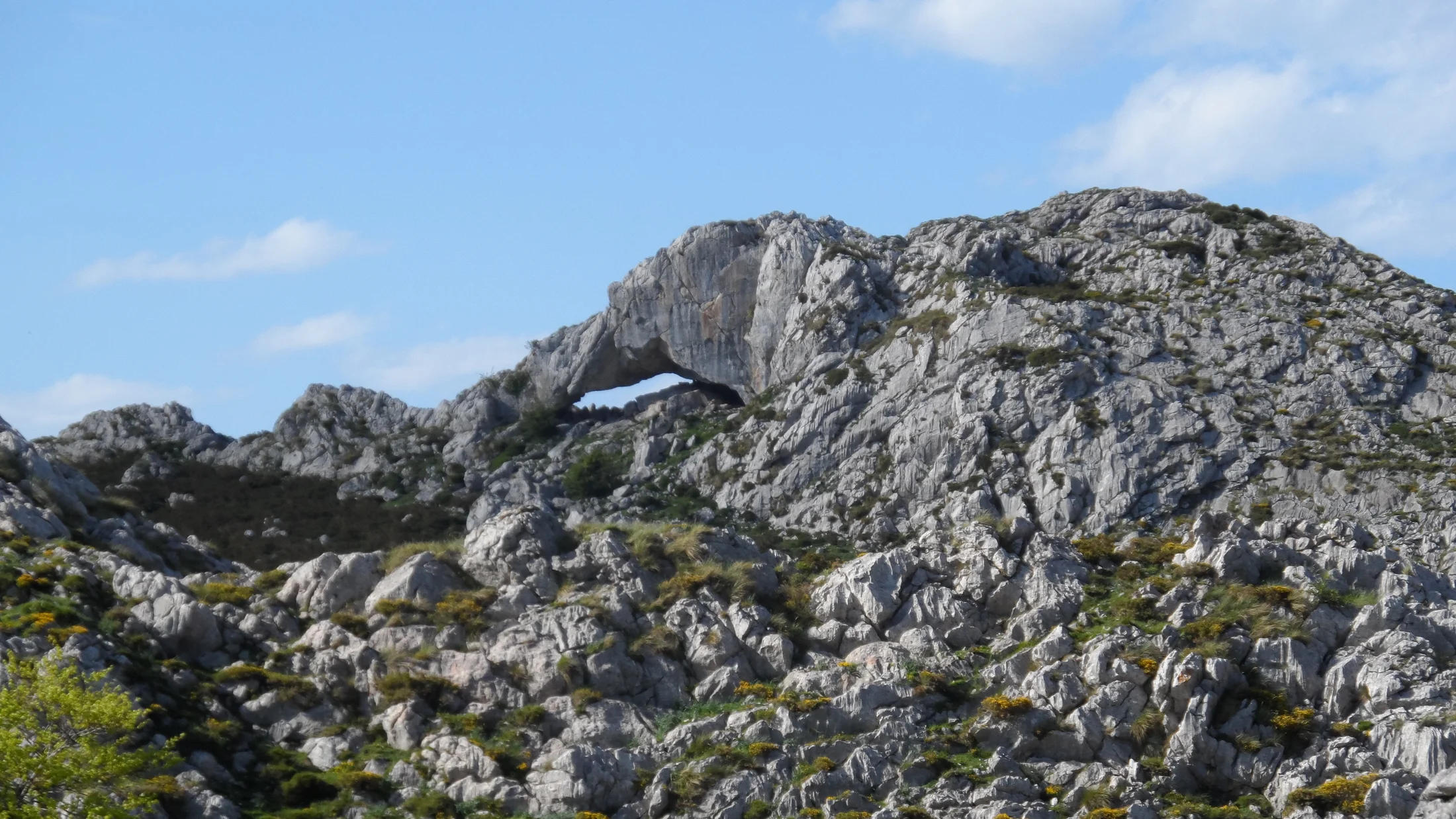
Rising between Asturias, Cantabria, and León, the Picos offer limestone walls, deep gorges, and classic hamlets where time moves slower. As evening falls, cowbells carry through the meadows like soft metronomes. This is a strong candidate for a despedida multiaventura within a bigger nature stag party plan.
- Location: Picos de Europa (Asturias/Cantabria/León)
- Best time: June–September for stable weather; May/October for quieter trails
- Ideal for: Adventurous groups, mixed crews with moderate fitness
- Price: 180–320 € p.p. for a weekend (guides + gear + 1–2 nights); confirm with operators or check Picuco for bundles
- Lodging: Mountain refuges, rural guesthouses (casas rurales)
What to do:
- Day 1: Guided via ferrata or canyoning (half-day), then village dinner featuring Cabrales or Gamonéu cheeses.
- Day 2: Trek a classic route such as Cares Gorge (moderate, 11–12 km, 600 m descent if one-way) with return by arranged transfer.
- Logistics and safety:
- Book certified guides for via ferrata/canyoning; ask about ratios, insurance, and weather plans.
- Carry layers; storms build fast in the mountains.
- For refuges, reserve early in peak months and check if they provide blankets.
Tip: Frame it as a despedida en la naturaleza with a shared toast at a high col instead of a nightclub.
2.Doñana after dark: wildlife and stars
Tidal flats, lagoons, and dunes make Doñana a migration crossroads in Andalusia. As the night opens, the dunes release the day’s heat like a quiet sigh and the Milky Way hums overhead. This is one of the most quietly spectacular plans despedida originales can include.
- Location: Parque Nacional y Natural de Doñana (Huelva/Sevilla/Cádiz)
- Best time: Spring and autumn migrations; winter for raptors and tranquility
- Ideal for: Wildlife lovers, relaxed groups, photography-forward weekends
- Price: 60–120 € p.p. for guided 4x4/bus safari; 25–50 € p.p. for astrophotography session; confirm current rates
- Lodging: Rural hotels in El Rocío, Sanlúcar de Barrameda, or Almonte
What to do:
- Day 1: Afternoon birding safari (marshes and pinewoods) with a licensed guide; sunset on the dunes.
- Night: Astrotourism session with telescope and red torches; hot chocolate on return.
- Day 2: Morning photo walk near El Rocío’s marsh edge; brunch in town before heading back.
- Permits and safety:
- Access to core zones needs authorized vehicles; book with licensed operators.
- Respect distance to fauna; no drones in protected areas.
- Bring a windproof layer; coastal nights can be cool even in spring.
Make it a weekend farewell by adding a private picnic with local shrimp and manzanilla in Sanlúcar’s breezy squares.
3.Sierra de Gredos: slow trails and stargazing
Granite summits, clear rivers, and quiet valleys shape Gredos, two hours from Madrid. At dusk, juniper and woodsmoke mingle as stars pinprick the deepening blue. This is a gentle despedida rural that still feels special.
- Location: Sierra de Gredos (Ávila)
- Best time: April–June and September–October; summer for river dips
- Ideal for: Mixed groups seeking calm, couples’ crews, low-impact walkers
- Price: 120–240 € p.p. weekend (rural lodging + dinner + easy guided hike); tastings add 15–35 € p.p.
- Lodging: Casas rurales, glamping tents with sky views
What to do:
- Day 1: Late-afternoon walk on the
GR-10segment near Hoyos del Espino (easy 6–8 km), followed by a local cheese and honey tasting. - Night: Simple stargazing session; consider hiring a guide with laser pointer and binoculars.
- Day 2: Riverbank stroll and a long lunch with chuletón or seasonal veggies.
- Custom touches:
- Themed dinner (favorite decade playlist, toasts, memory cards).
- Workshop options: bread baking, pottery, or herbal distillation.
Safety and comfort:
- Check fire restrictions in summer.
- Pack warm layers; nights are cool even in June.
4.Cíes Islands: virgin beaches and kayak coves
In the Rías Baixas, the Cíes are a granite arc with Caribbean-clear water and a strict visitor cap. On arrival, the wind smells of salt and wild thyme. For active beach lovers, this is a high-impact, low-cliché choice.
- Location: Islas Cíes (Parque Nacional Marítimo-Terrestre de las Islas Atlánticas de Galicia)
- Best time: June–September; book early; avoid peak crowds by catching the first ferry
- Ideal for: Younger mixed groups, water lovers, photo-first crews
- Price: 40–80 € p.p. (ferry + kayak rental/guided tour); camping adds 20–40 € p.p.; verify current ferry fares
- Lodging: Authorized island camping (booked in advance) or hotels in Vigo/Baiona
What to do:
- Day trip: Early ferry from Vigo, hike to Alto do Príncipe (45–60 min, easy), lunch on Rodas Beach.
- Afternoon: Guided kayak and snorkel to quiet inlets; return on late ferry.
- Weekend: Sleep in Vigo, add a seafood dinner and a coastal walk next day.
- Permits and caps:
- Daily visitor quotas apply; secure ferry reservation codes and, if camping, book pitch first.
- No fires or drones; leave-no-trace is enforced.
Tip: Pack layers; Atlantic breezes can chill even on bright days.
5.Val d’aran: season-switching weekends
Guarded by Pyrenean walls, the Val d’Aran flips seamlessly between green and white seasons. After a day out, steam rises from stone chimneys and the aroma of civet fills village lanes. It suits groups with different fitness levels.
- Location: Val d’Aran (Lleida, Catalonia)
- Best time: June–September (hiking); December–March (skiing)
- Ideal for: Mixed groups with varied energy; couples plus friends
- Price: Summer: 160–280 € p.p. weekend (lodging + guided hike + spa hour); Winter: 220–380 € p.p. (lodging + lift pass + rental); confirm locally
- Lodging: Alpine-style hotels, cabins, rural apartments
What to do:
- Summer Day 1: Waterfall hike near Artiga de Lin (easy-moderate), picnic by turquoise pools.
- Day 2: E-bike valley ride; taste Aranese cured meats and local cheeses.
- Winter Day 1: Ski or snowshoe in Baqueira-Beret; late spa; village tapas crawl.
- Day 2: Short scenic photo loop; hearty slow lunch before departure.
- Logistics and tips:
- In winter, carry chains or rent AWD; snowstorms can hit quickly.
- Book spa slots early for groups; capacity is limited.
- Public bus connects with Lleida AVE line; check seasonal schedules.
6.Sierra Nevada: ferrata lines and mountain refuge night
Spain’s highest mainland massif promises altitude and clear air above treeline. At twilight, the slopes glow copper and a chill settles fast on the scree. This plan shines for an adventure stag do with a crisp summit feel.
- Location: Sierra Nevada (Granada/Almería)
- Best time: May–June and September–October for stable temps; avoid snow without winter skills
- Ideal for: Fit groups, adventurous mixed crews with head for heights
- Price: 140–260 € p.p. (via ferrata + guide + gear + refuge/hostal); verify rates and hut availability
- Lodging: Mountain refuges (e.g., Poqueira area), basic hostals in high villages
What to do:
- Day 1: Morning via ferrata (several grades exist near Granada/Alpujarras; choose to match your group); afternoon transfer to refuge; sunset tea.
- Day 2: Guided ascent of a mid-altitude summit (non-technical), or ridge hike with panoramic breaks; lunch down-valley.
- Safety and permits:
- Ask guides about route grade, required fitness, and exposure.
- Weather turns fast; bring layers, gloves, headlamp, and 2 L water p.p.
- Refuge reservations are essential; note cash-only policies in some huts.
Adaptation:
- For mixed groups, run parallel plans: ferrata crew + scenic walk crew, meeting for dinner.
7.Bardenas Reales: lunar dust and sunset picnics
Eroded clay, chalk, and sandstone sculpt a cinematic badland in Navarra. As the sun drops, the wind carries dry sage and a hush settles over the gullies. It’s an original rural farewell with wow-factor photos.
- Location: Bardenas Reales Natural Park (Navarra)
- Best time: March–May and September–November; avoid midday heat in summer
- Ideal for: Groups seeking scenery, easy logistics, and accessible adventure
- Price: 50–110 € p.p. for guided 4x4 tour; add 15–30 € p.p. for curated picnic; confirm with operators
- Lodging: Rural inns in Arguedas, Tudela, or small fincas
What to do:
- Day 1: Guided 4x4 loop through Castildetierra and Pisquerra zones; golden-hour photo session.
- Night: Private picnic in a permitted area just outside the park; star session if skies are clear.
- Day 2: Easy self-guided walk on waymarked tracks; lunch of Tudela vegetables and lamb.
- Regulations and safety:
- Respect park rules: stay on tracks, no off-road driving, no drones.
- Check closure alerts after rain; clay turns slick and fragile.
- Bring sun protection, 2 L water p.p., and wind layers.
Accessibility:
- Vehicle-based tours suit guests with lower mobility; ask about step stools and seat configurations.
8.Costa Brava: paddleboards and a quiet cove
Rugged headlands hide small inlets and turquoise water north of Girona. At first light, sea glass colors slide across the cove and a cormorant arrows below the surface. It’s a balanced plan for activity and sun.
- Location: Mid–northern Costa Brava (Begur, Palamós, Calella de Palafrugell)
- Best time: Late May–September; mornings for calmer seas
- Ideal for: Mixed groups seeking light activity + beach time
- Price: 35–70 € p.p. (SUP rental/guided session + snorkel kit); 20–40 € p.p. for seafood dinner; verify current costs
- Lodging: Coastal casas rurales, group villas, small hotels
What to do:
- Day 1: Morning SUP lesson and rocky-cove snorkel; lunch by the port; siesta.
- Afternoon: Walk a section of the Camí de Ronda between coves; sunset swim.
- Day 2: Boat taxi or kayak to a quieter cala; long arroz caldoso lunch.
- Tips:
- Book early for group SUP instructors in peak months.
- Choose morning slots for low wind and fewer boats.
- Plan a no-driving afternoon; arrange taxis for dinner.
Customization:
- Add a private paella class or a low-key beach bonfire where legal.
9.Rural La Rioja: wine, vines, and long tables
Rolling vineyards and stone towns frame a slower rhythm in La Rioja. Oak barrels exhale a cool, sweet scent in dim cellars while voices drop to whispers. This is a fine fit for a rural hen party Spain weekend.
- Location: La Rioja (Haro, Laguardia, San Vicente de la Sonsierra)
- Best time: April–June and September–October (harvest buzz)
- Ideal for: Food-forward groups, couples’ crews, relaxed mixed parties
- Price: 60–120 € p.p. (private tastings + tapas); 160–300 € p.p. weekend with lodging; confirm inclusions
- Lodging: Casas rurales among vines, boutique hotels in medieval towns
What to do:
- Day 1: Private bodega tour and tasting; picnic between vine rows with local cheeses and chorizo riojano.
- Night: Pintxos route in Laguardia or Haro.
- Day 2: Short vineyard walk at sunrise; cooking workshop or traditional asador lunch.
- Notes and safety:
- Assign a sober driver or use arranged transfers for tastings.
- Book well ahead in harvest months.
- Ask about non-alcoholic pairings and allergy-friendly menus.
Extra:
- A sunset photo session in the vines makes a subtle, elegant tribute to the honoree.
10.Montseny: forest wellness and slow yoga
Beech forests, hidden streams, and farmhouses sit an hour from Barcelona. When the wind turns, wet leaves smell like tea and the forest floor springs underfoot. This plan suits a calm farewell without losing depth.
- Location: Parc Natural del Montseny (Barcelona/Girona)
- Best time: April–June and September–November; fall colors are superb
- Ideal for: Relax-focused groups, bachelorette nature getaway, mixed crews who want restoration
- Price: 120–220 € p.p. weekend (yoga sessions + forest bathing + massage option); confirm current menus of services
- Lodging: Wellness retreats, rural houses with garden decks
What to do:
- Day 1: Morning forest bathing with a certified guide; picnic by a stream; evening restorative yoga.
- Night: Local tasting dinner with seasonal veg, cheeses, and herbal infusions.
- Day 2: Gentle hike to a viewpoint on the
GR-5network; closing circle with a simple toast.
-
Personalization:
- Sound bath, pottery class, or guided journaling.
- Non-alcoholic mocktail workshop using foraged herbs.
-
Accessibility:
- Ask for ground-floor rooms and step-free paths; many fincas can adapt.
11.Cañón del Río Lobos: canyoning and a wild night
Karst cliffs and a ribbon river shape a dramatic canyon in Soria/Burgos. At midday, swallow calls bounce off the rock like soft echoes. This is a classic despedida multiaventura with a playful edge.
- Location: Parque Natural Cañón del Río Lobos (Soria/Burgos)
- Best time: May–July and September; spring flows for canyoning
- Ideal for: Active groups who like water, scrambling, and a camp vibe
- Price: 60–95 € p.p. (guided canyoning + gear); camping/refuge adds 15–40 € p.p.; check seasonal flows and rates
- Lodging: Rustic campgrounds, simple refuges, or casas rurales nearby
What to do:
- Day 1: Morning canyoning with licensed guides; afternoon chill by the river; grill dinner at camp (if permitted) or local eatery.
- Night: Stargaze from the canyon rim; stories around lantern light.
- Day 2: Short hike to the hermitage of San Bartolomé; brunch and pack out.
- Safety and permits:
- Confirm water levels; some sections close in drought or flood.
- Helmets, wetsuits, and buoyancy aids are non-negotiable; listen to guide briefings.
- Check camping rules; wild camping is often prohibited—use designated sites.
Parallel options:
- Offer a dry scenic loop for non-canyoners and meet for lunch.
12.Sierra de Grazalema: white villages and limestone trails
Cork oak groves, caves, and bright white towns nest in Cádiz’s highlands. In late afternoon, the hills smell of warm stone and thyme. Combine light hiking with culture and culinary stops for a rounded farewell.
- Location: Sierra de Grazalema Natural Park (Cádiz/Málaga)
- Best time: March–June and October–November
- Ideal for: Mixed groups who want movement plus village time
- Price: 100–220 € p.p. weekend (guided easy hikes + tastings + lodging); confirm packages
- Lodging: Casas rurales in Zahara de la Sierra, Grazalema, or El Bosque
What to do:
- Day 1: Morning route among cork oaks; cheese tasting in Villaluenga del Rosario.
- Afternoon: Stroll in Zahara’s streets and castle; sunset view over the reservoir.
- Day 2: Horseback ride or olive oil mill visit; slow lunch with payoyo cheese and local stews.
-
Permissions:
- Some trails require permits (e.g., Pinsapar); apply in advance.
- Consider shoulder-season dates to avoid heat.
-
Community note:
- Choose guides who are local to the pueblos blancos; your fees help maintain paths and traditions.
13.Ordesa y Monte Perdido: photo-trek with a curated picnic
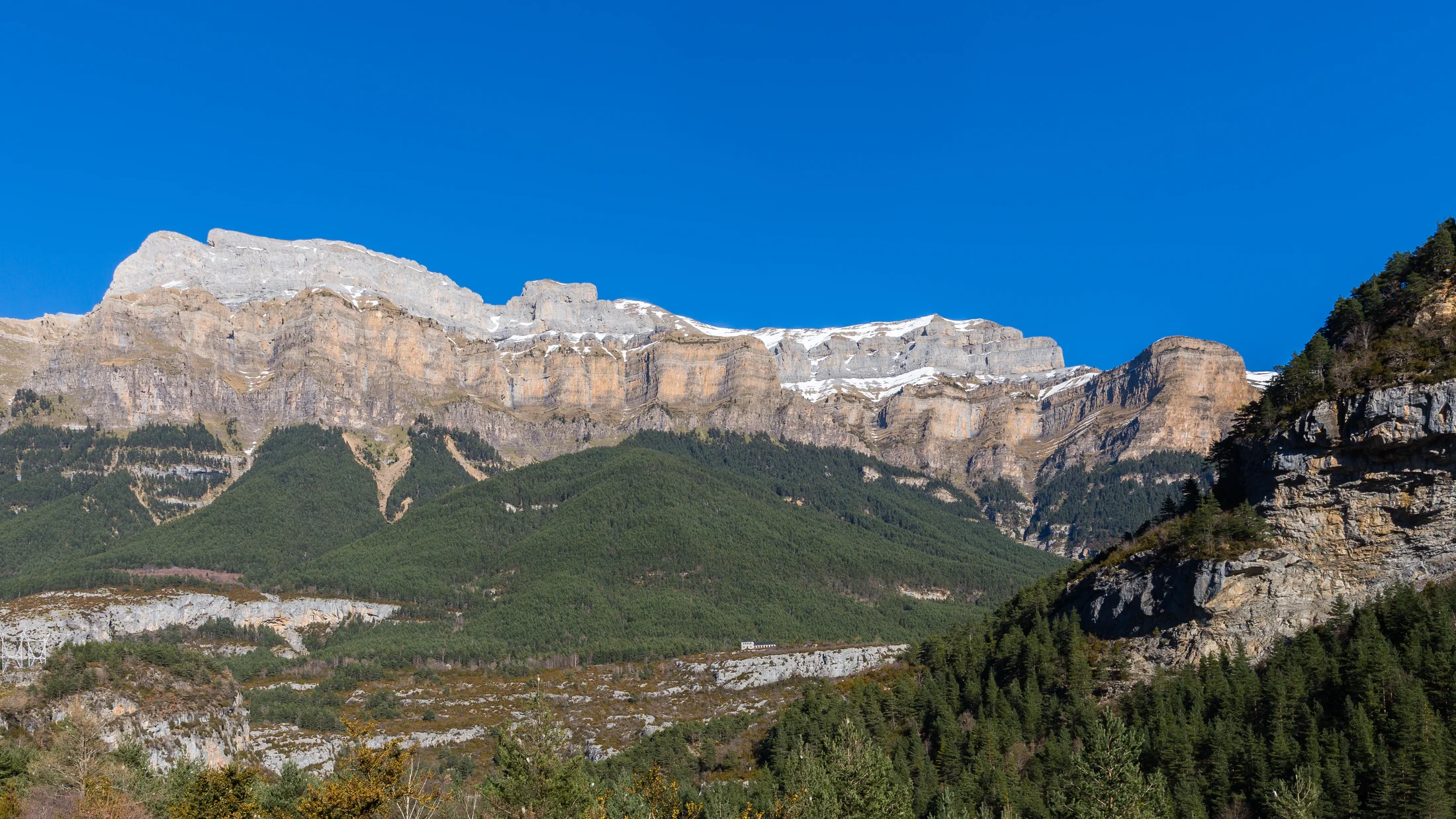
Waterfalls, spruce, and towering cliffs make Ordesa one of Spain’s most dramatic valleys. When the breeze rises, mist beads on your cheeks like cold breath. This plan suits groups who want big scenery without technical strain.
- Location: Ordesa y Monte Perdido National Park (Huesca, Aragon)
- Best time: Late May–July and September–October; fall colors are legendary
- Ideal for: Photo lovers, moderate hikers, mixed groups
- Price: 30–60 € p.p. (shuttle/park logistics + picnic), 180–300 € p.p. weekend with lodging and guide; confirm inclusions
- Lodging: Rural hotels in Torla, Broto, or Fanlo
What to do:
- Day 1: Shuttle into Ordesa Valley; hike the mid-level Faja de Pelay (moderate) or the easier valley floor to Cola de Caballo; picnic on a permitted spot.
- Day 2: Sunrise photo stop, then short segment on the
GR-11in a nearby valley; village lunch.
- Logistics and safety:
- Summer shuttles run from Torla; check schedules and book early.
- Weather can vary: carry rain shell, warm layer, and ankle-support footwear.
- Drones are not allowed; respect quiet zones for wildlife.
Customize:
- Hire a local photographer for a one-hour golden-hour session at a viewpoint.
14.Rías Baixas: sailing, shellfish, and a rosy sunset
Granite outcrops and mussel rafts dapple calm Galician estuaries. As the boat drifts, you taste salt in the air and watch the sun dissolve into pinks and golds. This suits mixed groups and those who want a maritime centerpiece.
- Location: Rías Baixas (Vigo, Pontevedra, Arousa)
- Best time: June–September; late summer sunsets are long and warm
- Ideal for: Food-forward, photo-loving crews; relaxed but celebratory
- Price: 45–120 € p.p. (shared catamaran) or 400–900 € per boat (private, 8–12 pax) + 25–50 € p.p. for seafood; verify current offers
- Lodging: Seaside casas rurales, small hotels in Cambados, Combarro, or O Grove
What to do:
- Day 1: Afternoon sail among bateas (mussel rafts); onboard seafood tasting; sunset toast.
- Night: Walk stone lanes in Combarro; late terrace chat.
- Day 2: Coastal path or island hop (Ons/Cíes with permits); long lunch with albariño pairings.
- Notes and safety:
- Book licensed skippers; ask about lifejackets and sea state forecast.
- Bring windproof layers even in August.
- Arrange transfers to avoid driving after tastings.
Add-on:
- A coastal foraging walk with a local guide for herbs and shellfish lore.
15.Survival weekend and team-building: real skills, real laughs
Swap props for purpose and learn how to navigate, light a fire, and build shelter together. The first spark catching tinder smells like warm resin and adventure. This plan bonds groups fast and suits a wide range of personalities.
- Location: Various woodland and sierra areas across Spain (ask for options within 1–2 hours of your city)
- Best time: March–June and September–November
- Ideal for: Highly active crews, mixed groups that love challenges
- Price: 120–220 € p.p. (2-day course with certified instructor + basic gear); lodging extra if not bivouacking; confirm credentials and inclusions
- Lodging: Rural house base, or supervised bivouac where legal
What to do:
- Day 1: Orientation basics (map, compass), shelters using tarps/knots, safe knife handling; campfire cooking in legal areas or gas stoves where fire bans apply.
- Night: Night navigation mini-challenge; hot drinks and stories.
- Day 2: Water sourcing and filtration, group problem-solving tasks, optional first-aid module.
- Safety and legality:
- Verify instructor certification and first-aid training.
- Respect fire bans; use designated pits or no-flame cooking as required.
- Share emergency contact plan and carry a group first-aid kit.
Mix-and-match:
- Offer a parallel comfort track: nature photography and campcraft light for those less keen on bivouacs.
Map And Logistics: Getting There, Staying Safe, Keeping It Simple
Pin all 15 locations on a single shared map so everyone sees distance, driving times, and backup plans. Use layers (adventure, relax, coastal, mountain) and add meeting points, ferry ports, and shuttle stops; share it with the group chat so no one gets lost. Imagine a clean map sprinkled with colored pins like wildflowers on a meadow. For transport, most trips are best by car or minivan; some add shuttles (Ordesa in summer) or ferries (Cíes/Ons). If you aim for low-impact travel, check regional buses or trains to gateways like Granada, Huesca, Vigo, or Haro, then arrange local transfers.
Permits matter in protected areas: visitor caps (Cíes), trail permits (Pinsapar in Grazalema), vehicle access rules (Doñana/Bardenas/Ordesa). Designate a permit lead, track deadlines, and screenshot confirmations. For safety, brief everyone on footwear, water (2 L p.p. for warm hikes), layers, sun protection, and the plan B for weather. Pack a compact first-aid kit with blister care, elastic bandage, antihistamines, pain relief, and an emergency blanket. For lodging, balance privacy and price with rural houses, refuges, campgrounds, or glamping; ask hosts about early check-ins, late check-outs, and quiet hours. If anyone has reduced mobility, favor vehicle-based tours (Bardenas 4x4, Rías sailing), short-access viewpoints, ground-floor rooms, and step-free bathrooms. Coordinate two-way transfers for tastings and boats so no one needs to drive after toasts.
Quick coordinator checklist
- Map shared and pinned
- Permits confirmed
- Transfers scheduled
- Safety kit packed
- Dietary notes collected
How To Choose The Right Nature Farewell For Your Crew
Start with a simple grid: group type vs. activity intensity. If your crew is mixed in fitness and goals, choose modular plans (Aran, Grazalema, Costa Brava) so subgroups can split and rejoin. Think of it like tuning a campfire so everyone finds their comfortable distance from the heat. Run through this checklist:
- Group size: 6–10 is flexible; >12 needs earlier bookings and more structure.
- Energy level: relax, moderate, or go-big; match activity grade honestly.
- Accessibility: any mobility or sensory needs? Choose vehicle-friendly or step-free options.
- Duration: 1 night (close-to-city) vs. 2 nights (deeper reset).
- Budget: set a per-person cap; include transfers and meals.
- Food: allergies, vegetarian/vegan options, alcohol preferences, non-alcoholic pairings.
- Season and climate: heat, storms, cold nights—pack and plan accordingly.
Fast picks:
- If the group wants celebration more than sweat: Rías Baixas sailing, La Rioja tastings, Montseny wellness.
- If you want an adventure stag do: Picos multi-adventure, Sierra Nevada ferrata, Río Lobos canyoning.
- If you need a mixed group nature getaway: Aran seasonal split, Costa Brava SUP + coves, Grazalema villages + trails.
Personalize for him/her/mixed:
- Add a shared ritual (memory notes, toasts, photo wall).
- Offer parallel tracks (active vs. chill) and a common dinner.
- Include a small surprise that reflects the honoree’s story.
Standout Activities By Type: Adventure, Relax, Culture, Food
Pick one anchor per day, then build meals and downtime around it. One vivid image is enough: the soft thud of a pack on a bench as sunlight stripes the path.
- Adventure:
- Canyoning in Río Lobos or Pyrenean side canyons; budget 60–95 € p.p.; ensure guide credentials and water levels.
- Via ferrata near Granada or coastal Catalonia; check grade and exposure; from 45–80 € p.p. with gear.
- Sea kayak/SUP in Costa Brava; early sessions for calmer seas; 30–60 € p.p.
- Relax:
- Forest bathing in Montseny; 90–150 minutes; 25–45 € p.p.
- Natural spa hours (Aran, Gredos); book private slots for groups.
- Stargazing with laser and binoculars (Gredos/Doñana/Bardenas); 20–50 € p.p.
- Cultural:
- Village walks in Grazalema’s pueblos blancos; crafts demos (cheese, leather).
- Photo walks in Ordesa with composition tips.
- Small hermitage or castle visits (Zahara, Torla surroundings).
- Gastronomic:
- La Rioja vertical tastings + vineyard picnic; non-alcoholic pairings available.
- Rías Baixas seafood onboard or market-to-table experience.
- Coastal paella class or tapas crawl with a set budget cap.
Adapt by budget:
- Save with shared tastings, self-catered picnics, and off-peak dates.
- Splurge on private boats, sunset photographers, or curated chef menus.
Budget And Smart Packages That Work
Anchor your math with realistic ranges and clear inclusions. The satisfying click of a well-planned budget is like boots finding a solid rock on the trail.
- Low-cost (day trip or 1 night): 60–150 € p.p.
- Example: SUP + snorkel (40–60 €), shared picnic (10–15 €), fuel split (10–20 €), simple lodging (20–40 €).
- Mid-range (2 days, 1–2 nights): 160–320 € p.p.
- Example: Guided hike + stargazing (60–90 €), rural house (40–70 € p.p./night), local dinner (20–35 €), transfers (20–30 €).
- Premium (private boat/refuge combo/seasonal ski): 330–650 € p.p.
- Example: Private catamaran (45–100 € p.p. depending on group size), seafood tasting (25–50 €), boutique lodging (70–120 € p.p./night), add-on guide (30–60 €).
Package tips:
- Ask for group rates at 8, 10, or 12 pax thresholds.
- Clarify what’s included: gear, insurance, permits, transfers, meals.
- Save by booking midweek or shoulder season; lock activities first, then lodging.
- Request itemized quotes and flexible cancellation policies; compare on total per person, not headline price.
Where to book:
- Use trusted platforms with verified providers and clear reviews; seek local partners who limit group sizes and follow protected-area rules.
Frequently Asked Questions
Do I need a permit to camp or visit protected areas?
Often yes. Cíes camping must be reserved; some Grazalema trails need permits; Doñana/Ordesa have access rules. Always check park websites and secure confirmations before travel.
What insurance should we have for activities?
Choose operators that include liability and participant accident coverage, and ask for proof. For higher-risk activities (canyoning, ferrata), consider personal travel insurance that covers adventure sports.
How do we choose between multi-adventure and a relax plan?
Match energy and inclusivity. If fitness varies, pick modular weekends (SUP + beach, easy hikes + tastings). Go multi-adventure only if most people want it and you have weather backups.
What group size works best?
Six to ten is a sweet spot for logistics and price breaks. Larger groups need earlier bookings, two vehicles, or minibuses, and clearer schedules.
How do we ensure accessibility?
Pick vehicle-based tours (Bardenas 4x4, sailing), step-free lodging, and short-path viewpoints. Share needs in advance with providers; many can adapt equipment and timing.
What’s the plan if the weather turns bad?
Set a plan B: museums, tastings, spa hours, short covered walks. For mountains and sea, operators will reschedule or switch activities when it’s unsafe—build flexibility into your timing.
Can we mix alcohol with activities safely?
Yes, with boundaries. Keep tastings after water or land activities, use transfers, and hydrate. Never combine alcohol with climbing, ferrata, or canyoning.
How early should we book?
For summer and fall weekends, 6–10 weeks ahead is wise. Protected areas with quotas (Cíes) and small retreats (Montseny) fill early.
Leave no trace matters
Stick to paths, pack out trash, keep noise down in villages, and respect fire bans. Your care keeps these places welcoming for the next group.
Book your experience — explore active nature experiences across Spain with providers verified by Picuco.
Conclusion: Pick Your Plan, Make It Yours, Enjoy The Moment
A farewell in nature trades queues for quiet, routine for wonder, and clichés for real connection. Mountains, coves, vineyards, and night skies set the stage, while local hosts, guides, and small towns give the weekend heart. Picture the honoree smiling under warm evening light as friends gather close—simple, honest, unforgettable.
Choose two or three favorites from above, check season and availability, and share a quick budget with the group. Confirm permits, reserve the anchor activity, and lock in lodging that suits your pace. If you want help curating and booking with vetted partners, browse Picuco’s experiences and ask for tailored options. Then pack light, show up curious, and let the landscape do the rest.