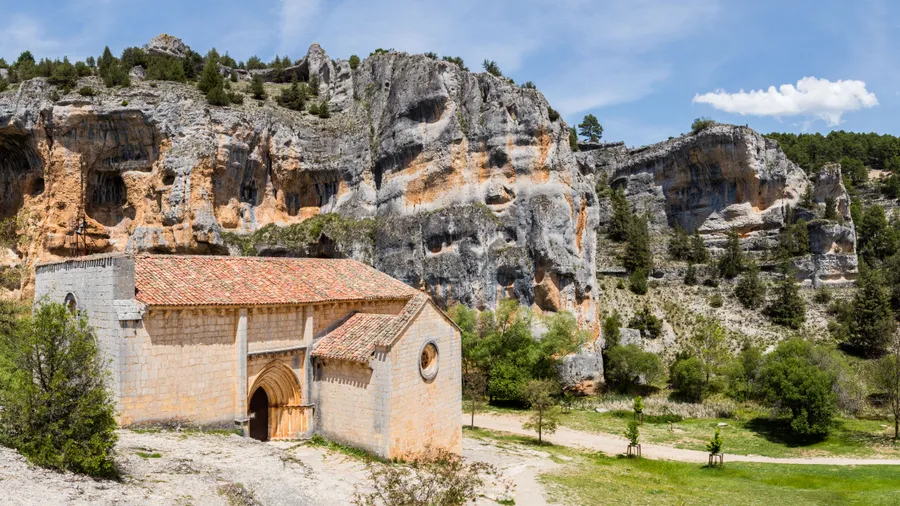
Birdwatching in the Community of Madrid: Birdwatching in the Capital

Birdwatching in the Community of Madrid: Birdwatching in the Capital

Discover the surprising winged biodiversity of the Community of Madrid. Embark on a birdwatching adventure and connect with nature just a stone's throw from the city.

All year round

Birdwatching in the Community of Madrid: Birdwatching in the Capital

Discover the fascinating world of birdwatching in the Community of Madrid

The Community of Madrid, despite its status as a capital city, is an unexpected paradise for birdwatching. Its diverse ecosystems, from the high peaks of the Sierra de Guadarrama to the steppe plains of the southeast, passing through riparian forests and peri-urban parks, harbor a surprising ornithological richness. Birdwatching in Madrid is not just an activity; it's an invitation to rediscover nature and tranquility just a few kilometers from the urban hustle and bustle. Here, you can observe everything from majestic raptors to small passerine birds, making every outing a unique experience. Picuco connects you with the best local experts to make your birdwatching adventure in Madrid unforgettable.

The best areas for birdwatching in Madrid

The Community of Madrid offers multiple privileged enclaves for bird observation. The Sierra de Guadarrama is a stronghold for mountain birds and raptors, such as the black vulture, the Iberian imperial eagle, and the peregrine falcon. Its pine forests and rocky areas are home to emblematic species. On the other hand, wetlands, such as the Southeast Regional Parks and the Middle Course of the Guadarrama River, are crucial for aquatic and migratory birds, such as herons, ducks, and waders. Even in areas closer to the city, such as Casa de Campo or Monte de El Pardo, interesting species like the kingfisher or the hawfinch can be spotted. Each area offers a different birdwatching experience, adapted to your interests and observation level.

Why go birdwatching in Madrid with an expert guide?

Having an expert guide for your birdwatching experience in Madrid makes a big difference. Local guides know the best observation points, bird habits according to the season, and identification techniques perfectly. They will provide you with high-quality binoculars and telescopes and teach you to recognize species by their plumage, song, or behavior. Furthermore, their knowledge of local ornithology and ecology will enrich your experience, offering fascinating details about the region's fauna and flora. A guide not only helps you see more birds but also to understand and appreciate the delicate balance of Madrid's ecosystems, ensuring respectful and enriching observation.

Highlights

  • • More than 260 bird species recorded in the Community of Madrid.
  • • The Black Vulture of Guadarrama: one of the largest populations in Europe.
  • • Southeast Regional Park: home to herons, ducks, and steppe birds 30 min from Madrid.
  • • Prices starting from €35 per person for guided half-day tours.
  • • Sighting of the Iberian Imperial Eagle, an endangered species, in the Sierra.
  • • Routes of 3 to 6 hours, suitable for all observation levels.

Practical Information

What to bring

  • Comfortable clothing suitable for the season (layers are ideal).
  • Trekking or hiking footwear.
  • Binoculars (if you have them; if not, the guide usually provides them).
  • Camera (optional).
  • Water and some snacks.
  • Sun protection and a hat in summer.
  • Insect repellent.

Best time

Spring (March to June) and autumn (September to November) are the optimal seasons due to migrations and breeding activity. Winter also offers observation of overwintering birds.

Required level

Generally low. Routes are adapted to different fitness levels. The most important thing is patience and an interest in nature observation.

Birdwatching in the Community of Madrid: Birdwatching in the Capital

Las mejores experiencias disponibles

2

Frequently Asked Questions

Resolvemos tus dudas sobre Birdwatching in the Community of Madrid: Birdwatching in the Capital

Spring (March-June) and autumn (September-November) are ideal due to migrations and breeding activity. However, each season offers different species and unique observation opportunities.
No previous experience is needed; tours are designed for all levels. Guides usually provide binoculars and telescopes, although you can bring your own if you have them. The important thing is interest and a desire to learn.
Depending on the area and time of year, you can see raptors like vultures and eagles, aquatic birds like herons and ducks, and passerines like tits, blue tits, or robins. The diversity is very high.

Related Articles