Why Hoces Del Duratón Captivates First‑time and Repeat Visitors
Where river, canyon, and vultures draw you in
The Hoces del Duratón are where a quiet river cuts a grand limestone canyon in northern Segovia. You stand above turquoise bends while griffon vultures sweep past at eye level. This natural amphitheatre between Sepúlveda and the Burgomillodo reservoir concentrates wildlife, history and soft‑adventure in a compact area that rewards a day or a weekend.
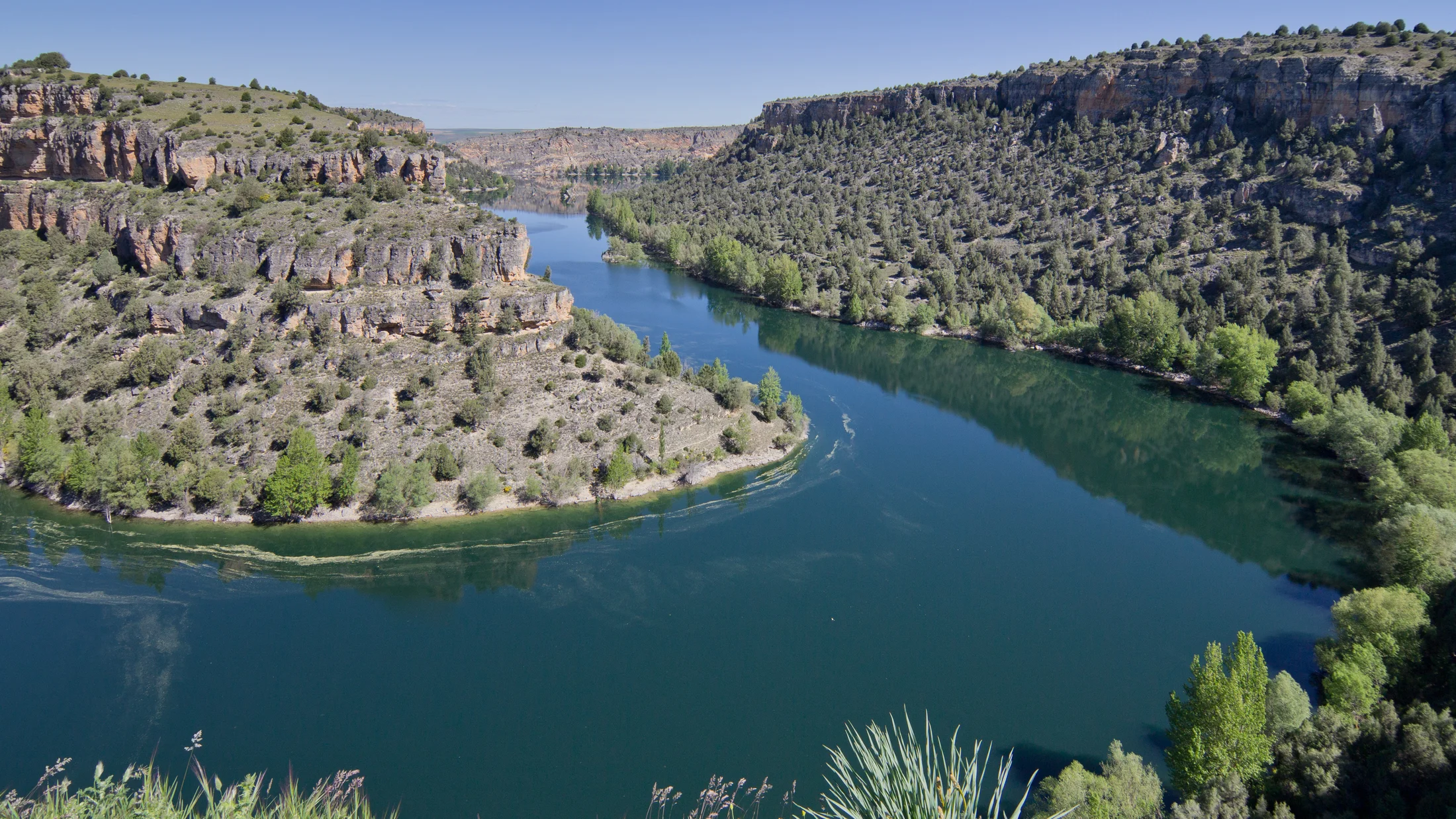
The Río Duratón has carved meanders up to 100 meters deep through pale Cretaceous limestone, creating sheer walls, caves and terraces. The silence is broken by wind in the holm oaks and the occasional barking of a vulture chick from a hidden ledge. At the heart of it all, the San Frutos hermitage crowns a rock spur with views that fix in memory.
Outdoor lovers come for kayaking Duratón Gorge on calm, protected waters and for vulture watching Duraton at dawn and dusk. Culture seekers trace Romanesque stonework and hermit caves, then wander Sepúlveda’s medieval streets. Expect clear waymarked paths, seasonal rules that protect nesting birds, and a landscape cared for by local villages who live with the canyon year‑round.
What you will take from this guide
You will learn how to reach Hoces del Duratón by car or public transport, where to park, and which towns work best as a base. You will see when to go for kayak Hoces del Duratón, when birdlife is most active, and how to visit the San Frutos hermitage safely. Picture slipping a boat under vertical walls while a vulture’s shadow glides over green water. You will get practical tips on Duraton kayak tours, rules inside the protected area, what to pack, and how to choose reliable operators. Finally, you will find clear answers to common questions and a simple plan to make the most of your time.
Picuco te puede ayudar
Does something here catch your eye?
Tell us.
Write to us on WhatsApp or email: we answer questions, find the best options and help you sort out the booking.
Where You Are and What You Will See
Geography and canyon formation
Hoces del Duratón lie in the province of Segovia, Castilla y León, with Sepúlveda as the main gateway and Burgomillodo reservoir at the eastern end. The river rises near Somosierra in the Sierra de Guadarrama foothills and meets the Duero near Peñafiel after roughly 180 km, but its most dramatic 25–30 km of meanders sit here. The canyon unfurls in tight S‑bends, with terraces that mark former river levels like steps on the rock.
The landscape is classic Castilian karst: soft, pale limestone dissolves in rainwater and fractures into caves, chasms and ledges where birds nest. Run your hand across a sun‑warmed wall and it feels chalky and rough. Over geological time, fluvial erosion—water carving stone—deepened the valley while side streams and frost widened its walls, leaving a corridor of vertical cliffs and hanging woods.
Expect an open plateau of cereal fields and holm oak scrub on top, with a cool, shaded ribbon of vegetation by the water below. The canyon is easy to orient: Sepúlveda and its Romanesque churches to the west; the San Frutos spur near Villaseca de la Sierra in the center; and the still waters of Burgomillodo to the east. Distances are short but views extend for kilometers on clear days.
Flora and fauna highlights
Hoces del Duratón are famous for one of the Iberian Peninsula’s largest colonies of griffon vultures (buitres leonados), which soar on thermals and nest on ledges along the river. When a bird passes close, you may hear a soft rush, like canvas in wind. You can also spot Egyptian vulture in spring and summer, peregrine falcon, golden eagle at times, short‑toed snake eagle, and eagle owl at dusk.
Mammals are shy but present: otter leaves slides and tracks on muddy banks; roe deer move among juniper and holm oak at dawn; and fox, badger, and stone marten haunt the edges. Along the river, riparian woods mix willows, poplars, reeds and ash, while sunny slopes carry aromatic scrub—thyme and rosemary—interspersed with evergreen holm oaks and junipers that hold soil on steep shelves.
This biodiversity makes “avistamiento de buitres Duratón” (vulture watching Duraton) a prime draw, especially in late winter and spring when displays and pair bonding are visible near nests. Bring binoculars (8x or 10x) and scan ledges patiently; many birds rest quietly for long stretches. A simple field guide helps you separate silhouettes by wing shape and flight style.
Protected status, rules, and conservation
The area is protected as Hoces del Río Duratón Natural Park (Parque Natural), designated by the Junta de Castilla y León in 1989, and included in the EU Natura 2000 network as a Special Protection Area for Birds (ZEPA) and a Site of Community Importance (SCI). You’ll see signs at access points reminding you of seasonal restrictions. A faint scent of thyme and dust rises when you step off gravel, but staying on marked paths protects fragile soils.
Key visitor rules include: no free camping or fires; dogs on a lead; no drones without specific authorization; and climbing or boating restrictions near nesting zones, typically from January to July. Wardens and the Park Office in Sepúlveda coordinate conservation with local councils and landowners. For current regulations, consult the Natural Park Office in Sepúlveda and the Junta de Castilla y León environment pages before your trip. These measures allow people and wildlife to share one narrow corridor of stone and water with minimal disturbance.
Getting There and Staying Nearby
By car: routes, parking, and main access points
Driving is the simplest way to reach Hoces del Duratón, with short approaches from the A-1 and N-110. When you leave the motorway, expect narrow local roads that wind through cereal fields and small stone villages. On summer evenings, the warm air smells of dry grass and resin.
- From Madrid: 130–140 km, 1 h 30–1 h 45 via
A-1to near Sepúlveda; follow signed local roads to Sepúlveda, Villaseca de la Sierra or Burgomillodo. - From Segovia: 60–70 km, about 1 h via
N-110east, then local roads to Sepúlveda. - From Valladolid: 140–160 km, around 1 h 45 via
A-601/A-11and local connectors to Fuentidueña or Peñafiel, then south to the gorge area.
| Origin | Approx. distance | Usual time | Key roads |
|---|---|---|---|
| Madrid | 130–140 km | 1 h 30–45 min | A-1 + local |
| Segovia | 60–70 km | ~1 h | N-110 + local |
| Valladolid | 140–160 km | ~1 h 45 | A-601/A-11 + local |
Parking and access:
- San Frutos hermitage parking: signed track leads to a marked lot; from there, a 1.3–1.5 km easy walk to the hermitage.
- Sepúlveda gateways: several small car parks near town access to canyon viewpoints and trails.
- Kayak embarkation: regulated parking and signed put‑ins near Burgomillodo reservoir and bridge access points; look for “embarcadero” signs and abide by park instructions.
Drive slowly on gravel tracks, yield to farm vehicles, and avoid blocking gates or field access. Rains can make clay sections slick; after storms, let the land dry rather than carving ruts.
Public transport: trains, buses, and workable combos
Reaching Hoces del Duratón without a car is possible with planning. The nearest cities with train stations are Segovia and Valladolid (Renfe services), from which regional buses connect to Sepúlveda and nearby villages. On cool mornings, the bus windows fog lightly as you climb onto the plateau.
- Train to Segovia (city) or Segovia‑Guiomar high‑speed station, then a regional bus toward Sepúlveda. Weekend frequencies are reduced; confirm times in advance.
- Direct buses from Madrid to Sepúlveda run on weekdays and weekends, with extra services in summer; schedules shift seasonally.
- From Valladolid, bus connections to Peñafiel or Fuentidueña and onward local services can work, but require checking current timetables.
Practical tips:
- Check Renfe for trains (Madrid–Segovia ~30–40 min AVE; Madrid–Valladolid ~1 h) and regional bus operators for Sepúlveda and Cantalejo; verify seasonal updates the week of travel.
- From Sepúlveda, taxis can bridge short distances to trailheads or kayak put‑ins; arrange return pick‑ups beforehand if mobile coverage is patchy.
- If you plan Duraton kayak tours, ask the operator about transfers; many include shuttle logistics in guided outings.
Where to sleep and local services
You’ll find a good spread of small, locally run places to stay in Sepúlveda, Sebúlcor, Villaseca de la Sierra, Cantalejo, and San Miguel de Bernuy. At dusk, the scent of woodsmoke and grilled lamb drifts along stone alleys. Options range from family‑owned guesthouses to rural cottages and a couple of campsites near pinewoods.
- Sepúlveda: medieval center, dining options, and proximity to the Park Office; ideal for short stays focused on viewpoints and hermitage.
- Sebúlcor and Villaseca de la Sierra: closer to central canyon access and San Frutos; quiet bases for early birdwatching starts.
- Cantalejo and San Miguel de Bernuy: more services (supermarkets, fuel), easy access to paddling stretches upstream and downstream of the main park.
Useful services:
- Supermarkets, bakeries, and ATMs in Sepúlveda and Cantalejo.
- Fuel stations on the main local approaches to Sepúlveda and Cantalejo; top up before exploring backroads.
- Kayak rental and guided trips (piragüismo Duratón) operate seasonally; many offer all gear and permits as part of a package.
- Birdwatching guides provide optics and scopes; small group sizes keep disturbance low and learning personal.
Book well ahead for spring weekends and late September–October when weather and colors are excellent. If you’re planning with a budget, choose towns just outside Sepúlveda for better rates; for convenience, stay within walking distance of dinner and viewpoints.
The Big Three Experiences: Kayak, Vultures, and San Frutos
1.Kayak and canoeing: routes, safety, and rentals
Kayaking Duratón Gorge is about moving quietly beneath vertical walls while swallows stitch the air over green water. In the protected stretch near Burgomillodo, the river is lake‑like due to the small dam, making it beginner‑friendly in calm weather. Operators offer guided and self‑guided options, with logistics tailored to park rules.
Typical routes:
- Burgomillodo circuit: 2–3 hours out‑and‑back along still waters, ideal for first‑timers and families.
- Mid‑gorge meanders: half‑day trips starting at a bridge access and turning back after scenic bends; wind and flow can add effort.
- Advanced paddlers may plan longer explorations within authorized zones, but must respect seasonal closures near nesting cliffs.
Difficulty and season:
- Easy to moderate on flatwater; intermediate when wind funnels down the canyon or water levels fluctuate after rain. The rock face radiates heat on sunny days, so start early in summer.
- High season runs late spring to early autumn; in winter, cold water and limited daylight demand proper gear and experience.
Safety and permits:
- Personal flotation device (PFD) is mandatory; helmets are recommended if you plan landings on rocky banks.
- Check daily conditions and any temporary restrictions at the Park Office in Sepúlveda.
- Many Duraton kayak tours include permits; if renting or using your own boat, ask explicitly about authorization inside the Natural Park.
What to bring:
- Sun protection, 1–2 liters of water per person, quick‑dry layers, lightweight shoes that can get wet, and a dry bag.
- Binoculars and a strap for your phone or camera; keep devices leashed to avoid losing them if you tip.
Explore current options on Picuco to compare guided outings and rentals, group sizes, and what’s included; it simplifies planning under protected‑area rules.
2.Vulture and birdwatching: best spots and behavior
Vulture watching Duraton is intimate because the canyon narrows flight paths, bringing birds close without baiting or hides. From a viewpoint, listen for a soft clatter of feathers as two griffons pass at arm’s length. Dawn and late afternoon are prime times, when thermals are developing or fading and birds move to and from roosts.
Best vantage points:
- San Frutos area: numerous ledges within scanning distance; move quietly and keep to marked paths.
- Viewpoints near Sepúlveda’s edge: broader vistas to watch soaring behavior and interactions.
- Mid‑canyon pullouts and marked miradores offer safe, signed perches; never step to cliff edges or off barriers.
Responsible watching:
- Keep a wide buffer from nests and perches, especially January–July; if a bird looks at you repeatedly, you’re too close.
- Use binoculars or a small spotting scope rather than approaching; the goal is to witness natural behavior without altering it.
- Speak softly, avoid playback calls or whistles, and limit group size in narrow spots.
Photography tips:
- Early/late light softens limestone and feathers; backlit soaring silhouettes can be dramatic.
- Use continuous autofocus and a shutter speed above 1/1000s for flights; carry a beanbag to stabilize lenses on low walls without scratching stone.
- In cool months, breath fog can enter the frame—wait a second between bursts.
Seasonal notes:
- Courtship and nest building intensify late winter; fledging occurs late spring to early summer.
- Egyptian vultures and many small migratory birds return in spring; autumn migration brings passing raptors overhead.
3.San Frutos hermitage and viewpoints: history, footpaths, and tips
The San Frutos hermitage stands on a limestone tongue surrounded by river bends, a Romanesque chapel with thick walls and a story of solitude. Underfoot, crushed limestone crunches softly as you approach the final spur. This is the most iconic landmark of Hoces del Duratón and a simple, rewarding walk.
History in brief:
- The hermitage dates from the 11th–12th centuries, built over earlier hermit caves; San Frutos is a local patron saint tied to monastic life in the canyon.
- Later additions and a small necropolis tell of continuous devotion and the community’s bond with this place.
How to reach and walk:
- From the signed parking, a well‑marked, mostly level track (around 1.3–1.5 km) leads to the hermitage; allow 30–45 minutes each way with stops.
- Wear sturdy shoes: the final approach includes uneven rock and low stone walls; young children enjoy the short adventure under supervision.
- Do not climb walls or step beyond barriers; cliff edges are undercut and unstable.
Viewpoints and photos:
- The classic frame is the hermitage with the tight meander behind; morning light warms the facade, while late afternoon sculpts the canyon.
- Look for interpretive panels explaining geology and history along the path; they enrich every pause.
- Combine with a kayak session earlier in the day or a birdwatching hour near sunset for a complete experience.
Respect:
- Keep voices low around the hermitage and any ceremony or local gathering; this is both a viewpoint and a living place of devotion.
- Pack out all trash; there are no bins on the spur to deter scavengers from nests.
Practical Tips and Active Tourism Operators
Safety on water, trails, and around wildlife
Prepare for a day in the canyon as you would for any rural escape: self‑reliance first, then comfort. In shaded bends, the air can feel 5–7°C cooler than on the plateau, then warm quickly in the sun. Layering lets you adapt without fuss.
On the water:
- Wear a PFD at all times; fit it snugly.
- Check wind forecasts; a headwind can double effort on flatwater.
- Secure sunglasses and phones; practice a simple re‑entry if you capsize in shallow water.
On trails:
- Grippy footwear and sun protection are essential; carry 1–2 liters of water per person.
- Stay on marked paths; limestone rimrock can be brittle and undermined by erosion.
- Tell someone your route and expected return; mobile coverage can be inconsistent.
Around wildlife:
- Maintain distance; use optics rather than approach.
- Never feed animals or leave food scraps; it alters behavior and attracts opportunists.
- In an emergency, call
112and give clear landmarks (nearest town, parking, trail name).
Weather and tools:
- Use AEMET forecasts for Segovia province; download offline maps in a navigation app before arrival.
- Pack a small headlamp if you plan late light at viewpoints; twilight arrives quickly in the gorge.
Permits, rules, and caring for the canyon
This is a protected area first, recreation area second. The limestone and its residents are fragile; your choices keep the place wild. A faint herbal smell on your fingers after brushing past thyme reminds you you’re in a living landscape.
Permits and restrictions:
- Boating inside the Natural Park can require authorization, especially near nesting zones and in peak breeding months (often January–July); many guided trips handle permits for you.
- Group size limits may apply for commercial activities; inquire before booking.
- Drones, organized events, and filming require explicit permits; assume “no” unless you hold authorization.
Good practice:
- Leave No Trace: pack out everything, stick to durable surfaces, and respect wildlife at a distance.
- Keep dogs leashed; they can disturb ground‑nesters and small mammals.
- No fires or camping; use designated areas outside the park for picnicking.
Where to confirm:
- Natural Park Office in Sepúlveda (Casa del Parque) posts current rules and closures.
- The Junta de Castilla y León environment pages carry official updates and seasonal notices.
- Local information boards at parking areas summarize essentials; read them before starting.
Practical tip
If in doubt about a route or activity, ask at the Park Office in Sepúlveda the same morning; staff know which access points are open and which nests demand wider buffers.
Choosing reliable operators for activities
Local operators keep experiences safe, legal, and low‑impact, and your booking supports rural livelihoods. In small towns, morning voices carry from cafés as guides load boats and scopes. Look for professionalism over promises.
Selection criteria:
- Safety: certified guides, insurance, PFDs in multiple sizes, briefings before launch.
- Compliance: clear information on permits and seasonal restrictions inside the Natural Park.
- Group size: small groups reduce disturbance and increase learning.
- Reputation: recent reviews that mention wildlife respect and good logistics.
Common services:
- Kayak Hoces del Duratón and piragüismo Duratón: guided paddles with gear, dry bags, and shuttles.
- Birdwatching: half‑day outings with optics and species interpretation.
- Transfers: pick‑up/drop‑off from Sepúlveda or nearby towns to start points.
Booking tips:
- Reserve weekends and spring/autumn dates at least 1–2 weeks in advance.
- Confirm what’s included (permits, shuttles, gear) and any minimum ages or fitness requirements.
- Compare options in Picuco to find verified providers and the style that fits your group.
Frequently Asked Questions
What is the best time of year to visit Hoces del Duratón?
Spring and autumn offer the most balanced conditions: mild temperatures, active birdlife, and softer light for photos. In April–May, you’ll see courtship flights and fresh greens along the river; in late September–October, golden scrub and stable weather make for crisp days. Summer brings long days and reliable water levels for paddling, but mid‑day heat on the rim can be intense, so start early or go late. Winter is atmospheric and quiet, with excellent vulture watching and empty trails, yet cold water and short days require warm layers and conservative plans. For kayaking, shoulder seasons reduce crowds and wind; for birdwatching, late winter to spring is prime near nests. Hoces del Duratón rewards careful timing with calmer paths and better encounters.
Do I need a permit to kayak the Duratón?
Inside the Natural Park, boating is regulated to protect nesting raptors and riparian habitats. Depending on the time of year and the exact route, you may need an authorization and must avoid closed sectors, especially during the breeding season (typically January–July). Many guided Duraton kayak tours include all necessary permits and will steer you away from sensitive cliffs. If paddling independently or renting gear, ask the provider specifically about permit coverage and the day’s allowed zones before you set out. Failing to comply can result in fines and, more importantly, disturbance that sets back conservation work. The safest approach is to confirm current rules with the Park Office in Sepúlveda and follow posted signs at embarkation points.
Can I see vultures all year round?
Yes, griffon vultures are present year‑round in Hoces del Duratón, with resident adults, juveniles, and immatures using the canyon daily. You’ll often hear the low whoosh of wings even on still winter days. Activity peaks at dawn and late afternoon as birds move from roosts and return; midday soaring requires stronger thermals, which are more reliable in warmer months. The breeding season runs late winter to early summer; keep extra distance from ledges and avoid lingering directly below nests. Egyptian vultures and some other migratory species arrive in spring and depart in autumn, adding seasonal variety. Cloud cover and wind direction influence flights, so be patient and let the canyon’s rhythm bring the birds to you.
What fitness level do I need for kayaking or visiting the hermitage?
For kayaking on the flat, beginner‑friendly sections near Burgomillodo, moderate general fitness suffices: expect 2–3 hours seated paddling with occasional wind. If you choose a longer route or breezier day, experience and stamina help, but guides pace the group and plan rest stops. The walk to San Frutos hermitage is short and mostly level—about 1.3–1.5 km each way on a firm path—so families with children and grandparents manage it well with care near edges. Hikers seeking more challenge can extend along marked paths near Sepúlveda’s rim, where uneven limestone and modest ups and downs add effort. If you prefer low‑exertion options, enjoy signed miradores accessible by car and short strolls, or focus on birdwatching near parking areas.
Where can I rent gear or hire guides?
Look for local empresas de turismo activo (active tourism operators) based in Sepúlveda, Sebúlcor, and Cantalejo that offer kayak rentals, guided paddles, and birdwatching outings. A good provider will include safety gear, route briefings, and, when required, permits for the Natural Park. Ask about group sizes, age limits, and whether shuttles are included for point‑to‑point paddles. For busy spring and autumn weekends, book at least a week in advance and reconfirm the day before in case of weather or rule changes. You can compare styles and availability with Picuco’s curated listings and choose an option that matches your pace and interests, from family‑friendly flatwater to longer natural history tours.
Book your experience — discover active travel in Spain with Picuco-verified providers.
Conclusion and Next Steps
Quick planning recap for a smooth visit
Aim for spring or autumn for balanced weather, lively birdlife, and quieter paths in Hoces del Duratón. If you have one highlight to pick, combine a morning paddle on calm water with a sunset visit to the San Frutos hermitage. As you step back from the cliff edge, the last light paints the limestone honey‑gold. Three essentials will serve you well: confirm current park rules (especially for boating and nesting buffers), start early to dodge heat and parking pressure, and carry binoculars plus enough water for the day. With short distances between viewpoints, a single base like Sepúlveda keeps logistics simple.
Your next steps and helpful resources
Now choose your dates, sketch a day plan, and reserve any guided outing that requires permits or shuttles. The Natural Park Office in Sepúlveda (Casa del Parque) is your on‑the‑ground reference for access, closures, and trail advice, while AEMET gives reliable local forecasts. For smoothly organized activities—Duraton kayak tours or birdwatching with certified guides—browse options on Picuco and select the style and duration that fit your group. A weekend is perfect, but even a day rewards the drive; the canyon’s curves and the silent glide of vultures will bring you back.