Why River Lobos Canyon Belongs on Your Weekend Map
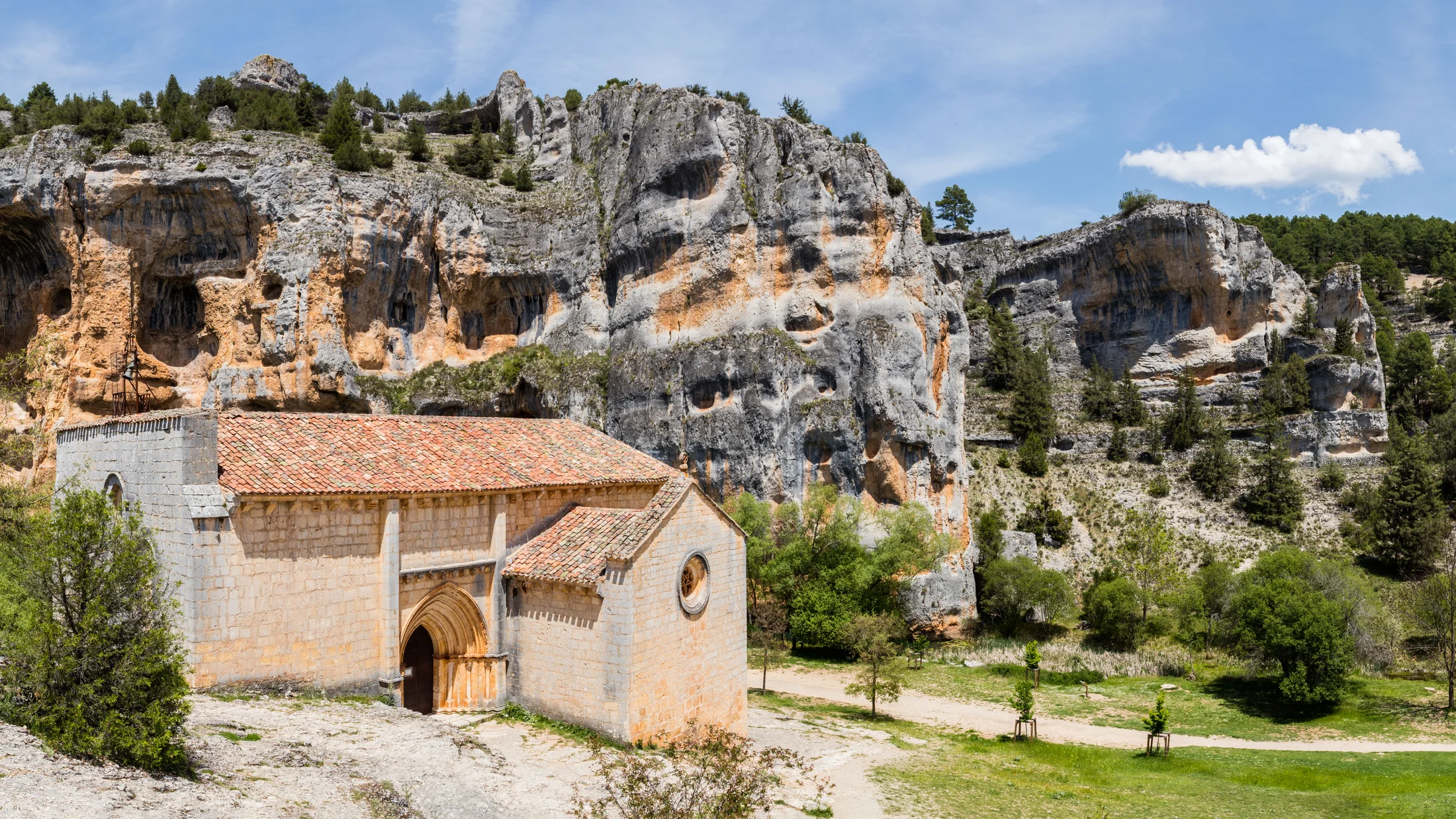
You come for stone cathedrals carved by water and stay for the silence between wingbeats. River Lobos Canyon lies at the meeting of wild geology, living tradition, and easy-to-love trails, close enough for a weekend and rich enough for a lifetime of returns. Limestone walls hold centuries of stories, griffon vultures guard the sky, and the San Bartolomé hermitage anchors a landscape that feels simultaneously sacred and practical. Expect shaded paths by a clear stream, natural pools you can wade on warm days, and well-marked options for half-day, full-day, or slow-weekend plans. We wrote this to help you plan simply: arrive confident, walk safely, and leave with the canyon’s hush still echoing in your ears.
Where it sits and why it’s unique
River Lobos Canyon (Parque Natural Cañón del Río Lobos) stretches roughly 25 km across Soria and Burgos, in northern Castilla y León, Spain. It’s a classic karst system—limestone dissolved by slightly acidic water—where caves, arches, and sinkholes (dolines) form a maze of stone shapes; in plain words, water has patiently eaten rock to sculpt the canyon you’ll walk today. The protected area covers about 9,580 hectares and was declared a Natural Park in 1985 (source: Junta de Castilla y León). The San Bartolomé hermitage, an early 13th‑century Romanesque jewel, sits near the canyon’s heart, with one of Spain’s best-known griffon vulture colonies riding the thermals above. Juniper-scented air pools under the cliffs, cool even when the plateau bakes.
What you’ll find here
Use this guide to plan a smooth escape: clear directions, when to go, and how to get to River Lobos Canyon; half-day, full-day, and weekend itineraries; the San Bartolomé hermitage and nearby caves; the best River Lobos pools for safe summer dips; and how to watch griffon vultures respectfully. You’ll also find where to base yourself, rules to protect the park, FAQs, and practical packing lists. Think dawn wings, cool pools, and sunlit stone, then build your trip around them. If you want more ideas across Spain afterward, keep Picuco bookmarked for curated nature experiences you can book confidently.
Picuco te puede ayudar
Does something here catch your eye?
Tell us.
Write to us on WhatsApp or email: we answer questions, find the best options and help you sort out the booking.
Key Information and How to Get There
Get your bearings before you lace your boots, and the canyon will reward you with time saved on trail. Below you’ll find location, seasons, services, and transport options, with pointers to official sources to confirm details close to your dates. Plan conservatively in winter and summer; the park is open year-round, but conditions can swing from snow to scorching.
Location and Park limits
The canyon runs northwest–southeast between Hontoria del Pinar (Burgos province) and Ucero (Soria province), cutting through pine and juniper forests on the Castilian Meseta. The Natural Park covers roughly 9,580 ha, encompassing the main gorge and high limestone rims, with access from the Ucero entrance (south), the Bridge of Seven Eyes (Puente de los Siete Ojos, central), and Hontoria del Pinar (north). Distances by road are approximate: Soria city 60–70 km (about 1 h), Burgos 160–170 km (2–2.5 h), Madrid 210–230 km (2.5–3 h) via A‑1 and N‑122, and Zaragoza 210–230 km (2.5–3 h) via A‑2 and N‑122. From the Mirador de la Galiana above Ucero, the canyon opens like a stone book under your feet.
Best time and weather
Spring (April–June) and autumn (September–October) balance mild temperatures, stable paths, and active wildlife. Expect 10–22°C days in May–June and September; summer days can hit 30–35°C at midday, with little shade on the rims but more in the gorge. Winter brings frost, occasional snow, and short daylight; roads and paths can ice over. River flow is highest after spring rains, making the River Lobos pools inviting in late spring and early summer; by late summer, sections may run low or even dry. For vultures, mornings in spring show nest activity, while late-morning to early afternoon in warm months brings strong thermals and soaring displays; birdsong carries between dripping walls in May.
Opening times, permits and services
Access to the Natural Park is open year-round unless temporarily limited for safety or conservation; check recent notices with the Natural Park office (Junta de Castilla y León) and Soria/Burgos Tourism. The Casa del Parque (visitor center) near Ucero typically opens weekends and holidays, with longer hours in peak seasons; confirm current schedules on the official channels before you go. Main car parks (Ucero entrance, Puente de los Siete Ojos, Hontoria del Pinar) can fill on spring/fall weekends; overflow plans are posted locally. No permit is needed for hiking, but rock climbing, caving, group activities, and drone use require prior authorization; drones usually are prohibited without express permission. Services you can count on: basic information panels at access points, picnic areas near the Bridge of Seven Eyes, cafés and restaurants in Ucero, El Burgo de Osma, San Leonardo de Yagüe, and Hontoria; a shaded fountain beside the Ucero car park can be a relief at noon.
How to get there: car and public transport
By car, from Madrid take A‑1 to Aranda de Duero, then N‑122 toward El Burgo de Osma and SO‑920 to Ucero; from Burgos, take N‑234 toward Salas de los Infantes and BU‑925 to Hontoria del Pinar; from Soria, follow N‑122 to El Burgo de Osma and SO‑920 to the south entrance. The main car parks are signed: “Ucero/Entrada del Parque,” “Puente de los Siete Ojos” (on a forestry track accessible in normal conditions), and “Hontoria del Pinar/Cueva Fría.” For travelers wondering how to get to River Lobos Canyon without a car, buses run to El Burgo de Osma and San Leonardo de Yagüe from Madrid, Soria, and Burgos on regular schedules; from those towns, pre-book a rural taxi to Ucero or Hontoria, or arrange a hotel pickup. The last kilometers roll through pine-scented shade even on hot days; keep an eye out for wildlife near dusk and dawn.
Where to Stay and Set Your Base
Sleep close enough to walk early, eat well, and have backups if parking is full. These towns put you within a short drive of trailheads, with choices for all budgets and travel styles. Evenings smell of woodsmoke and grilled lamb, a reminder that shepherding and forestry still shape this landscape.
Best towns and services near the canyon
Choose your base by how you want to hike and how much you value amenities. For hiking River Lobos Canyon from the south or doing sunset views at Galiana, Ucero and El Burgo de Osma are ideal; for quieter starts on the north end, Hontoria del Pinar and San Leonardo de Yagüe work well.
| Town/Area | Distance to main access | Best for | Services |
|---|---|---|---|
| Ucero (Soria) | 0–2 km to Ucero car park; 7–8 km to Puente de los Siete Ojos | Sunrise starts, short walks to the hermitage, Mirador de la Galiana | Small groceries, a few restaurants, rural taxis, limited ATMs in area |
| El Burgo de Osma (Soria) | 14 km to Ucero entrance | Historic center + day hikes, families wanting full amenities | Wide lodging choice, supermarkets, pharmacies, fuel, medical center |
| Hontoria del Pinar (Burgos) | 0–3 km to north access/Cueva Fría | Quieter trailheads, long longitudinal routes | Basic shops, cafés, fuel nearby, rural taxis |
| San Leonardo de Yagüe (Soria) | 15–18 km to central/north access | Budget stays, bus connections, mushroom season | Hotels, restaurants, fuel, pharmacies |
| Navaleno (Soria) | 20–25 km to central access | Foodies (wild mushrooms), forest ambience | Restaurants, some lodging, seasonal bustle |
Tip: If you aim for the Bridge of Seven Eyes access on weekends, base north or west (San Leonardo/Hontoria) to approach earlier via less busy roads.
Types of accommodation: rural houses, hotels and campsites
- Rural houses and apartments:
- Pros: privacy, kitchens, excellent for families/groups.
- Look for: heating, good insulation (nights are cool year-round), nearby parking, pet policies.
- Small hotels and inns:
- Pros: breakfast included, walkable to restaurants, flexible stays.
- Look for: early breakfast (for sunrise hikes), quiet rooms, secure storage for outdoor gear.
- Campsites and bungalow parks:
- Pros: budget-friendly, close to nature, ideal for stargazing.
- Look for: shade, on-site café/mini-market, hot showers, laundry.
Book ahead for spring weekends, Easter, and long weekends (May, October, December). For summer, reserve if you want specific amenities (pool, AC), even though nights are usually cool. Wake to junipers brushing the window and distant bells, then step straight into trail shoes.
Booking tips and getting around from your base
- Reserve 2–4 weeks ahead for spring/fall weekends; double that for Easter week.
- Confirm bus timetables if arriving car-free; rural schedules change by season and weekday.
- Parking strategy:
- If Ucero is full: shift to Puente de los Siete Ojos (central) or Hontoria (north), or hike later in the afternoon.
- Arrive before 9:00 on peak days; swap to a sunset plan if you can’t.
- Local mobility:
- Ask your host about rural taxis; many know reliable drivers.
- Some accommodations can arrange bike rentals; check in advance.
- Simple weekend plan:
- Night 1: check in and sunset at Mirador de la Galiana.
- Day 1: hermitage walk + pools; slow lunch.
- Day 2: central/north section or El Burgo de Osma’s old town.
A thermos of coffee at dawn makes maps come alive and earns you empty paths when you start walking early.
Main Itineraries and Routes in River Lobos Canyon
Pick your duration, match the heat and your fitness, and go. Below are tested plans with start points, timing, and what to look for. Cool water murmurs beside the sandy path when you first leave the car parks, but heat can build fast on rim trails.
1) Half-day: the classic stretch to the San Bartolomé hermitage
- Start: Ucero entrance car park (well-signed, info panels).
- Distance/time: 5–7 km round trip; 2–3 hours at easy pace.
- Elevation: minimal; paths are mostly flat with sandy/rocky sections.
- Waymarks: standard park posts; follow the river upstream.
Step-by-step:
- From Ucero car park, take the riverside track into the canyon, staying on the main path.
- Pass small clearings where griffon vultures often perch high above; pause quietly to scan cliffs.
- Continue to the Cueva Grande/San Bartolomé area; the hermitage appears framed by walls.
- Explore around the hermitage, keeping distance from any signed nesting areas.
- Return the same way; optional short detours to river meanders for photos.
Why choose it:
- Perfect introduction to hiking River Lobos Canyon with minimal logistics.
- Best light: early morning or late afternoon for the hermitage façade.
- Family-friendly with supervision; sand/gravel can make strollers tough beyond the first kilometer.
Cool water murmurs beside the sandy path, and the hermitage seems to grow from the river’s bend.
2) Full day: viewpoints, hermitage and River Lobos pools
- Start: Ucero entrance, combining canyon floor and one rim section.
- Distance/time: 16–20 km; 6–8 hours with picnic stops.
- Elevation: 400–600 m cumulative if you include a rim climb.
- Difficulty: moderate; heat management and footing on rim paths require attention.
Route idea:
- Ucero car park to San Bartolomé hermitage (2.5–3.5 km, easy).
- Continue upstream 2–3 km, visiting quiet pools beyond the crowds.
- Backtrack to a signed rim path (ask at the visitor center for current signage) to climb toward Mirador de la Galiana.
- Traverse the rim to Galiana for sweeping photos, then descend to the Ucero entrance.
Variants:
- Central approach: start at Bridge of Seven Eyes, walk south toward the hermitage, then return the same way (12–14 km).
- Crowd-avoidance: walk counter to peak flow (start at Puente de los Siete Ojos pre-9:00).
Picnic spots:
- Meadow near the hermitage (respect posted buffers during nesting season).
- Shaded banks near the central pools.
Sunlight turns green pools to glass at midday; treat the edges with care as limestone polishes slick.
3) Weekend plan: extended loop and nearby excursions
- Day 1: Ucero → hermitage → upstream pools → rim traverse to Galiana → Ucero (16–18 km, 6–7 h).
- Day 2 options:
- North section from Hontoria del Pinar to Cueva Fría and back (8–12 km, 3–4 h).
- Cultural morning in El Burgo de Osma (cathedral, plaza) and short afternoon walk near the Bridge of Seven Eyes (6–8 km).
Where to sleep:
- Base in Ucero for dawn starts and sunset at Galiana.
- El Burgo de Osma if you want more dining and a strollable historic center.
Pace it:
- Late lunch both days, siesta-style, to dodge the hottest hours.
- Keep a flexible shuttle plan: pre-book a taxi number in case you extend a one-way route.
At dusk, castle stones above Ucero glow like embers while swifts cut tight arcs over the river.
4) The canyon’s main trail: the longitudinal classic
- Route: Hontoria del Pinar (north) to Ucero (south), largely along the canyon floor.
- Distance/time: about 25 km; 7–9 hours depending on stops and water levels.
- Elevation: net descent going north-to-south, but mostly flat undulating terrain.
- Difficulty: moderate for distance and footing on mixed sand/rock.
Key points along the way:
- Hontoria entrance/Cueva Fría sector (karst cave zones; access varies with conservation rules).
- Bridge of Seven Eyes (central access, picnic area, mid-route bail point to your car).
- San Bartolomé hermitage, Cueva Grande, and the sinuous meanders downstream.
- Optional detour up to Mirador de la Galiana near the southern end.
Logistics:
- Bring 2–3 liters of water per person in warm months; refill options are limited.
- Arrange a second car or a taxi at the finish; there is no internal shuttle.
- The long-distance
GR-86intersects near the area; check markings but rely primarily on park posts.
Wind scrapes softly along the limestone cornices, and the path alternates between cotton-soft sand and knobbly rock.
5) Hermitage path and short, family-friendly strolls
Good for kids, grandparents, and leg-stretchers who still want the canyon’s essence.
- Ucero–Hermitage taster: walk 1–1.5 km in from Ucero and turn around when you wish (1–3 km total).
- Surface: compacted soil and sand; sturdy strollers handle the first kilometer but not beyond.
- Bridge of Seven Eyes loop: flat out-and-back along the riverbanks (2–4 km, choose your turnaround).
- Perks: picnic tables, shade, easier parking midday than Ucero.
- Accessible viewpoints by car:
- Mirador de la Galiana (SO‑920 above Ucero): panoramic stop with minimal walking.
- Ucero Castle outskirts: short, steep walk for a bird’s-eye of the entrance.
Amenities:
- Toilets are most reliably found near main access points; carry tissue and a bag just in case.
- Keep kids away from cliff bases during nesting season; follow posted buffers.
Little hands collect smooth river pebbles like treasure, each one a pocketable memory.
6) Pools and viewpoints: a Natural and photographic variant
If you’re chasing reflections, textures, and fewer people, aim for these corners with patient light.
- Pool clusters:
- Upstream of the hermitage (south-to-north): find quiet meanders with shallows for wading.
- Central area near Puente de los Siete Ojos: broader riverbed with calm pockets; avoid peak midday.
- Viewpoints beyond the obvious:
- Rim paths west of Mirador de la Galiana: experiment with foreground juniper against vertical walls.
- Meander overlooks above the hermitage: approach only on signed trails; never scramble near nest sites.
- Safety:
- Limestone is treacherous when damp; consider light approach shoes plus packable river sandals.
- After heavy storms, currents spike; no diving, and step carefully where silt hides holes.
Mist lifts from the water after a cool night, and textures in the rock pop when the sun stays low.
San Bartolomé Hermitage: History, Legends and Visiting
This small Romanesque church holds a century’s worth of speculation and a thousand years of devotion. Its setting, perfectly framed by cliffs and river, adds to both the mystery and the serenity. Inside, the stone speaks softly if you take time to look.
History and Templar origin
What we know securely: the San Bartolomé hermitage was built in the early 13th century in sober Romanesque style with some transitional Gothic elements. Its ashlar limestone, semicircular apse, and simple portal align with rural ecclesiastical architecture favored in the region. Documentation linking it directly to the Knights Templar is scant; the tradition is strong, but scholars also cite ties to the Chapter of Osma or to hermitic communities associated with San Juan de Otero. The site’s position near an ancient transhumance route (seasonal shepherd paths) fits with a chapel serving travelers and herders. For careful summaries, consult the Natural Park materials and the Diocese of Osma‑Soria’s cultural heritage notes. Inside, the stone smells faintly of dust and wax.
Legends, myths and living traditions
The hermitage has attracted symbolic readings: pentagrams carved in stone, an alleged equinox alignment, and stories of initiatory geometry; these are powerful myths, but they remain myths unless properly sourced. Local lore also remembers shepherd devotions, offerings for safe flocks, and midsummer gatherings along the river meanders. You’ll find scratched graffiti from centuries of visitors and the occasional candle stub, reminders that sacred places accumulate layers of use. Distinguish tale from record, and you’ll enjoy both, knowing where faith, imagination, and fact meet. Candles flicker against old inscriptions, their soot telling of quiet nights and whispered prayers.
Practical visit to the hermitage
- How to include it:
- Half-day Ucero out‑and‑back (5–7 km total).
- As a midpoint on the long canyon traverse.
- Best light:
- Early morning warms the façade without harsh contrast.
- Late afternoon paints the apse and cliff face golden.
- Respect:
- If closed, admire from outside; avoid peeking through cracks or touching barred doors.
- Keep noise low; this is still a place of devotion for many.
- Drones and climbing near the chapel walls are not allowed without permits.
- Distances:
- Ucero entrance → hermitage: 2.5–3.5 km one way.
- Bridge of Seven Eyes → hermitage: 5–7 km one way.
- Photo tip:
- Step back across the riverbed for a natural frame; a 24–70 mm lens covers most compositions.
Swallows stitch quick arcs over the apse at sunset, leaving quiet for your last look.
Vultures, Pools and Viewpoints of River Lobos Canyon
Share the canyon respectfully with the residents who ruled these walls long before hiking boots arrived. Griffon vultures, skittish deer, and darting dippers all have daily patterns you can learn. Limestone glows honey-colored in low, slanting light; plan your moments accordingly.
Watching griffon vultures and local fauna
Griffon vultures (Gyps fulvus) breed on the canyon’s ledges from late winter through summer; look for whitewash streaks on nesting cliffs and circling pairs at mid-morning. Warm, rising air (“thermals,” the invisible elevators birds ride) builds from late morning on sunny days, making midday surprisingly good for soaring displays. Bring 8×–10× binoculars and keep at least 50–100 meters from nesting cliffs; never approach or shout to “flush” a bird. In spring–summer, you might also spot Egyptian vultures (Neophron percnopterus), smaller and lighter in color, plus peregrine falcons, dippers along the water, roe deer at dawn, and bats at cave mouths after dusk. Wingbeats can thrum like fabric in a steady wind when a bird passes low.
River Lobos pools: where they are and how to enjoy them safely
The best-known pozas Río Lobos cluster near the San Bartolomé meanders and in the broad riverbed by the Bridge of Seven Eyes. Both areas offer shallow entries and slower water under normal flows, making them suitable for careful wading with older kids. Depth and clarity change after storms; silt can hide drop‑offs, and polished limestone grows slick. Tips for safe fun:
- Wear light water shoes or sandals; avoid barefoot on algae or sharp edges.
- Never dive; the bottom shifts and can be only inches deep.
- Keep soaps and sunscreens out of the water where possible; rinse away from the stream.
- Watch for posted restrictions during sensitive seasons or high flows.
Water bites with mountain chill even in July, a welcome shock on hot days.
Viewpoints and karst formations you shouldn’t miss
- Mirador de la Galiana:
- Quick access by car (SO‑920 above Ucero).
- Expansive view down the canyon; great at sunrise or sunset for low-angle light.
- Ucero Castle ridge:
- Short, steeper walk to overlook the entrance and meanders.
- Cueva Grande and Cueva Fría (exteriors):
- Illustrations of karst activity; caves themselves may have restricted access—respect signs.
- Karst in a sentence:
- Rainwater acidified by CO₂ dissolves limestone, carving caves, arches, and sinkholes over millennia.
Limestone glows warm in the last light, and shadows deepen the relief that midday flattens.
Sustainability, Rules and Practical Tips
This landscape is alive with quiet work—foresters managing pines, shepherds moving flocks, rangers guarding nests—so each visitor’s choices matter. A few habits keep the canyon wild and welcoming. Silence carries far under these echoing walls, and leaving no trace ensures the next walker meets the same hush.
Rules and safety in the Natural Park
- Stay on signed trails and respect seasonal closures; buffers protect nests and fragile soils.
- No open fires, no barbecues, and no camping; bivouacs require authorization and are rarely granted here.
- Pack out all waste, including organic leftovers that attract animals.
- Dogs must be on a leash; nesting birds spook easily, and fines apply for disturbances.
- No drone flights without explicit authorization from the park and aviation authorities.
- Rock climbing and caving need permits; check current rules with the Junta de Castilla y León.
- Safety basics:
- Carry water (2 liters/person in warm months), sun protection, and a small first-aid kit.
- In winter, watch for ice on shaded paths; traction can help.
- After heavy rain or snowmelt, avoid high-water sections; river crossings can be deceptive.
For official updates, consult the Natural Park office (Junta de Castilla y León) and local tourism boards for Soria and Burgos before your trip.
Practical tips: gear, accessibility and avoiding crowds
- Gear by season:
- Spring/autumn: light layers, waterproof jacket, grippy boots, headlamp for shoulder-season dusk.
- Summer: hat, sunglasses, high‑SPF sunscreen, 2–3 liters water, salty snacks; packable river sandals for pools.
- Winter: warm layers, gloves, beanie, traction aids if icy.
- For hiking River Lobos Canyon:
- The canyon floor is easy to moderate, but rim paths demand surer footing.
- Trekking poles help on sandy or rocky sections; a map or offline GPS is wise.
- Accessibility:
- The first kilometer from Ucero is a wide track workable with sturdy strollers; beyond, surfaces turn rough.
- Mirador de la Galiana offers top views with short walks from the car; note uneven ground.
- Crowd management:
- Arrive before 9:00, or start after 16:00 for softer light and thinner crowds.
- Use the Bridge of Seven Eyes or Hontoria access on peak days.
- Visit midweek and target April–June or late September–October.
A broad-brim hat earns its keep under the high sun while cool air lingers beside the water.
Frequently asked questions: fees, parking, toilets, dogs and best time
Start here for quick answers, then verify specifics on official channels close to your dates. The resin scent of nearby pines will probably be your first welcome when you open the car door.
- Is there an entrance fee?
- No, entry to the Natural Park is free. Some services (guided visits) may have a cost; confirm with the Casa del Parque.
- Where can I park?
- Main lots are at the Ucero entrance, the Bridge of Seven Eyes (central), and Hontoria del Pinar (north). Arrive early on weekends or shift access points if full.
- Are there toilets?
- Toilets may be available near main access areas in season; carry supplies and follow Leave No Trace if facilities are closed.
- Are dogs allowed?
- Yes, on a leash at all times; keep extra distance near cliffs during nesting season.
- When is the best time to see griffon vultures?
- Spring mornings show nest activity; late morning to early afternoon on warm days brings soaring on thermals.
- Can I swim in the river?
- Wading is common in calm pools; avoid diving, respect posted rules, and keep soaps and lotions out of the water.
Book your experience — discover outdoor activities in Spain with providers vetted by Picuco.
Conclusion and next steps
River Lobos Canyon rewards simple plans: arrive early, walk gently, watch the sky, and cool your feet when the light is kind. Set your base in a nearby village, choose a route that matches your day, and carry out everything you bring in. You’ll meet a living landscape shaped by stone, water, and community—please help keep it that way so the next visitor finds the same silence between wingbeats.