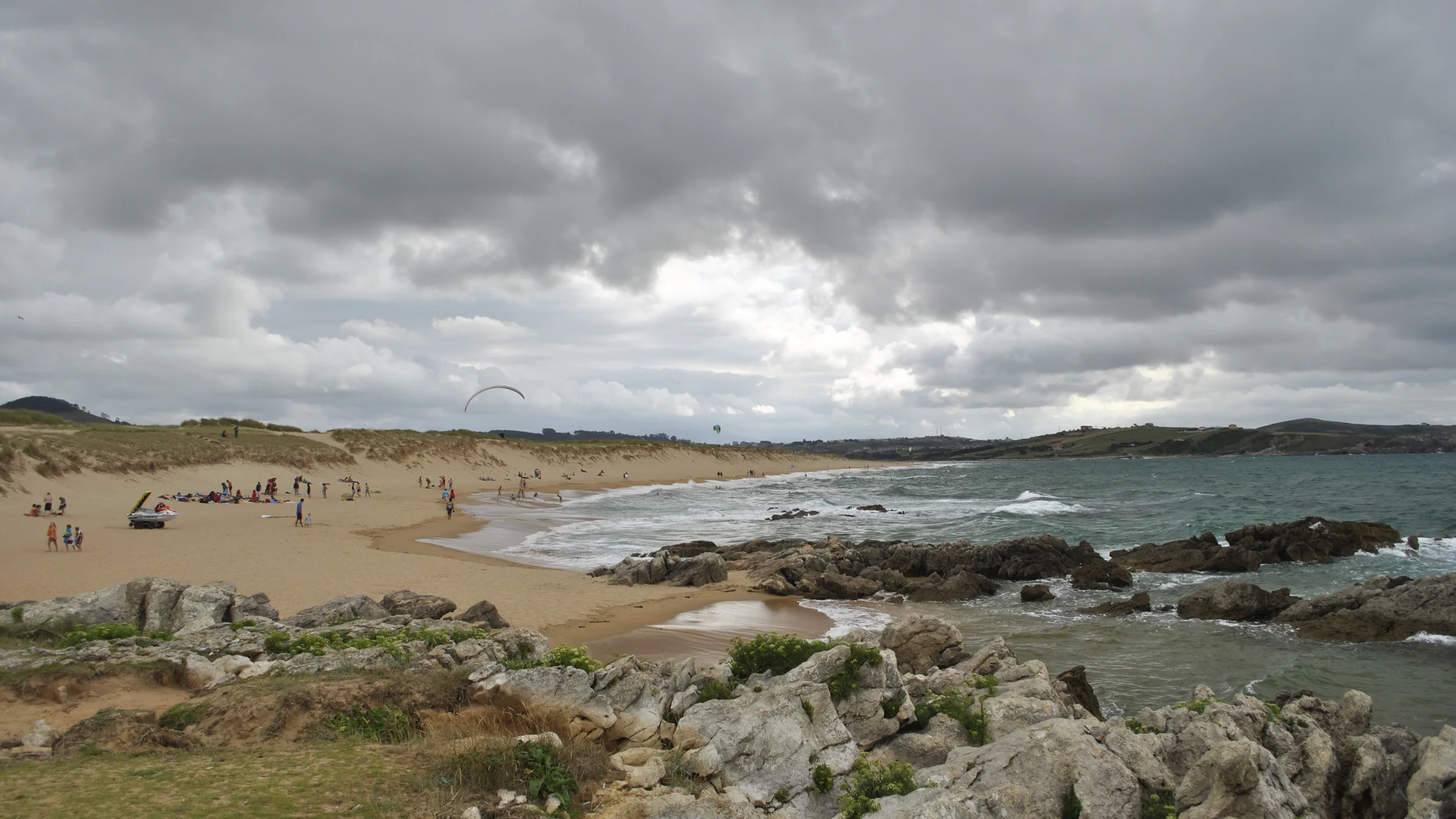
Liencres Dunes: Wild Beaches, Surf and Trails on Cantabria’s Coast
You come to the Liencres dunes for wind, waves and space to breathe. This protected stretch of coastline sits in northern Spain’s Cantabria region, 15–25 minutes west of Santander by road, and it blends wide wild beaches with a living dune system shaped by the Atlantic and the Pas estuary. The air smells of salt and pine when the sea breeze slides over the sand.
Expect an experience that balances raw nature with simple comforts. You can stroll boardwalks that protect fragile plants, watch seabirds wheel over the estuary, or paddle out for clean peaks when swell and wind align. Footprints vanish quickly on these shifting sands, so plan with the tide and leave no trace.
Where you are and what to expect
This protected landscape is officially the Natural Park of Dunas de Liencres and Costa Quebrada, declared in 1986 and expanded to include the cliffy Costa Quebrada sector in recent years by the Government of Cantabria. You’ll find it across the municipalities of Piélagos and Santa Cruz de Bezana, with the Pas River meeting the sea near Mogro and the main sand beaches—Valdearenas and Canallave—fronting the dunes. The dunes glow honey-gold at sunset as the ocean hisses across the bar.
The setting is both accessible and wild. From Santander, a short drive puts you in front of open Atlantic exposure; from Bilbao, it’s around an hour by the A-8. Parking areas sit near the main beach accesses, and signed paths and boardwalks thread into the dune pinewoods. You’ll feel the tang of salt spray on your lips as breakers march in from the west.
What you will find in this guide
You will get straight-to-the-point, field-tested advice. We cover the main Liencres beaches and coves, conditions for surf, short and longer hiking options, and where and when to look for birds in the estuary and along the cliffs. The wind may rattle the grasses, but simple planning keeps your day smooth.
By the end, you will be able to pick a beach for families or photographers, choose a surf spot and understand its tides, and set a loop walk that respects protected vegetation. We also explain rules—dogs, camping, fires—plus how to get there, where to stay, and how to check updated forecasts. Keep this open as you plan; a clean, quiet dawn is your ally here.
Picuco te puede ayudar
Does something here catch your eye?
Tell us.
Write to us on WhatsApp or email: we answer questions, find the best options and help you sort out the booking.
Why These Dunes and Beaches Are Worth Your Time
Come for something rare on a well-connected coast: true wild-beach feeling within a short hop of a regional capital. The Liencres dunes form one of the best-preserved dune systems on Spain’s northern shore, with foredunes (closest to the sea), shifting “mobile” dunes, and older “fixed” dunes stabilized by vegetation and legacy pine stands that once helped anchor the sands. Under a westerly sky, the wind combs the marram grass and draws lines across the beach like a giant fingertip.
Ecologically, these dunes and the Pas estuary make a living corridor for plants and animals. Marram grass (Ammophila arenaria), sea holly (Eryngium maritimum), and sea bindweed trap sand and build habitat, while the estuary mudflats host wintering waders and terns on migration. In European terms, it’s part of Natura 2000, the continental network for biodiversity, and the park rules are designed to keep people and nature in harmony. You hear curlews call at low tide, a bubbling whistle that feels older than the road behind you.
Practically, this means room to roam, photograph, and decompress. Photographers get clean horizons and dramatic rock architecture east toward Costa Quebrada—arrowhead reefs, sea-stacks, and ribbed platforms revealed at low tide—while walkers find easy, sandy paths for kids and longer cliff rambles for stronger legs. The air tastes slightly resinous in the pinewood, and then salt-sweet again as you step back onto the open sand.
If you surf, the draw is straightforward: west and northwest swells hit these beaches cleanly, the banks shift to create changing sandbar peaks, and the headlands can dull strong winds enough to find a window. Even if you don’t surf, the banks create rhythmic shorebreak music that sets the pace for an unhurried day. You can sit behind a low dune, sheltered from the breeze, and feel the sand warm under your palms.
The deeper value is compatibility: people can enjoy this place without wearing it down. Stay on marked paths and boardwalks, keep dogs under control where required, and avoid trampling the dune plants that literally hold the place together. The reward is a future visit where the same clean horizon greets you, only the sky’s colors changed. Footsteps fade, memories stay sharp like the scent of sea holly after rain.
Essential Information: Location, Boundaries and Rules
Start with the map in your head: the Natural Park of Dunas de Liencres and Costa Quebrada spans a coastal strip west of Santander (Cantabria), across Piélagos and Santa Cruz de Bezana municipalities, with the Pas River meeting the Atlantic between Mogro (west) and Liencres (east). Look for Valdearenas and Canallave beaches as the heart of the dune system, and for Portío and La Arnía to the east on the rocky Costa Quebrada. Onshore, the pinewood belts back the dunes like a green windbreak.
Getting there by car is straightforward:
- From Santander: take S-20/A-67 west, then connect to CA roads signed to Liencres; allow 15–25 minutes depending on traffic.
- From Bilbao: follow the A-8 toward Santander and exit for Liencres; allow about 1 hour in normal conditions.
- Landmarks: Santander airport (Parayas) sits roughly 20–30 minutes away; Ribamontán al Mar (Somo/Loredo surf zone) is across the bay, 35–50 minutes by road depending on route.
Public transport reaches Liencres town from Santander with interurban buses; from there, expect a walk of around 2–3 km to the main beach entrances via local roads and paths. If you choose this option, add visibility gear in low light and be cautious on road shoulders. The estuary breeze carries the faint cry of gulls as you crest the last rise toward the dunes.
Boundaries and zones to know:
- Core dune area: Valdearenas–Canallave beaches, foredunes, and back-dune pinewoods managed to protect mobile and fixed dunes.
- Estuary: the lower Pas River and sandbar zone between Liencres and Mogro; dynamic shallows and strong tidal currents.
- Costa Quebrada sector: east of Canallave toward Portío and La Arnía, defined by cliffs, headlands, sea stacks, and intertidal rock platforms.
- Administrative jurisdictions: Piélagos (Valdearenas, Canallave, Mogro) and Santa Cruz de Bezana (Portío, La Arnía), with local bylaws affecting dogs and seasonal services.
Official access points and parking:
- Valdearenas main access: signed approach to a car park behind the dunes with boardwalks crossing sensitive areas; arrive early in summer to secure space.
- Canallave access: smaller parking and footpaths to the beach and cliff-edge trails eastward; the approach lane narrows, so drive slowly and yield.
- Costa Quebrada viewpoints: lay-bys and small lots near Portío and La Arnía; parking fills quickly at sunset and low-tide photography windows.
- Tip: in peak season, local authorities may regulate vehicle access to prevent overcrowding—look for temporary signage or barriers and use designated overflow areas. The smell of hot pine needles rises from the dunes when midday traffic lulls.
Operating hours and services:
- The natural park itself is open access year-round; daylight hours are the safest and most practical for visiting.
- In summer, lifeguards typically operate on the main bathing beaches (Valdearenas, Canallave) during daytime; schedules and season dates vary each year—check signage at the access points on arrival.
- No lighting is provided on trails or boardwalks; plan to finish hikes before dark and carry a headlamp if sunset photography is your goal.
Rules that protect the dunes and guide your day:
- Stay on marked paths and boardwalks across the dunes; cutting new tracks damages vegetation that traps sand and prevents erosion.
- No fires, barbecues, or camping: these are prohibited for safety and conservation; use established accommodations and day-use picnic areas outside sensitive zones.
- Dogs: keep dogs under control and on a leash where indicated; note that some bathing beaches restrict dogs in high season under municipal bylaws—check updated notices at the beach entrance.
- Vehicles: do not drive or park beyond signed limits; never drive on sand or vegetated areas.
- Drones: recreational drone use is often restricted near protected wildlife and people; comply with national aviation rules and park guidance, and always avoid flying over crowds, nesting sites, or wildlife.
- Surf and swim safety: obey lifeguards and flags; avoid swimming near the Pas estuary mouth and headlands where currents intensify.
- Fishing and shell collecting: follow regional regulations; do not remove plants, shells, or rocks from protected areas.
Where to confirm official details:
- On-site signage at beach access points provides the current lifeguard season, dog rules, and safety flags.
- The Government of Cantabria’s Natural Parks information channels publish park rules and any seasonal access measures; consult before busy weekends or summer holidays.
- Local tourism offices in Piélagos and Santa Cruz de Bezana update parking and shuttle measures if activated in high season.
Practical orientation landmarks:
- Westward, the dune line extends toward Mogro and the Pas sandbar; this area looks serene at low tide but hides shifting channels that act like river mouths—spectacular for photography, hazardous for bathers.
- Eastward, the terrain rises into Costa Quebrada’s cliffs toward Portío and La Arnía; paths narrow near edges and can be slippery when damp. The sea booms in the gullies below like a distant drum.
Safety in brief:
- Rip currents can be powerful on open western exposures; if caught, swim parallel to the shore until you exit the rip, then angle back in.
- Cliff safety is non-negotiable: keep back from edges, especially on undercut or wet turf; supervise children closely near viewpoints.
- Weather shifts quickly on the Atlantic; pack wind layers even on warm days, and check incoming fronts before committing to long beach walks at mid to high tide.
If you remember just one thing, let it be path discipline: the dunes you walk through are alive and moving, and your footprints matter. Tread lightly, and the place will feel as fresh for the next person as the breeze that skims the grass.
Best Time to Go: Tides, Wind and Waves
Match your visit to your goals, and you’ll get the most from the Liencres beaches. For swimming and easy lounging with services, mid–late summer offers the warmest water and the highest chance of lifeguard cover; for surf, autumn through spring brings more frequent swell windows with offshore easterly winds; for birding and flowers, spring delivers migration and dunes in bloom. On the hottest days, the pinewoods give cool shade and resin-scented air between beach sessions.
Understand how the forces work:
- Tides: this coast has a large tidal range. At low tide, beaches widen and intertidal rock platforms appear on Costa Quebrada; at high tide, open beaches narrow markedly and shorebreak can get punchy. Plan long shoreline walks for the falling tide and low tide windows to avoid cut-offs around headlands.
- Wind: easterlies often clean the surf (offshore) on Valdearenas and Canallave; strong westerlies build chop but cool hot days. Early morning is typically calmer, and sea breezes rise through the afternoon on warm, clear days. You’ll hear the wind whisper through the marram and rattle pine needles when it ups the pace.
- Swell: west and northwest swells hit squarely; smaller summer swells can be friendly for beginners at the right tide, while winter pulses suit intermediate to advanced surfers. The sandbars shift with storms, so peaks move through the season.
Season-by-season suggestions:
- Summer (June–September): Best for family days if you arrive early. Bring shade, water, and respect flagged zones for swimming. In the middle of the day, winds and crowds build—consider a pinewood stroll or a siesta before golden-hour photography. The scent of sunscreen and warm sand defines the rhythm.
- Autumn (October–November): Often excellent for surf and photography; fewer people, warmer sea than the air. Storm light and clean mornings reward early risers.
- Winter (December–February): Wild energy, big swells, and quiet trails. Dress for windchill and watch footing on wet paths; short daylight hours reward tight plans.
- Spring (March–May): Bird migration peaks on the estuary; dunes flower and trails feel soft underfoot. Morning calm can make for glassy surf on modest swells.
How to check conditions and adapt:
- Marine forecasts: consult a reliable marine forecast for wave height, period, and wind; pair it with a tide table for Santander area to plan surf, swims, and long shore walks.
- On arrival: observe the beach for 10 minutes—note rip channels, shifting peaks, and how the tide is moving. Ask lifeguards about best swim zones.
- Backup plans: if wind ruins the surf, focus on sheltered photography spots or dune walks; if squalls hit, the pinewood offers brief refuge. After rain, the dunes hold their shape but cliff turf gets slippery, so swap to boardwalk loops.
The simple rule is to give the ocean respect and your schedule wiggle room. When the breeze drops and the tide slackens, the day settles into itself like a smooth pebble in your palm.
Main Beaches and Coves of the Liencres Area
1.Valdearenas: wide sands for surf and long walks
Valdearenas is the flagship of the Liencres beaches: a long, open strand backed by dunes and pinewoods, with multiple sandbar peaks for surfing and ample space for walking. Access is via a signed road to a main parking area and boardwalks that protect the foredune; allow a few minutes’ walk from car to water. The sand squeaks underfoot when the sun has dried it after a morning breeze.
- Length and character: expansive, west-facing beach with a straight coastline that catches W–NW swell; sandbanks shift through the season, creating peaks along the length.
- Bathing: fine on smaller days and within lifeguarded zones in season; outside those windows, shorebreak and rips can be strong—always assess flags and talk to lifeguards.
- Surf: popular with all levels when size is manageable; early mornings often cleaner; crowds spread out given the length. Intermediate surfers should mind fast closeouts at high tide.
- Popularity and timing: busiest on summer weekends and mid-afternoons; arrive early or aim for late evening for a quieter feel.
- Services and points of interest: seasonal services may include lifeguards and basic amenities; look for dune boardwalks and nearby viewpoints over the Pas estuary at the western end. The horizon here turns copper as the sun drops into the Atlantic.
Tip: The dunes immediately behind Valdearenas are strictly protected; use boardwalks and marked sand paths only, and never shortcut uphill over vegetation.
2.Canallave: quieter corners and rocky frames
Canallave sits just east of Valdearenas, with a slightly more enclosed feel thanks to nearby headlands and rock outcrops that frame small coves at lower tide. Access is via a narrower approach with smaller parking, followed by short footpaths down to the sand or along the cliff tops toward Costa Quebrada. Salt gusts whistle through gaps in the rocks when the swell hits.
- Character: a sequence of sandy pockets and rocky sections that change dramatically with the tide; at mid to low tide, small natural pools and sheltered corners appear among rocks.
- Bathing: better at lower tides in calm conditions; at high tide, the beach narrows and shorebreak can be dumpy. Always keep an eye on the incoming tide if you explore rock platforms.
- Photographers: excellent for compositions with rock textures, streaming water on receding waves, and layered headlands—sunrise and sunset both work depending on cloud.
- Tranquility: generally a touch quieter than Valdearenas, particularly outside peak hours; space is still limited at high tide, so plan your timing.
- Conservation and access: cliff paths can be narrow and exposed; keep to well-worn lines and do not step onto fenced dune areas. Avoid scrambling on wet algae-covered rocks; they are treacherously slick.
If you crave less bustle without leaving the heart of the Liencres beaches, Canallave’s mix of sand and stone feels made for slower, attentive looking. The rock pools mirror the evening sky like little windows.
3.Portío: sandy cove under sculpted cliffs
Portío introduces you to Costa Quebrada’s sculpted geology—short cliffs, angled strata, and a pocket sandy cove that shifts shape with the tide and swell. Access roads lead to small roadside parking spots and short paths down; space is at a premium in peak hours, so come early or late. The cove amplifies the sound of swash and backwash, a rumble tucked inside stone.
- Landscape: dramatic contrasts of sand, stratified rock walls, and reef outcrops that affect both wave shape and safe bathing space; at low tide, intertidal shelves stretch out for exploration.
- Bathing: conditions vary with tide and swell; watch for submerged rocks and strong suction around channels as the tide rises—if unsure, stay in shallows or sit it out.
- Surf and bodyboard: on the right small-to-moderate days and tide, playful wedges can form; advanced local knowledge helps avoid rocks.
- Walks and views: cliff-edge paths fan out to viewpoints; use caution near edges and in wet grass. Combine Portío with a short coastal ramble toward La Arnía for variety.
- Parking and services: limited parking and few services—bring water and a snack. The aroma of wild thyme can rise from the turf when the sun warms the slope.
Portío repays patient timing: set your watch to the tide and you’ll see the cove reveal and conceal like a breathing thing.
4.La Arnía: dramatic rock gardens for sunset
La Arnía is a headline act for coastal photography in northern Spain: serrated reefs, freestanding stacks, and layered platforms that glow under low sun and long exposures. Access is from small clifftop parking areas with short paths to viewpoints and steeper descents to pocket beaches. As the tide ebbs, the rock ribs gleam like whale bones.
- Landscape: a textbook of coastal erosion and tilted strata; compositions abound at low tide with water channels and pools for reflections.
- Bathing: more limited due to rocks and channels; on calm, low-water days experienced locals may wade, but this is primarily a viewing and photographing spot rather than a classic swim beach.
- Safety: cliffs can undercut and crumble; keep a respectful distance from edges and supervise children. On the platforms, avoid algae-slick surfaces and watch the swell for surges.
- Best light: sunset is often spectacular; in changeable weather, dramatic skies can break at golden hour. Winter’s low sun stretches textures; summer offers softer color.
- Pairings: combine La Arnía with a higher-tide visit to Valdearenas or Canallave for a full day, or build a low-tide loop across several Costa Quebrada overlooks. The scent of iodine and seaweed lingers after the tide turns.
For a first visit, treat La Arnía as an open-air gallery where geology, tide and light collaborate—look, listen, and move carefully to keep the performance going.
Standout Activities: Surfing and Walking the Dunes
Surf in Liencres: spots, levels and schools
Surf in Liencres is about timing, reading sandbars, and pairing wind with tide. The main breaks are on Valdearenas and Canallave, both west-facing and open to W–NW swell; on small to moderate days they offer peaks for different levels, and on bigger swells they suit confident intermediates and advanced surfers. Dawn often brings lighter winds and fewer people, with gulls circling over the inside banks.
Where and when:
- Valdearenas: shifting beachbreaks along a long stretch; mid tide on a small-to-moderate groundswell can produce A-frame peaks. On big days, strong rips and fast closeouts demand experience.
- Canallave: more rock influence near the ends and a slightly more protected feel in some corners; on the right low-to-mid tide, wedgy peaks can run along sand–rock boundaries.
- Costa Quebrada pockets (Portío, nearby coves): sometimes playful but rock hazards rise quickly; recommended for experienced surfers with local knowledge.
Levels and guidance:
- Beginners: choose small days in summer or sheltered corners; take a lesson to learn currents, etiquette, and basic paddling skills before venturing solo. Whitewater sessions with a softboard at the beach edge are a safe start.
- Intermediates: look for clean shoulder-high days with light easterly winds; manage rip exits and re-entries and pick peaks away from crowd clusters.
- Advanced: winter swells can light up but punish; read banks closely and pace sessions to avoid fatigue in strong currents.
Safety and planning:
- Rips: identify feeder channels and escape routes from the beach before paddling out; if caught, stay calm, conserve energy, and traverse out of the rip.
- Tides: at high tide, shorebreak can be heavy; at low tide, shallow banks speed up and close out—tailor board choice accordingly.
- Forecasts: combine a marine forecast (wave height/period/direction) with a wind forecast and a local tide table; aim for small-period windswell days for beginners and longer-period groundswells for cleaner, more powerful surf.
Services and lessons:
- Surf schools operate in season at the Liencres beaches and in nearby coastal hubs (Santander, Ribamontán al Mar) offering group and private lessons, rentals, and guided sessions.
- Typical lesson ranges vary by season and group size; confirm current options and availability directly on arrival or through curated platforms.
- If you want to compare certified experiences in Cantabria, browse Picuco’s activity pages and book with verified providers.
Etiquette:
- Respect right-of-way rules, avoid paddling through the peak, and keep distance from swimmers and shore anglers.
- Share the lineup, smile, and ask locals about rip behavior that day—knowledge travels fastest over an open, friendly channel. The taste of salt after a clean right feels like a small reward for patience.
Routes Through the Liencres Dunes: trails and tips
Walking the dunes and cliffs is how you feel the place change under your feet. Take routes that match your group’s energy and keep to marked lines to protect vegetation and avoid cliff hazards. When the wind drops, the grasses stand still like a field of quills.
Suggested routes:
-
Dune–pinewood short loop (easy, 45–75 minutes, minimal elevation)
- Start/finish: Valdearenas main parking.
- Route: boardwalk over foredunes to the beach, stroll 15–20 minutes along the shoreline, then cut back via signed paths through the pinewood to your start.
- Highlights: foredune views, plant ID panels, cooling shade in the pines.
- Notes: ideal for families; avoid stepping onto vegetated dune faces.
-
Estuary outlook walk (easy-moderate, 60–90 minutes, tidal awareness)
- Start/finish: western end of Valdearenas.
- Route: walk toward the Pas estuary sandbar on firm sand at mid-to-low tide; return via back-beach paths to avoid being cut off by the rising tide.
- Highlights: wading birds on the flats, Mogro skyline, shifting channels.
- Notes: do not enter the water near channels; currents are deceptively strong.
-
Canallave–Costa Quebrada out-and-back (moderate, 2–3 hours, rolling terrain)
- Start/finish: Canallave access.
- Route: follow cliff-edge paths east toward Portío and La Arnía for layered views; turn around at a viewpoint suitable to your timing and light.
- Highlights: rock architecture, sunset over headlands, sea stacks.
- Notes: keep back from edges, especially in wind or after rain.
-
La Picota viewpoint extension (moderate, 2.5–3 hours, 200–250 m ascent)
- Start: Liencres area; local paths climb to La Picota hill for a panorama over dunes, Pas estuary, and the Cantabrian coast.
- Highlights: sweeping overview to plan future visits.
- Notes: use established tracks; descent can be slippery after showers.
What to bring:
- Footwear: light hiking shoes or sturdy sandals with grip for boardwalks and sandy trails; avoid slick soles on cliff paths.
- Sun and wind: hat, sunglasses, high-SPF sunscreen, and a windproof layer—even summer afternoons can turn breezy.
- Water and snacks: no reliable water on trails; carry at least 1–1.5 liters per person in warm weather.
- Navigation: waymarks and obvious lines guide most routes, but a simple offline map helps link parking spots and viewpoints.
Accessibility:
- Boardwalk sections near Valdearenas are the friendliest for wheels and small legs; gradients are modest.
- Cliff paths toward Costa Quebrada are uneven, narrow, and sometimes steep—best reserved for sure-footed walkers.
Respect first:
- Dune plants stabilize the system; keep off vegetated faces and avoid sliding or running down slopes.
- Wildlife needs quiet; use binoculars for close looks and keep voices low near birding spots. You’ll hear your own footsteps more clearly when the wind pauses.
Flora, Fauna and Birdwatching in Liencres
The Liencres dunes and nearby estuary create a mosaic: foredunes closest to the surf, mobile dunes inching inland, and fixed dunes anchored by plants and belts of maritime pine planted decades ago to help trap sand. Each zone hosts different species that are toughest where exposure is highest. When the breeze dances, sea holly spines glitter like tiny blue-green lanterns.
Plants you’ll notice:
- Marram grass (Ammophila arenaria): the dune builder, trapping windblown sand with flexible blades.
- Sea holly (Eryngium maritimum): spiky, blue-tinged rosettes that flower in summer.
- Sea bindweed (Calystegia soldanella) and sand couch (Elymus farctus): ground-hugging stabilizers.
- Maritime pine (Pinus pinaster): legacy stands that now shelter trails; understory includes adapted shrubs and herbs.
Mammals and herps:
- Small mammals may use pinewoods and back-dunes, with fox or rabbit traces; reptiles bask on warm, sheltered edges.
- Amphibians can appear where interdunal damp depressions linger after heavy rains; step around puddles on paths to avoid trampling life you may not see.
Birding highlights and seasons:
- Estuary waders: sanderlings, dunlin, curlew, whimbrel, grey plover, and oystercatcher forage on mud and sand at low tide in autumn and winter. Sandwich terns patrol the channels in spring and late summer.
- Coastal birds: yellow-legged gulls and great cormorants are daily companions; look for gannets offshore during migrations and storm days.
- Raptors: peregrine falcons sometimes hunt along cliffs; kestrels hover over grasslands hunting small prey.
- Spring movement: April–May brings passerines moving through scrub and pine edges; swallows skitter low over dunes catching insects.
Best observation spots:
- Pas estuary viewpoint near the western end of Valdearenas (from a safe, signed vantage) during low to mid tide.
- Cliff-top pullouts between Canallave, Portío, and La Arnía for scanning sea and headlands.
- Pinewood edges at dawn for song and movement on calm days.
Responsible birdwatching:
- Keep a respectful distance—binoculars and a 200–300 mm lens let you see detail without stress.
- Stay quiet and still; sudden movement flushes birds and wastes their energy, especially in winter.
- Avoid nesting areas and do not enter mudflats or sandbars beyond signed paths; ground nesters are nearly invisible until it’s too late.
Conservation status:
- The park forms part of the Natura 2000 network through protected designations by the Government of Cantabria, reflecting its importance for habitat and species. Local conservation groups, schools, and residents have helped raise awareness and maintain paths. The gratitude you feel after a morning with curlews calling is part of that shared stewardship.
Where to Stay, On-the-ground Tips, Faqs and Wrap-up
Places to stay and local services
Base yourself near the dunes, or mix city comforts with daylight nature. You can choose from campsites in or near Liencres and Mogro, rural guesthouses and country cottages around Piélagos, and hotels in Santander for an urban base with quick day trips. The evening air smells of woodsmoke and salt in village streets as you walk back from dinner.
Choose by vibe and logistics:
- Liencres and Mogro: closest to Valdearenas and Canallave; good for dawn patrol surf sessions and sunset beach strolls; expect a quieter, local rhythm.
- Santander: 15–25 minutes by car; broad accommodation range, dining, and rainy-day museums; convenient for mixed-interest groups.
- Ribamontán al Mar (Somo, Loredo): across the bay; surf-centered scene with multiple rental and lesson options; 35–50 minutes’ drive to Liencres depending on route.
- Santa Cruz de Bezana/Soto de la Marina: handy for Costa Quebrada viewpoints.
Booking advice:
- High season (July–August) and long weekends fill fast; reserve 4–8 weeks ahead for the best choice, especially for family-sized rural houses near the coast.
- Shoulder seasons (May–June, September–October) offer value, calmer beaches, and consistent surf; flexible travelers can book 1–2 weeks out.
- Winter deals exist for city hotels and rural stays; check heating and insulation if you plan dawn photography or surf.
Useful services:
- Surf rentals and lessons: available seasonally in Liencres and year-round in nearby coastal towns; choose certified instructors and confirm conditions on the day.
- Groceries and cafes: Liencres town provides basics; for larger shops, head toward Santander or municipal centers.
- Visitor information: local tourism offices in Piélagos and Santa Cruz de Bezana share maps and any seasonal measures for access.
If you prefer curated options and easy comparison, check Picuco’s regional activity listings to pair accommodation plans with guided experiences on the coast.
Practical tips: safety, rules and sustainability
A good day here is safe, simple, and leaves no trace. The park’s rules protect a dynamic system that depends on fragile plants and undisturbed wildlife. When you sit quietly behind a dune, the wind makes a soft hiss through the grasses like a reminder to tread lightly.
Safety on beaches:
- Read flags and respect lifeguard instructions; red means do not enter, yellow indicates caution, and green marks safer conditions—but always assess for yourself.
- Avoid the Pas estuary channels for any bathing or paddle attempts; currents behave like fast-flowing rivers and change with each tide.
- On cliff walks, keep back from edges, especially on wet turf or in strong winds; supervise children and avoid photo poses beyond barriers.
Trail and dune etiquette:
- Stay on marked paths and boardwalks; do not run or slide down dune faces, which destroys stabilizing plants.
- Close gates behind you if you cross any livestock areas on back-land links; keep dogs on a leash where indicated to protect wildlife and other visitors’ comfort.
Park rules to remember in the Natural Park of Dunas de Liencres and Costa Quebrada:
- No camping or overnight parking in protected areas.
- No fires, barbecues, or fireworks.
- No motorized vehicles beyond designated roads and lots.
- Dogs under control at all times; high-season beach rules for dogs vary by municipality—check current signage at the access.
- No collecting plants, animals, shells, or rocks; leave what you find.
Sustainability habits:
- Pack in, pack out: carry a small trash bag and remove all waste, including fruit peels and cigarette butts.
- Refill bottles and minimize single-use plastics; many cafes are happy to top up water if you ask.
- Choose local: eat in village restaurants, buy pastries, and say thanks; your spend supports the people who maintain paths, signs, and the living culture of this coast.
Reporting and information:
- For emergencies, dial 112 and provide clear location markers (beach name, nearest access, visible landmark).
- To report environmental issues (fires, illegal camping, vandalism), contact local police or municipal services; note time, place, and a brief description.
- For updated rules and any seasonal access regulations, check on-site boards and official Cantabrian Natural Parks communications before busy periods.
Cliff and tide caution
Never step below cliffs at rising tide, and do not venture onto algae-covered rock platforms; sneaker waves can knock you off balance, and exits can disappear in minutes.
Frequently asked questions
Can you swim safely on all the Liencres beaches?
Swimming is possible in designated areas when conditions are calm and lifeguards are on duty, typically on Valdearenas and Canallave in summer. Outside those windows, strong shorebreak and rip currents can make bathing hazardous, especially at high tide and near the Pas estuary. Always read the beach flags, ask lifeguards on arrival, and choose shallow, supervised zones for children on the Liencres beaches.
Where do you park, and is access ever restricted?
There are signed parking areas behind the dunes at Valdearenas and near Canallave, plus small clifftop lots for Portío and La Arnía. In peak summer or on sunny weekends, local authorities may regulate vehicle access or close lots when they reach capacity to protect the environment and safety. Arrive early, follow on-site signage, and use overflow or alternative viewpoints if your first choice is full; never park on vegetation or block emergency access.
Are dogs allowed on the beaches and trails?
Dogs should be under control on trails and leashed where indicated in the Natural Park to protect wildlife and other visitors. High-season dog rules on bathing beaches vary by municipality; some restrict dogs during lifeguard months, while shoulder and off-season access is often more flexible. Check notices at the beach entrance for the latest updates, and always avoid dune vegetation and bird roosting areas when enjoying the Liencres beaches with a pet.
What’s the best season for surf in Liencres?
Autumn through spring generally brings more consistent W–NW swells, longer periods, and offshore easterly winds for the main Liencres surf beaches. Summer can still offer friendly sessions on small swells, especially early mornings with light winds, and it’s ideal for beginners taking lessons. Pair a reliable marine forecast with a local tide table and watch the banks on arrival, as peaks shift through the year with storms and sand movement.
Do you need a permit to access protected zones or do birdwatching?
You do not need a permit to use marked trails, boardwalks, and public viewpoints in the Natural Park, or to watch birds from these areas. However, sensitive dune faces, fenced habitats, and mudflats are off-limits to protect plants and wildlife. For birdwatching in Liencres, bring binoculars, keep quiet, and observe from designated spots at a respectful distance; avoid entering roosting or nesting areas at all times.
Is the area suitable for families with children?
Yes, with common-sense planning. Choose calmer days, use lifeguarded zones for any swim, and stick to boardwalks and wide, well-marked paths. Bring sun protection, snacks, and lots of water, and avoid cliff-edge trails with very young children. Many families enjoy short loops through the pinewood and sand play well back from the waterline on the Liencres dunes, especially at lower tides with more beach space.
Quick planning checklist
- Check tide times for Santander area and a marine forecast.
- Arrive early in summer; bring shade, water, and wind layers.
- Stay on marked paths; respect flags and posted rules.
- Pick your beach: Valdearenas for space, Canallave for textures, Portío/La Arnía for geology.
Book your experience — discover outdoor activities across Spain with providers verified by Picuco.
Conclusion
The Liencres dunes offer what many coasts have lost: space, silence between waves, and living sands that still move. Within easy reach of Santander, you get wild beaches for walking, reliable surf when Atlantic swells turn on, and birdlife tracing ancient routes across the estuary. Sea holly glints, pines whisper, and the horizon stays open enough to reset your pace.
Plan with tide and wind, choose the right beach for your day, and follow the simple rules that keep this fragile system intact. Use boardwalks, manage dogs responsibly, and leave only smooth sand where you sat and watched the light change. If you want guided surf sessions or to complement your trip with other outdoor experiences, explore Picuco’s activities to shape a low-stress, high-reward escape. Come ready to listen to the sea, and leave with a sense that you were part of the coast’s rhythm, not its wear.