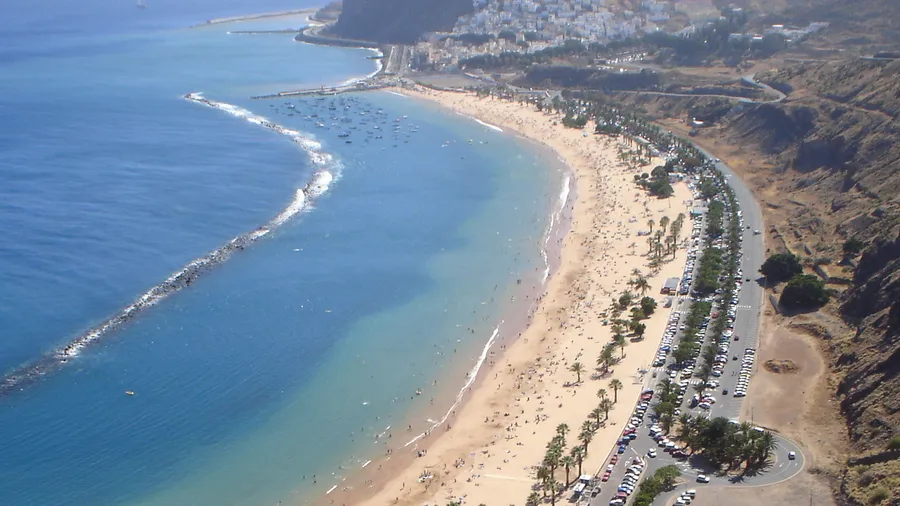
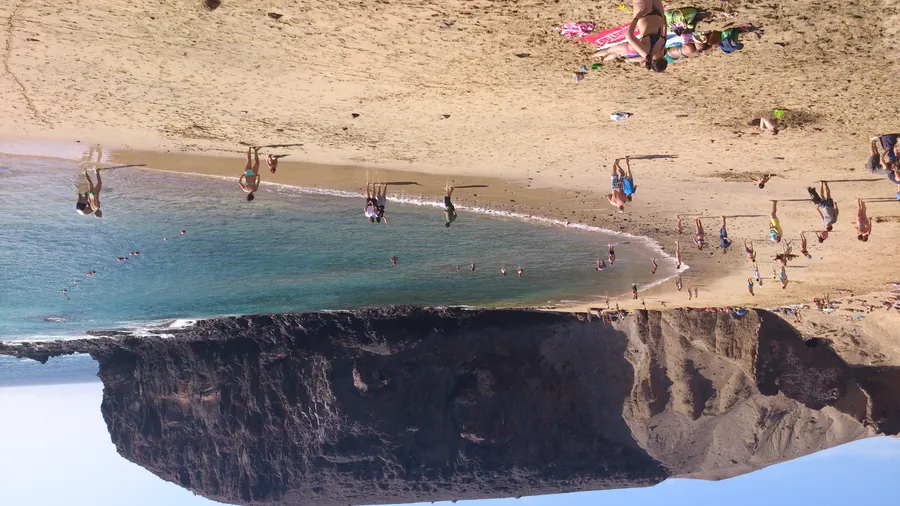
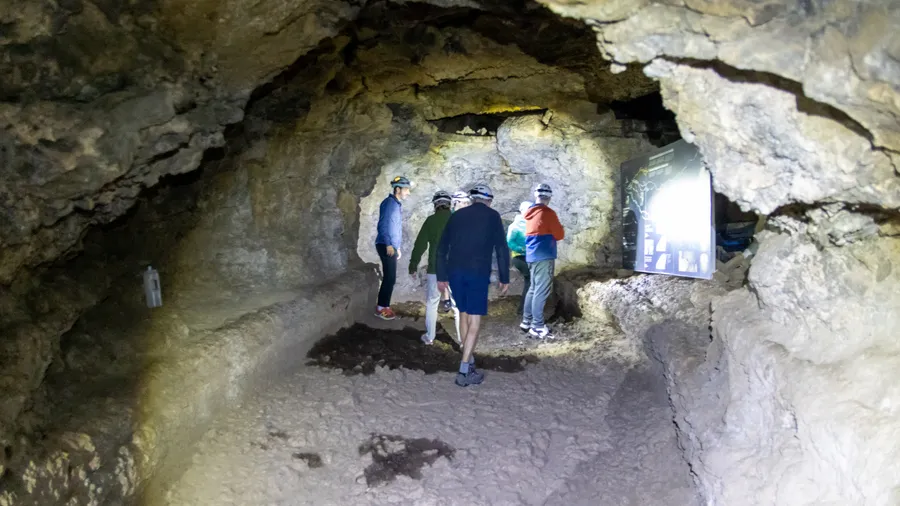
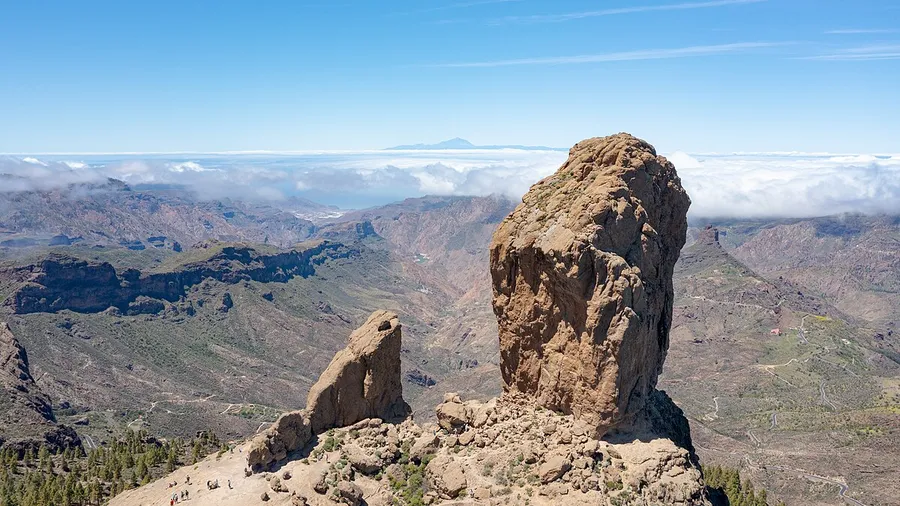
The Canary Islands are seven volcanic islands in the Atlantic, each with a distinct character that shapes outdoor activities in different ways. Tenerife holds the greatest number of mountain trails, with Teide at 3,715 metres as the central landmark: the path through the caldera offers views of the main crater and the sea of clouds formed by the trade winds in summer. La Palma, a UNESCO biosphere reserve, attracts cyclists and hikers through the ravines of the north and the Caldera de Taburiente...
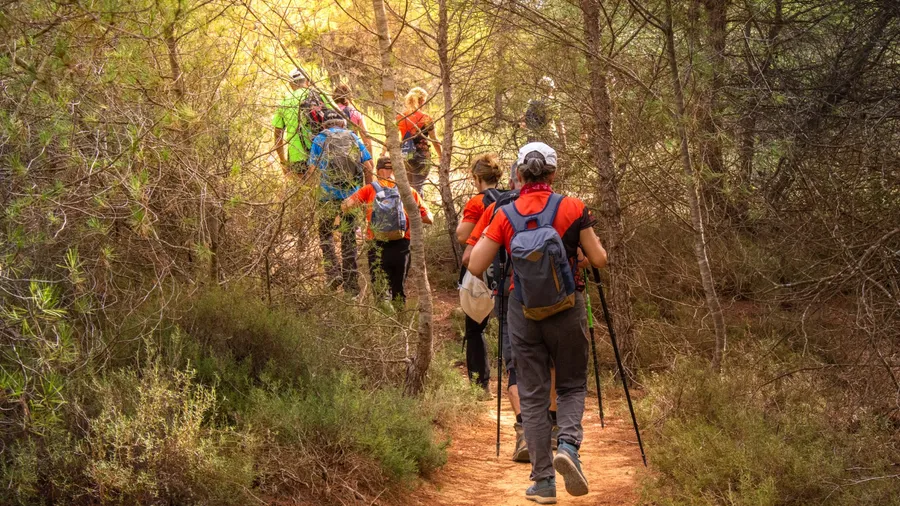
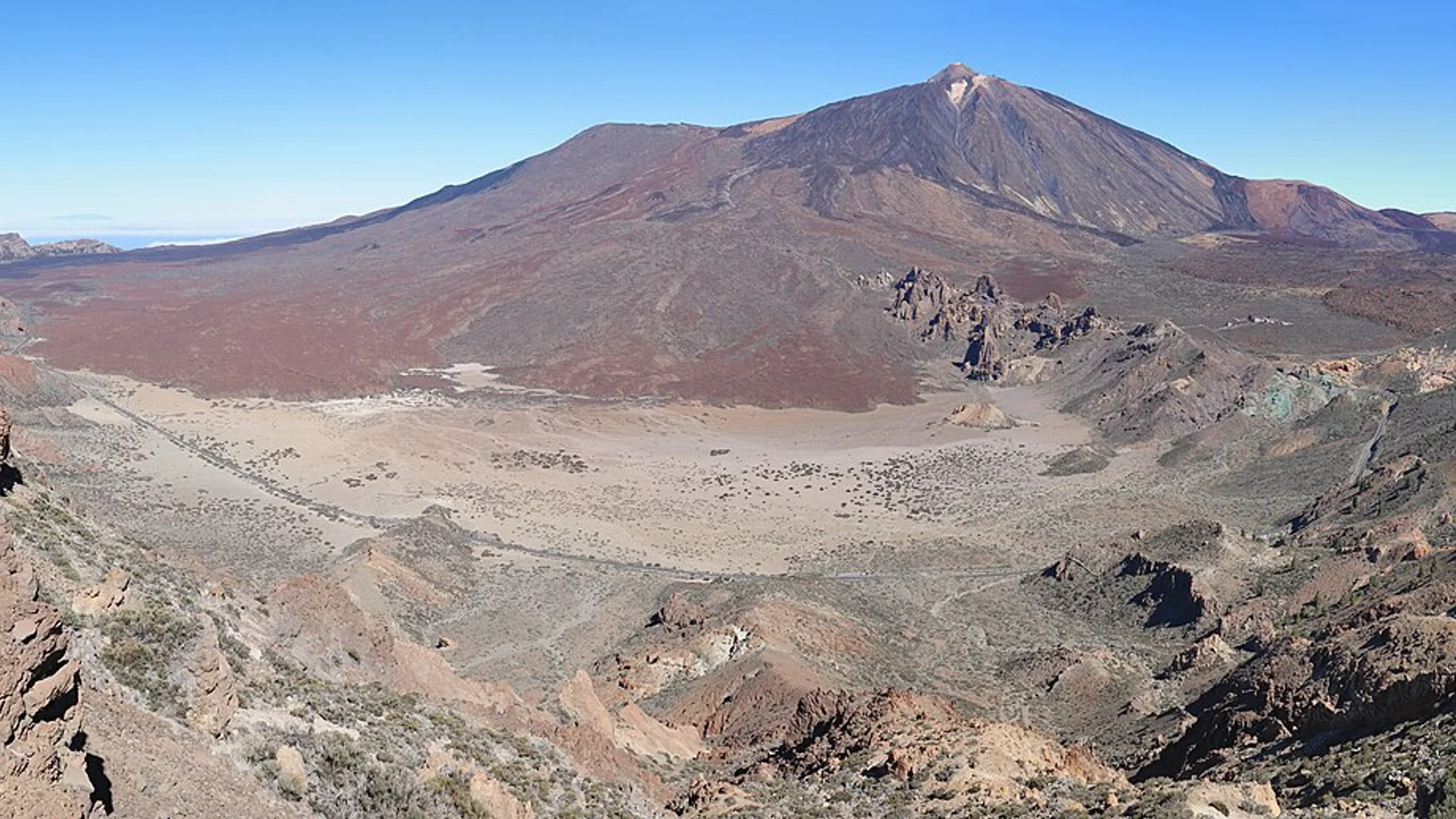
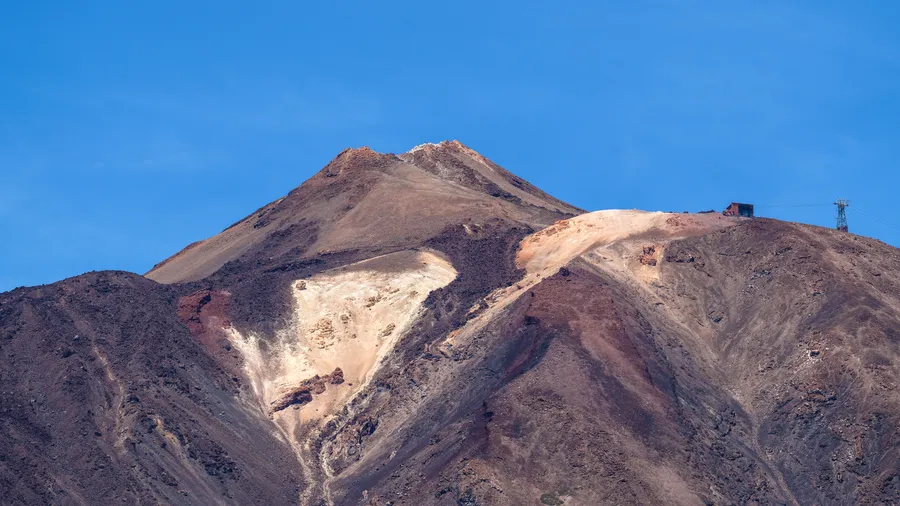
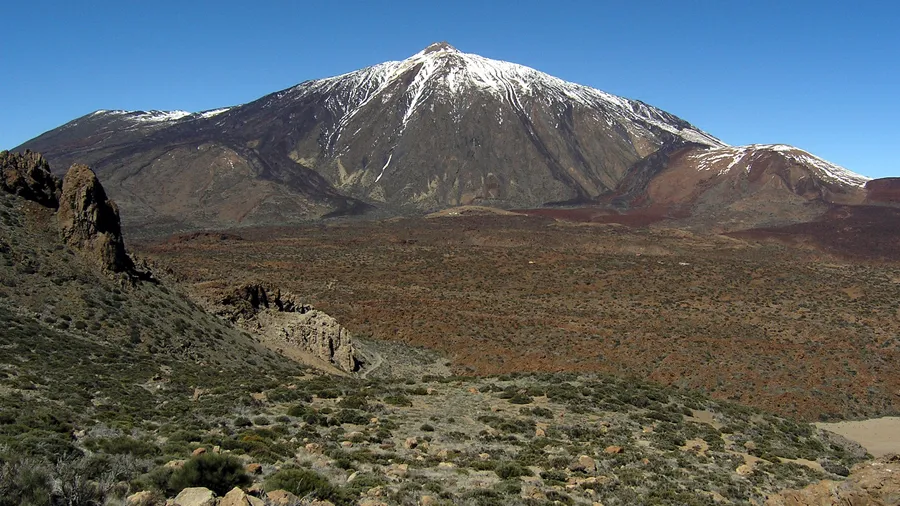
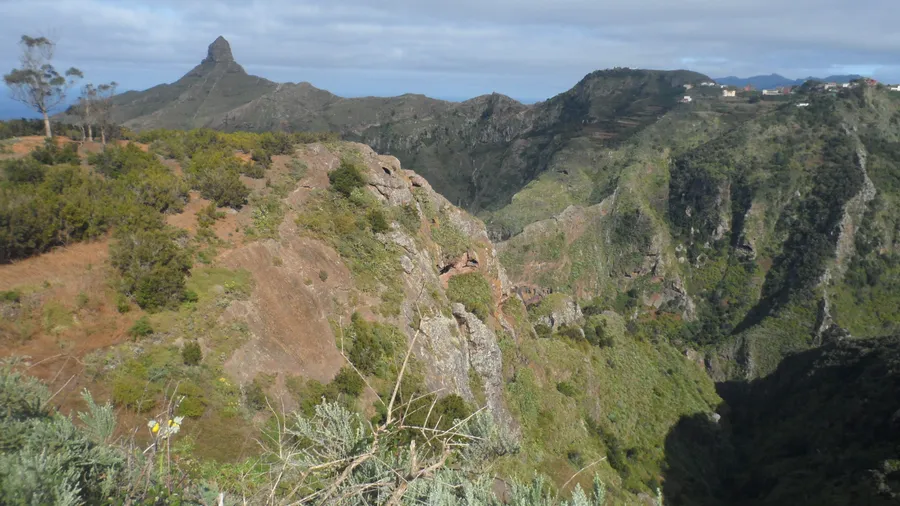
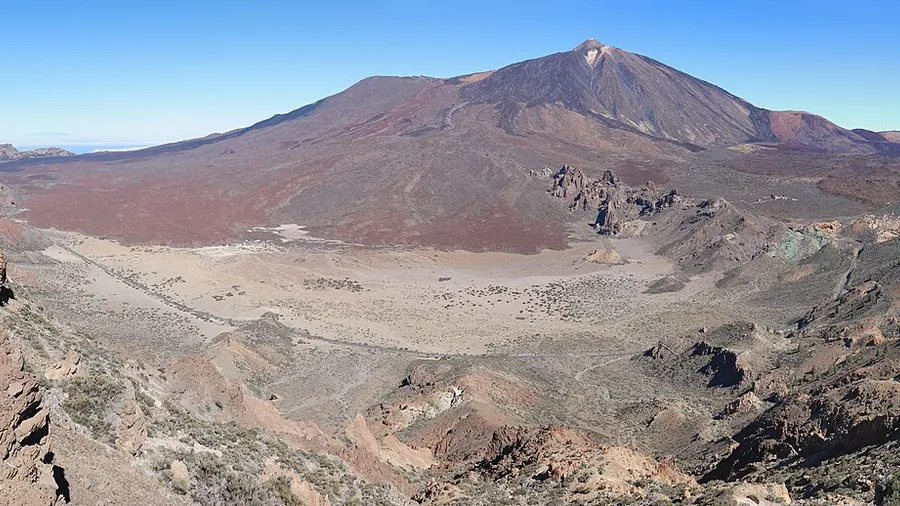
The Canary Islands are seven volcanic islands in the Atlantic, each with a distinct character that shapes outdoor activities in different ways. Tenerife holds the greatest number of mountain trails, with Teide at 3,715 metres as the central landmark: the path through the caldera offers views of the main crater and the sea of clouds formed by the trade winds in summer. La Palma, a UNESCO biosphere reserve, attracts cyclists and hikers through the ravines of the north and the Caldera de Taburiente National Park.
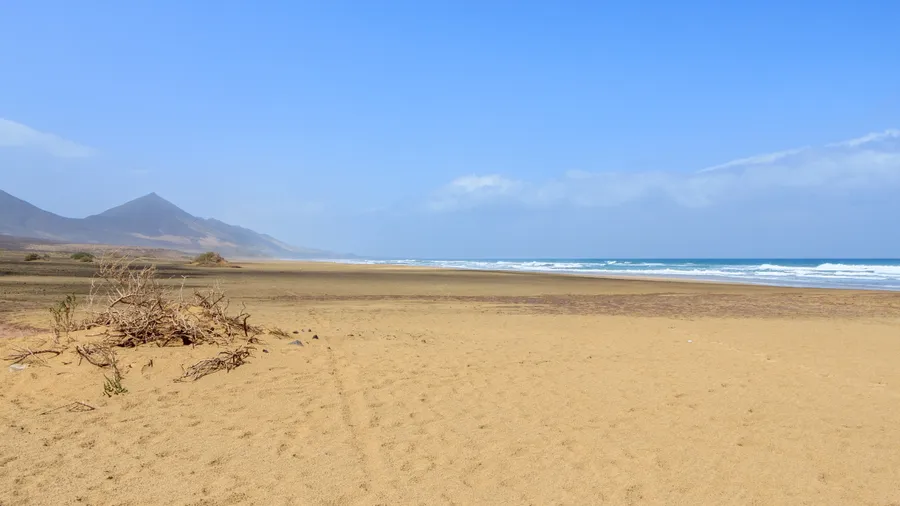
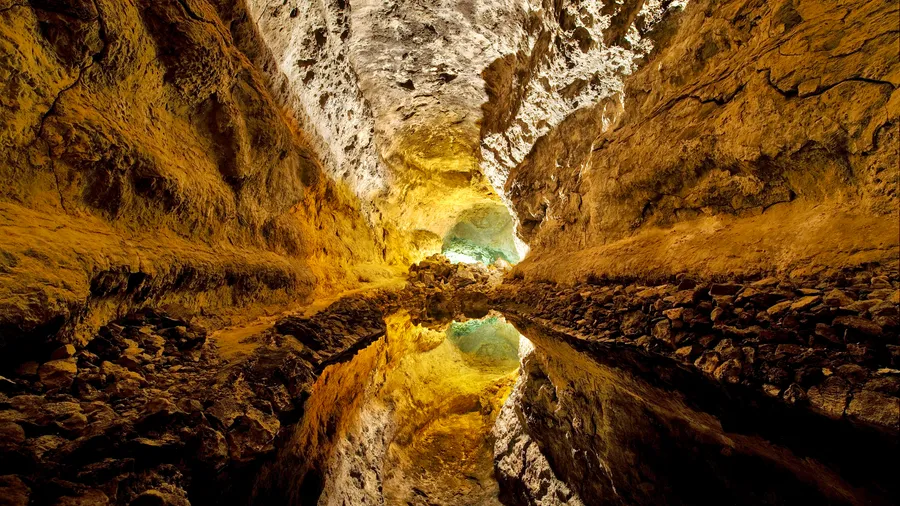
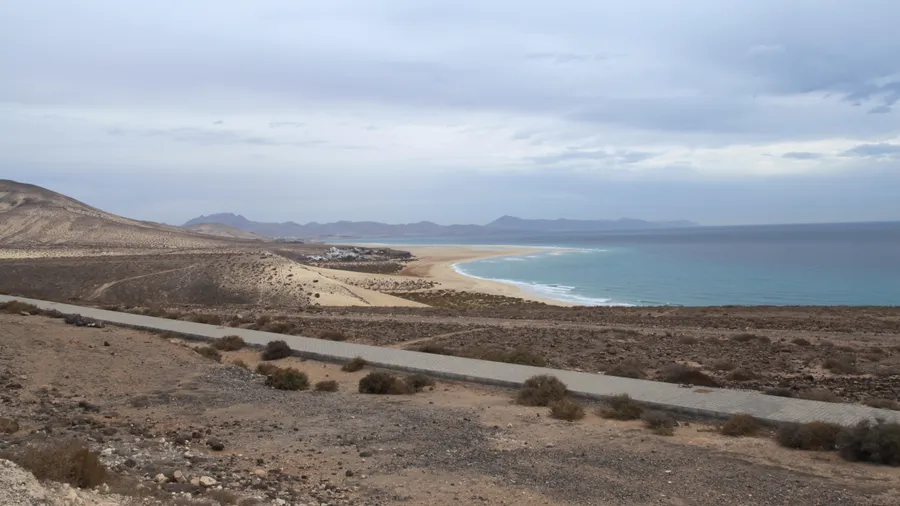
The sea defines activities just as strongly. Fuerteventura concentrates surfing and kitesurfing thanks to near-constant winds and waves that work from September through May, with spots like Cotillo and Punta Blanca for advanced levels. Lanzarote has the best diving in the islands: the Jameos del Agua Natural Park gives access to volcanic underwater caves home to the blind jameito crab. Tenerife and La Gomera offer whale watching from June to October, with whales and dolphins approaching the channel between both islands.
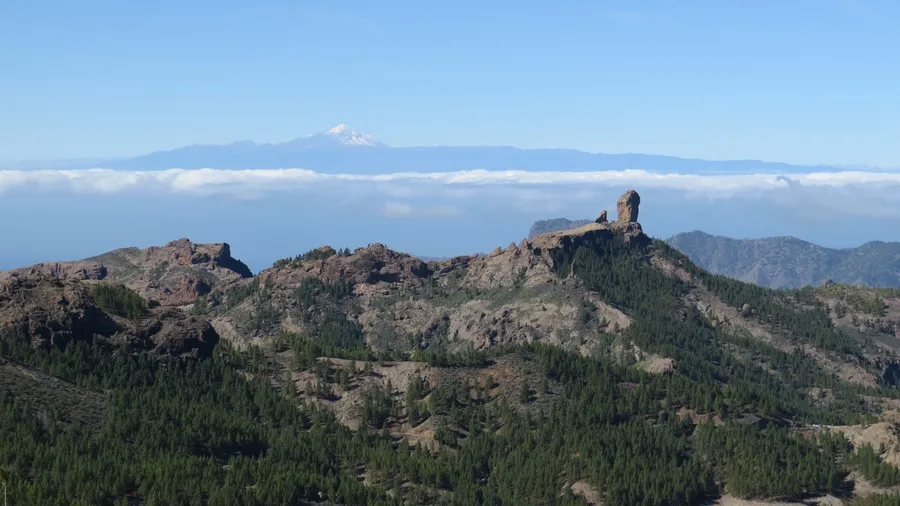
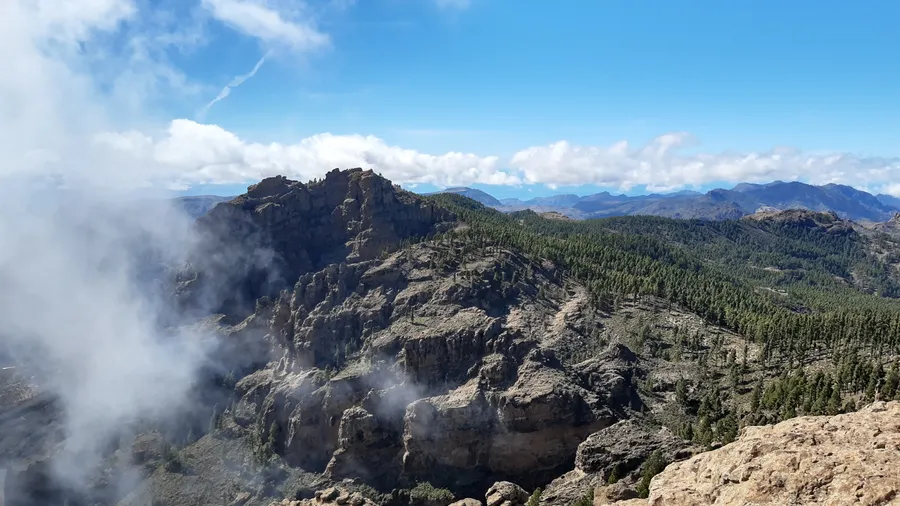
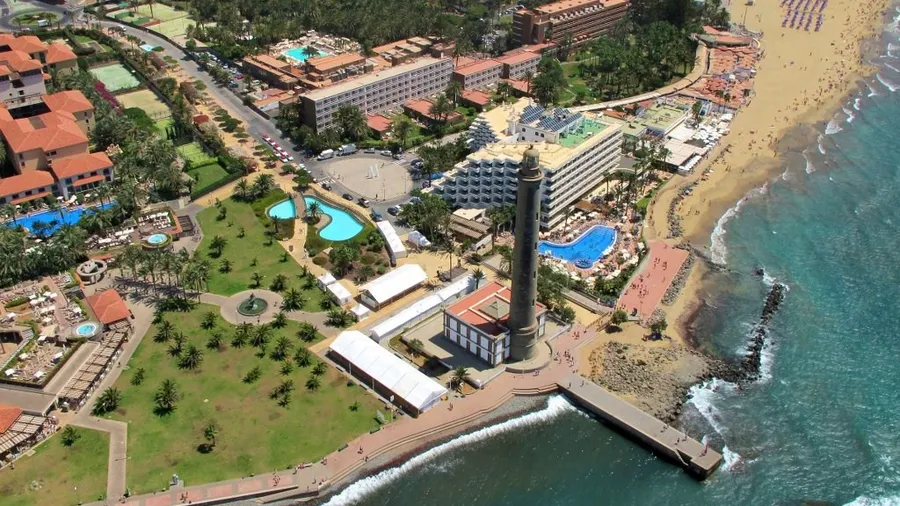
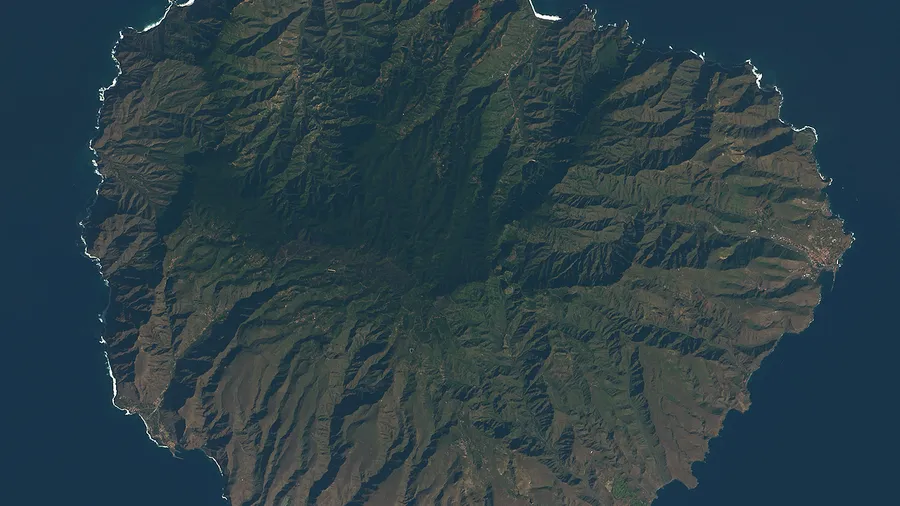
The smallest inhabited island, El Hierro, reserves the quietest atmosphere. Its hiking routes connect laurel forests, like El Sabinar, with cliffs over 1,000 metres above the Atlantic. In Gran Canaria, landscapes change dramatically within a few kilometres: Maspalomas dunes in the south, Tejeda peaks at 1,949 metres in the centre.
The islands have activity year-round, with temperatures between 18 and 28°C depending on season and island, making it possible to plan hiking routes or diving trips in any month. The difficulty range is wide: from accessible coastal walks to technical climbs on the walls of Roque Nublo or the basalt cliffs of northern La Palma.
Highlights
• Hiking to Teide (3,715 m) with views above the cloud layer
• Surfing and kitesurfing in Fuerteventura with year-round constant winds
• Diving in volcanic underwater caves in Lanzarote
• Whale and dolphin watching in the Tenerife-La Gomera channel
• Hiking through laurel forest in La Palma, La Gomera and El Hierro
• Cycling across the summits of Gran Canaria and Tenerife
Best time to visit
The Canary Islands work year-round. Hiking and climbing: best in spring (March-May) and autumn (September-November) at 18-22°C. Surfing: November-March in Fuerteventura and Lanzarote. Whale watching: June-October off Tenerife.
Practical tips
Book the Teide summit permit weeks in advance — they fill up fast. Bring warm layers even if you start in a t-shirt, as wind at altitude changes in minutes. For diving in El Hierro, contact local dive centres before you arrive: the Marine Reserve has quotas. In Fuerteventura, northerly winds can make certain spots inaccessible even in good season — check real-time forecasts.
What time of year is best for outdoor activities in the Canary Islands?
The islands work year-round: spring and autumn are ideal for hiking and climbing (18-22°C). Summer is the best time for whale watching. Winter attracts surfers to Fuerteventura and Lanzarote, with more consistent waves between November and March.
Which island is best for diving?
Lanzarote stands out for its volcanic seabeds and underwater caves, especially at Los Jameos del Agua. El Hierro has the Mar de Las Calmas Marine Reserve, with exceptional visibility and abundant marine life. Gran Canaria also offers good wrecks accessible from shore.
Can you climb Teide without a guide?
Yes, but the summit zone (above the cable car) requires a free permit that must be requested in advance on the National Park website. The trail 10 from La Montaña Blanca does not require a permit up to the Altavista refuge.
Which is the best island to learn surfing?
Las Canteras in Gran Canaria and El Médano in Tenerife have surf schools with gentle waves suitable for beginners. Fuerteventura has the best technical conditions but its most active spots are geared toward intermediate and advanced levels.
Are there multi-day hiking routes in the Canary Islands?
Yes. The Ruta de los Volcanes in La Palma covers 28 km between volcanoes linking several refuges. Gran Canaria has a Camino de Santiago route connecting several municipalities. In La Gomera, the traverse through Garajonay National Park can be linked with coastal routes.