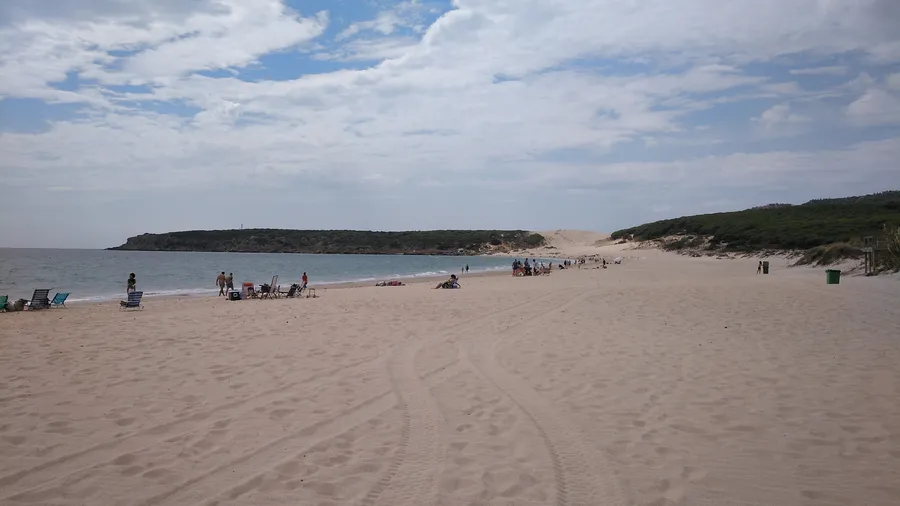
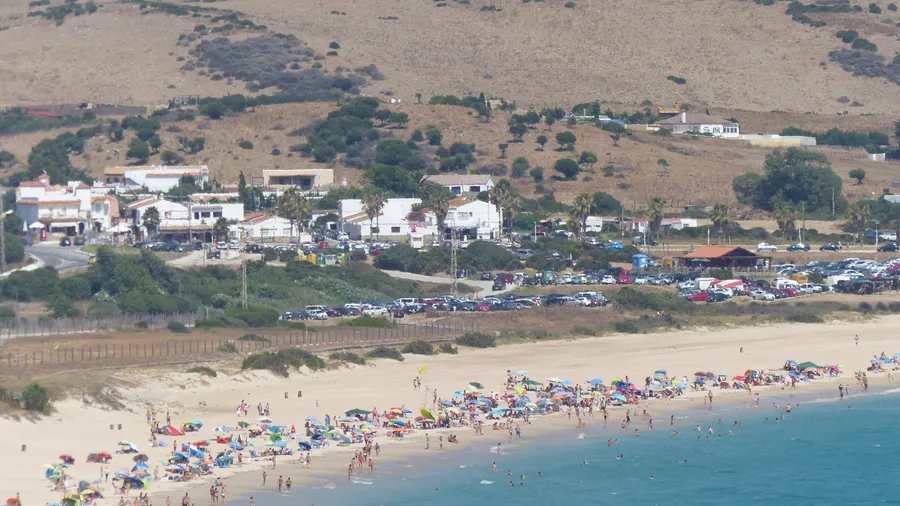
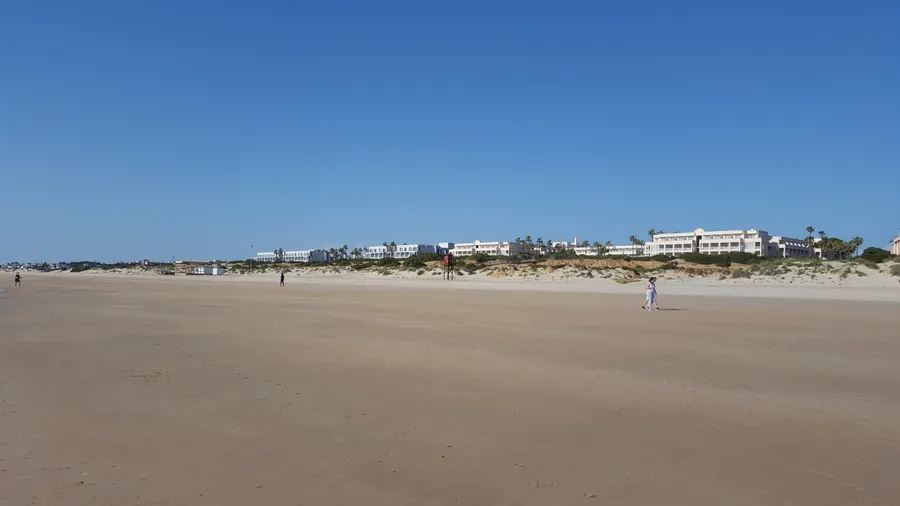
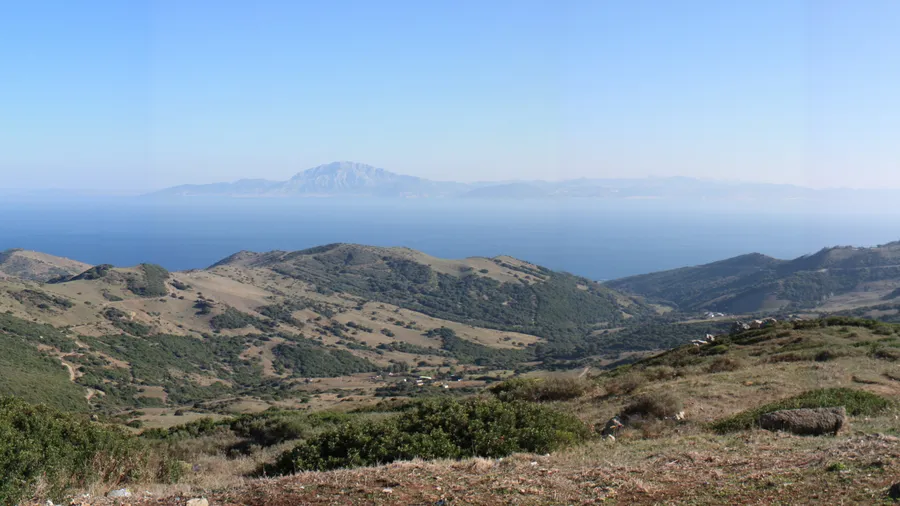
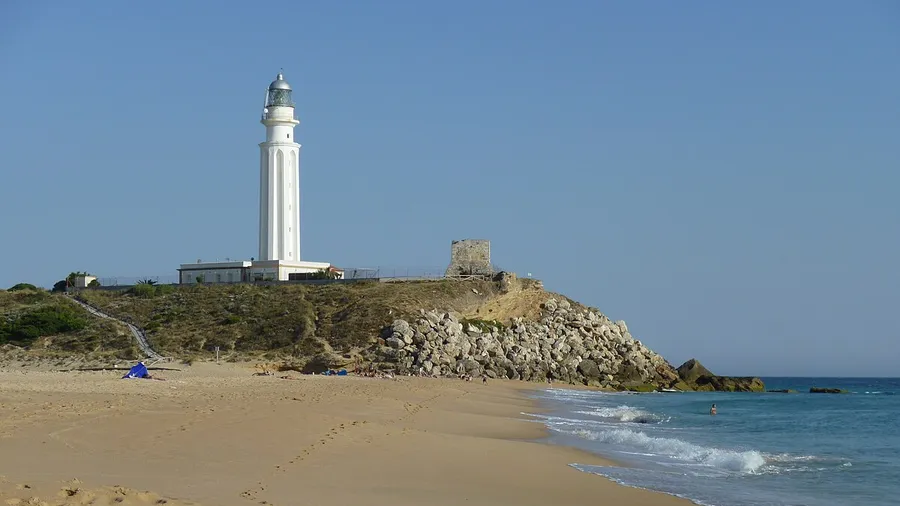
Cádiz province owes its most recognisable outdoor identity to the Strait of Gibraltar and to the poniente and levante winds. Tarifa receives moving air for over 300 days a year: the summer poniente and winter levante create conditions that have made it the world capital of kiteboarding and windsurfing. Playa de los Lances, with 9 kilometres of south-facing beach and a gently sloping sandy bottom, concentrates the highest density of kite schools and shops in Europe.
The Strait is also one of the world's most active cetacean corridors: orcas, bottlenose dolphins, pilot whales and fin whales cross the waters between Europe and Africa throughout the year, and whale-watching trips from Tarifa have one of the highest observation rates in the western Mediterranean. Los Alcornocales—the world's largest cork-oak forest at over 170,000 hectares—has the Palmones, Gaduares and Molinos gorges for canyoning, with green granite pools, sandstone walls and cool water even in summer.
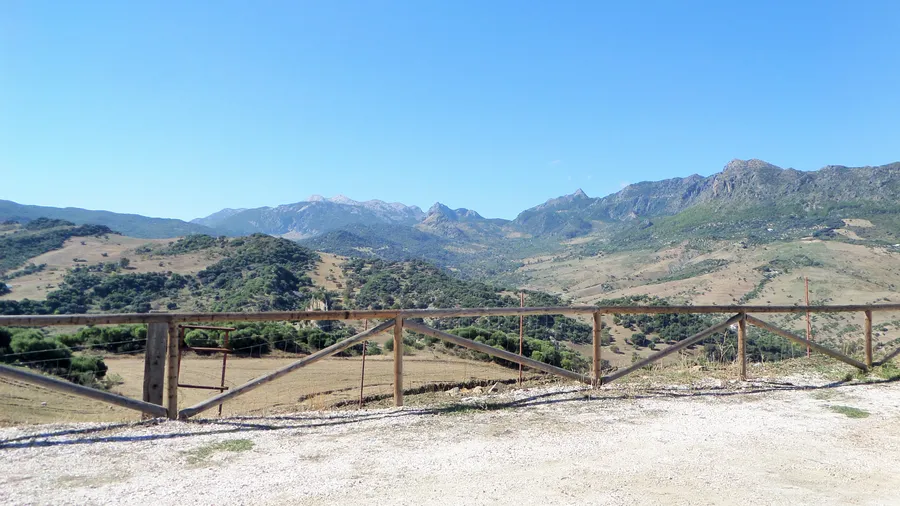
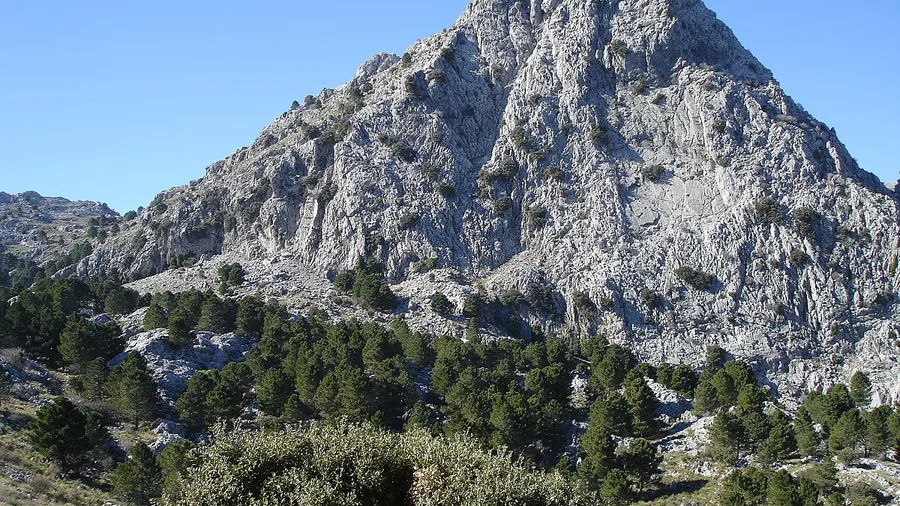
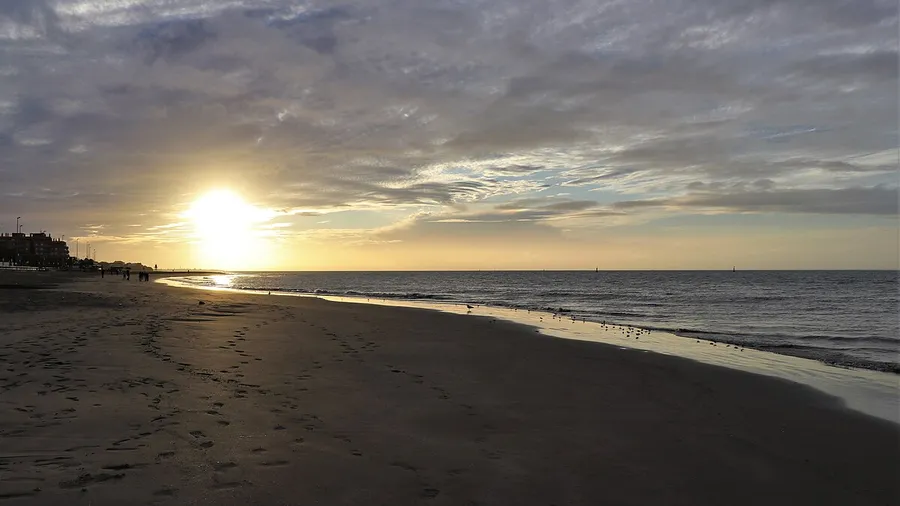
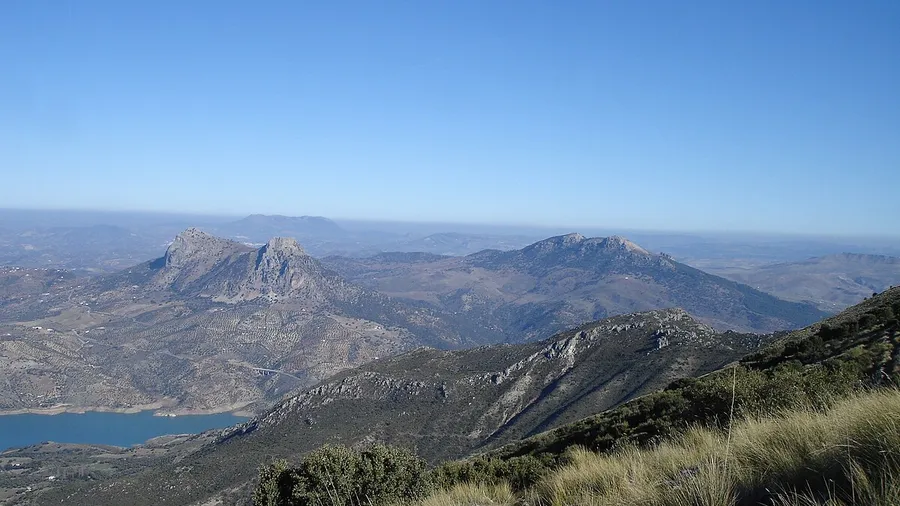
The Atlantic coast between El Puerto de Santa María and Conil has surf beaches with long left and right waves for different ability levels. At the northern end of the province, the cliffs of Bolonia and Zahara de los Atunes have rocky dive sites between 5 and 20 metres deep, with occasional spearfishing and accessible historic wrecks. The Ronda highlands—shared with Málaga—add hiking and birdwatching on the raptor route through the Sierra de Grazalema Natural Park, where griffon vultures and Egyptian vultures can be observed.
Highlights
• Kiteboarding and windsurfing in Tarifa: 300+ wind days per year on Playa de los Lances
• Cetacean watching in the Strait: orcas, dolphins and fin whales year-round
• Atlantic surfing between El Puerto de Santa María and Conil with left and right breaks
• Canyoning in Los Alcornocales gorges with granite pools and sandstone walls
• Diving off Bolonia and Zahara de los Atunes cliffs between 5 and 20 m
• Raptor birdwatching in Sierra de Grazalema: vultures and Egyptian vultures
Best time to visit
May and June for beginner kiteboarding with moderate winds. July to October for cetacean watching and diving. Autumn and spring for canyoning in Los Alcornocales with full pools. Winter for Atlantic surfing with north swells.
Practical tips
In Tarifa, book accommodation and kite schools months in advance in July and August: the town fills completely. For cetacean trips, boats have limited capacity; book online at least 48 hours ahead. In Los Alcornocales, bring your own wetsuit in winter as gorge water can be 10-12°C.
Plans and activities en Cádiz
Las mejores experiencias y planes disponibles en Cádiz
When is the best time to learn kiteboarding in Tarifa?
May and June have more moderate winds (20-25 knots) and are ideal for beginners. In July and August the poniente can exceed 35 knots—more demanding conditions. Tarifa schools operate year-round; many offer 6-hour beginner packages to reach IKO Level 1 in 3 days.
Are orcas visible in the Strait of Gibraltar?
Yes. The Strait's orca group is a resident population of around 40 individuals that follows the bluefin tuna migration. They are spotted most frequently from May to October. Whale-watching boats depart from Tarifa harbour and carry a naturalist guide. The observation rate for at least one cetacean species exceeds 90% per trip.
Do I need experience for canyoning in Los Alcornocales?
No, not for beginner-level gorges like Palmones or lower Gaduares. These have 4-8 metre rappels and shallow pools, suitable for ages 12 and over. The more technical canyons around Jimena de la Frontera or Hoz de Buitreras require experience and are done with a specialist guide.
Does the Tarifa wind affect other activities on the coast?
Yes. Strong levante or poniente winds above 25-30 knots make surfing, kayaking and stand-up paddle impractical. However, the same wind is ideal for kite and windsurfing. Check the forecast on Windy.com for Tarifa before planning activities on the southern coast of the province.


 0
0  0
0