Barcelona

What to do in Barcelona

Plans, activities and things to see in Barcelona

Discover Barcelona

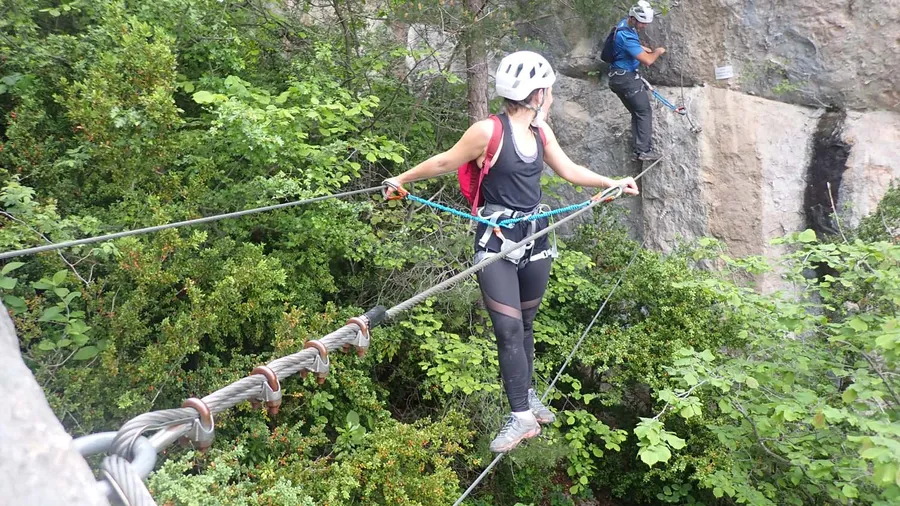
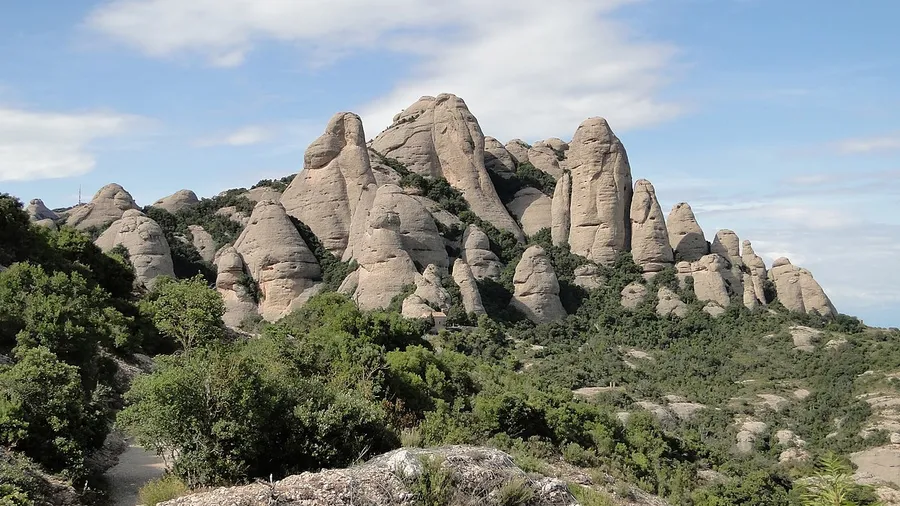
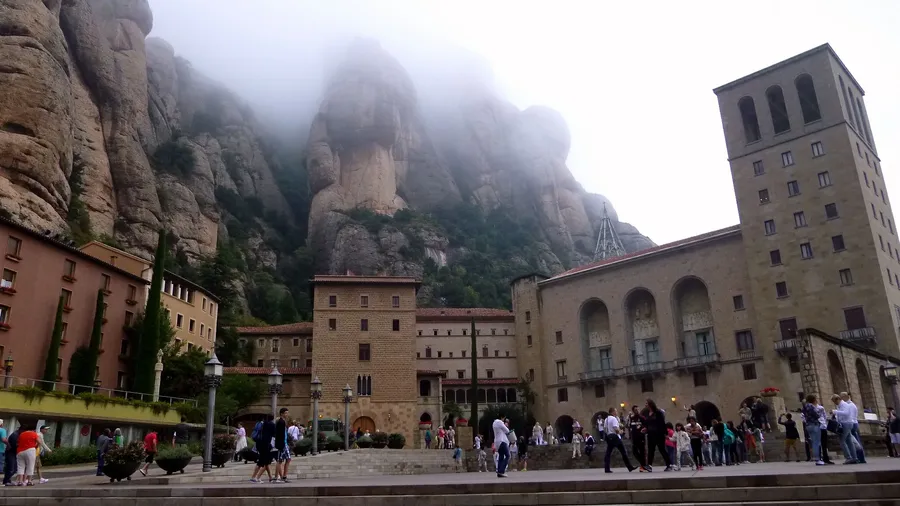
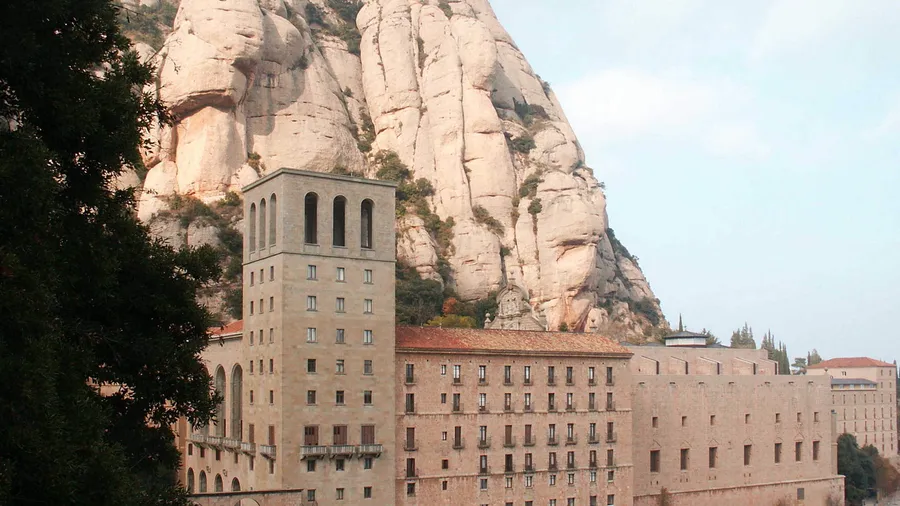
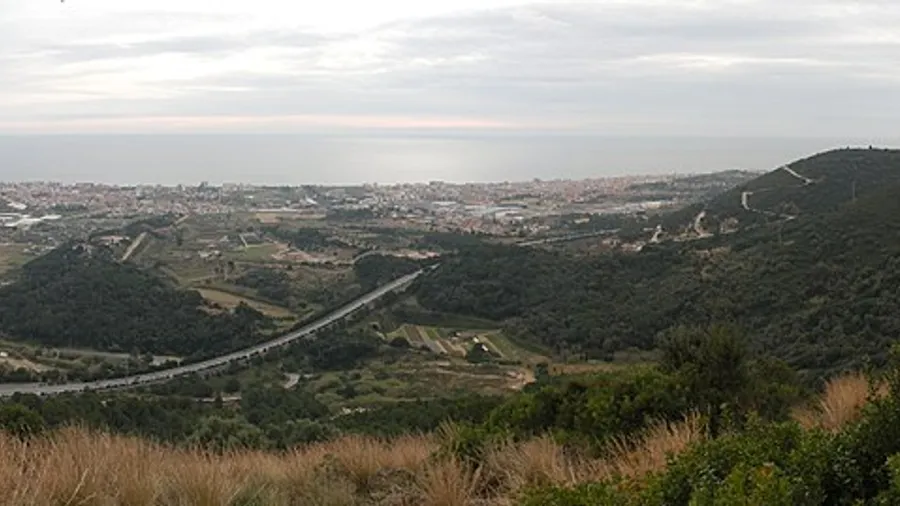
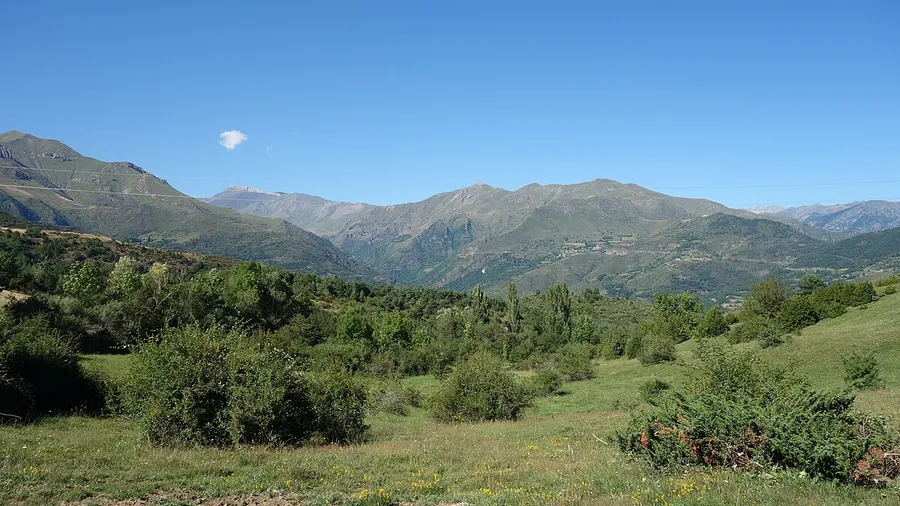
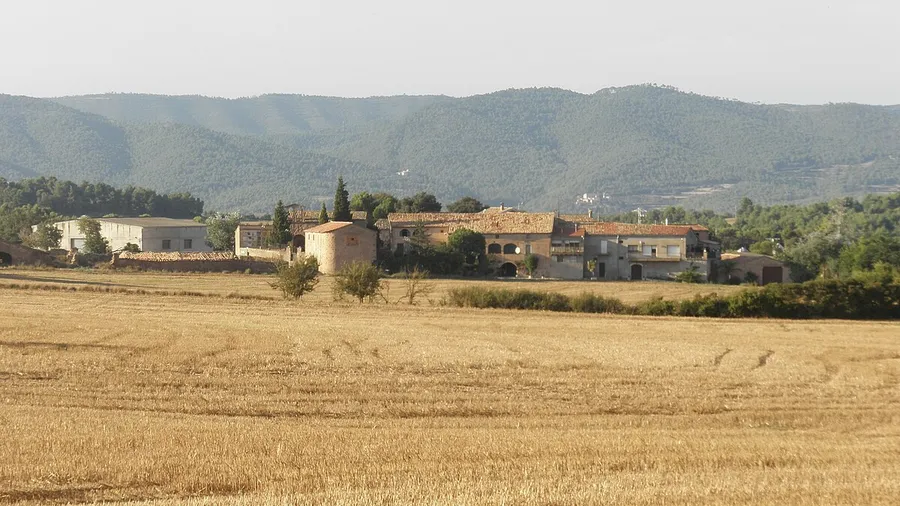
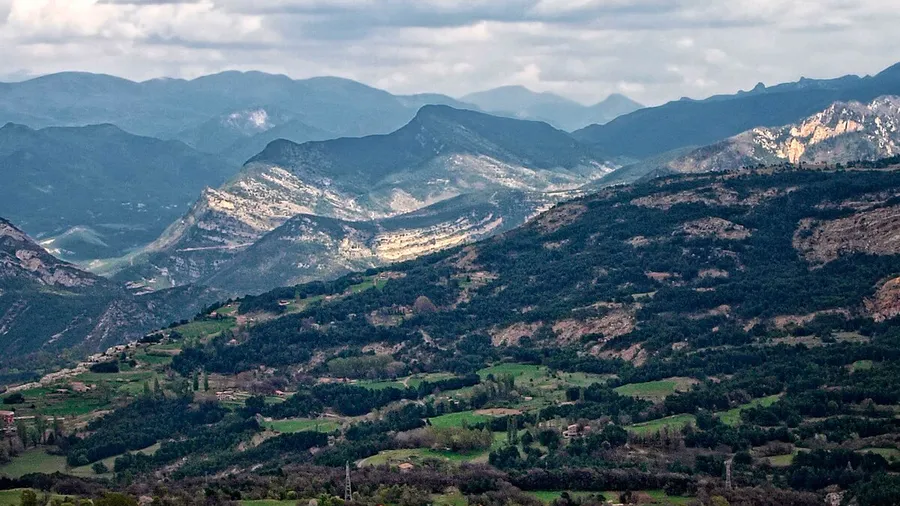
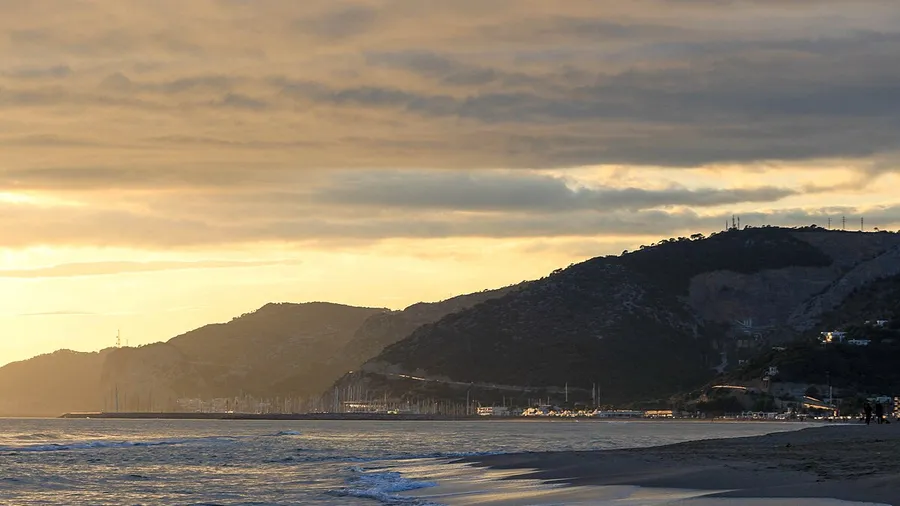
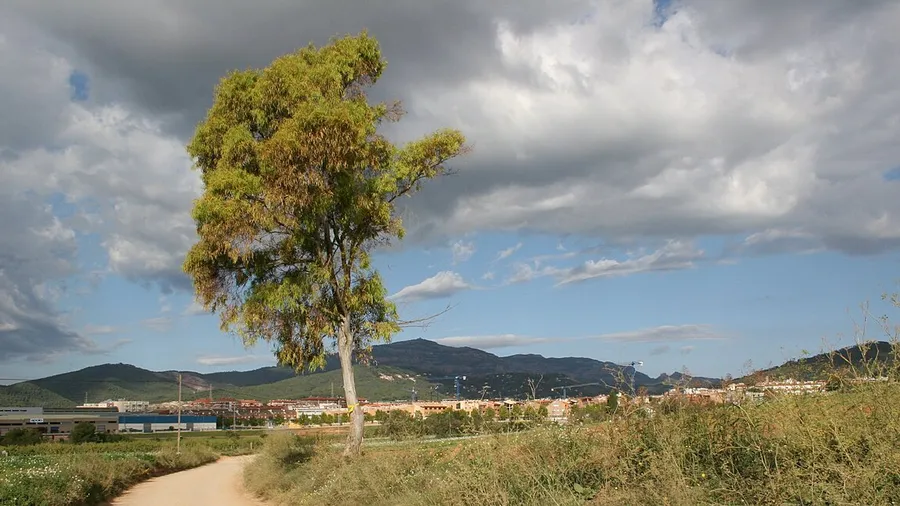
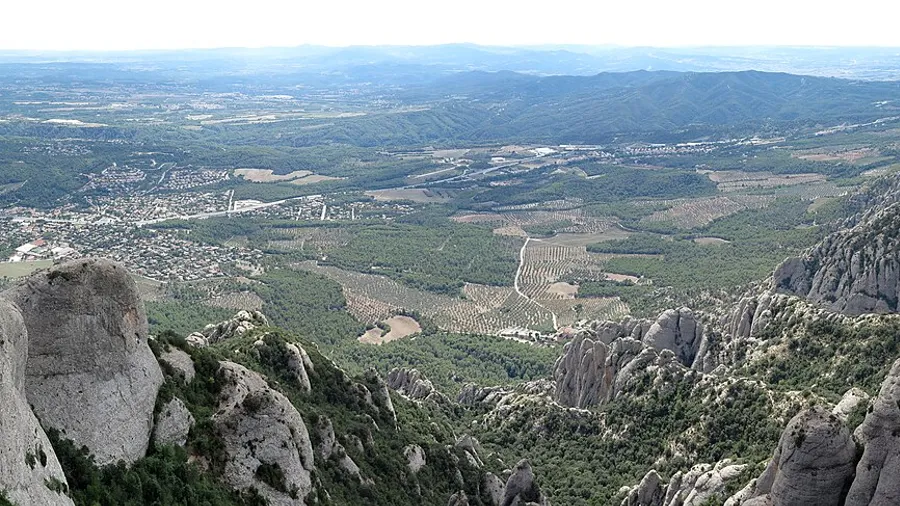
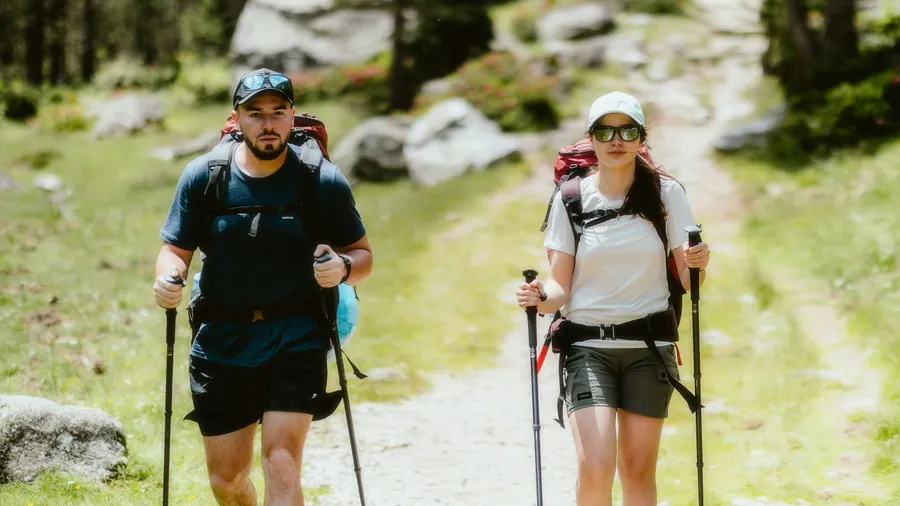
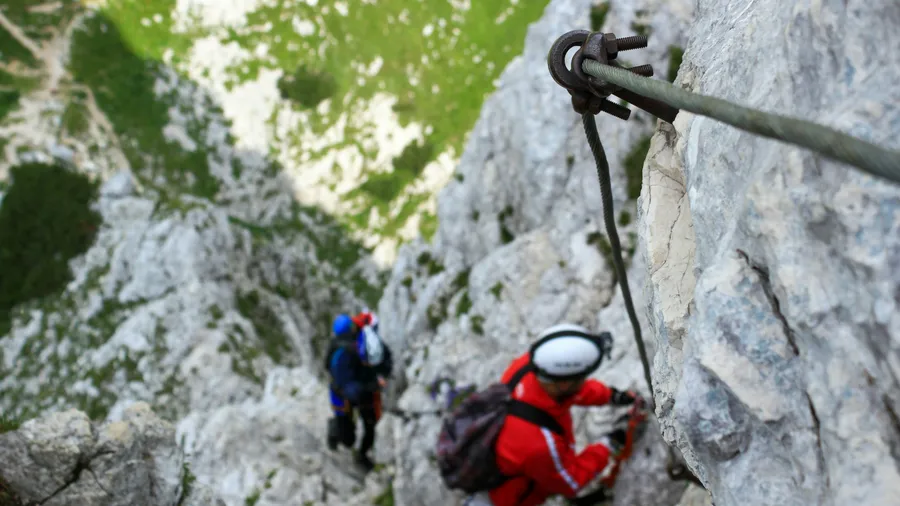
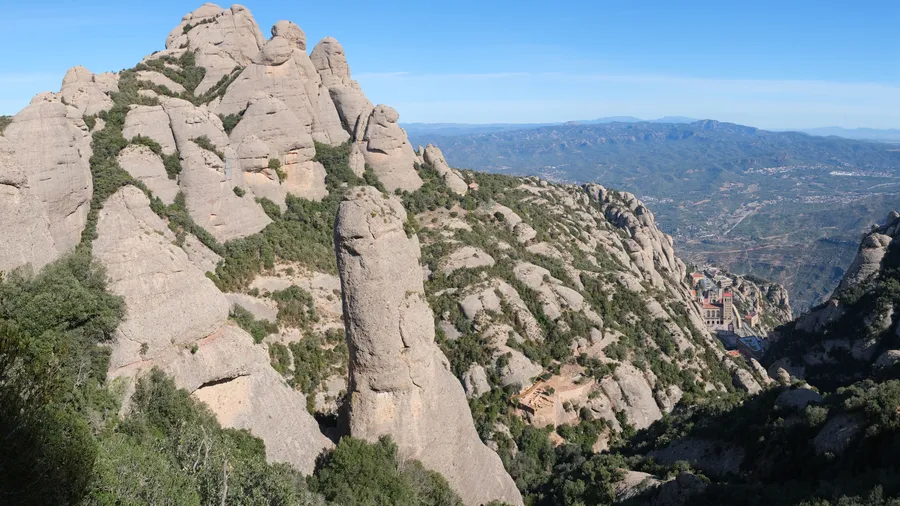
Barcelona province organises its outdoor offer between the sea and the mountains within 80 kilometres. To the north, the Montseny Natural Park reaches 1,712 metres at Turó de l'Home and crosses a UNESCO Biosphere Reserve with over 300 km of marked trails, including sections of the GR5 long-distance path. On the opposite end, the Garraf coast holds several diving sites with over 15 metres of visibility and well-preserved posidonia meadows. Montserrat concentrates the province's climbing offer: more than 1,000 routes on conglomerate rock, from classic multi-pitch lines to short sport climbs, with the Sant Jeroni needle (1,236 m) as a constant horizon. The massif also has canyoning and rappel descents in its vertical channels. Inland, the Bages and Anoia districts offer cycling itineraries through vineyards and farmhouses, suited for both road and mountain bikes, with moderate elevation gains under 600 metres. The Llobregat river and its tributaries allow kayaking and canoeing on calm stretches, particularly between Martorell and Manresa. Collserola, an 8,000-hectare metropolitan park 20 minutes from central Barcelona, rounds out the offer with hiking and mountain biking trails accessible by public transport. The proximity to the city, the variety of environments—sea, river, forest, mountain—and a well-established network of activity providers make this province one of the densest outdoor destinations on the Mediterranean coast.

Highlights

  • • Climbing at Montserrat: 1,000+ conglomerate routes up to Sant Jeroni (1,236 m)
  • • Hiking and wildlife in Montseny Biosphere Reserve, 300 km of trails
  • • Diving along the Garraf coast with posidonia beds and clear water
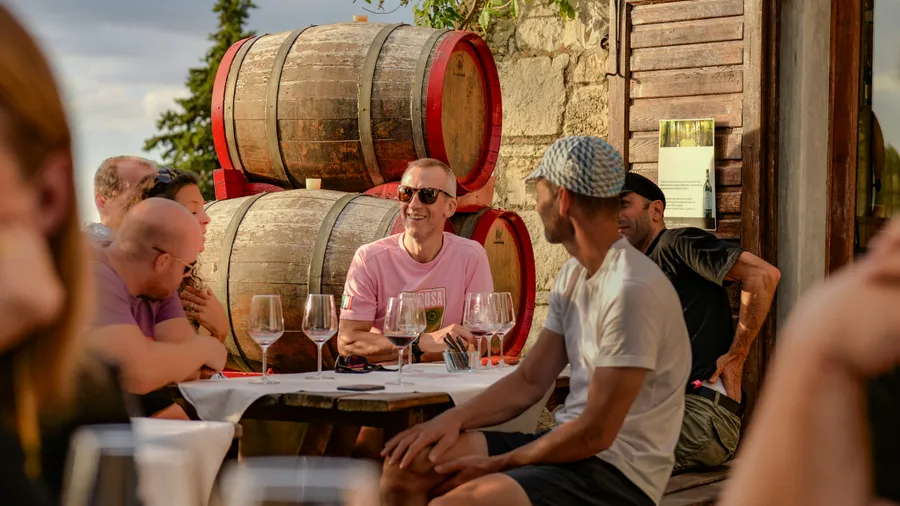
  • • Road cycling and MTB through Bages and Anoia vineyards
  • • Kayaking on the Llobregat river between Martorell and Manresa
  • • Hiking and MTB in Collserola, reachable by metro from Barcelona

Best time to visit

April to June and September to November for climbing at Montserrat and hiking in Montseny. Summer for diving in the Garraf when the water is warmest (22-25°C). January and February are good for low-elevation hiking with fewer visitors.

Practical tips

For climbing at Montserrat, take the rack railway or bus from FGC (Monistrol de Montserrat station) and avoid driving on weekends: car parks fill before 10am. In Montseny, some Natural Park trails require prior booking in peak season. For MTB routes through the Bages, download tracks in advance as mobile coverage around the inland farmhouses is limited.

Plans and activities en Barcelona

Las mejores experiencias y planes disponibles en Barcelona

60

What to see en Barcelona

Rincones, lugares y puntos de interés que no te puedes perder

Localidades de Barcelona

Descubre qué hacer en cada localidad de Barcelona
Frequently asked questions sobre Barcelona
Montserrat has routes from grade IV to 8c. The great classic multi-pitch lines (such as La Mònica or Aresta de l'Esperó) fall between V and VI. For sport routes at accessible sectors like El Gordo or Les Dues Agulles, the typical difficulty is 6a to 7a.
Spring and autumn are the best seasons: the massif's beech forests change colour in October-November and temperatures are mild. In summer the lower elevations can exceed 30°C; it is better to start early or head above 1,000 m.
The most popular Garraf sites are Garraf Playa, L'Illa i la Costa and the area around Cap de Begues. Dive centres in Sitges and Vilanova i la Geltrú rent equipment and offer try-dives and PADI courses from beginner level.
The sections between Martorell and the Sant Ponç reservoir are suitable for beginners on calm water. Several operators in the Bages district offer guided trips of 2 to 4 hours with no previous experience required.

Related articles sobre Barcelona