The essentials of Valles Pasiegos

  • • Cueva del Castillo (Puente Viesgo) — 40,900-year-old cave art, UNESCO World Heritage
  • • Sobaos and quesada pasiega with PGI — Cantabria's most iconic artisanal gastronomy
  • • Pasiego huts — unique ethnic architecture scattered across mountain meadows
  • • Historic Balneario de Puente Viesgo — thermal waters in use since 1796
  • • Green Pas and Miera valleys — hiking and Atlantic nature without crowds

Description

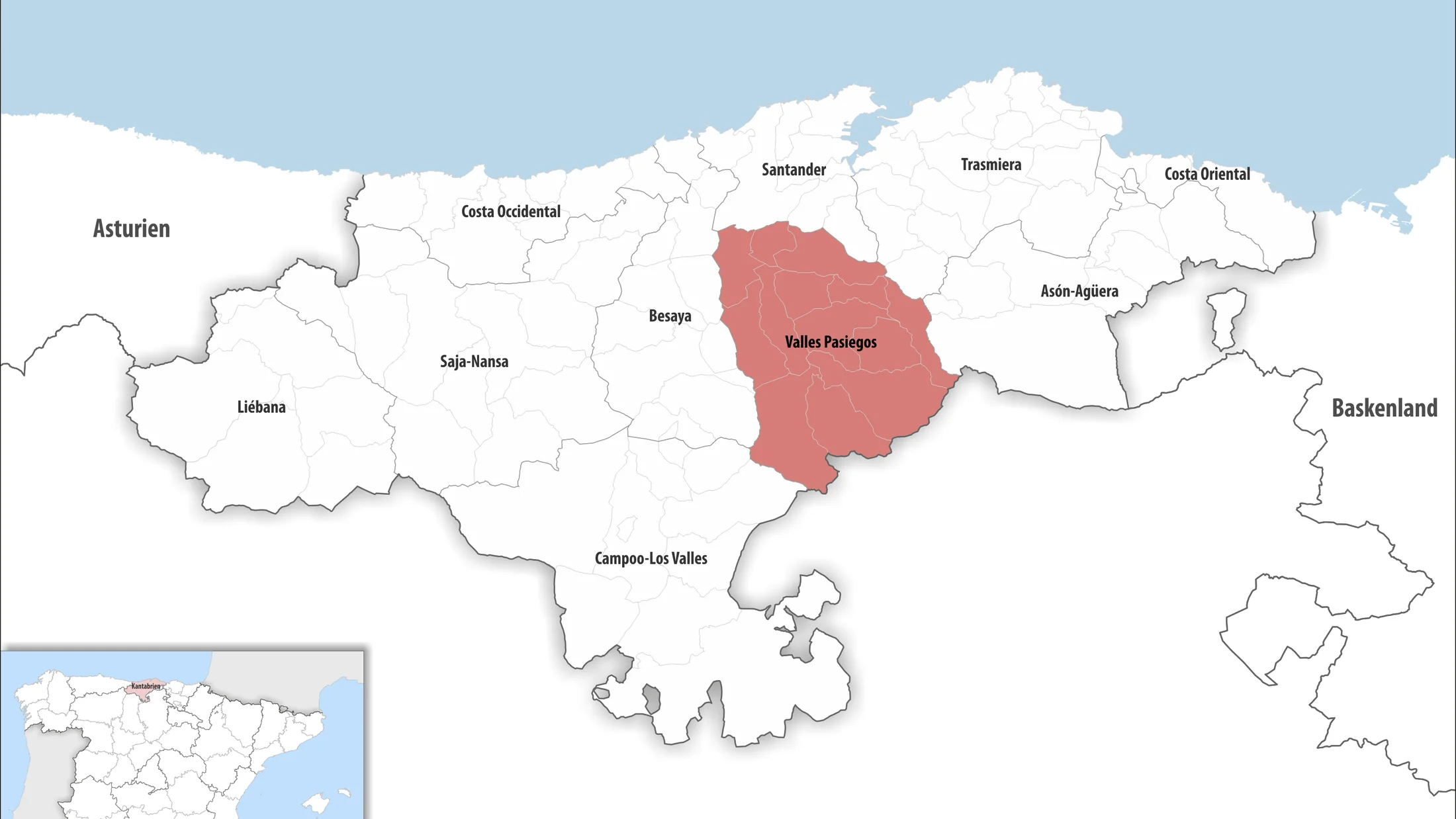
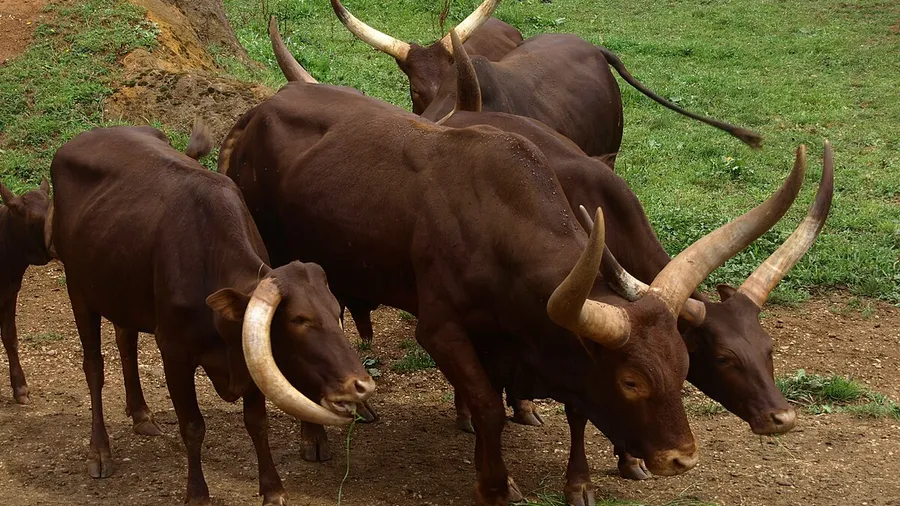
Valles Pasiegos forms one of the most distinctive comarcas in Cantabria, encompassing the valleys of the Pas, Pisueña and Miera rivers. This land of Atlantic meadows and villages wedged between mountains is home to the pasiegos, a cattle-farming people who for centuries practised vertical transhumance between high summer pastures and winter valley floors.

Pasiego identity is powerfully expressed through gastronomy: the sobao pasiego, holding a Protected Geographical Indication, is a spongy butter-and-anise cake made by hand in family bakeries around Selaya and Villacarriedo. Quesada pasiega and pasture-cow butter complete a gastronomic trio unique in Spain.

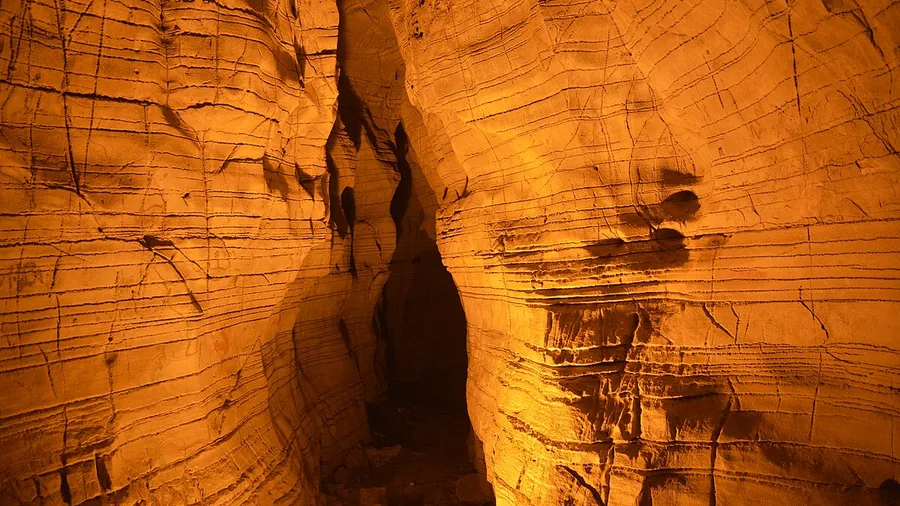
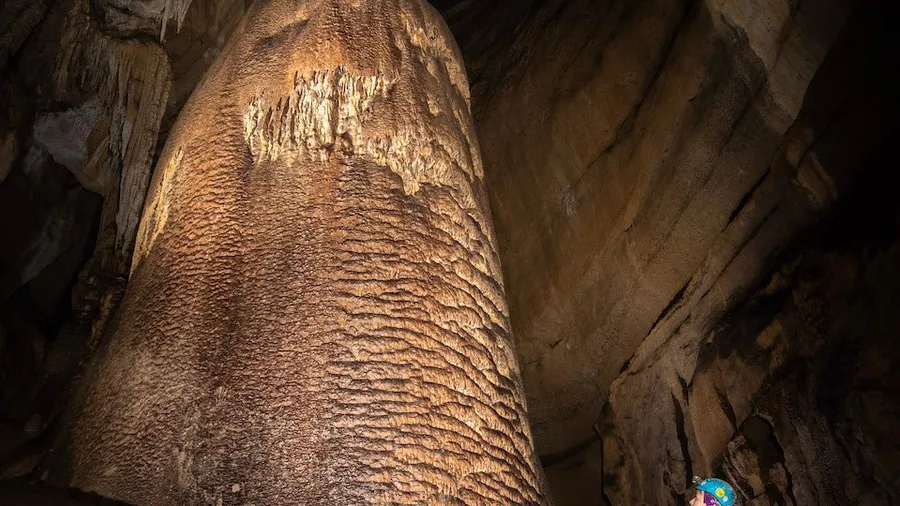
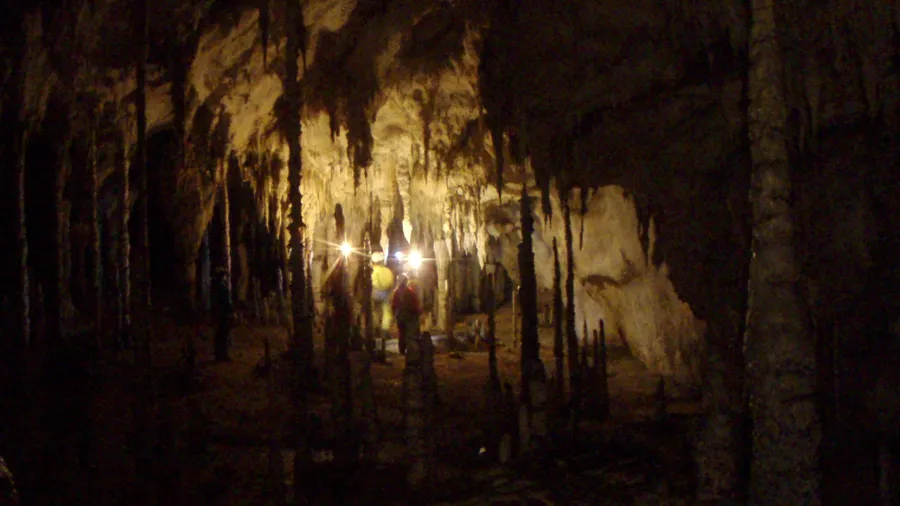
The archaeological heritage is exceptional: on Monte Castillo above Puente Viesgo, four caves hold palaeolithic art — El Castillo, Las Monedas, La Pasiega and Las Chimeneas — declared UNESCO World Heritage. Cueva del Castillo contains representations dated 40,900 years ago, the oldest known in Europe. The Balneario de Puente Viesgo, founded in 1796, complements the setting with its thermal waters.

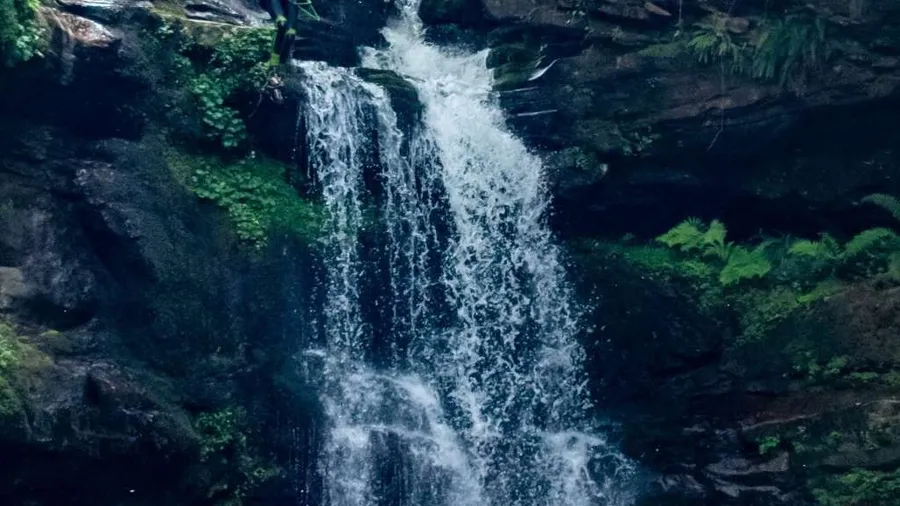
The Pas river and its tributaries Pisueña and Miera wind through the valleys, offering hiking trails through oak and chestnut woodland. The quieter Valle del Miera leads to Liérganes, famous for its mineral waters and the legend of the Fish Man.

Practical information for Valles Pasiegos

Everything you need to know for your visit to Valles Pasiegos

How to get there
Area Information
Valles Pasiegos lies in the eastern interior of Cantabria, between the Sierra de Peña Cabarga and the Montes de Pas. Main access is via the A-67 motorway from Torrelavega, and the CA-141 road following the Pas valley. Puente Viesgo, 26 km from Santander, is the most visited town.

Things to do in Valles Pasiegos

Find the best plans and things to do in Valles Pasiegos

13

Accommodations in Valles Pasiegos

Best accommodation options in Valles Pasiegos

Frequently asked questions about Valles Pasiegos

Get answers about Valles Pasiegos
Sobao pasiego is an artisanal butter-and-anise cake with Protected Geographical Indication, made in municipalities like Selaya and Villacarriedo. It is the best-selling sweet in Cantabria.
On Monte Castillo, 1 km from Puente Viesgo. Four caves with palaeolithic art declared UNESCO World Heritage. Cueva del Castillo holds art dated 40,900 years ago.
Spring and summer offer the mildest climate and greenest valleys. Autumn brings warm woodland colours. The caves and gastronomy can be enjoyed year-round.
Visiting the Cuevas del Castillo, hiking the Pas and Miera valleys, gastronomic tours of sobao bakeries, the Puente Viesgo spa, and horse riding across pasiego meadows.
Pasiego huts are small stone-and-timber constructions used by farmers as temporary shelters during seasonal transhumance. They are the symbol of the pasiego landscape, many now restored as rural accommodation.