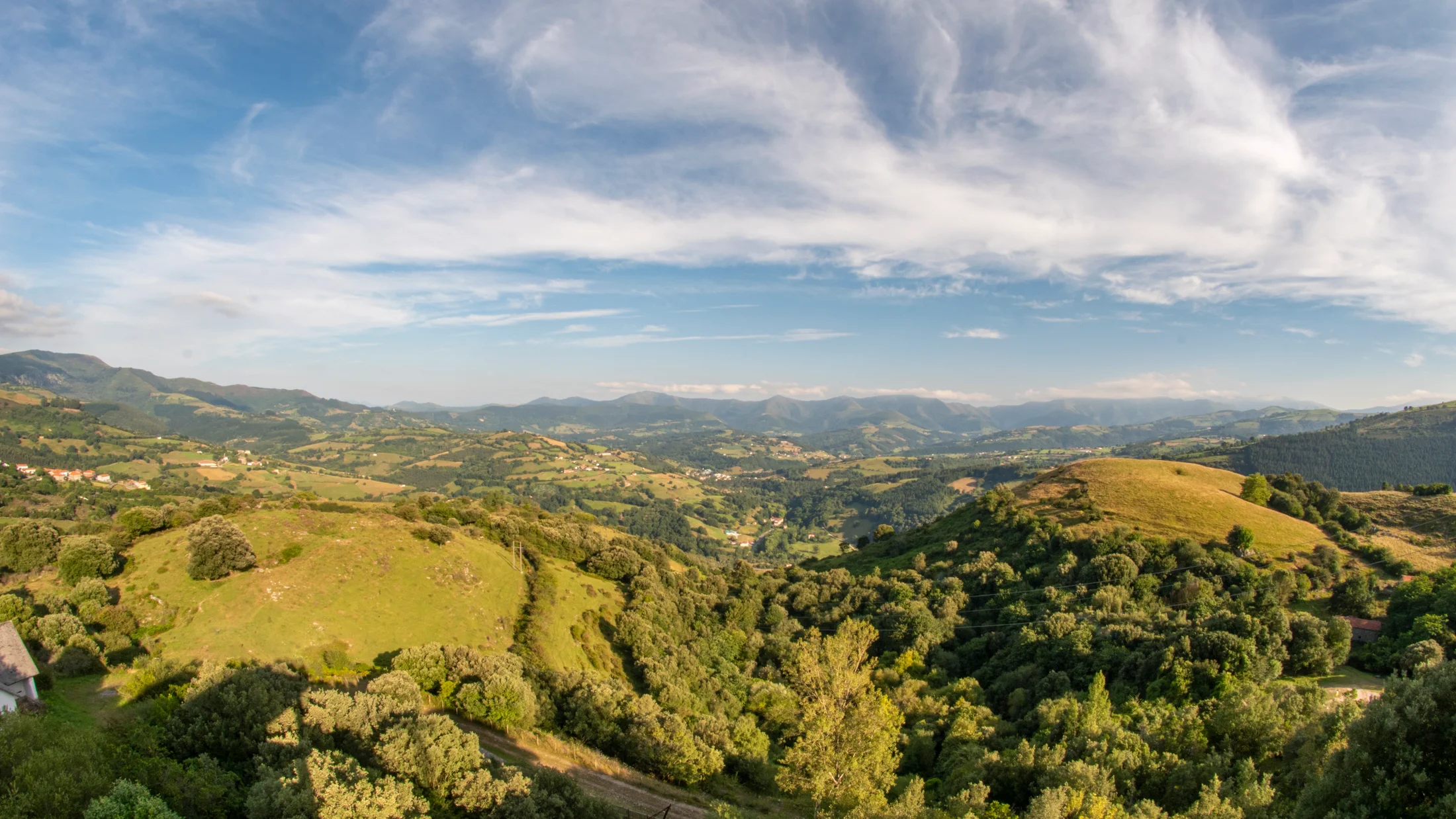
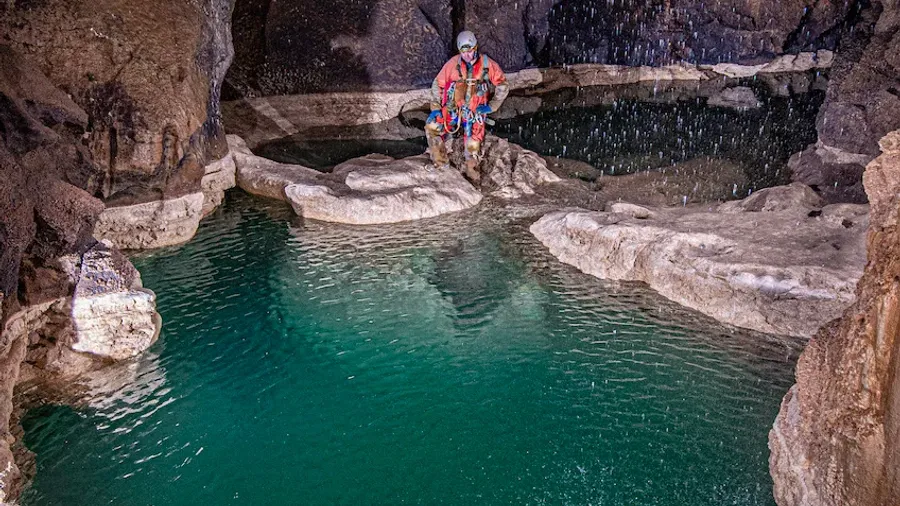
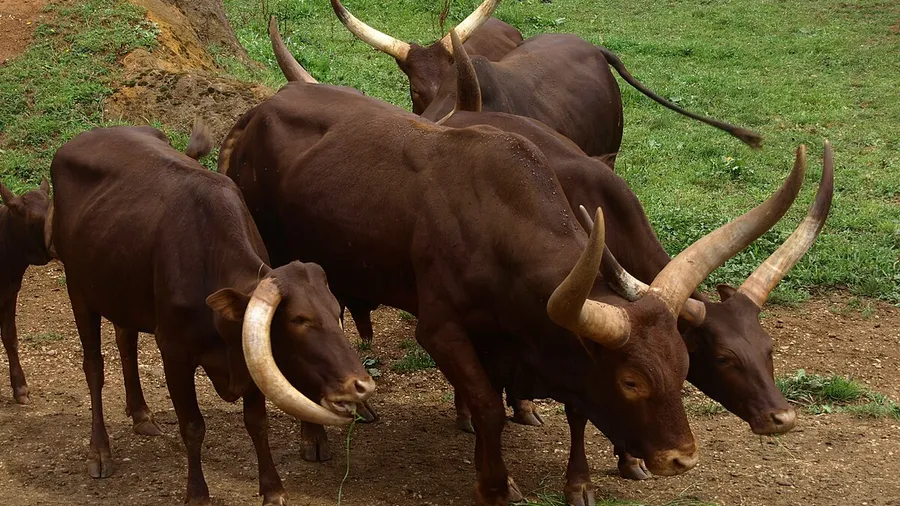
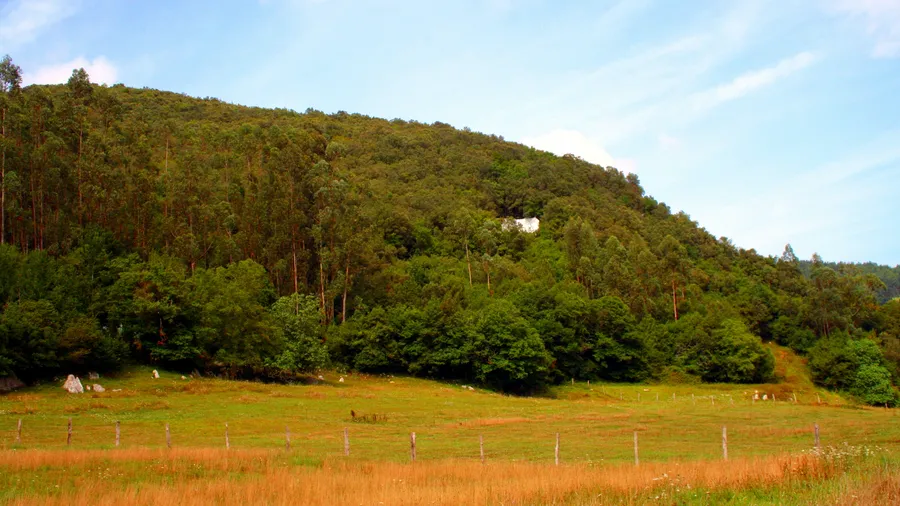
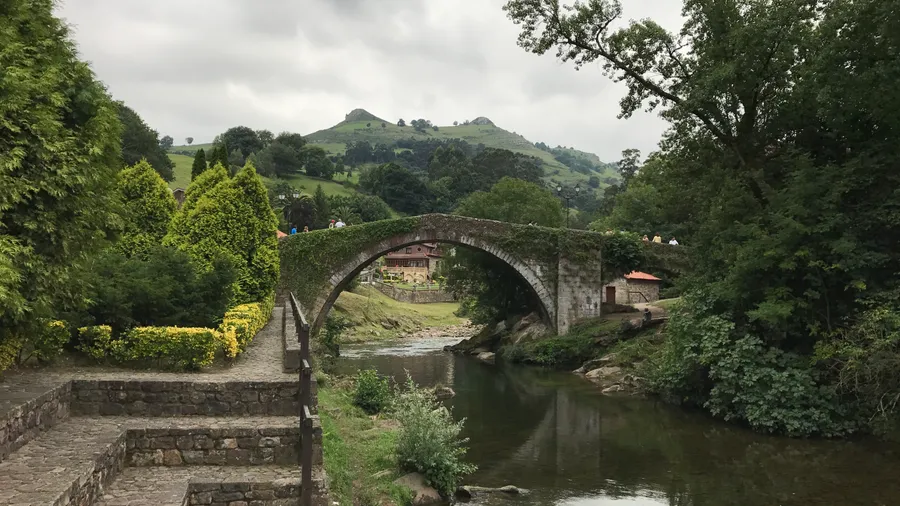
The Valle de Carranza occupies the westernmost corner of Bizkaia, on the border with Cantabria, and is the province's largest municipality. The River Carranza runs through 137 km² of land where hay meadows, oak and holm-oak woodland and a karst landscape with over 200 catalogued caves and sinkholes alternate. The valley acts as a natural corridor between the Cantabrian coast and the interior of Las Encartaciones, with altitudes ranging from 100 metres on the valley floor to 835 metres at Burgueño peak. Farmsteads scattered across the hillsides sustain a livestock tradition that has shaped the landscape for centuries: the monchina cow, the black-faced carranzana sheep and the villano dog of Las Encartaciones are native breeds still raised here.
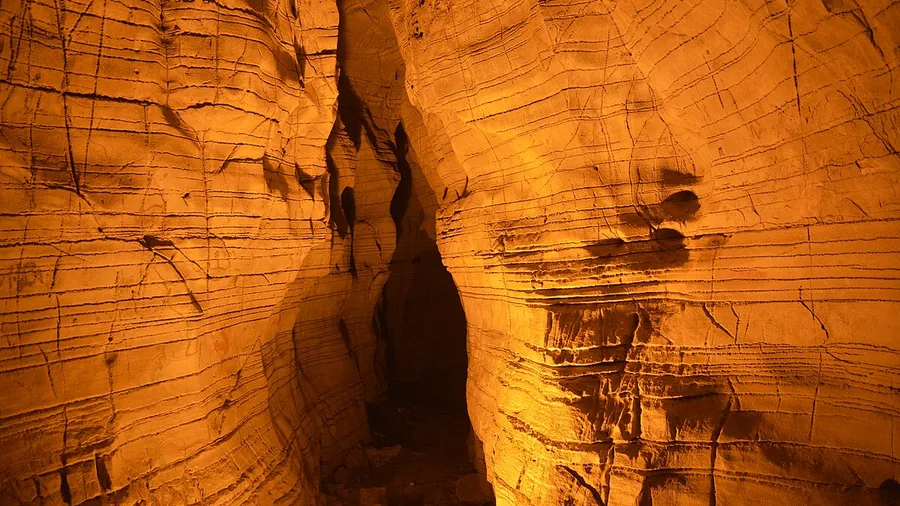
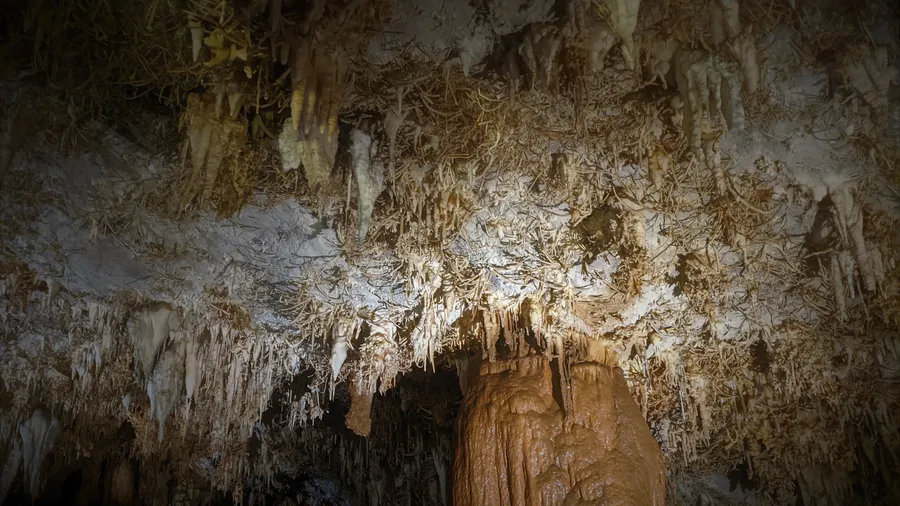
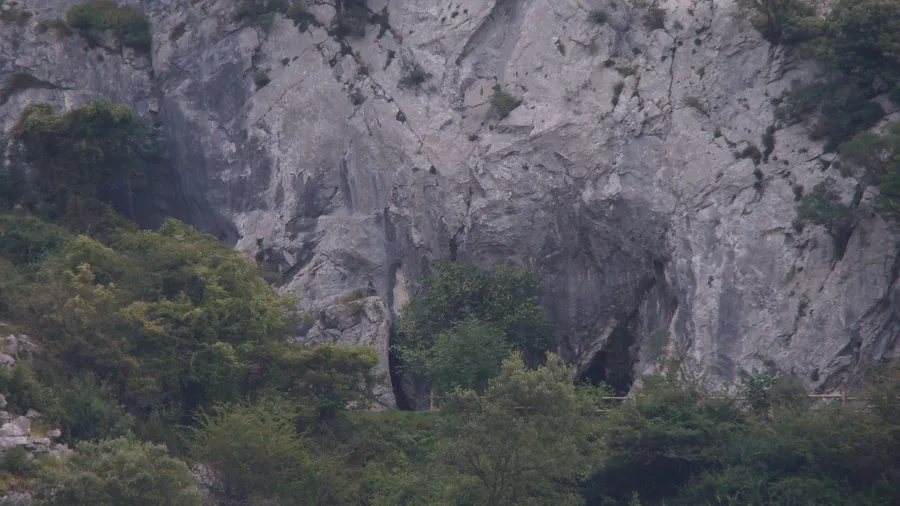
The Armañón Natural Park, declared in 2006, protects 2,996 hectares within the valley, between the gorges of the Carranza and Agüera rivers. Its underground heritage is what sets Carranza apart from other northern valleys: Pozalagua Cave holds the world's largest concentration of eccentric stalactites and opens to visitors in a single chamber 125 metres long, 70 metres wide and 12 metres high, at 500 metres above sea level. It was discovered by chance in 1957 after a quarry blast, and the Guía Repsol named it Spain's Best Hidden Spot in 2013. Nearby, the Torca del Carlista ranks among Europe's largest sinkholes, though access is restricted to cavers.
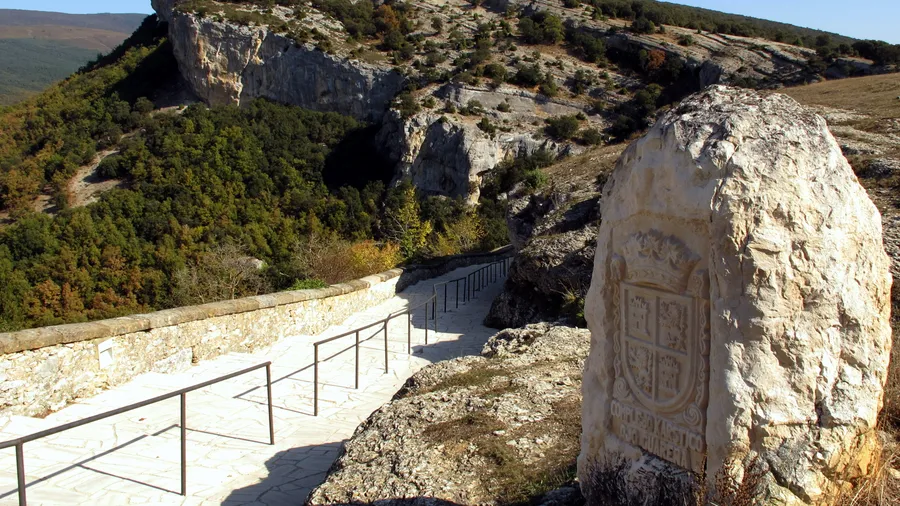
Above ground, park trails wind through the Sopeña oak wood and the Remendón holm-oak grove, two native forest stands that have survived the pine and eucalyptus plantations common along the Cantabrian strip. The Armañón Natural Park Interpretation Centre (Parketxe), in the Ranero district, houses exhibitions on karst geology, local wildlife and native breeds. From the Peñas de Ranero viewpoint the view sweeps across the valley floor, its green meadows dotted with white farmsteads, and on clear days the coastline is visible to the north. The constant moisture in the air, filtered through the woodland, leaves the trails with a scent of wet earth and fern at every turn.
The town of Karrantza (Basque spelling) groups essential services: shops, a pharmacy, restaurants with a daily menu and a handful of rural guesthouses. Valley cuisine rests on carranzana sheep's cheese, monchina beef and kitchen-garden produce. Patron-saint festivals and villano dog competitions keep traditions alive that connect visitors to the rural culture of Las Encartaciones.
From Bilbao, the most direct route is the A-8 to Balmaseda then the BI-630, a 50-minute drive. The alternative coastal road (A-8 to Colindres and N-629 via Gibaja) adds 20 minutes but passes through valleys squeezed between mountains. Public transport from Bilbao reaches Balmaseda by train, with onward local buses running on a limited schedule.