The essentials of Valle de Baztán

  • • Bertiz beech woods: centuries-old Atlantic forest with accessible trails inside the Natural Park
  • • Elizondo: valley capital with 18th-century Indiano mansions and a weekly market
  • • Amaiur-Maya: historic hamlet where the last defence of the Kingdom of Navarre took place in 1522
  • • Mountain cuisine: smoked Idiazábal cheese, chistorra sausage, wild mushrooms and Betizu beef steak
  • • Fifteen villages linked by waymarked trails through oak and beech woodland and cattle meadows

Description

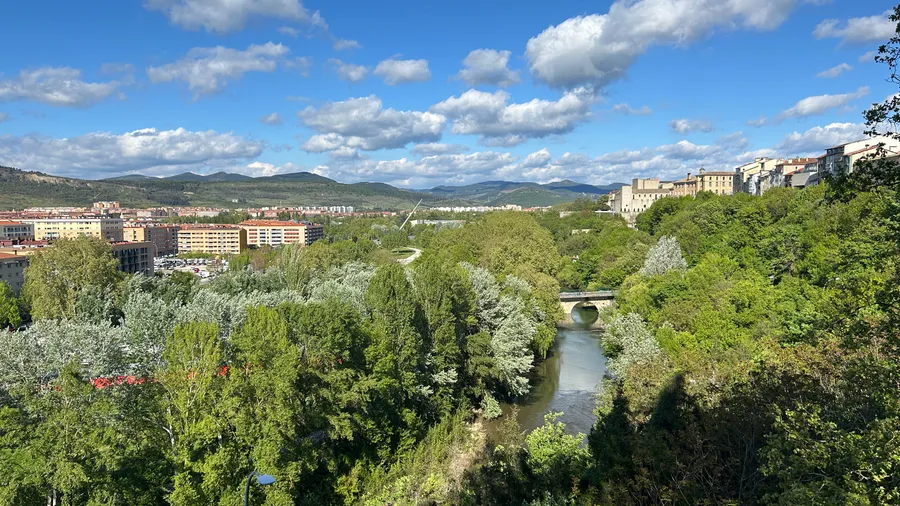
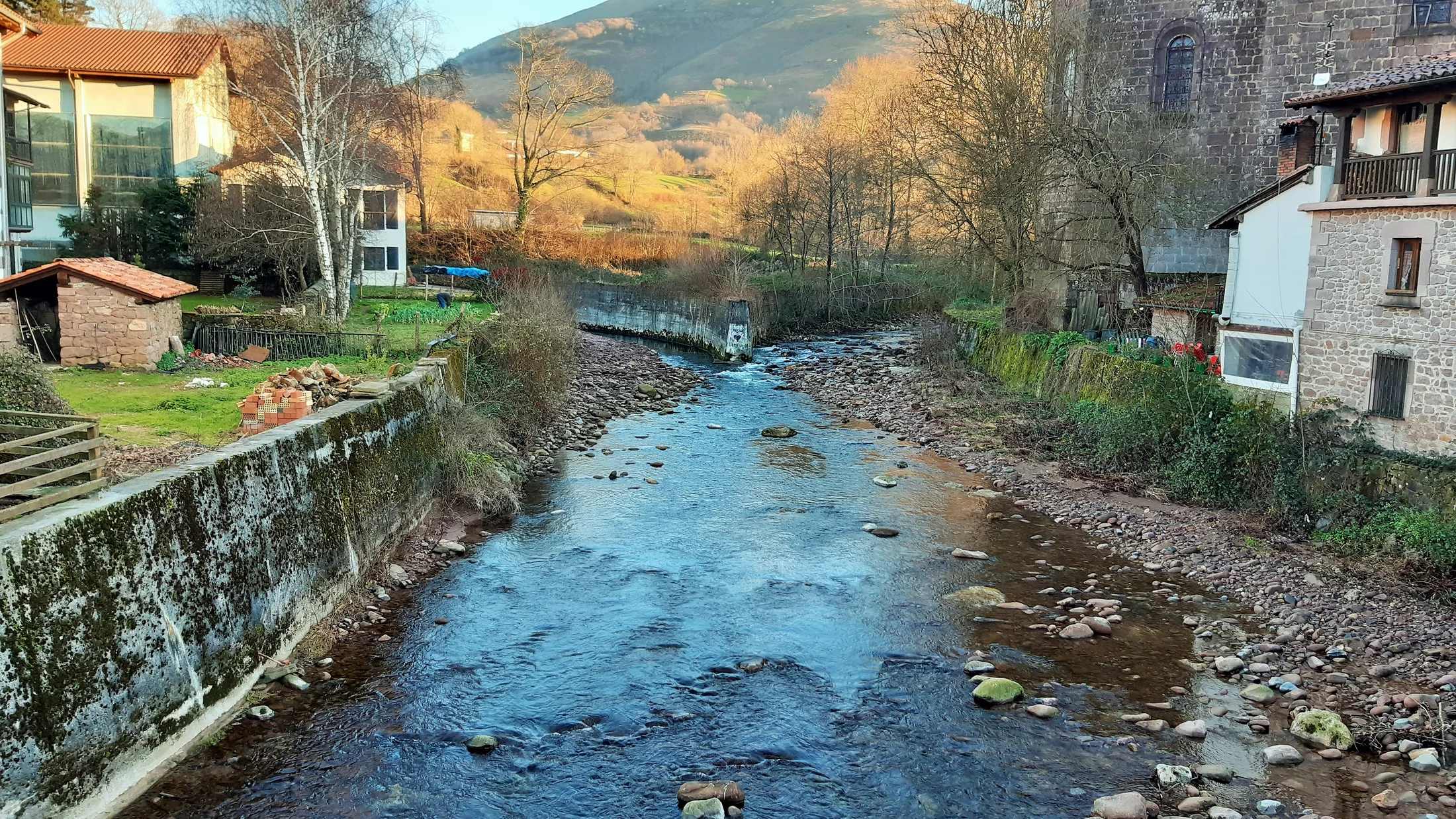
The Baztán Valley fills a 364 km² basin at the northernmost edge of Navarre, bounded by the ridges of the western Pyrenees that form the natural border with France. It is the largest municipality in the chartered community and one of the biggest in Spain, with fifteen villages — known locally as 'lugares' — scattered across hills cloaked in pedunculate oak, beech and chestnut. The Baztán River, rising on the slopes of Monte Auza (1,306 m) and flowing into the Bidasoa, runs south to north through the valley and waters the meadows where roughly 12,000 head of cattle graze — the traditional economic backbone of the district. On days of low mist, stone-and-timber farmhouses appear through the haze like islands in a green sea, and the drip of water on the ferns that carpet every bank becomes the valley's constant background sound.

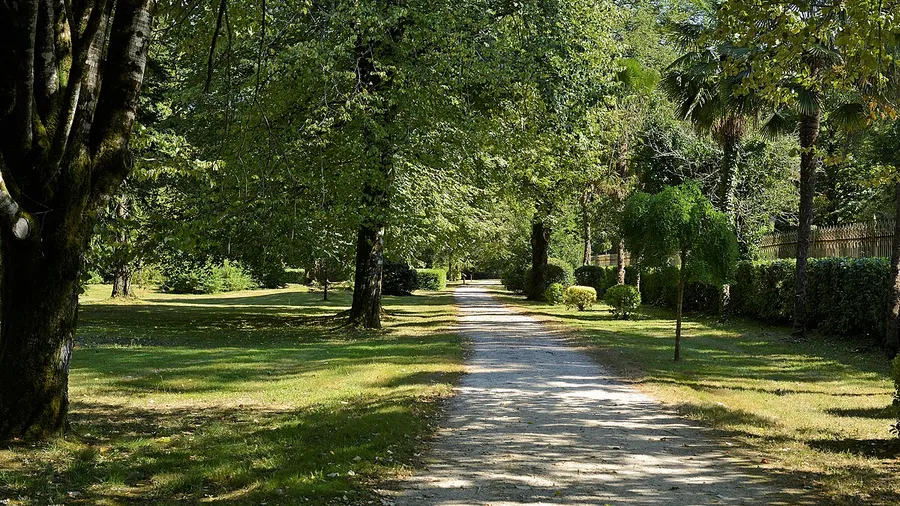
Atlantic vegetation dominates the landscape up to about 900 m. The beech woods of Bertiz — among the best preserved in Navarre, within the Señorío de Bertiz Natural Park — form a closed canopy that turns ochre, orange and red over roughly three weeks between mid-October and early November. Alongside the beeches grow pedunculate oaks, ash, alder and hazel; the understorey supports common fern, holly and several moss species that cloak fallen trunks. Above 1,000 m, mountain grassland occupies clearings historically maintained by charcoal-making and controlled burning to open pasture.

Wildlife includes stable populations of roe deer, wild boar and fox. The European mink — one of the continent's most threatened mammals — persists in tributary streams of the Baztán, and the Iberian desman has been recorded in the upper river reaches. Forest birds are plentiful: white-backed woodpecker, nuthatch, long-tailed tit and marsh tit inhabit the mature beech woods, while griffon vulture and Egyptian vulture breed on the limestone cliffs that flank the valley to the east. In headwater streams, brown trout and native white-clawed crayfish survive where water quality allows.

The valley's culture runs deep. Basque is the majority and working language across all fifteen villages, from Elizondo — the capital, with around 3,500 inhabitants and full services — to hamlets like Amaiur-Maya, site of the last battle for the independence of the Kingdom of Navarre in 1522. Indiano mansions in Elizondo and Arizcun bear witness to emigration to the Americas in the eighteenth and nineteenth centuries, and local cuisine centres on smoked Idiazábal cheese, chistorra sausage, seasonal wild mushrooms and txuleta steak from Betizu cattle, a semi-wild breed that grazes the Pyrenean slopes. Each village's patron-saint festival, with txistu pipe and drum music, follows through the summer.

The main access is the N-121-A from Pamplona (60 km, 50 minutes), which climbs the Velate pass (847 m) before descending into the valley. From France, the D-406 enters via Dantxarinea. A waymarked trail network connects the fifteen villages and the surrounding forests, with routes ranging from half-hour riverside walks to full-day traverses along the border ridges.
Practical information

Everything you need to know for your visit to Valle de Baztán

How to get there
From Pamplona, take the N-121-A north (60 km, 50 min) over the Velate pass (847 m). From San Sebastián, about 80 km via the N-121-A through Santesteban. From France, the D-406 enters via Dantxarinea. Elizondo is the capital with full services and public parking.
Area Information
Elizondo has a tourist office, accommodation (hotels, guesthouses and a campsite), restaurants and supermarkets. Each of the fifteen villages has at least one bar or rural guesthouse. Señorío de Bertiz Natural Park interpretation centre with botanical garden.
Geography
A 364 km² basin in the western Navarrese Pyrenees, from 200 m on the valley floor to 1,306 m at Monte Auza. Gently rolling hills covered in Atlantic forest, drained by the Baztán River and its tributaries into the Bidasoa.
Flora & Fauna
Beech, pedunculate oak, chestnut, ash and alder in the riparian forest. Ferns, holly and mosses in the understorey. Roe deer, wild boar, European mink and Iberian desman. White-backed woodpecker, nuthatch, griffon vulture and Egyptian vulture. Brown trout and native crayfish.

Things to do

Find the best plans and things to do in Valle de Baztán

20

Accommodations

Best accommodation options in Valle de Baztán

Loading accommodation options...

Frequently Asked Questions

Get answers about Valle de Baztán

It is highly recommended. Although there is a bus service from Pamplona to Elizondo (La Baztanesa line, several daily departures), connections between the valley's fifteen villages are scarce or non-existent. Distances between villages range from 2 to 8 km along narrow but well-surfaced roads, so a car lets you visit several in a single day. You can also walk between them on waymarked trails, but a full circuit would take at least three or four days.
The Baztán beech woods reach peak colour between mid-October and early November, though the exact date shifts with each year's rainfall and temperatures. The Señorío de Bertiz Natural Park is the most accessible spot to see the change, with well-marked trails through the forest. Arrive early on autumn weekends, as the car park fills before 11:00. Midweek visits are much quieter.
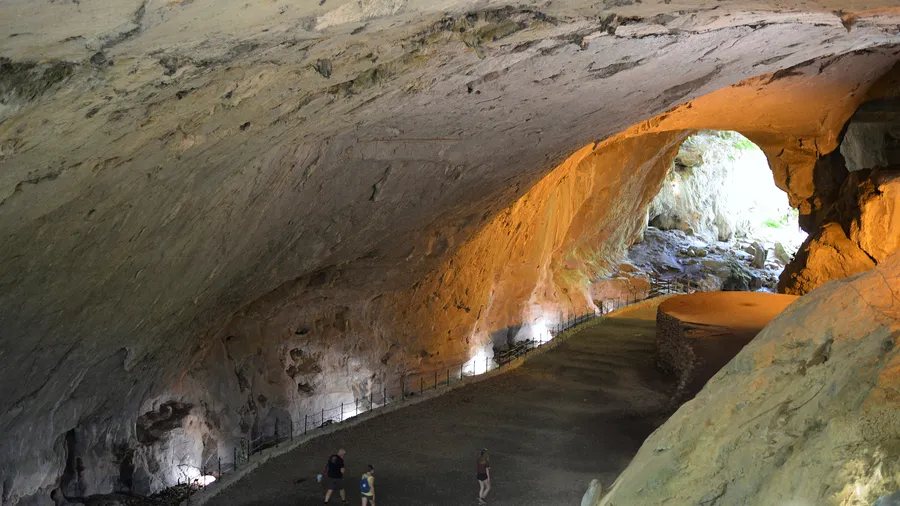
Elizondo is essential for its Indiano mansions and full amenities. Amaiur-Maya has a monument and notable historical context as the last stronghold of the Kingdom of Navarre. Arizcun gives access to the Bozate quarter, a former Agote settlement, and to the nearby Urdax caves. Zugarramurdi is known for its witches' cave and Inquisition museum. Erratzu is a good starting point for mountain routes towards the border ridges with France.
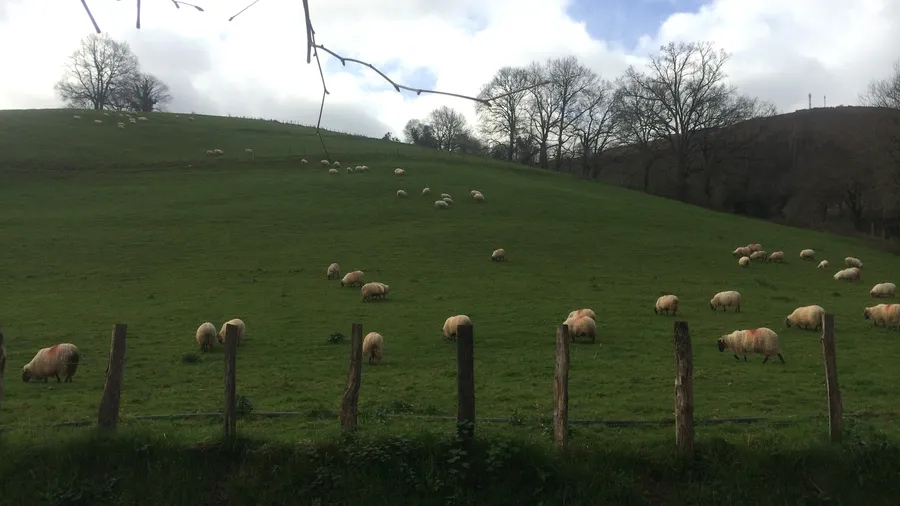
Baztán cuisine has pastoral and forest roots. Smoked Idiazábal cheese is the star product, made from Latxa sheep's milk. Chistorra — a fresh pork-and-paprika sausage — is served in every bar. Seasonal wild mushrooms (perretxikos in spring, boletus in autumn) accompany many dishes. Txuleta steak from Betizu cattle, a semi-wild breed raised on the Pyrenean slopes, is grilled over holm-oak charcoal. For dessert, cuajada with honey and walnuts is the traditional finish.
Yes, it is a comfortable family destination. Trails in the Señorío de Bertiz Natural Park are flat and accessible, with a botanical garden that keeps younger children entertained. The Baztán River has bank areas where children can paddle in summer. Zugarramurdi cave is a short, engaging walk. Elizondo has playgrounds and ice-cream shops. The main caveat is that rain is frequent, so always carry waterproof clothing and have an indoor backup plan.